


Enhance Your Confidence with Surgical Rhinoplasty
Is your nose holding you back from feeling your best? Whether it’s a concern about size, shape, or overall balance, a nose you’re not comfortable with can impact your daily confidence. The good news? You don’t have to live with it.
What is Rhinoplasty?
Rhinoplasty, often referred to as a “nose job,” is widely considered one of the most intricate and challenging procedures in plastic surgery. This is primarily because the nose is a central and defining feature of the face, making even subtle alterations profoundly impact overall facial harmony. Beyond aesthetic refinements, nose surgery can also significantly improve functional aspects, such as enhancing nasal breathing for those who experience obstruction or discomfort. It’s a procedure that requires both artistic vision and meticulous surgical skill to achieve results that are both beautiful and fully functional.

Educational videos
The Rhinoplasty Procedure
Learn more about what rhinoplasty is and how it can subtly enhance your facial harmony with insights from Dr. Tina Ho.
Rhinoplasty Explained | Structure, Function & Natural Results
Dr. Tina Ho presents an educational webinar on her specialized approach to structural rhinoplasty, which focuses on both the aesthetic form and functional breathing aspects of the nose. She emphasizes the importance of creating a nose that is harmonious with the face while maintaining or enhancing nasal airflow. Dr. Ho typically uses an open rhinoplasty technique involving an external incision. The procedure begins with addressing dorsal humps, crooked nasal bones, and then carefully refining the nasal tip—a challenging component due to its sensitivity to small adjustments. She also performs ethnic rhinoplasty, focusing on nostril size and flare reduction through specialized incisions.




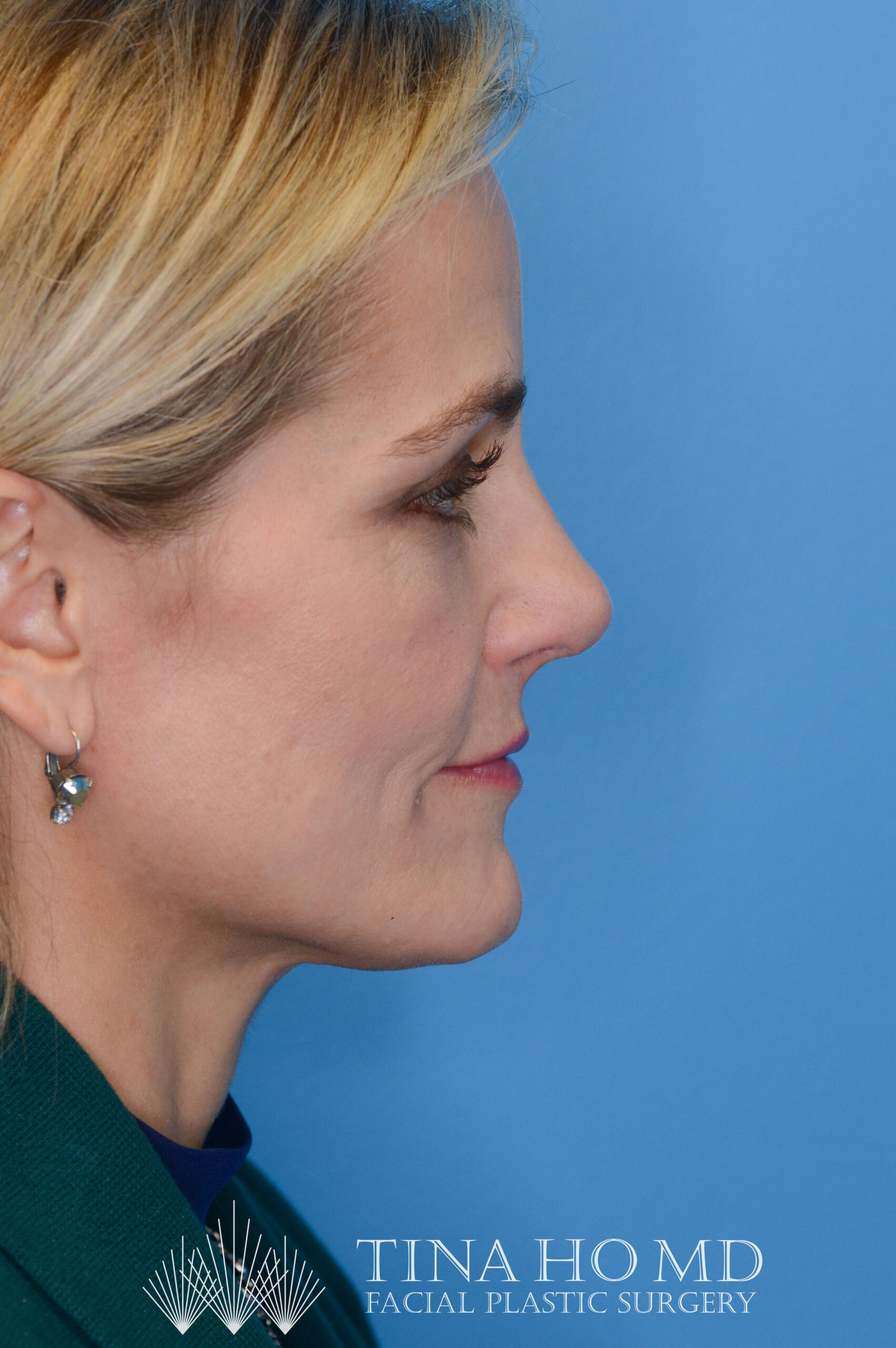
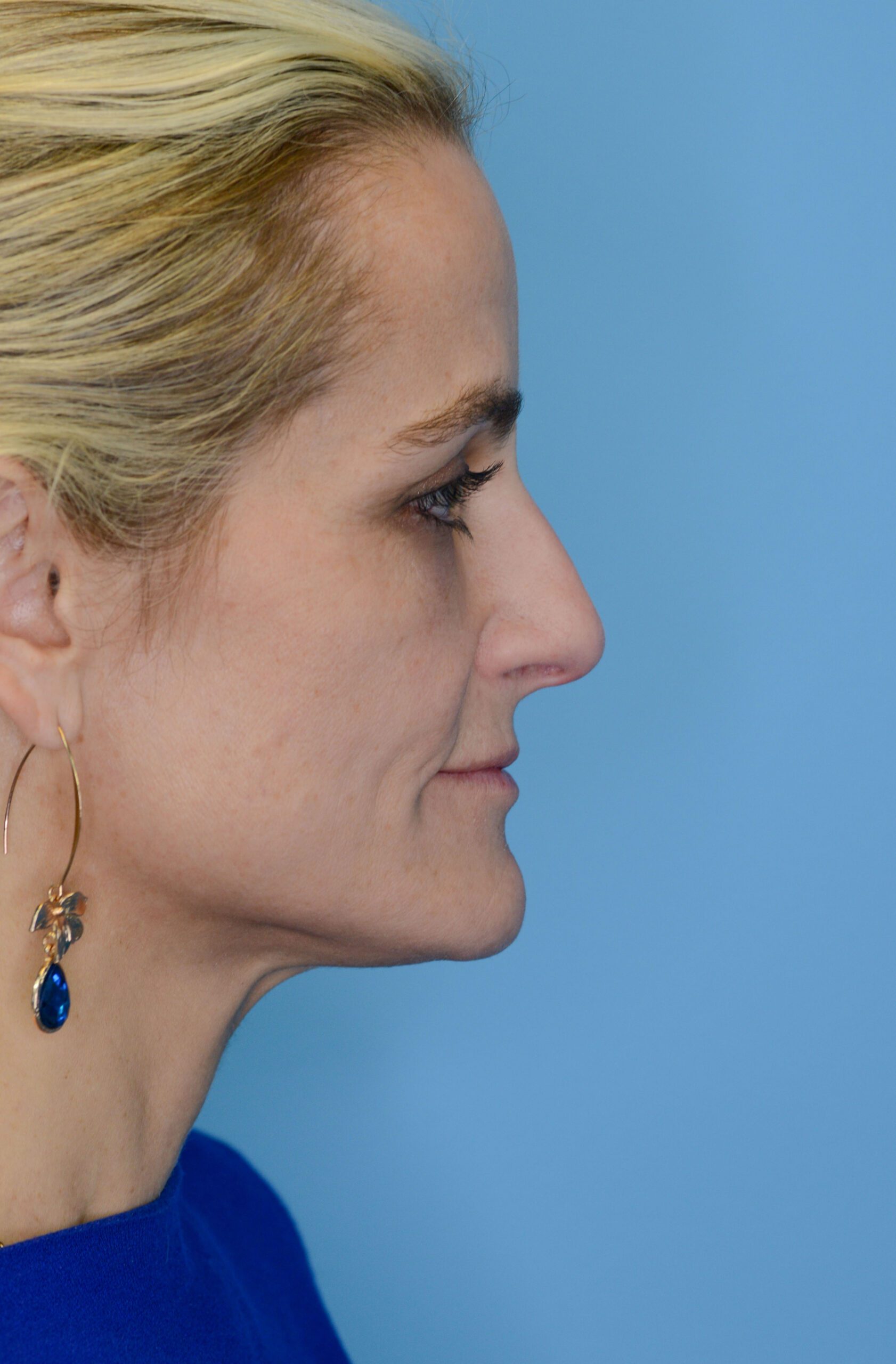
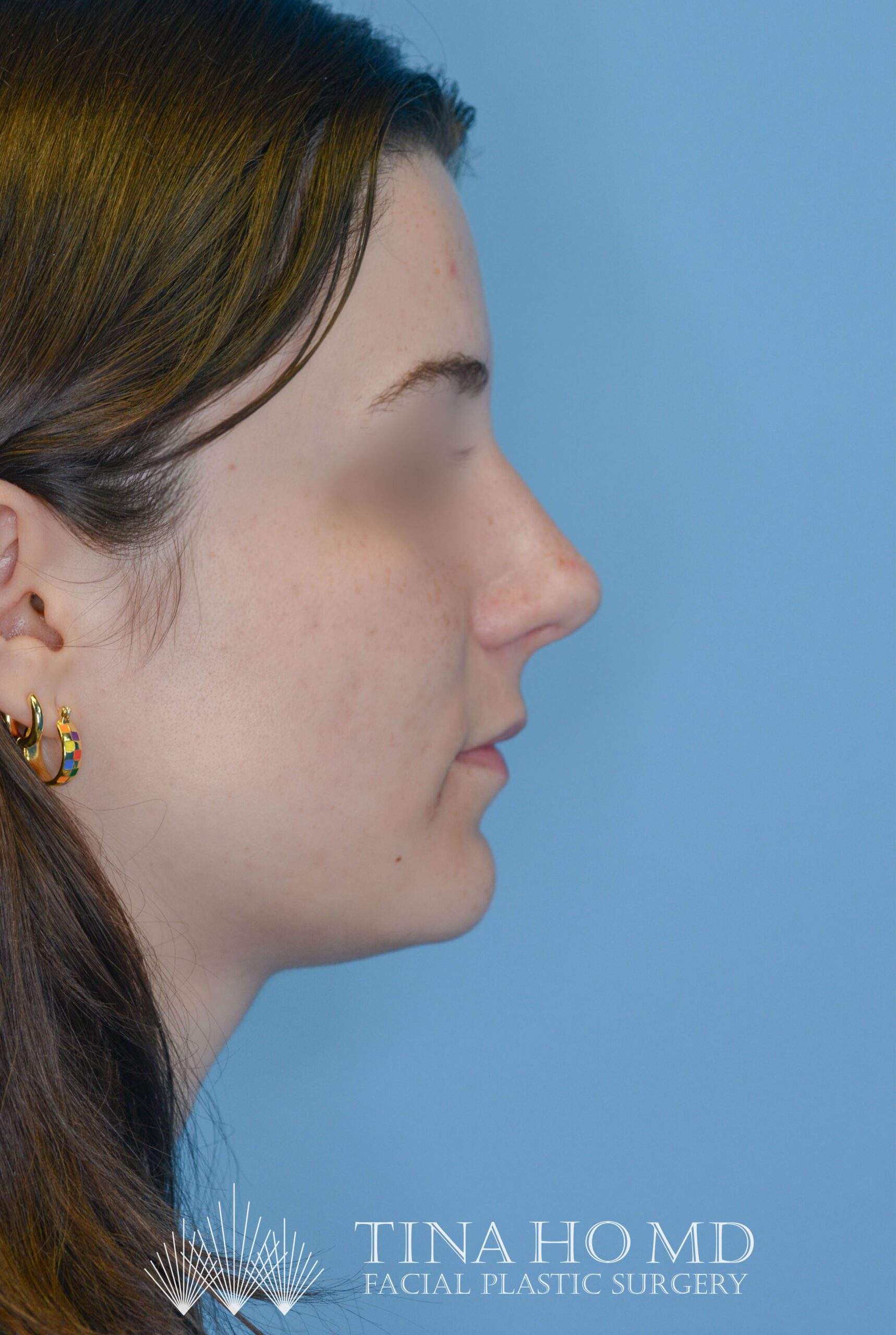
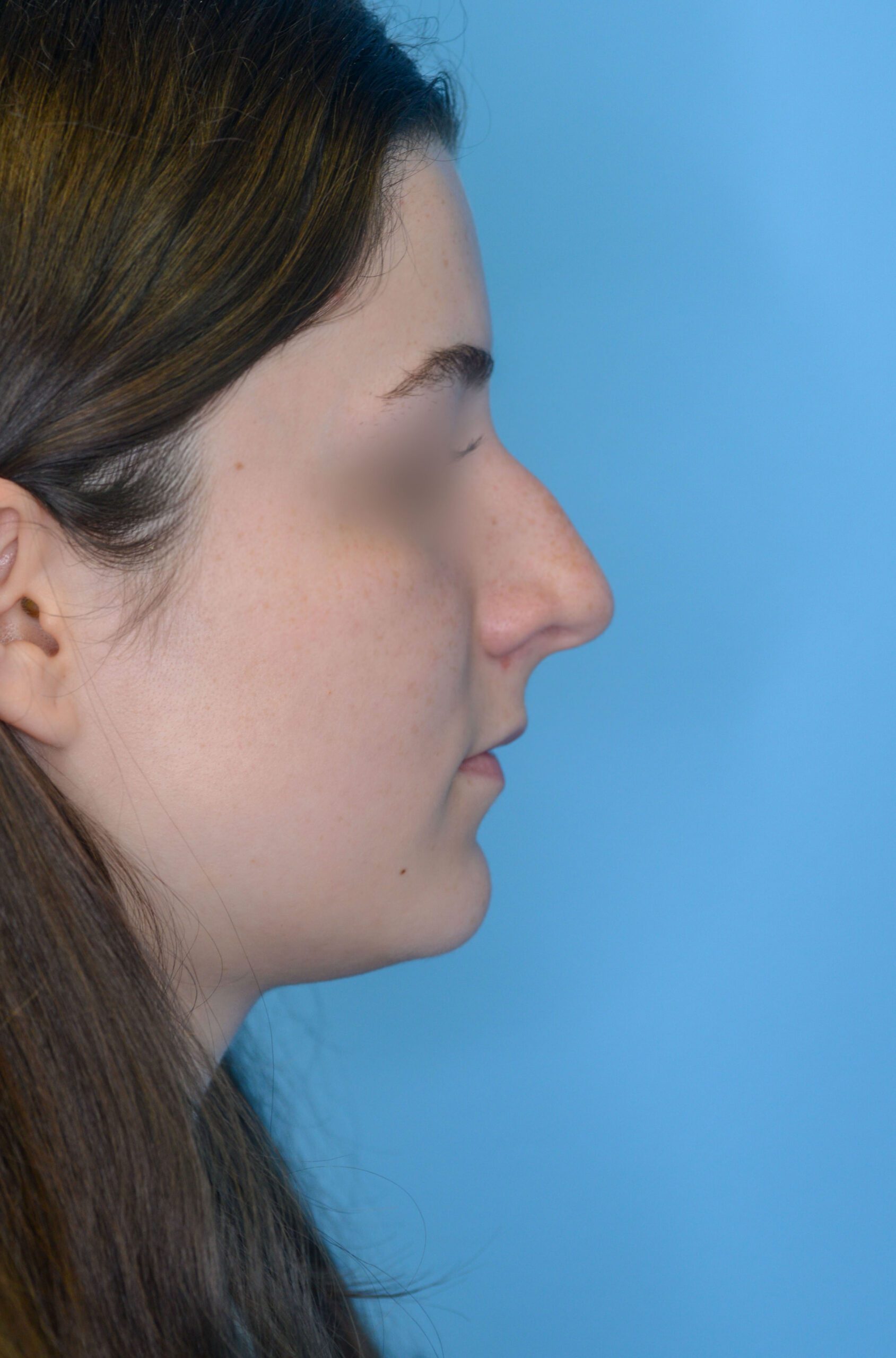
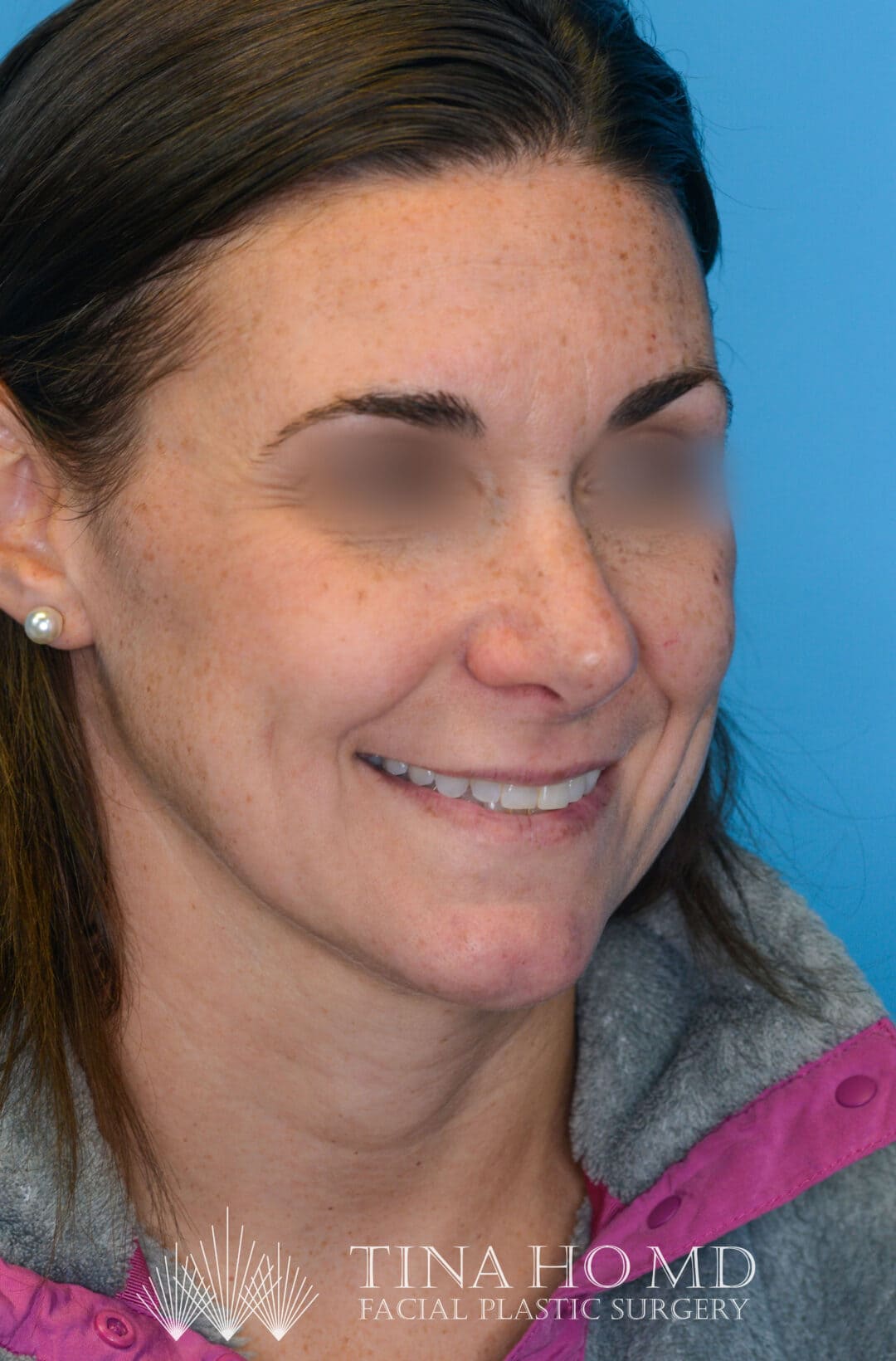

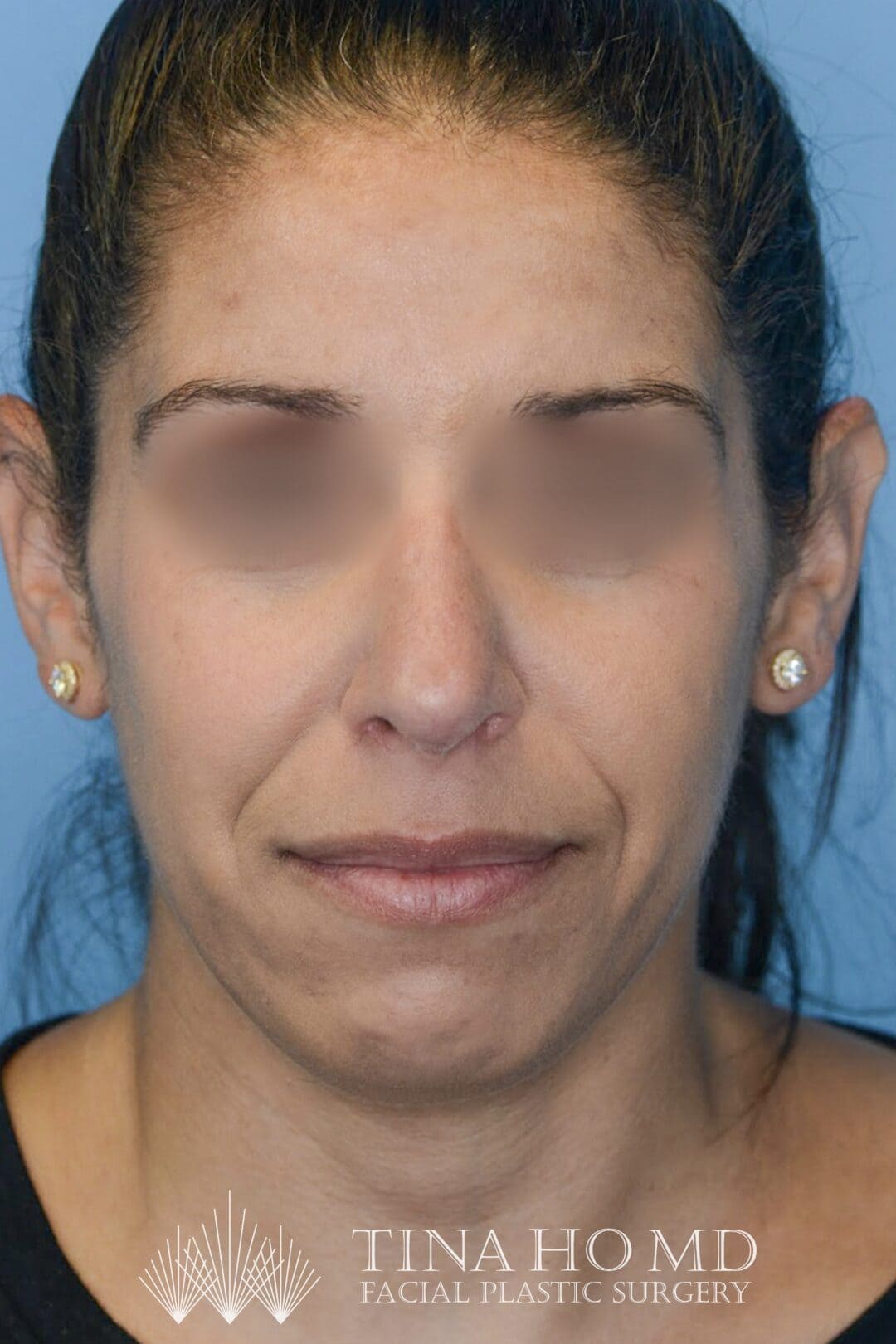
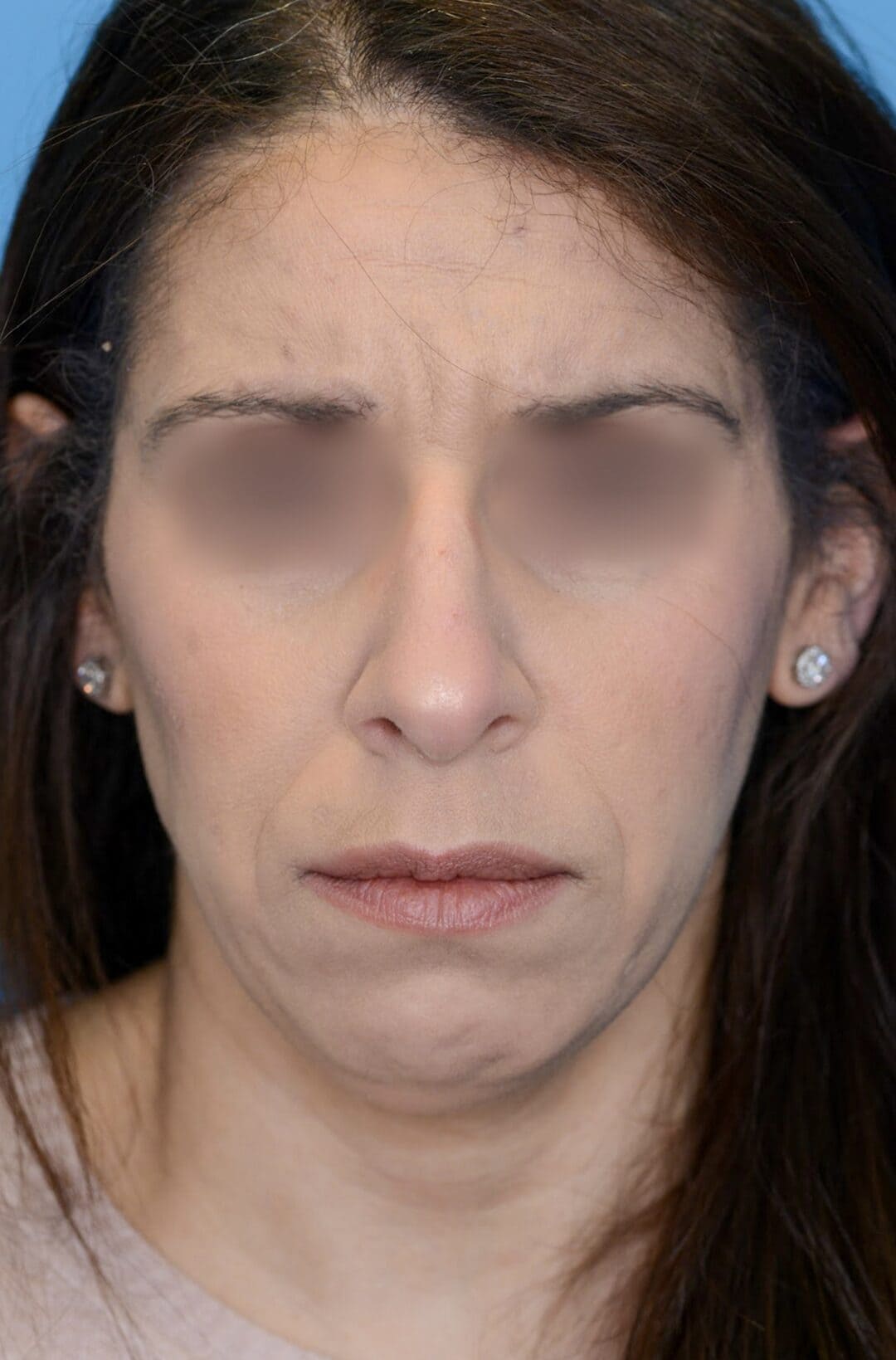
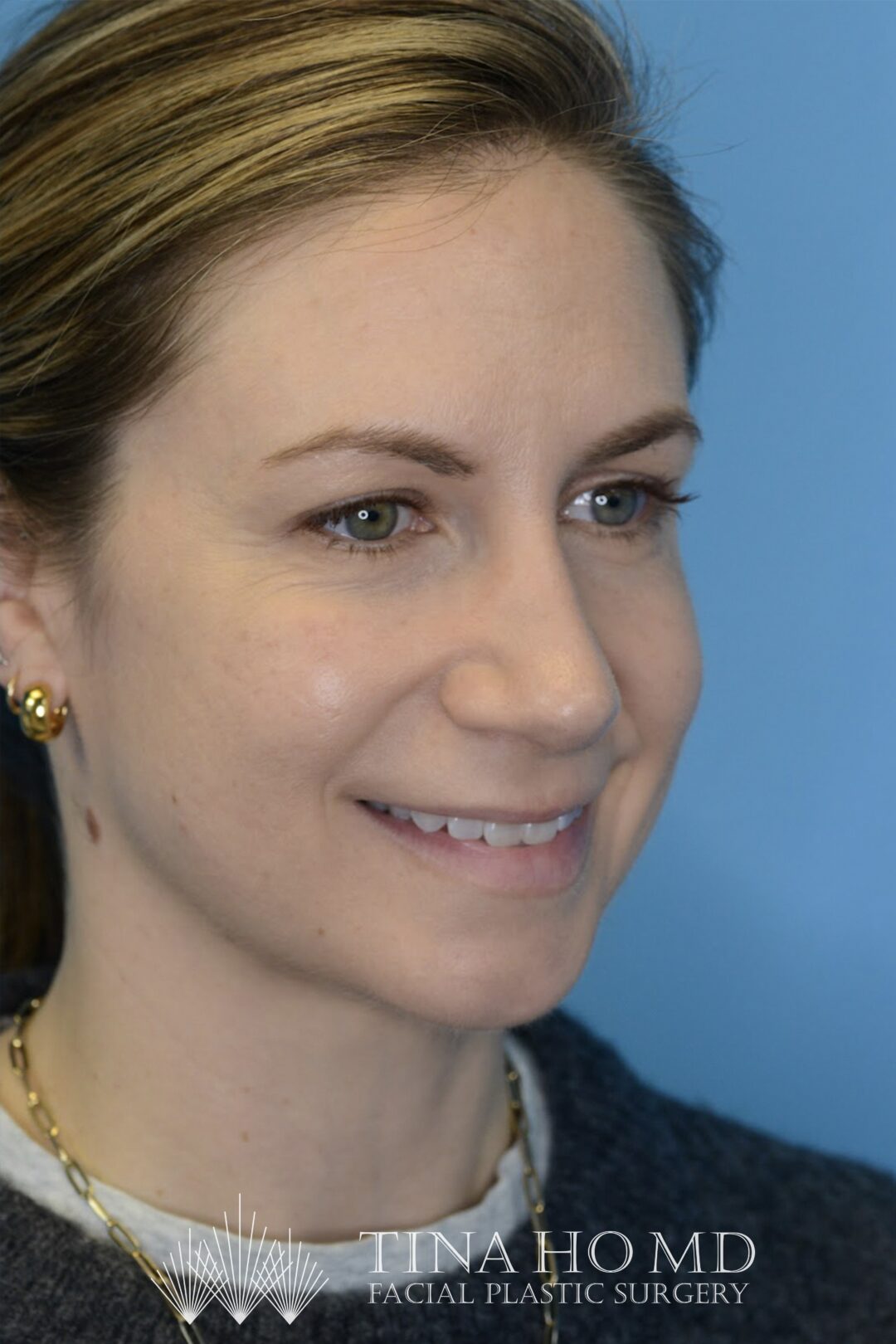
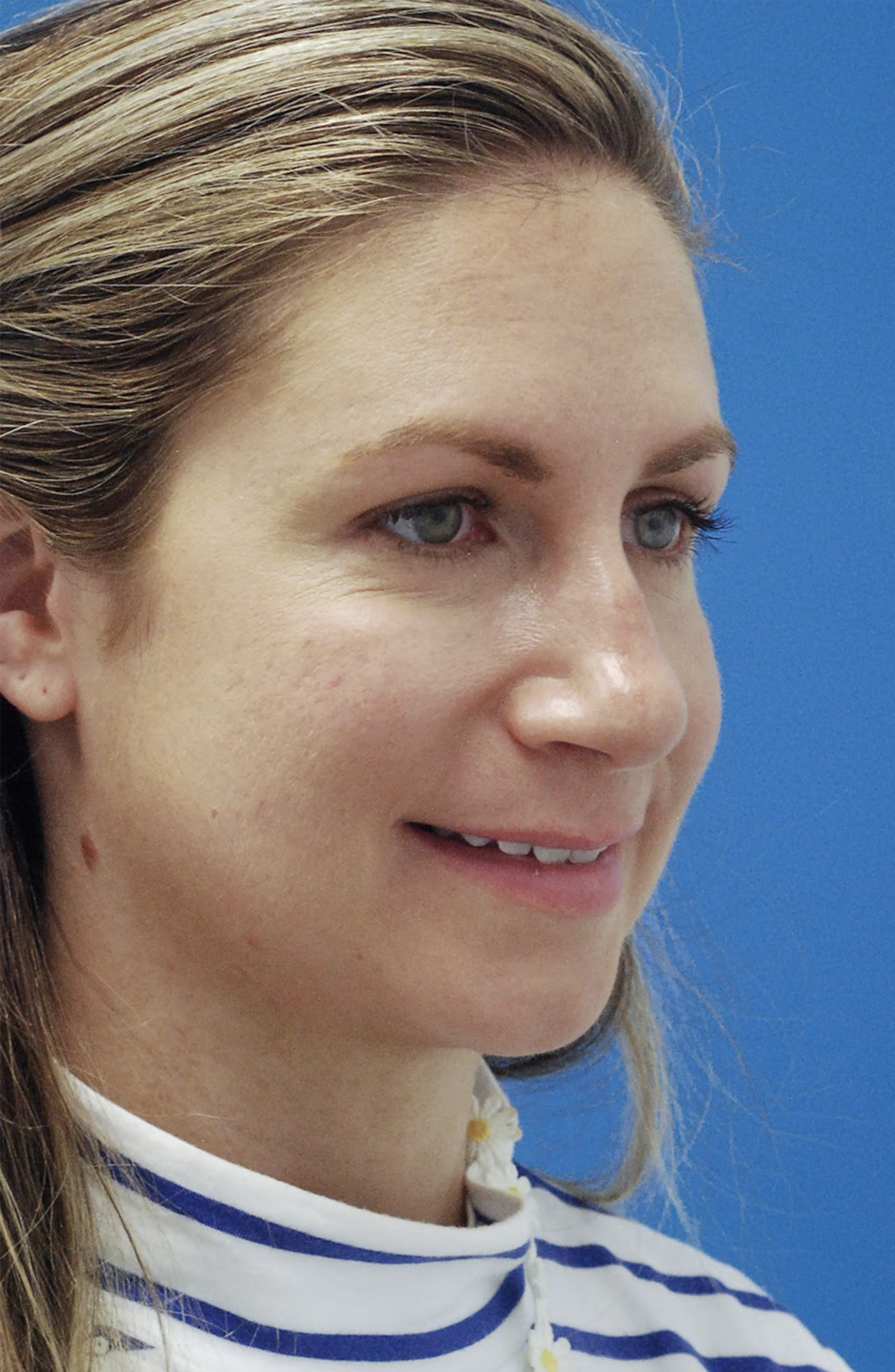
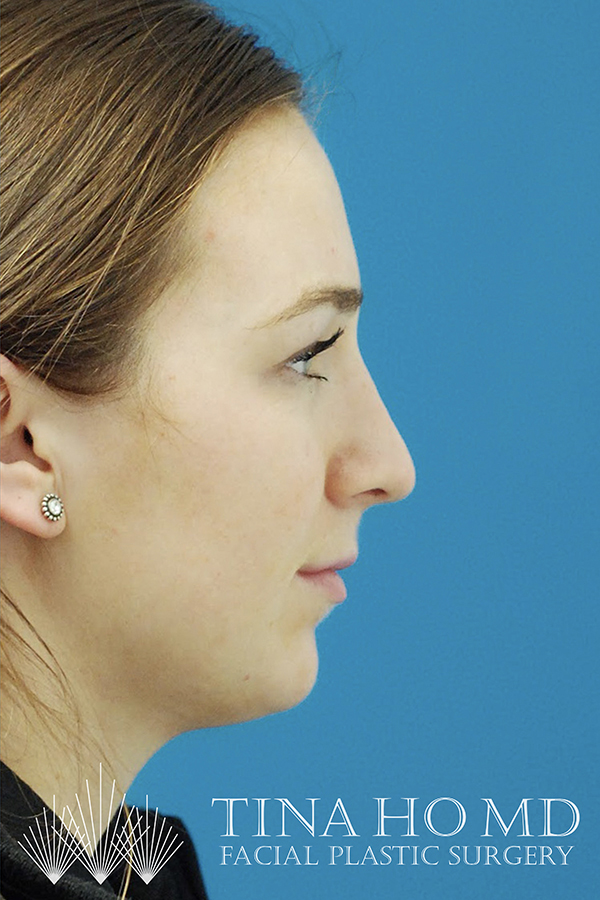
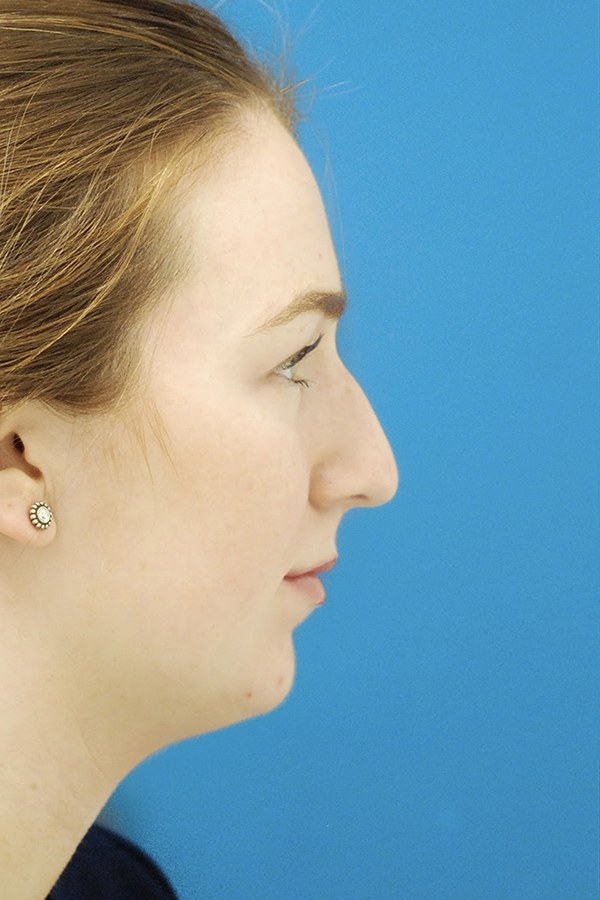
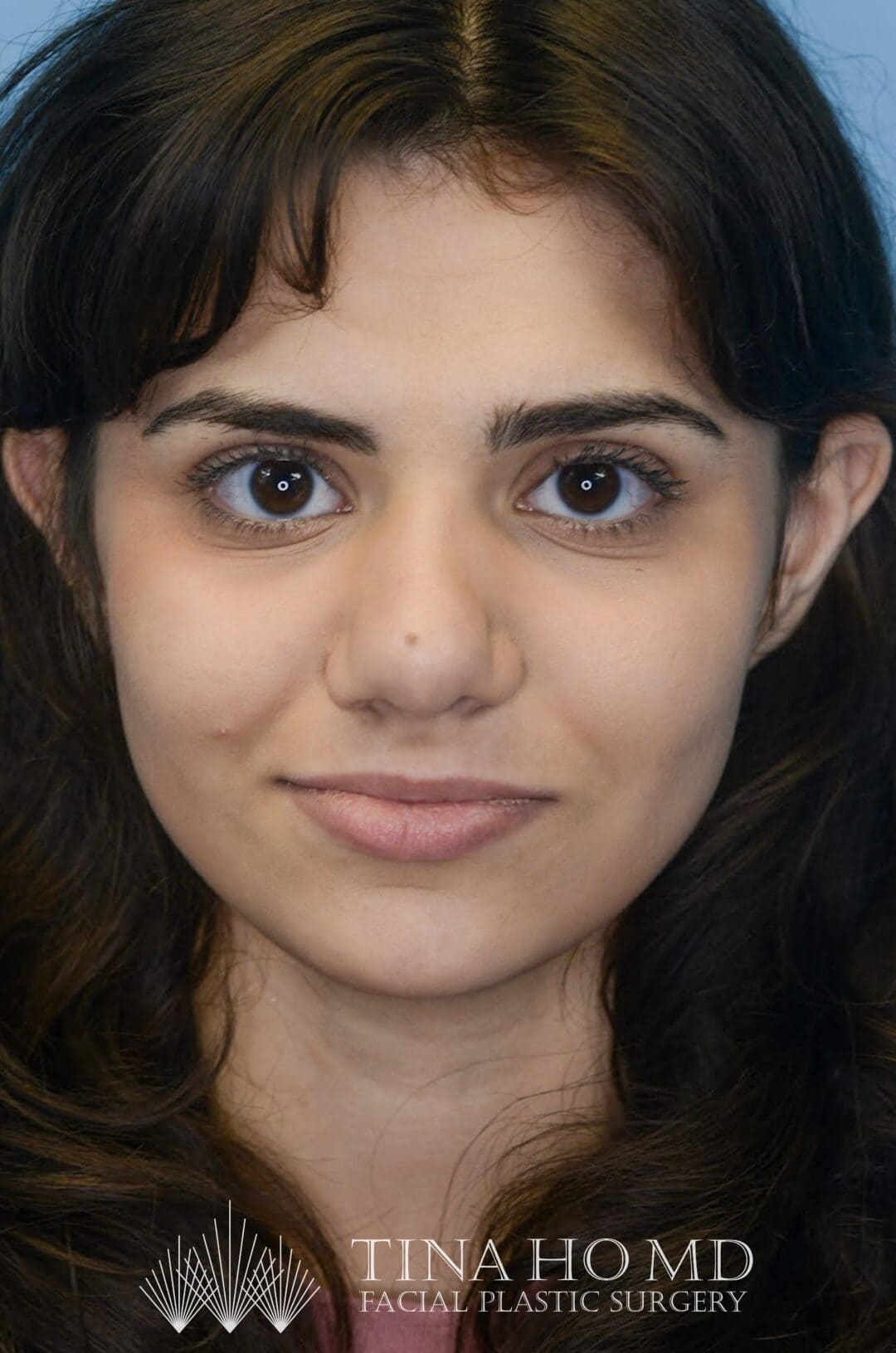
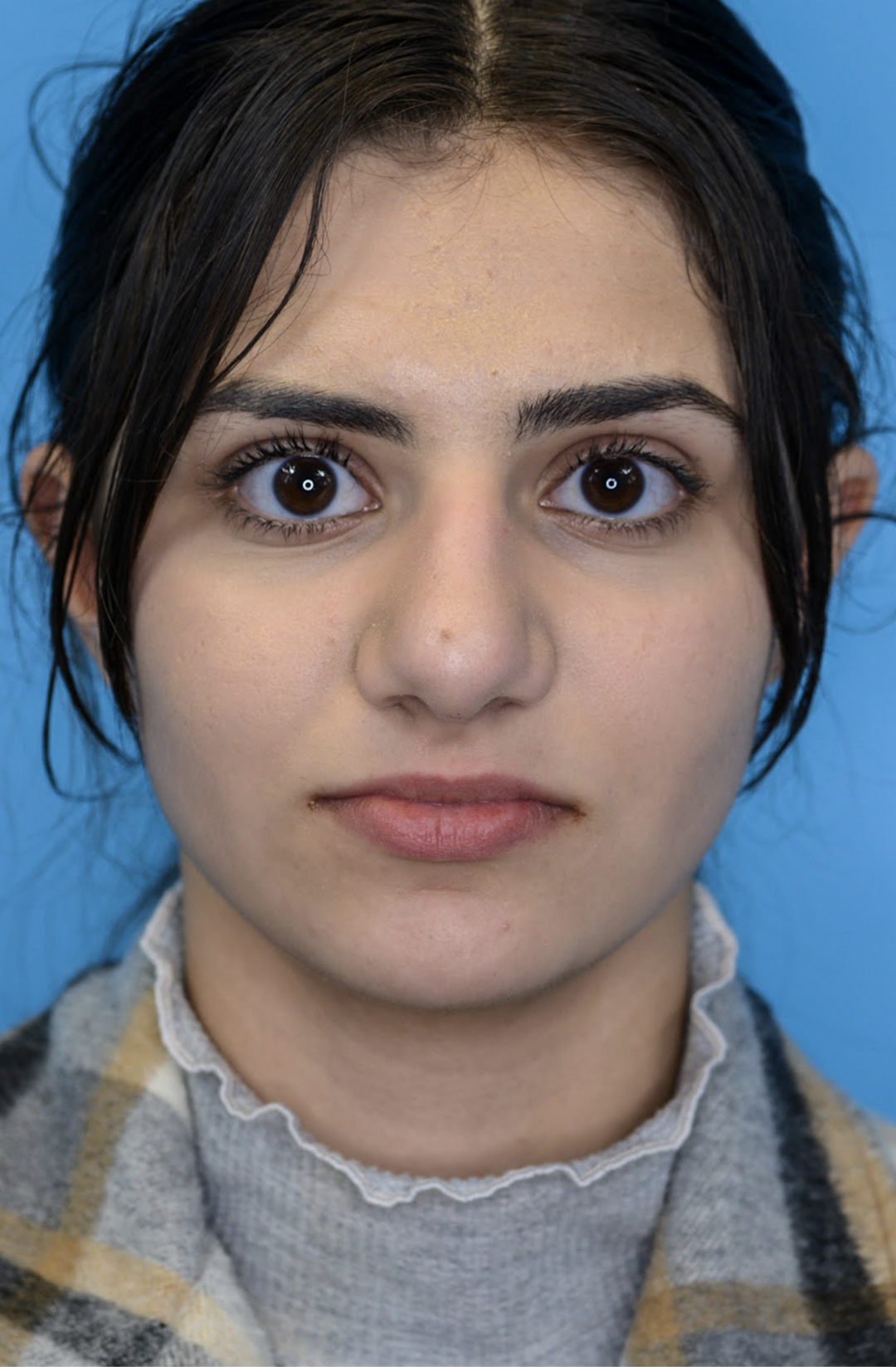


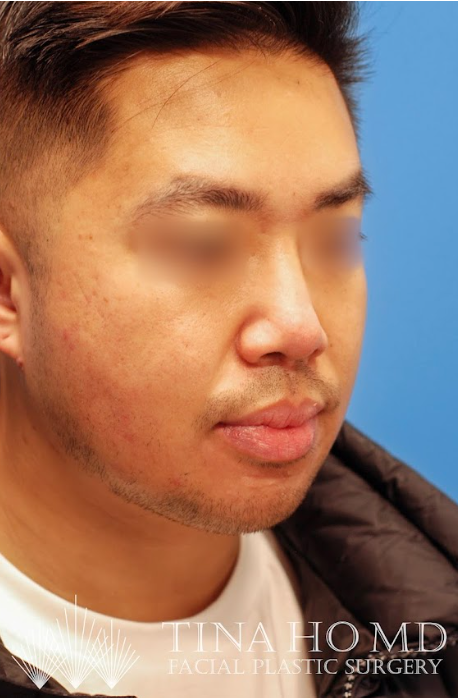
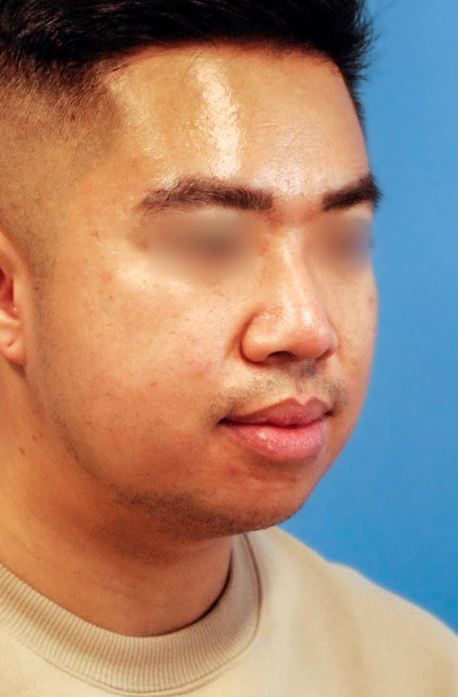
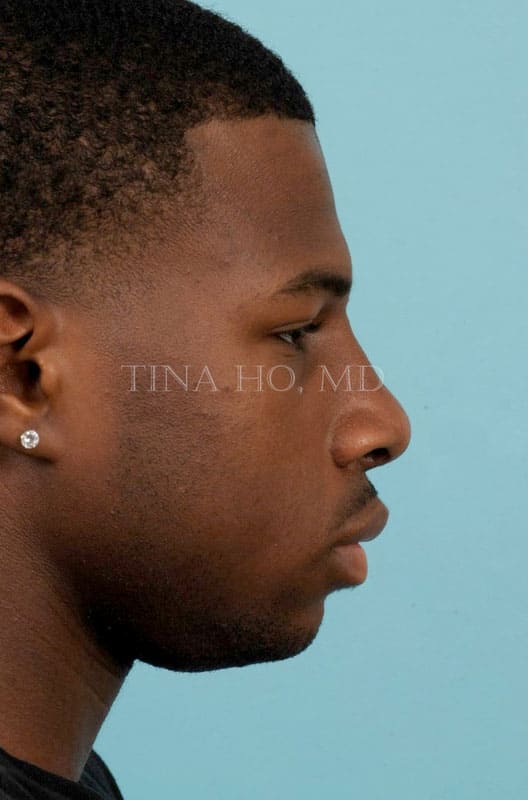
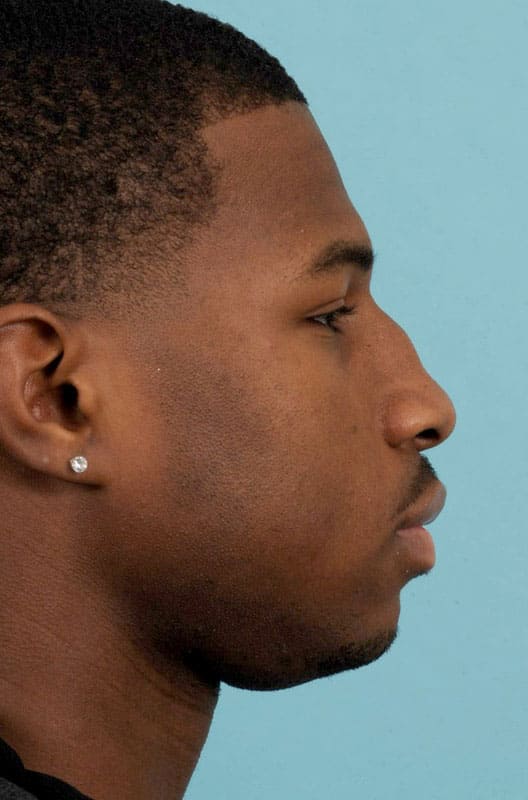
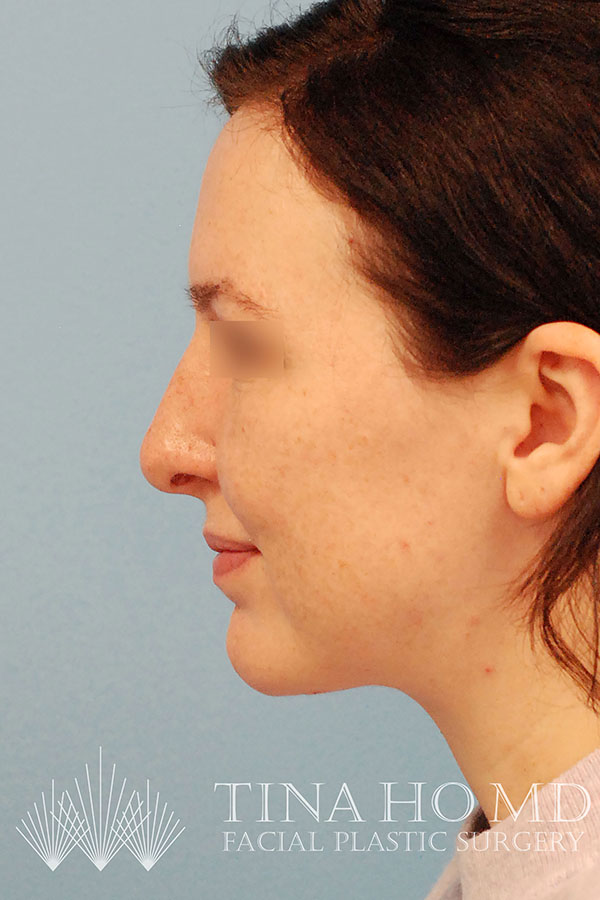
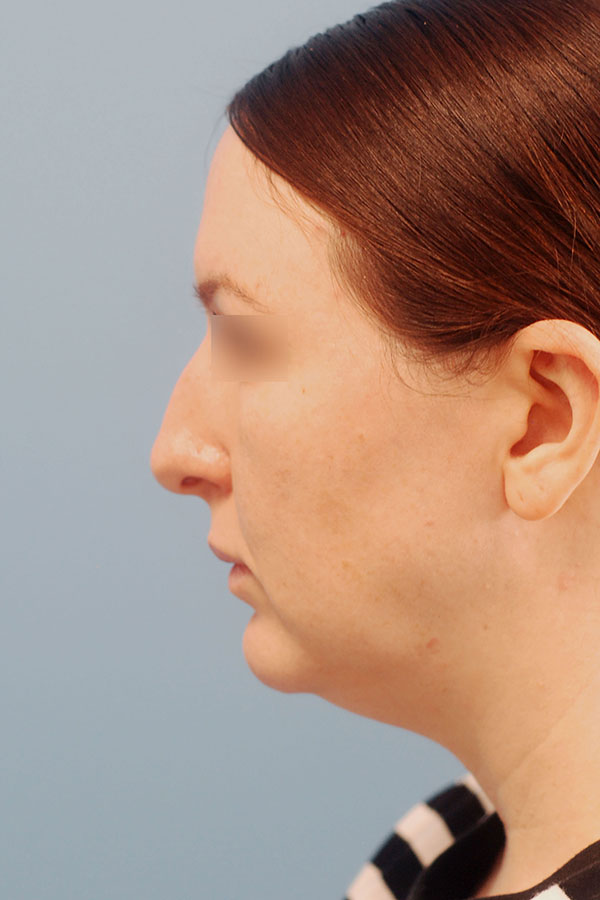
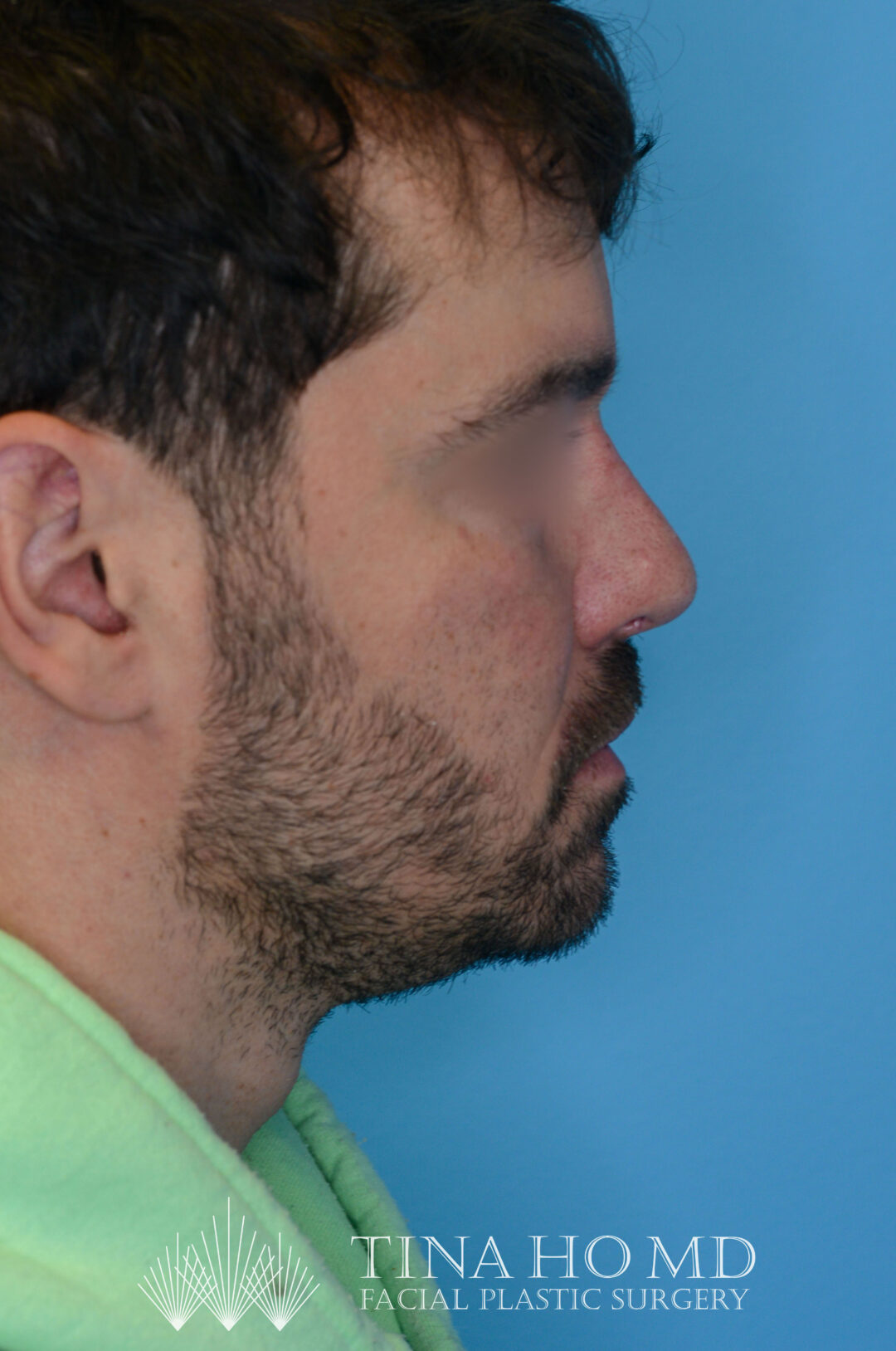
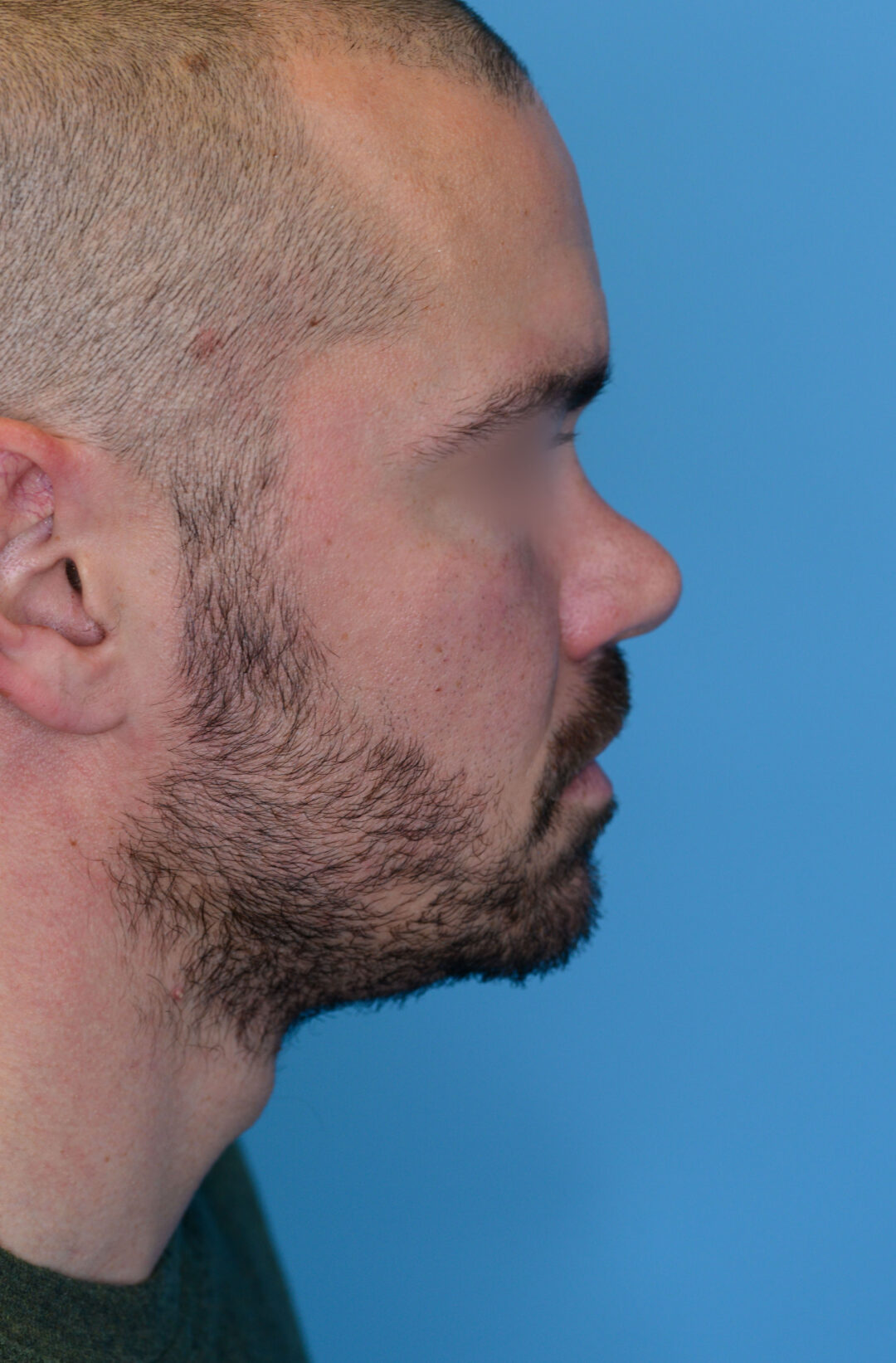
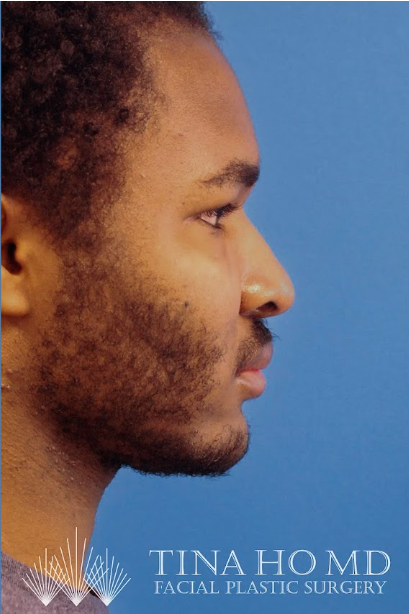
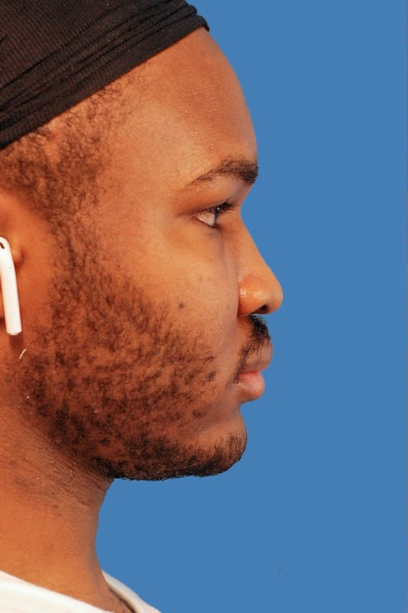
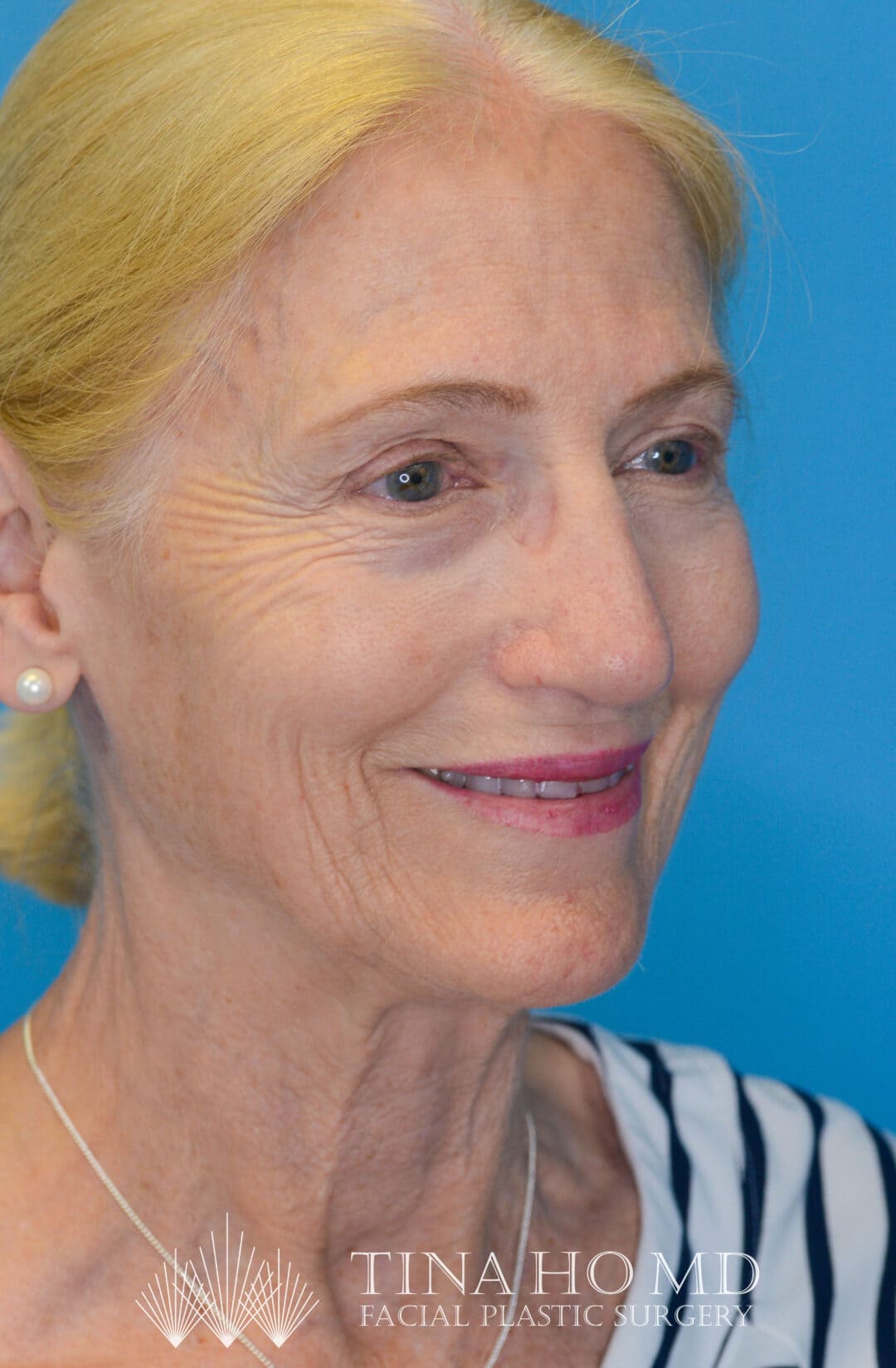
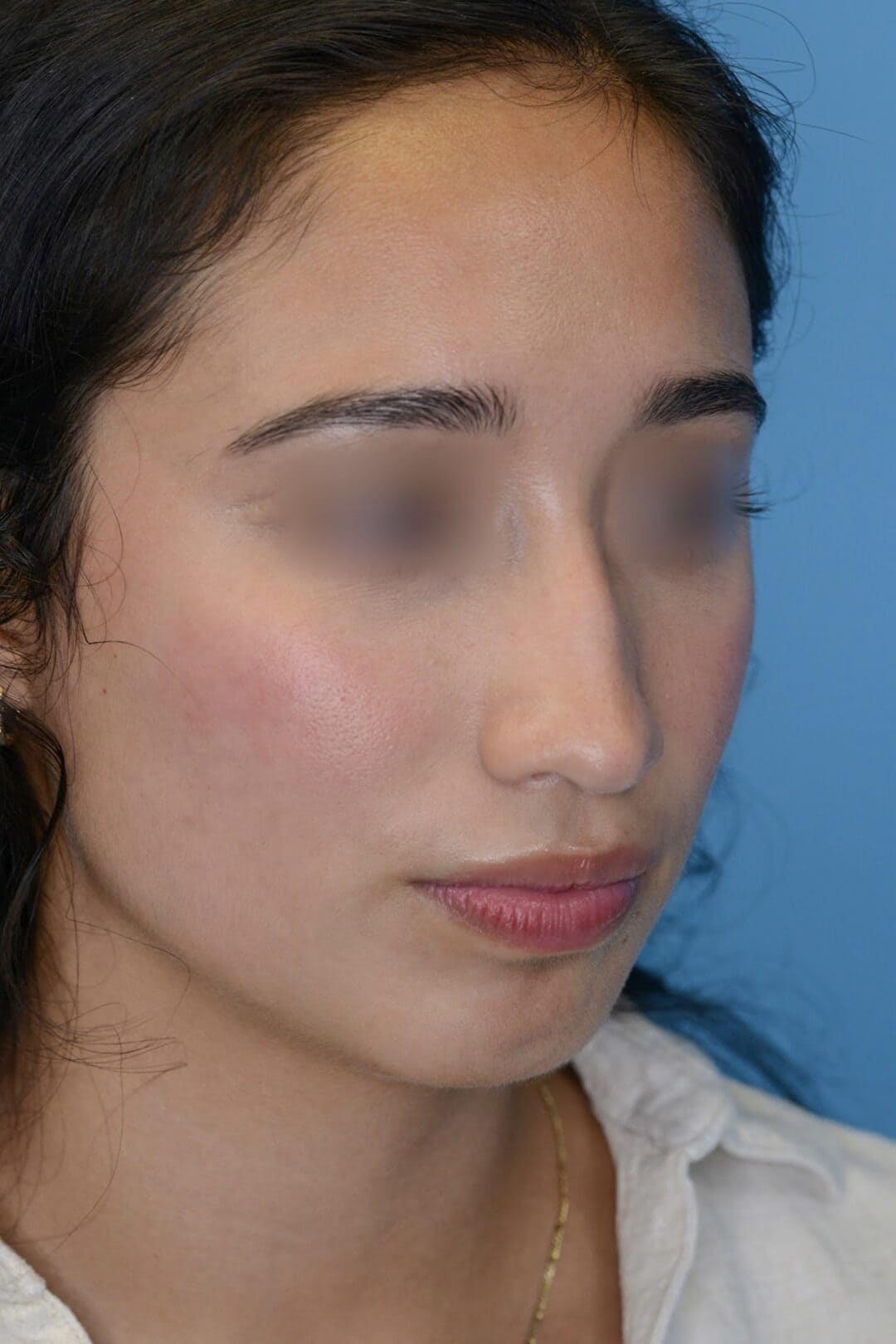
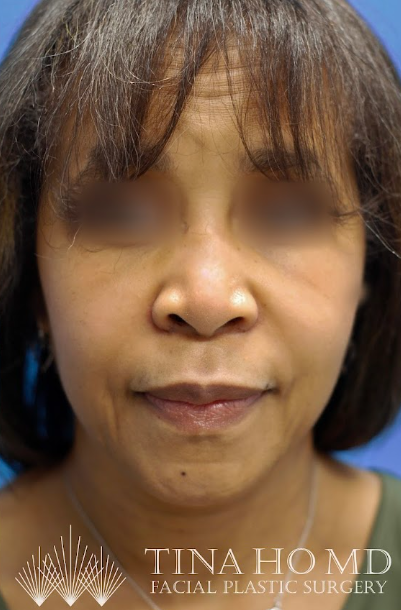
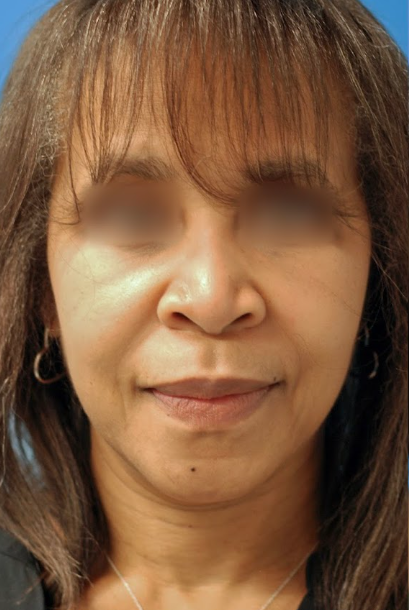
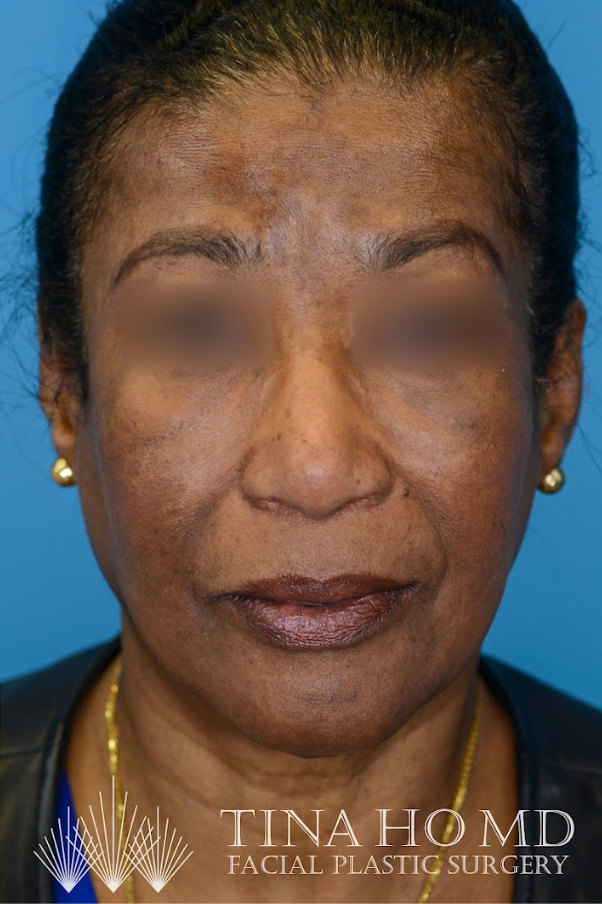
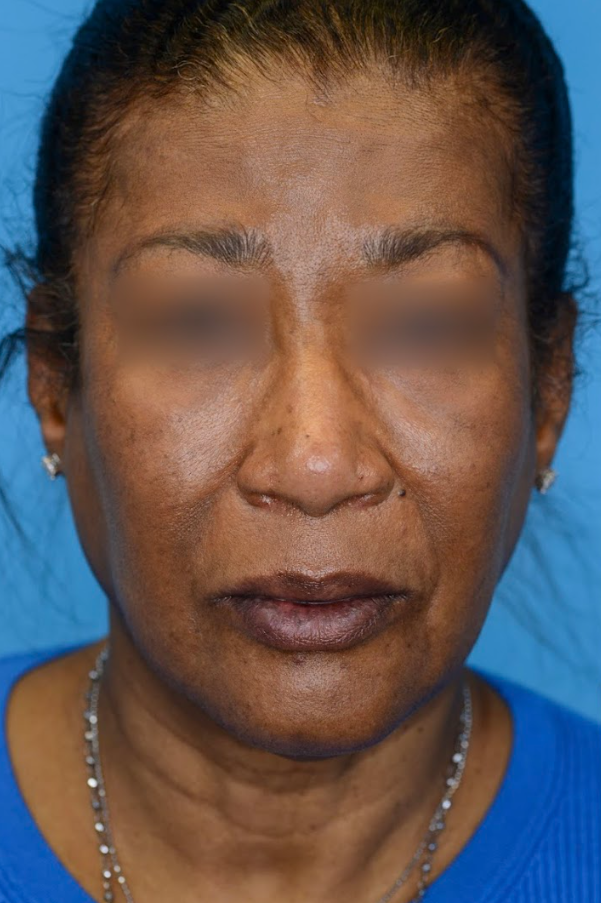
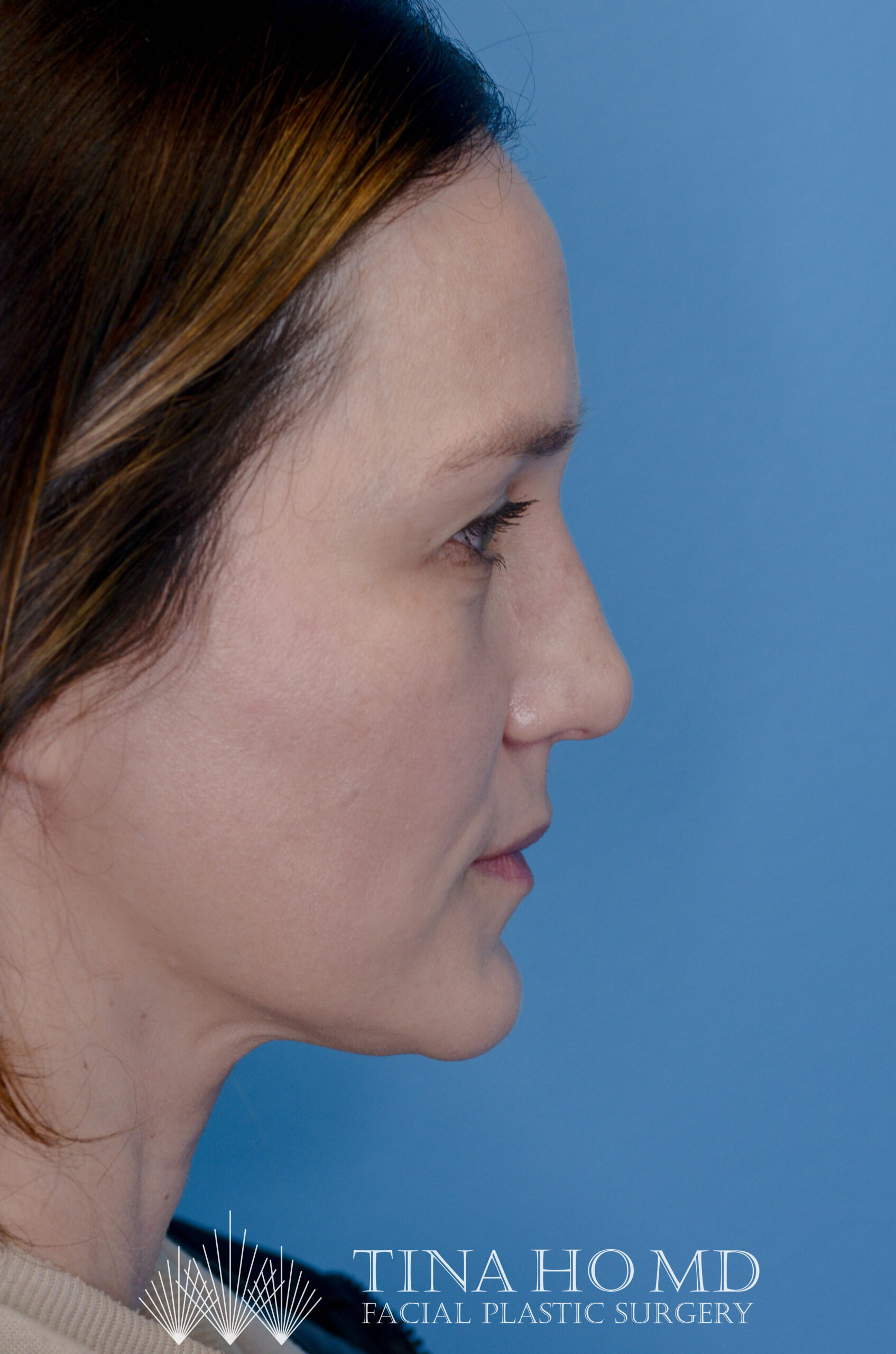
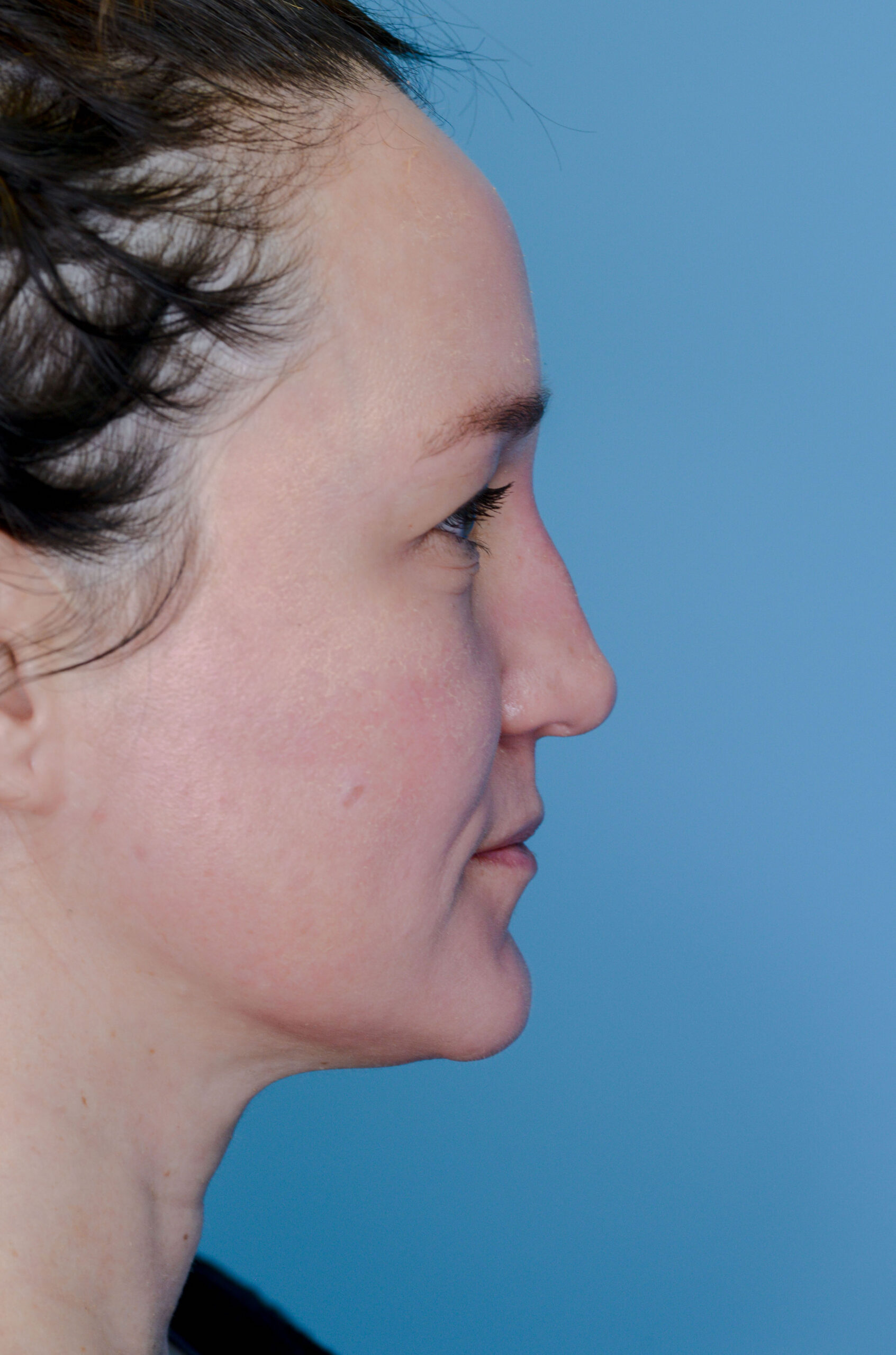
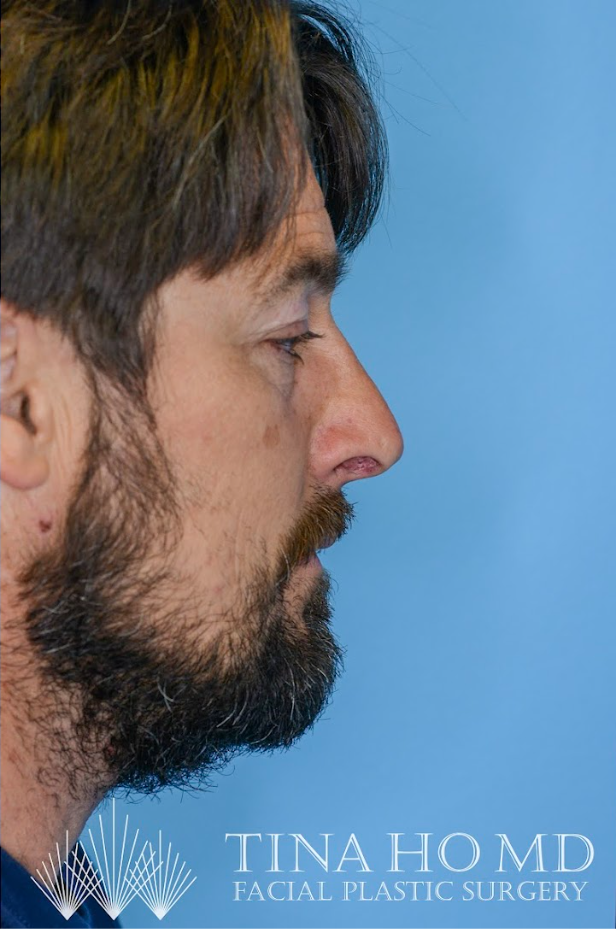
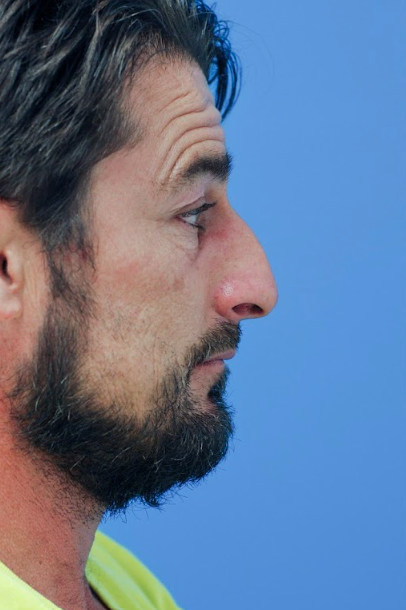
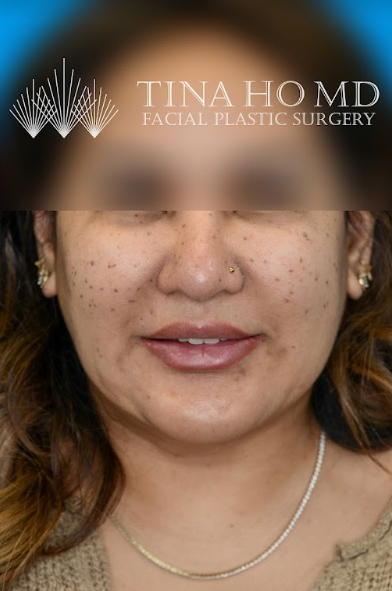
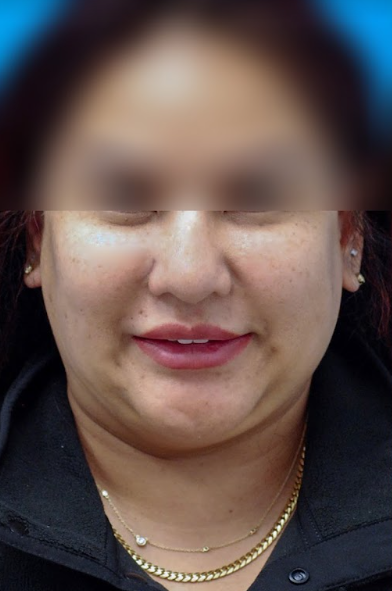


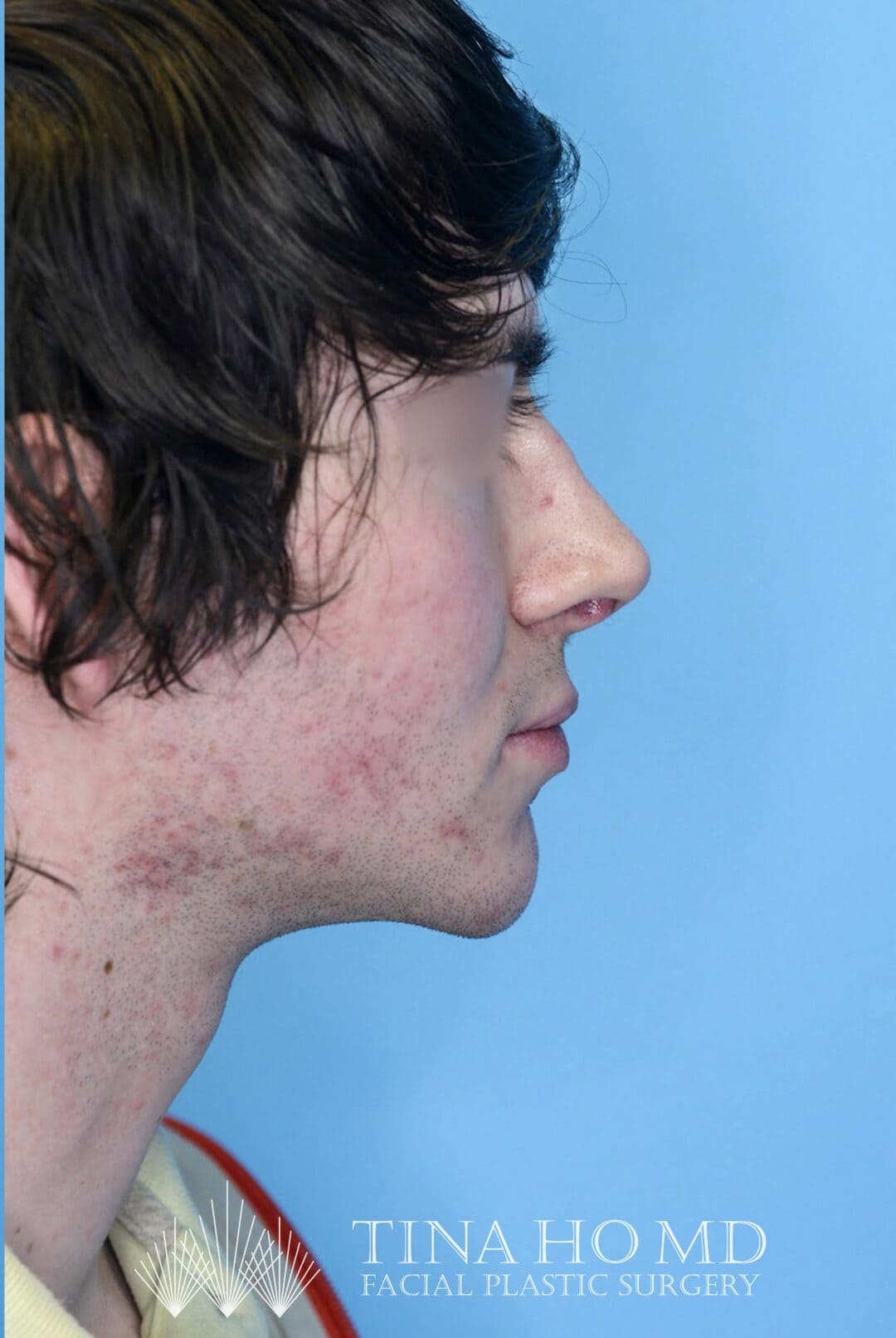
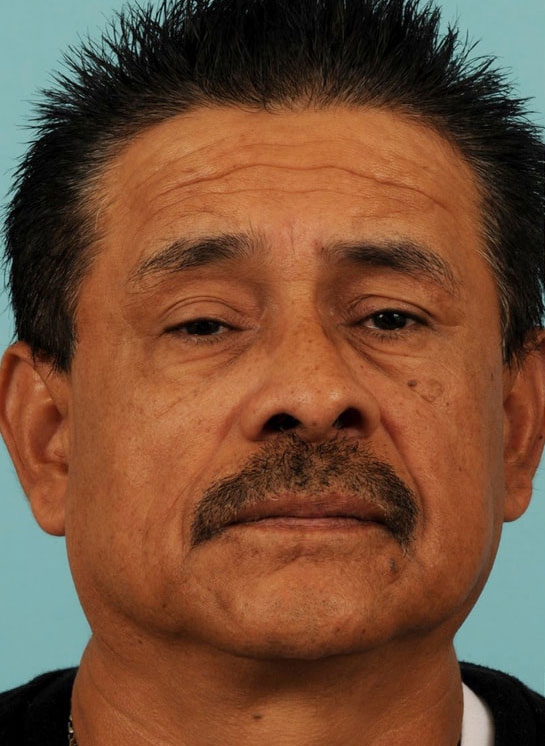
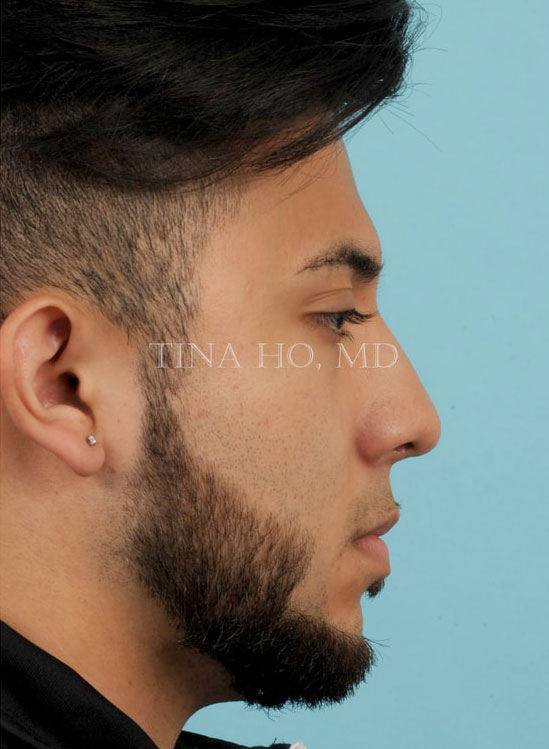
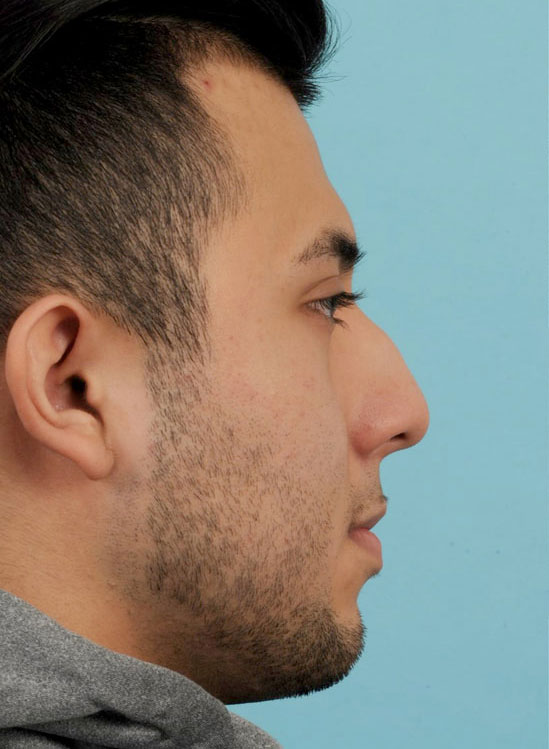
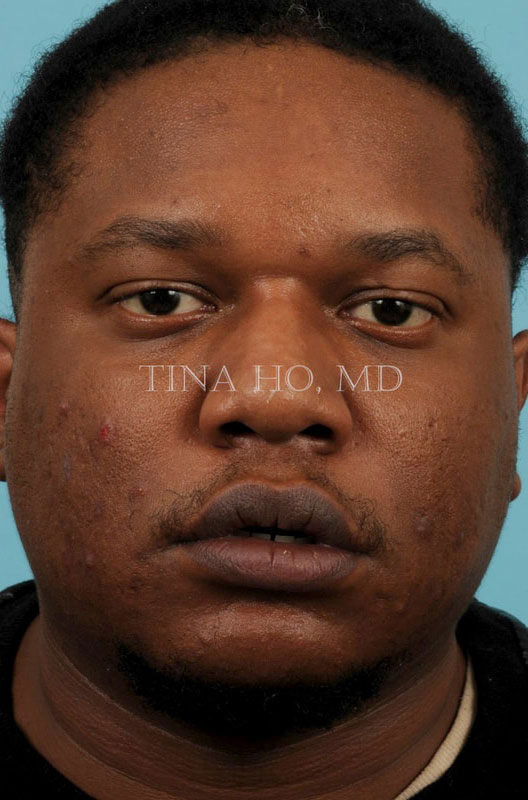
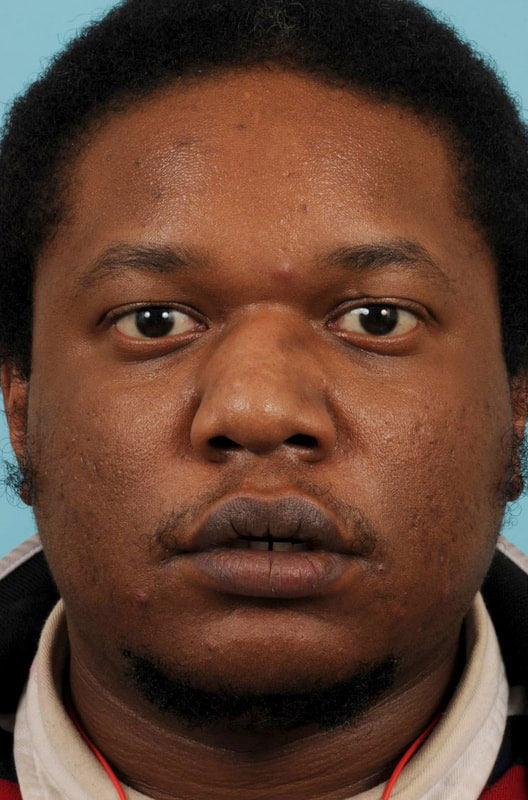
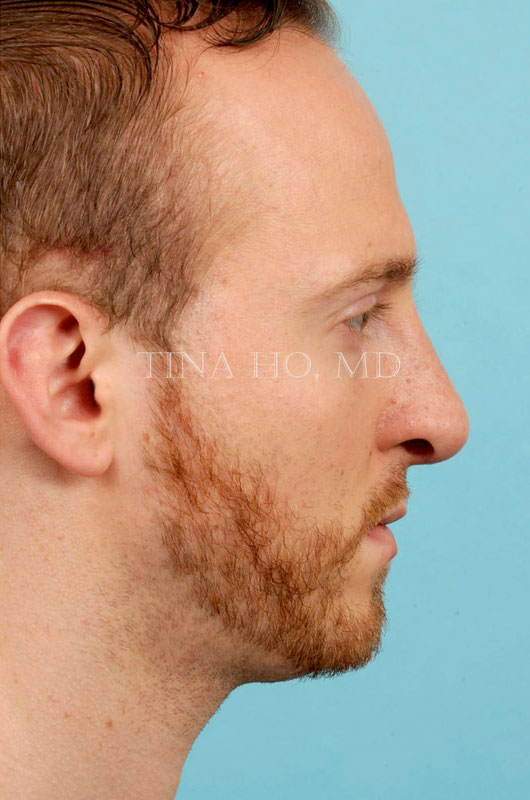
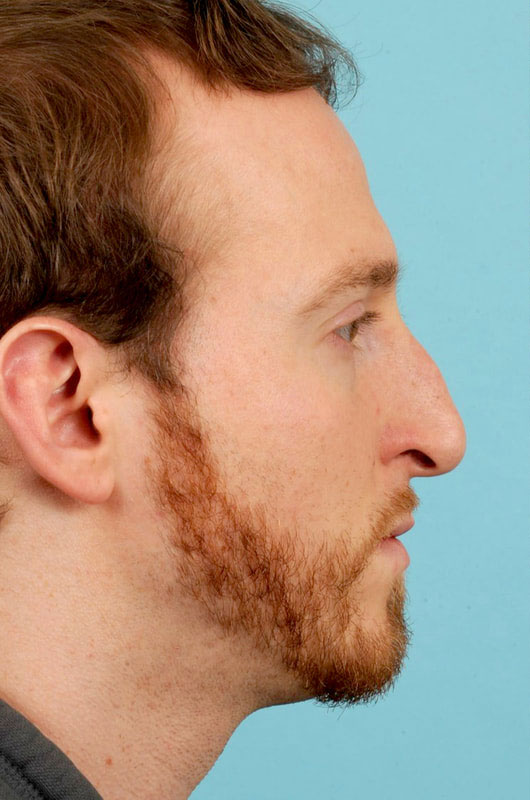
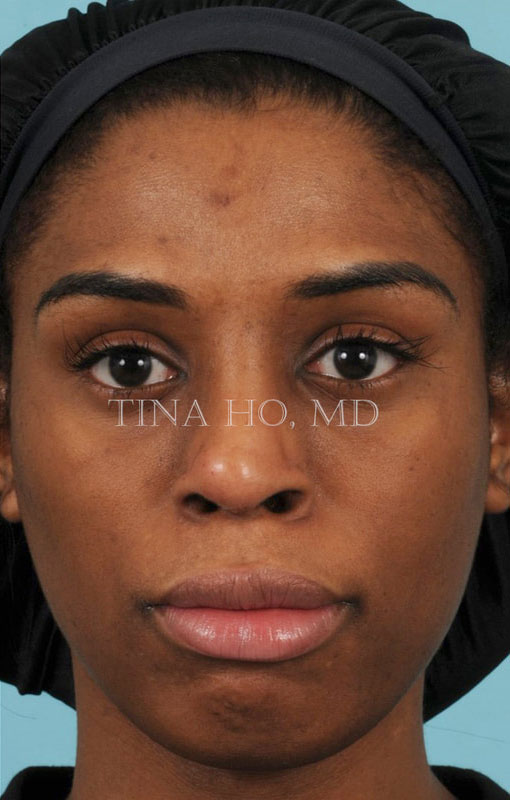
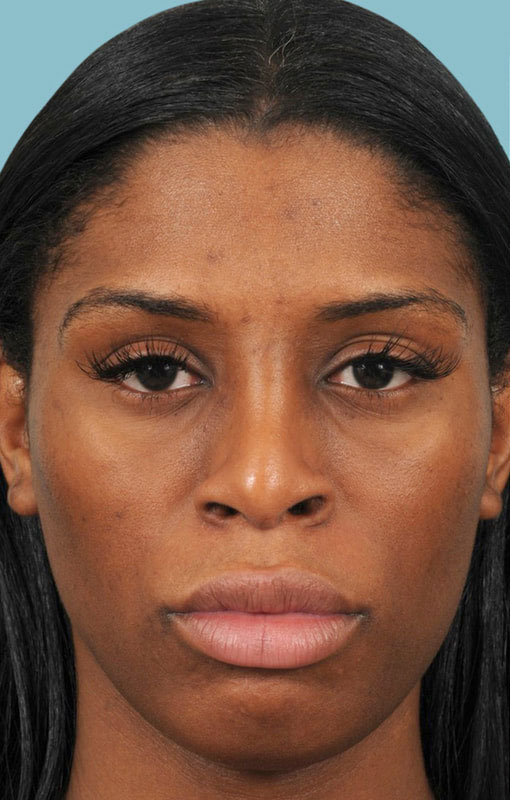
What Are Common Nasal Issues That Can Be Addressed With Rhinoplasty?
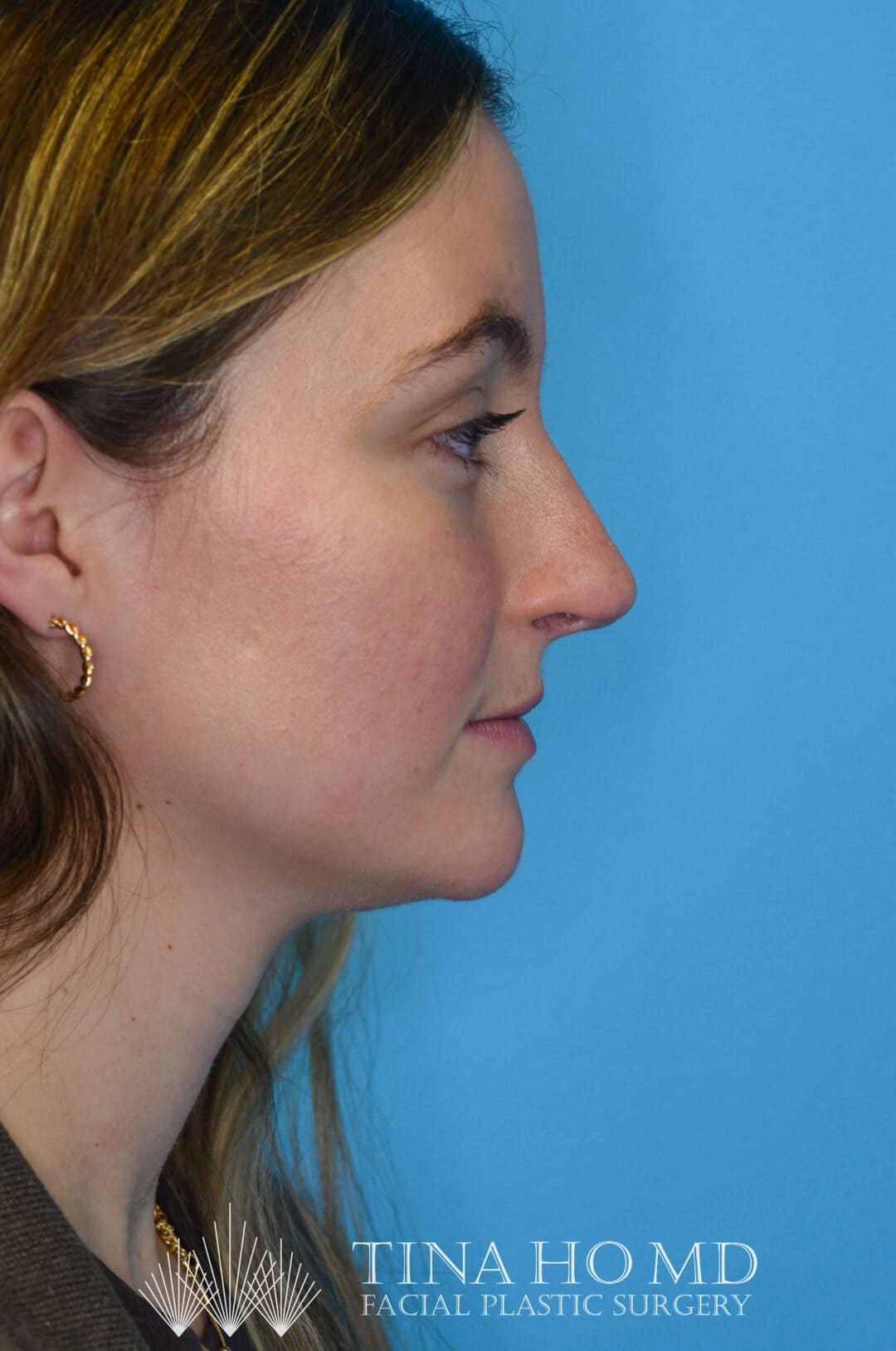
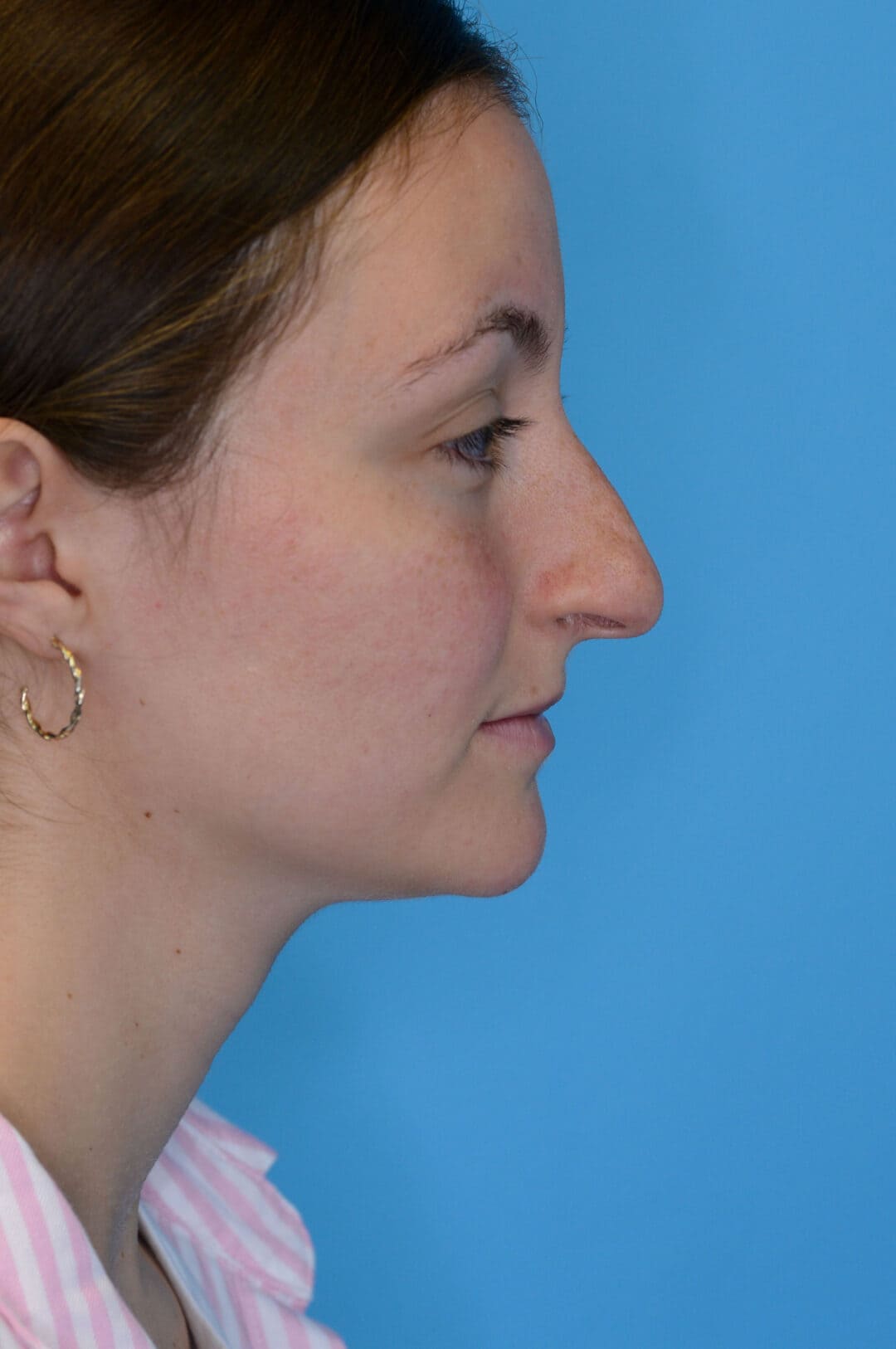
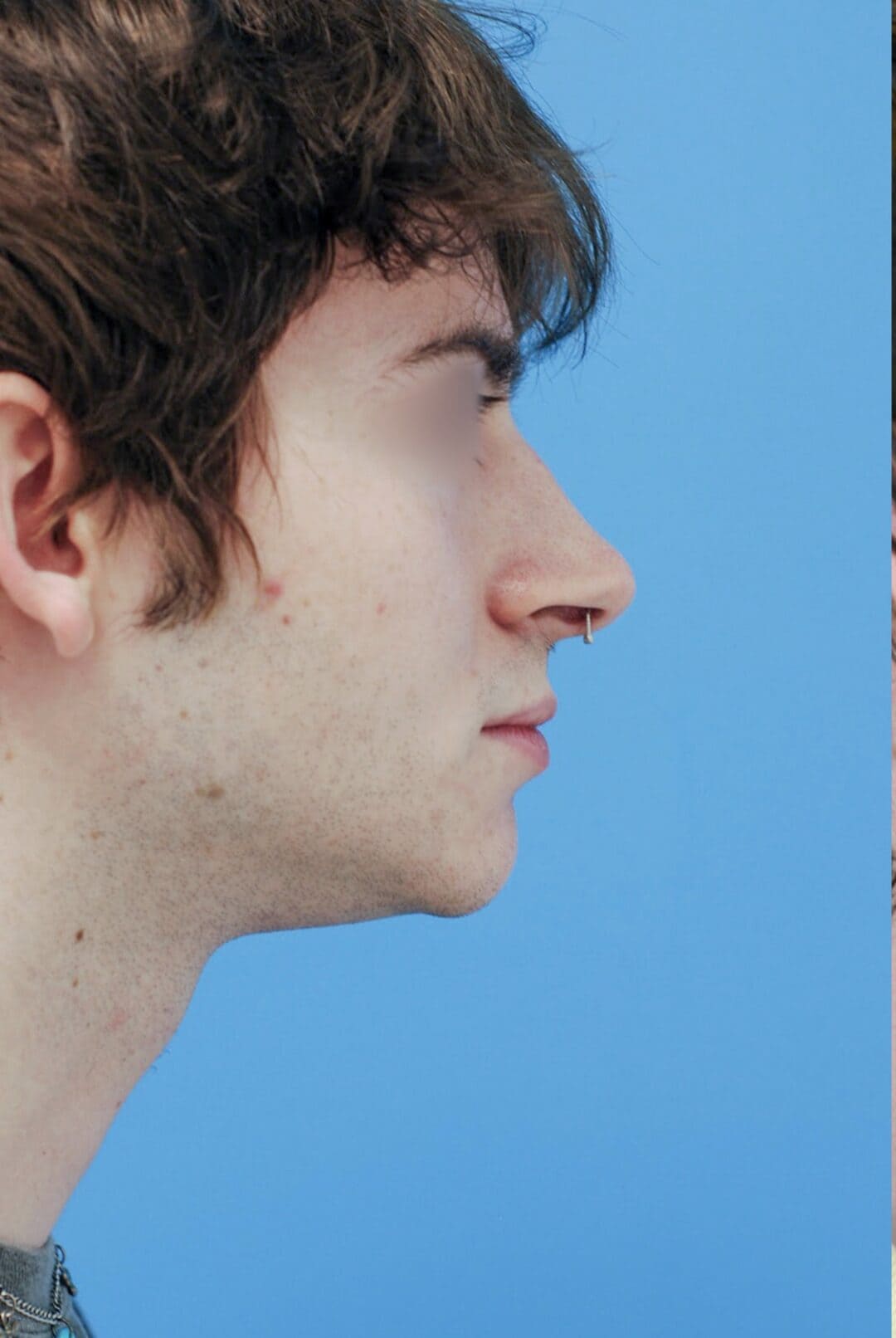
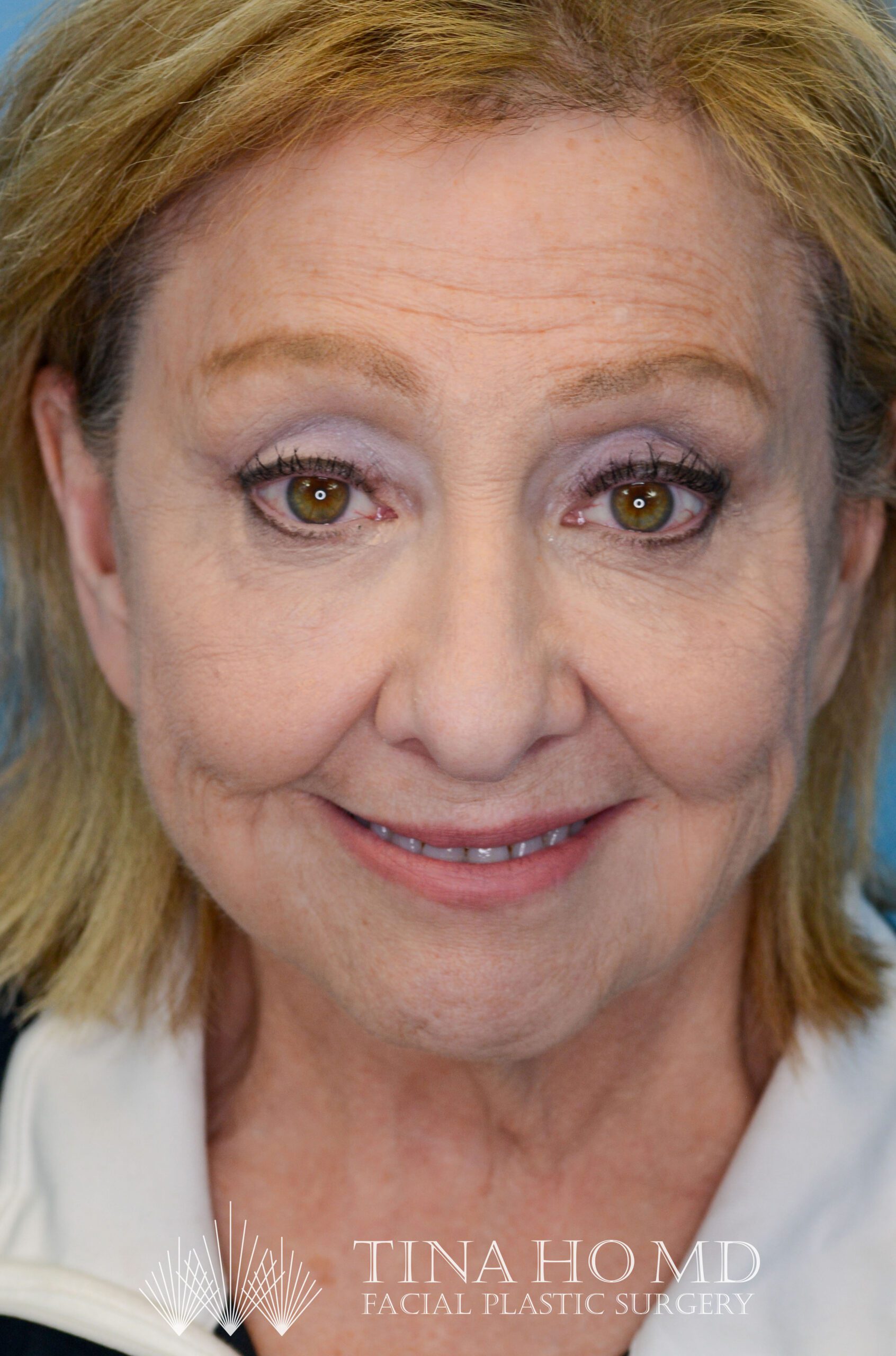
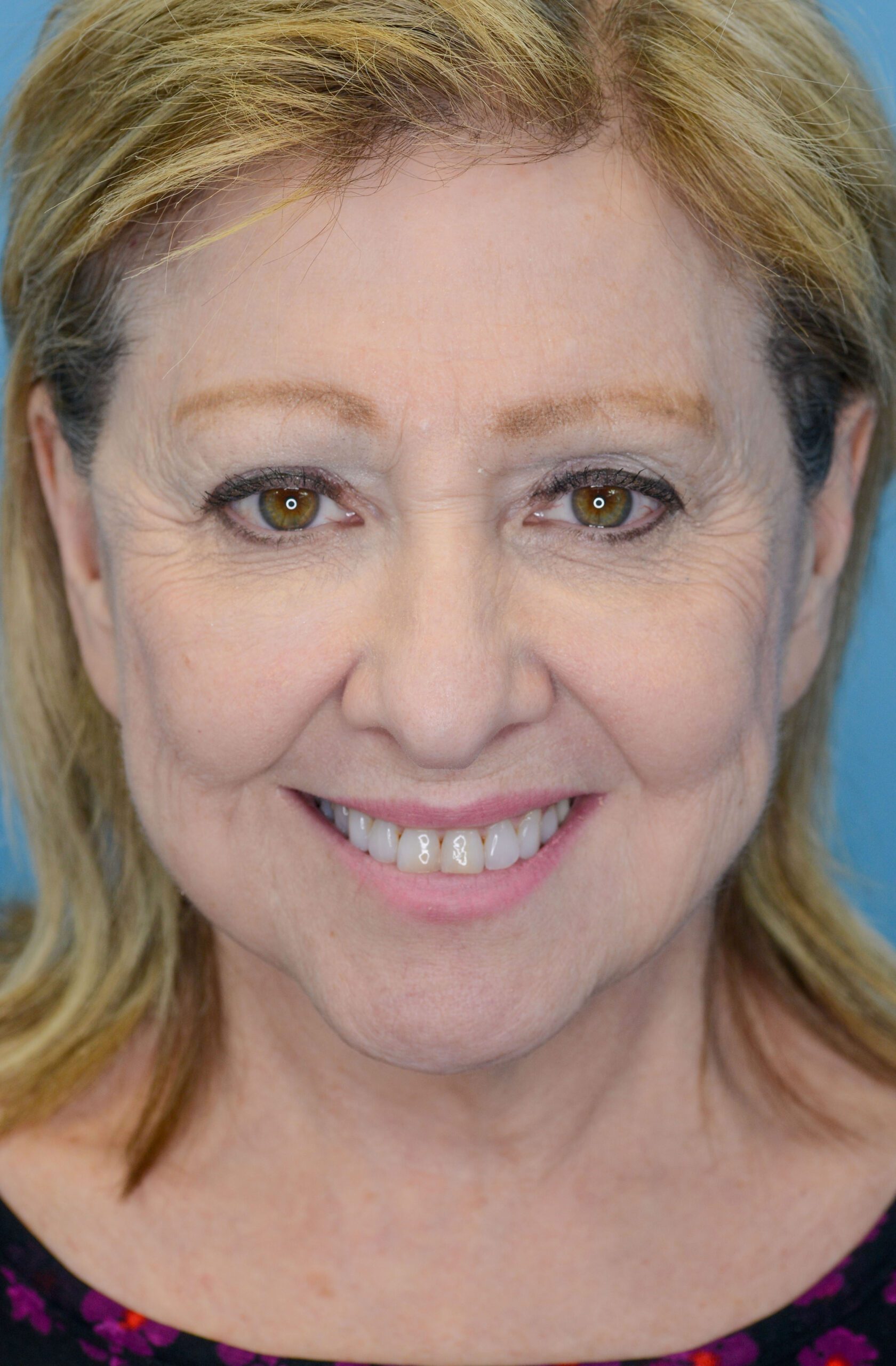
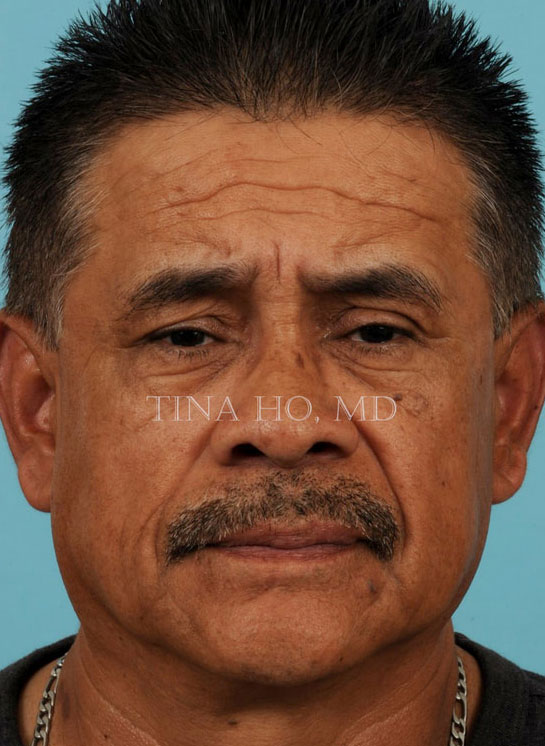
Common nose issues that can be improved or corrected by rhinoplasty include but are not limited to:
Broken nose
Crooked nose
Nasal bridge hump (Dorsal hump)
Flat nasal bridge
Bulbous tip
Drooping nasal tip
Nostril asymmetry
Wide or flared nostril
Large nose
Nasal obstruction
Septal deviation
Nasal valve collapse
Dr. Ho is experienced in improving all of these issues with rhinoplasty and will discuss with each patient her customized approach for each type of issue.





Why Choose Dr. Tina Ho for Rhinoplasty?
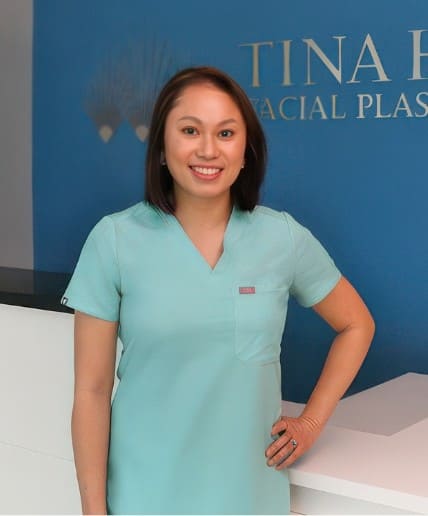
Dr. Ho stands out among her plastic surgeon peers in Philadelphia and Wayne as a double board-certified rhinoplasty specialist with dedicated training in rhinoplasty including cosmetic and functional rhinoplasty, revision rhinoplasty, and ethnic rhinoplasty from one of the top rhinoplasty surgeons in the world. She understands the complex and delicate nature of rhinoplasty as one of the most challenging procedures to master in plastic surgery and stays up to date on the latest techniques to achieve the best, most natural surgical results for her patients. From the initial consultation to day of surgery to every follow-up visit, Dr. Tina Ho maintains an unwavering commitment to each rhinoplasty patient to maximize the success of their surgical outcome. She devotes the needed time and effort every step of the way of the rhinoplasty journey to ensure each patient feels comfortable and satisfied with their individualized surgical plan and results. Dr. Ho understands the importance of the nose as the central feature of the face and takes to heart the investment and trust each rhinoplasty patient instills in her as their surgeon. Dr. Ho specializes in rhinoplasty and will implement the most suitable techniques to improve the breathing function and shape of your nose and to elegantly restore facial harmony. Dr. Ho is known by her patients as one of the best Philadelphia rhinoplasty surgeons.
As a double board-certified facial plastic surgeon, Dr. Ho specializes exclusively in aesthetic and reconstructive procedures of the head and neck region. She possesses dedicated training in functional and cosmetic rhinoplasty from one of the top facial plastic and reconstructive surgery fellowship programs in the country under mentor Dr. Dean Toriumi, a world-renowned leading authority in rhinoplasty. Dr. Ho is a widely known regional rhinoplasty specialist with patients seeking her expertise from beyond Philadelphia and Wayne to throughout Pennsylvania, New Jersey, and New York. Dr. Ho dedicates ample time and effort with the aid of imaging software to establish realistic goals and expectations with every patient. She has the training and experience to implement the best surgical techniques, including the most suitable cartilage grafts and suturing maneuvers to improve the breathing function and shape of every nose. She always tailors her approach to the surgical needs and goals of the individual patient. Furthermore, Dr. Ho closely follows her patients after surgery to ensure that each patient heals well and is satisfied with their surgical outcome.

Rhinoplasty by Dr. Tina Ho
Types of Rhinoplasty
Dr. Tina Ho, MD, offers advanced surgical procedures tailored to your unique aesthetic goals. With a commitment to natural-looking results and personalized care, Dr. Ho combines her extensive expertise with an artistic eye to help you achieve the refined and confident appearance you desire. Explore the possibilities for transformative change with a trusted and skilled facial plastic surgeon.
Functional Rhinoplasty
Dr. Tina Ho, a board-certified facial plastic surgeon with extensive experience in nasal surgery, offers rhinoplasty (nose reshaping surgery) to address a variety of aesthetic and functional concerns.
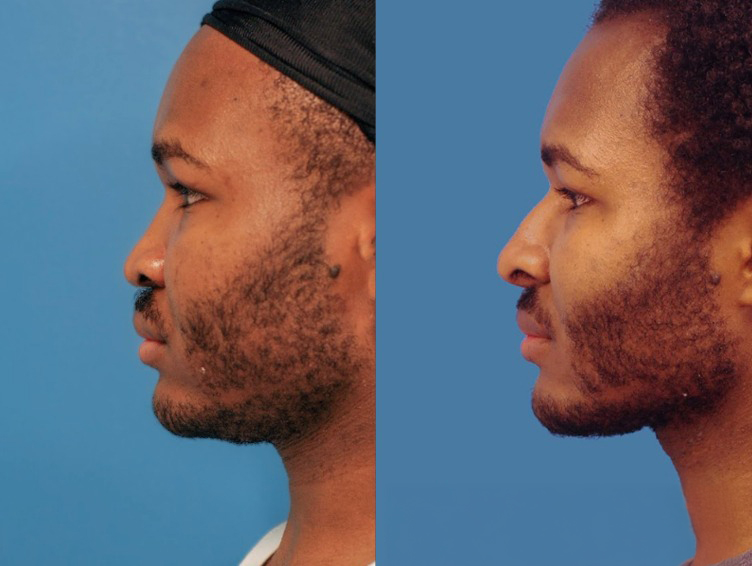
Revision Rhinoplasty
Dr. Tina Ho, a board-certified facial plastic surgeon with extensive experience in nasal surgery, offers rhinoplasty (nose reshaping surgery) to address a variety of aesthetic and functional concerns.
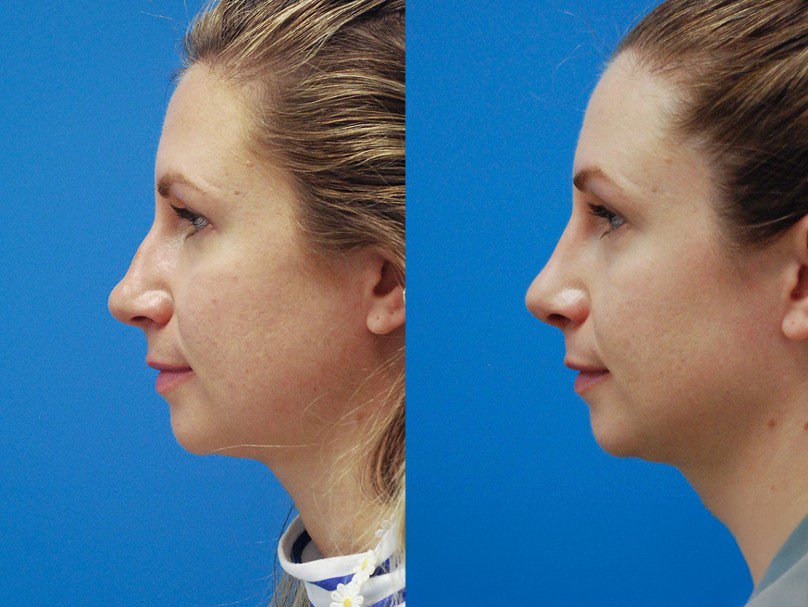
Ethnic Rhinoplasty
Dr. Tina Ho, a board-certified facial plastic surgeon with extensive experience in nasal surgery, offers rhinoplasty (nose reshaping surgery) to address a variety of aesthetic and functional concerns.

Additional Rhinoplasty Procedures
On profile view, the ideal nose may illustrate close to a 3:4:5 proportion, as described by Crumley’s method. The ideal nasolabial angle (angle spanning between the nasal tip and upper lip) is usually 90-95 degrees in men and 95-110 degrees in women.
Dr. Ho believes that while every nose is unique, the ideal nose demonstrates adequate breathing function and natural facial harmony. The length and width of the nose should be proportionate with other facial features according to the rules of the horizontal thirds and vertical fifths of the face, respectively. The ideal nasolabial angle (the angle spanning between the nasal tip and the upper lip) is usually 90 to 95 degrees in men and 95 to 110 degrees in women. The ideal nasofrontal angle (the angle spanning between the forehead and the nasal bridge) is 115 to 130 degrees. In profile, the ideal nose may illustrate close to a 3:4:5 proportion, as described by Crumley’s method. Dr. Ho uses several of these principles as a foundation for her surgical technique as well as her artistic intuition in creating noses that are aesthetically pleasing and harmonious with the rest of the face.
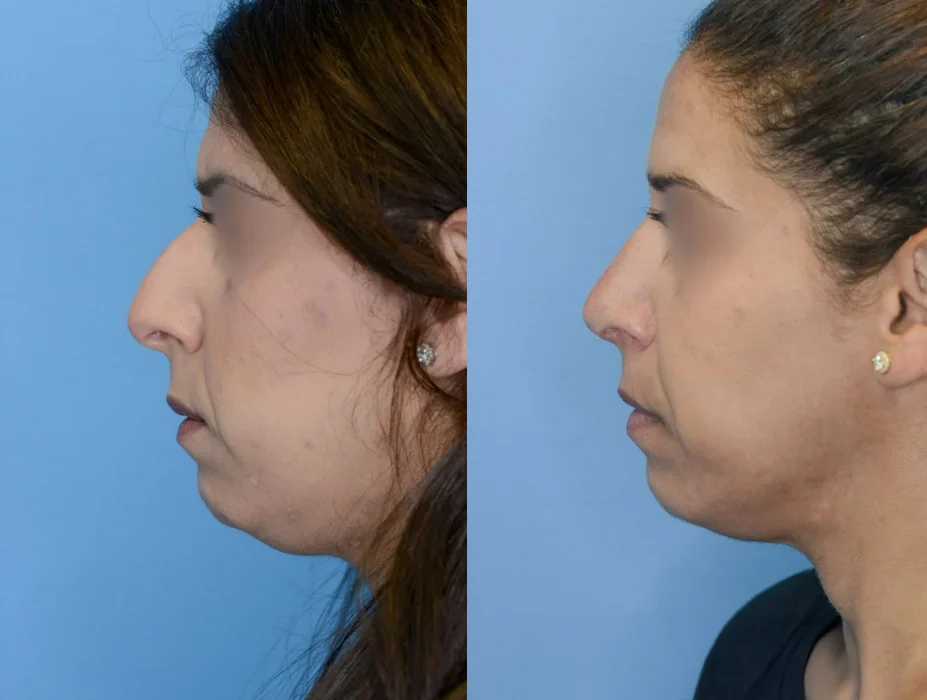
Considering rhinoplasty with Dr. Tina Ho, MD? Ideal candidates are often individuals who are seeking to enhance the natural harmony of their facial features by refining the size or shape of their nose. Many are looking for subtle, natural-looking results that complement their overall appearance and boost their confidence. Dr. Ho also works with individuals who have functional concerns, such as breathing difficulties, that can be addressed during the same procedure. The best candidates are those who are well-informed, have realistic expectations about the surgical outcome, and are committed to a positive and collaborative journey with Dr. Ho and her team.
Your Rhinoplasty Consultation
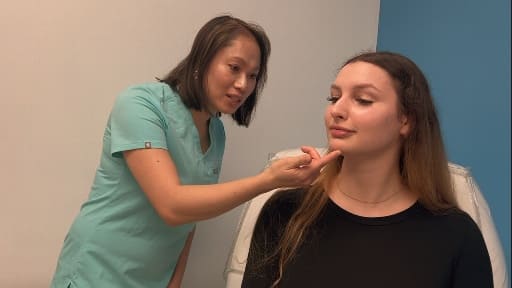
Your consultation for rhinoplasty will begin with a detailed evaluation of your nasal structure, facial proportions, and skin quality. Dr. Ho will review your medical history, including prior surgeries, breathing concerns, and any conditions that may affect healing. You will discuss your aesthetic goals and functional concerns, allowing for a personalized treatment plan. Time will be dedicated to answering your questions and discussing any concerns you may have about the procedure. Dr. Ho will explain the procedure, recovery process, risks, and expected results, ensuring you have a clear understanding and realistic expectations before moving forward with surgery. Morphing imaging may also be pursued to help make sure you and Dr. Ho are on the same page regarding aesthetic goals.
Post-Op Rhinoplasty Essentials
Expand each section below for more information.
Rhinoplasty Recovery and Healing
After a rhinoplasty procedure, most patients can expect an initial recovery period of about one to two weeks. Swelling, bruising around the eyes, and mild discomfort are common during this time. A nasal splint is typically placed to protect the surgical procedure and is removed after approximately one week. The feeling of nasal congestion is one of the most common complaints and may occur temporarily after surgery. Pain is generally manageable with prescription or over-the-counter medications.
Visible bruising typically improves within 10–14 days; however, residual swelling—particularly at the nasal tip—may take several months to years to fully resolve. Patients are advised to avoid strenuous activity, bending, and wearing glasses that rest on the nose during early healing. Final results gradually emerge over three to six months as swelling subsides.
Enhance Your Recovery with Elixir MD
The Elixir MD™ is an innovative recovery tool that offers various treatment programs using different LED light wavelengths to achieve specific pre and post-surgical goals. These programs are supported by advanced artificial intelligence temperature controls and adjustable settings to address a range of concerns and goals. This non-invasive therapy is safe, painless, and can reduce infections after surgery while also enhancing recovery and minimizing scarring after rhinoplasty surgery.
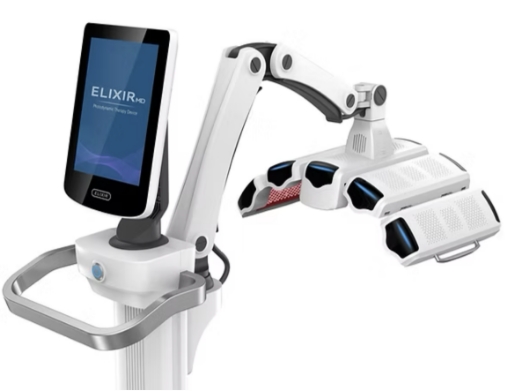
Benefits of Elixir MD
Enhanced post-operative recovery after rhinoplasty. Using LED light, Elixir MD™ stimulates the skin to accelerate wound healing and minimize scarring post-surgery.
Improved healing and cellular repair. Specific wavelengths stimulate collagen and elastin production, which are essential for healing after surgery.
Easier rhinoplasty recovery. Reduces inflammation responsible for swelling and pain after surgery.
Improved lymphatic drainage and blood flow. Enhances the delivery of nutrients and removal of waste for optimal healing.
Elixir MD Treatment Programs for Rhinoplasty
Elixir Detox
This pre-operative therapy uses blue light to reduce the number of bacteria, oils, and toxins on the skin, reducing surgical complications such as infection.
Elixir Cellular Repair
Post-rhinoplasty, Cellular Repair uses yellow light to improve circulation, reducing bruising and swelling, accelerating healing, and shortening recovery.
Elixir NeoXcell
The NeoXcell™ treatment program combines the benefits of Elixir Cellular and Thermal to boost healing and balance melanin production for a more even skin tone.
Elixir RoXium
RoXium™ uses yellow and blue light to reduce swelling/bruising, prevent skin oxidation, decrease sebum, minimize pores, and clear the complexion.
How Much Does Rhinoplasty Cost?
The average range for nose surgery is $15,000-$25,000, including facility & anesthesia fees.
The price of rhinoplasty varies per patient, based on the anesthetic, techniques, and extent of work required.
Revision rhinoplasty can range between $20,000-$30,000 including facility & anesthesia fees. Factors include the extent to which corrections are needed.
Note: functional rhinoplasty may be covered by health insurance. Financing options for nose surgery are available via CareCredit.
Before and After
Dr. Ho’s Rhinoplasty Results
Septorhinoplasty: Before and After
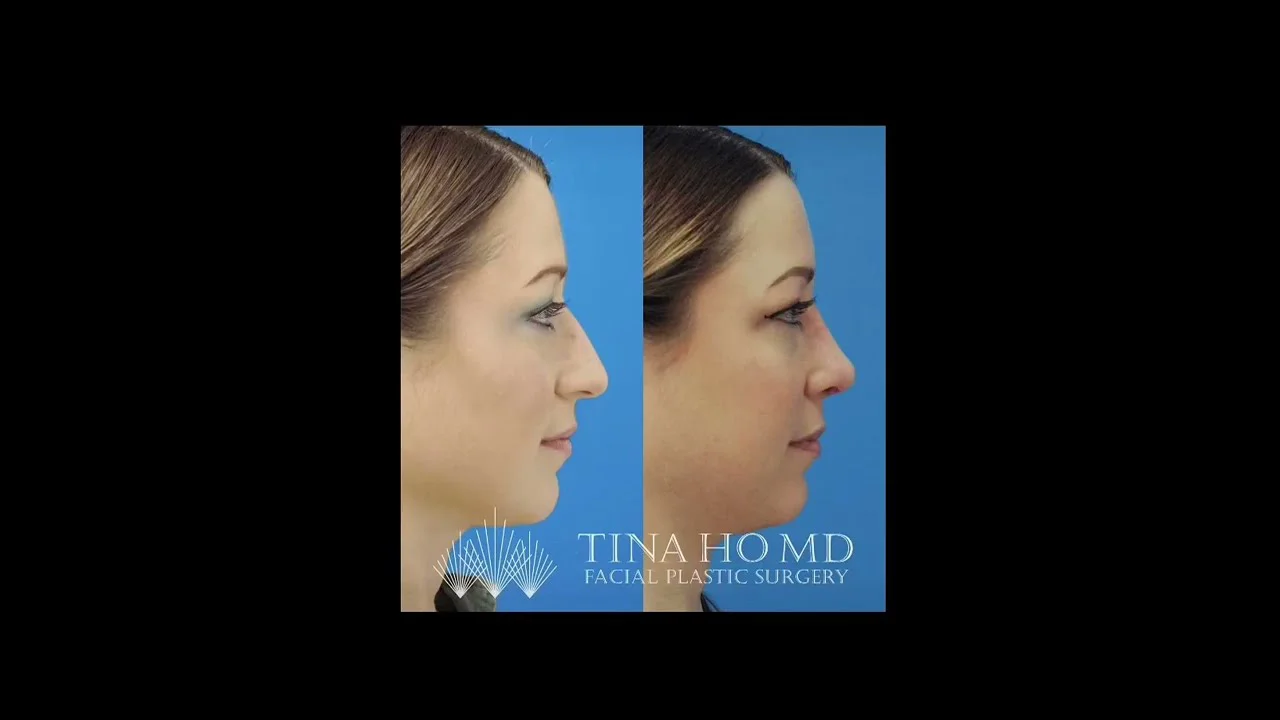
30 year-old female patient came to me for a rhinoplasty consultation, most bothered by nasal deformity issues including prominent nasal bones, crooked nose, nostril asymmetry, dorsal hump, and downturned, round tip with history of prior nasal trauma. We pursued an open septorhinoplasty to take down her hump and smooth out her nasal bones, straighten her nose, lift and refine her nasal tip and improve her nostril asymmetry. She wanted to maintain stronger, higher nasal bridge to preserve her Italian ethnicity. We are so thrilled with her beautiful, natural results demonstrated in this video on year later. Rhinoplasty is one of the most challenging procedures in plastic surgery – so many surgical techniques and maneuvers are implemented to create even the most subtle changes in the nose.
Revision Rhinoplasty: Before and After
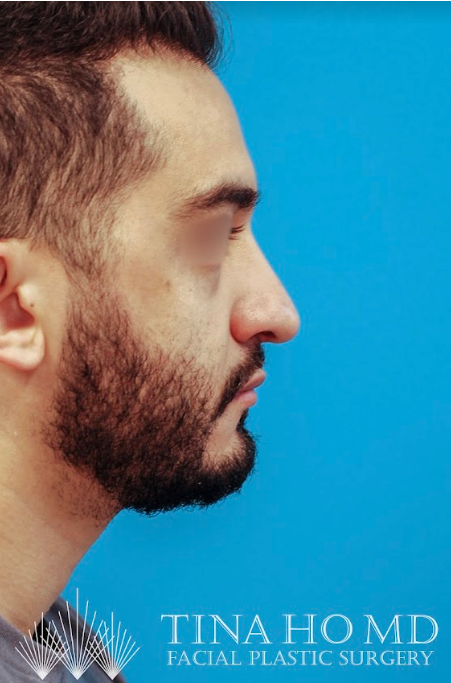
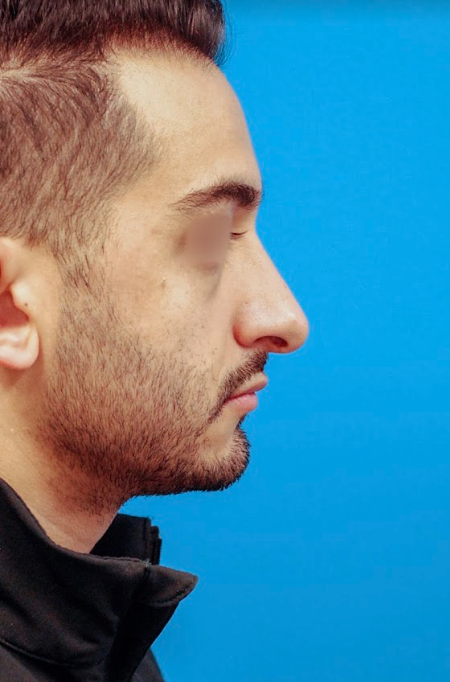
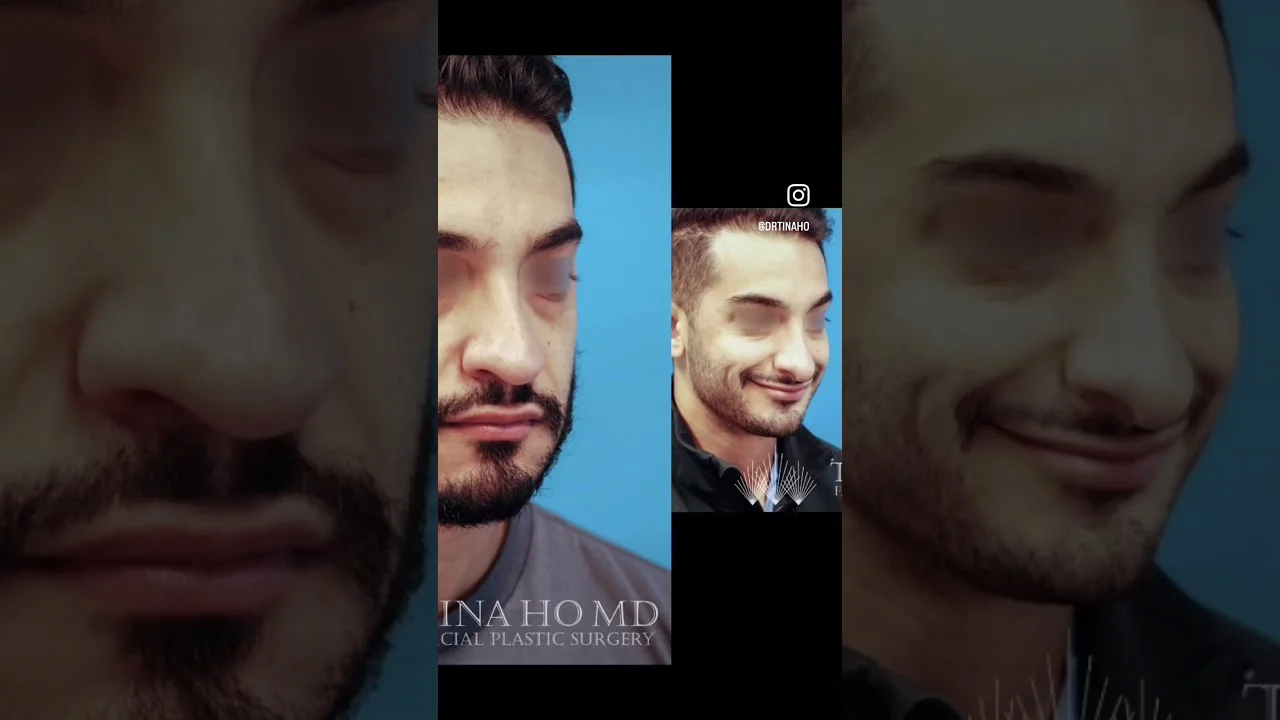
This wonderful male patient had a history of prior septorhinoplasty. He was still bothered by his long and droopy nasal tip. We pursued revision rhinoplasty to lift and deproject his nasal tip. Rhinoplasty is a matter of millimeters when it comes to results. Deprojection is one of the most complex procedures to perform and master in this surgery. We are so thrilled with his surgical outcome at one year out. Empowering patients with beautiful, natural results.
Closed Rhinoplasty: Before and After
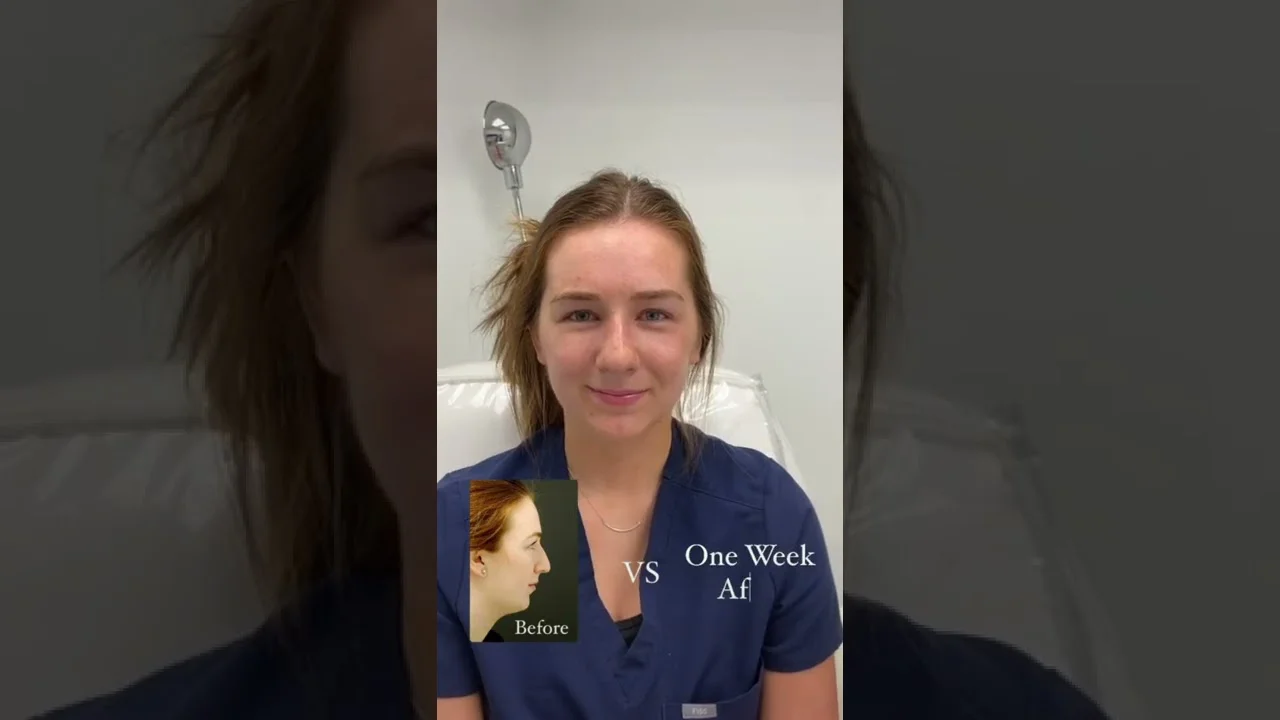
In the game of facial rejuvenation, often less is more for achieving beautiful, natural results. This wonderful patient desired a more conservative approach to rhinoplasty – she only wanted to take down her dorsal hump and slightly lift her nasal tip. Through a closed approach, we were able to help achieve her surgical goals. As illustrated in this rhinoplasty reveal reel, the patient demonstrated typical nasal swellling when her cast was removed one week following surgery. Her surgical results have been aging like fine wine over time since then – she looks amazing at three months out!
Rhinoplasty: Before and After
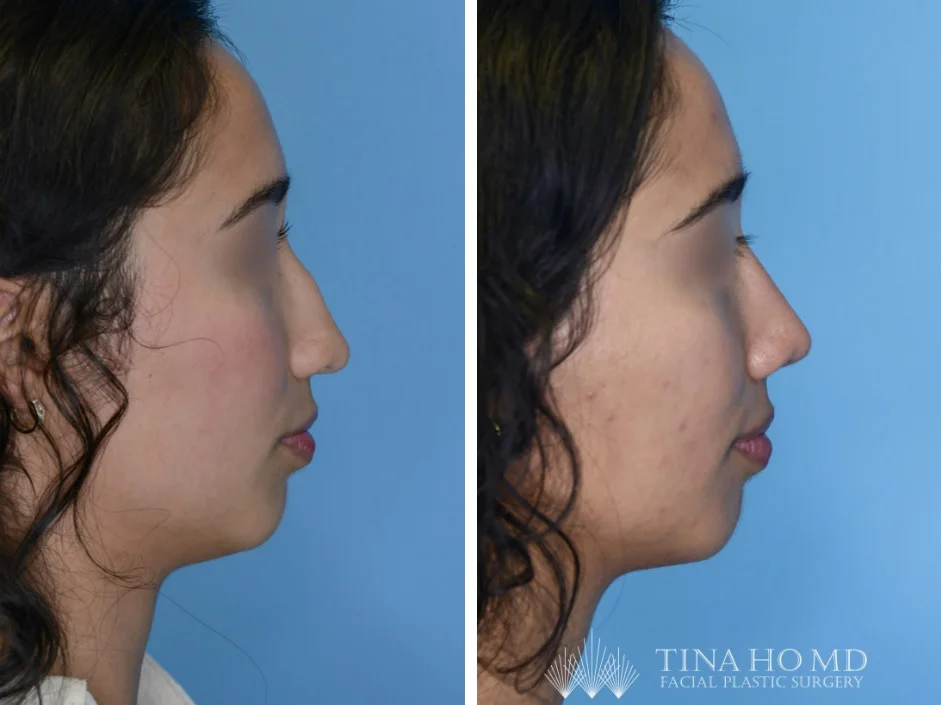
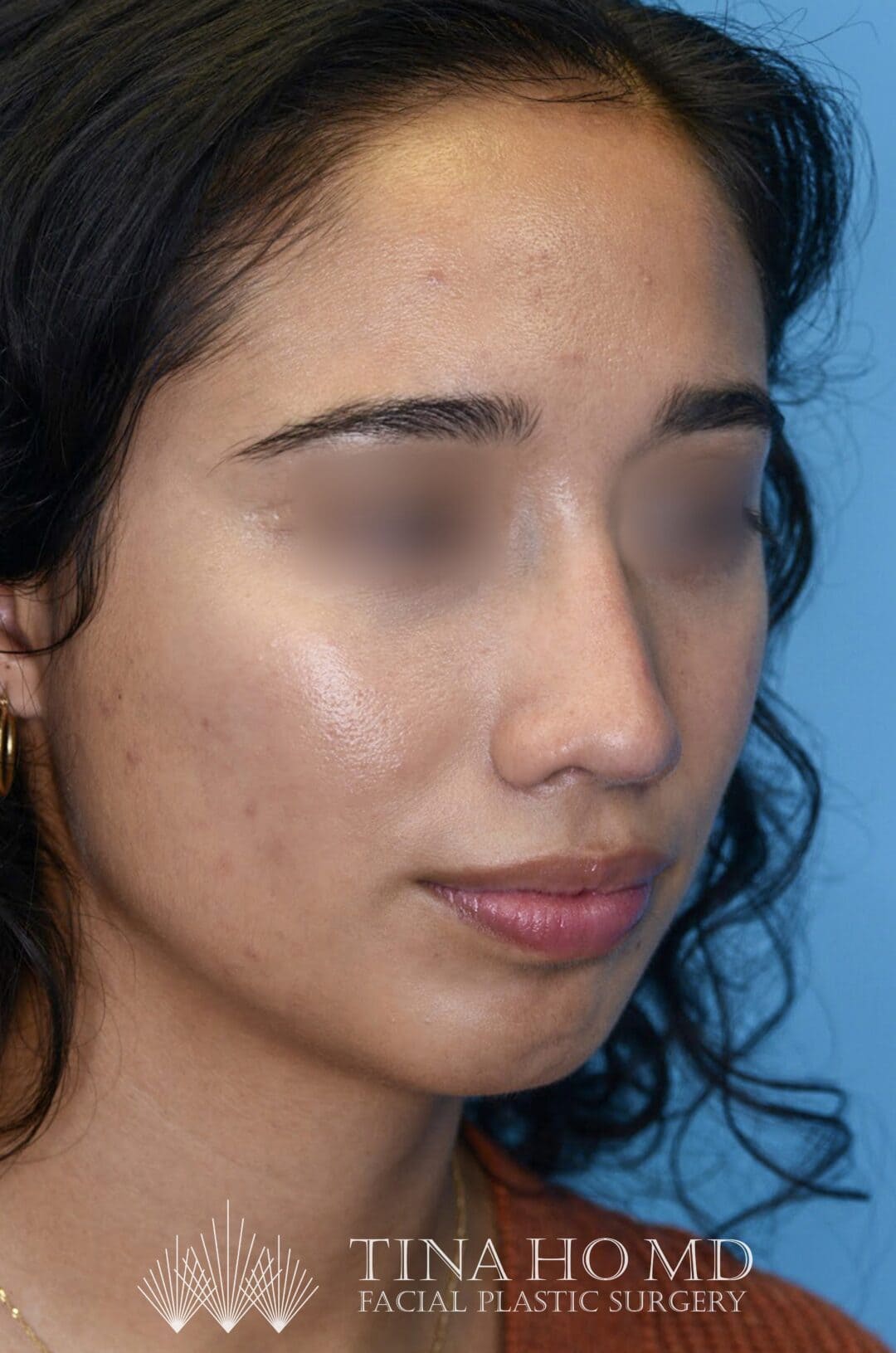
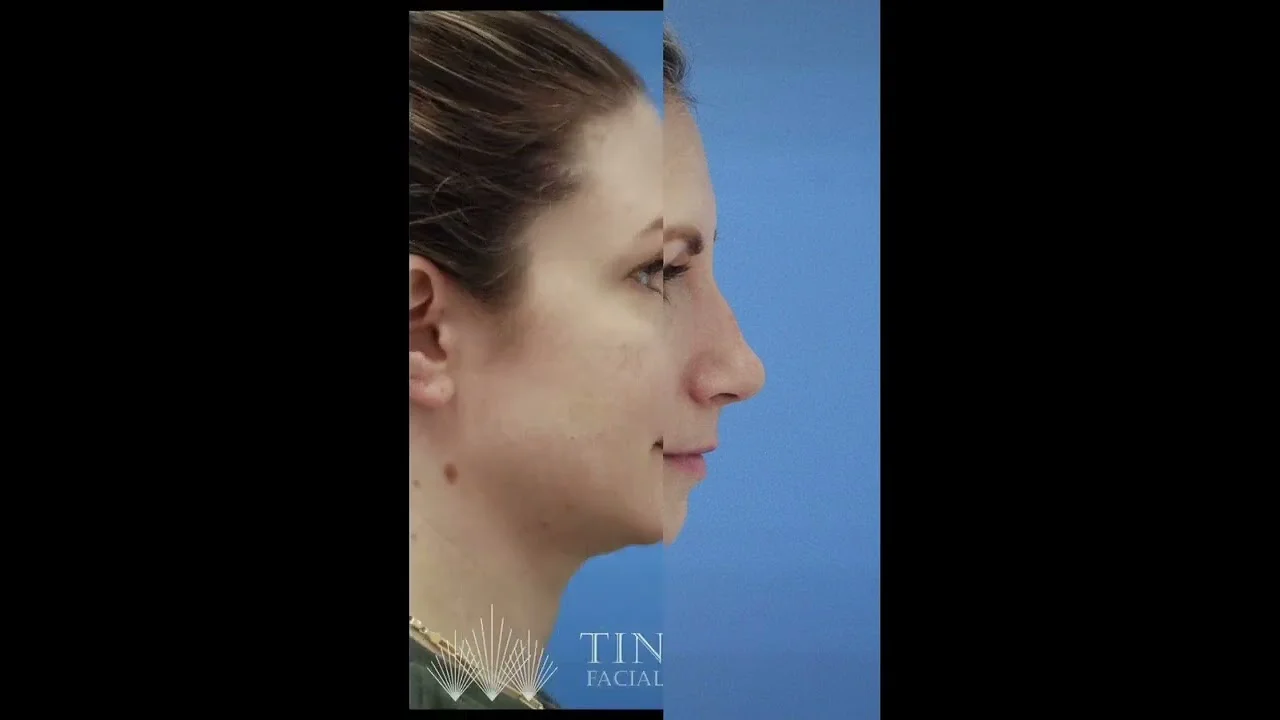
This wonderful female patient presented for rhinoplasty consultation, interested in improving the appearance of her nose. We pursued primary open rhinoplasty with ear cartilage graft to smooth down her dorsal hump, refine and lift her nasal tip, and reduce the width and size of her nostrils. We are so thrilled with her results.

As Seen In
Dr. Tina Ho in the Press
Dr. Tina Ho has been featured in leading media publications that highlight her expertise in facial plastic surgery.









There are two main types of rhinoplasty techniques: open rhinoplasty and closed rhinoplasty. Dr. Ho has an in-depth understanding of both methods, allowing her to use the approach that is most ideal for achieving the goals of each unique patient. She most commonly utilizes the open rhinoplasty technique. Open rhinoplasty involves making incisions inside the nostrils and a small outer incision across the columella (the external skin between the nostrils), resulting in a fine post-surgical scar. Through this technique, Dr. Ho gains greater access to the tissues of the nose, including the underlying cartilaginous framework. Open rhinoplasty allows for more extensive tip refinement as well. Because of the greater access, patients who undergo this procedure may experience more swelling than with the closed technique. Closed rhinoplasty (also known as endonasal rhinoplasty) is a scarless version of the procedure in which the incisions are made only inside the nostrils with no visible external scars created. Closed rhinoplasty only allows for less extensive work to be performed, such as isolated dorsal hump reduction with a small amount of change to the nasal tip. The closed approach usually results in less swelling and a shorter healing period compared to open rhinoplasty.
Getting a Nose Job in Wayne by Dr. Ho can result in life-changing results. Patients from all over the greater Philadelphia area come to her for her expertise. Each rhinoplasty procedure is different and is catered to the individual patient. Therefore, the types of incisions utilized and the extent of swelling, bruising, and tenderness that occur after surgery will vary by patient. An outer nasal splint cast is placed at the conclusion of the surgery to protect the operated nose. Every rhinoplasty patient will follow up with Dr. Ho one week after surgery for splint and suture removal. Post-operative pain is usually managed well with prescribed pain medication. Any immediate bruising and swelling after surgery can be managed well with icing and head elevation, with the majority resolving in two weeks from the date of the surgery. Residual swelling following this period will continue to improve significantly over the next six months to one year with gradual improvements or fluctuations noted years out. Improvement in nasal breathing is typically observed soon after most of the swelling has subsided. Dr. Ho seeks regular follow-ups with her patients to ensure that the results are satisfactory and that the healing process is going well.
Primary rhinoplasty is one type of rhinoplasty performed on a nose with no prior history of nasal surgery. When performing primary rhinoplasty, Dr. Ho alters and refines the patient’s native nasal bones, cartilage, and soft tissue to create beautiful, natural results. This surgery is different from revision rhinoplasty, which involves surgery on a previously operated nose. Dr. Ho is experienced in both primary rhinoplasty and revision rhinoplasty and will tailor her surgical plan to the unique anatomy and treatment goals of each rhinoplasty patient.
Functional rhinoplasty refers to nasal surgery that improves the breathing function of the nose. This type of rhinoplasty can address a deviated septum, nasal valve collapse, and other anatomic issues causing nasal obstruction and may be covered by medical insurance. Septorhinoplasty is one type of functional rhinoplasty that addresses both the external and internal framework of the nose to improve nasal appearance and nasal breathing. Dr. Ho is highly experienced in functional rhinoplasty and will evaluate each rhinoplasty candidate to determine if they qualify for this type of surgery. Click here to learn more about functional rhinoplasty and septorhinoplasty.
Patients of non-Caucasian ethnicity often desire rhinoplasty to help improve certain features of their nose. Most patients will seek nasal surgery to enhance the shape of their nose and elegantly restore facial harmony that is still natural and consistent with their ethnicity. Common ethnic nose issues that can be addressed by rhinoplasty include but are not limited to dorsal hump, bulbous tip, flat dorsum, and overprojected nose. Dr. Ho has unique training in ethnic rhinoplasty and has performed surgery on patients of various ethnicities in Philadelphia and Wayne including patients of Asian and African descent. Click here to learn more about ethnic rhinoplasty.

Patients of non-Caucasian ethnicity often desire rhinoplasty to help improve certain features of their nose. Most patients will seek nasal surgery to enhance the shape of their nose and elegantly restore facial harmony that is still natural and consistent with their ethnicity. Common ethnic nose issues that can be addressed by rhinoplasty include but are not limited to dorsal hump, bulbous tip, flat dorsum, and overprojected nose. Dr. Ho has unique training in ethnic rhinoplasty and has performed surgery on patients of various ethnicities in Philadelphia and Wayne including patients of Asian and African descent. Click here to learn more about ethnic rhinoplasty.
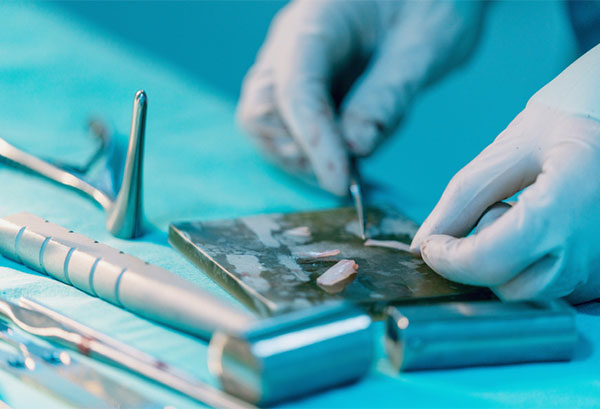
Revision rhinoplasty is an additional nasal surgery that takes place after a person’s first rhinoplasty procedure. It is typically a corrective procedure. A patient may be a candidate for a revision rhinoplasty if they demonstrate a persistent or new nasal deformity or nasal breathing problem that has not improved after they have fully healed from their initial rhinoplasty procedure. Revision rhinoplasty is often an even more difficult procedure compared to primary rhinoplasty, and revision rhinoplasty patients are at a higher chance of requiring additional nasal procedures in the future. Dr. Ho has extensive training in revision rhinoplasty, including experience in harvesting and using a patient’s own ear and rib cartilage graft material to create a natural, durable nose with a functional and aesthetically pleasing long-term outcome. Click here to learn more about revision rhinoplasty.
In recent years, there has been a major increase in the number of teenagers undergoing nasal surgery for health and aesthetic reasons. There are several factors that parents must consider before approving this procedure for their children. The two main variables to consider are age and the motivation for undergoing surgery. The minimum age requirement for rhinoplasty is 16 years old. This ensures that most of the facial growth has already taken place, since further growth can affect the potential surgical results. Candidates younger than age 18 need written consent signed from their parents for general anesthesia and rhinoplasty surgery. If a teenager patient desires to change their nose just because they saw a cute or attractive nose on social media, they are not the appropriate candidate. The right candidate is one who has thought a lot about their nose for quite some time, has identified issues with its form or its functionality, and is committed to long-term changes. Dr. Tina Ho is an experienced rhinoplasty specialist and will determine with each teenager patient and their parents whether they would be an ideal rhinoplasty candidate.