
Introduction to Laser Resurfacing
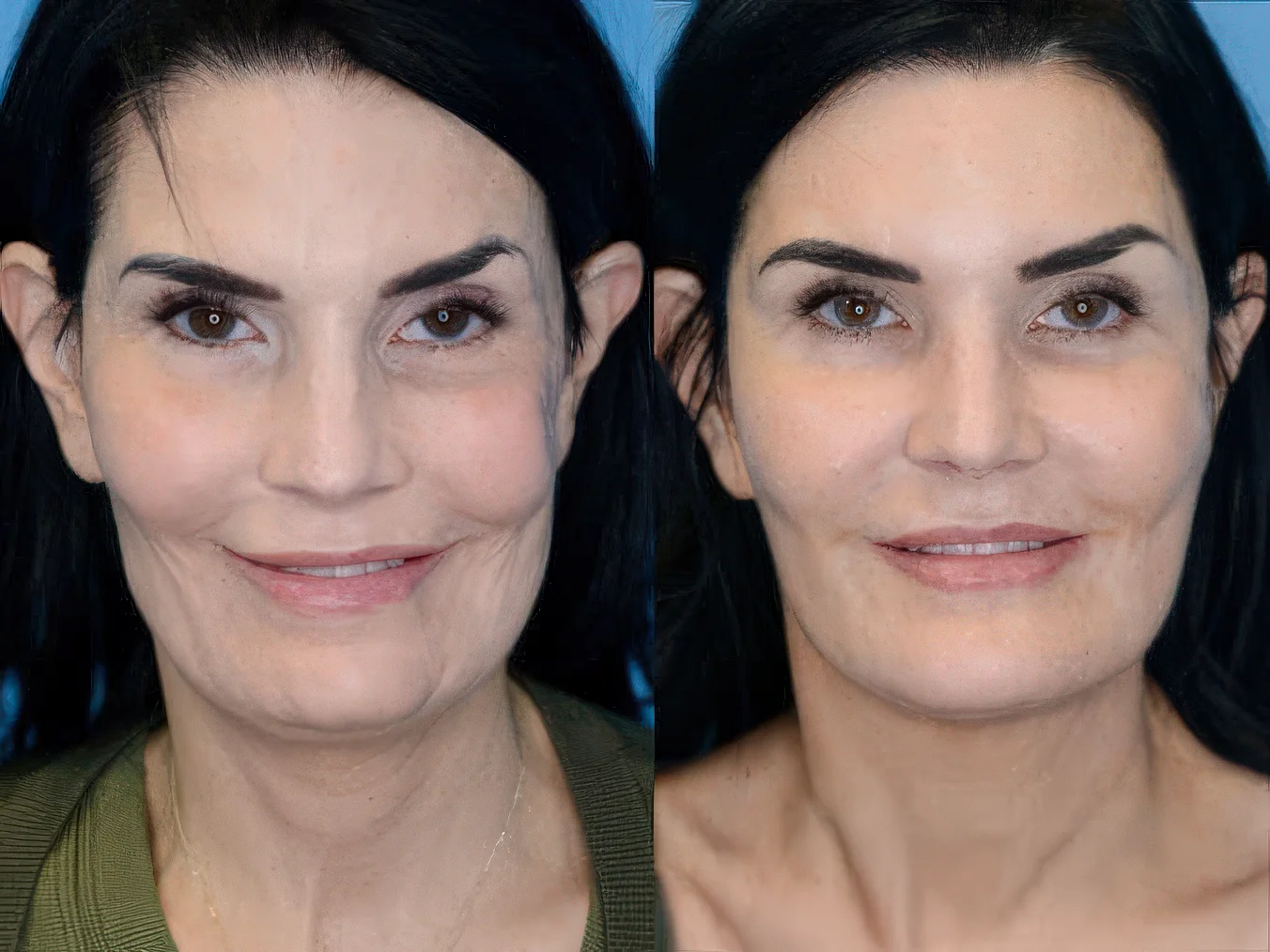
Reveal smoother, brighter skin with laser resurfacing by Dr. Tina Ho, a Philadelphia facial plastic surgeon known for natural-looking results. This treatment gently removes damaged layers of skin to soften fine lines, refine texture, fade sun spots, and improve acne scars.
What is Laser Resurfacing?
Laser resurfacing is one common type of non-surgical procedure utilized in facial skin rejuvenation. Laser resurfacing procedures can be performed to improve certain features of aging skin including wrinkle lines, skin laxity, and dyschromias as well as other skin issues such as acne scars, vascular lesions, and hyperpigmentation. The word laser is an acronym for the phrase light amplification by stimulation of radiation. Each laser device emits light at a specific wavelength to be absorbed by a certain tissue component of the skin that is usually water, hemoglobin, or melanin. Laser procedures intended to improve aging skin stimulate new collagen production and skin regeneration to produce tighter, more youthful appearing skin. Each laser resurfacing procedure is uniquely planned and executed by Dr. Ho according to the skin findings and treatment goals of the individual patient.

Educational Video
Laser Resurfacing
What Is CoolPeel?
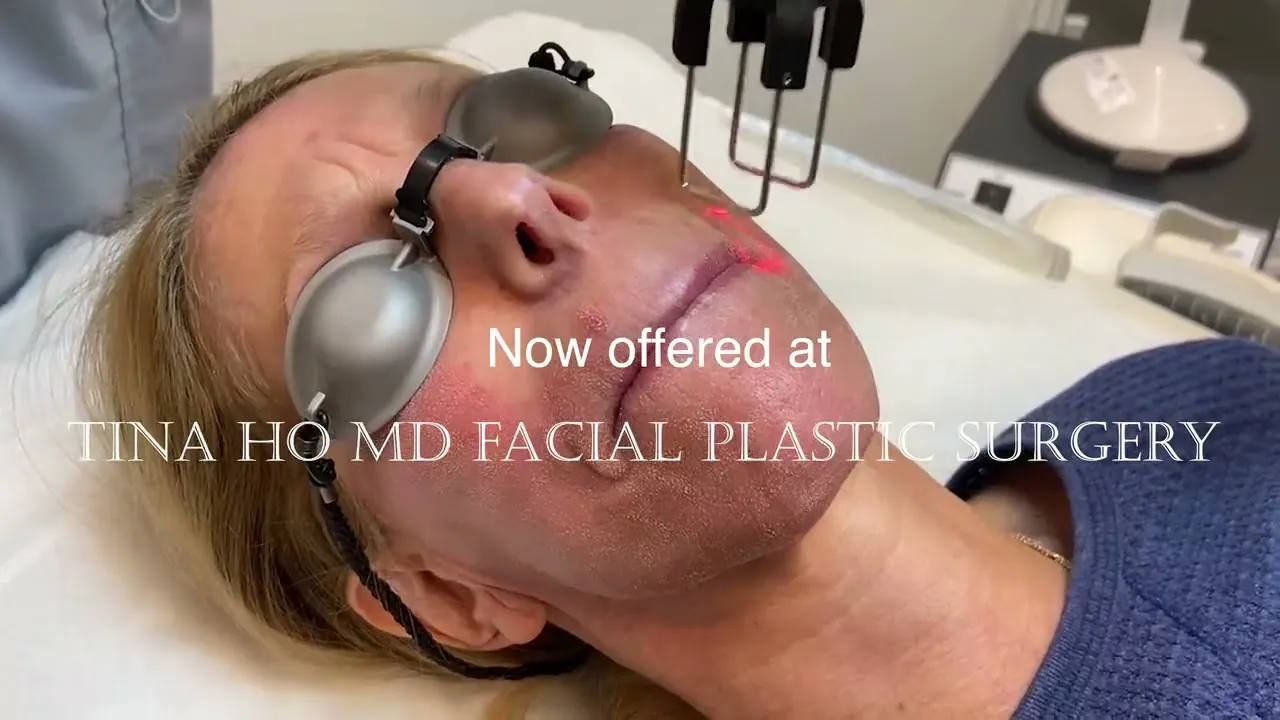
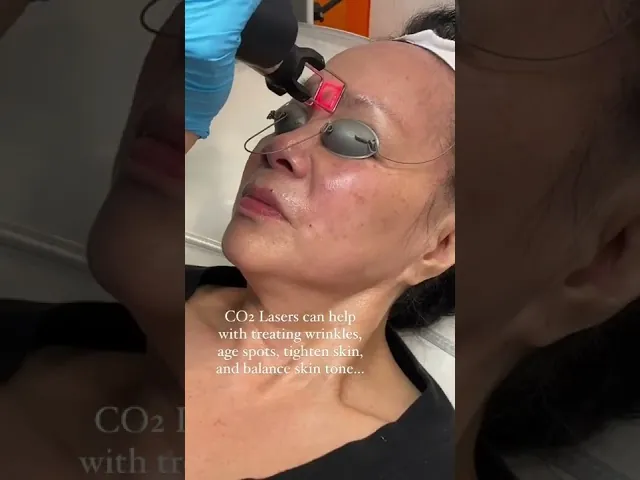
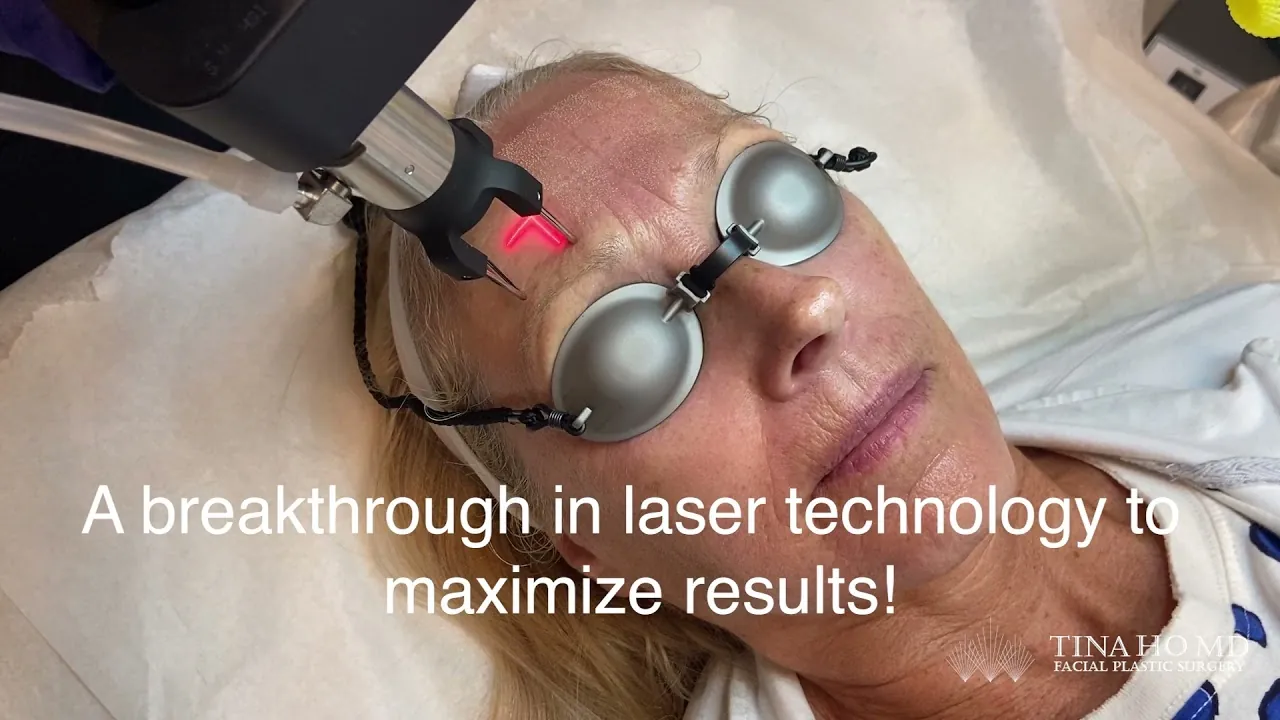
CoolPeel is a revolutionary minimal downtime CO2 laser procedure that reduces fine lines, repairs sun-damaged skin, and improves skin texture. At Tina Ho, MD Facial Plastic Surgery, we are excited to be one of the few plastic surgery practices in Philadelphia and the Main Line to offer the CoolPeel laser procedure. As part of our introductory promotion for a limited time, when you purchase a CoolPeel package (series of 3 treatments) with us, you will receive a complimentary Alastin Skincare Invasive Kit (a $345 value)!
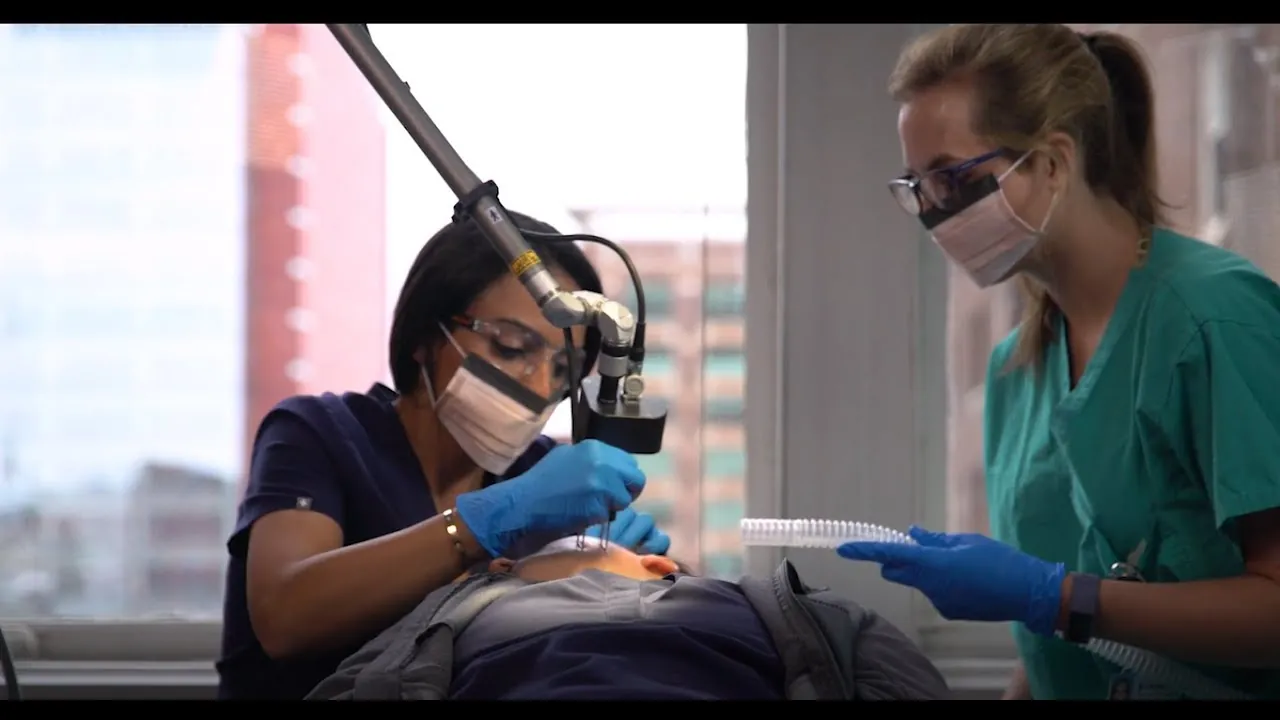
The CoolPeel Treatment in Action
To learn more about the CoolPeel treatment provided at the office of Dr. Tina Ho in Wayne, PA visit call us today at 610.688.3363
CoolPeel Basics
To learn more about the CoolPeel treatment provided at the office of Dr. Tina Ho in Wayne, PA visit call us today at 610.688.3363





Why Choose Dr. Tina Ho?
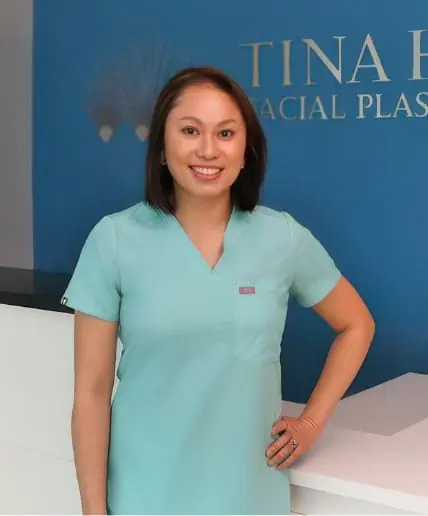
Dr. Tina Ho stands out among other surgeons in Philadelphia and Wayne as a female, double board-certified facial plastic surgeon with dedicated training in facial rejuvenation surgery. Unlike general plastic surgeons, Dr. Ho specializes exclusively in aesthetic and reconstructive procedures of the face and neck.
She understands that a facial rejuvenation, whether surgical or non-surgical, is both an art and a science — a highly detailed and complex procedure that requires technical precision and an artistic eye to achieve natural, harmonious results. Dr. Ho stays at the forefront of modern products and techniques to deliver the most refined and lasting outcomes for her patients.
From the initial consultation to every follow-up visit, Dr. Ho maintains an unwavering commitment to each patient. She takes the time to listen, plan, and tailor every step of the rejuvenation process to align with the patient’s unique anatomy for realistic aesthetic goals and ensure each person feels confident, supported, and deeply satisfied with their results. Her approach focuses on preserving the patient’s natural appearance while maximizing safety and minimizing recovery time.
Dr. Ho received advanced fellowship training under world-renowned facial plastic surgeons Dr. Dean Toriumi and Dr. Steven Dayan. Dr. Ho continually refines her surgical knowledge and techniques to offer the best outcomes for her patients by regularly attending national and international aesthetic meetings and learning from leading plastic surgeons across the country in the operating room setting. Her expertise extends across all aspects of surgical and non-surgical facial rejuvenation.
Dr. Ho is recognized regionally and beyond as one of Philadelphia and the Maine Line’s most trusted female facial plastic surgeons, with patients traveling from throughout Pennsylvania, New Jersey, and New York to seek her expertise.
Your Laser Resurfacing Consultation
Your consultation for laser resurfacing will include a thorough evaluation of your skin type, tone, and specific concerns such as fine lines, sun damage, acne scars, or uneven texture. Dr. Tina Ho or one of our experienced aestheticians will review your medical history, including skincare routines, prior treatments, medications, and any conditions that may affect healing. You will discuss your goals and expectations, allowing for a personalized treatment plan.
Dr. Ho or one of our aestheticians will explain the type of laser recommended, the depth of treatment, expected downtime, and potential risks. They will also provide guidance on pre- and post-treatment care to optimize your results and ensure a smooth recovery process.
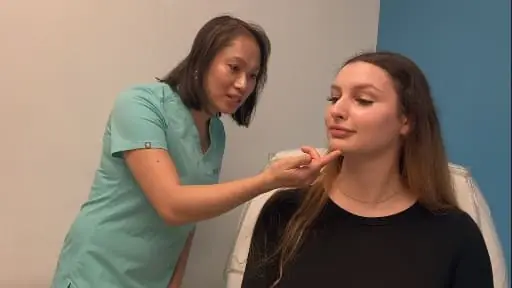
What is Dr. Ho’s Approach to Laser Resurfacing?
As a double board-certified facial plastic surgeon, Dr. Ho is well-recognized as a face expert. She possesses dedicated training and extensive experience in laser resurfacing and other skin rejuvenation procedures from one of the top facial plastic and reconstructive surgery fellowship programs in the country. Dr. Ho dedicates ample time and effort to help each patient select the best laser resurfacing procedure that will meet their skin needs. Depending on the type of laser resurfacing pursued, Dr. Ho may perform laser resurfacing in a series of multiple repeated treatments spaced 4 to 6 weeks apart to achieve the best rejuvenation results.

What are the Differences Among Ablative Lasers, Nonablative Lasers, and Fractional Lasers?
An ablative laser causes diffuse thermal injury to the epidermis to stimulate collagen production and skin regeneration. It will produce a more dramatic result but is associated with a longer recovery and higher side effect profile. Common examples of ablative lasers include CO2 laser and Er:YAG laser. A nonablative laser is less invasive and avoids epidermal injury with selective induction of dermal collagen production. Common types of nonablative laser include pulsed dye laser and 1,064 nm Nd:YAG laser. A fractional laser may be either ablative or nonablative and causes thermal injury to the skin in a series of noncontiguous spots separated by areas of non lasered tissue. As a fellowship-trained, double board-certified facial plastic surgeon, Dr. Ho is highly experienced in a variety of laser procedures and will determine with each patient the best laser resurfacing option to meet their skin goals.
CoolPeel is a revolutionary minimal downtime CO2 laser procedure that reduces fine lines, repairs sun-damaged skin, and improves skin texture.
At Tina Ho, MD Facial Plastic Surgery, we are excited to be one of the few plastic surgery practices in Philadelphia and the Main Line to offer the CoolPeel laser procedure. As part of our introductory promotion for a limited time, when you purchase a CoolPeel package (series of 3 treatments) with us, you will receive a complimentary Alastin Skincare Invasive Kit (a $345 value)!
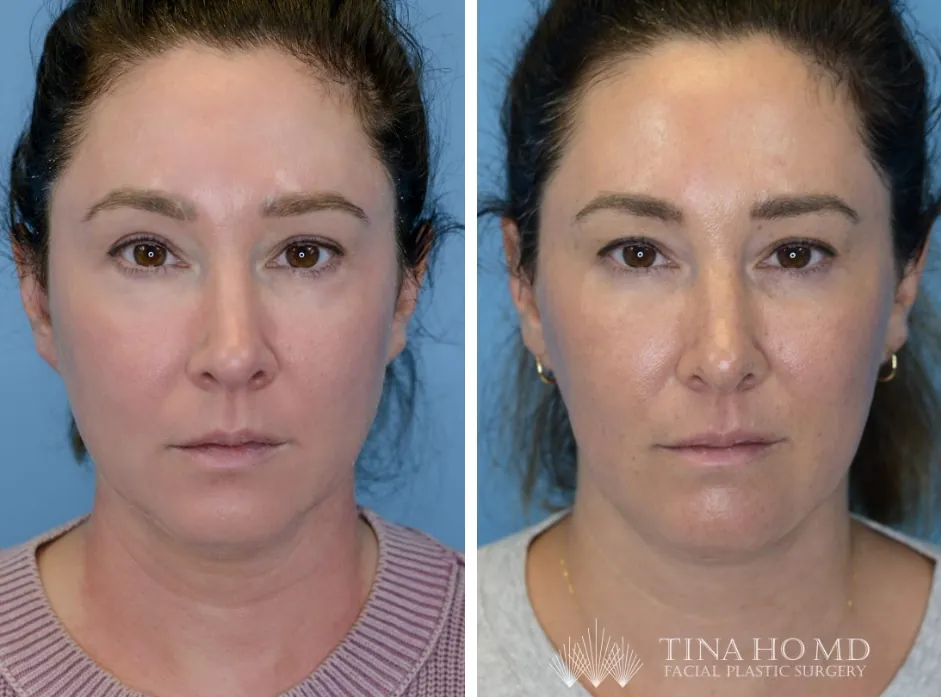
The Cartessa Smartxide Tetra
When it comes to a CO2 laser skin resurfacing treatment with minimal downtime, there’s nothing better than the Cartessa Smartxide Tetra. Tina Ho, MD Facial Plastic Surgery is one of select plastic surgery practices in Philadelphia and the Main Line to offer this advanced laser device and perform the specialized CoolPeel procedure, a full-face laser resurfacing treatment that only takes around 5-15 minutes to complete and is quite convenient.
The Cartessa Smartxide Tetra offers clinicians a diverse array of settings that can be tweaked to achieve the desired density, power, and pulse durations. This allows treatments to be precisely optimized according to the conditions to be treated and the results desired by patients.
Manufactured by DEKA, one of the world’s most renowned aesthetic laser manufacturers, this device can be used to treat a number of conditions, such as:
There are many differences between a CoolPeel treatment and traditional ablative CO2 procedure. A CoolPeel is often performed by aestheticians and offers gentler resurfacing, leading to a shorter recovery period with less downtime. It is specifically used to target only the superficial skin layer, and its energy pulses are very short. Typically, 3-6 treatments are required for optimal results. Dr. Ho and her aesthetician colleagues at Tina Ho, MD Facial Plastic Surgery exclusively offer the CoolPeel procedure for those patients seeking maximal rejuvenative results with minimal downtime.
Traditional ablative CO2 resurfacing, on the other hand, is a deeper-reaching treatment option that only requires a single treatment session and typically requires the expertise of a physician. Because it involves deeper resurfacing than a CoolPeel treatment, it necessitates more downtime afterwards. Dr. Tina Ho routinely performs ablative CO2 laser resurfacing with the Cartessa Smartxide Tetra device on patients in combination with other aging face procedures including eyelid surgery, facelift, neck lift, and facial fat transfer.
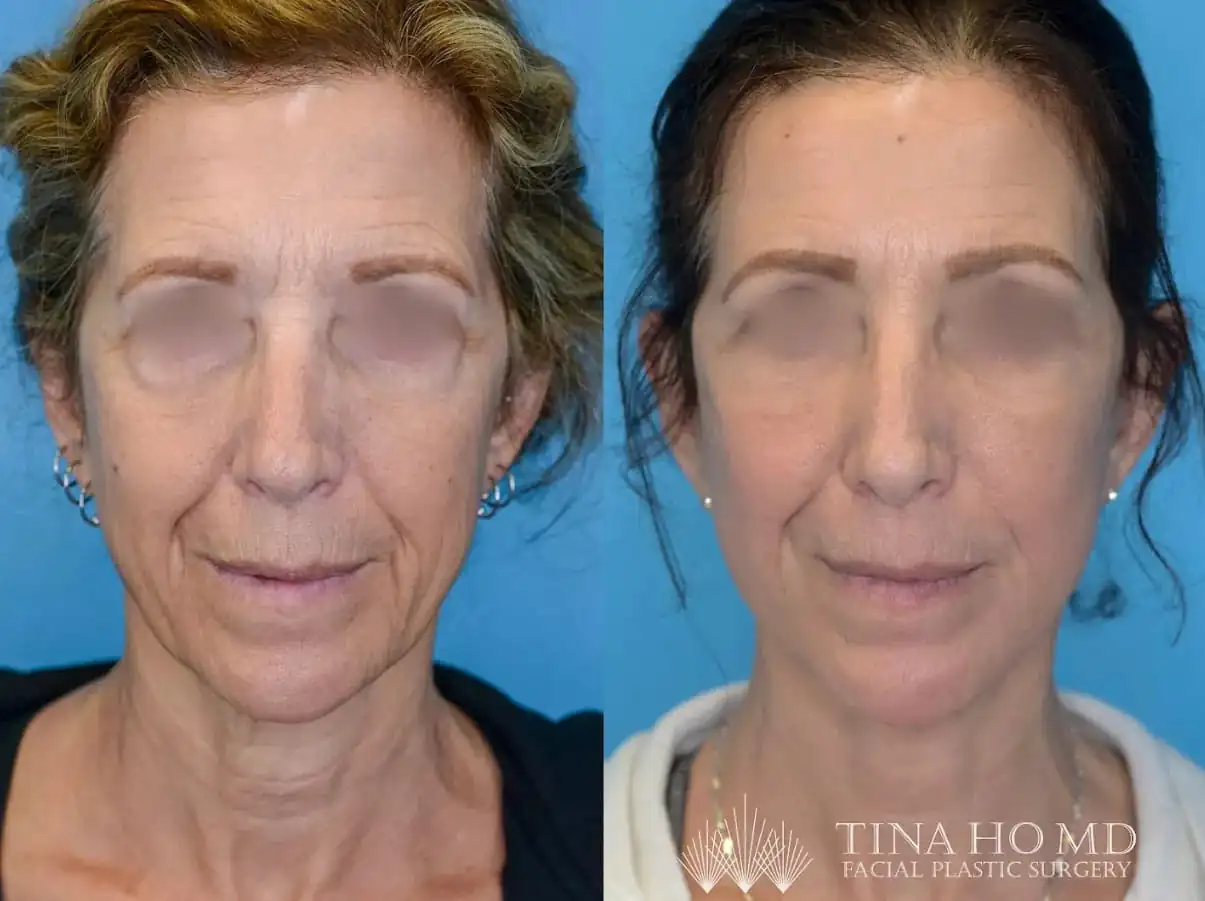
Post-Operative Instructions for CO2 Laser
These post-operative care instructions are for laser resurfacing procedures and are designed to help patients achieve the best results. Patients are encouraged to reach out to Dr. Ho or her staff with any questions before or after surgery.
Expand each section below for more information.
Laser Resurfacing Recovery and Healing
Following your laser resurfacing treatment, recovery will depend on the depth and intensity of the procedure, but most patients can expect several days to one to two weeks of downtime. Redness, swelling, and a sunburn-like sensation are common immediately after treatment. As the skin heals, peeling or flaking may occur as damaged layers are replaced with new skin. Discomfort is generally mild to moderate and can be managed with recommended skincare products and medications if needed. Patients should keep the skin moisturized and avoid sun exposure, using a broad-spectrum sunscreen daily. While initial improvements are visible once healing occurs around three to six weeks, continued enhancement in skin texture and tone develops over the next three to six months.
Enhance Your Recovery with Elixir MD
The Elixir MD™ is an innovative recovery tool that offers various treatment programs using different LED light wavelengths to achieve specific pre and post-surgical goals. These programs are supported by advanced artificial intelligence temperature controls and adjustable settings to address a range of concerns and goals. This non-invasive therapy is safe, painless, and can reduce infections after surgery while also enhancing recovery and minimizing scarring after rhinoplasty surgery.
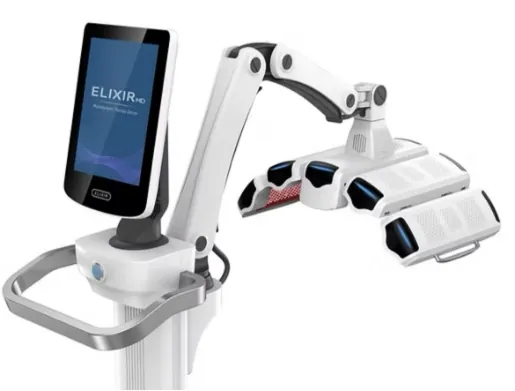
Benefits of Elixir MD
Enhanced post-operative recovery after rhinoplasty. Using LED light, Elixir MD™ stimulates the skin to accelerate wound healing and minimize scarring post-surgery.
Improved healing and cellular repair. Specific wavelengths stimulate collagen and elastin production, which are essential for healing after surgery.
Easier rhinoplasty recovery. Reduces inflammation responsible for swelling and pain after surgery.
Improved lymphatic drainage and blood flow. Enhances the delivery of nutrients and removal of waste for optimal healing.
Elixir MD Treatment Programs for Rhinoplasty
Elixir Detox
This pre-operative therapy uses blue light to reduce the number of bacteria, oils, and toxins on the skin, reducing surgical complications such as infection.
Elixir Cellular Repair
Post-rhinoplasty, Cellular Repair uses yellow light to improve circulation, reducing bruising and swelling, accelerating healing, and shortening recovery.
Elixir NeoXcell
The NeoXcell™ treatment program combines the benefits of Elixir Cellular and Thermal to boost healing and balance melanin production for a more even skin tone.
Elixir RoXium
RoXium™ uses yellow and blue light to reduce swelling/bruising, prevent skin oxidation, decrease sebum, minimize pores, and clear the complexion.
What is the cost of Laser Resurfacing?
The price of laser resurfacing depends on the type of device required. Cost may vary depending on number and size of treatment areas, intensity of treatment, and number of treatments needed.
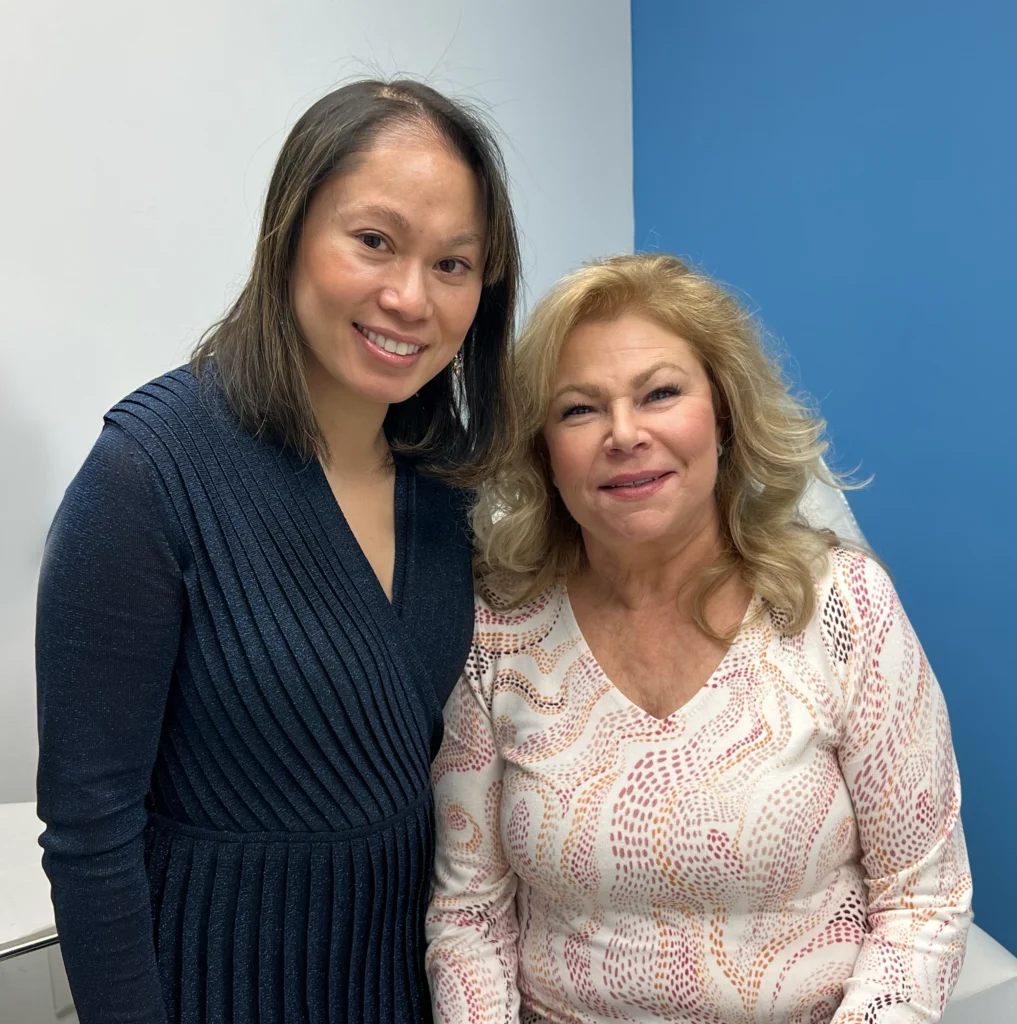
Real Patients, Real Results
Patient Testimonials
4.9 stars rating from 298 reviews

RealSelf
5 stars rating from 168 reviews
As Seen In
Dr. Tina Ho in the Press
Dr. Tina Ho has been featured in leading media publications that highlight her expertise in facial plastic surgery.










Related Procedures
Explore additional procedures that complement a your procedure for balanced, natural-looking rejuvenation.

Each laser resurfacing procedure is different and catered to the individual patient. Therefore, the extent of swelling and tenderness that occur after the procedure will vary by patient. The initial hyperpigmentation changes in the skin may be characterized as a sunburn-like appearance. Skin healing may take one week or up to a few weeks depending on the depth of the laser resurfacing. The addition of new collagen in the skin may not be observed until months out from the procedure. It is important for every laser resurfacing patient to be on a good skin care regimen before and after each procedure as directed by Dr. Ho for optimal skin healing and aesthetic results. Post-treatment pain is usually not significant and may be managed with Tylenol as needed. The results of laser resurfacing in the treated areas is typically observed after the skin has healed over. Dr. Ho seeks follow-up with her patients after each laser resurfacing procedure to ensure that every patient is satisfied with their treatment outcome.
It is common for aesthetic surgical procedures to be performed at the same time as laser resurfacing in the surgery setting, depending on the patient’s anatomic issues and surgical goals. They include but are not limited to the following: facelift, neck lift, blepharoplasty, and fat transfer. Dr. Ho also performs laser resurfacing in the clinic setting in conjunction with injectable procedures including neurotoxins and fillers to achieve maximal aesthetic results via a non-surgical approach. Dr. Ho is experienced in a wide range of aging face procedures and will thoroughly evaluate each patient and discuss with them whether they would benefit from additional procedures beyond laser resurfacing
The price of laser resurfacing depends on the type of device required. Cost may vary depending on number and size of treatment areas, intensity of treatment, and number of treatments needed.