
Introduction to Forehead Reduction Surgery
If a high or prominent forehead affects the balance of your features, forehead reduction surgery can help create a more harmonious and confident look. Dr. Ho combines advanced surgical precision with an artistic eye to lower the hairline and enhance facial proportion, delivering natural results that beautifully frame your face.
What is Forehead Reduction Surgery?
Forehead reduction surgery is a cosmetic procedure designed to reduce the size of a disproportionately large forehead. The length of one’s forehead can differ significantly from person to person. Some individuals are born with larger foreheads, but in others, the size of their forehead may increase due to a receding hairline.
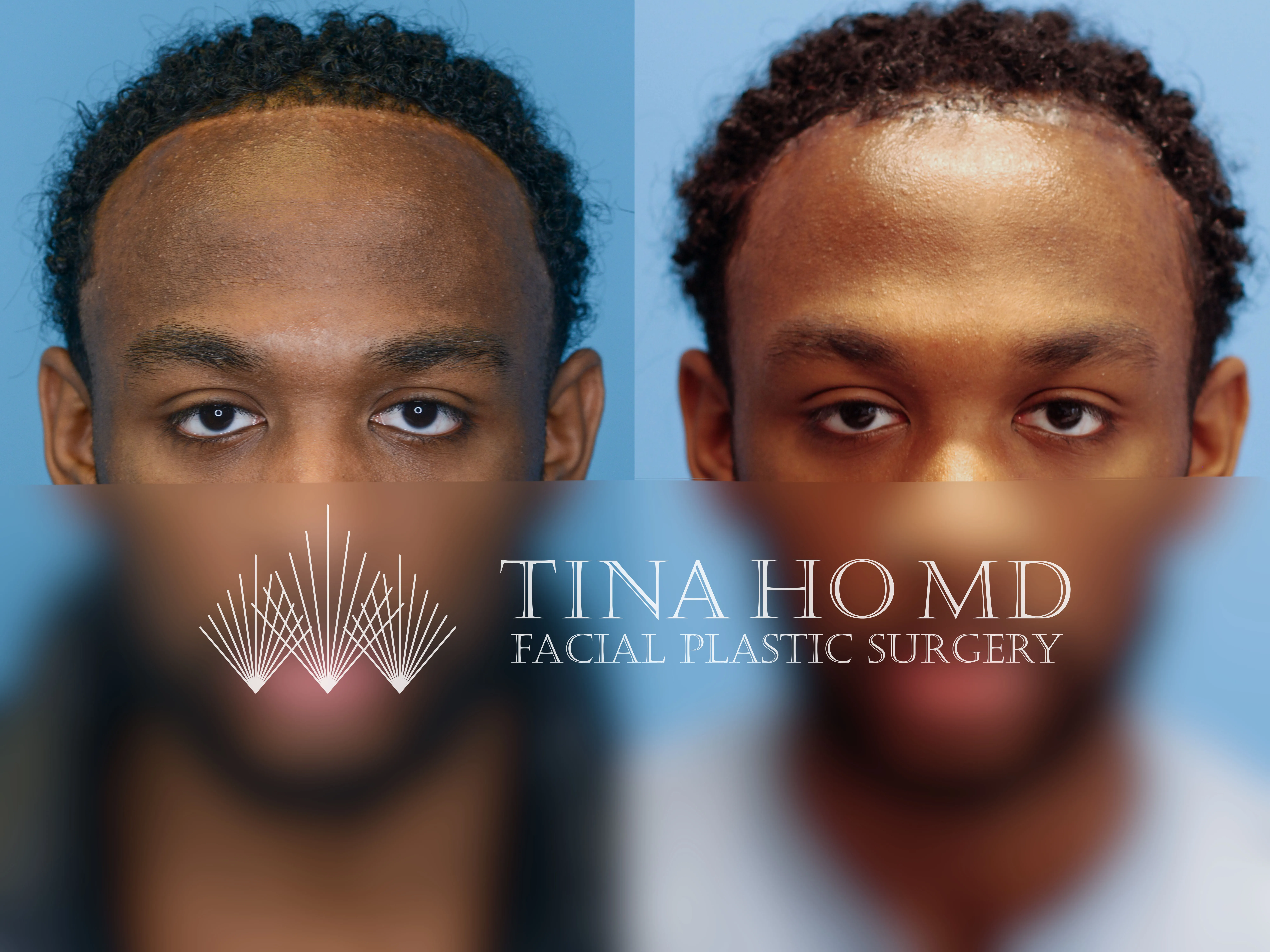
Whether present from birth or acquired through hair loss, hairline lowering surgeries (forehead reduction surgeries) advance the hairline forward to reduce the overall size of the forehead. In addition, excess skin is removed. Relative eyebrow position is changed but not raised.
Hairline lowering in Philadelphia aims to create a naturally looking, aesthetically pleasing appearance of the face by improving the overall proportions of facial features. A forehead reduction can be combined with a brow lift surgery to enhance the correction of facial proportions.
Meet Dr. Ho
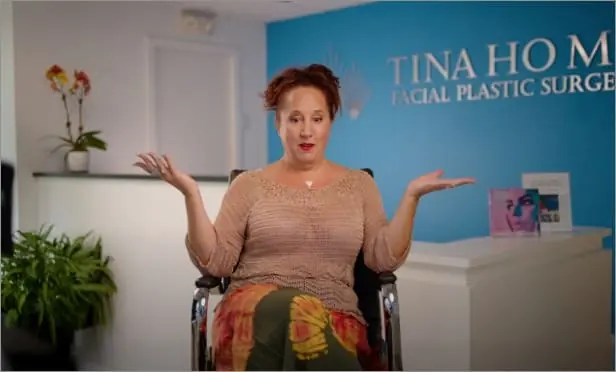
Introducing Dr. Tina Ho!
A Double Board-Certified, Fellowship-Trained Facial Plastic Surgeon

Dr. Ho is a highly respected female surgeon in the medical community, noted for her charitable work, scientific contributions, and impressive leadership. She is a proud member and is board-certified by the American Academy of Facial Plastic and Reconstructive Surgery and the American Academy of Otolaryngology – Head and Neck Surgery. As a female double board-certified facial plastic surgeon, Dr. Ho is both approachable and relatable to her patients and strives to empower them with beautiful, natural results. Her philosophy is to provide the highest standard of individualized care in greater Philadelphia for a broad spectrum of facial rejuvenation and reconstructive procedures.


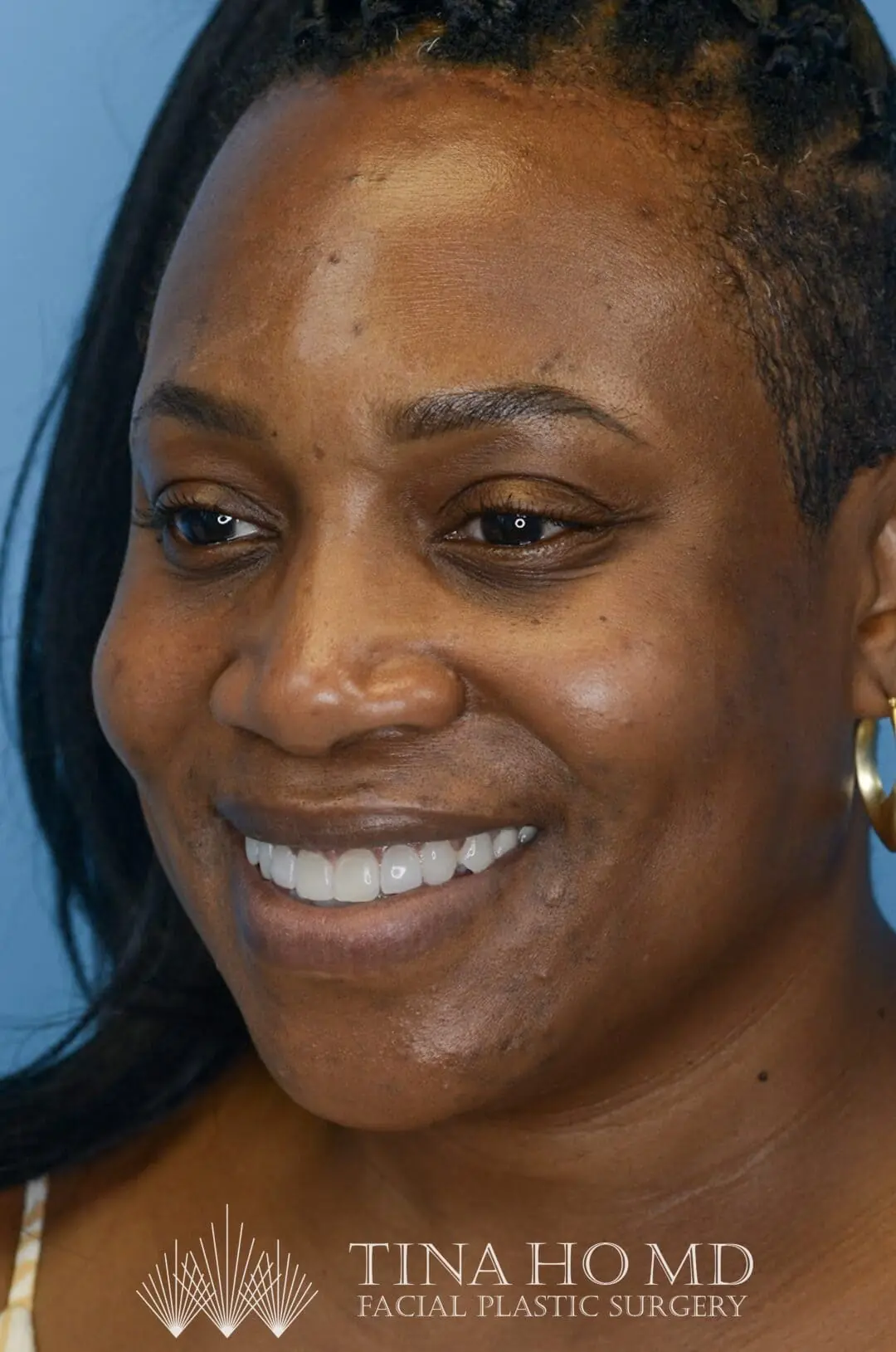
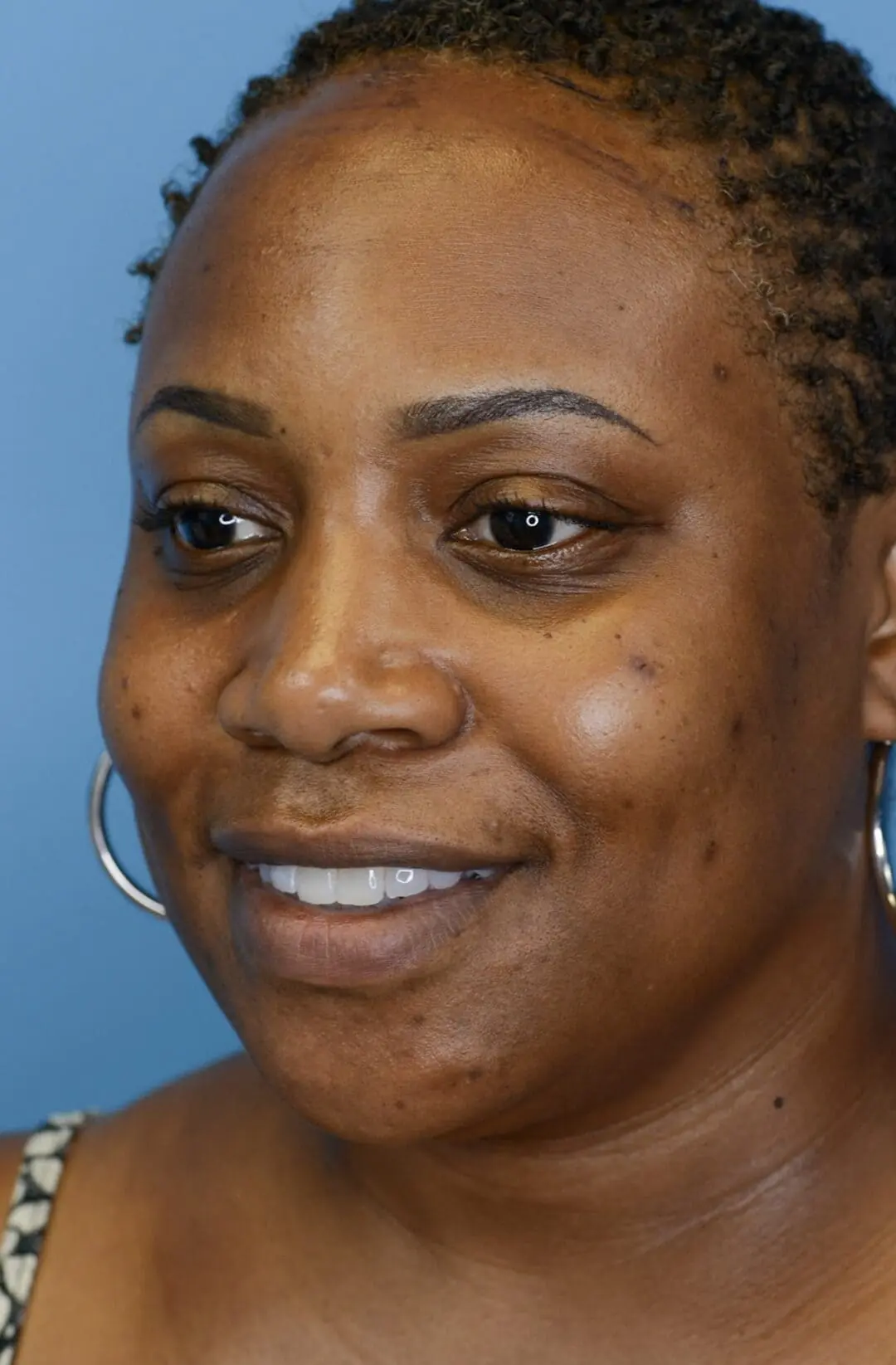


What Are Issues That Can Be Addressed With Forehead Reduction Surgery?
High hair line
Elongated forehead
Large forehead
Premature aging
Enhances facial feminization
Lack of facial harmony
Dr. Ho is experienced in improving all of these issues with Forehead Reduction Surgery and will discuss with each patient her customized approach for each type of issue.






Why Choose Dr. Tina Ho?
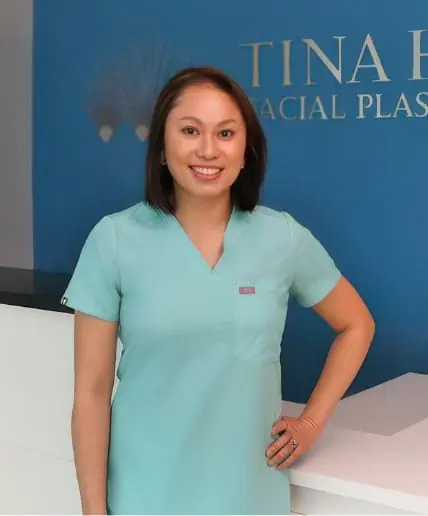
Dr. Tina Ho is widely regarded as a leading double board certified facial plastic surgeon in Philadelphia and Wayne, with specialized training in aesthetic and reconstructive surgery of the face and neck. She approaches forehead reduction surgery with both technical precision and artistic vision, understanding that lowering the hairline and refining forehead proportions requires meticulous planning and an eye for natural balance.
From the first consultation through surgery and every follow up visit, Dr. Ho is dedicated to providing each forehead reduction patient with thoughtful, individualized care. She takes the time to listen, assess facial proportions, and map out a surgical plan that aligns with the patient’s goals and natural anatomy. Her focus is on creating harmonious, natural looking results that enhance facial balance without appearing overly altered.
Dr. Ho completed advanced fellowship training under world renowned facial plastic surgeon Dr. Dean Toriumi. This extensive background gives her the skill to perform forehead reduction with exceptional accuracy, including careful incision placement, precise hairline advancement, and techniques to minimize visible scarring.
Patients throughout Pennsylvania, New Jersey, and New York travel to see Dr. Ho for her expertise, attention to detail, and supportive approach. She guides each person through the entire experience, sets realistic expectations, and ensures they feel informed, comfortable, and confident in the outcome of their surgery.
Benefits of Forehead Reduction Surgery
An overly large forehead can distract from other facial features and create a disproportional facial balance. An expert forehead reduction surgeon uses advanced techniques to address these issues improving the aesthetic appearance of the face. Benefits associated with a forehead reduction surgery include:
Overall, forehead reduction surgery is an effective cosmetic procedure that provides patients the opportunity to achieve a more desirable facial appearance and restores any lost confidence by creating a more aesthetically pleasing appearance. This procedure helps to highlight the natural beauty of your facial features.
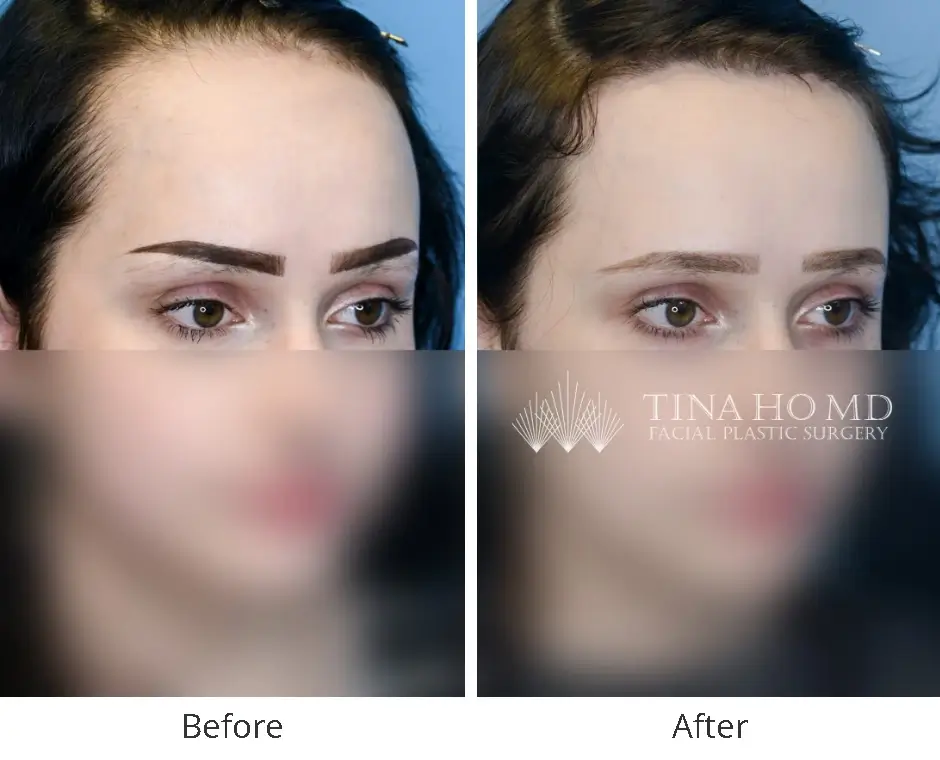
am I an Ideal Candidate for Forehead Reduction Surgery?
In Philadelphia, hairline lowering surgery is ideal for individuals born with a high forehead and who have no appreciable hair loss. This situation is more commonly encountered in women, but men can also present with this combination.
To be a candidate for forehead reduction surgery, the laxity of the scalp and forehead skin must be determined. The skin of the scalp must be elastic enough to be ideally advanced 20 mm, but this procedure can still be performed in patients with as little as only 16 mm of advancement.
An ideal candidate should be in good physical and mental health to help reduce the chance of complications. Candidates should be non-smokers and have realistic expectations of what this procedure can accomplish to maximize the chances of a successful outcome.
Have questions about whether you are a good candidate? As a forehead reduction specialist in Philadelphia, Dr. Tina Ho can perform an evaluation and answer any questions during your consultation. If you are not a good candidate, Dr. Ho can suggest other options to help you achieve your desired results.
What is Ideal Hairline Anatomy?
In a female patient, the ideal hairline height is about 5 to 6 cm from the medial brows. The hairline typically slopes from horizontal in the middle to vertical laterally. Hairlines greatly vary by patient as well as the treatment goals of forehead reduction patients. The most common cause of a high hairline is heredity.
Preparing for Forehead/Hairline Reduction Surgery
Preparing for forehead reduction surgery is important to prevent complications and to ensure the best possible outcome — recommended steps for preparing for surgery:
Recovery and Post-Operative Care
Most patients will require a week or two to recover from the procedure. You may return to work when comfortable, typically around 7 to 14 days after surgery. Normal activities can be resumed two weeks following surgery to ensure sufficient healing.
The incision will fully heal and the scar will start to fade and become less noticeable around six months. It will take at least six to twelve months for the scars to reach their final state. However, prior to this, many patients elect to cover the incision using hats, headbands, and hairstyles. After a couple of months, your hair will begin to grow through the incision, further hiding the scar. Any numbness along the incision should resolve over four to six months. The final results of the surgery will be visible at 6 to 12 months postoperatively.
To ensure proper healing it is important to follow all post-operative directions provided by Dr. Tina Ho. Avoiding excessive sun exposure and using sunscreens as well as applying a silicone gel are important in achieving the best results in scar healing.
After surgery, bruising, swelling, and mild discomfort are commonly experienced by patients. Pain medications may be needed initially after surgery but they typically will not be required for more than a few days to a week out. The bruising will begin dissipating at approximately one week, but the swelling will require additional time to resolve. Sleeping with the head elevated will help minimize swelling and aid healing.
Enhance Your Recovery with Elixir MD
The Elixir MD™ is an innovative recovery tool that offers various treatment programs using different LED light wavelengths to achieve specific pre and post-surgical goals. These programs are supported by advanced artificial intelligence temperature controls and adjustable settings to address a range of concerns and goals. This non-invasive therapy is safe, painless, and can reduce infections after surgery while also enhancing recovery and minimizing scarring after rhinoplasty surgery.
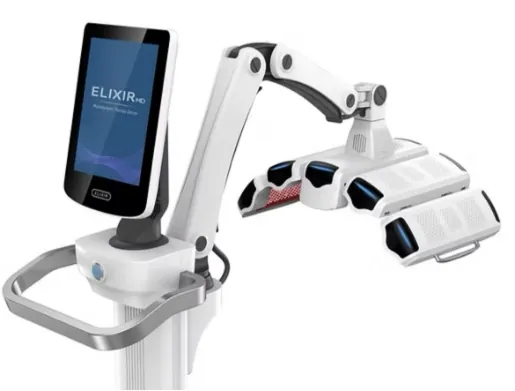
Benefits of Elixir MD
Enhanced post-operative recovery after rhinoplasty. Using LED light, Elixir MD™ stimulates the skin to accelerate wound healing and minimize scarring post-surgery.
Improved healing and cellular repair. Specific wavelengths stimulate collagen and elastin production, which are essential for healing after surgery.
Easier rhinoplasty recovery. Reduces inflammation responsible for swelling and pain after surgery.
Improved lymphatic drainage and blood flow. Enhances the delivery of nutrients and removal of waste for optimal healing.
Elixir MD Treatment Programs for Rhinoplasty
Elixir Detox
This pre-operative therapy uses blue light to reduce the number of bacteria, oils, and toxins on the skin, reducing surgical complications such as infection.
Elixir Cellular Repair
Post-rhinoplasty, Cellular Repair uses yellow light to improve circulation, reducing bruising and swelling, accelerating healing, and shortening recovery.
Elixir NeoXcell
The NeoXcell™ treatment program combines the benefits of Elixir Cellular and Thermal to boost healing and balance melanin production for a more even skin tone.
Elixir RoXium
RoXium™ uses yellow and blue light to reduce swelling/bruising, prevent skin oxidation, decrease sebum, minimize pores, and clear the complexion.
Understanding the Risks of Forehead Reduction Surgery
Forehead reduction surgery is designed to decrease the vertical height of the forehead by lowering the hairline, creating a more balanced relationship between the upper face and surrounding features. Because the procedure involves an incision along the hairline and movement of the scalp, healing of both the skin and hair-bearing tissues is an important part of the outcome.
Temporary swelling, bruising, tightness, tenderness, and numbness of the scalp or forehead are common during recovery. Some patients experience itching or altered sensation as the nerves heal. Bleeding, infection, fluid accumulation, wound separation, and unfavorable scarring can occur but are uncommon. The incision generally softens and becomes less noticeable with time, although the final appearance of a scar can vary based on an individual’s healing characteristics.
A more specific concern is hair loss near the incision. Hair loss may be temporary as the follicles recover from surgery, but in some cases, thinning or permanent loss can occur. Numbness of the scalp or forehead may also persist longer than expected. Because nerves that control forehead movement are located near the surgical area, temporary facial weakness affecting brow movement is possible, although significant or permanent weakness is uncommon. Asymmetry in the hairline, changes in hair direction, or an appearance that differs from the anticipated result may occasionally require further treatment.
Average Cost of Forehead Reduction Surgery
Forehead reduction in Philadelphia costs can range from $10,000 to $14,000. This price range has a wide gap because multiple factors must be considered when determining the overall costs. Dr. Ho will evaluate your individualized needs and desires to produce a customized plan and provide you with a detailed total cost of the procedure so that you can fully understand the investment required.
Factors Determining the Cost of Forehead Reduction
The total cost of hairline lowering in Philadelphia is affected by the need for additional procedures, geographic location, surgeon experience, and fees associated with surgical assistants and support staff.
Additional Procedures
The goal of forehead reduction surgery is to improve the proportions of facial features and can require additional procedures to maximize this goal. Performing an eyebrow lift or eyelid surgery is commonly utilized in conjunction with this procedure for a more dramatic improvement.
When additional procedures are added to the surgery, this will ultimately raise the overall costs but can help maximize the transformative potential of the surgery.
Geographic Location
The demand for forehead reduction procedures varies depending on the location where one is seeking treatment. Large cities, such as Philadelphia, have much higher demands for this procedure as well as higher costs of operating, which results in higher procedural pricing. This trend is also seen in cities along the East and West Coast, where the demand for cosmetic procedures is higher.
Surgeon’s Experience
The surgeon’s experience is arguably the most important factor in deciding to undergo a forehead reduction surgery. This experience is beneficial in identifying additional procedures to maximize the results and reducing the number of complications. Selecting a surgeon experienced in forehead reduction surgery is invaluable, and can prevent the need for revision procedures to fix poorly done procedures.
The higher demand for an experienced hairline-lowering specialist in Philadelphia will result in higher prices. However, the increased upfront costs can pay dividends if complications and revision surgeries are avoided.
Surgical and Support Staff Fees
Forehead reduction surgeries are performed under local sedation or general anesthesia at an ambulatory surgery center or a hospital. Therefore, additional facility fees, anesthesia fees, and support staff fees will need to be factored into the total cost of the procedure and will be included in the detailed description of the procedure’s cost.
Are Financing Options Available?
Yes. Tina Ho MD Facial Plastic Surgery provides options that allow you to pay for the procedure over time. Our practice participates with CareCredit. These options will be discussed during the initial consultation so that you are aware of all your choices before choosing to proceed with a forehead reduction. However, ensuring this procedure makes financial sense for your situation is essential.
Identified as the best in cosmetic surgery by Philadelphia Style Magazine, Dr. Ho provides world-class care for the Philadelphia area and surrounding communities and states. Priding herself on providing her patients with individualized care and exceptional treatment, Dr. Ho has established herself as one of the best forehead reduction surgeons in Philadelphia.
Dr. Ho’s office is conveniently located to serve Philadelphia and the surrounding metropolitan region and the greater tri-state area including Center City, the Main Line, Montgomery County, Chester County, Delaware County, New Jersey, New York, and Delaware.
Schedule a Consultation at Tina Ho MD Facial Plastic Surgery
If you are unhappy with the appearance of your forehead and feel it distracts from your other facial features, Dr. Ho can help restore the beauty and symmetry of the face with a forehead reduction procedure. Boost your confidence today, schedule a consultation at Tina Ho MD Facial Plastic Surgery, where you will receive extraordinary care with a personalized approach to achieve the best results possible.
To schedule a consultation, call our office at 267-578-3064 (Philadelphia) or 610-688-3363 (Wayne).
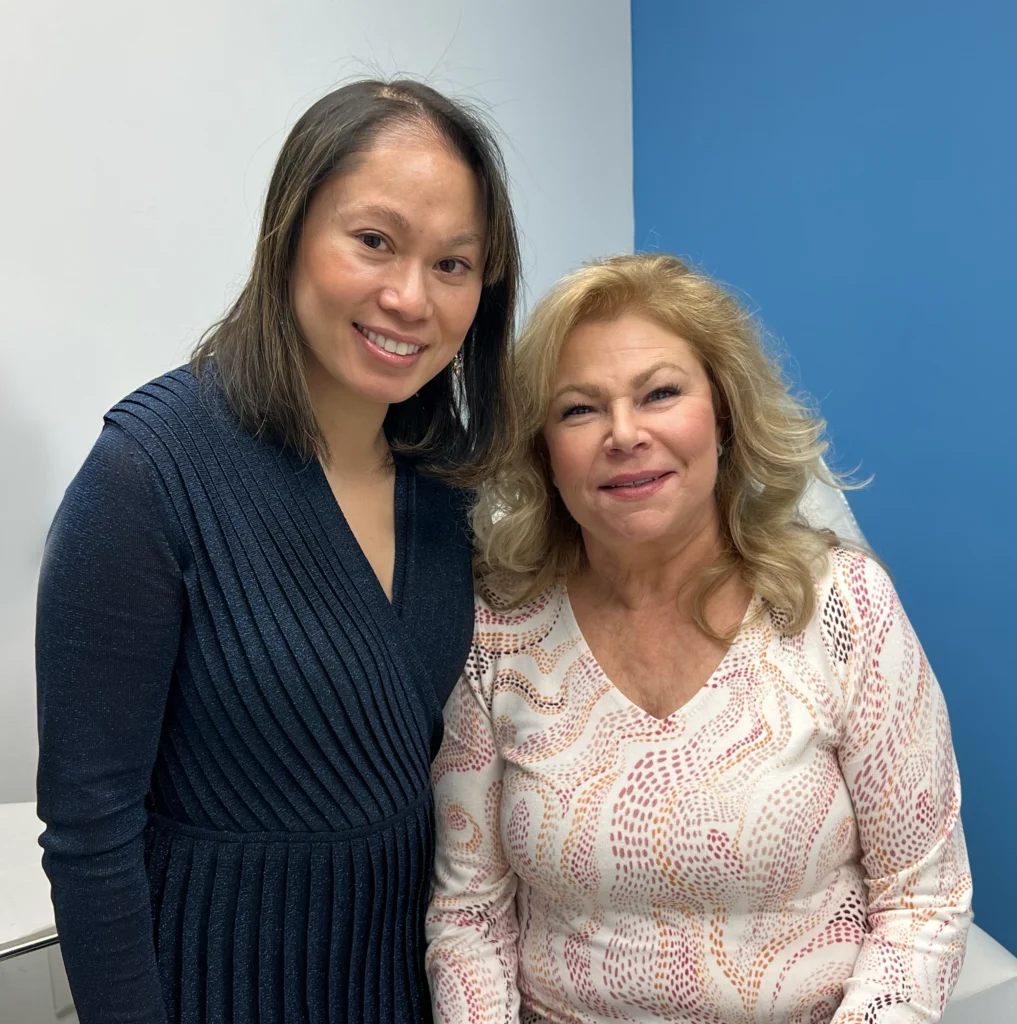
Real Patients, Real Results
Patient Testimonials
4.9 stars rating from 298 reviews

RealSelf
5 stars rating from 168 reviews
As Seen In
Dr. Tina Ho in the Press
Dr. Tina Ho has been featured in leading media publications that highlight her expertise in facial plastic surgery.









Related Procedures
Explore additional procedures that complement a your procedure for balanced, natural-looking rejuvenation.