
Introduction to Fat Transfer
Facial features such as cheeks and lips that have lost volume due to aging or are naturally flat or thin can be augmented surgically with a fat transfer in Philadelphia. Dr. Ho will perform a safe and gentle technique to harvest fat from another part of your body and transfer it to your face to create a more defined, youthful appearance. This process is also known as facial fat grafting.
What is a Fat Transfer?
Fat transfer refers to the procedure of harvesting fat from one area of the body and injecting into another area. With aging, soft tissue and fat atrophy as well as bony resorption contribute to loss of volume and definition in the face. Gravity forces induce skin and soft tissue descent, leading to the formation and deepening of facial creases such as the nasolabial folds and marionette lines.
Fat transfer is a common treatment option for patients seeking to restore volume and shape to certain areas of the face including the temples, under eye areas, cheeks, and lips as well as to improve the appearance of nasolabial folds and marionette lines. Fat transfer may be performed alone or in conjunction with other aging face procedures.
This procedure requires the expertise of a surgeon who specializes in plastic surgery of the face and understands facial anatomy well. Dr. Ho specializes in fat transfer and performs each procedure in an artistic manner according to the anatomic features and surgical goals of the individual patient.

Meet Dr. Ho
Introducing Dr. Tina Ho!
A Double Board-Certified, Fellowship-Trained Facial Plastic Surgeon

Dr. Ho is a highly respected female surgeon in the medical community, noted for her charitable work, scientific contributions, and impressive leadership. She is a proud member and is board-certified by the American Academy of Facial Plastic and Reconstructive Surgery and the American Academy of Otolaryngology – Head and Neck Surgery. As a female double board-certified facial plastic surgeon, Dr. Ho is both approachable and relatable to her patients and strives to empower them with beautiful, natural results. Her philosophy is to provide the highest standard of individualized care in greater Philadelphia for a broad spectrum of facial rejuvenation and reconstructive procedures.
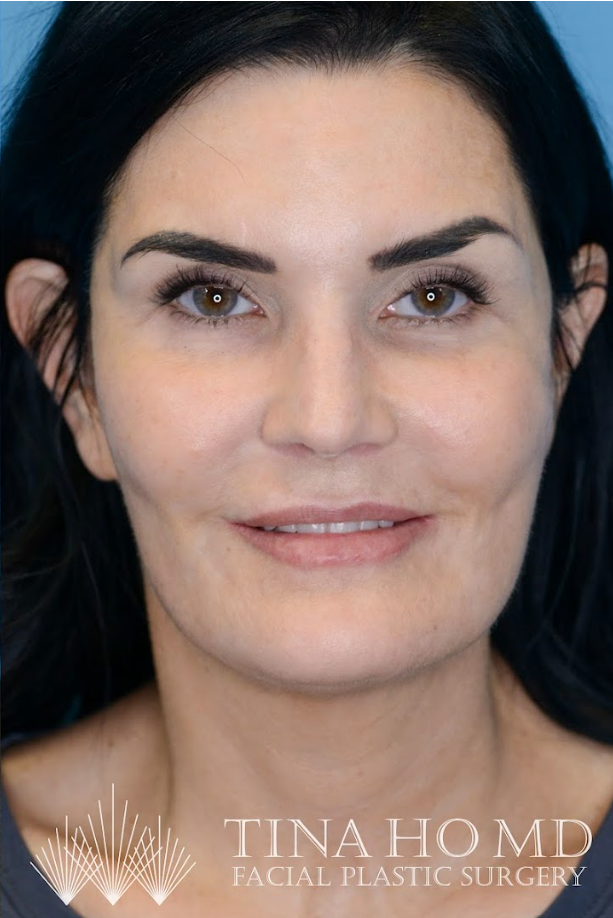
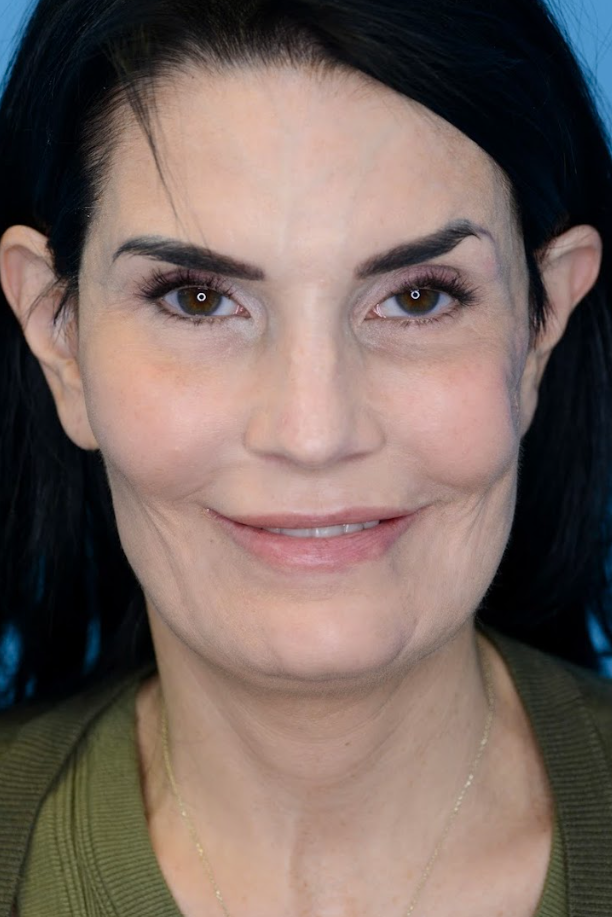
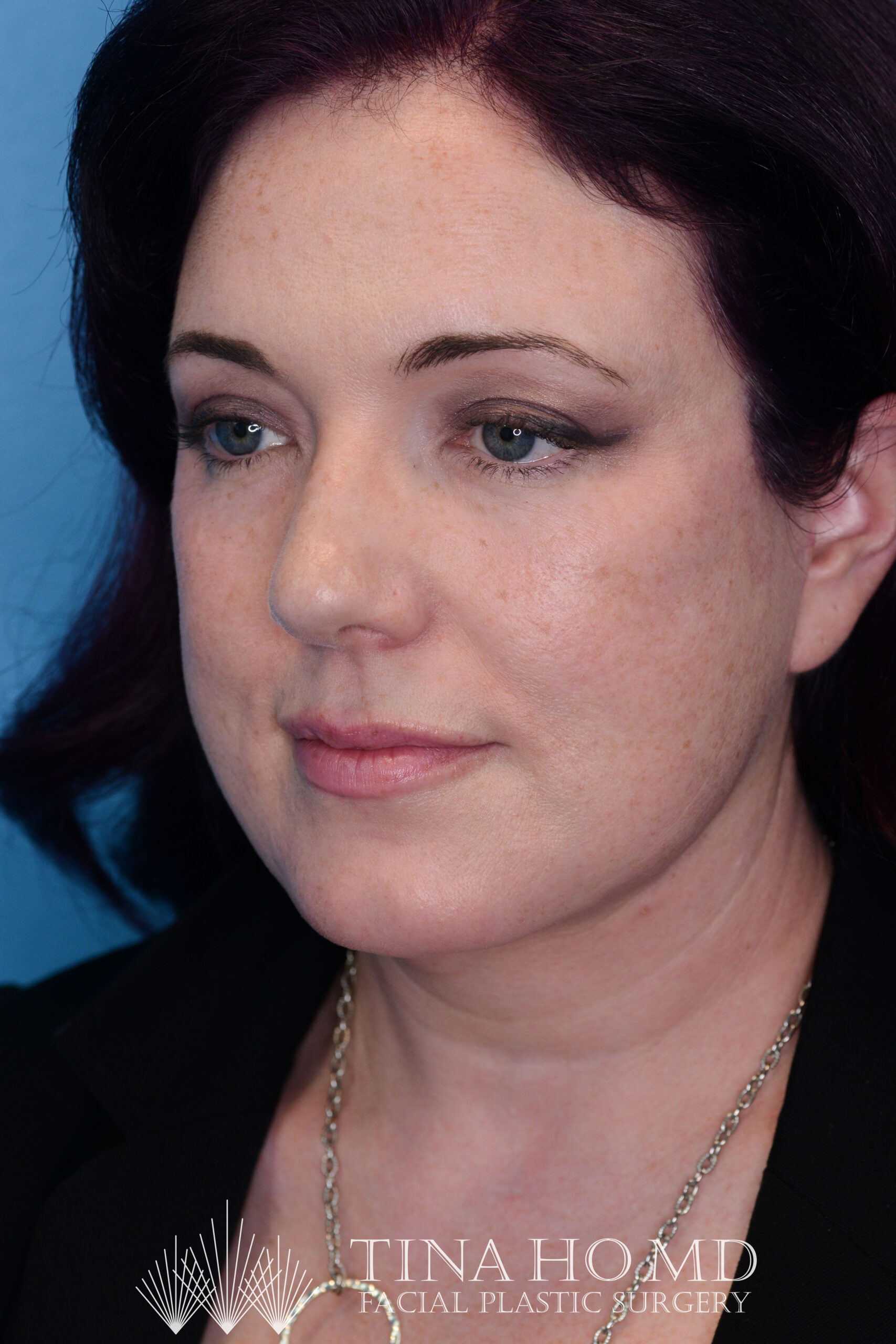
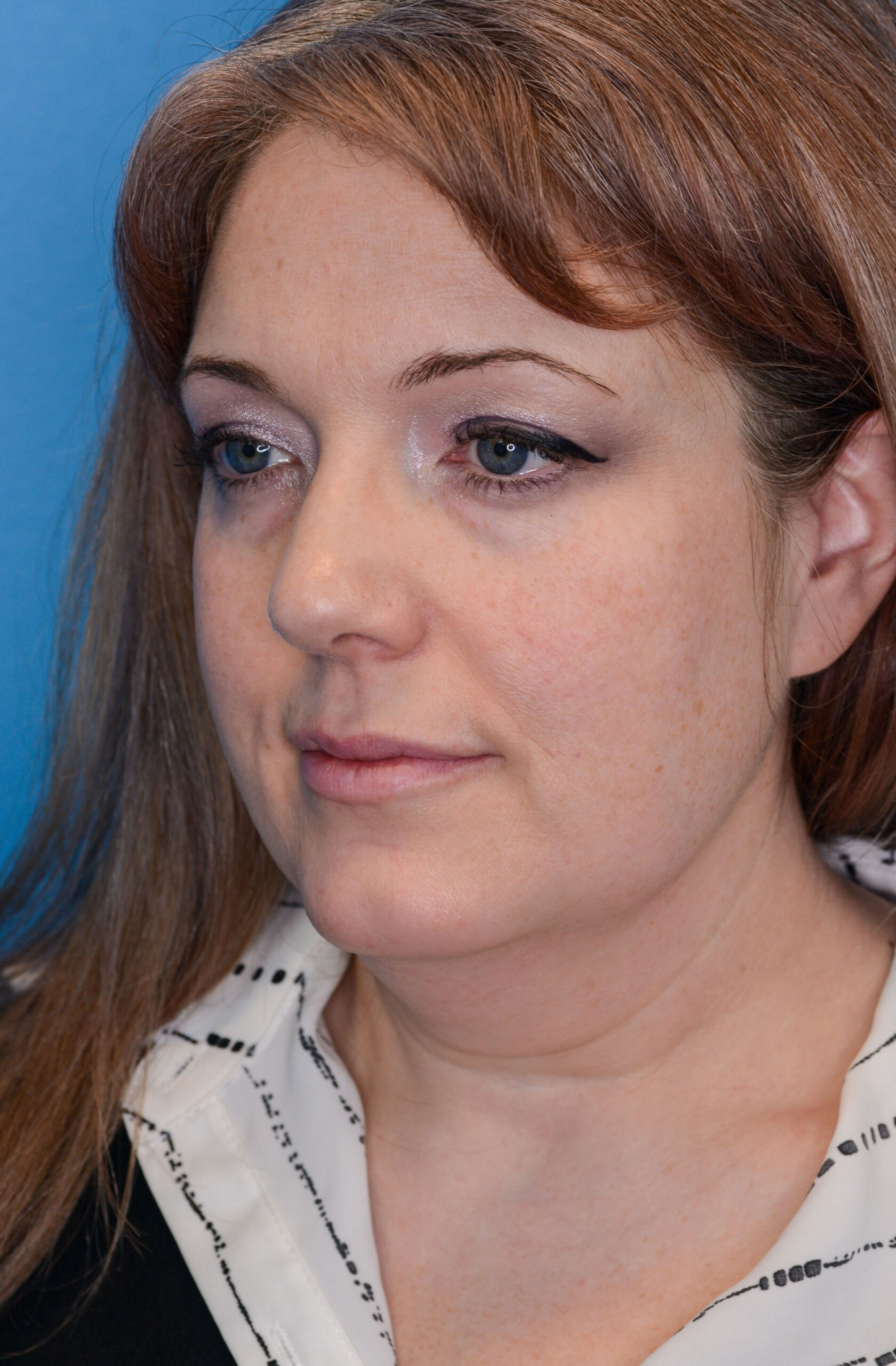
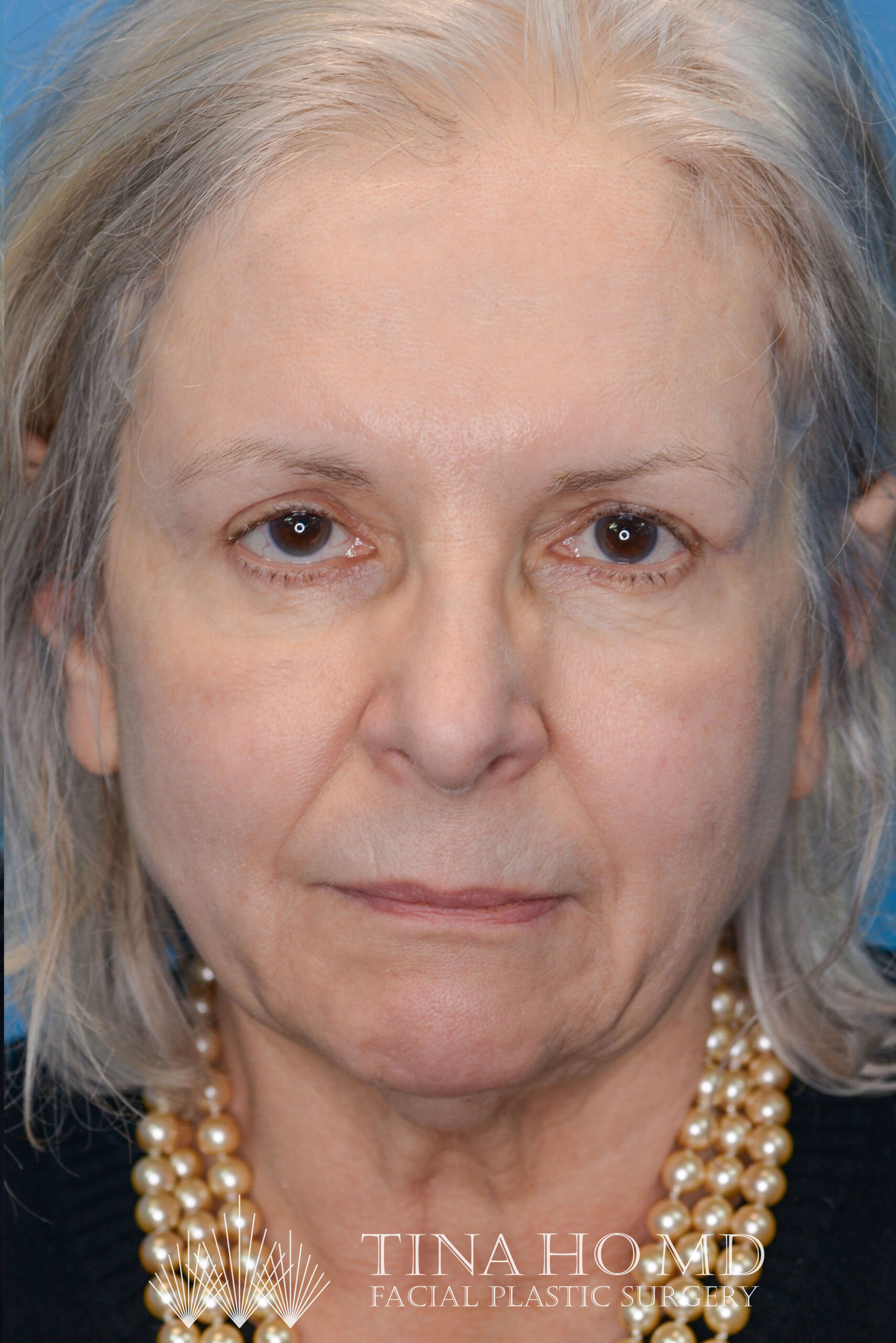
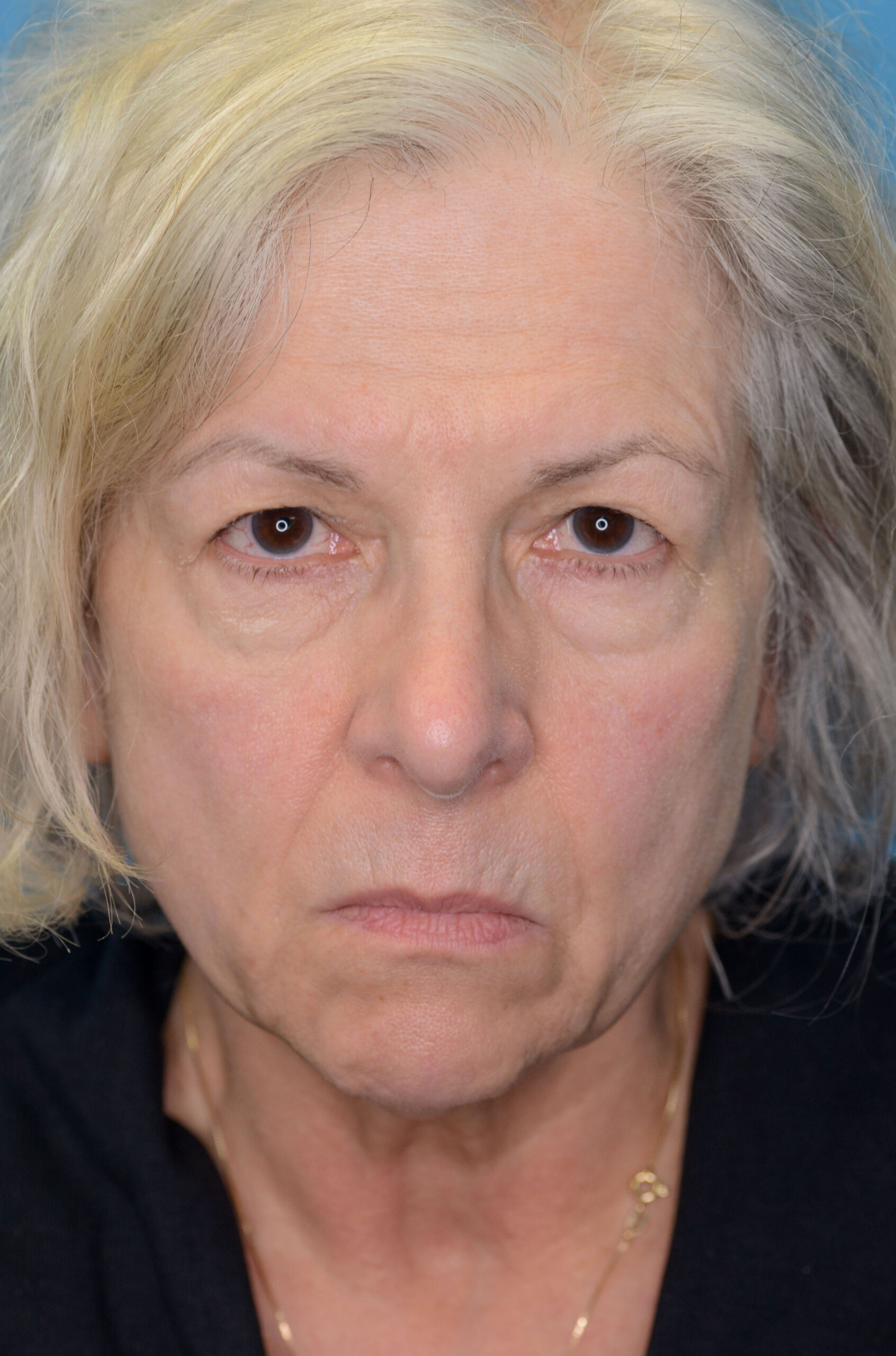
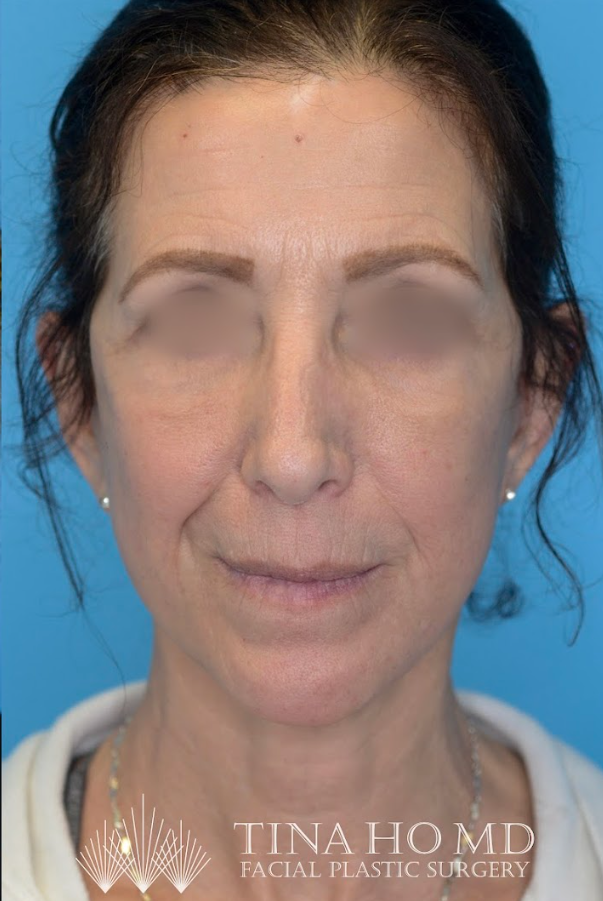
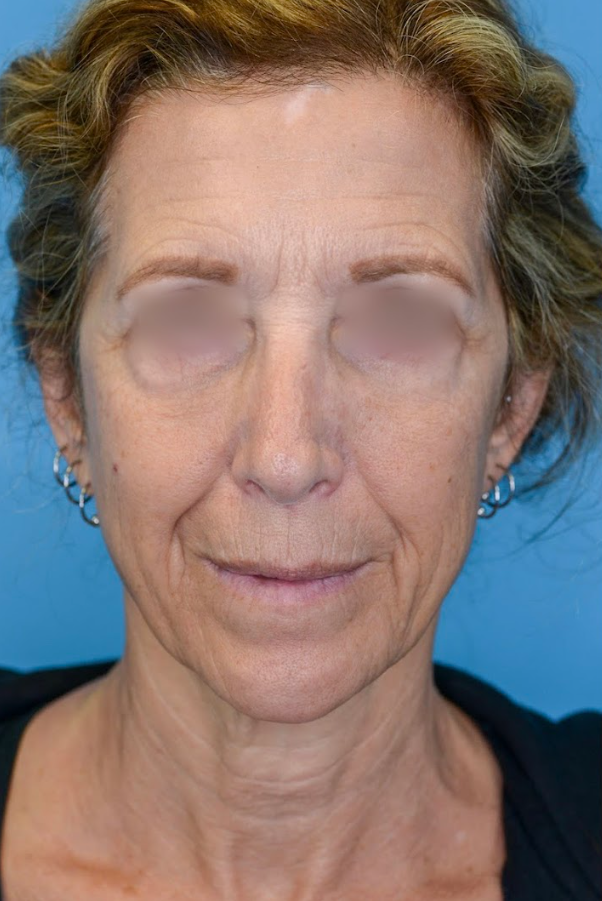
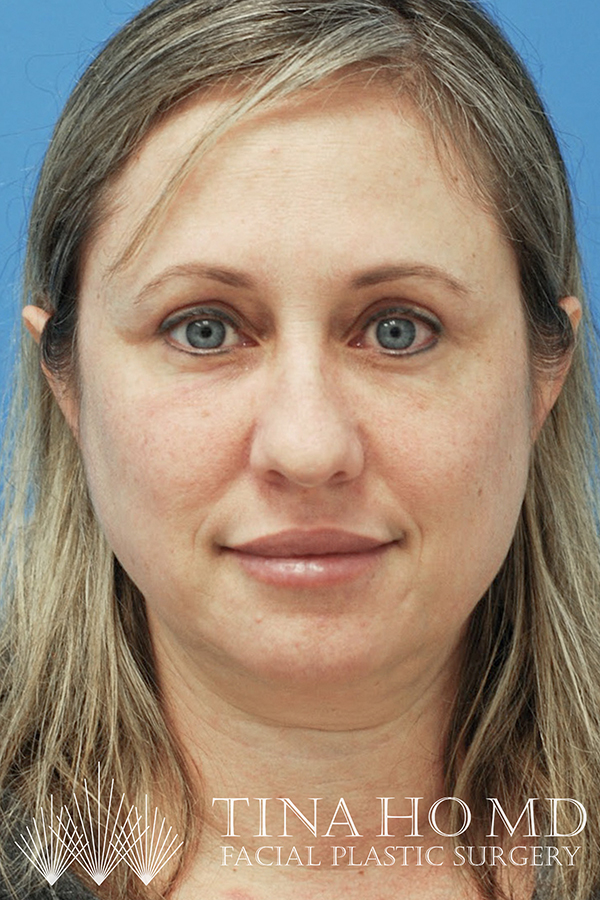
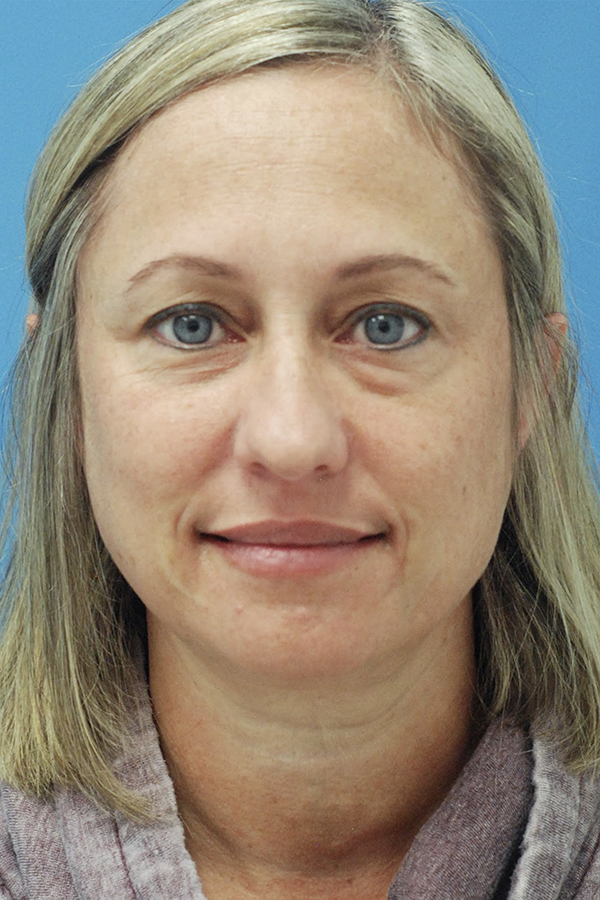
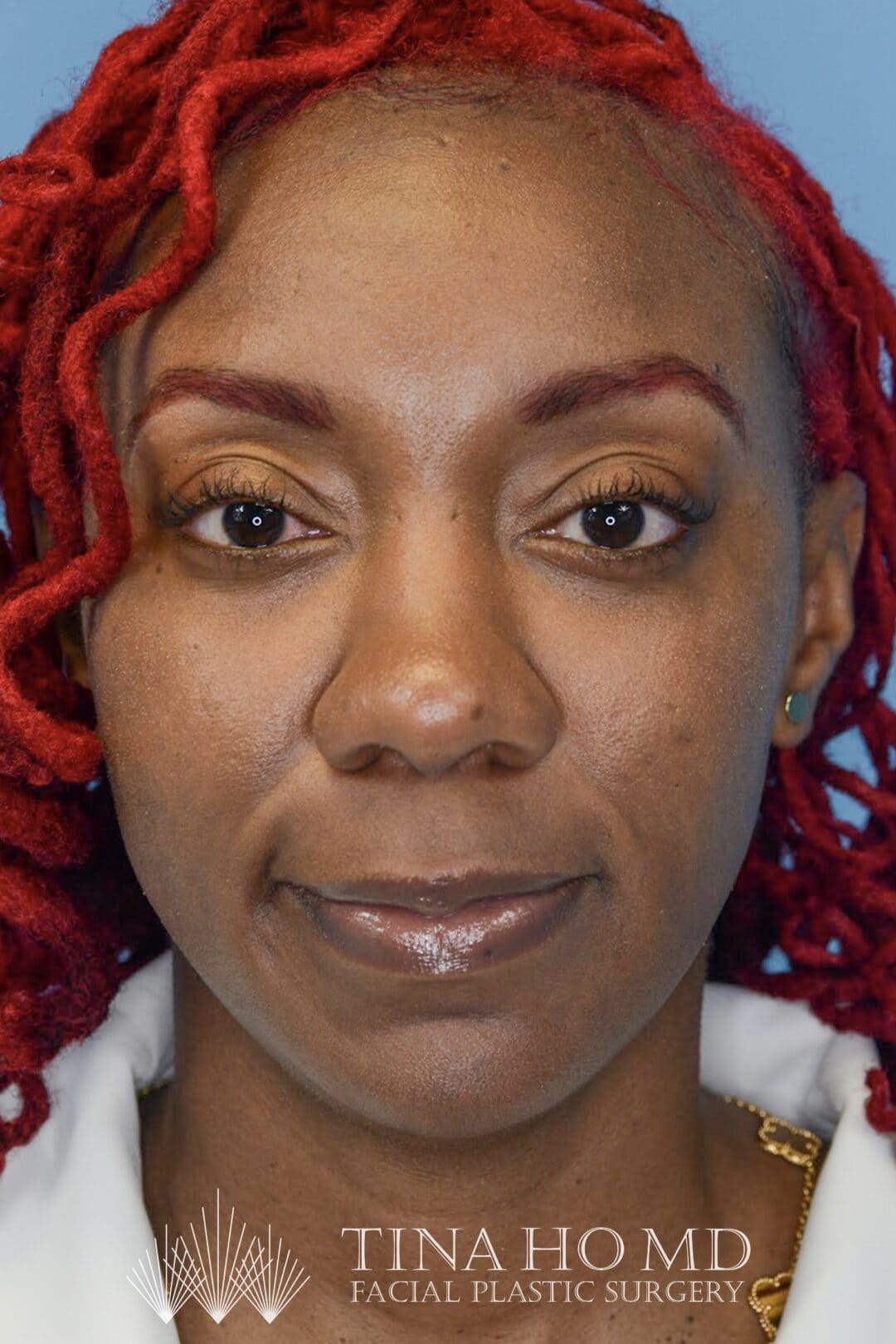
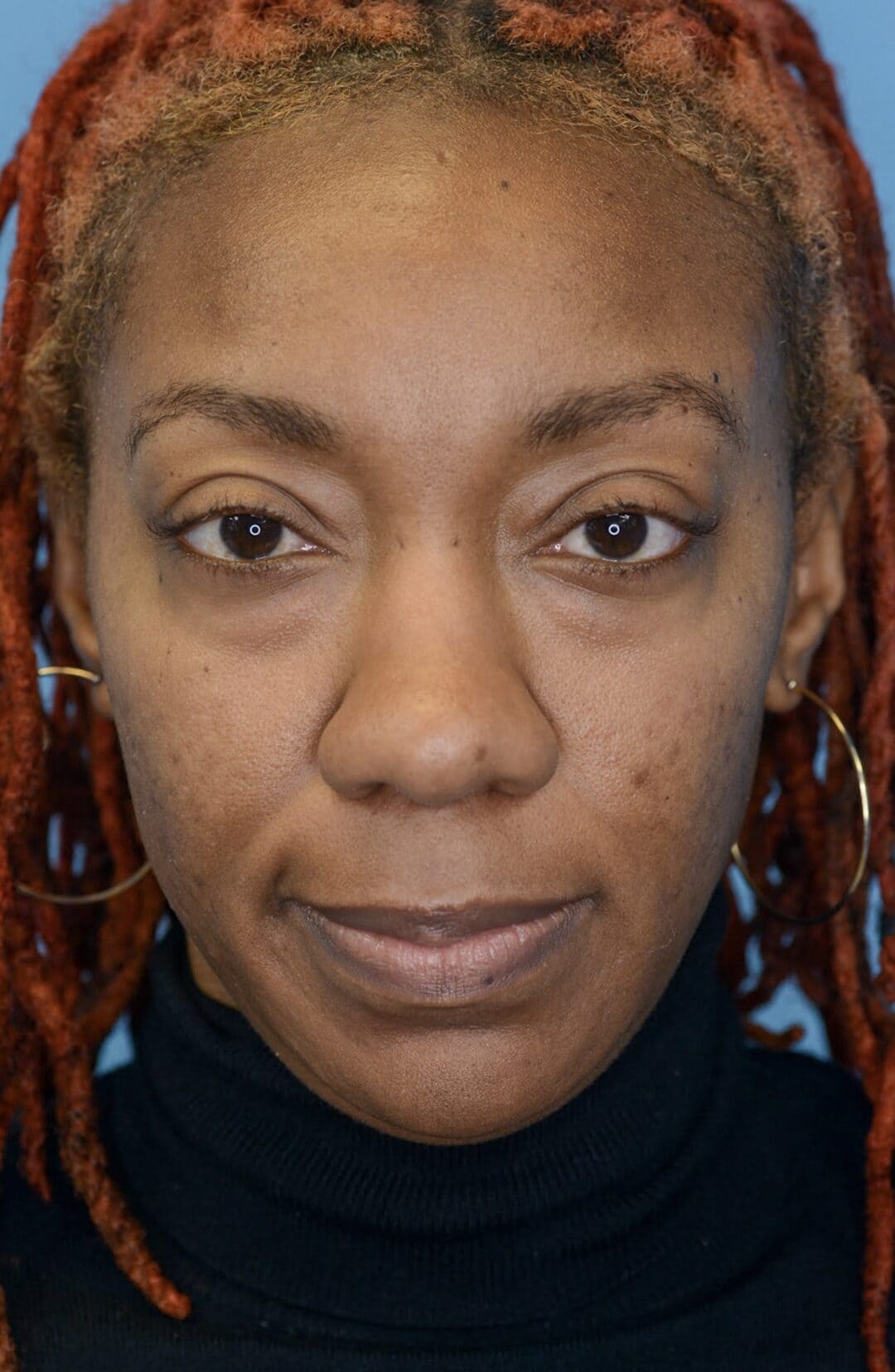
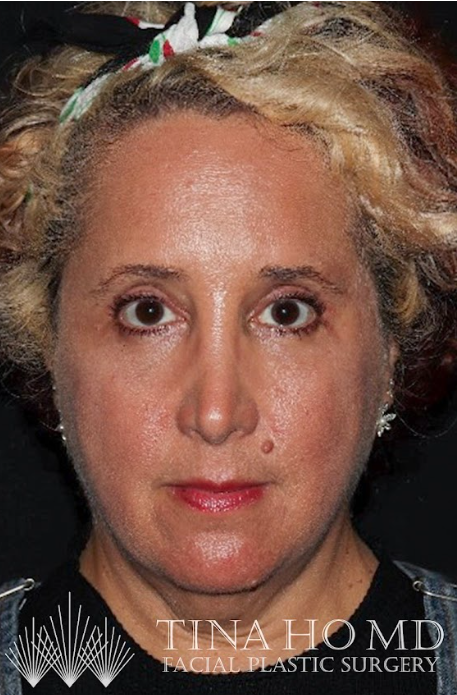
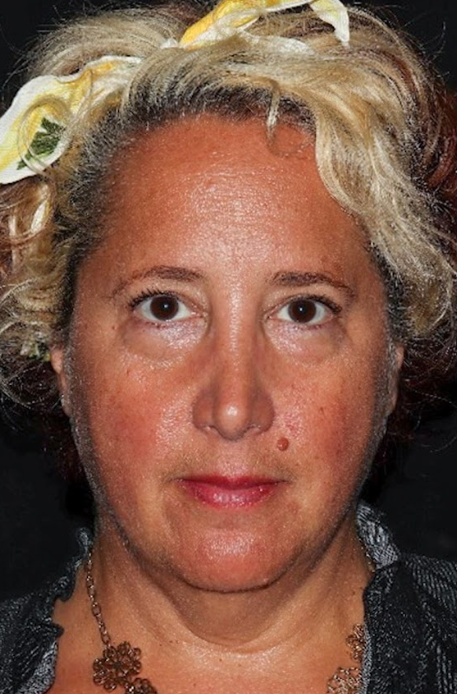
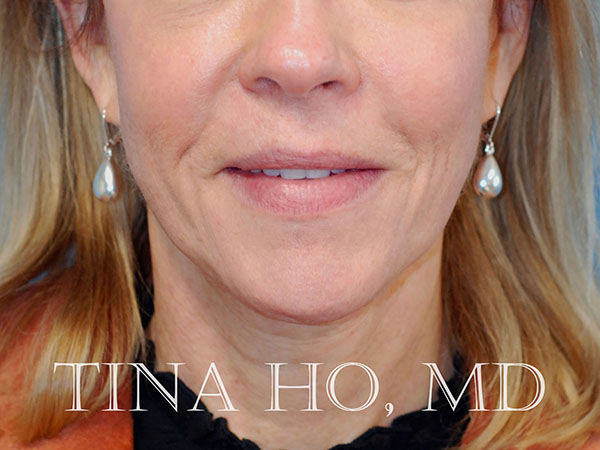
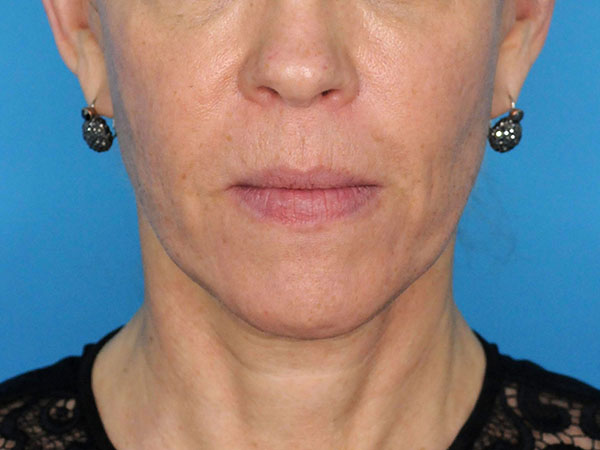
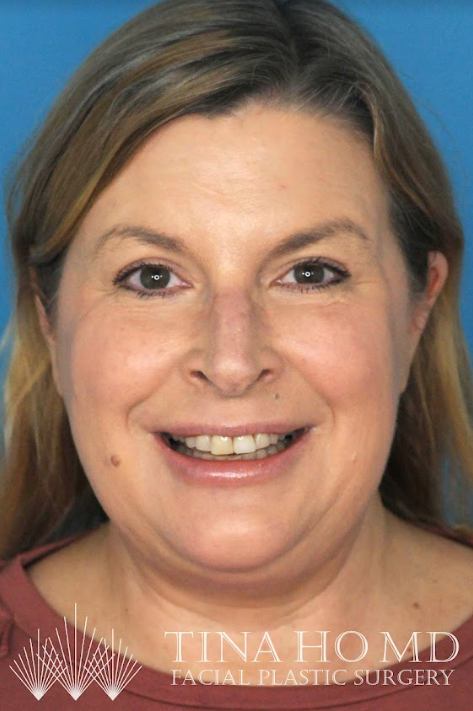

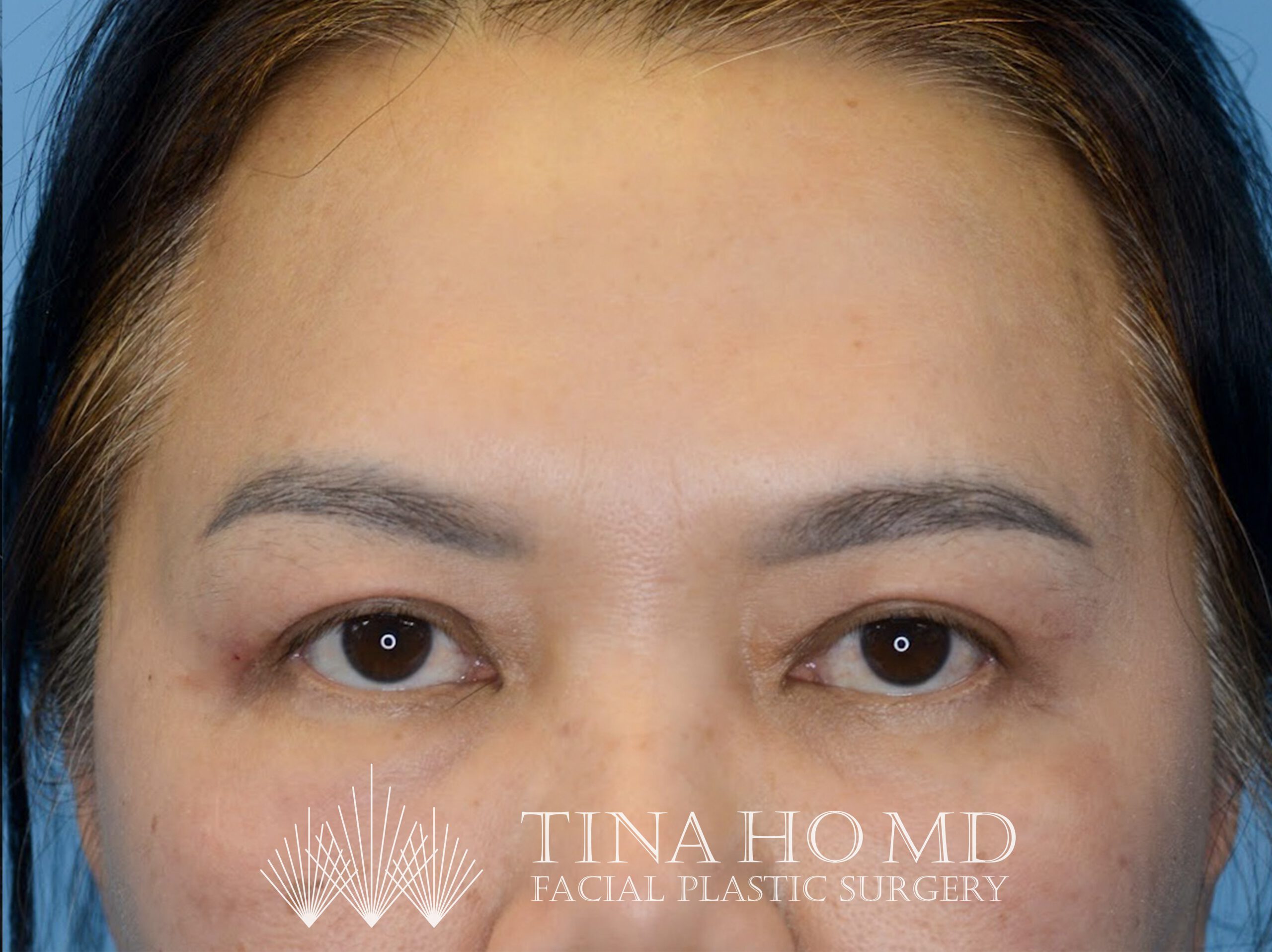
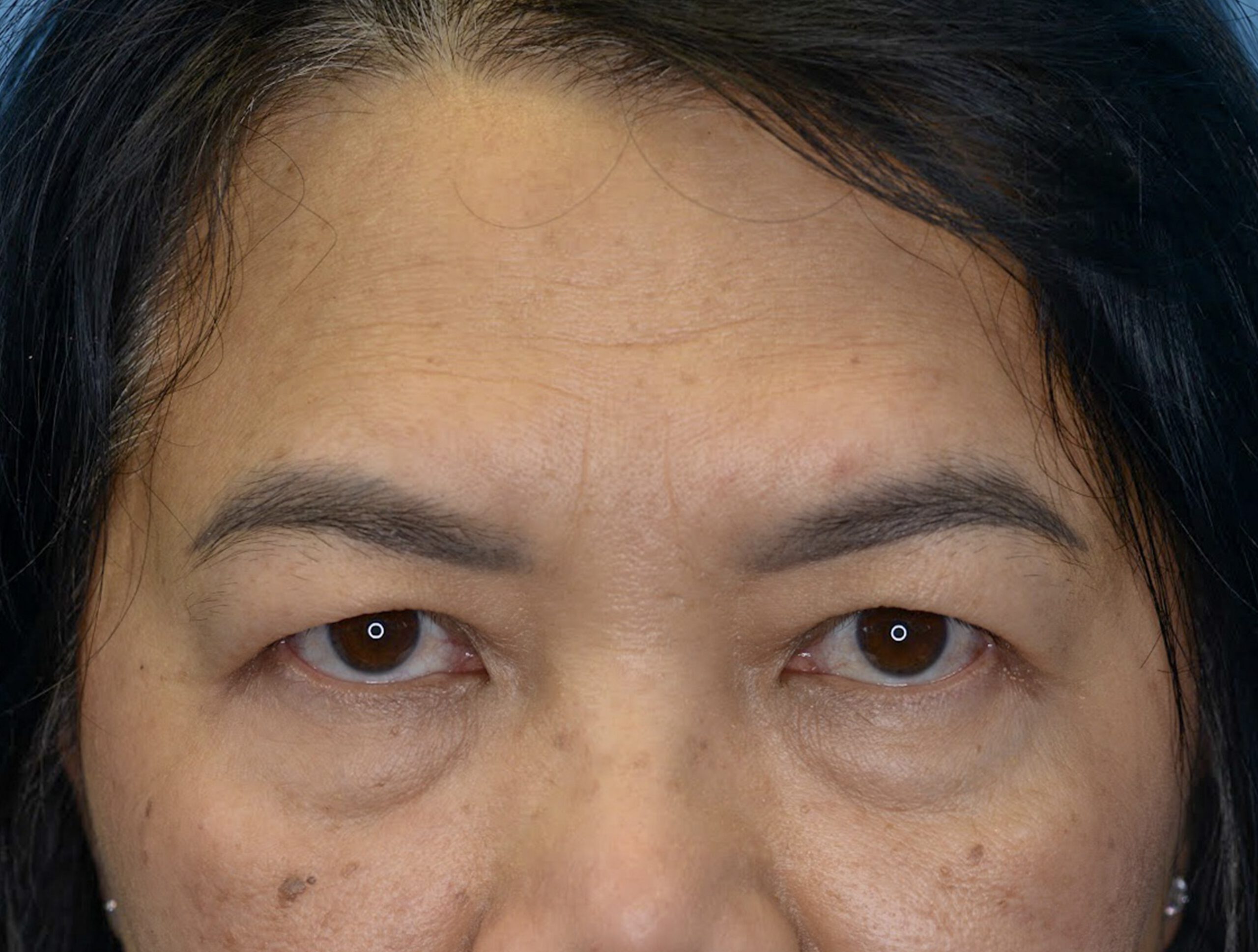
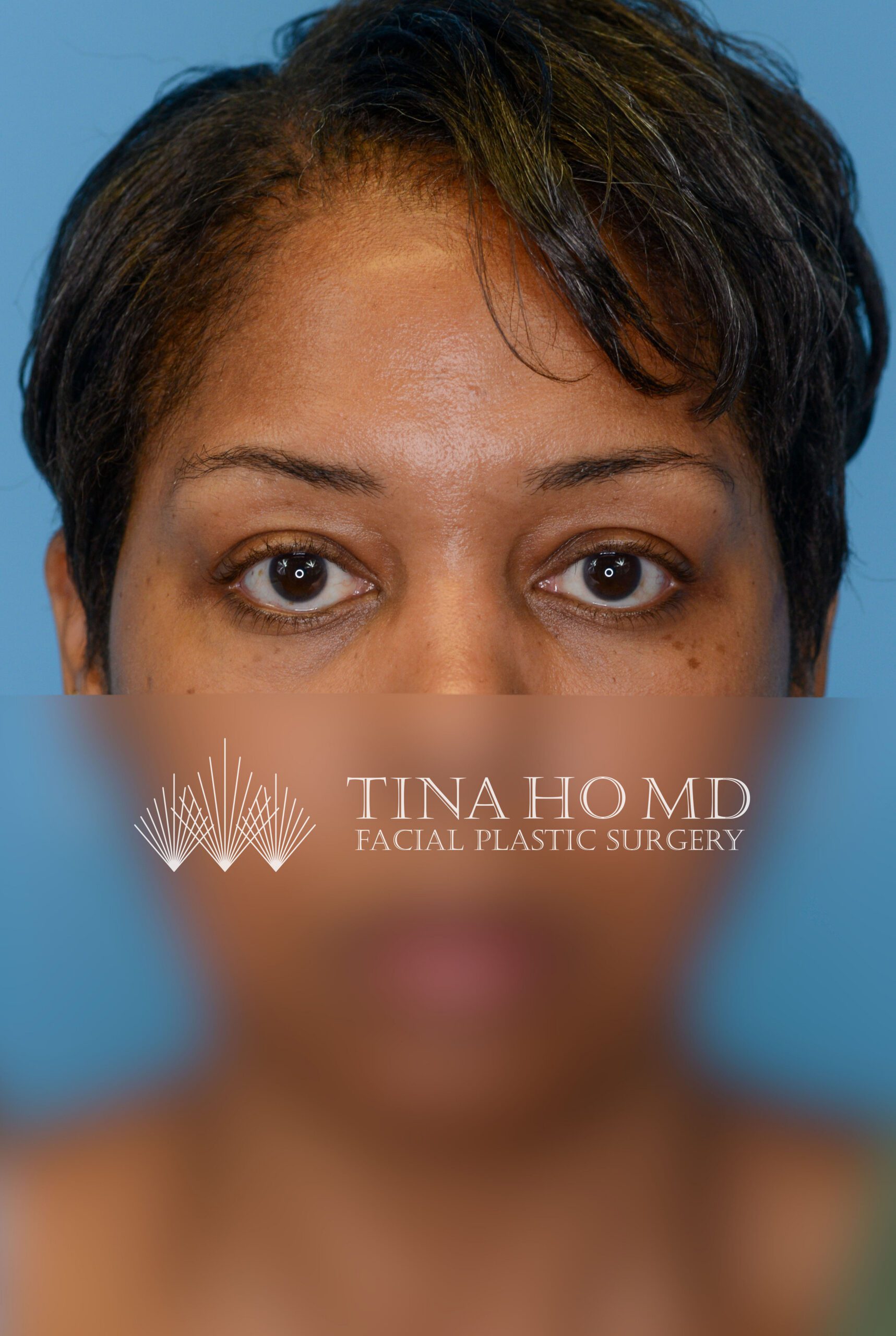
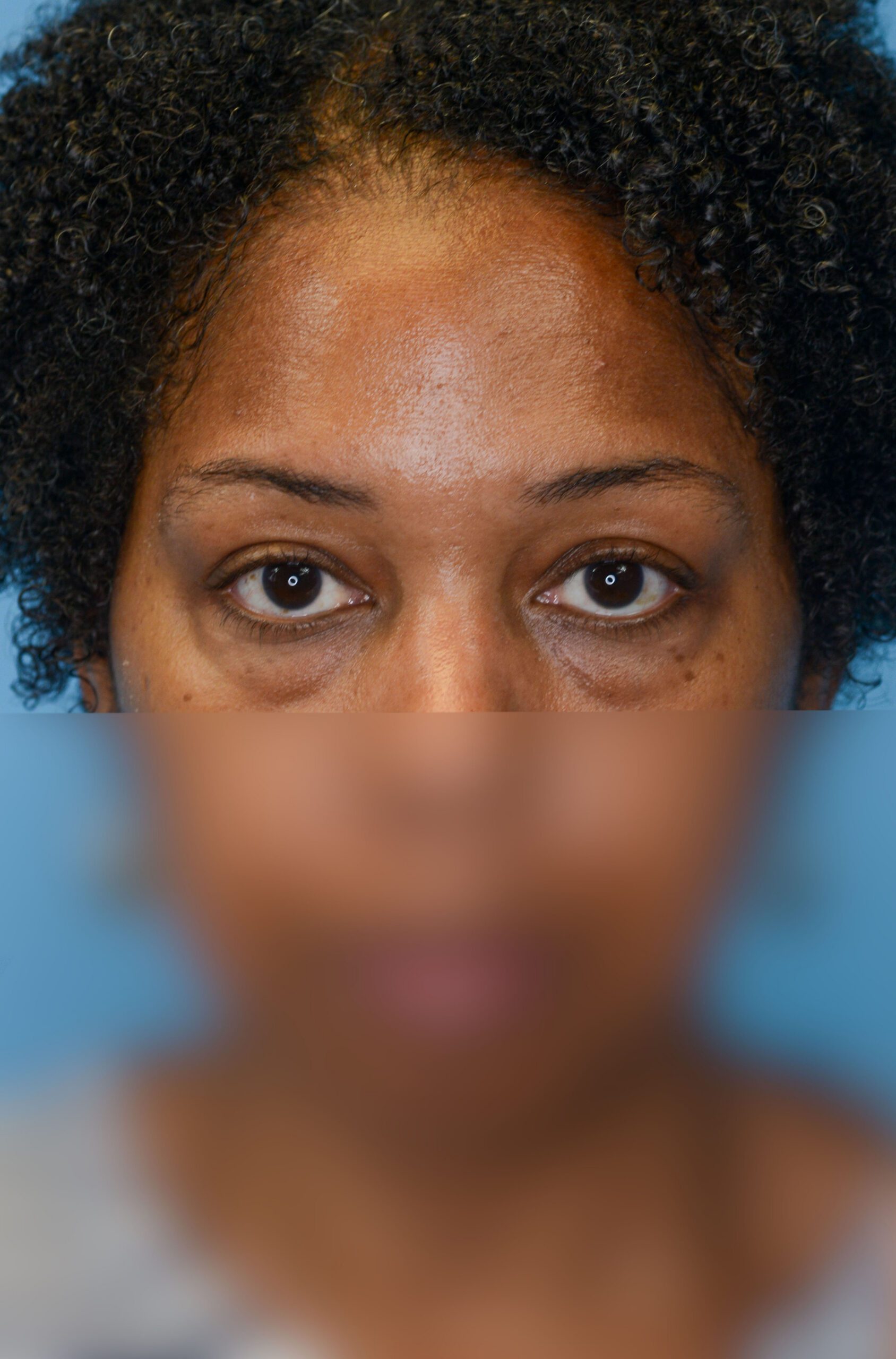
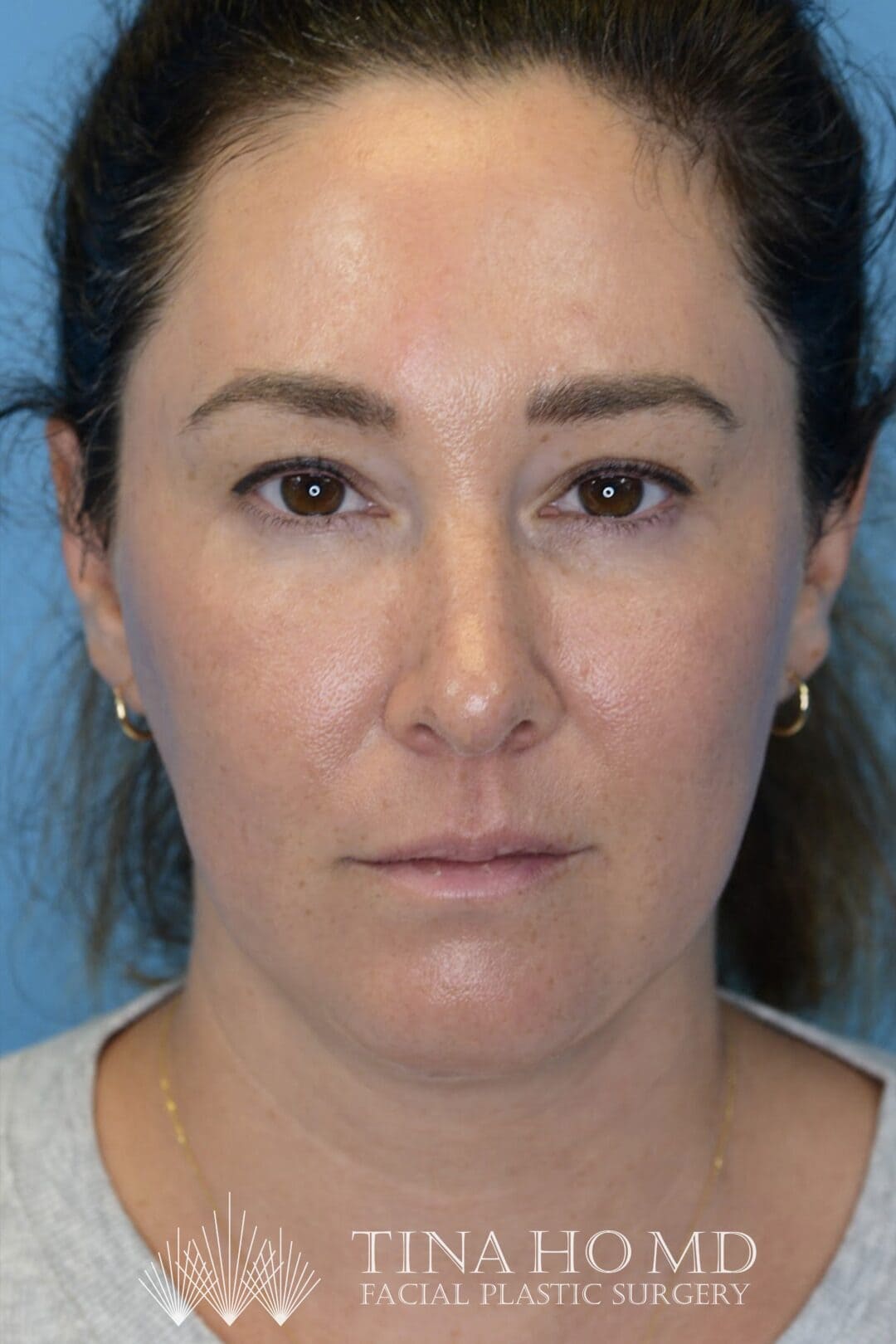
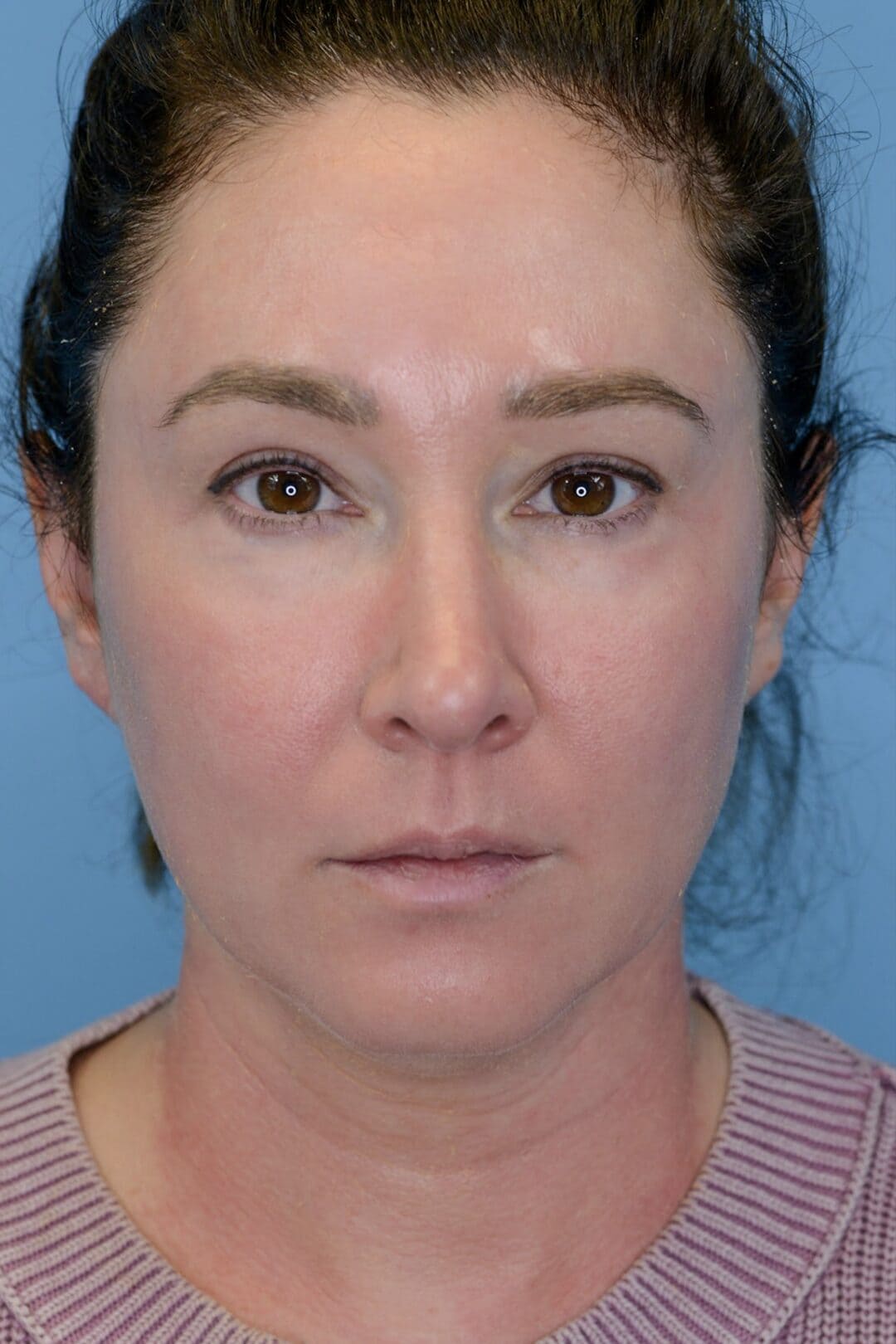
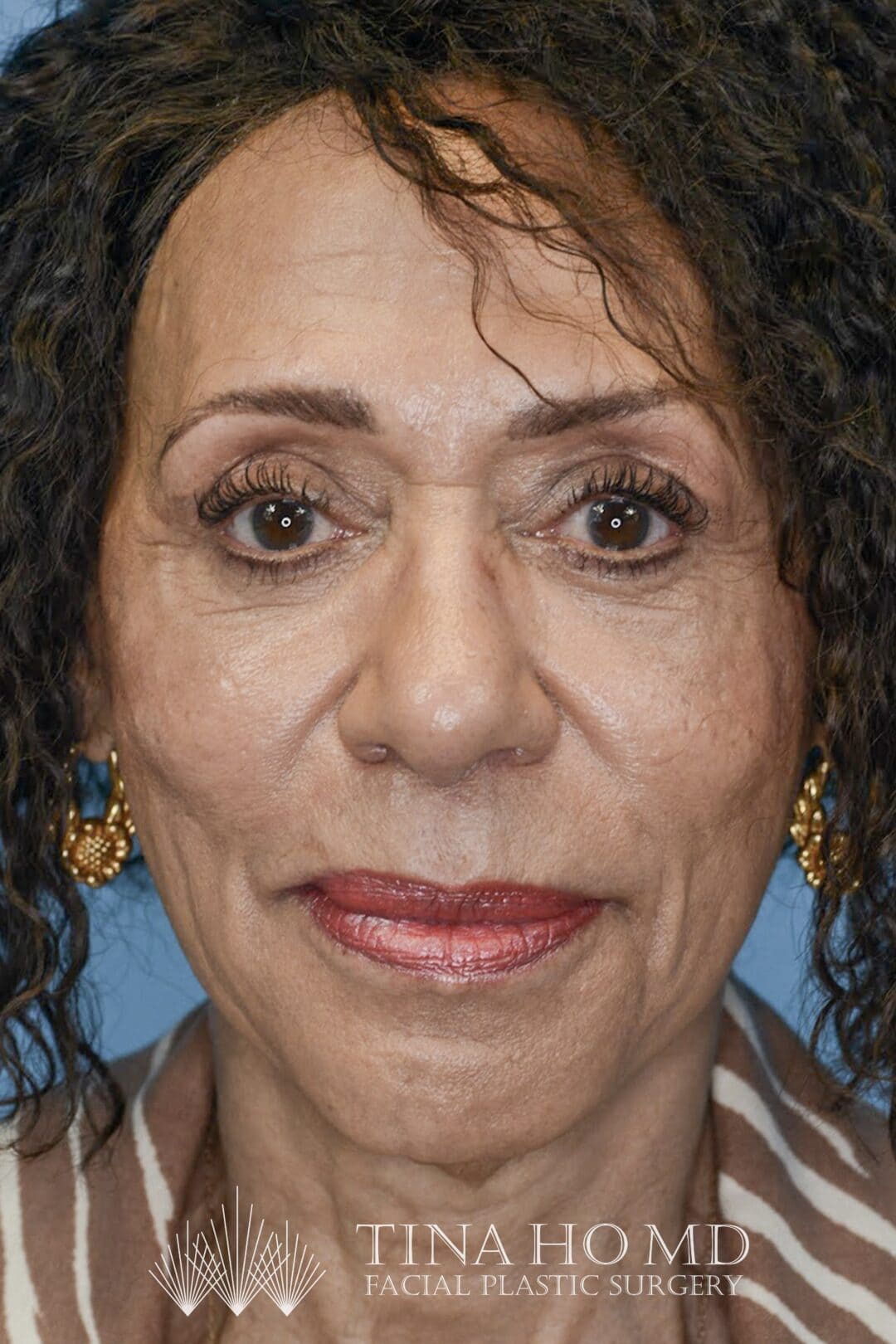
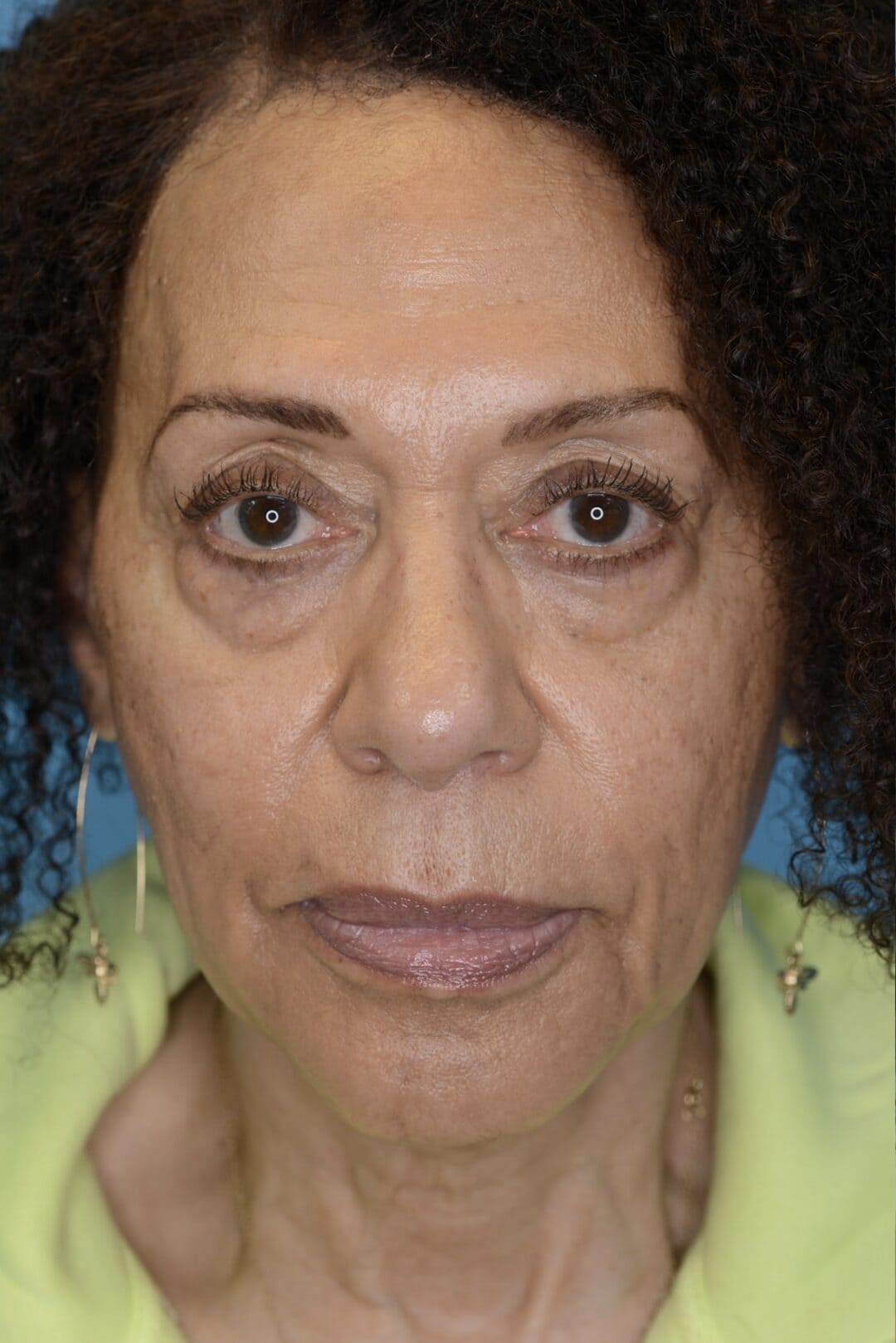

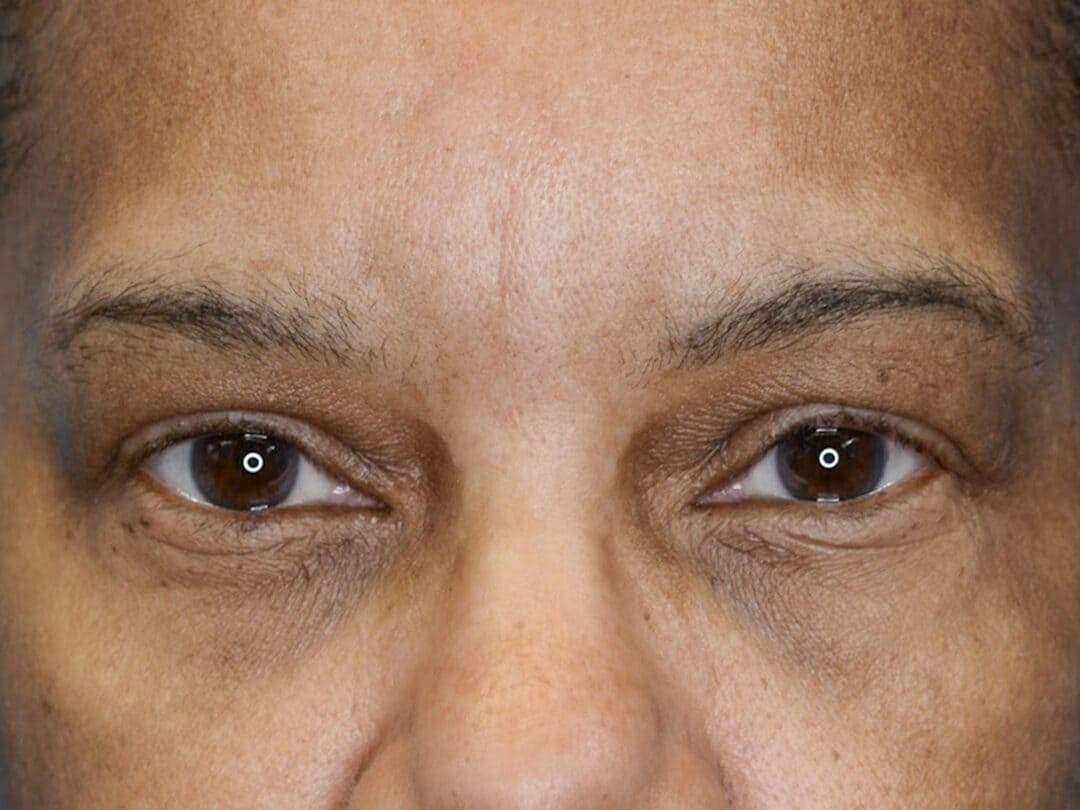
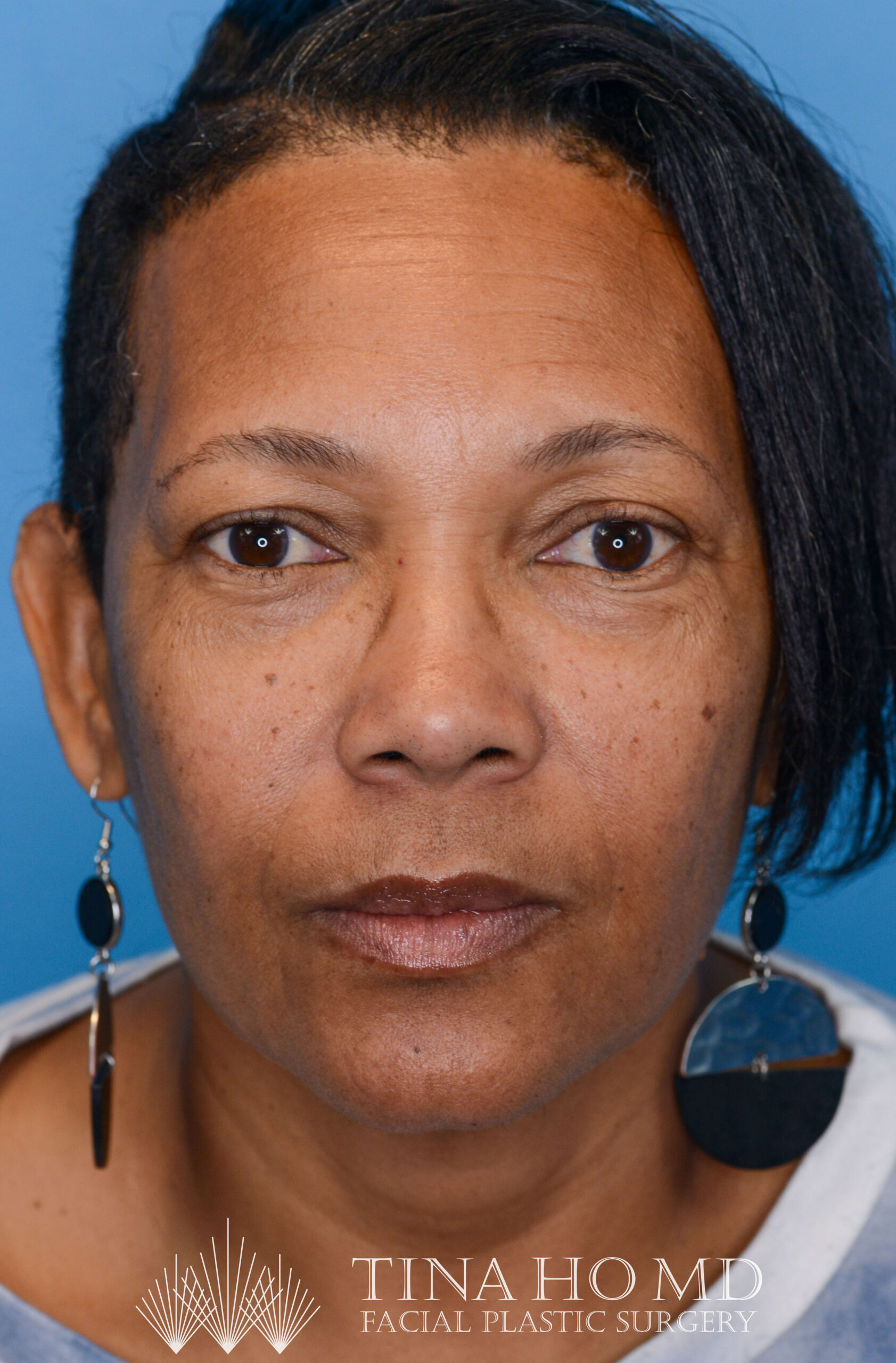
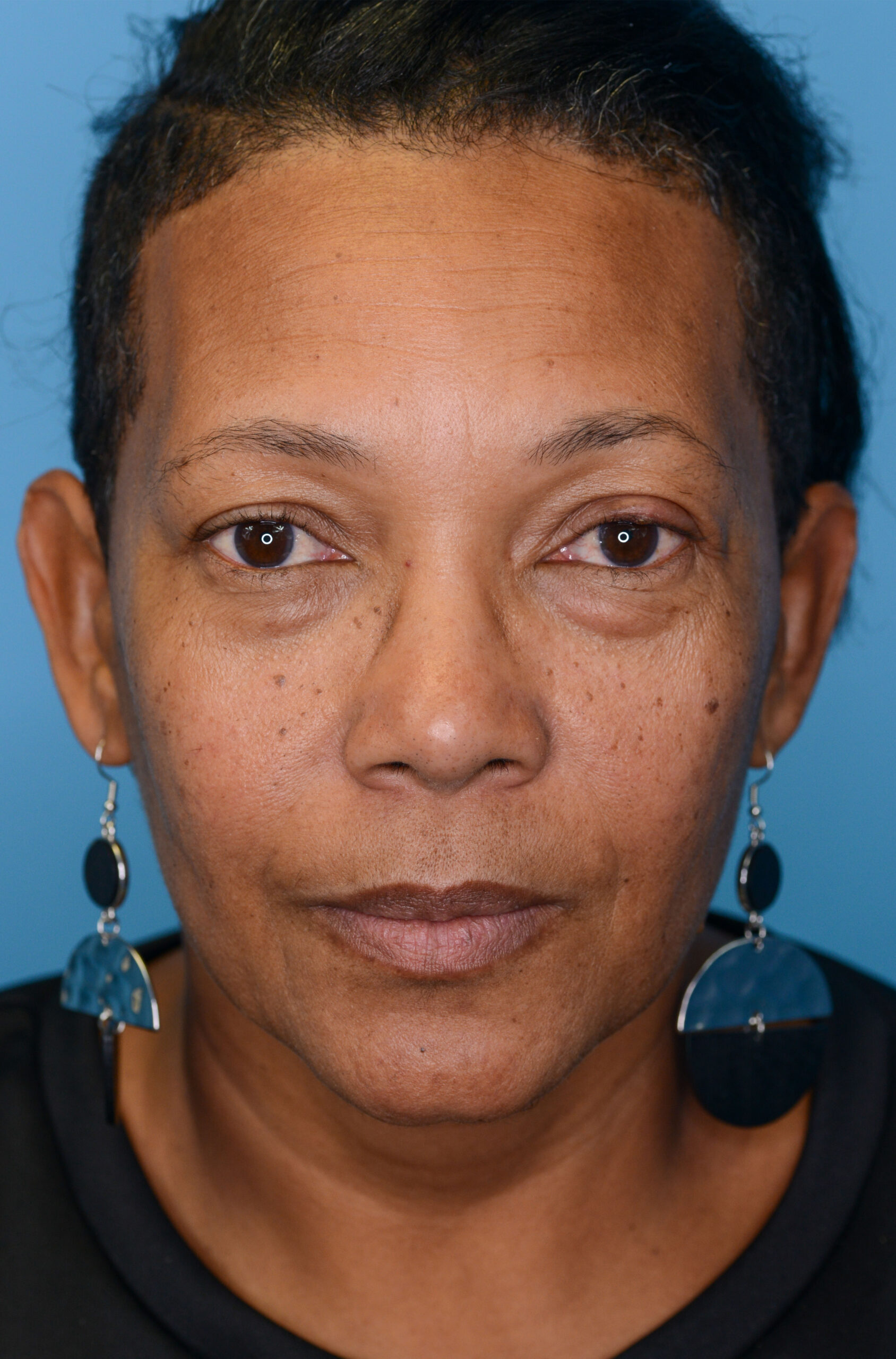
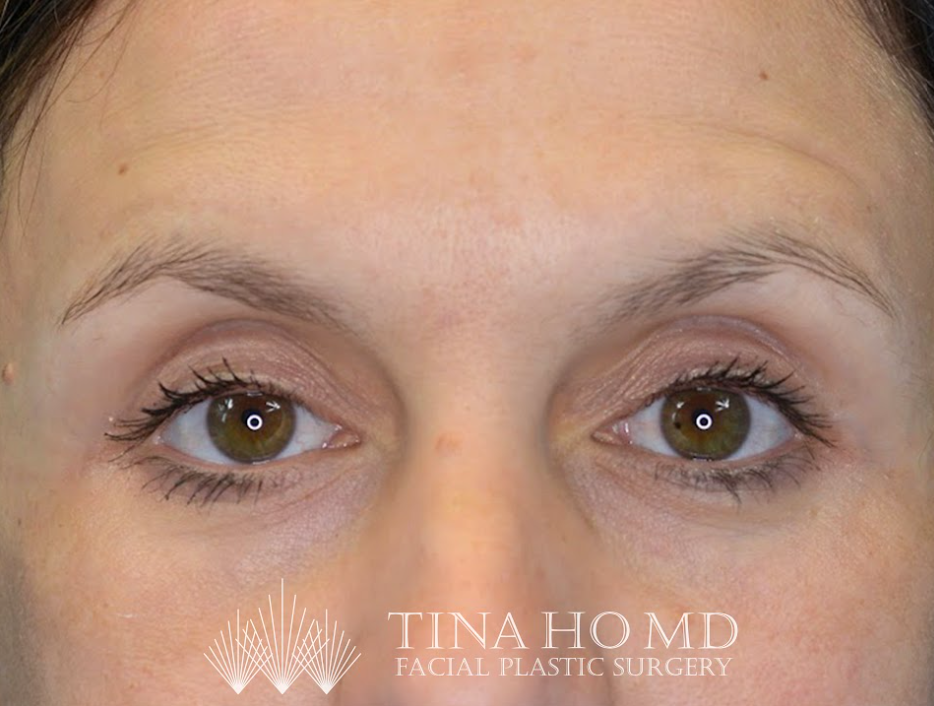
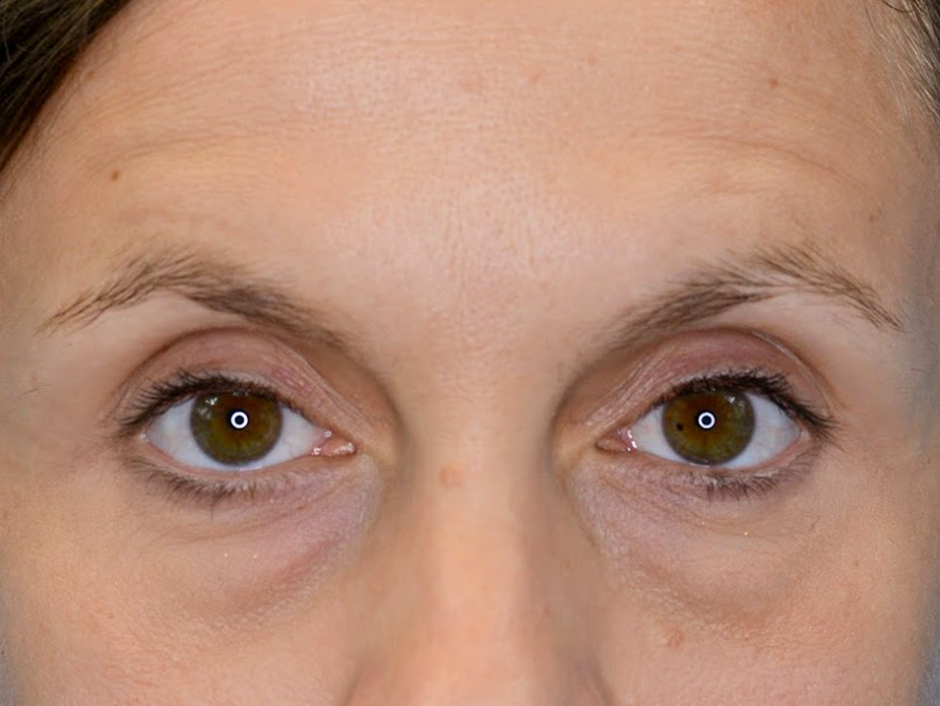
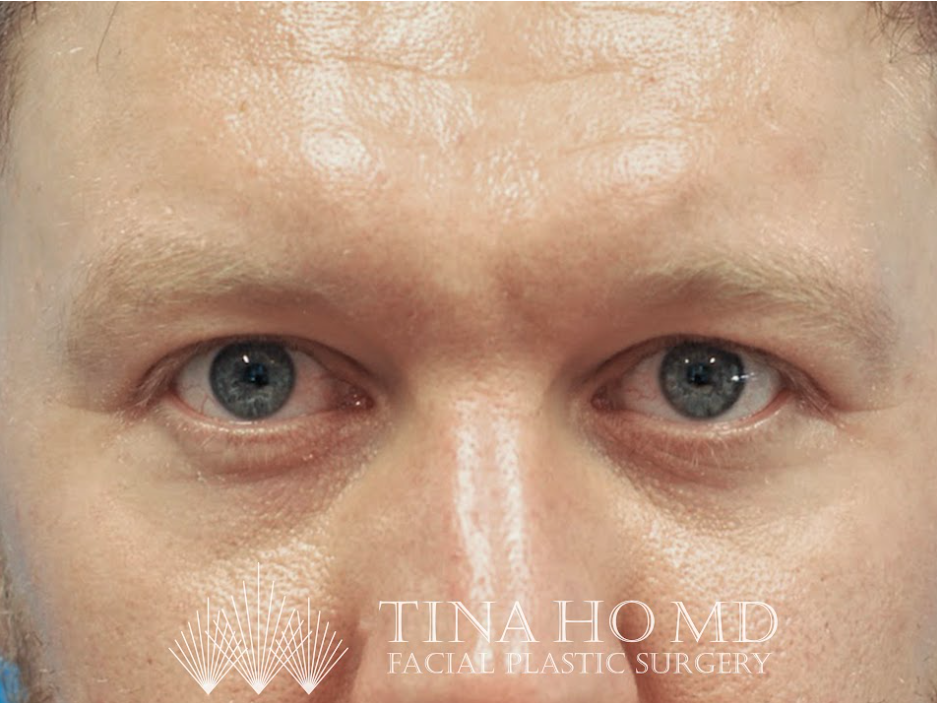
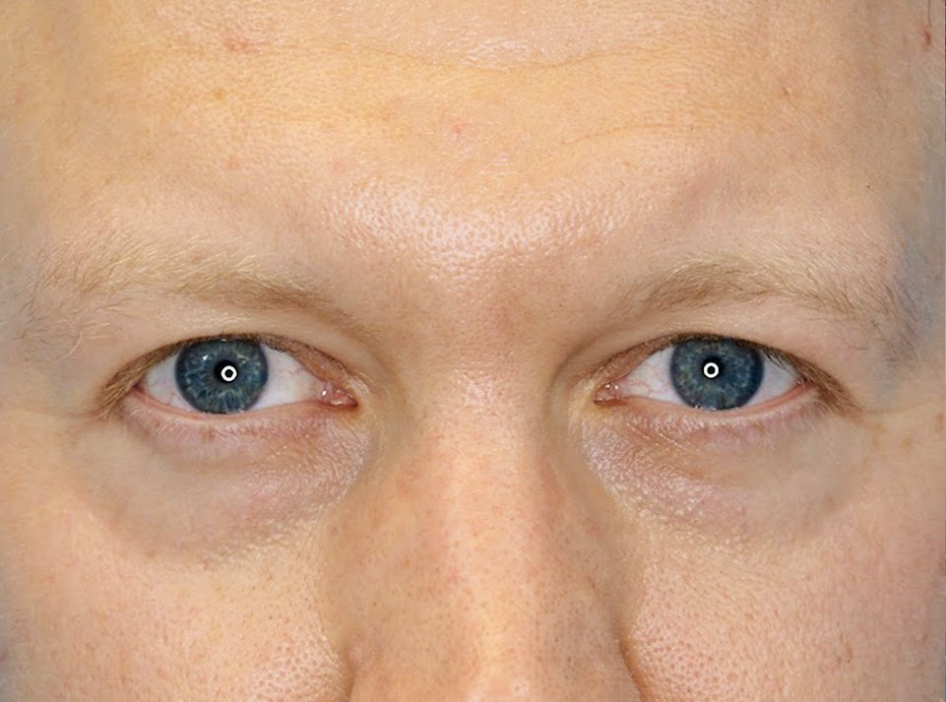
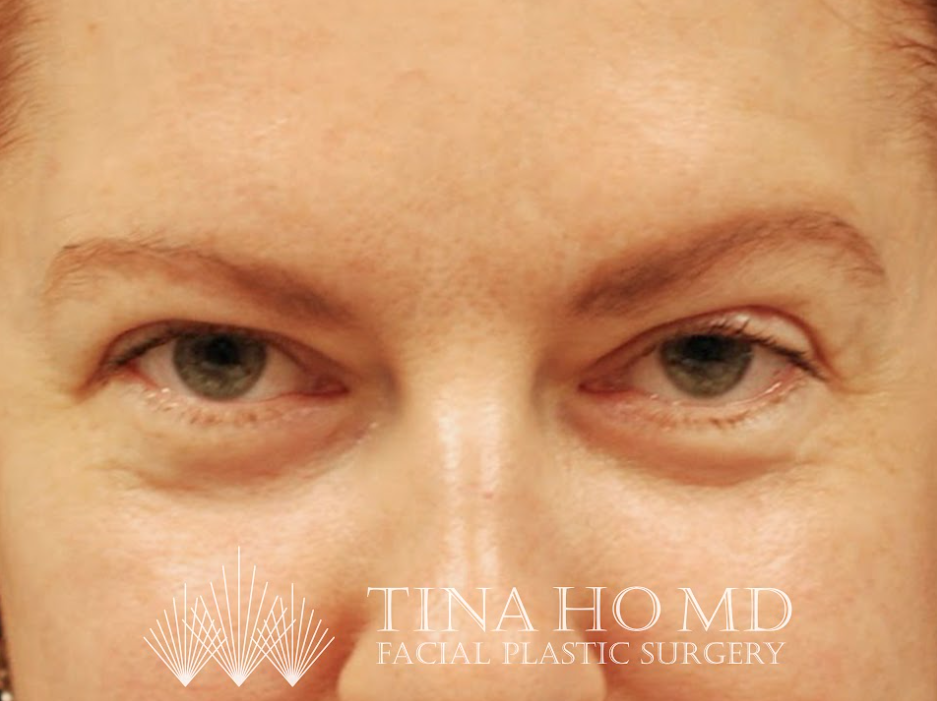
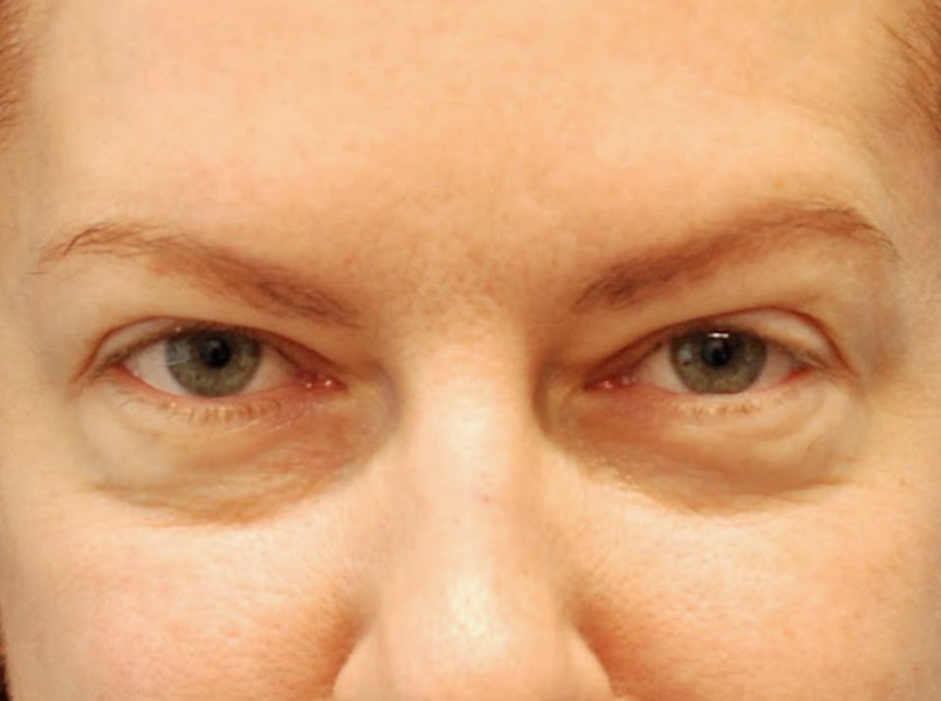
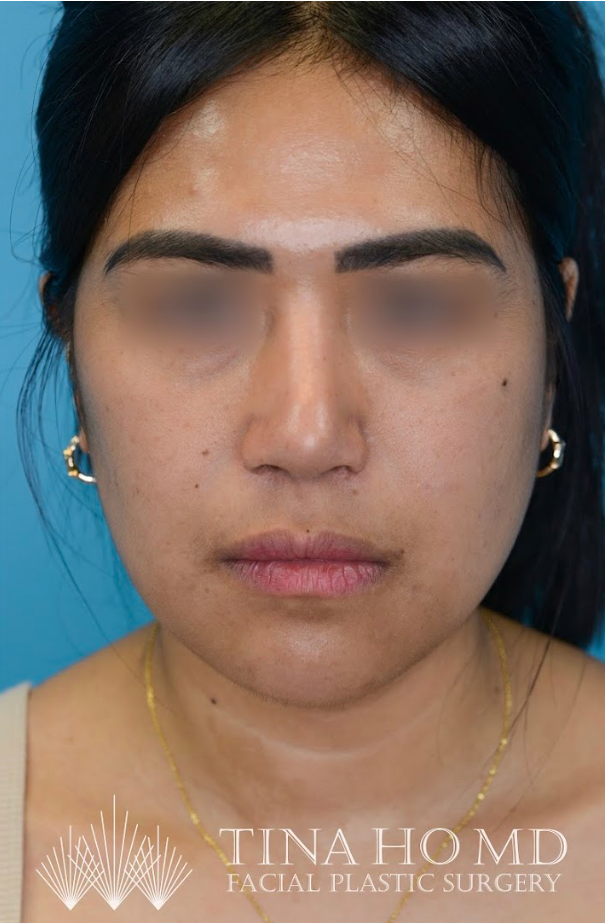
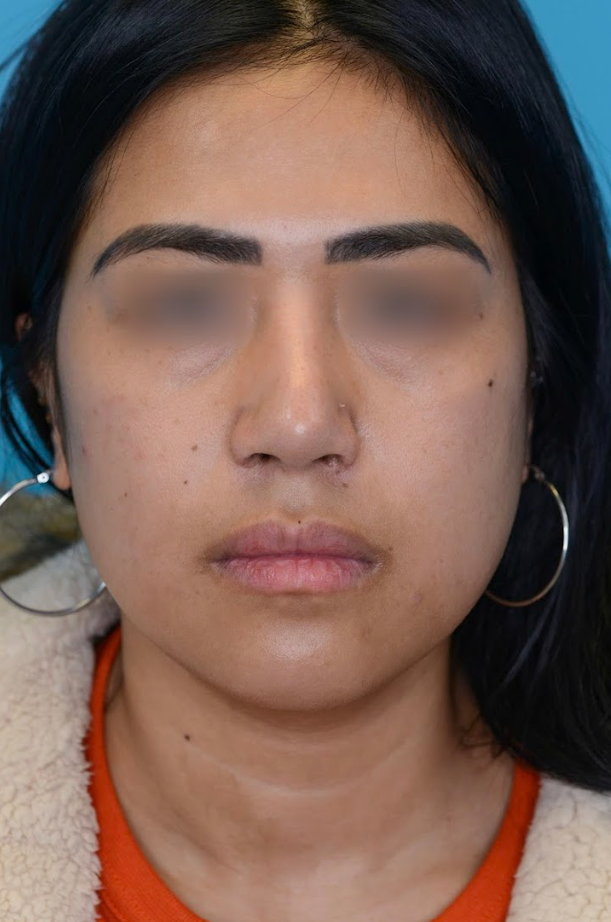
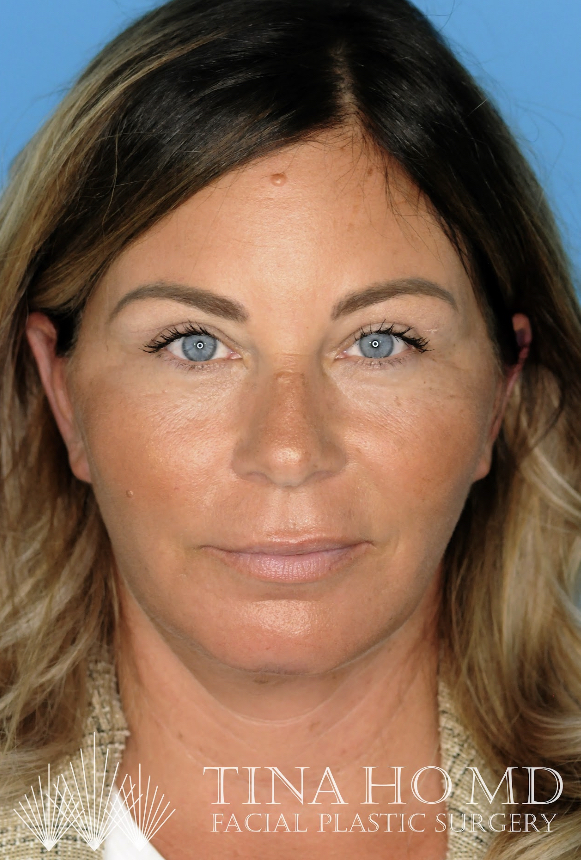
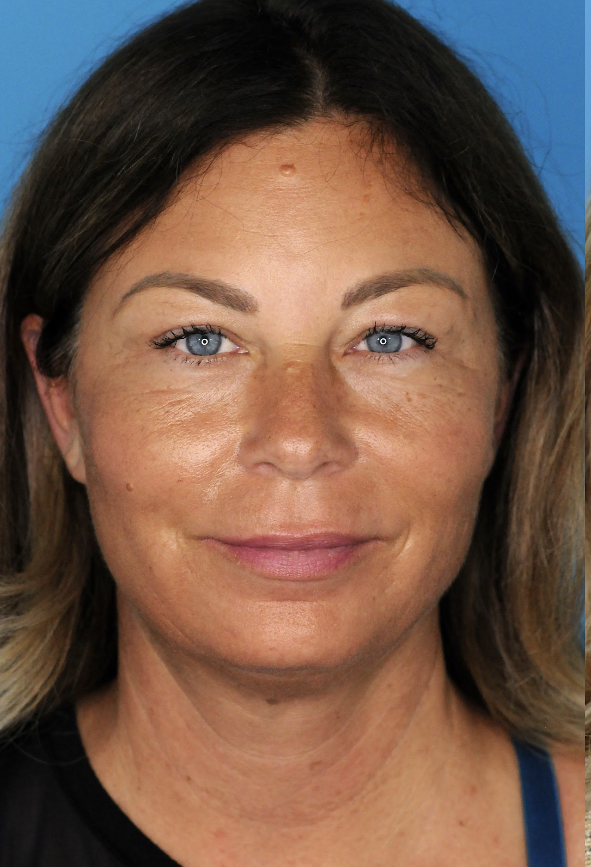
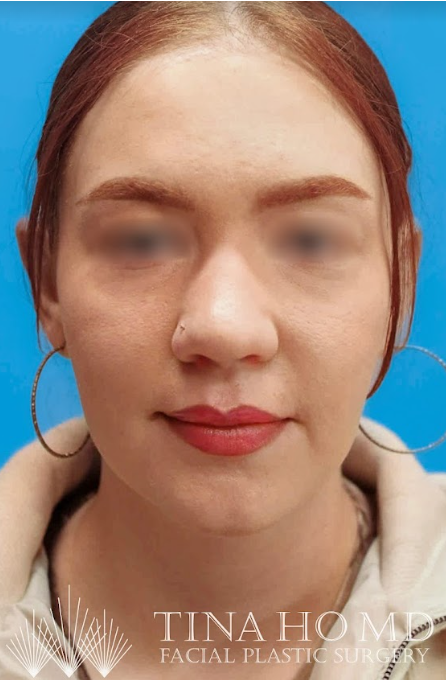
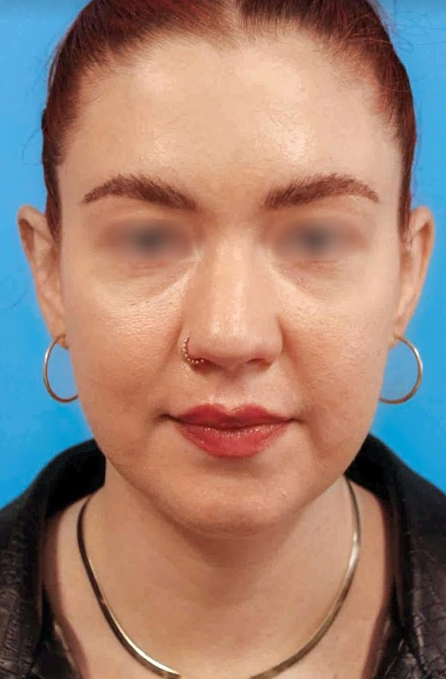
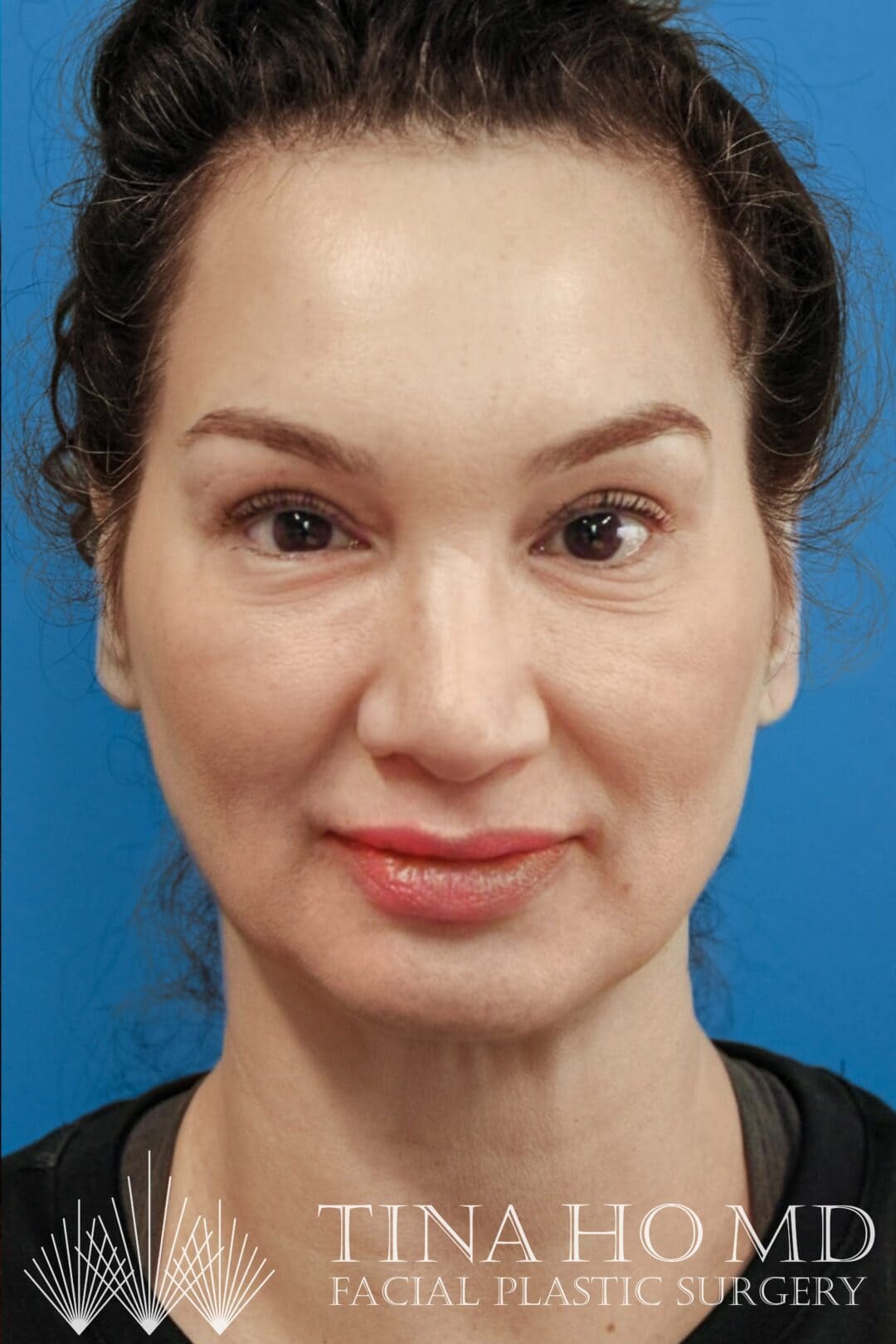
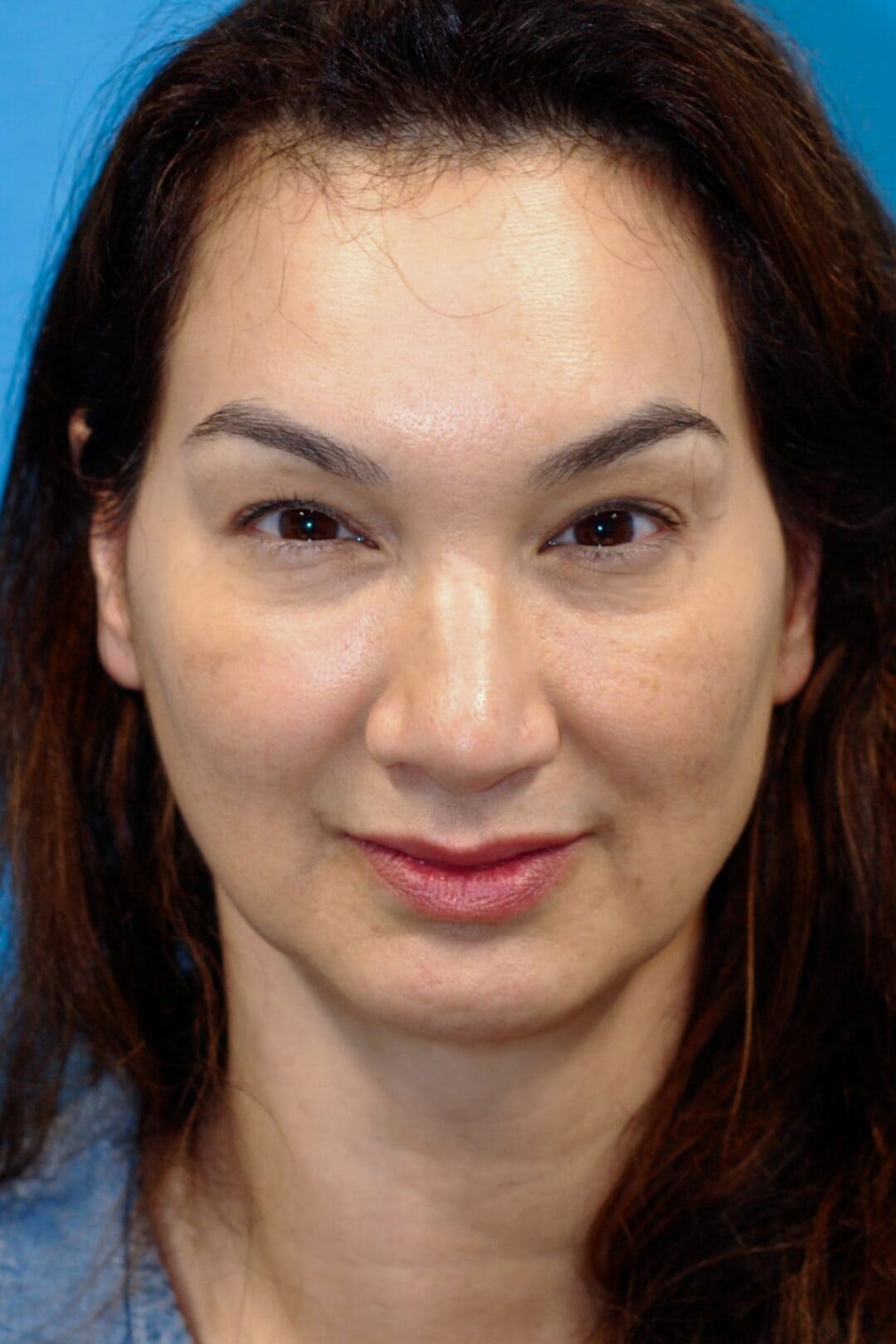
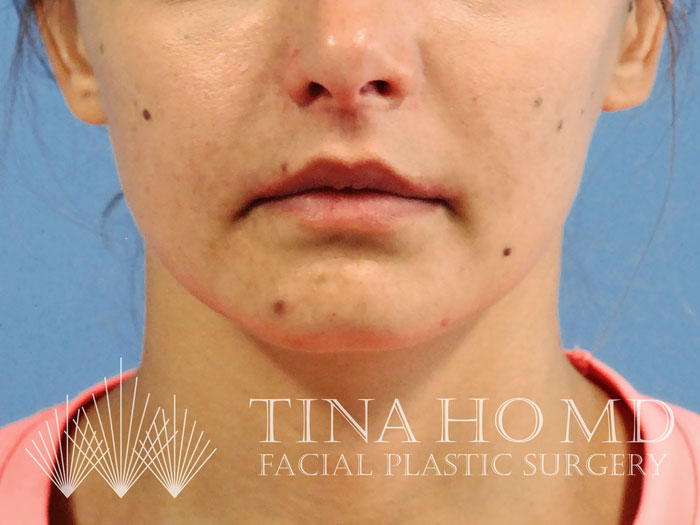
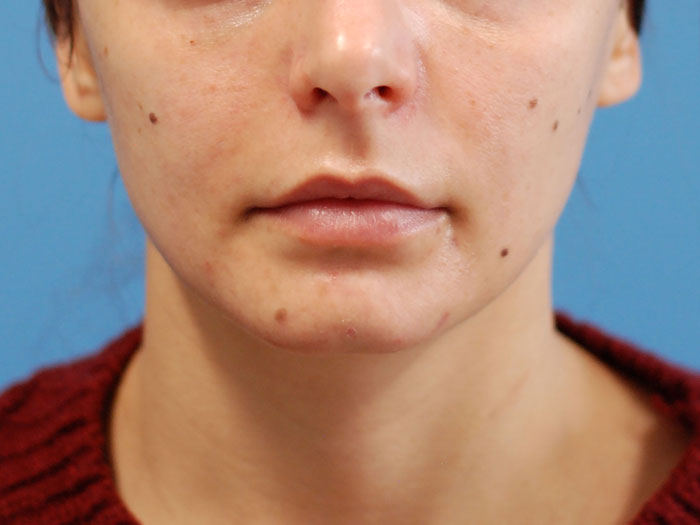
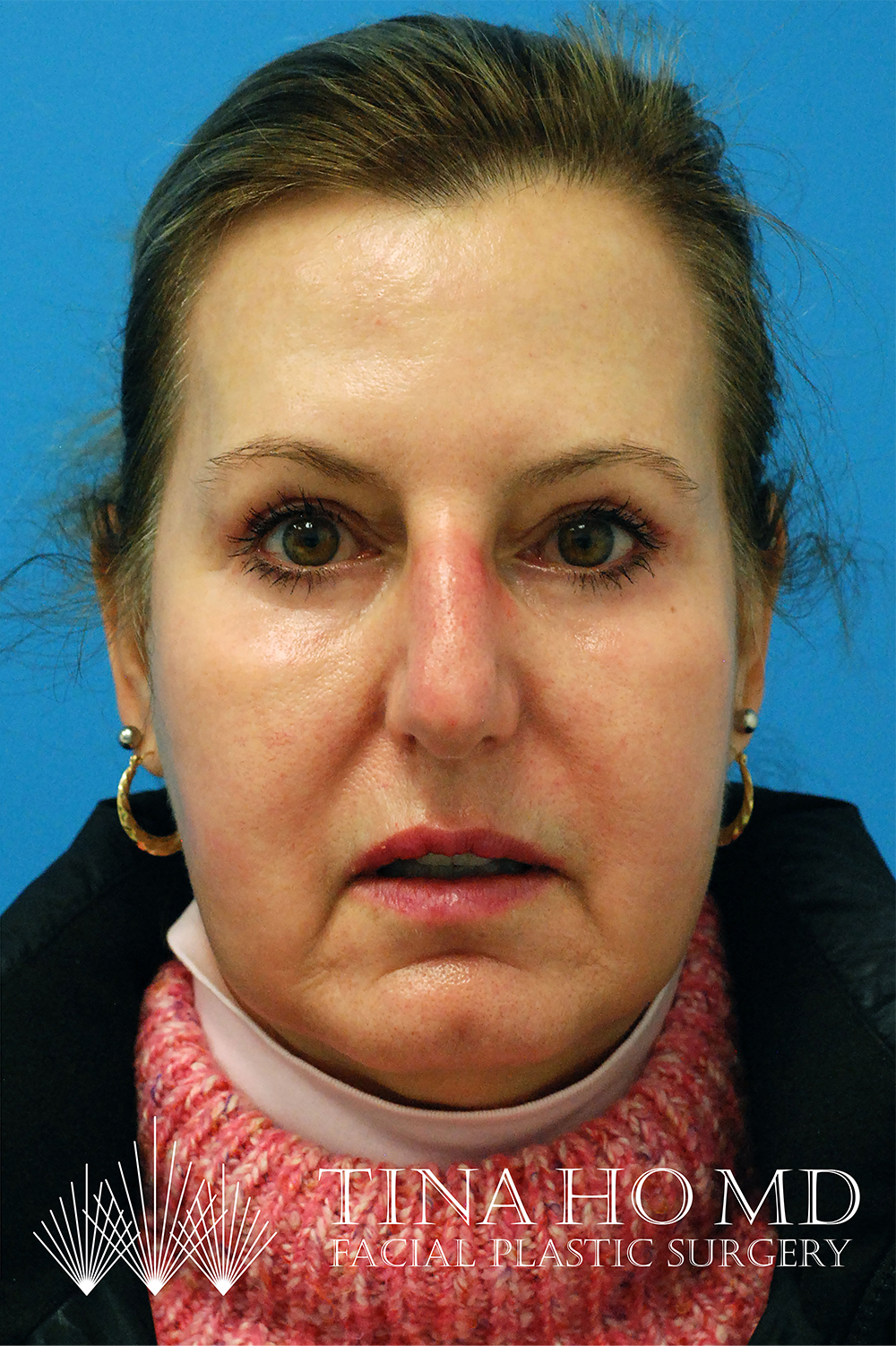
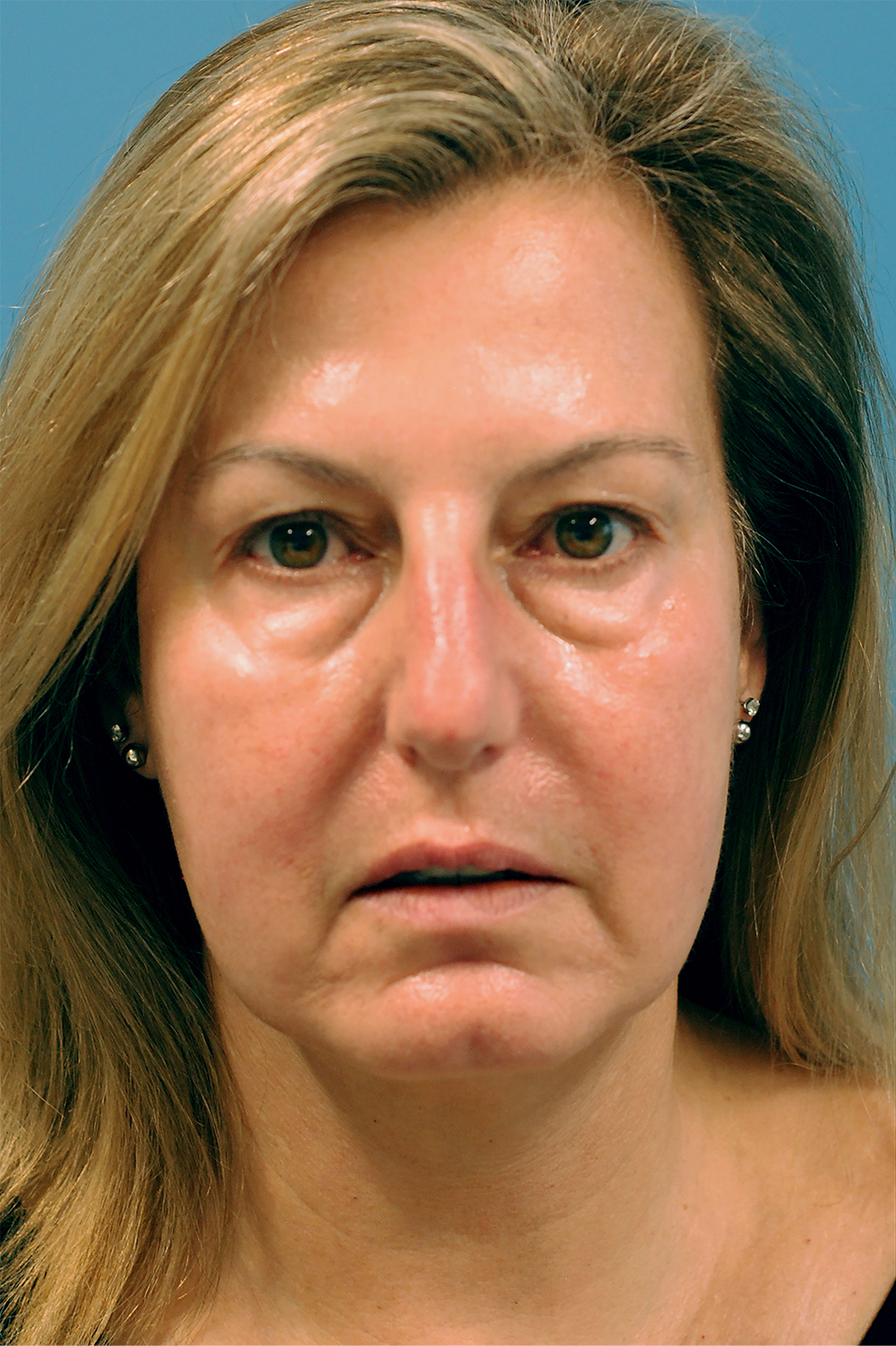
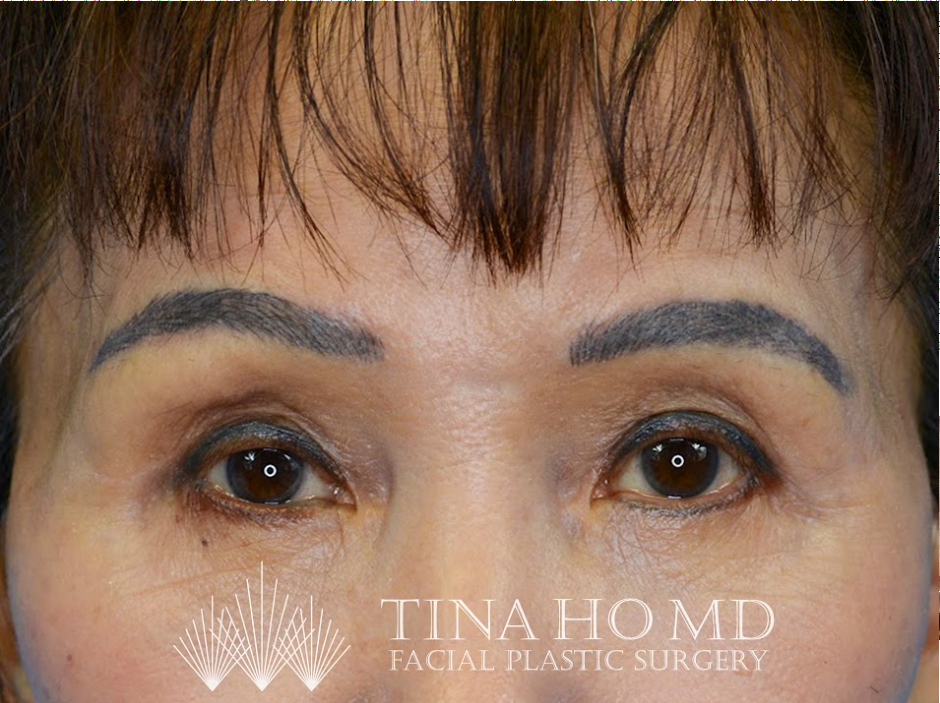
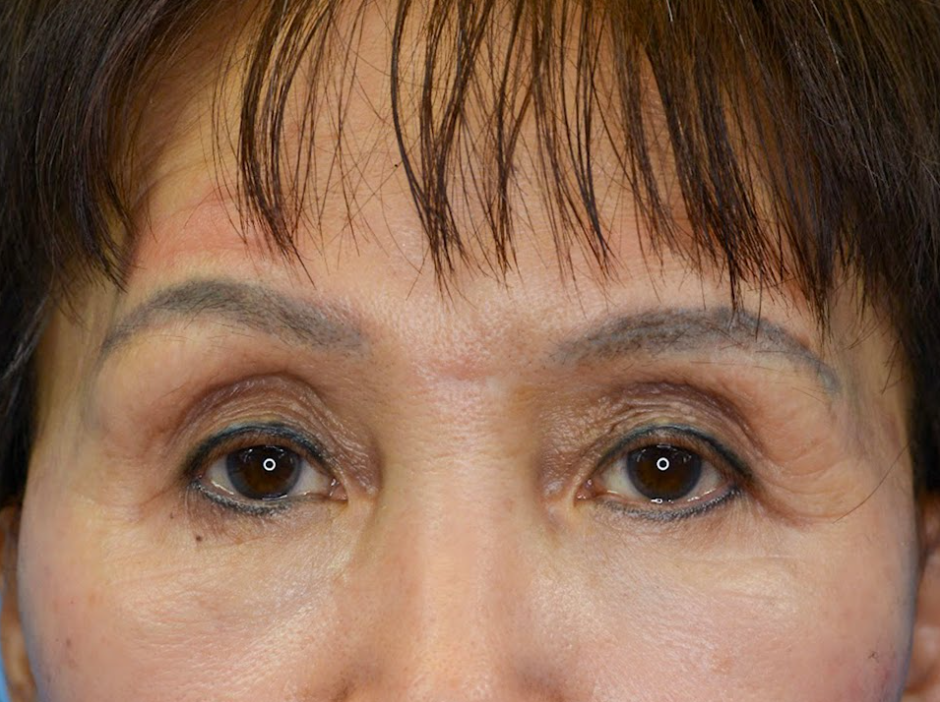
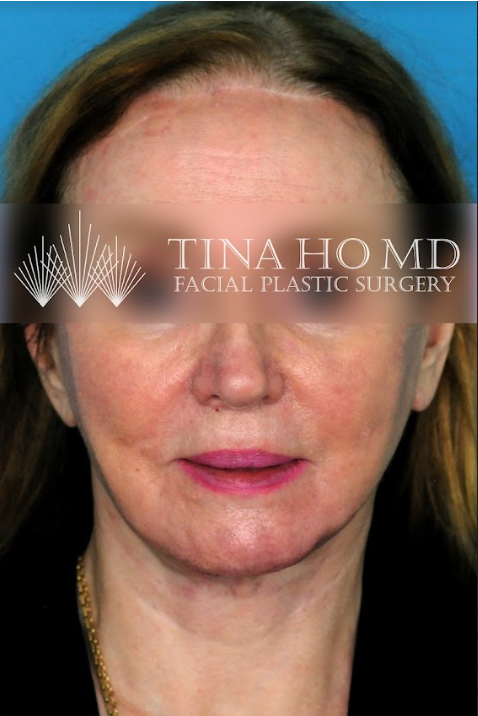
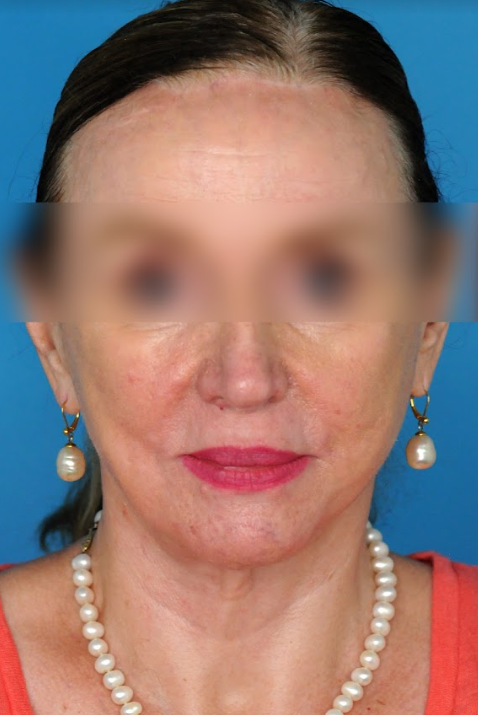
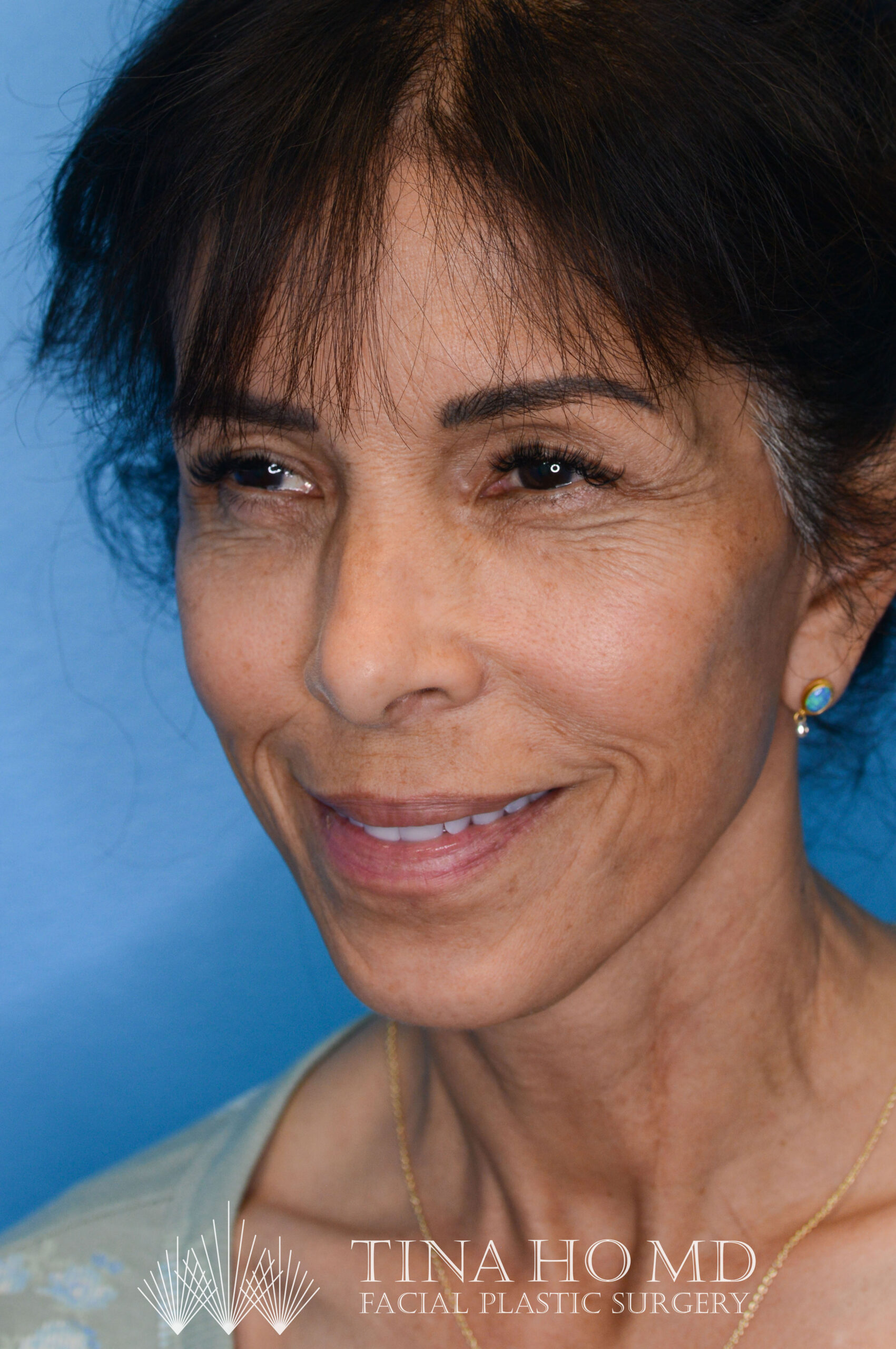
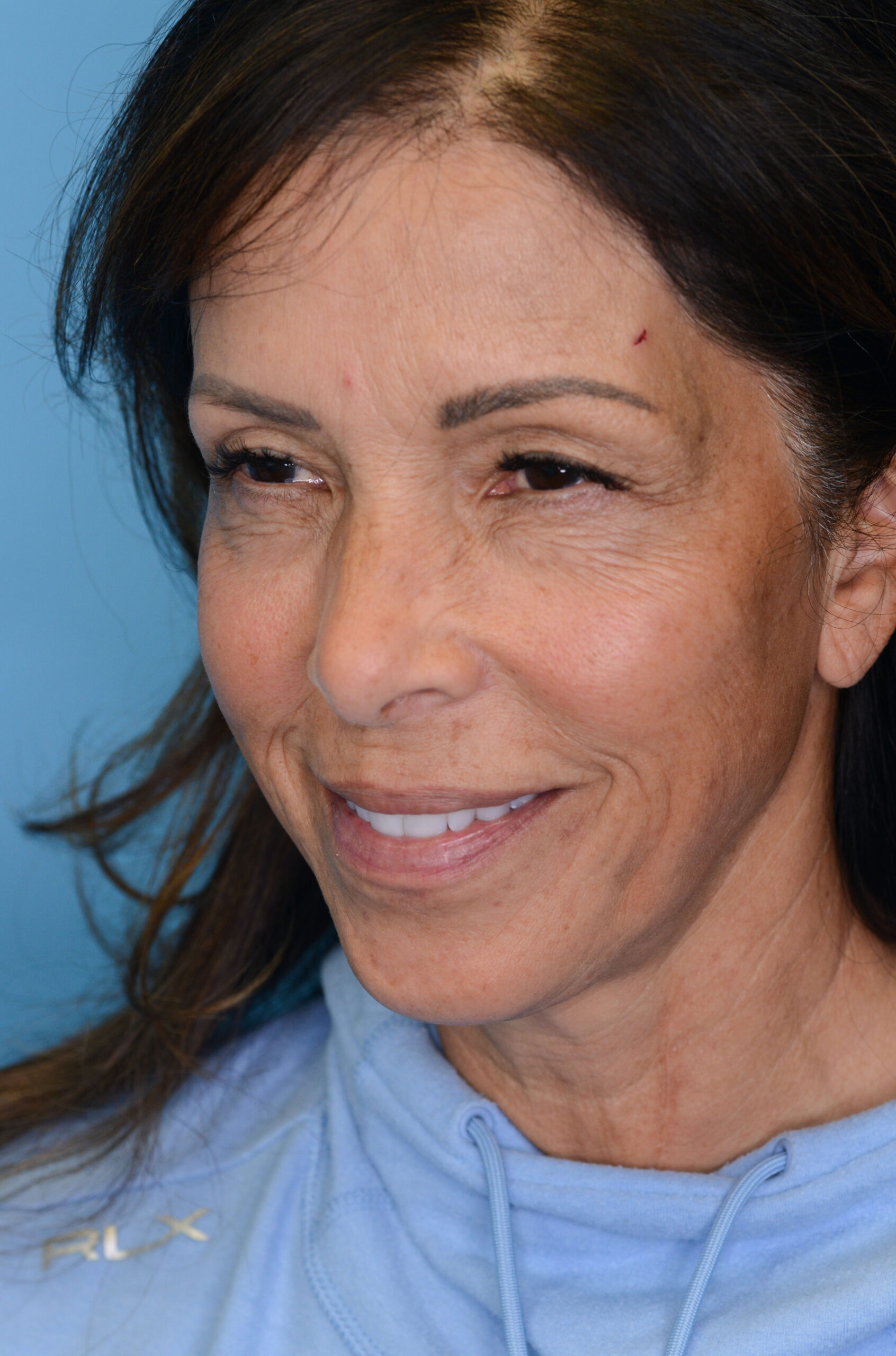
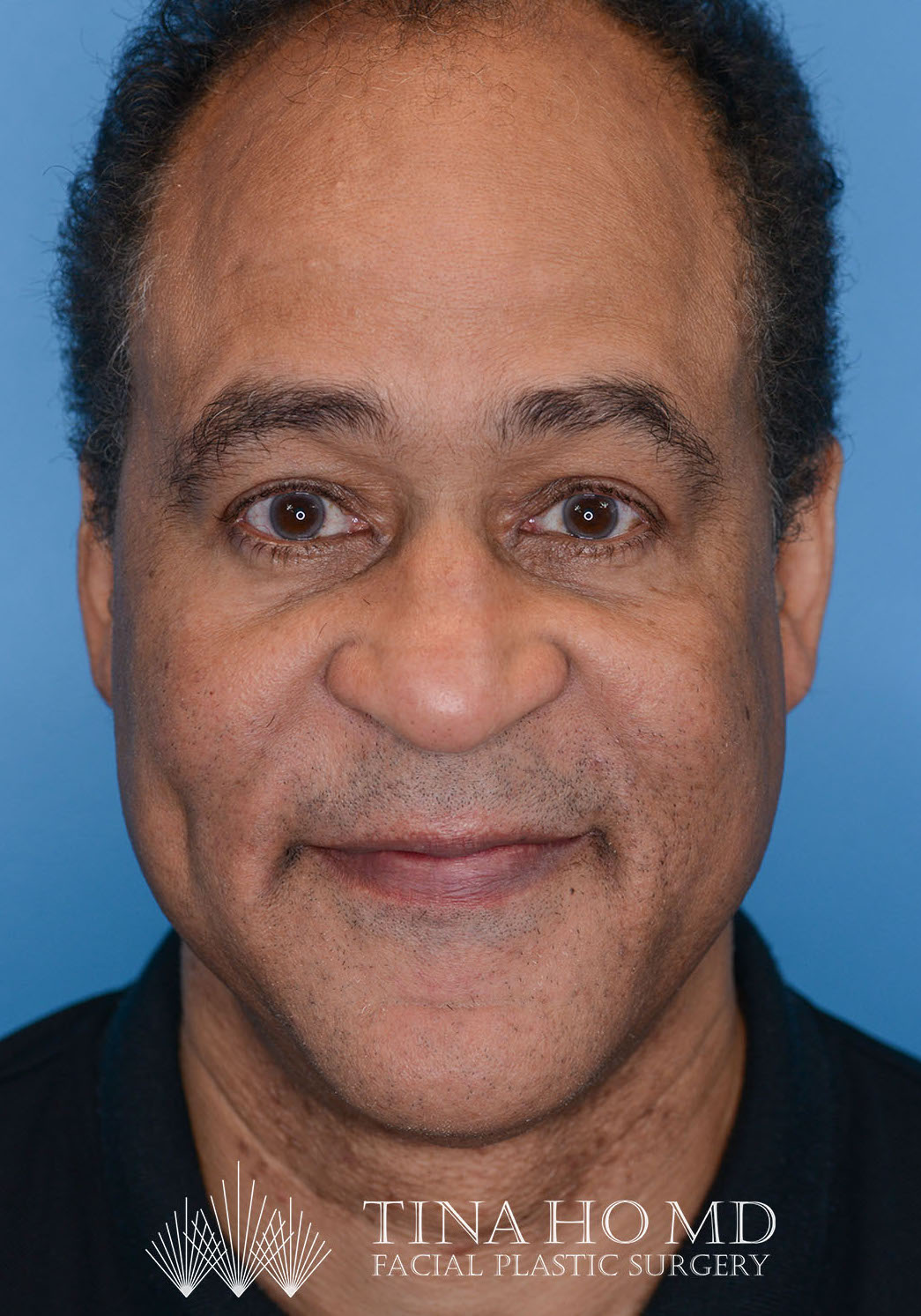
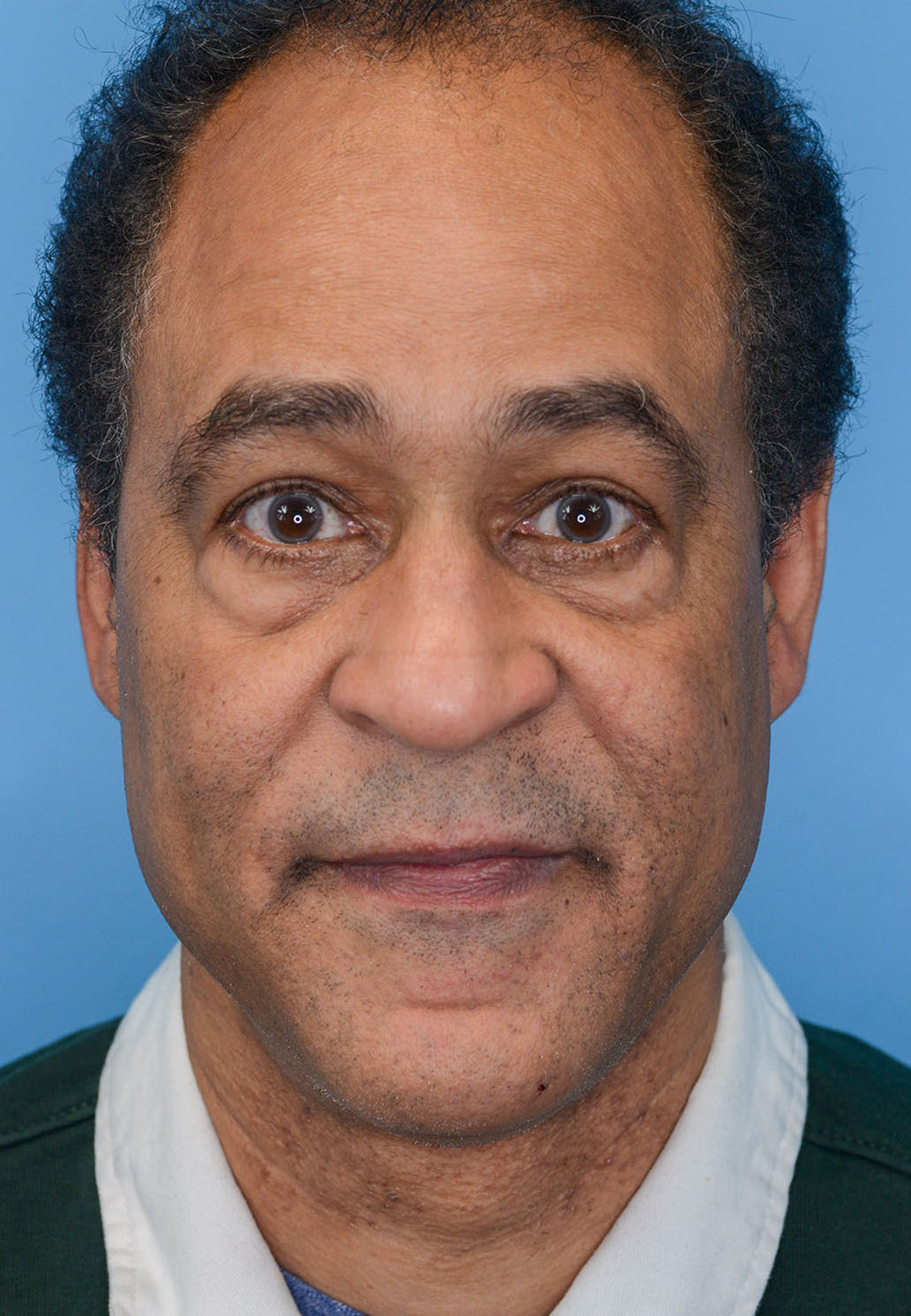
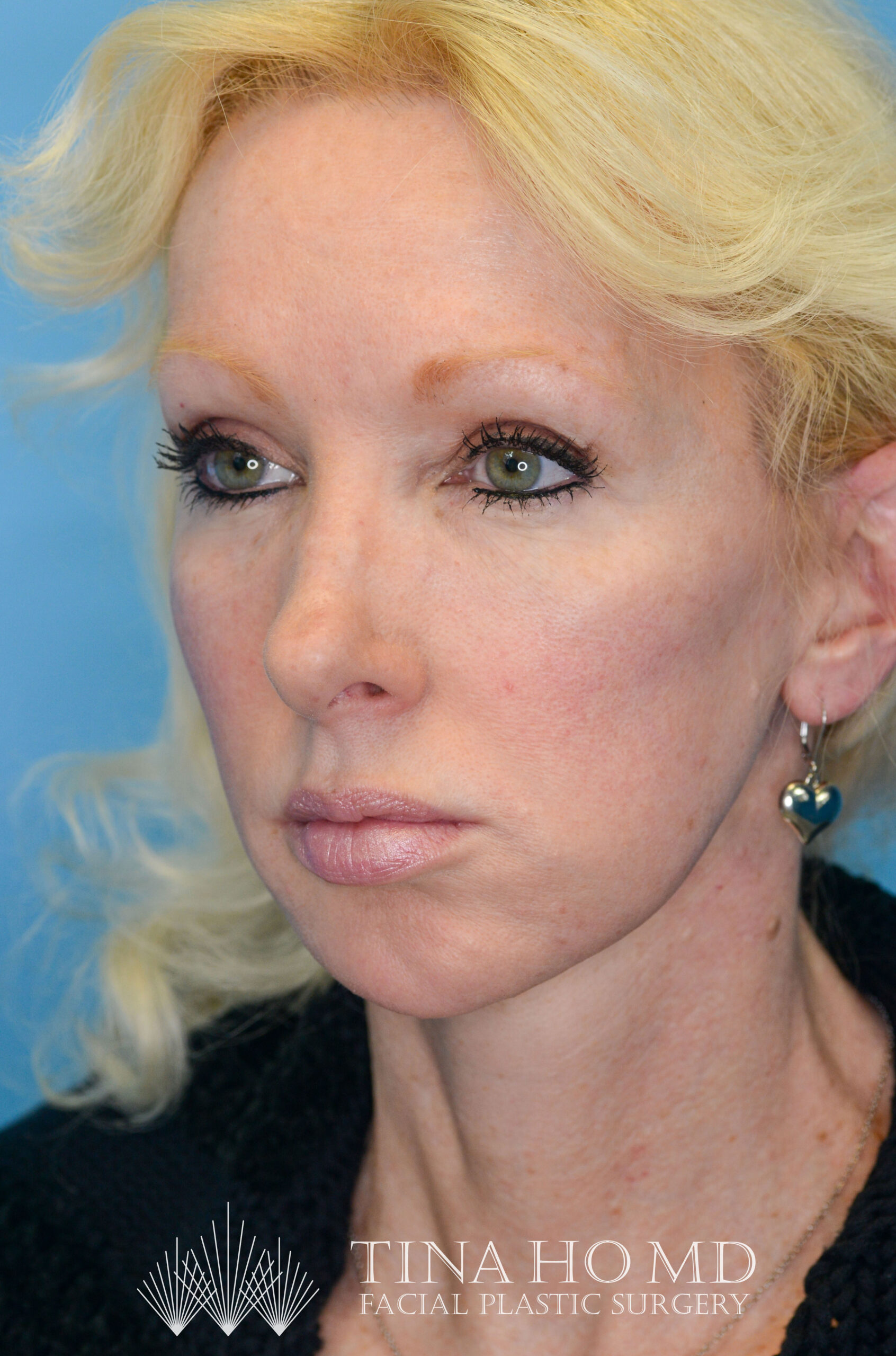
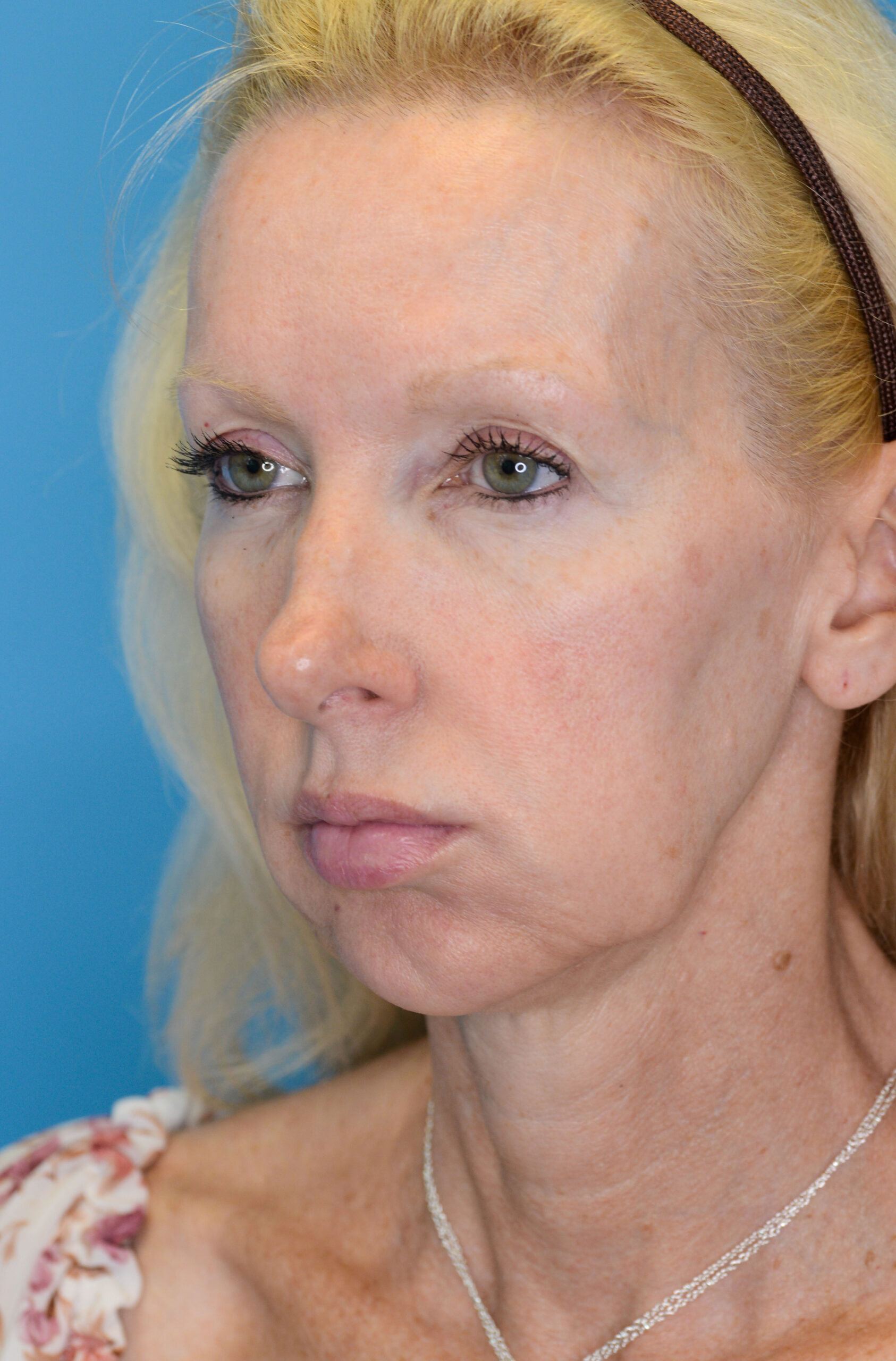
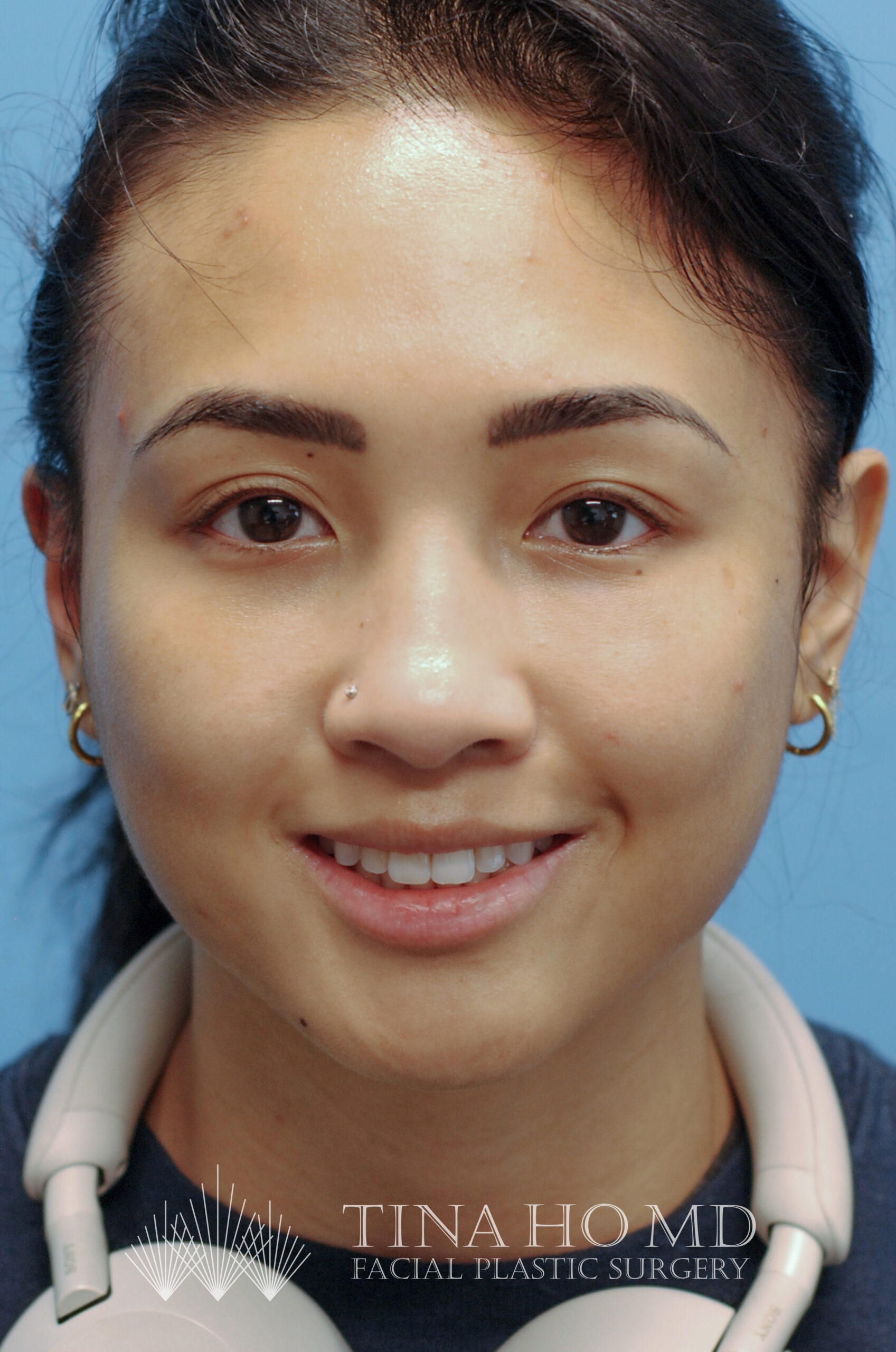
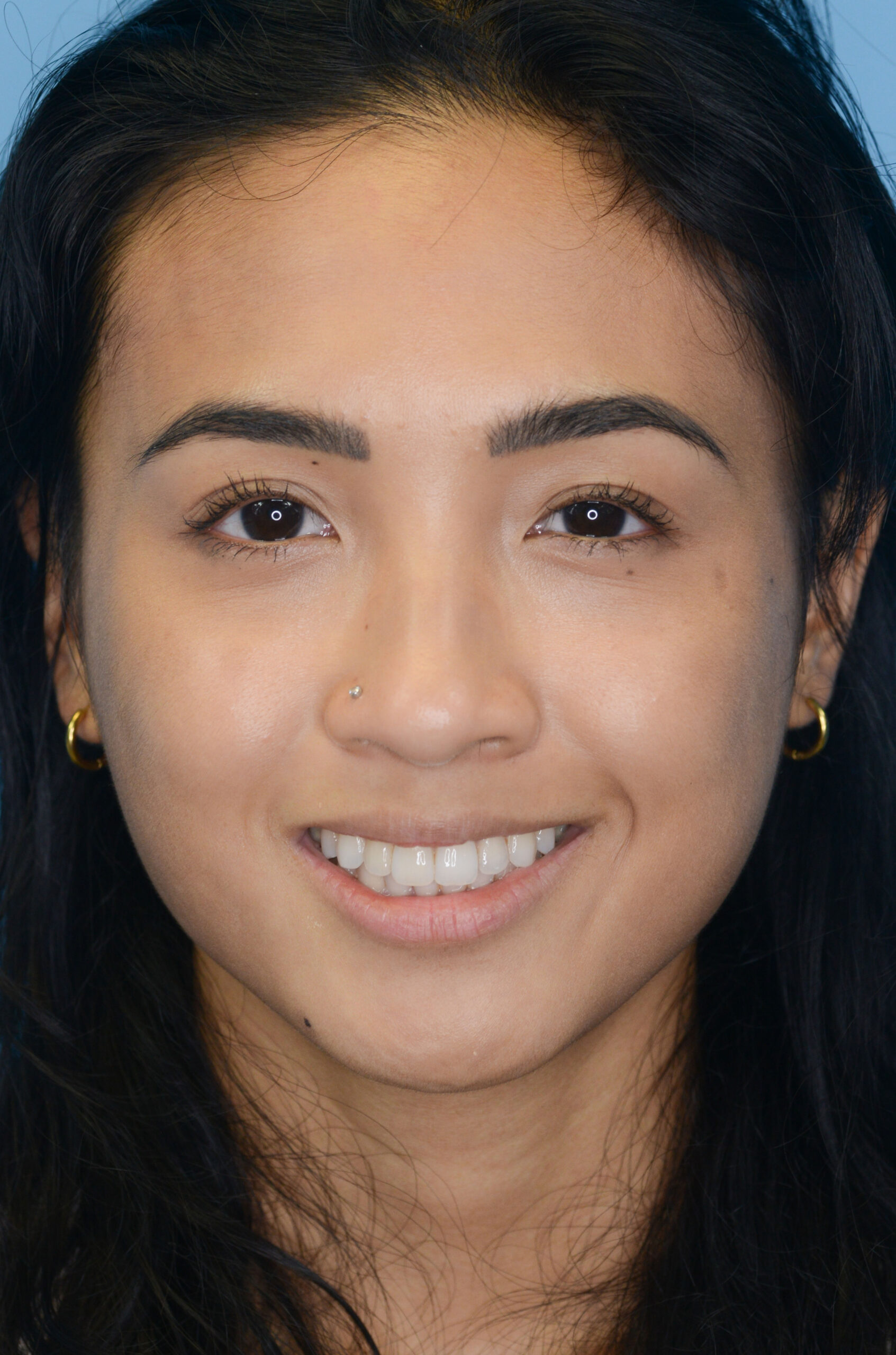
What Are Common Issues That Can Be Addressed With a Facial Fat Transfer?
Volume Loss
Wrinkles
Facial Contour Enhancements
Cheek Hollowing
Temple Hollowing
“Ozempic Face”
Thin face
Acne Scarring (pit marks)
Dr. Ho is experienced in improving all of these issues with Facial Fat Transfer and will discuss with each patient her customized approach for each type of issue.





Why Choose Dr. Tina Ho?
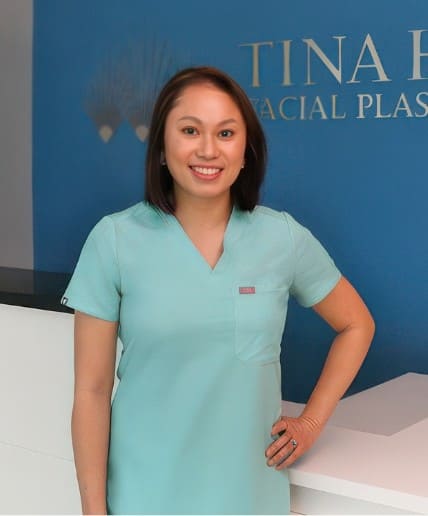
Dr. Tina Ho is recognized throughout Philadelphia and Wayne as a double board certified facial plastic surgeon with advanced expertise in facial fat transfer. With her background in aesthetic and reconstructive surgery of the face and neck, she approaches fat transfer as both a scientific and artistic procedure. She understands how subtle adjustments in volume can restore youthful contours, enhance natural features, and create long lasting balance.
From the first consultation through every follow up visit, Dr. Ho is fully committed to each facial fat transfer patient. She listens closely, evaluates each person’s unique anatomy, and creates a treatment plan that aligns with their goals. Her technique focuses on precise harvesting and careful placement of fat to ensure smooth, natural looking results that complement the patient’s existing features.
Dr. Ho completed advanced fellowship training under world renowned facial plastic surgeon Dr. Dean Toriumi. Her specialized training allows her to perform fat transfer with exceptional finesse, whether the goal is to rejuvenate hollow areas, soften deep folds, improve contour irregularities, or enhance areas such as the cheeks, temples, and jawline.
Patients from across Pennsylvania, New Jersey, and New York seek Dr. Ho for her modern approach, meticulous attention to detail, and dedication to patient care. She guides each person through every step of the process, setting realistic expectations and providing the support needed for a smooth recovery and beautiful outcome.
What is Dr. Ho’s Approach to Fat Transfer?
As a double board-certified facial plastic surgeon, Dr. Ho distinguishes herself as a face specialist. She possesses dedicated training in aging face procedures including extensive experience in fat transfer from one of the top facial plastic and reconstructive surgery fellowship programs in the country. Dr. Ho is sought out for her facial fat transfer expertise by patients in Philadelphia and Wayne as well as from all over Pennsylvania, New Jersey, and New York.
Dr. Ho dedicates ample time and counseling with every patient to select the best surgical plan that meets their expectations. In her approach to fat transfer, Dr. Ho injects the areas to be treated with slightly more volume than needed given the fact that not all fat transferred to the face will survive in the long run. She typically creates small incisions that heal well with minimal scarring and harvests fat from the thighs or abdomen.
Her surgical technique for facial fat grafting focuses on creating a natural, more youthful-appearing result that is tailored to each patient’s unique facial features. In addition, Dr. Ho often performs laser skin resurfacing in conjunction with fat transfer to improve skin tone and texture and further enhance a patient’s rejuvenated appearance.
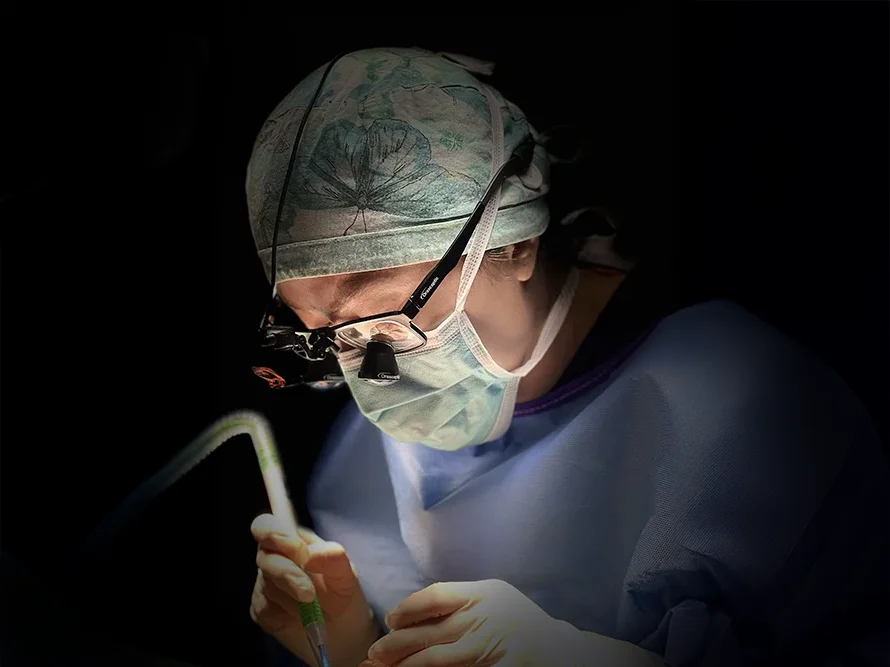
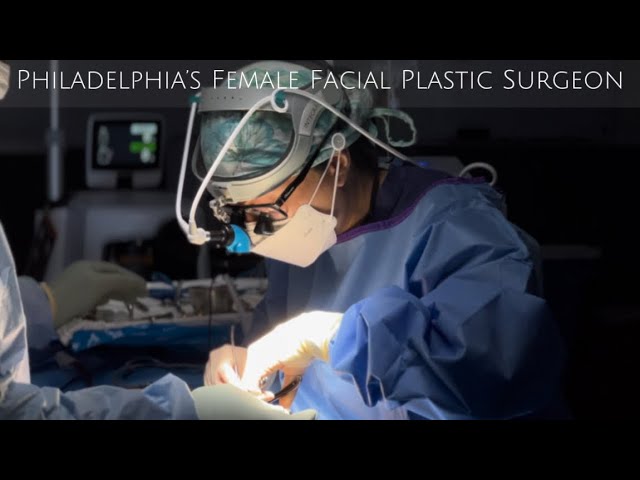
As Philadelphia’s female facial plastic surgeon, I am a double board-certified and fellowship-trained facial contouring expert, attracting patients from all over greater Philadelphia and across the country for surgical contouring procedures including facelift, neck lift, buccal fat removal, chin liposuction, and chin augmentation. Thank you for trusting your face in me.
What should patients expect after Fat Transfer?
Each fat transfer procedure is different and catered to the individual patient. Therefore, the extent of swelling, bruising, and tenderness that occur after surgery will vary by patient. Every fat transfer patient will follow up with Dr. Ho within one week after surgery for a post-operative check. Each patient will then follow up again at weeks to months out at regular intervals for re-evaluation. The downtime for fat transfer alone is usually minimal; most patients can return to normal daily activities apart from heavy lifting, straining, and strenuous activity the day after surgery.
Patients should expect immediate bruising and swelling in the face after surgery that can be managed well with icing and head elevation during recovery. These will typically resolve by one month out from surgery. Any bruising or swelling in the donor site areas can be treated in similar fashion. Post-operative pain is usually mild and managed well with prescribed pain medication.
Improvement in the appearance of the face is observed as soon as after most of the bruising and swelling has subsided. Dr. Ho seeks regular follow-up with her patients to ensure that every patient heals well and is satisfied with their surgical outcome.
Your Facial Fat Transfer Consultation
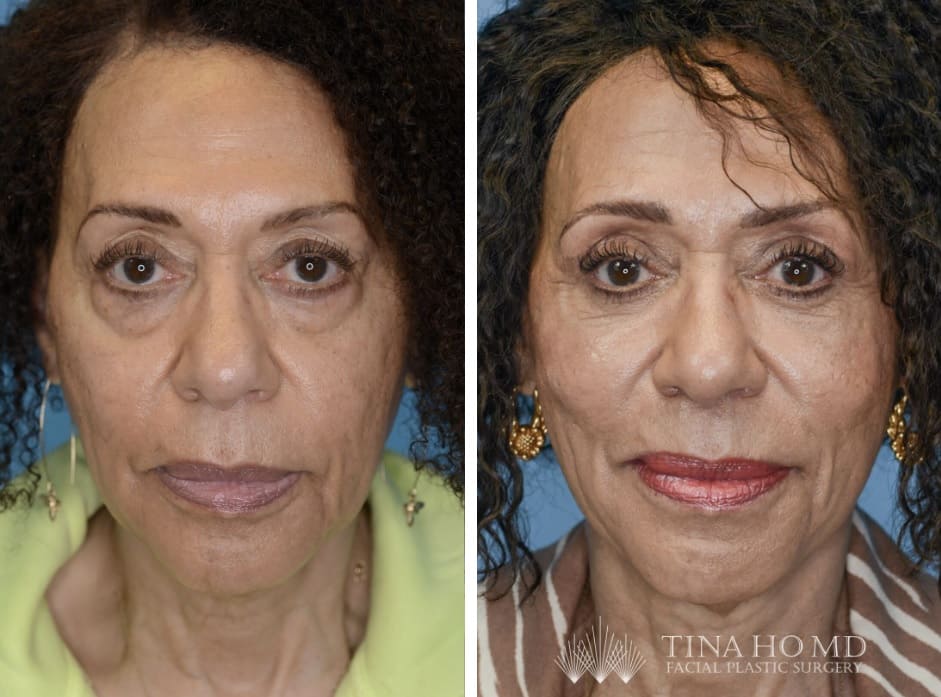
Your consultation for facial fat transfer will include a detailed assessment of your facial volume, contour, and areas showing signs of aging or hollowness. Dr. Tina Ho will review your medical history, including prior procedures, medications, and any conditions that could affect healing or fat graft survival. You will discuss your aesthetic goals and the areas you wish to enhance, allowing Dr. Ho to create a personalized treatment plan. She will explain the fat harvesting and transfer process, potential risks, recovery expectations, and anticipated results, ensuring you feel fully informed, confident, and prepared for natural facial enhancement.
Educational Videos
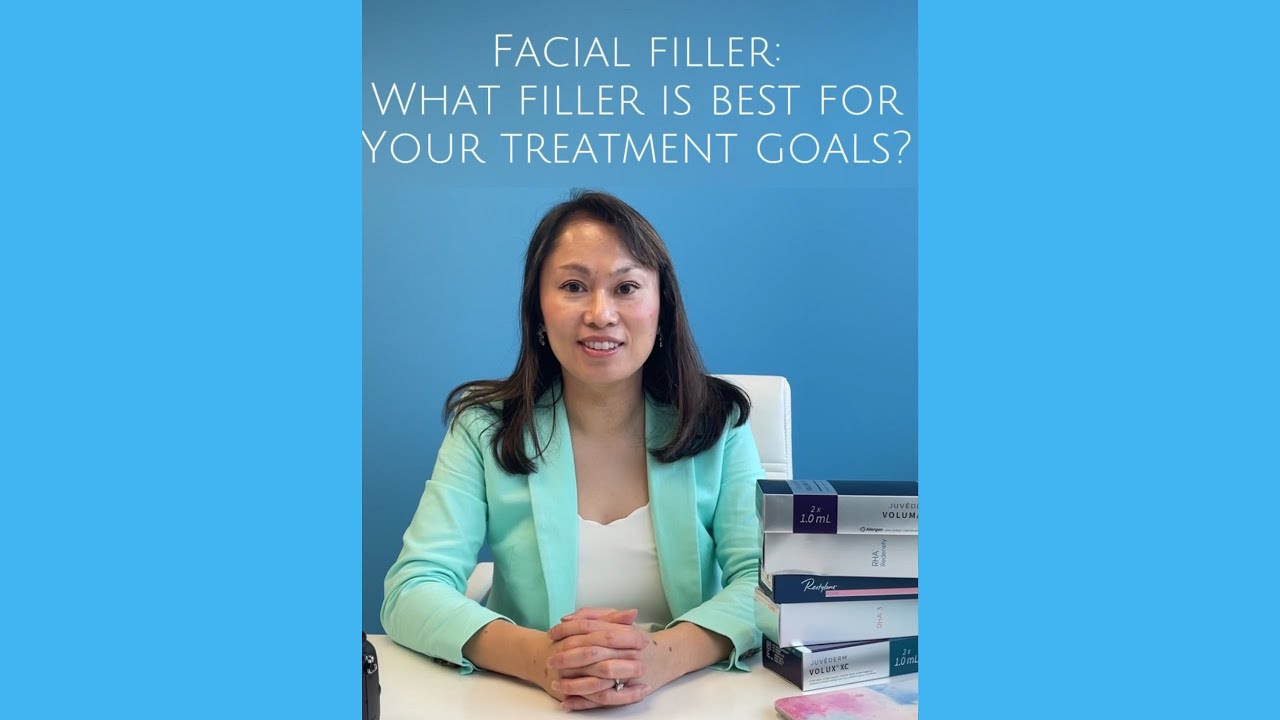
Filler Injection: Trust Your Face to an Expert
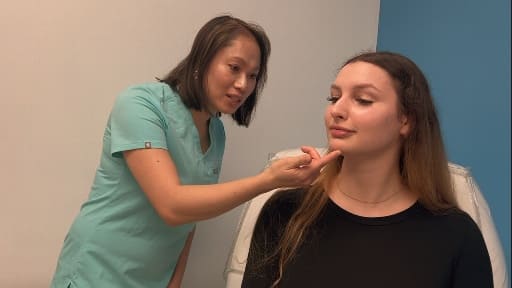
Filler Injection: Trust Your Face to an Expert Filler is a wonderful non-surgical procedure that restores volume and definition in the face. In my practice, I most commonly use hyaluronic acid based fillers for facial rejuvenation. The most common areas I treat with filler include cheeks, chin, jawline, and tear troughs. Watch this reel to learn about my favorite types of filler for certain areas of the face.
Post-Operative Instructions for Fat Transfer
These post-operative care instructions are for patients who have undergone fat transfer procedures. Following these guidelines is essential for achieving the best results. Patients should contact Dr. Ho or her staff if they have any questions or concerns regarding these instructions.
Expand each section below for more information.
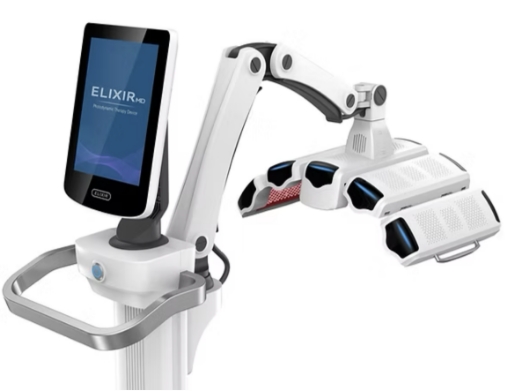
Enhance Your Recovery with Elixir MD
The Elixir MD™ is an innovative recovery tool that offers various treatment programs using different LED light wavelengths to achieve specific pre and post-surgical goals. These programs are supported by advanced artificial intelligence temperature controls and adjustable settings to address a range of concerns and goals. This non-invasive therapy is safe, painless, and can reduce infections after surgery while also enhancing recovery and minimizing scarring after rhinoplasty surgery.
Benefits of Elixir MD
Enhanced post-operative recovery after rhinoplasty. Using LED light, Elixir MD™ stimulates the skin to accelerate wound healing and minimize scarring post-surgery.
Improved healing and cellular repair. Specific wavelengths stimulate collagen and elastin production, which are essential for healing after surgery.
Easier rhinoplasty recovery. Reduces inflammation responsible for swelling and pain after surgery.
Improved lymphatic drainage and blood flow. Enhances the delivery of nutrients and removal of waste for optimal healing.
Elixir MD Treatment Programs for Rhinoplasty
Elixir Detox
This pre-operative therapy uses blue light to reduce the number of bacteria, oils, and toxins on the skin, reducing surgical complications such as infection.
Elixir Cellular Repair
Post-rhinoplasty, Cellular Repair uses yellow light to improve circulation, reducing bruising and swelling, accelerating healing, and shortening recovery.
Elixir NeoXcell
The NeoXcell™ treatment program combines the benefits of Elixir Cellular and Thermal to boost healing and balance melanin production for a more even skin tone.
Elixir RoXium
RoXium™ uses yellow and blue light to reduce swelling/bruising, prevent skin oxidation, decrease sebum, minimize pores, and clear the complexion.
Understanding the Risks of Facial Fat Transfer
Facial fat transfer is used to restore volume, soften facial contours, and create a more youthful appearance using a patient’s own fat. The procedure involves two surgical areas: the donor site, where fat is harvested (commonly the abdomen, flanks, or thighs), and the face, where the fat is injected. As with all surgery, there are possible risks and side effects.
During the healing process, it is common to have swelling, bruising, soreness, and temporary discomfort in both the face and the area where the fat was harvested. The donor site may also feel temporarily numb, tender, or slightly uneven as it heals, and these changes usually improve over time. In some cases, healing can take longer than expected, or a small collection of blood or fluid may develop and need treatment. While every effort is made to create a smooth, natural result, slight differences in contour, scarring, or symmetry can sometimes occur, and a second procedure may occasionally be needed to fine-tune the outcome.
There are also a few risks that are more specific to facial fat transfer. Some of the transferred fat may not survive, which can lead to less volume than planned or small areas of firmness, lumpiness, or unevenness. These areas often soften with time, but minor corrections may sometimes be helpful. Skin necrosis is uncommon, but it can happen if a small area does not receive enough blood supply during healing. Vision loss is an extremely rare but serious complication associated with facial fat injections, which is why careful technique and an experienced surgeon are so important. Even with these risks, most patients heal well and enjoy a natural-looking, long-lasting improvement.
Cost of Facial Fat Transfer in Philadelphia
The cost of a facial fat transfer can range from $6,000 to $8,000, with the exact cost depending on many different factors. When added to other procedures, such as a facelift, neck lift, eyelid surgery, or laser resurfacing, the actual cost of the transfer may be significantly less.
What is Included in the Cost?
The above price range includes the surgeon fees, post-operative appointments, and any dressings or post-operative garments that may be needed. In addition, the price will include the cost of the anesthesia, anesthesiologist, facility fee, and support staff used during the procedure. A detailed explanation is provided at the initial consultation to prevent any surprises during your recovery.
Factors That Determine the Cost of the Procedure
When determining the cost of a fat transfer in Philadelphia, the overall amount will depend on many factors and will be customized to each patient. A multitude of aspects must be included in determining the cost.
Surgeon Experience and Expertise
When selecting a surgeon to perform your facial fat transfer procedure, it is essential to use a surgeon with extensive experience. Surgical procedures by expert surgeons are essential in providing the best results with a lower complication rate. Because of this, these surgeons are in demand leading to higher upfront costs, but in the long run, they may save you money by preventing complications or undercorrection that may require additional surgeries.
Selecting a board-certified facial plastic surgeon ensures your doctor has undergone extensive training and examinations. Board-certified surgeons invest a lot of time and money into staying current on constantly advanced surgical techniques.
Surgical Location
Procedures that require the use of an outpatient surgical facility or hospital will have the surgical site fees included in the total cost of the surgery.
Geographic Location
Larger cities, such as Philadelphia, have an increased demand for cosmetic surgeries and higher operational costs, which will lead to higher total costs of the surgery.
Patient Testimonials
Real Stories from Patients
Patient Review and Results
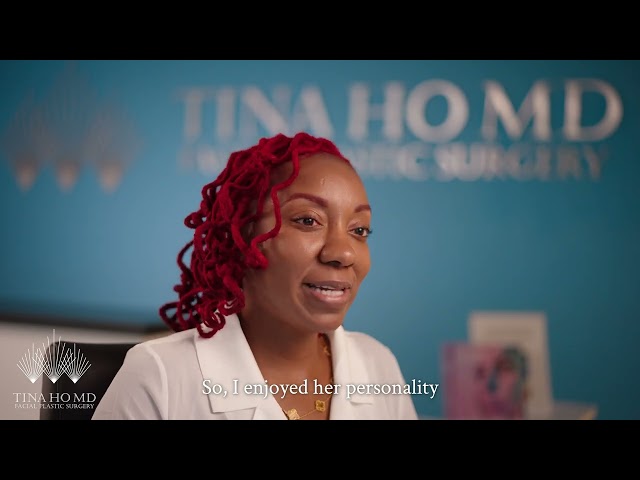
“I do not have enough words to express my joy with Dr Ho and her artistry! A couple of months ago, at the recommendation of a dear friend, I met with Dr. Ho to discuss options for my eyes in particular. For the past five years or so, I had developed permanent dark circles and bags under my eyes (despite more than adequate amounts of sleep) and my eyelids were starting to look very hooded. Dr Ho was incredibly thorough during our consultation, clearly and plainly explaining her suggestions. Her demeanor is friendly and absolutely genuine. Furthermore, she is conservative with her approach so she will not try to “sell” you on something you don’t need….just keeping her eye on making you look your natural best!”
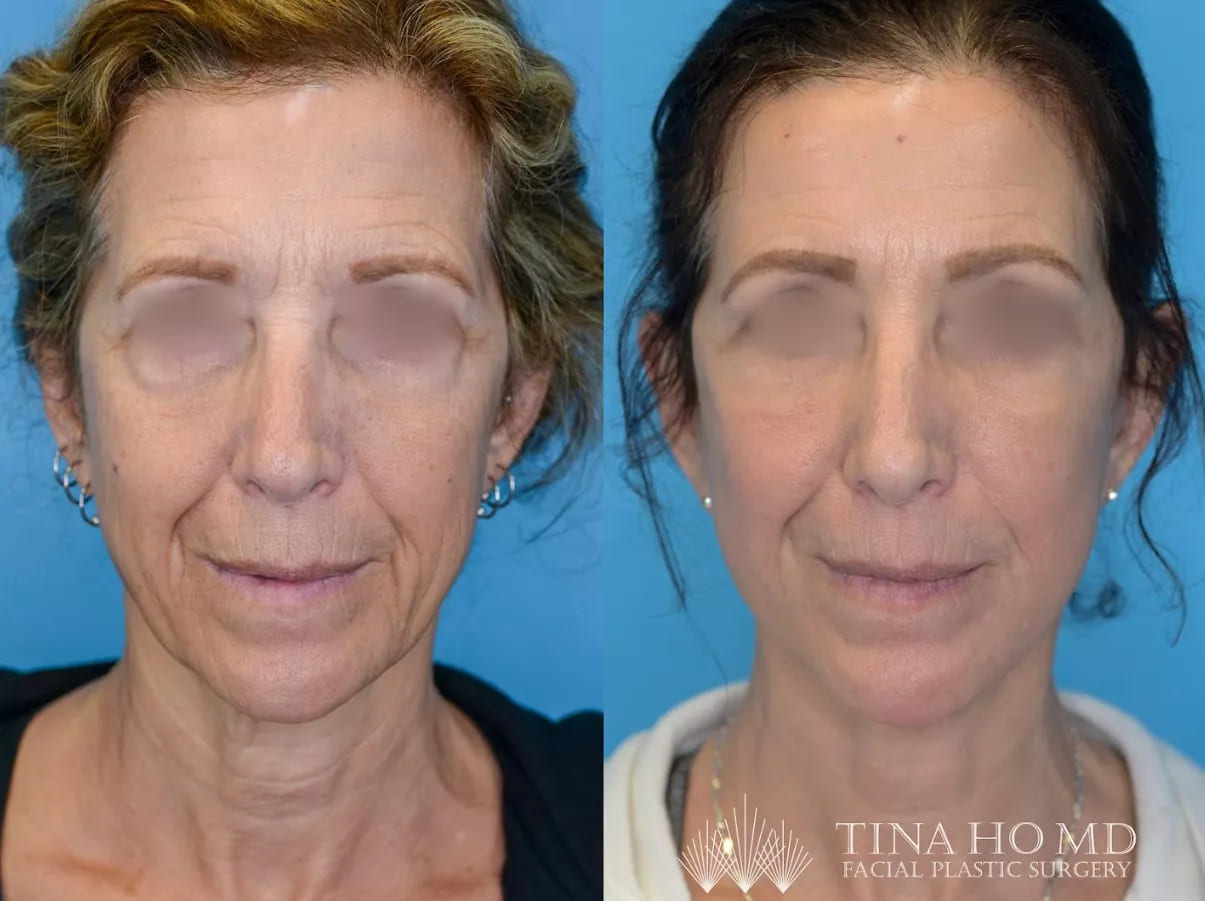
Browlift + Upper and Lower Blepharoplasty: Before and After
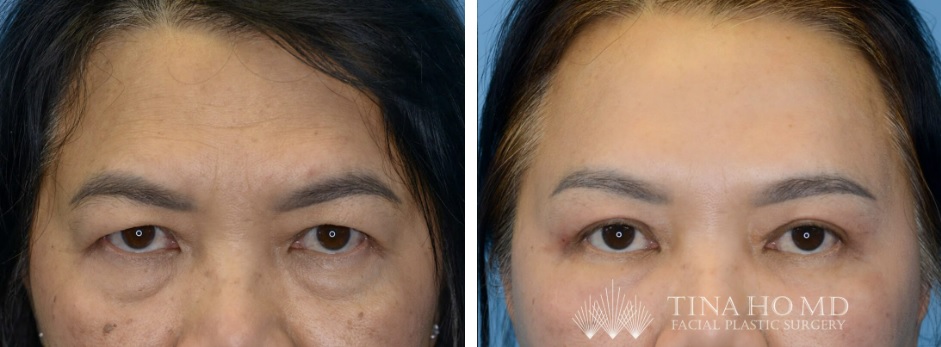
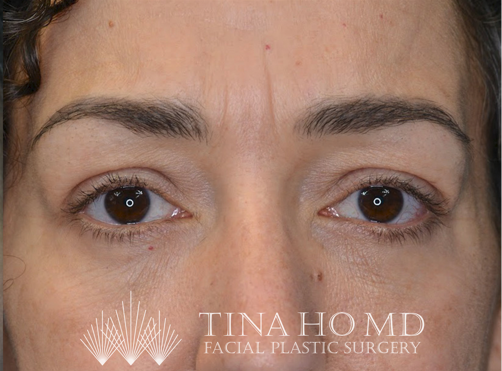
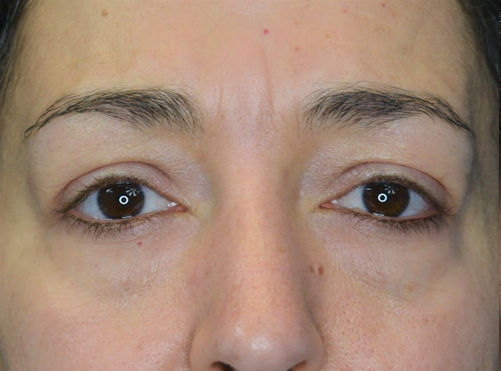
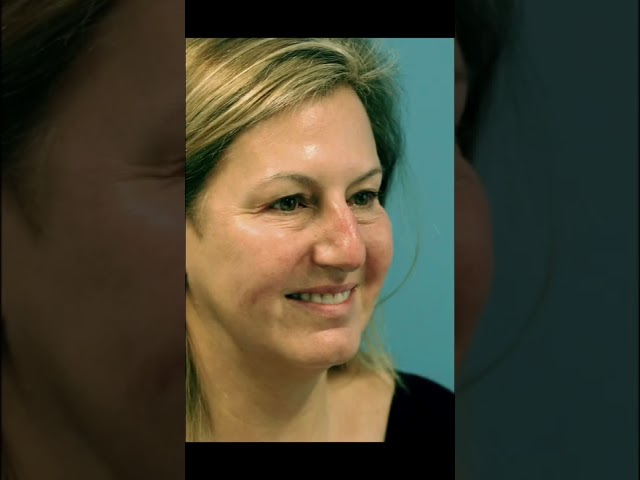
This beautiful 50 year-old actress came to me for surgical consultation, interested in eyelid rejuvenation. She was bothered by the heavy appearance of her upper eyelids and lower eyelid bags. We pursued a global surgical approach including brow lift, upper eyelid surgery, and lower eyelid surgery for the ultimate eyelid rejuvenation outcome. We are so thrilled with her beautiful, natural results. Brow position is an important consideration in patient evaluation for upper eyelid surgery. Brow lift surgery elevates heavy brows and opens up the eyes more compared to eyelid surgery alone. Combining multiple surgical procedures together instead of pursuing one surgery alone also creates a more dramatic yet still natural result with only one period of downtime.
Brow Lift, Blepharoplasty, and facial fat transfer: Before and After
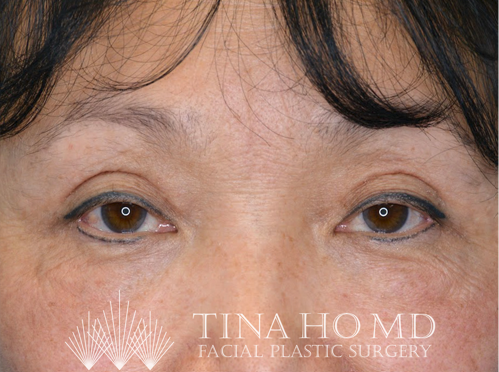
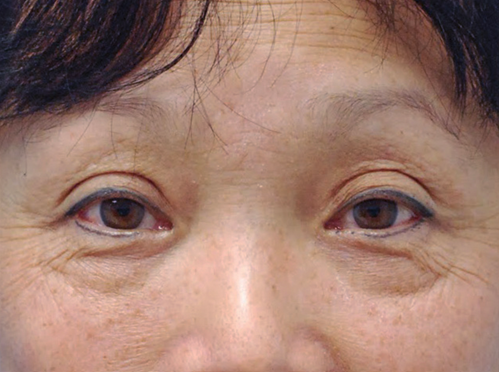
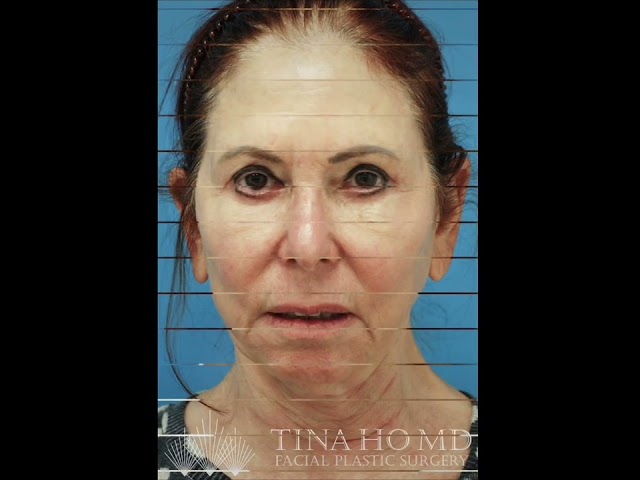
This beautiful female patient in her 70s was bothered by her heavy brows, redundant upper eyelid skin, and lower eyelid bags. We pursued brow lift, upper eyelid surgery, and lower eyelid surgery with facial fat transfer and CO2 laser resurfacing for the ultimate global eyelid rejuvenation result. Her only cosmetically sensitive scars in her upper eyelids have healed beautifully. We are so thrilled with her beautiful, natural results.
Before and After: Facial Facial Fat Transfer, Upper and Lower Eyelid Surgery
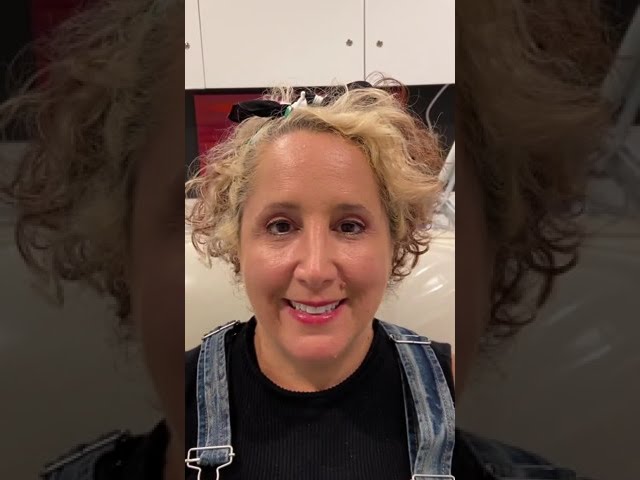
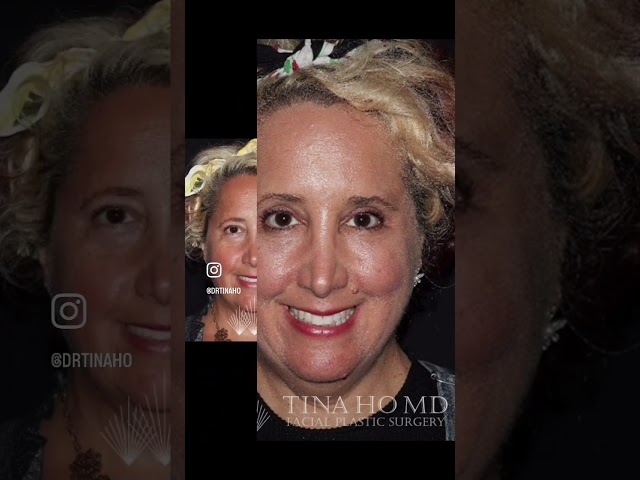
This wonderful patient initially saw me for Botox and filler treatment. She returned for surgical consultation, bothered by her aging eyelids. We pursued upper and lower eyelid surgery including facial fat transfer and CO2 laser resurfacing to remove the redundant tissue in her eyelids and restore the much-needed volume in her lower eyelids and cheeks. We are thrilled with her results! No injectable treatment or olive oil can achieve such definitive results as eyelid surgery! And for addressing tear trough deformity, or hollowing under the eyes, restoration of cheek volume is often required to provide the needed midface support and achieve a maximal filler or surgical outcome.
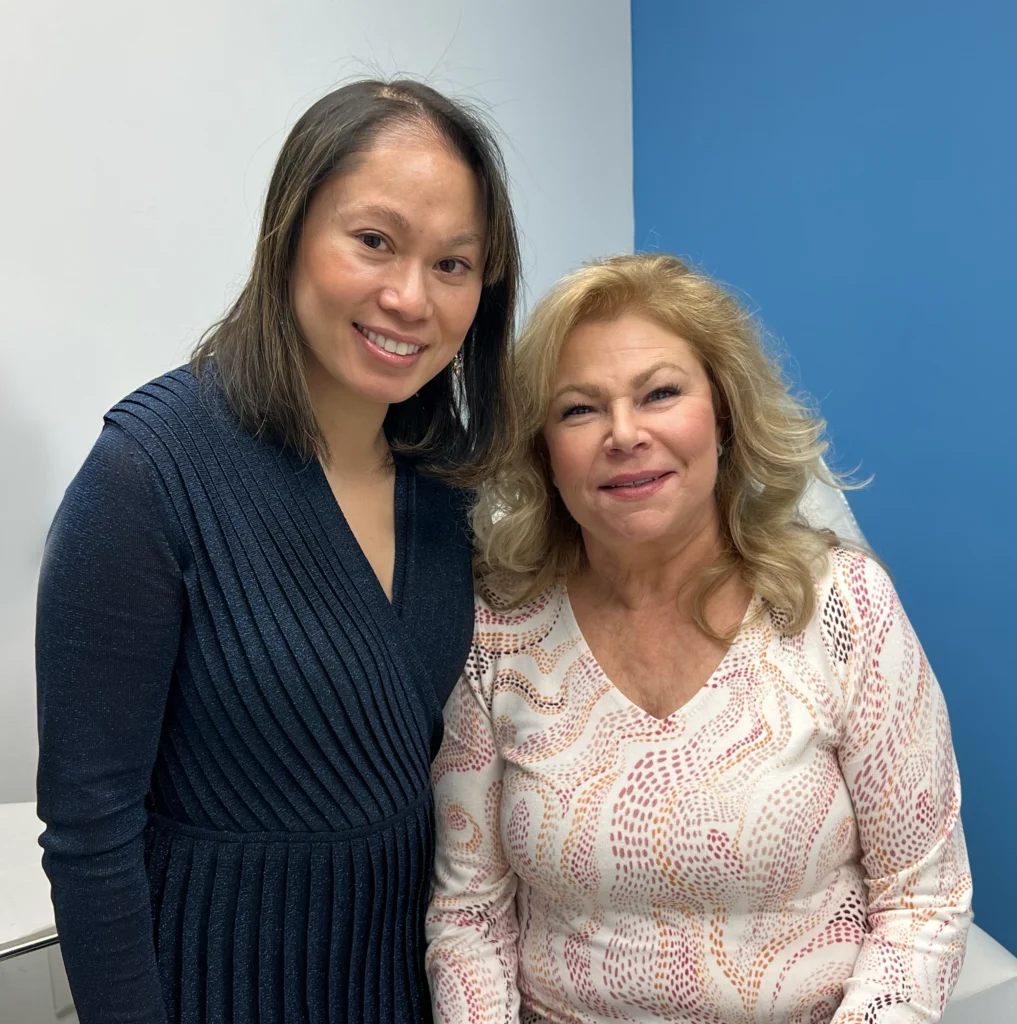
Real Patients, Real Results
Patient Testimonials
4.9 stars rating from 298 reviews

RealSelf
5 stars rating from 168 reviews
As Seen In
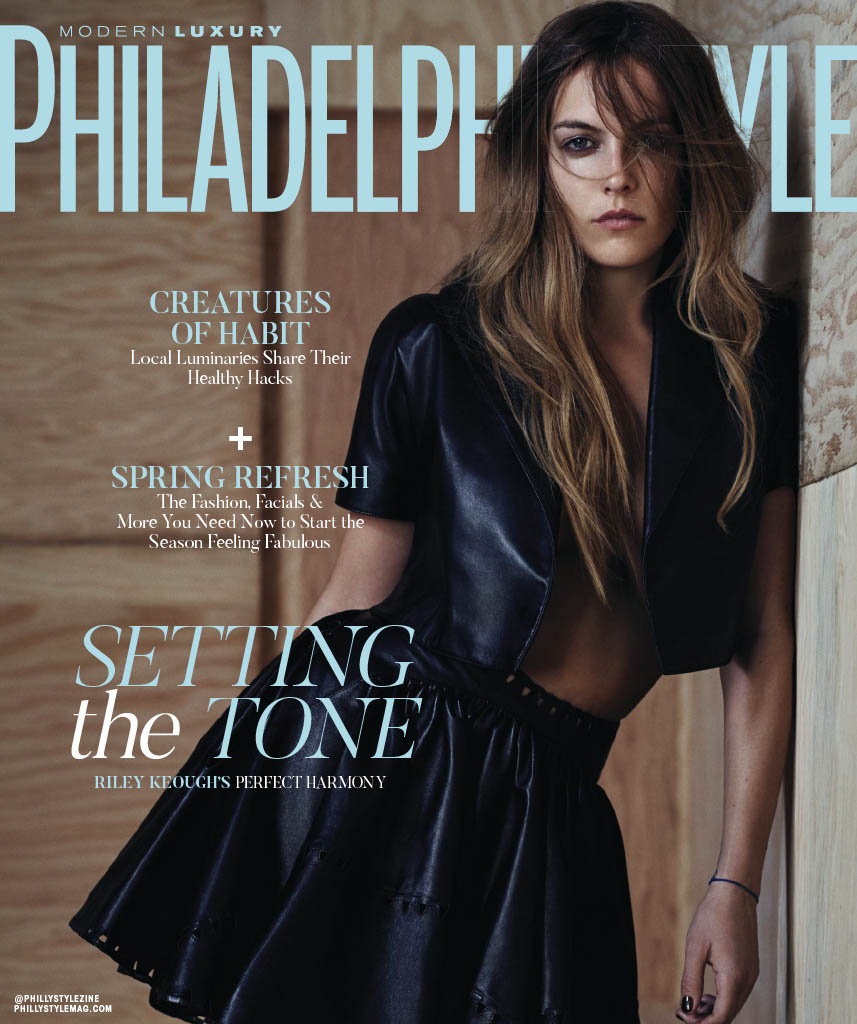
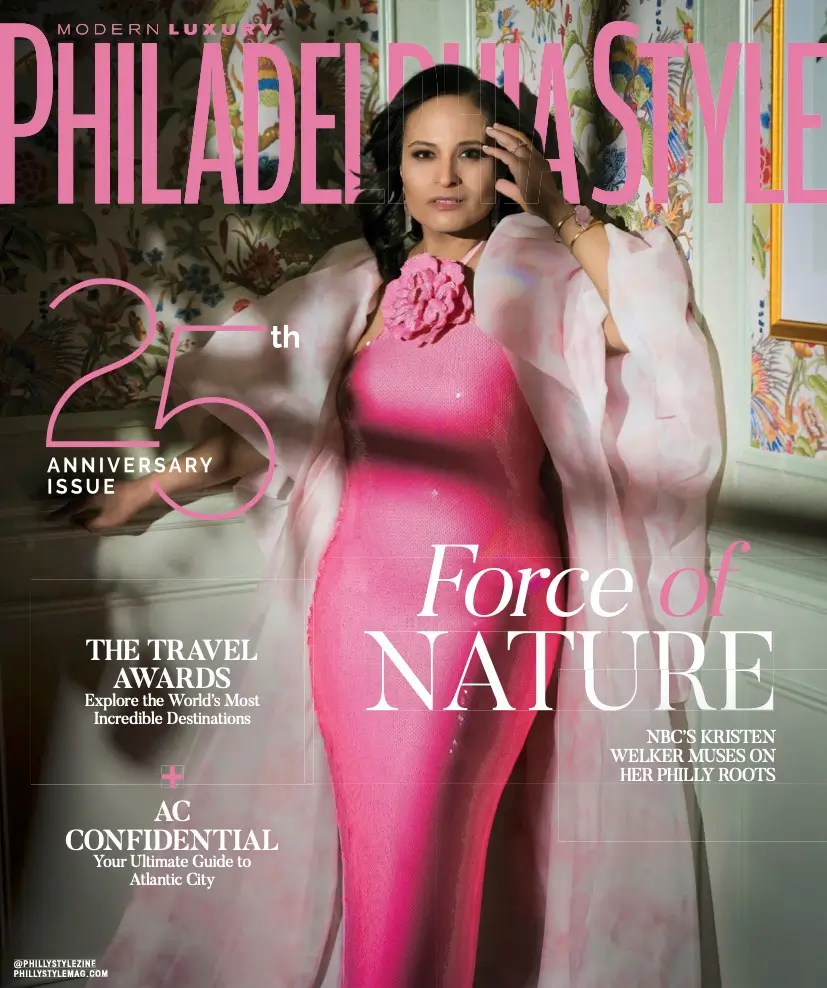
Dr. Tina Ho in the Press
Dr. Tina Ho has been featured in leading media publications that highlight her expertise in facial plastic surgery.







Related Procedures
Explore additional procedures that complement a your procedure for balanced, natural-looking rejuvenation.