

Financing
We accept CareCredit as a financing option for the six month deferred interest plan. To apply click here.

There are two main types of rhinoplasty techniques: open rhinoplasty and closed rhinoplasty. Dr. Ho has an in-depth understanding of both methods, allowing her to use the approach that is most ideal for achieving the goals of each unique patient. She most commonly utilizes the open rhinoplasty technique. Open rhinoplasty involves making incisions inside the nostrils and a small outer incision across the columella (the external skin between the nostrils), resulting in a fine post-surgical scar. Through this technique, Dr. Ho gains greater access to the tissues of the nose, including the underlying cartilaginous framework. Open rhinoplasty allows for more extensive tip refinement as well. Because of the greater access, patients who undergo this procedure may experience more swelling than with the closed technique. Closed rhinoplasty (also known as endonasal rhinoplasty) is a scarless version of the procedure in which the incisions are made only inside the nostrils with no visible external scars created. Closed rhinoplasty only allows for less extensive work to be performed, such as isolated dorsal hump reduction with a small amount of change to the nasal tip. The closed approach usually results in less swelling and a shorter healing period compared to open rhinoplasty.
Getting a Nose Job in Wayne by Dr. Ho can result in life-changing results. Patients from all over the greater Philadelphia area come to her for her expertise. Each rhinoplasty procedure is different and is catered to the individual patient. Therefore, the types of incisions utilized and the extent of swelling, bruising, and tenderness that occur after surgery will vary by patient. An outer nasal splint cast is placed at the conclusion of the surgery to protect the operated nose. Every rhinoplasty patient will follow up with Dr. Ho one week after surgery for splint and suture removal. Post-operative pain is usually managed well with prescribed pain medication. Any immediate bruising and swelling after surgery can be managed well with icing and head elevation, with the majority resolving in two weeks from the date of the surgery. Residual swelling following this period will continue to improve significantly over the next six months to one year with gradual improvements or fluctuations noted years out. Improvement in nasal breathing is typically observed soon after most of the swelling has subsided. Dr. Ho seeks regular follow-ups with her patients to ensure that the results are satisfactory and that the healing process is going well.
Primary rhinoplasty is one type of rhinoplasty performed on a nose with no prior history of nasal surgery. When performing primary rhinoplasty, Dr. Ho alters and refines the patient’s native nasal bones, cartilage, and soft tissue to create beautiful, natural results. This surgery is different from revision rhinoplasty, which involves surgery on a previously operated nose. Dr. Ho is experienced in both primary rhinoplasty and revision rhinoplasty and will tailor her surgical plan to the unique anatomy and treatment goals of each rhinoplasty patient.
Functional rhinoplasty refers to nasal surgery that improves the breathing function of the nose. This type of rhinoplasty can address a deviated septum, nasal valve collapse, and other anatomic issues causing nasal obstruction and may be covered by medical insurance. Septorhinoplasty is one type of functional rhinoplasty that addresses both the external and internal framework of the nose to improve nasal appearance and nasal breathing. Dr. Ho is highly experienced in functional rhinoplasty and will evaluate each rhinoplasty candidate to determine if they qualify for this type of surgery. Click here to learn more about functional rhinoplasty and septorhinoplasty.
Patients of non-Caucasian ethnicity often desire rhinoplasty to help improve certain features of their nose. Most patients will seek nasal surgery to enhance the shape of their nose and elegantly restore facial harmony that is still natural and consistent with their ethnicity. Common ethnic nose issues that can be addressed by rhinoplasty include but are not limited to dorsal hump, bulbous tip, flat dorsum, and overprojected nose. Dr. Ho has unique training in ethnic rhinoplasty and has performed surgery on patients of various ethnicities in Philadelphia and Wayne including patients of Asian and African descent. Click here to learn more about ethnic rhinoplasty.

Patients of non-Caucasian ethnicity often desire rhinoplasty to help improve certain features of their nose. Most patients will seek nasal surgery to enhance the shape of their nose and elegantly restore facial harmony that is still natural and consistent with their ethnicity. Common ethnic nose issues that can be addressed by rhinoplasty include but are not limited to dorsal hump, bulbous tip, flat dorsum, and overprojected nose. Dr. Ho has unique training in ethnic rhinoplasty and has performed surgery on patients of various ethnicities in Philadelphia and Wayne including patients of Asian and African descent. Click here to learn more about ethnic rhinoplasty.
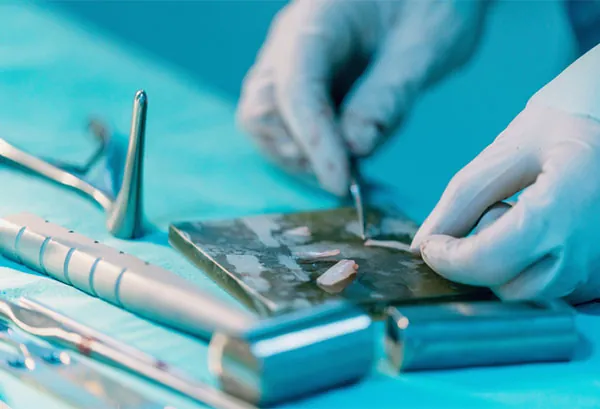
Revision rhinoplasty is an additional nasal surgery that takes place after a person’s first rhinoplasty procedure. It is typically a corrective procedure. A patient may be a candidate for a revision rhinoplasty if they demonstrate a persistent or new nasal deformity or nasal breathing problem that has not improved after they have fully healed from their initial rhinoplasty procedure. Revision rhinoplasty is often an even more difficult procedure compared to primary rhinoplasty, and revision rhinoplasty patients are at a higher chance of requiring additional nasal procedures in the future. Dr. Ho has extensive training in revision rhinoplasty, including experience in harvesting and using a patient’s own ear and rib cartilage graft material to create a natural, durable nose with a functional and aesthetically pleasing long-term outcome. Click here to learn more about revision rhinoplasty.
In recent years, there has been a major increase in the number of teenagers undergoing nasal surgery for health and aesthetic reasons. There are several factors that parents must consider before approving this procedure for their children. The two main variables to consider are age and the motivation for undergoing surgery. The minimum age requirement for rhinoplasty is 16 years old. This ensures that most of the facial growth has already taken place, since further growth can affect the potential surgical results. Candidates younger than age 18 need written consent signed from their parents for general anesthesia and rhinoplasty surgery. If a teenager patient desires to change their nose just because they saw a cute or attractive nose on social media, they are not the appropriate candidate. The right candidate is one who has thought a lot about their nose for quite some time, has identified issues with its form or its functionality, and is committed to long-term changes. Dr. Tina Ho is an experienced rhinoplasty specialist and will determine with each teenager patient and their parents whether they would be an ideal rhinoplasty candidate.
Cost of a rhinoplasty procedure in Philadelphia:
The average range for nose surgery is $12,000-$20,000, including facility & anesthesia fees.
The price of rhinoplasty varies per patient, based on the anesthetic, techniques, and extent of work required.
Revision rhinoplasty can range between $15,000-$25,000 including facility & anesthesia fees. Factors include the extent to which corrections are needed.
Note: functional rhinoplasty may be covered by health insurance. Financing options for nose surgery are available via CareCredit.