

Introduction to Blepharoplasty (Eyelid Surgery)
Blepharoplasty in Philadelphia helps patients achieve bright, youthful eyes devoid of bags. Your eyes are the first features of your face to show signs of aging and will be beautifully rejuvenated by Dr. Ho with minimally invasive eyelid surgery.
What is Blepharoplasty?
Blepharoplasty is the technical term for eyelid surgery and focuses on improving the appearance of the eyelids. Upper and lower blepharoplasty address the upper and lower eyelids, respectively.
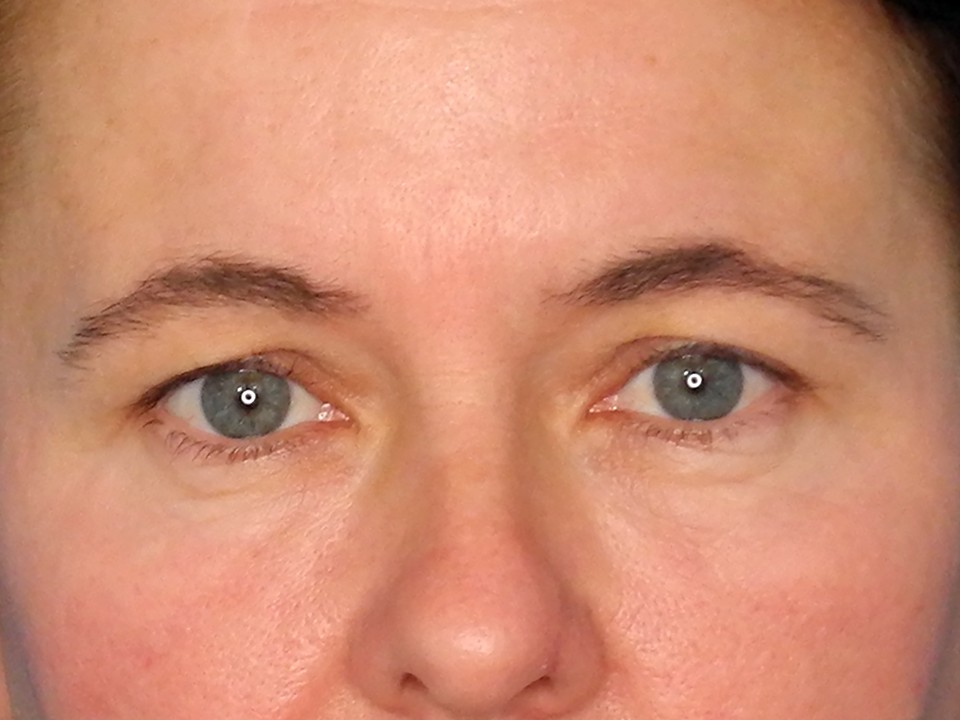
The eyes are the first features of the face to demonstrate signs of aging. Over time, the forces of gravity induce downward descent of the skin and soft tissues, resulting in dermatochalasis (excess skin in the eyelids) and a “baggy eyes” appearance.
Aging eyelids may also suffer puffiness due to fat herniation (the protrusion of orbital fat through the weakened orbital septum layer). The descent of the midface soft tissues including the cheeks may further accentuate the aging changes in the lower eyelids.
Other anatomic features that can contribute to the tired appearance of aging eyelids include brow ptosis, crow’s feet, ectropion (sagging or outward sagging of the eyelid) and under eye hollowing.
Blepharoplasty is designed to remove excess skin and fat to restore a youthful appearance to the eyes. This surgery requires the expertise of a surgeon who specializes in plastic surgery of the face and understands eyelid anatomy well.
Dr. Ho specializes in blepharoplasty and performs each eyelid surgery according to the anatomic issues and surgical goals of the individual patient.

Educational Video
The Blepharoplasty Procedure
Learn more about what blepharoplasty is and how it can subtly enhance your facial harmony with insights from Dr. Tina Ho.
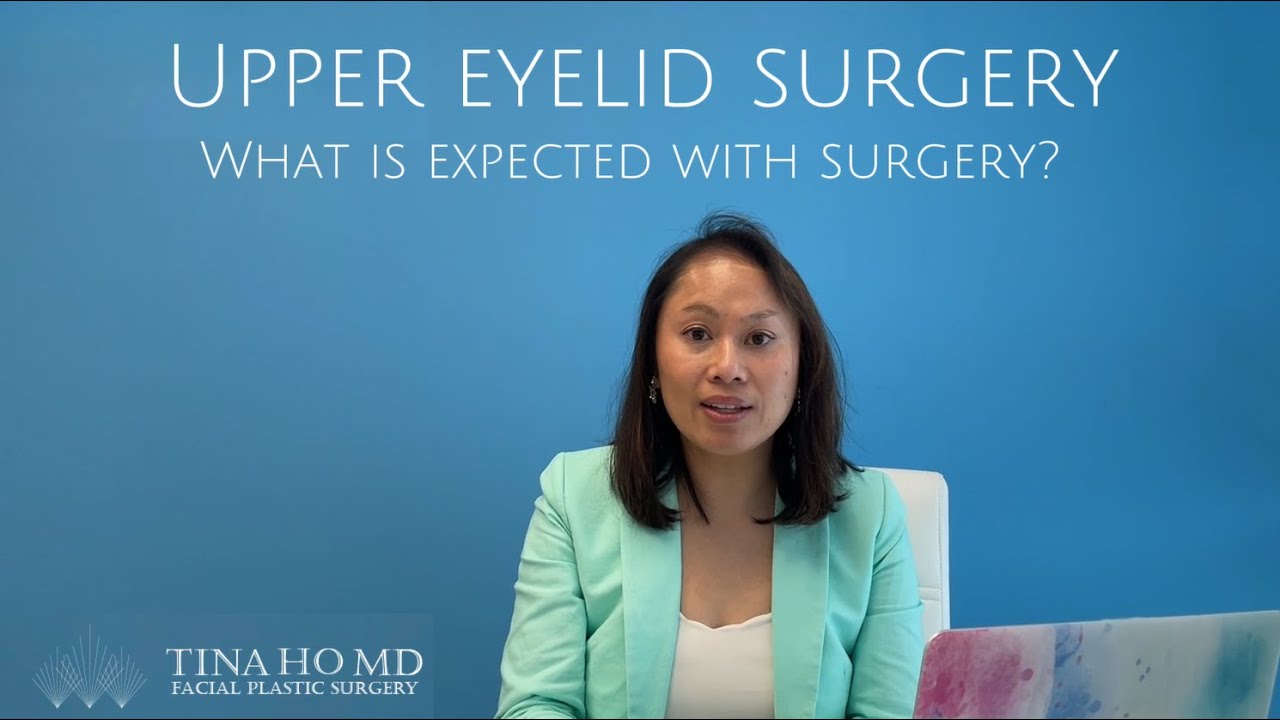
Upper Blepharoplasty: What is Expected With Surgery?
What to expect during upper eyelid surgery? Upper eyelid surgery is performed either under local anesthesia or general anesthesia. When a patient arrives, their eyelids are first marked for how much skin will be removed. The eyelids are then numbed with local anesthetic and an elliptical incision is made. The tissue is then removed and sutures are placed!
Who is an Ideal Candidate for an Upper Blepharoplasty?
Who is an ideal candidate for an upper blepharoplasty? Patients who feel they have heavy upper eyelids and redundant skin may benefit from upper eyelid surgery. During the procedure, I will trim excess skin and if needed, underlying structures like muscle and fat as well. The goal of the procedure is to restore a more youthful appearance to the eyes!




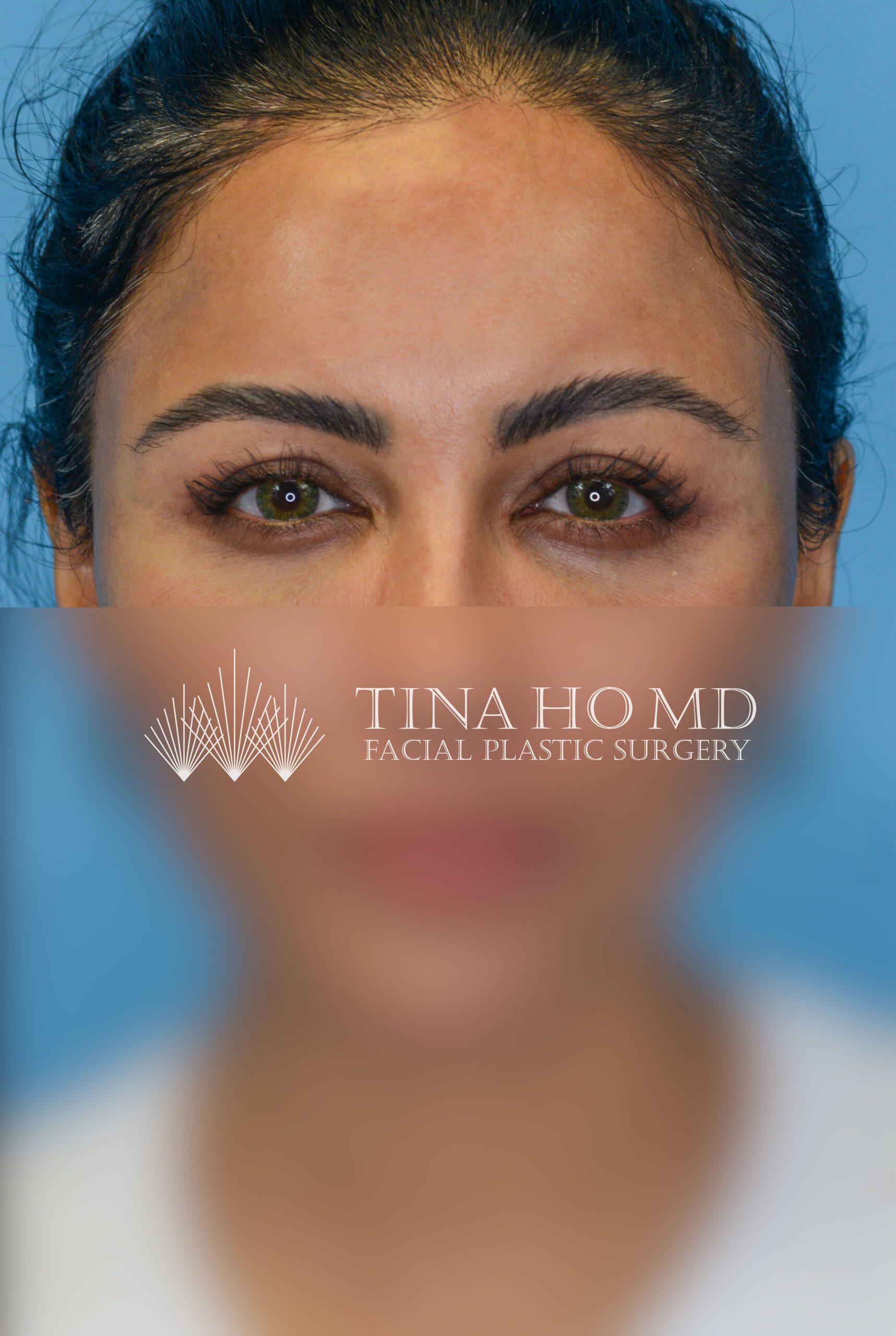
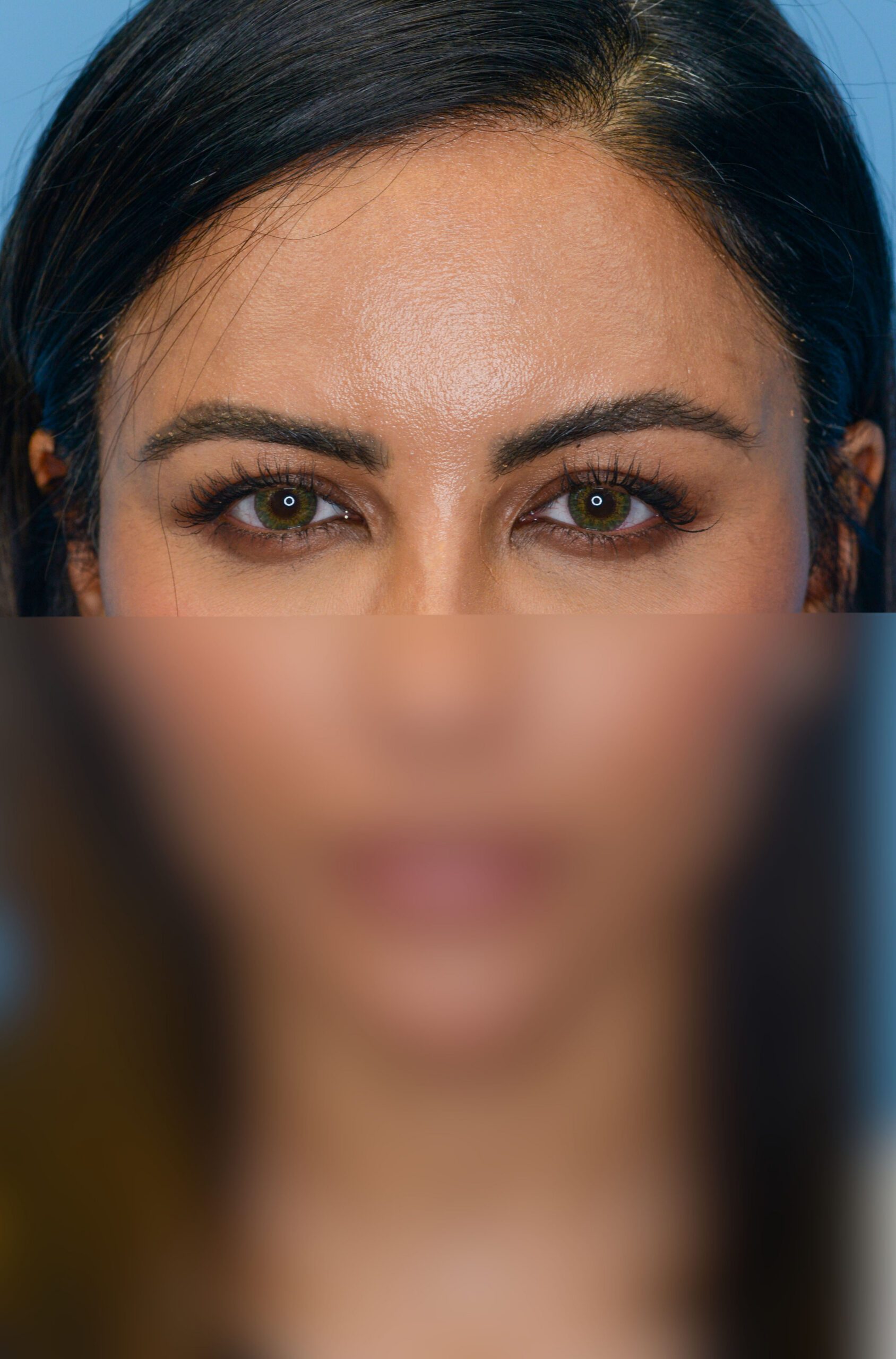

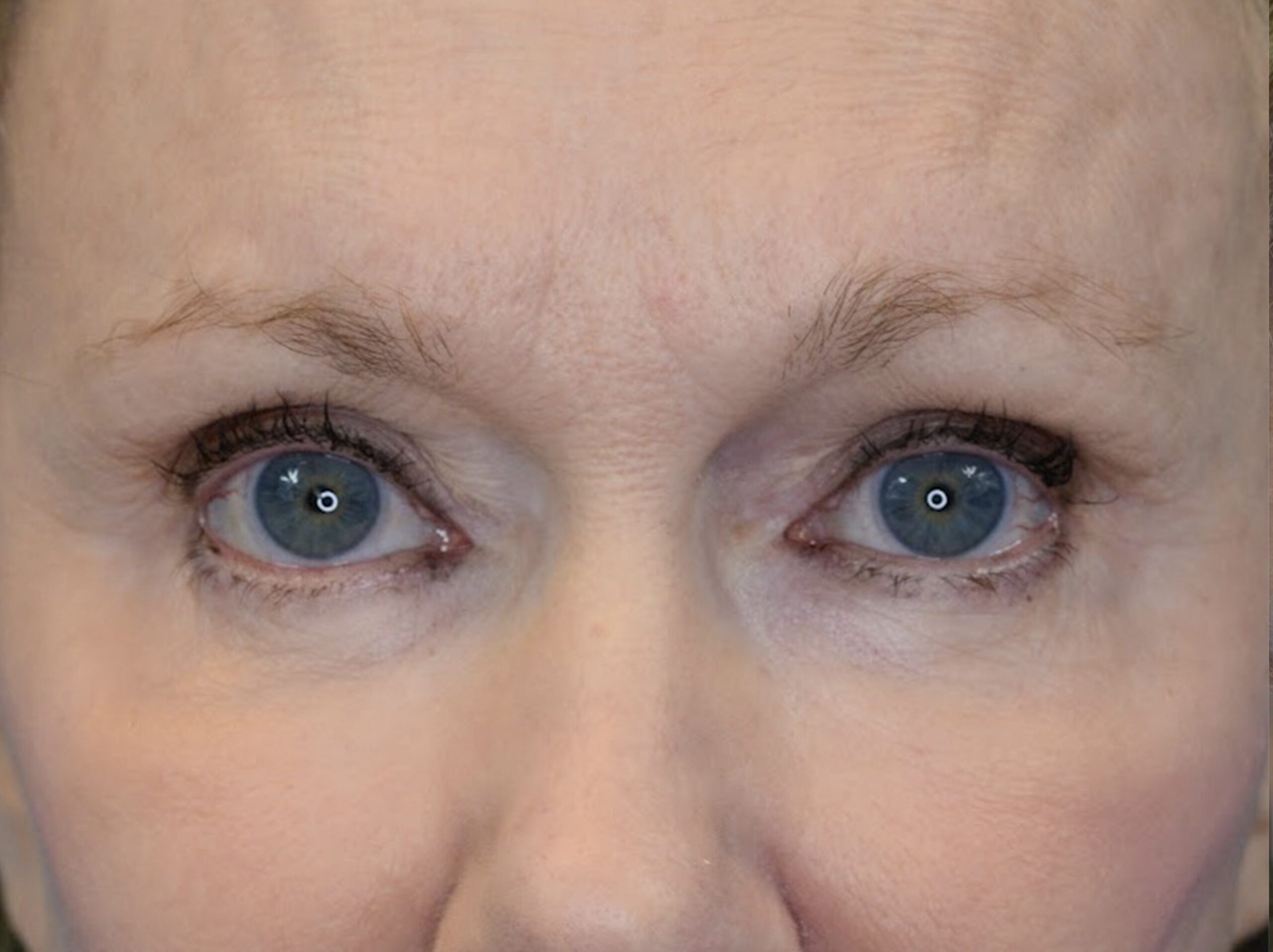
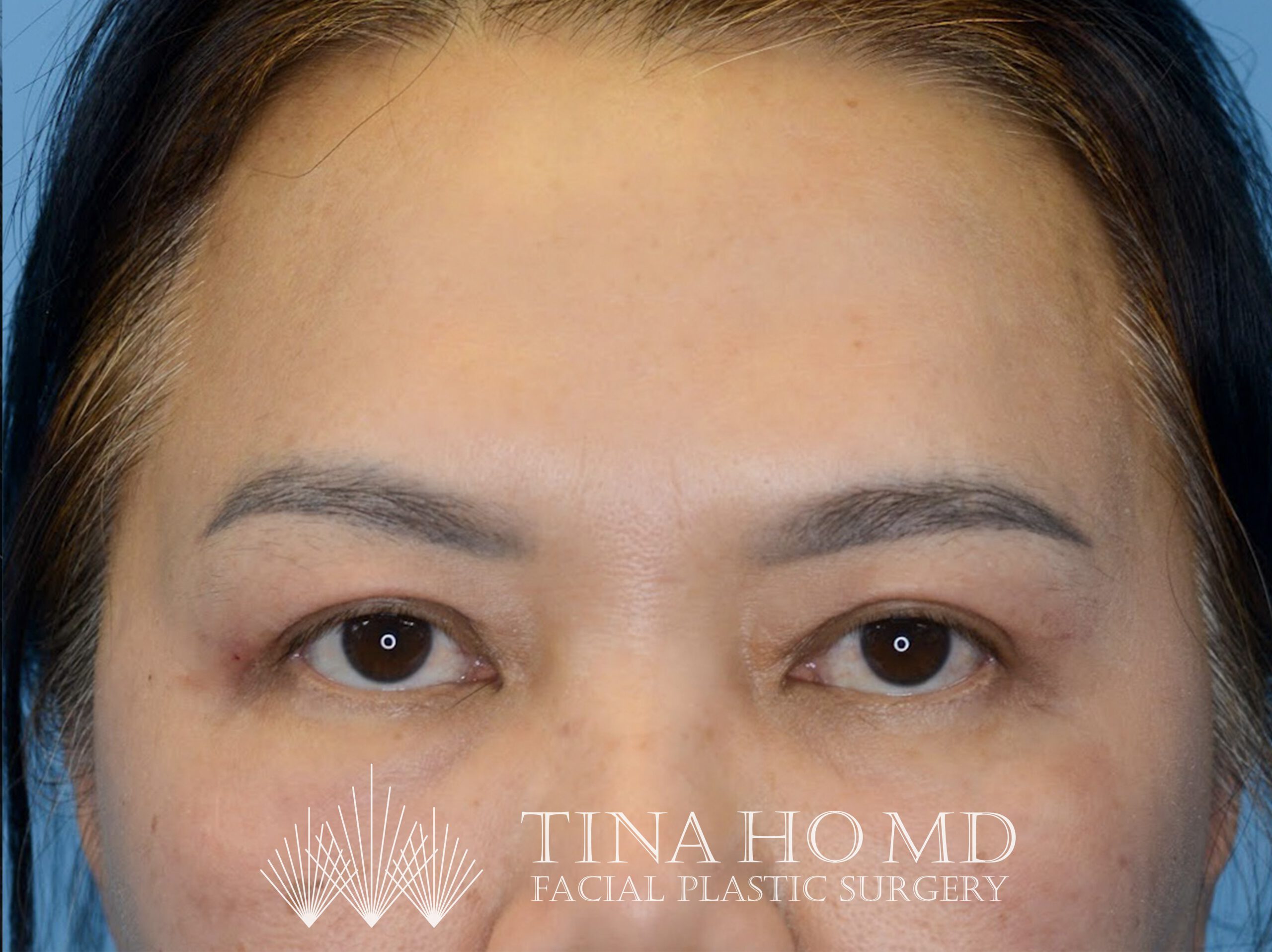
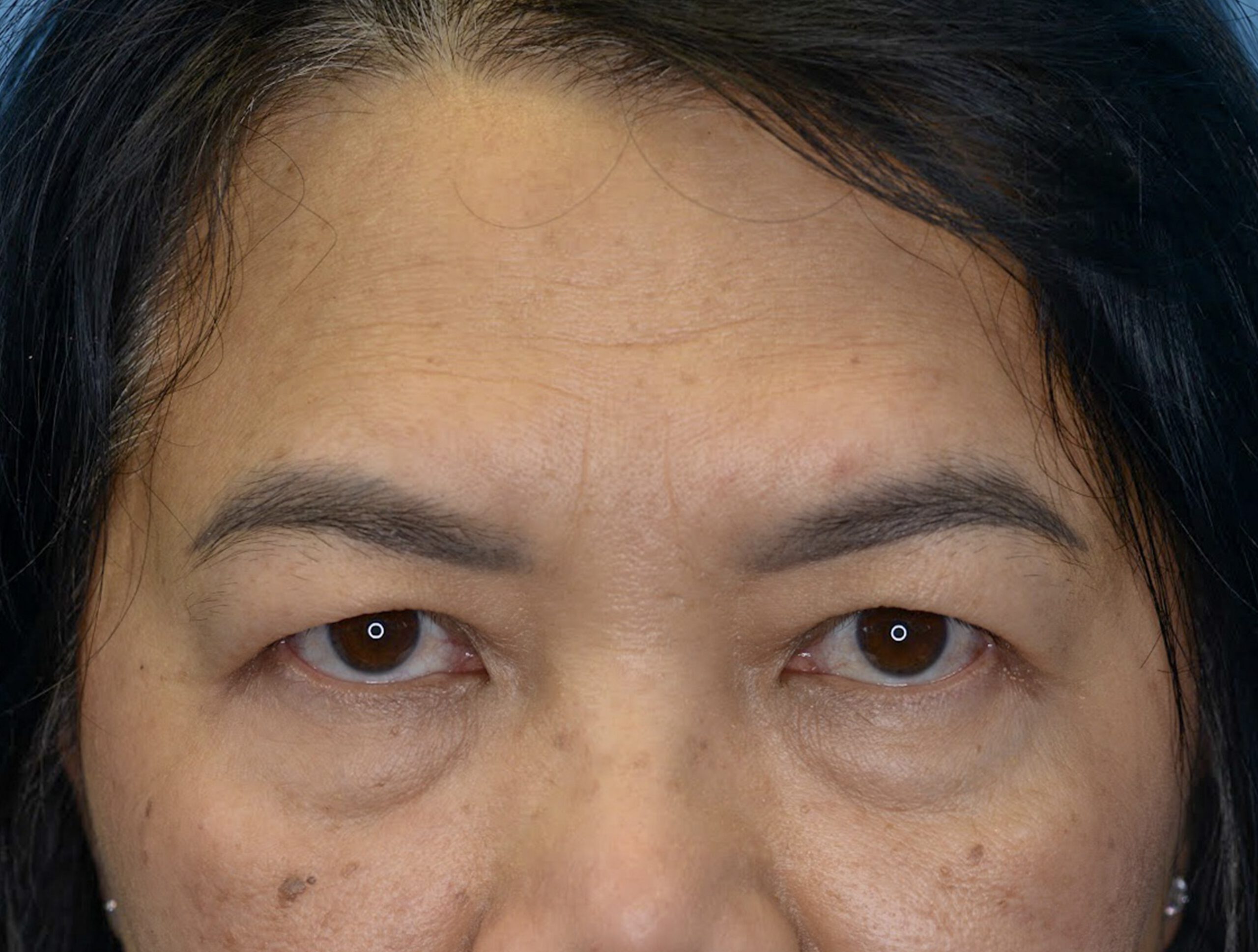
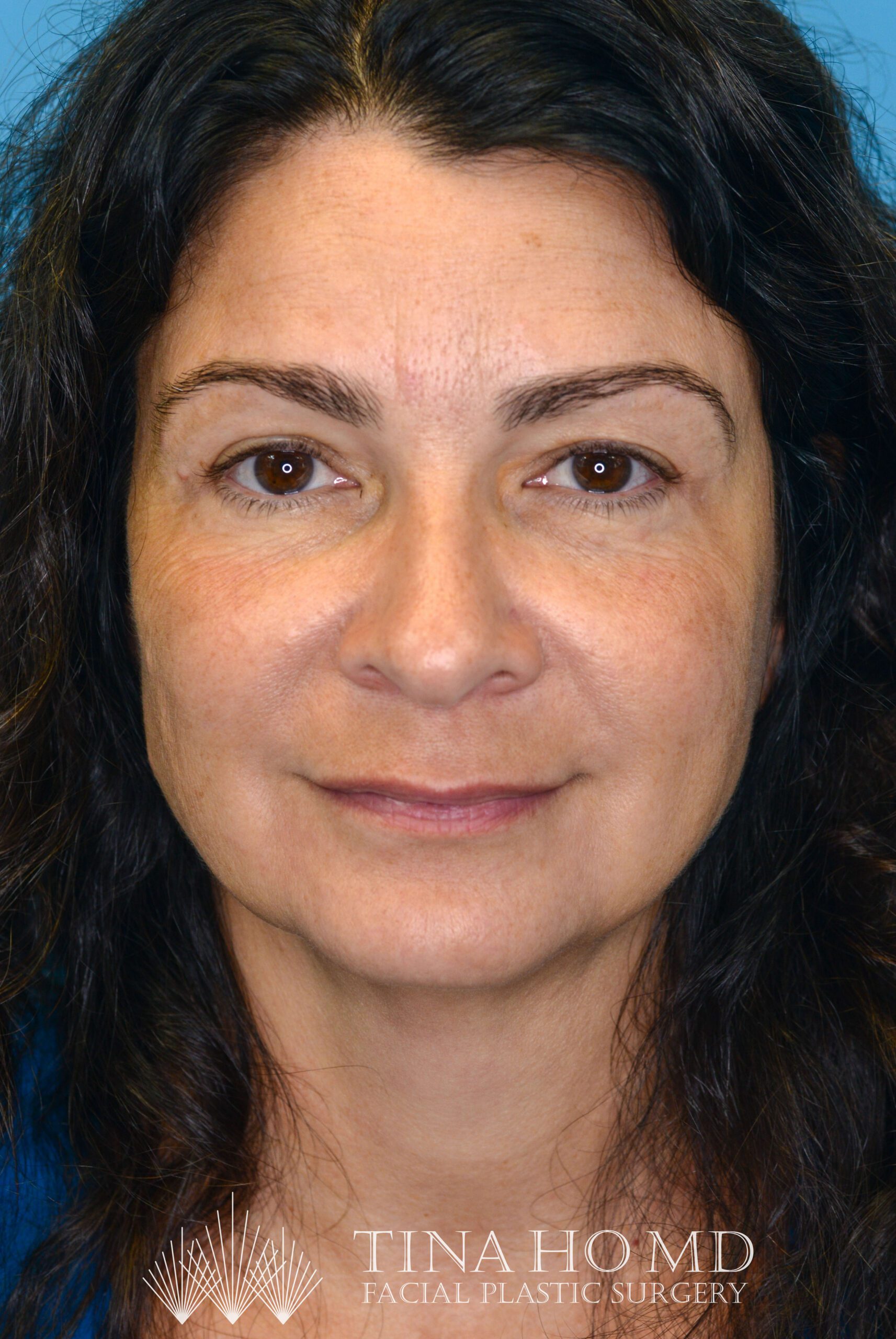
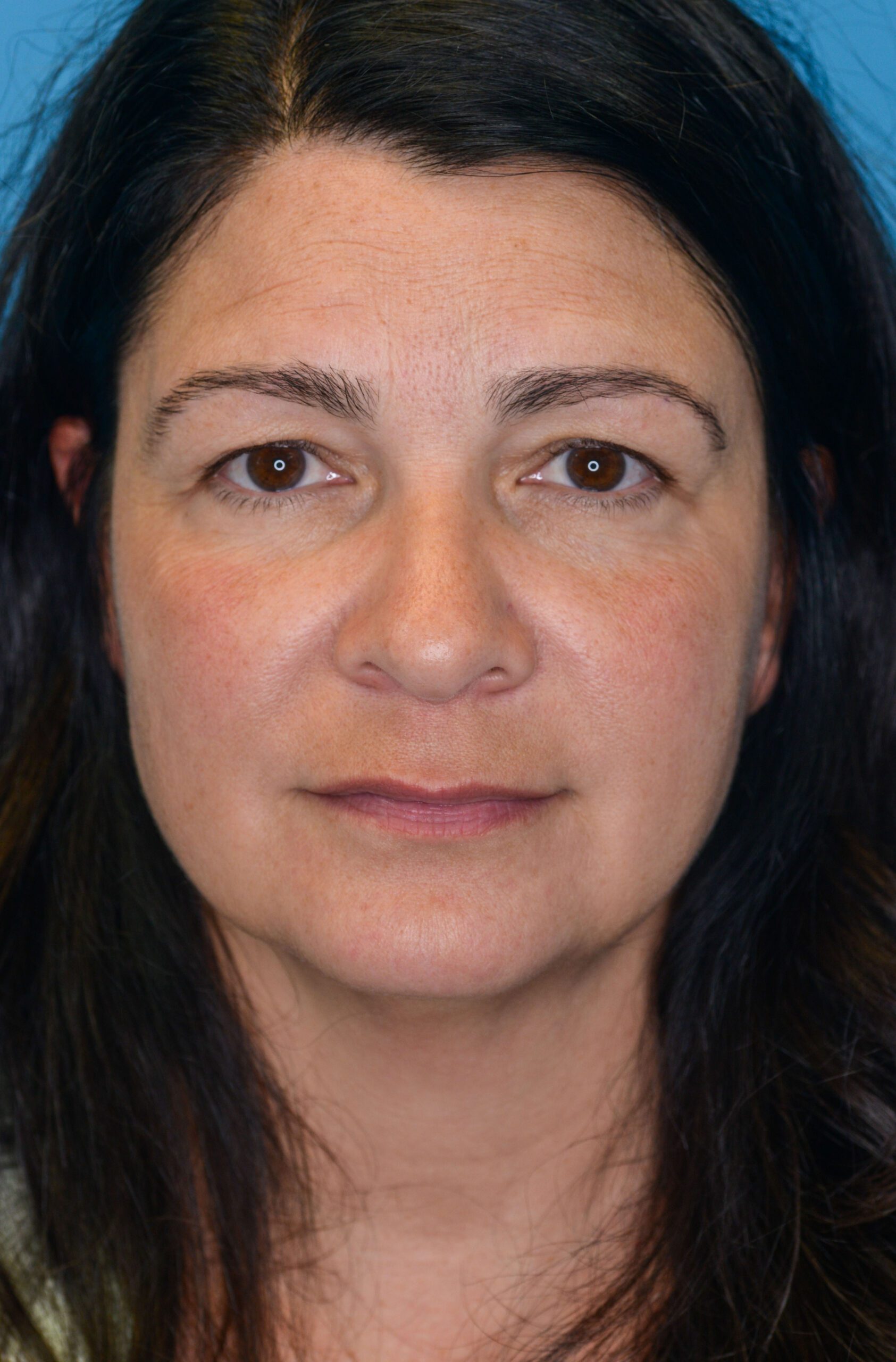
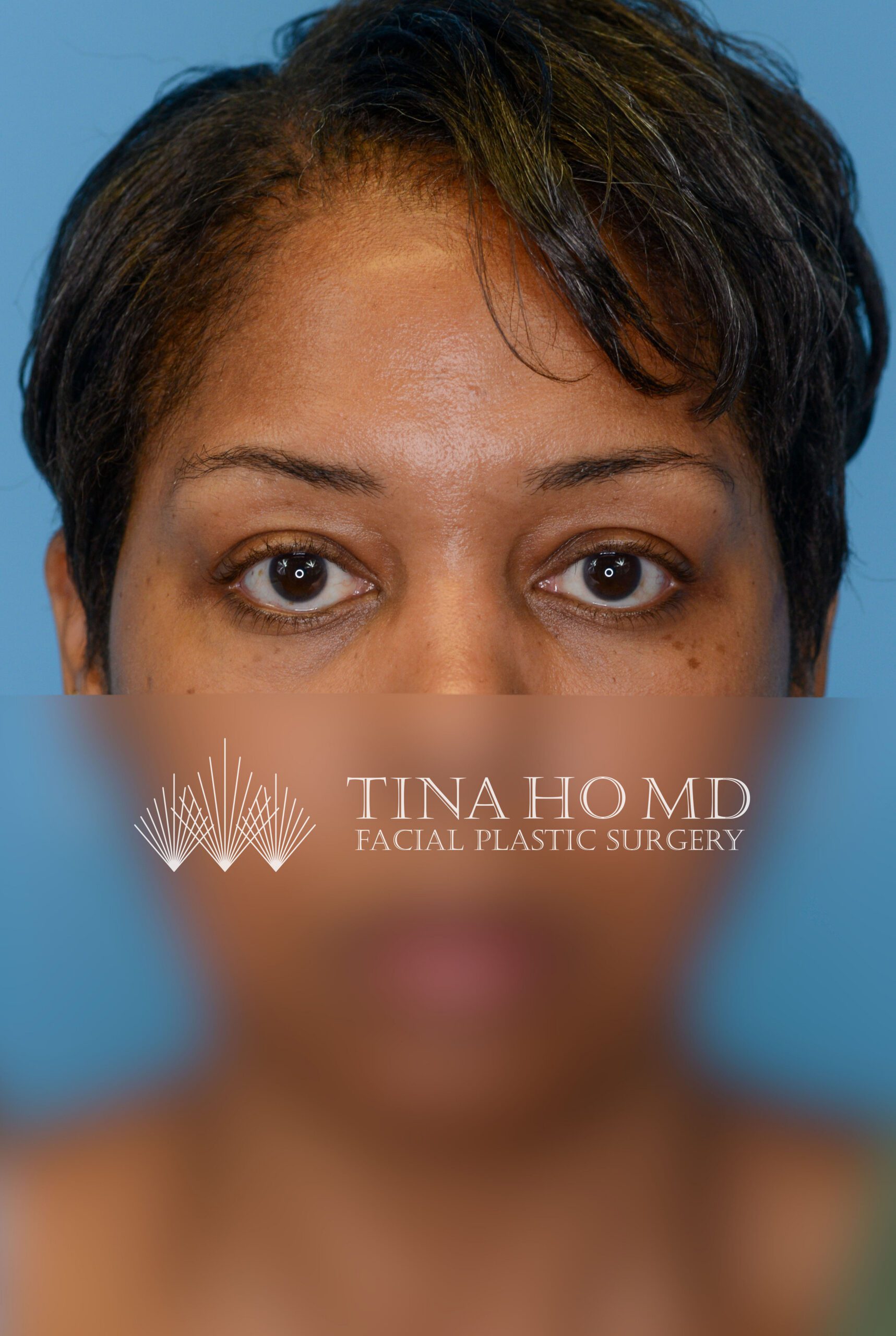
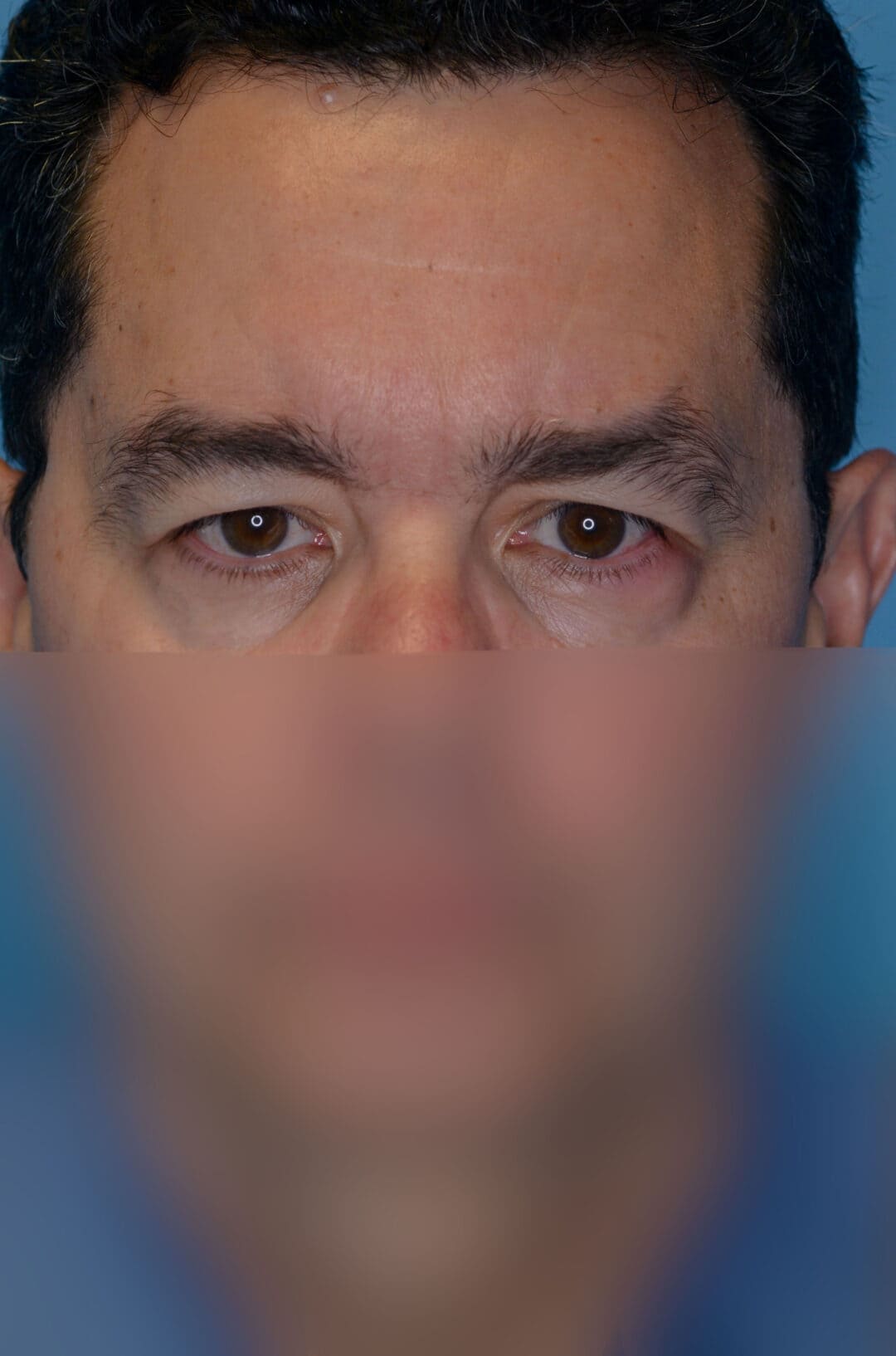
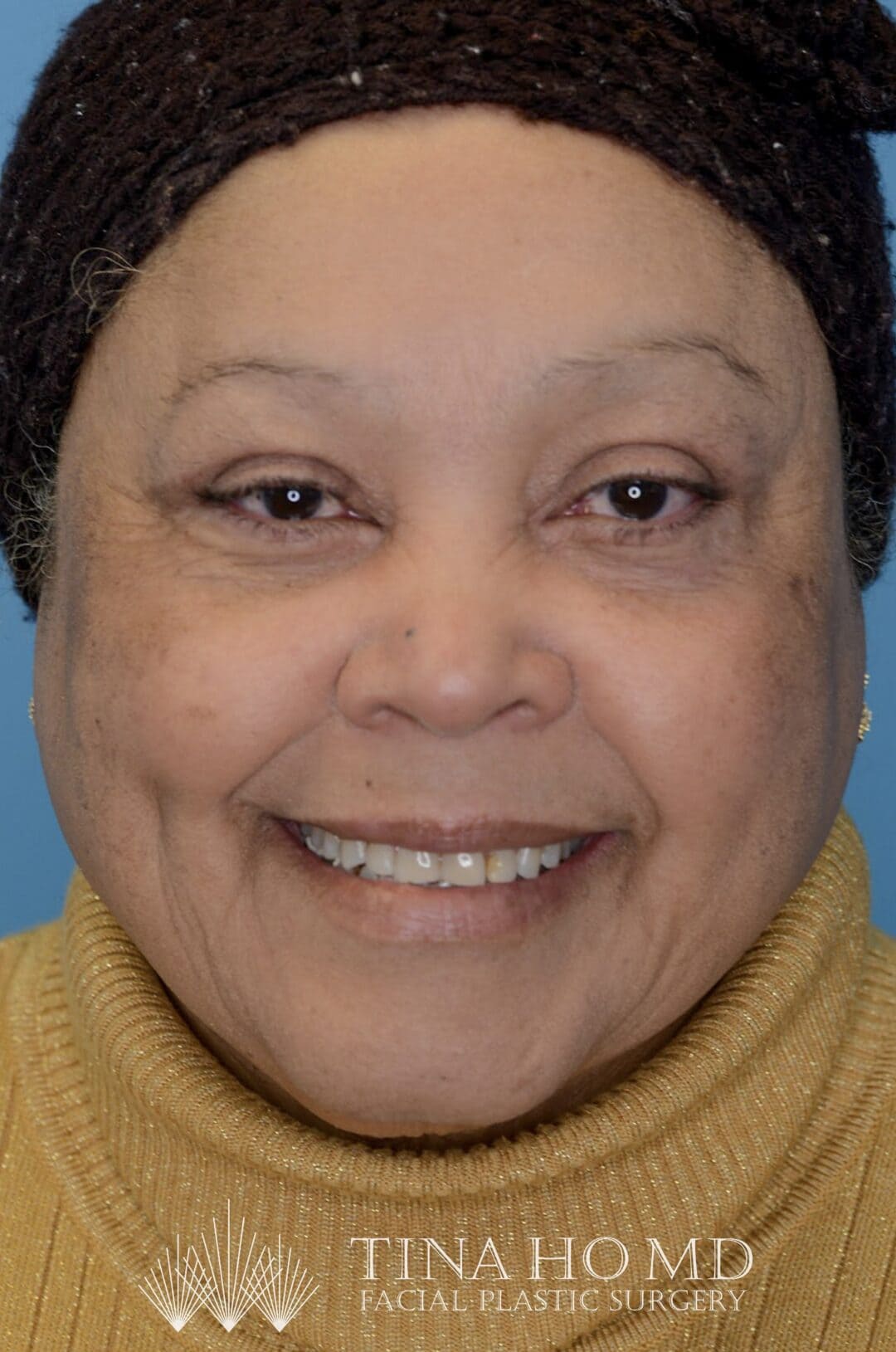

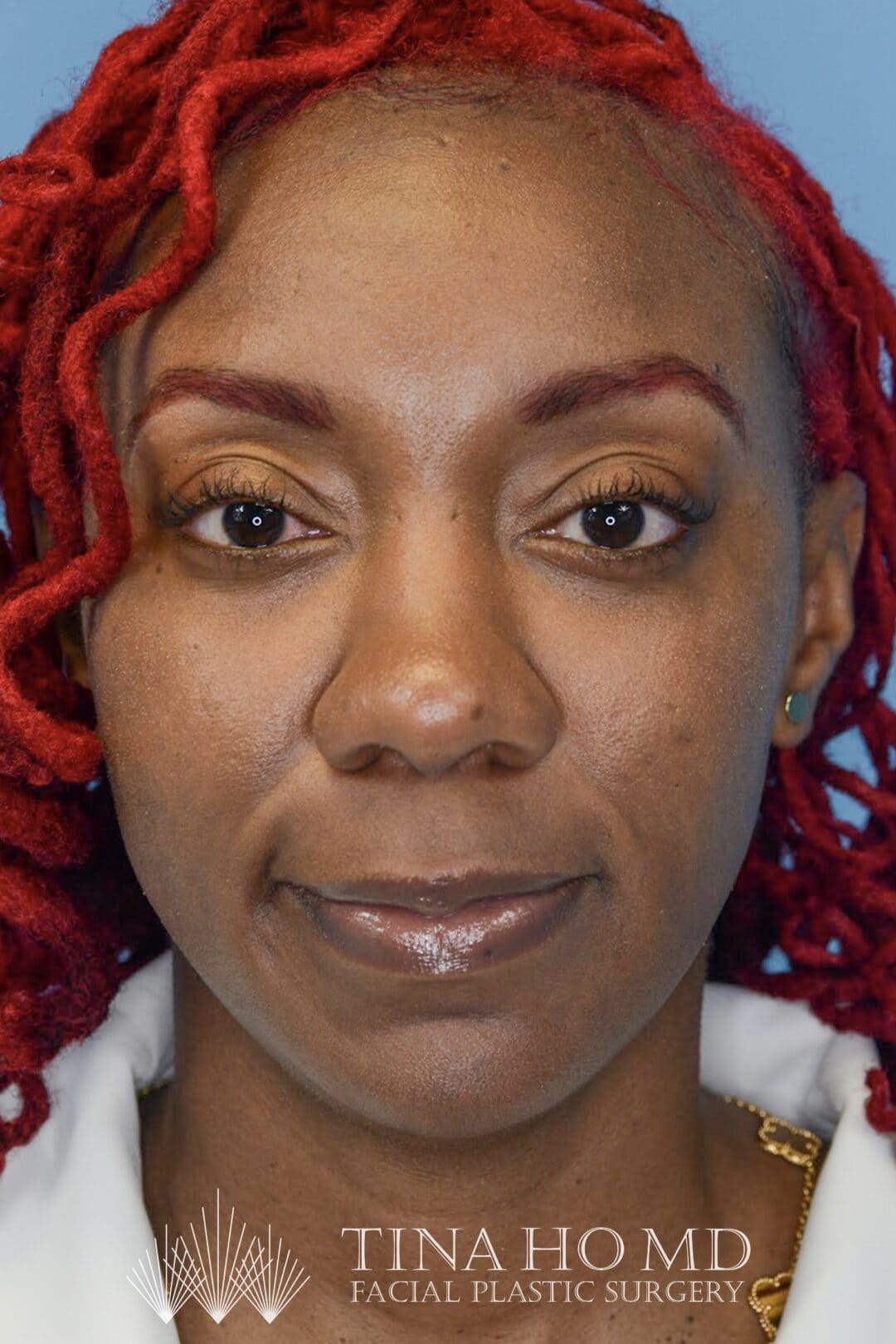
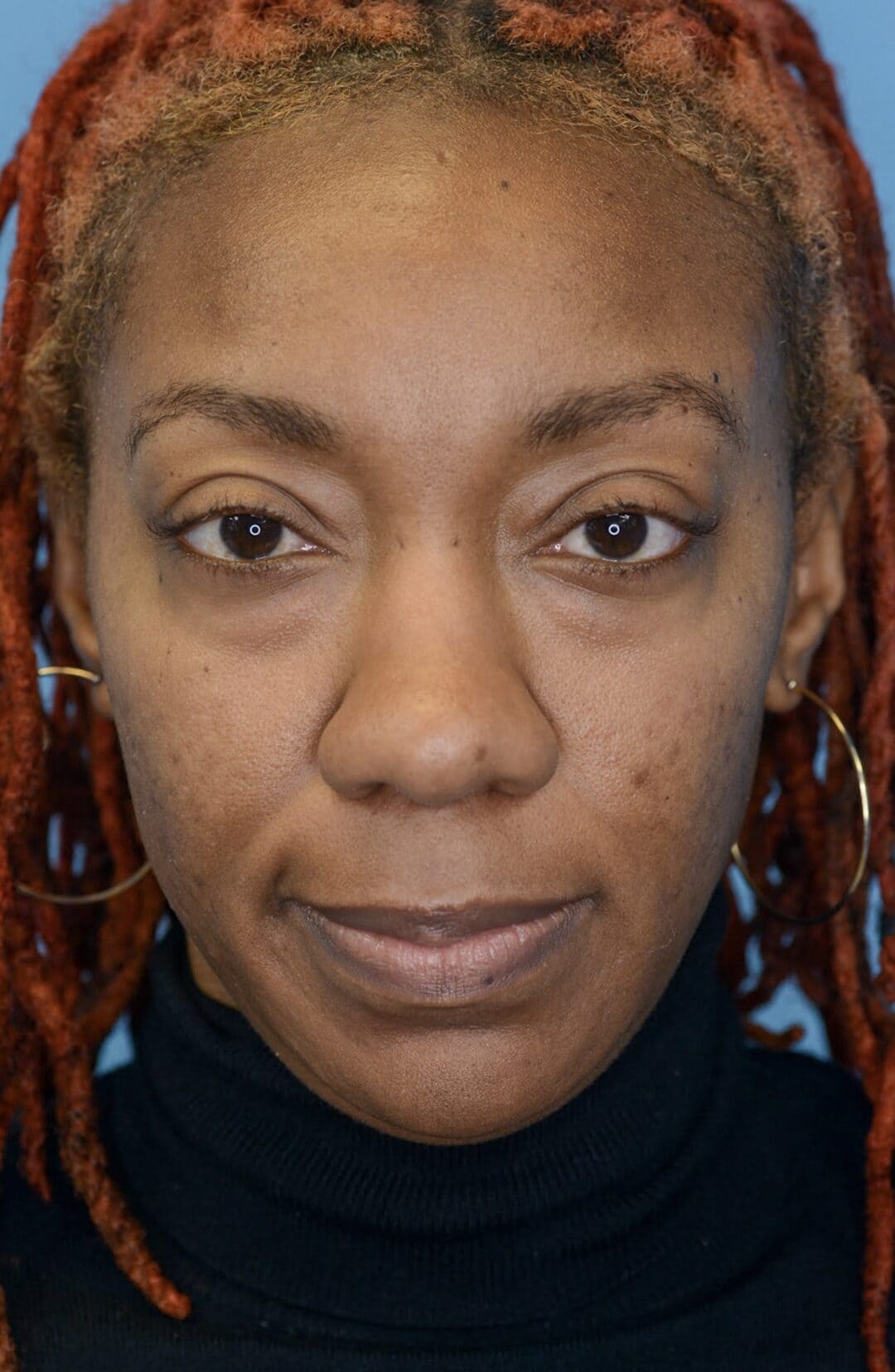


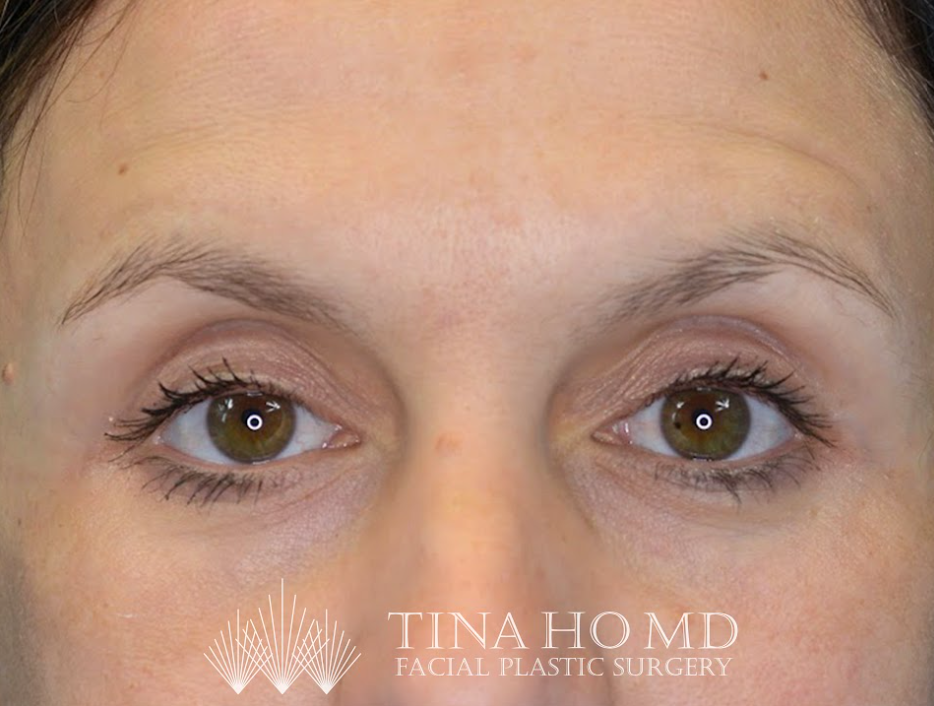
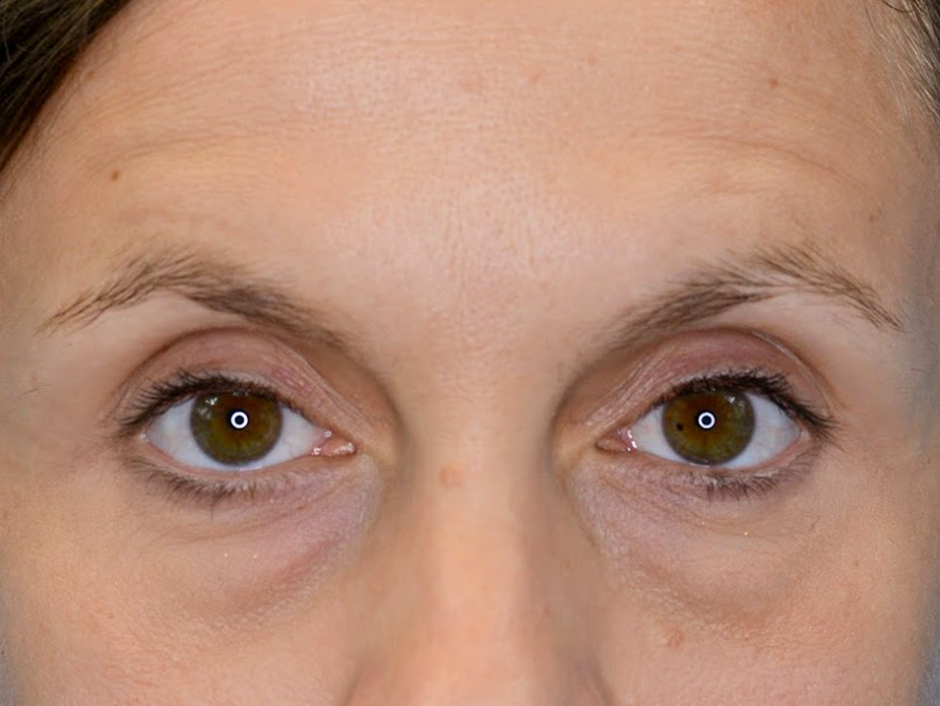
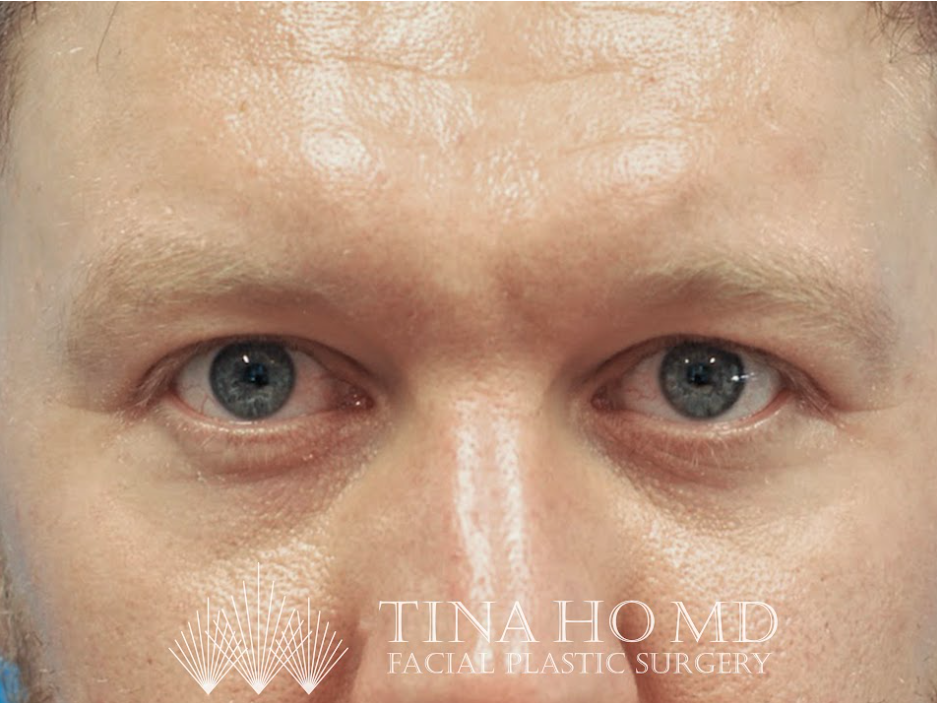
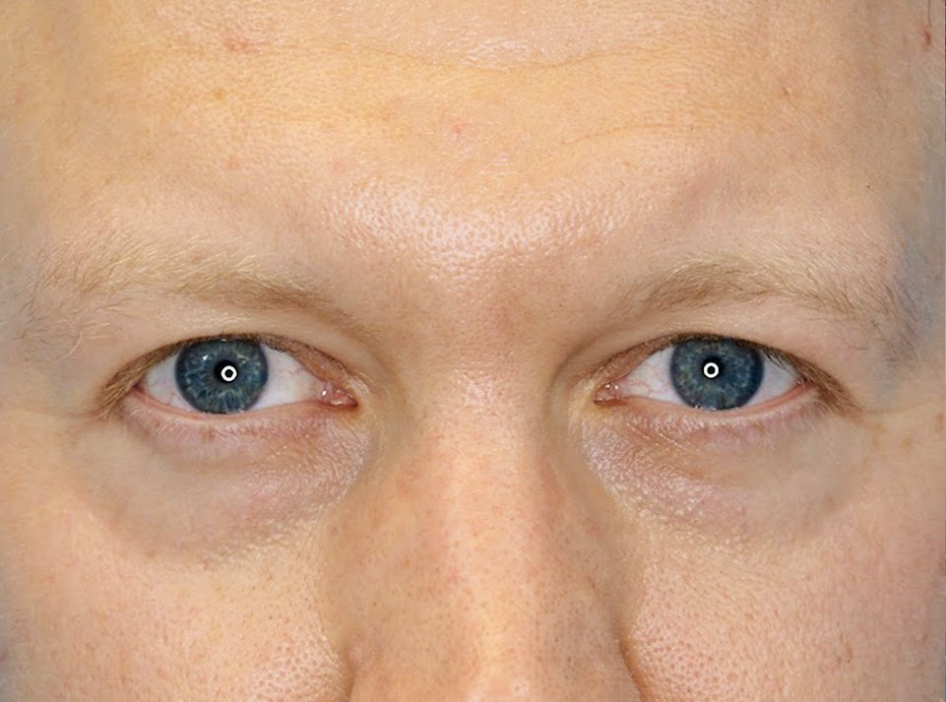

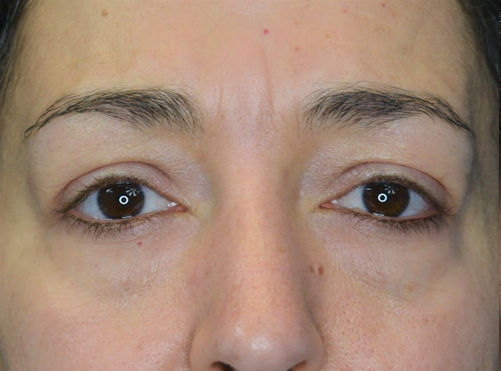
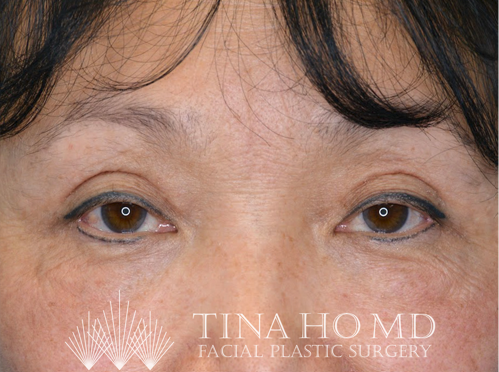
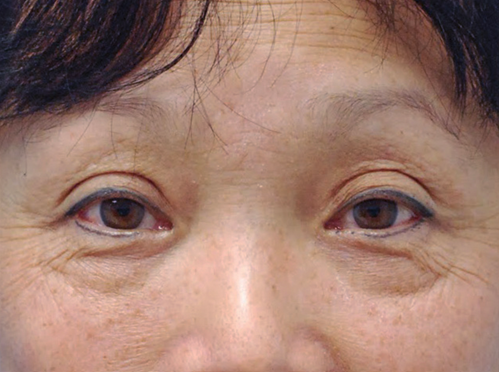
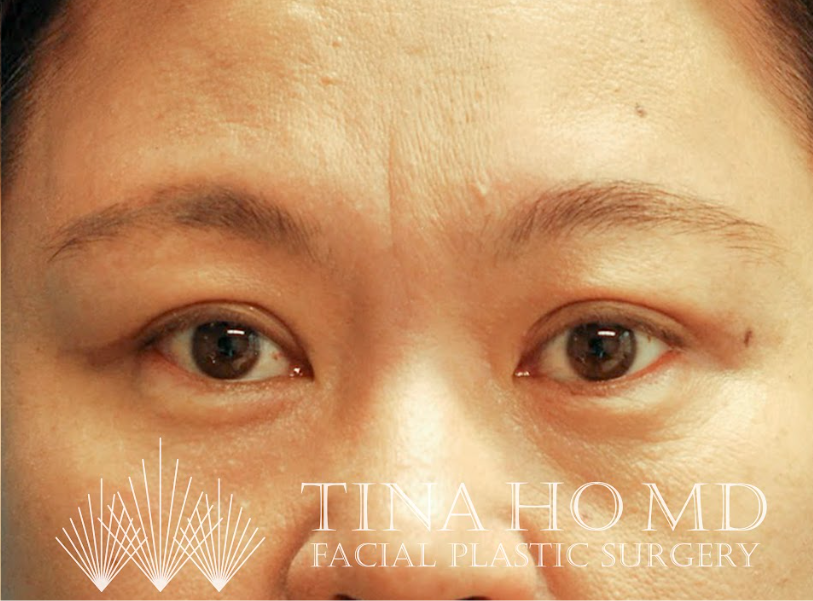
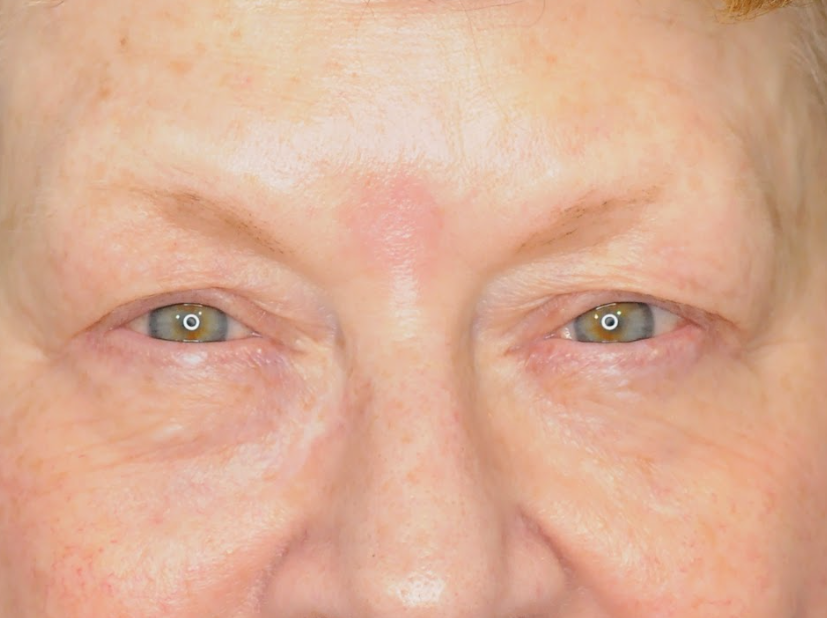
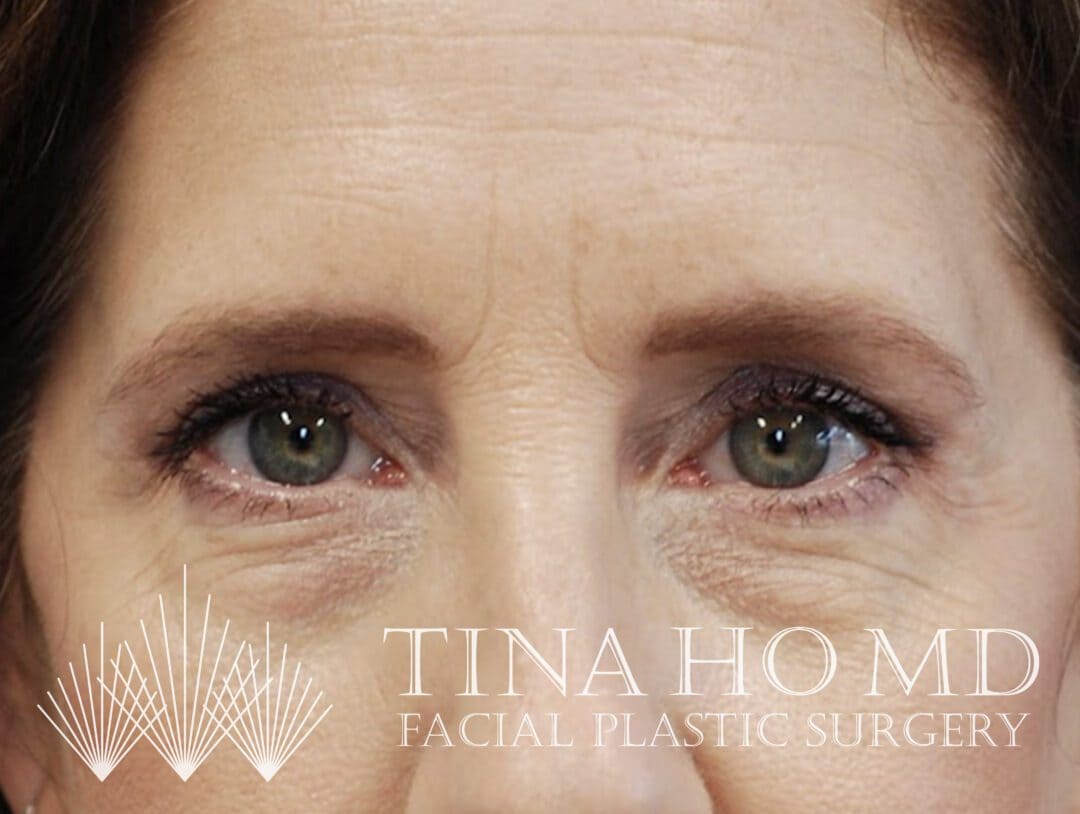
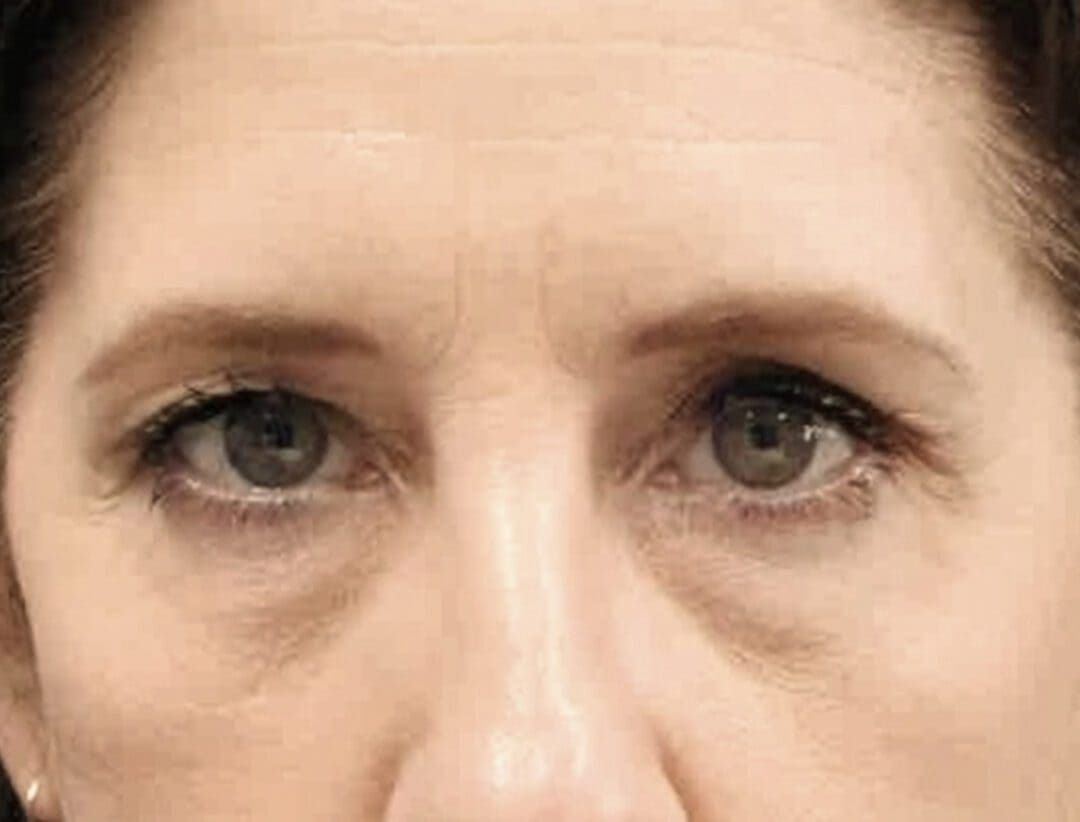
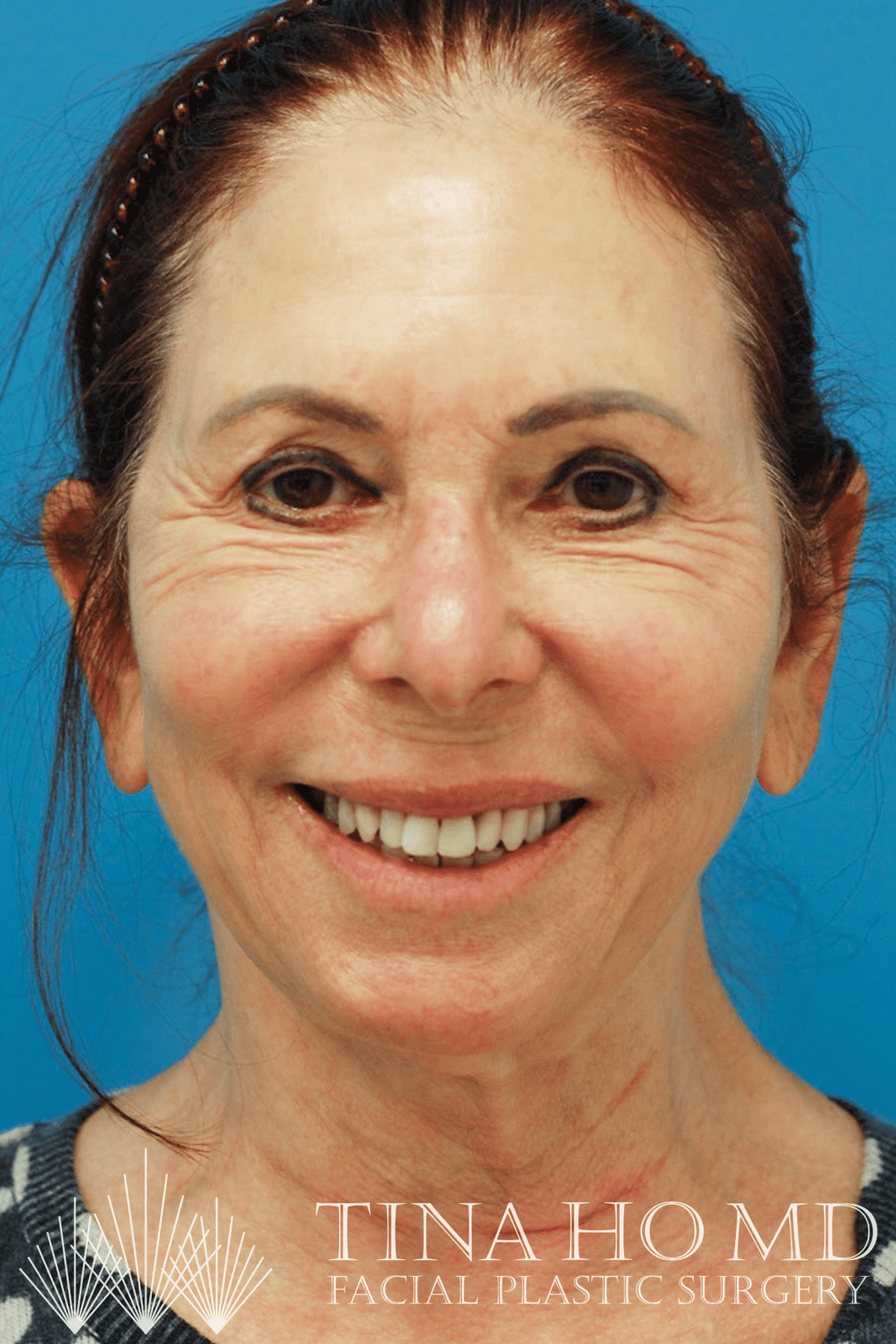
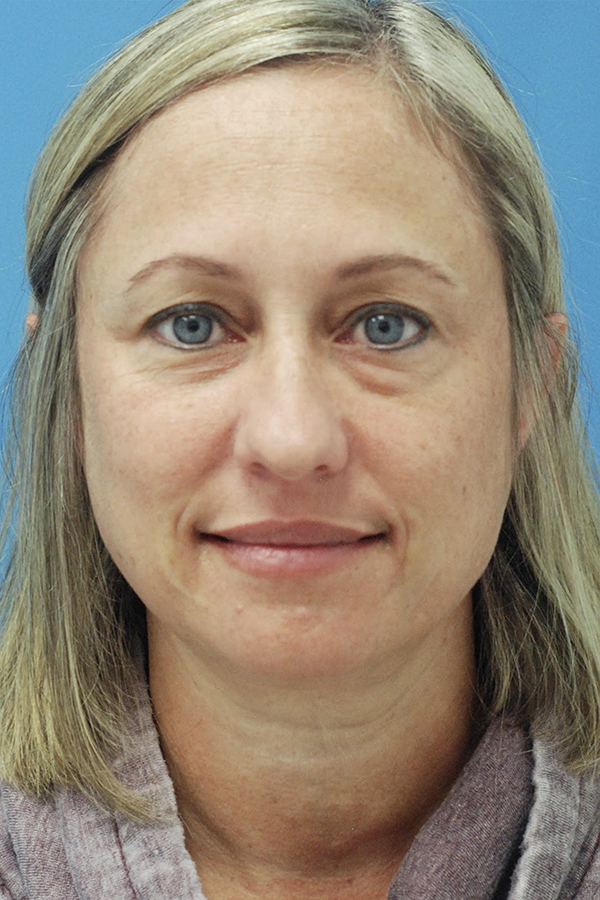
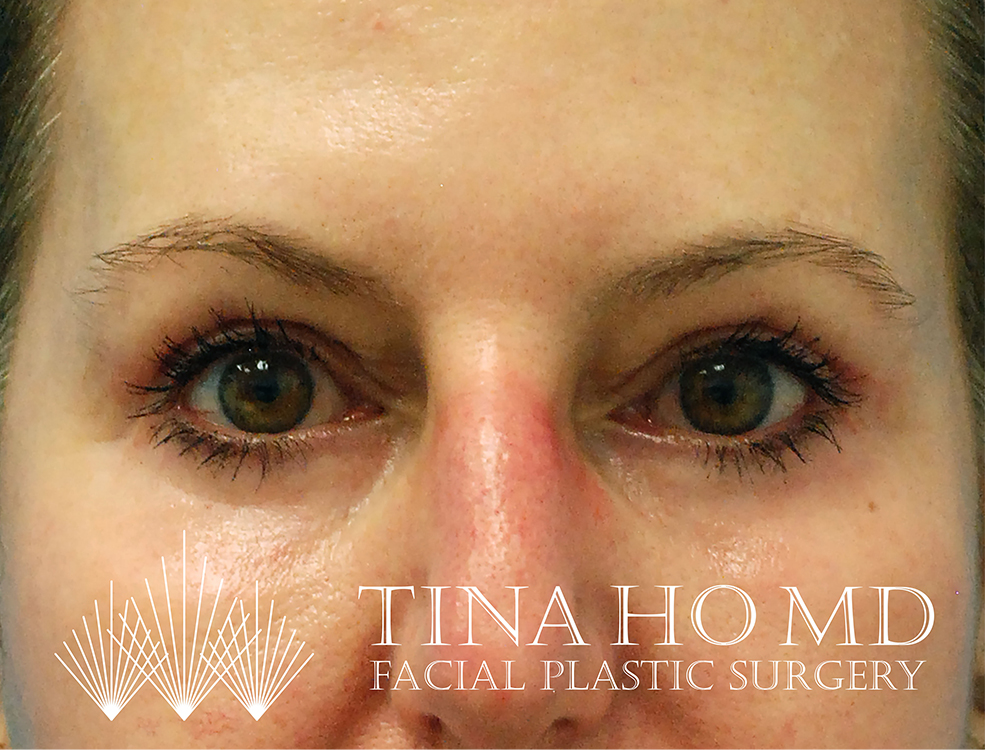
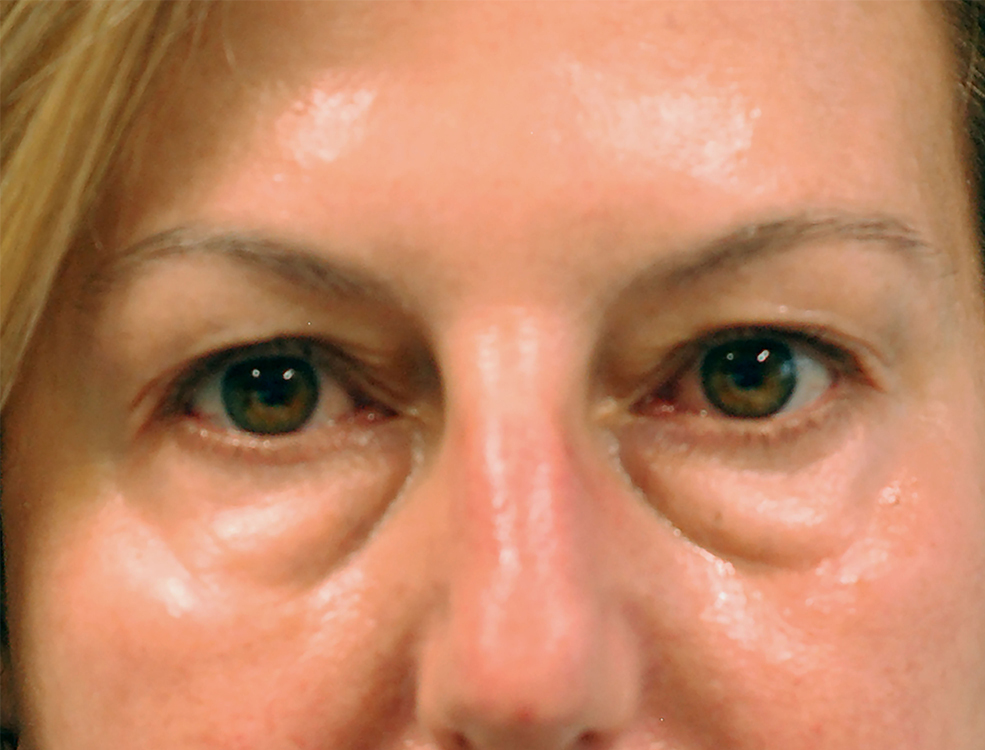
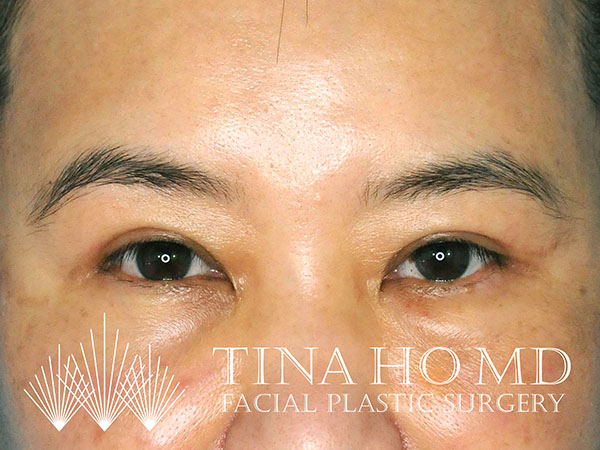
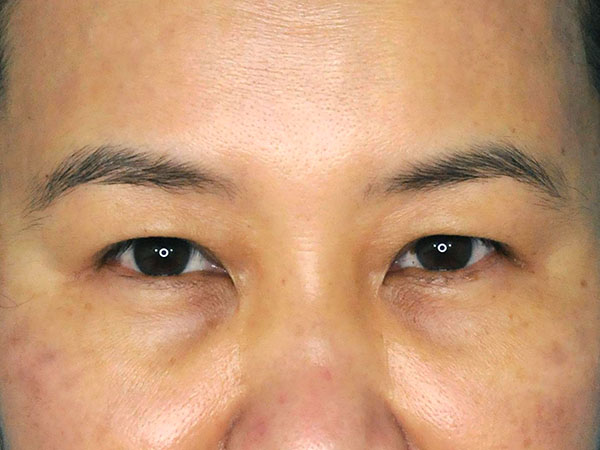
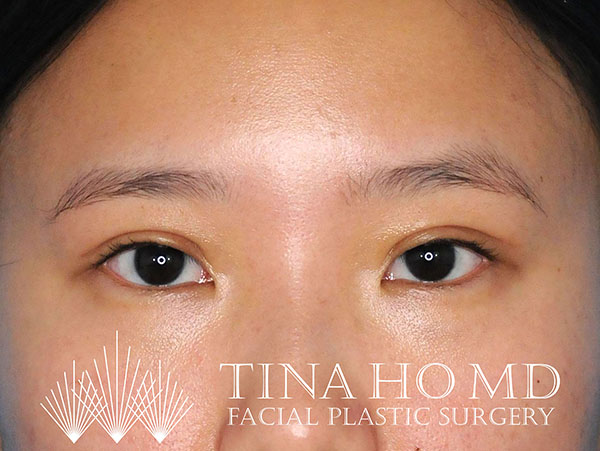
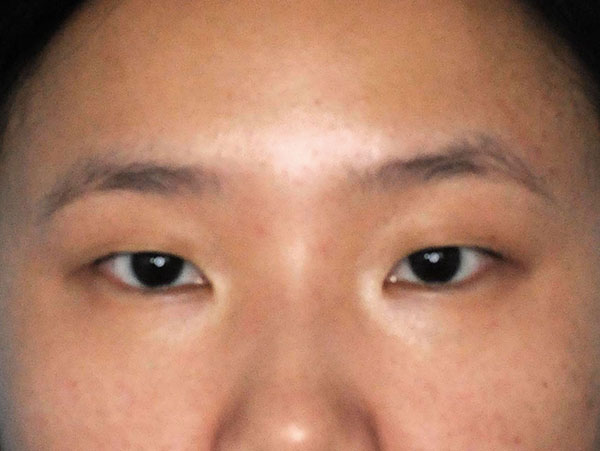
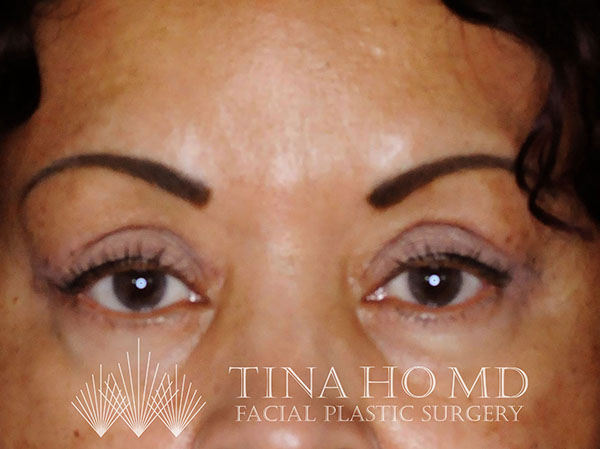
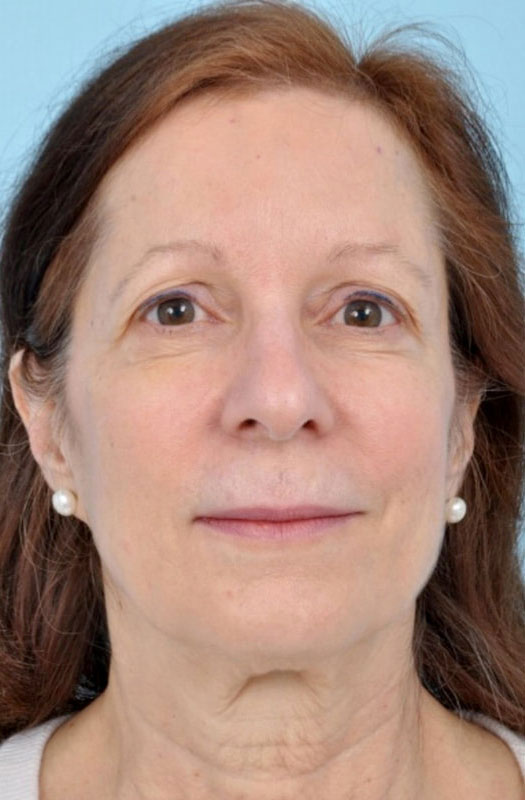
What Are Common Issues That Can Be Addressed With Blepharoplasty Surgery?
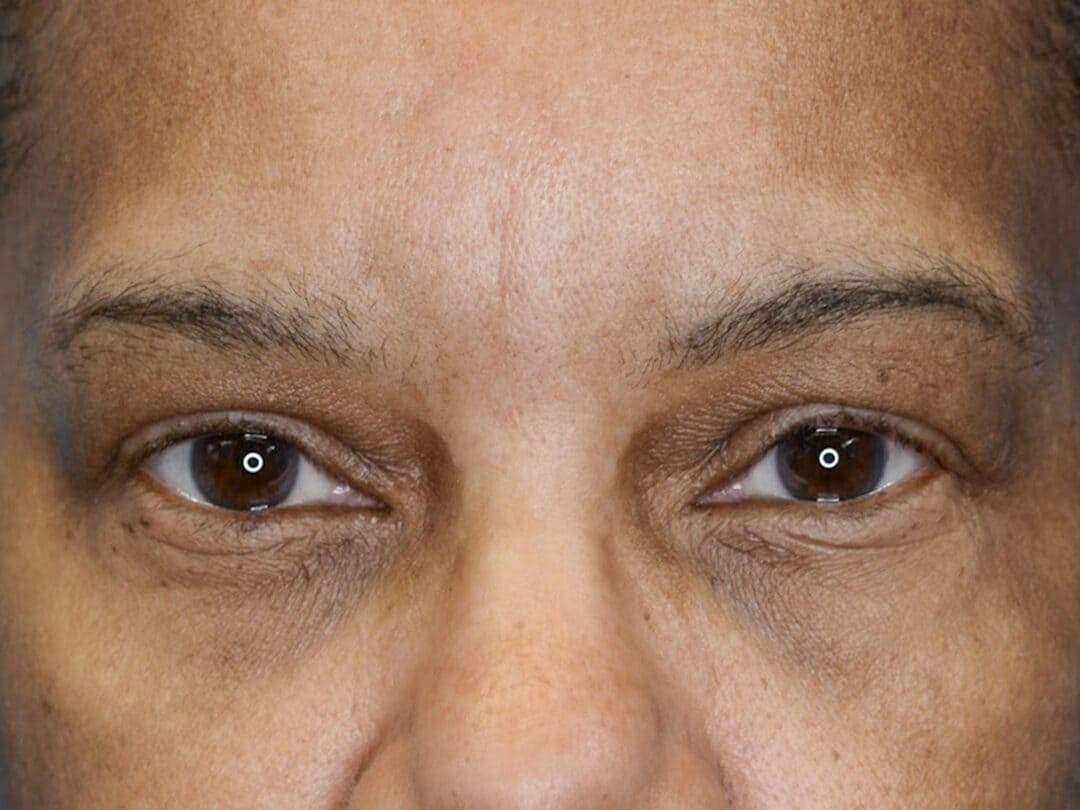
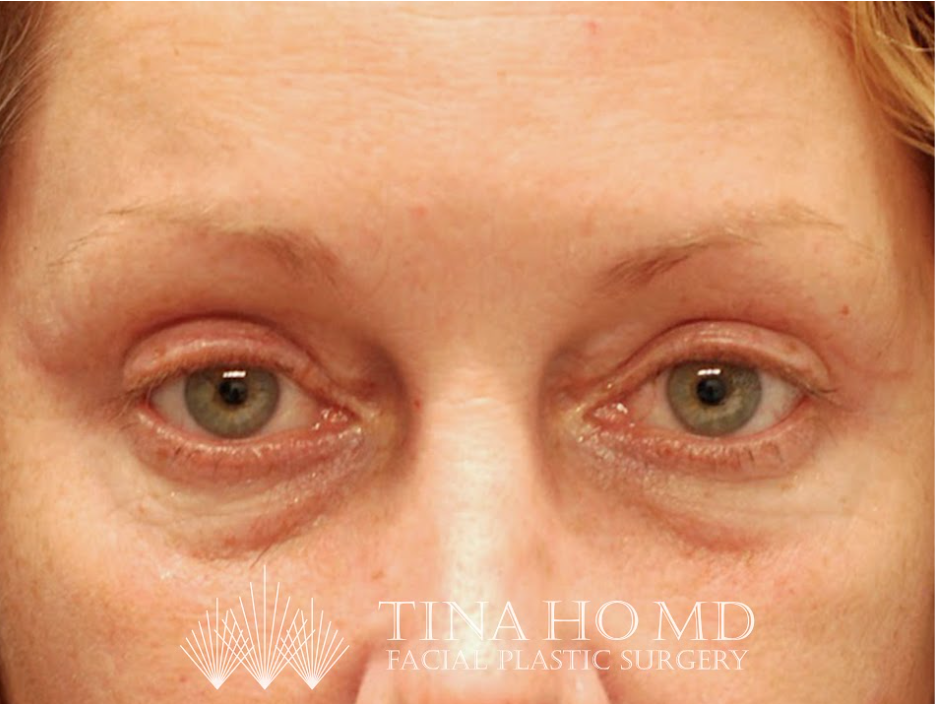
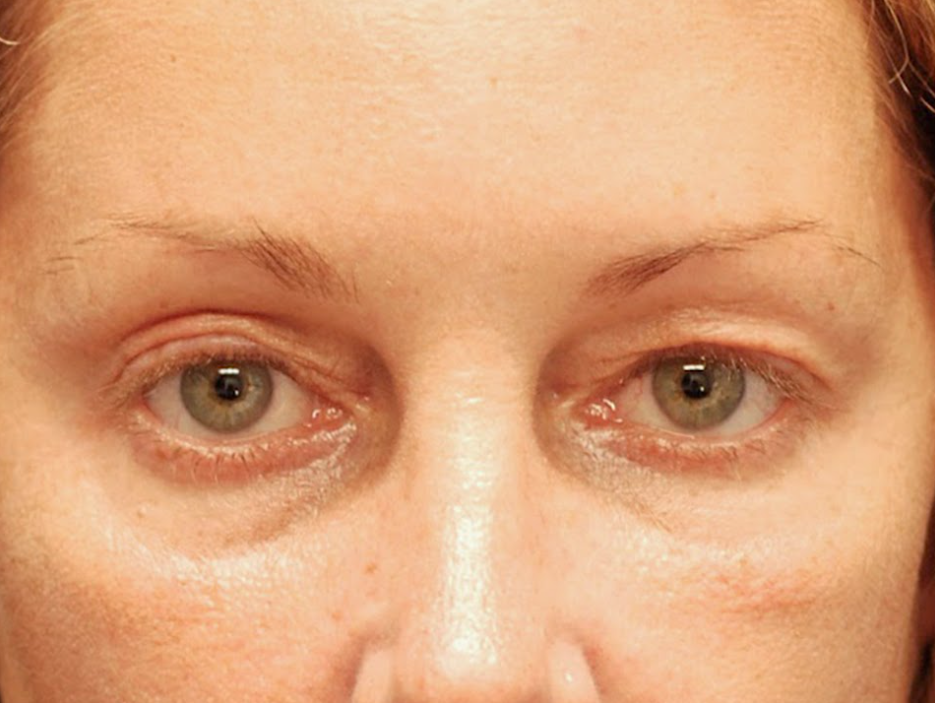
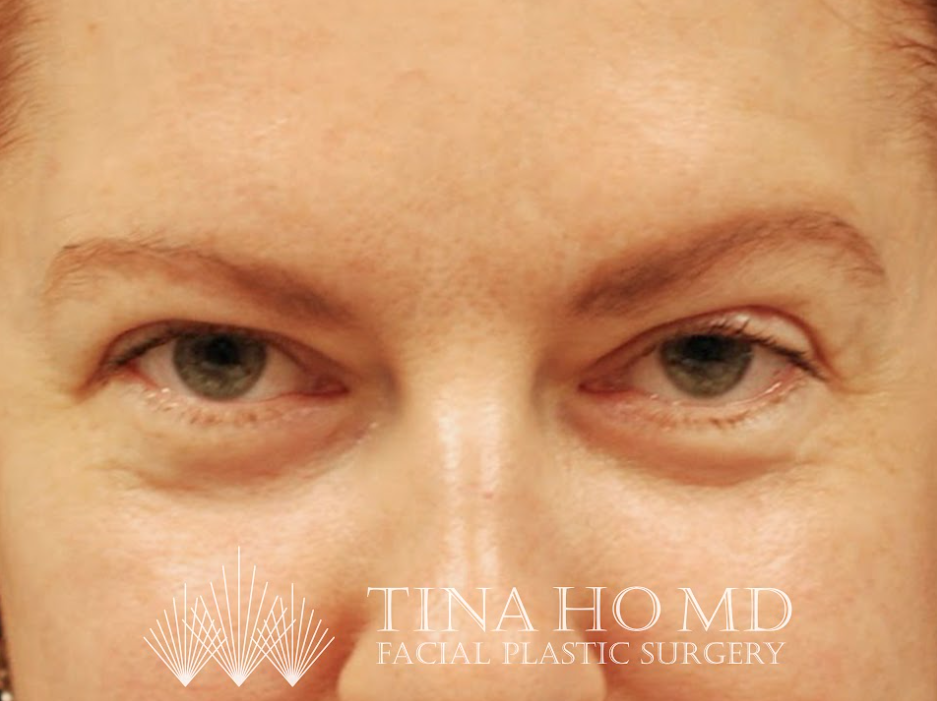
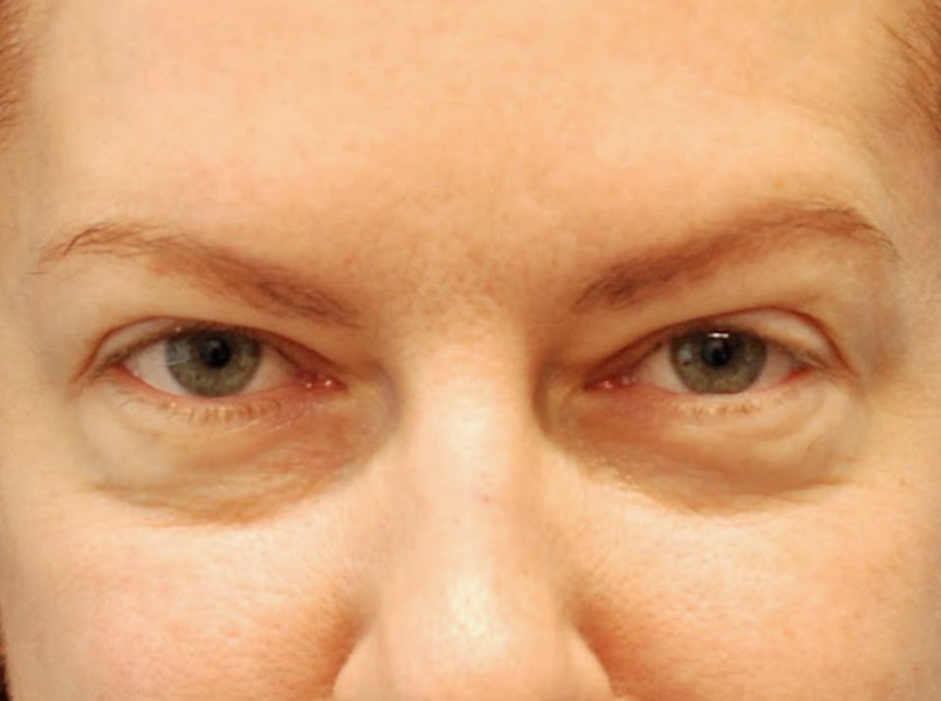
Common issues that can be improved or corrected by an eye lift include but are not limited to:
Skin Laxity
Heavy Upper Eyelids
Lower Eyelid Bags
Eyelid Crepiness
Tear Trough Deformity
Dark Circles Under the Eyes
Eyelid Puffiness
Dr. Ho is experienced in improving all of these issues with blepharoplasty surgery and will discuss with each patient her customized approach for each type of issue.





Why Choose Dr. Tina Ho for Blepharoplasty?
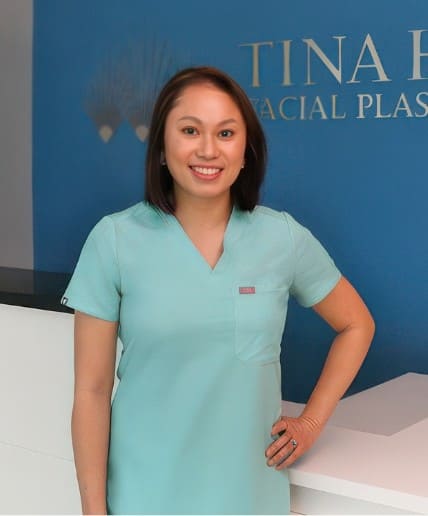
Dr. Ho stands out among her plastic surgeon peers in Philadelphia and Wayne as a double board certified blepharoplasty specialist with dedicated training in upper and lower eyelid surgery, including cosmetic blepharoplasty, revision blepharoplasty, and Asian eyelid surgery. She understands the complex and delicate nature of eyelid surgery as one of the most detail oriented procedures in facial plastic surgery and remains committed to achieving the most natural and rejuvenated results for her patients. Dr. Ho stays up to date on the latest blepharoplasty techniques to ensure precise, safe, and lasting outcomes. From the first consultation to the day of surgery and through every follow up visit, Dr. Tina Ho maintains an unwavering commitment to each blepharoplasty patient to maximize the success of their surgical result. She devotes the necessary time and attention every step of the way to make sure each patient feels comfortable and confident in their individualized surgical plan. Dr. Ho understands that the eyes are the focal point of facial expression and takes to heart the trust each patient places in her care. She specializes in blepharoplasty procedures that restore a refreshed, youthful look while preserving the natural character of the eyes. Dr. Ho is known by her patients as one of the best blepharoplasty surgeons in Philadelphia.
As a double board certified facial plastic surgeon, Dr. Ho specializes exclusively in aesthetic and reconstructive procedures of the head and neck region. She possesses dedicated training in cosmetic eyelid surgery from one of the top facial plastic and reconstructive surgery fellowship programs in the country under the mentorship of world renowned leaders in facial rejuvenation. Dr. Ho is a widely recognized regional blepharoplasty specialist with patients seeking her expertise from beyond Philadelphia and Wayne to throughout Pennsylvania, New Jersey, and New York. Dr. Ho dedicates ample time and effort with the aid of imaging software to establish realistic goals and expectations with every patient. She has the training and experience to implement the most advanced surgical techniques, including skin and fat repositioning and precise tissue sculpting to improve eyelid contour and restore a natural, youthful appearance. She always tailors her approach to the specific surgical needs and goals of each patient. Furthermore, Dr. Ho closely follows her patients after surgery to ensure that each individual heals well and is fully satisfied with their outcome.

Blepharoplasty by Dr. Tina Ho
Types of Blepharoplasty
Dr. Tina Ho, MD, offers advanced surgical procedures tailored to your unique aesthetic goals. With a commitment to natural-looking results and personalized care, Dr. Ho combines her extensive expertise with an artistic eye to help you achieve the refined and confident appearance you desire. Explore the possibilities for transformative change with a trusted and skilled facial plastic surgeon.
Asian Blepharoplasty
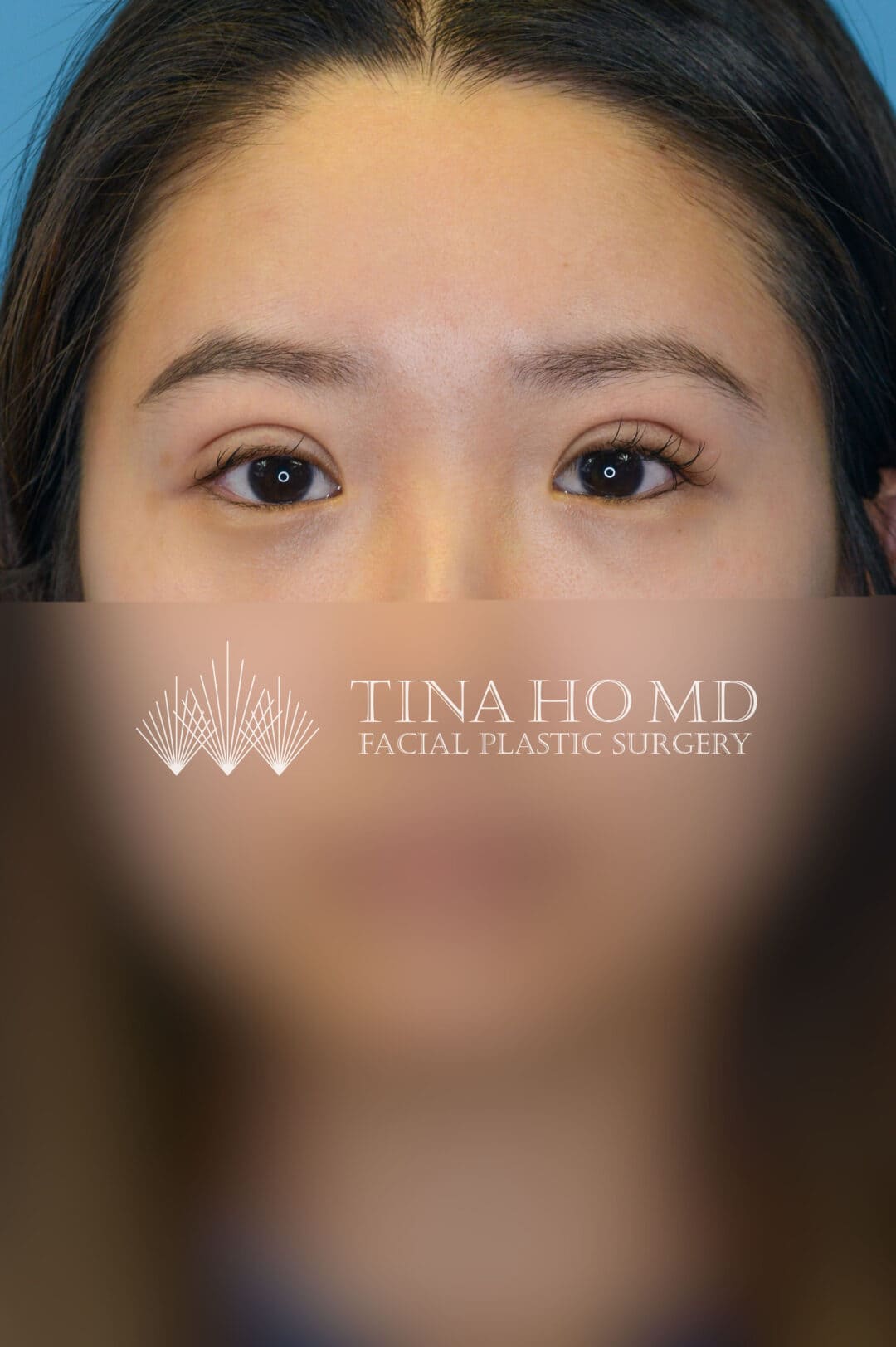
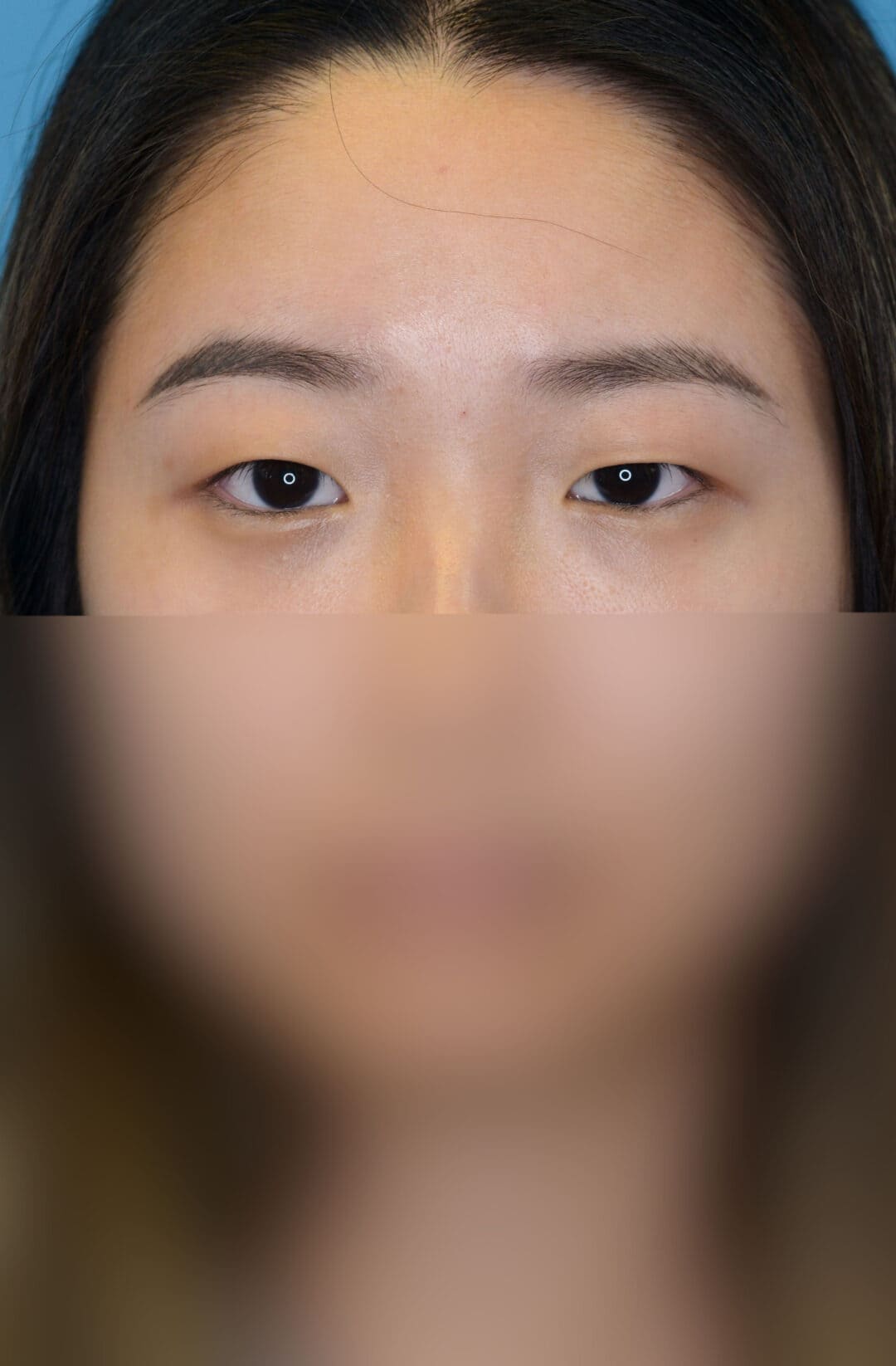
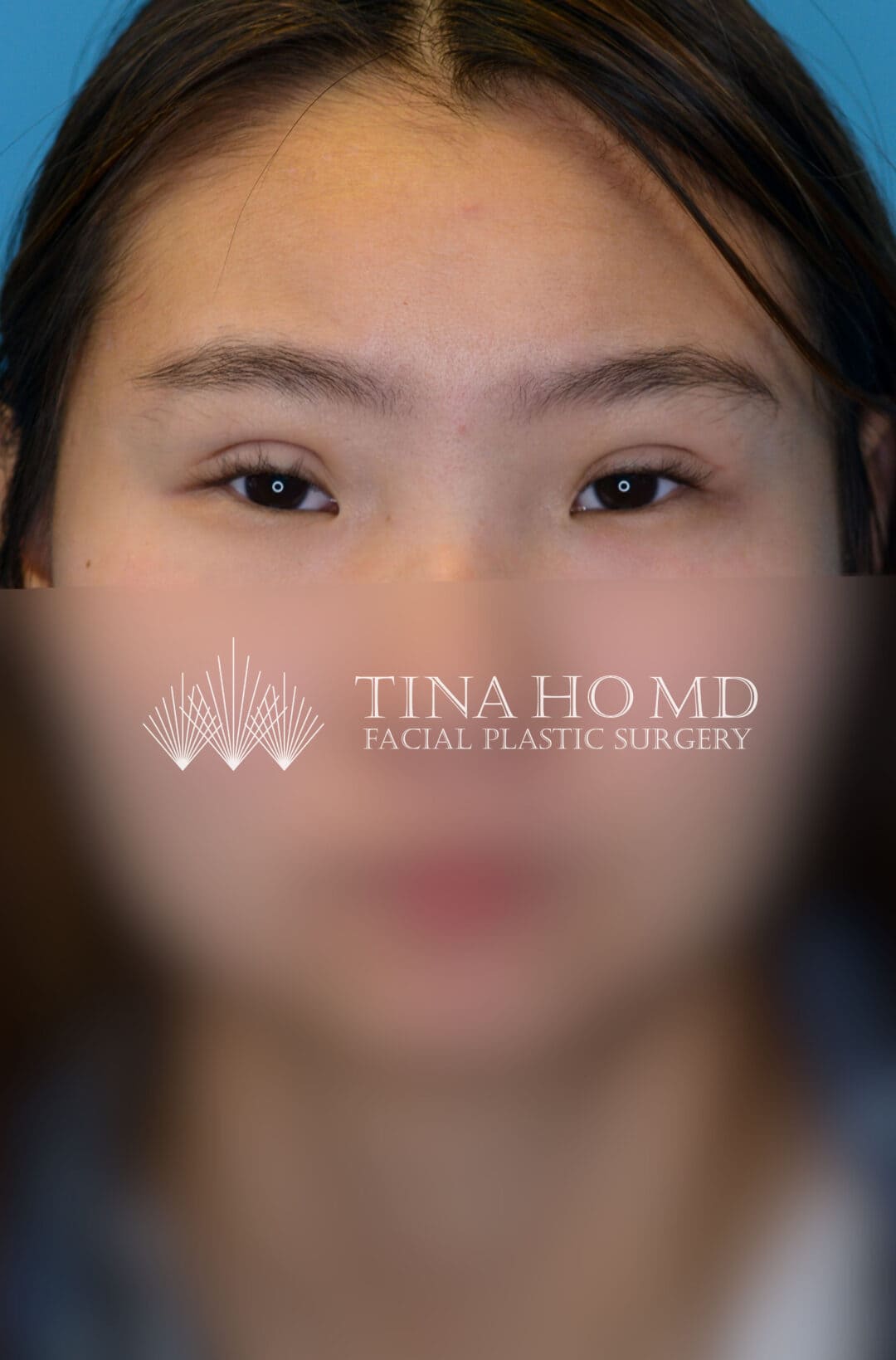
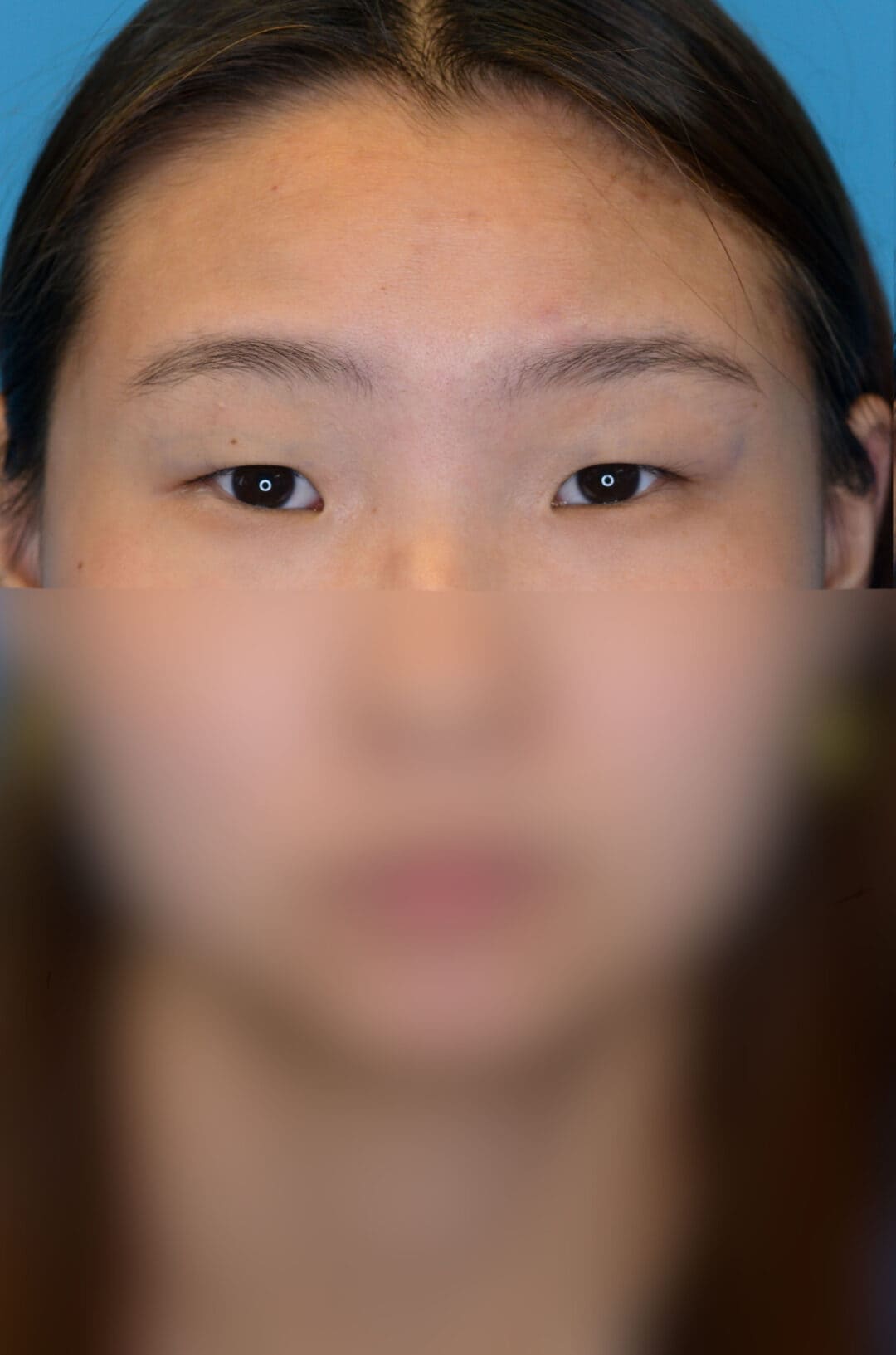
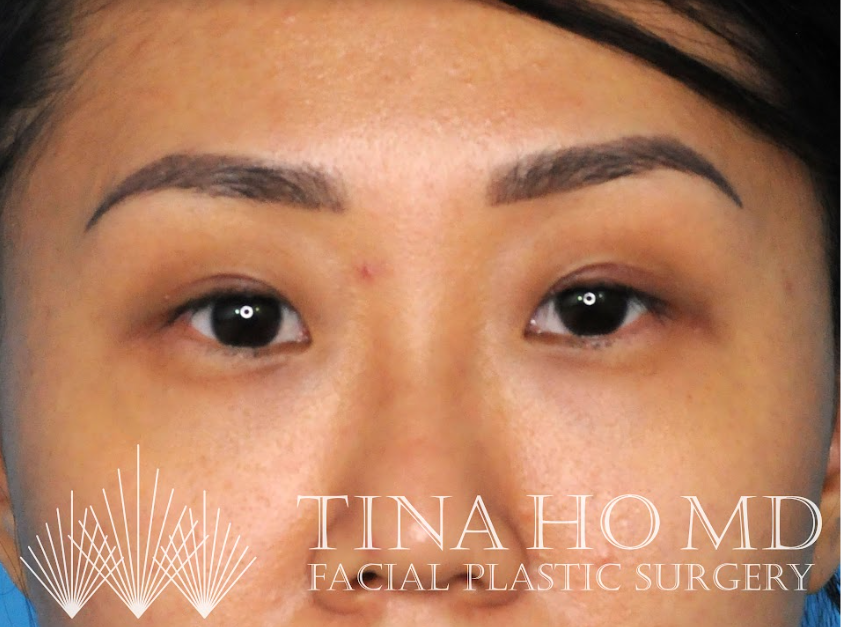
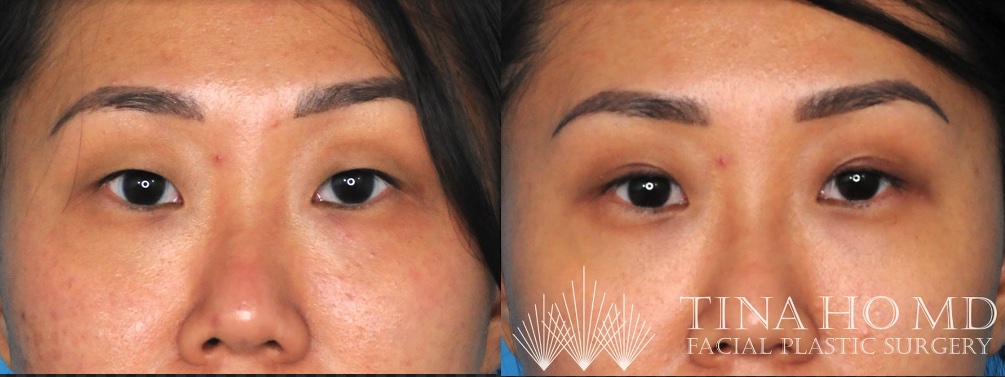
Dr. Tina Ho specializes in Asian Blepharoplasty, or double eyelid surgery, to create natural-looking upper eyelid creases for patients desiring this feature. Her approach respects individual anatomy and cultural aesthetics, ensuring results that enhance both function and appearance.
Upper Eyelid Lift
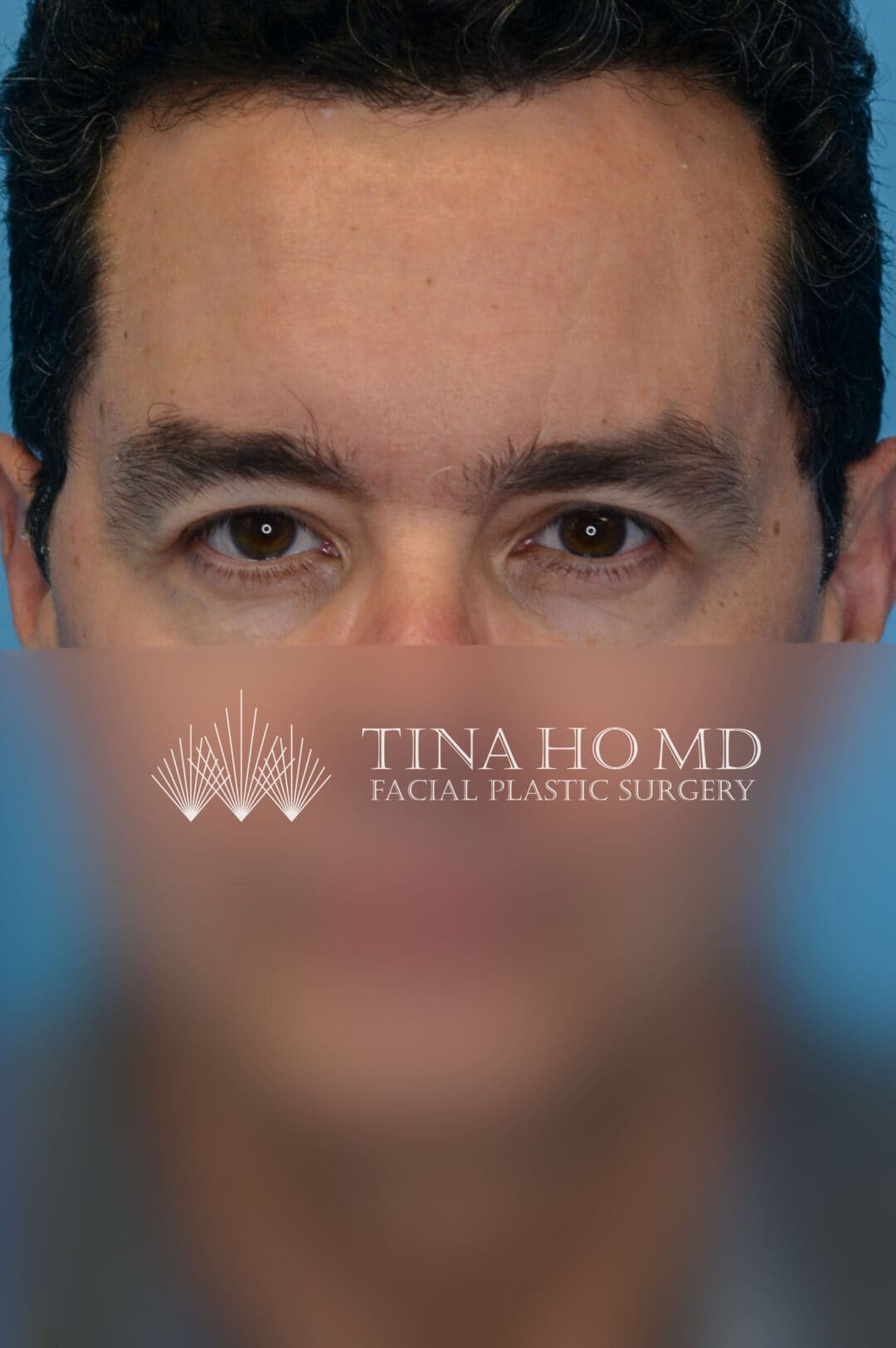
The Upper Eyelid Lift restores a refreshed, youthful appearance by removing excess skin and fat from the upper eyelids. This procedure alleviates heaviness, reduces puffiness, and enhances the overall contour of the eyes, providing natural-looking results with minimal downtime.
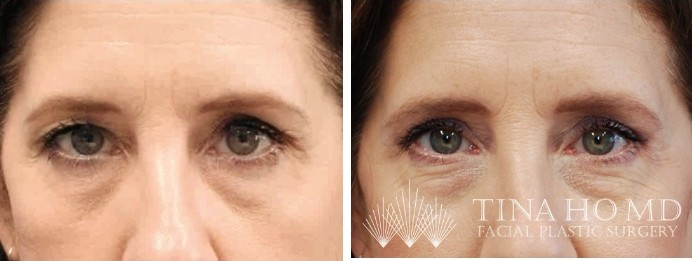
Lower Eyelid Surgery
Lower-eyelid surgery rejuvenates tired eyes by safely removing under-eye bags and smoothing the lid-cheek junction. With careful technique often combined with filler, she creates a refreshed, natural look with virtually no downtime.
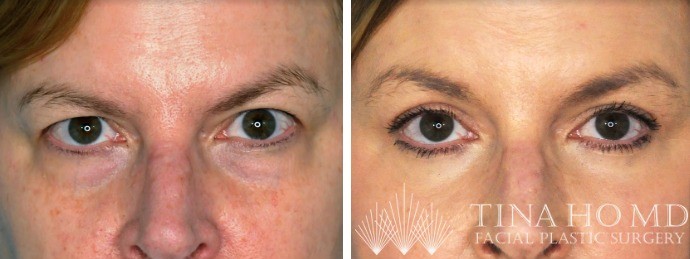
Additional Facial Rejuvenation Procedures
Dr. Ho believes that while every face is unique, the ideal eyelids carry a more awake and refreshed appearance that remains harmonious with the rest of the face. The ideal eye aperture is 10 to 12 millimeters vertically from the upper eyelid to the lower eyelid and about 30 millimeters, or the length of the distance between the eyelids, in width. The ideal lower eyelid rests 1 millimeter above the inferior border of the iris, whereas the ideal upper eyelid spans a vertical distance of 8 to 10 millimeters from the upper eyelid crease to its inferior edge, which rests at the superior border of the iris.
Eyebrow position is an additional important consideration in eyelid assessment. The ideal eyebrow rests just above the supraorbital rim, or upper bony edge of the eye socket, and arches at the level of the lateral border of the iris in females. In males, the ideal eyebrow typically rests at the supraorbital rim with less arching. The medial end of each eyebrow should line up vertically with the lateral aspect of the nostril on the same side, while the lateral end should align along an oblique line that passes tangentially from the nostril to the lateral corner of the eye on the same side. Dr. Ho uses these anatomic principles as the foundation for her surgical technique as well as her aesthetic intuition in eyelid rejuvenation.
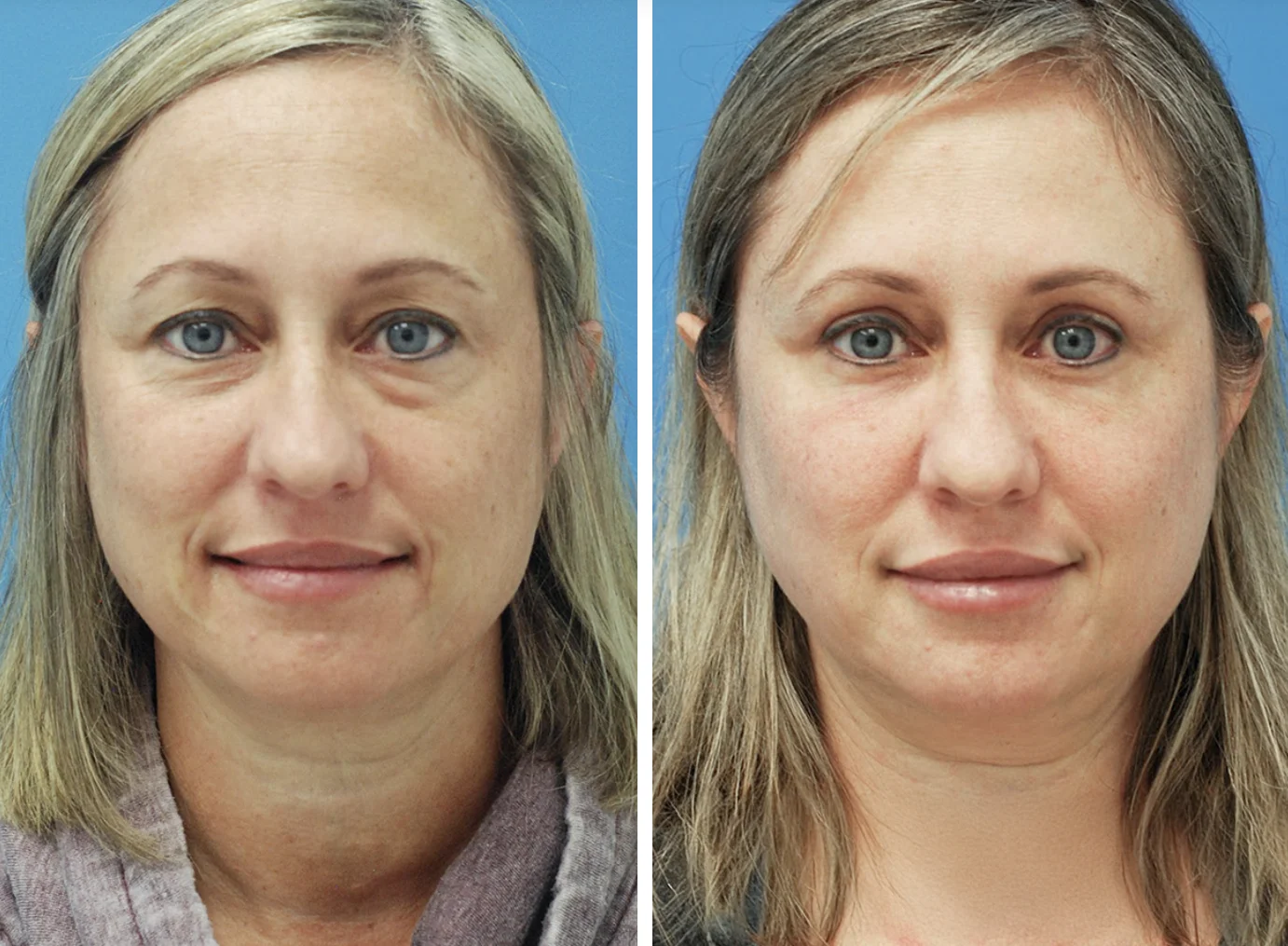
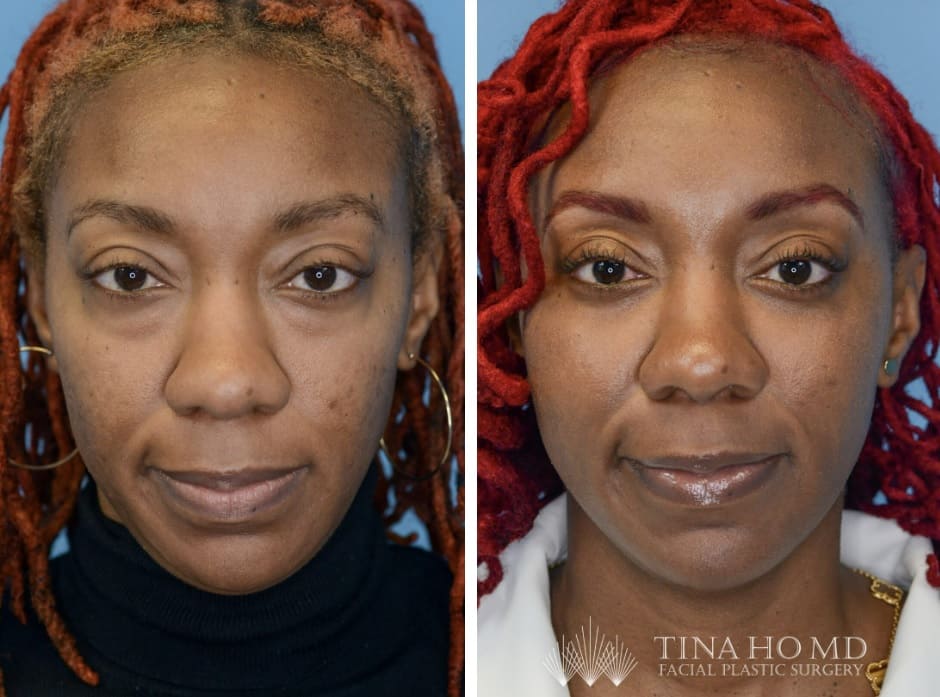
Before and After
Dr. Ho’s Blepharoplasty Results
Quinfecta Eyebrow and Eyelid Rejuvenation Approach: Patient Review and Results
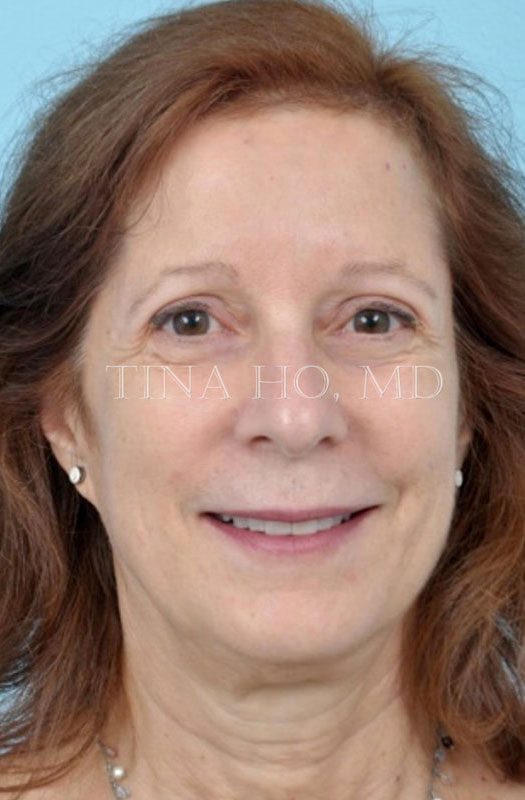
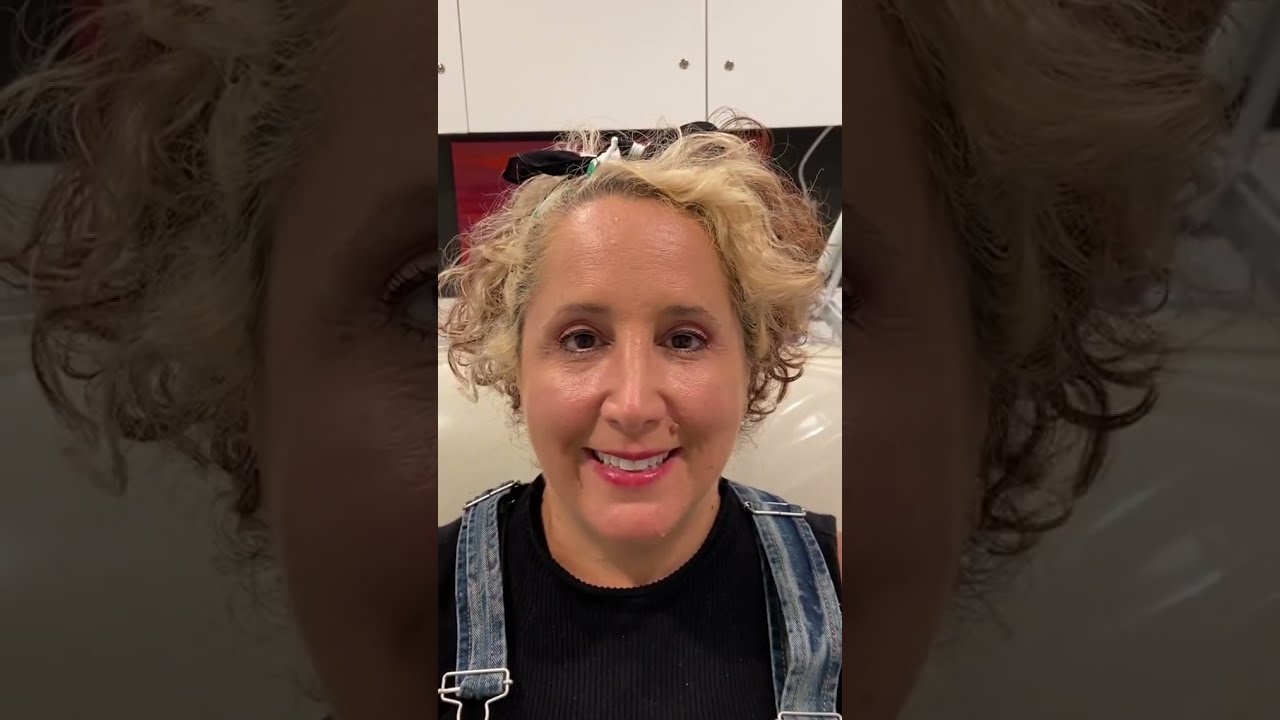
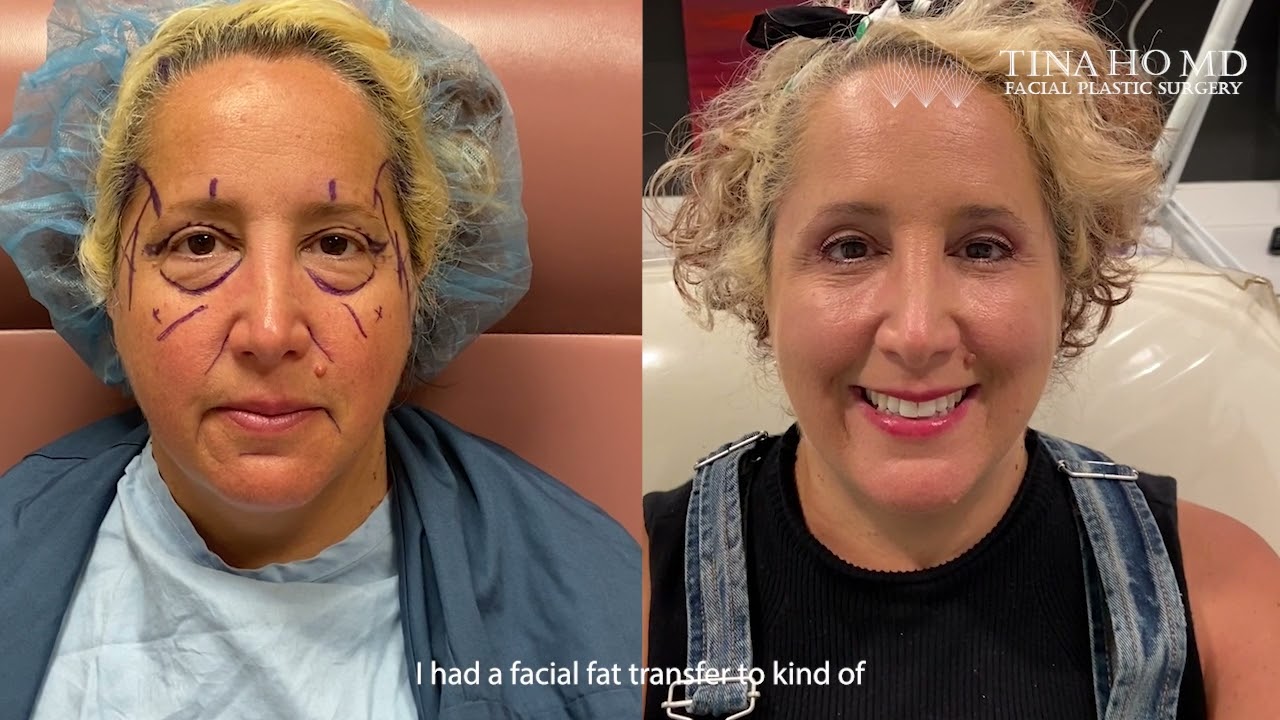
“I do not have enough words to express my joy with Dr Ho and her artistry! A couple of months ago, at the recommendation of a dear friend, I met with Dr. Ho to discuss options for my eyes in particular…After my consultation, I decided to proceed with her recommendation of an eyebrow lift, upper/lower blepharoplasty (eyelids), facial fat transfer and laser resurfacing. My surgery went beautifully…Just a little over two months after surgery and I am already completely healed. Honestly, I was in great shape one month in but now you cannot even tell that I had anything done! All people notice is that “something” is different, I look “refreshed” and….the best one…..you look ten years younger! What is your secret??? My secret is Dr. Tina Ho and I don’t mind telling everyone because if you are looking to refresh your look, this is a name you definitely need to know!”
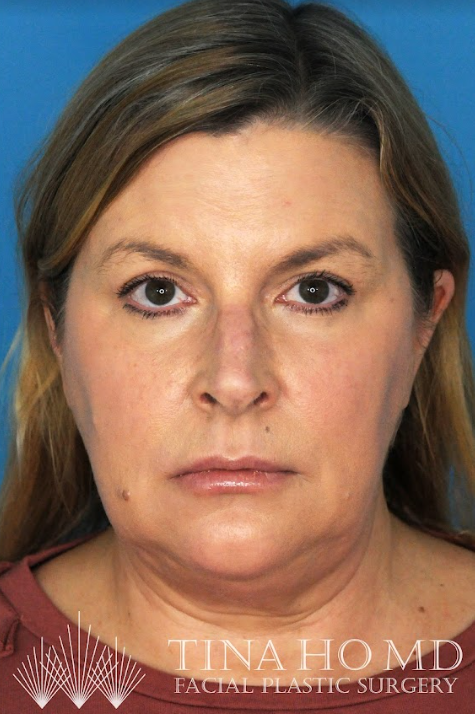
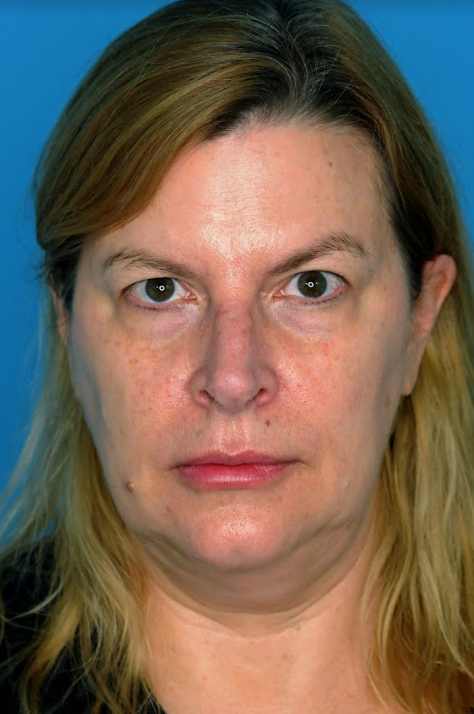
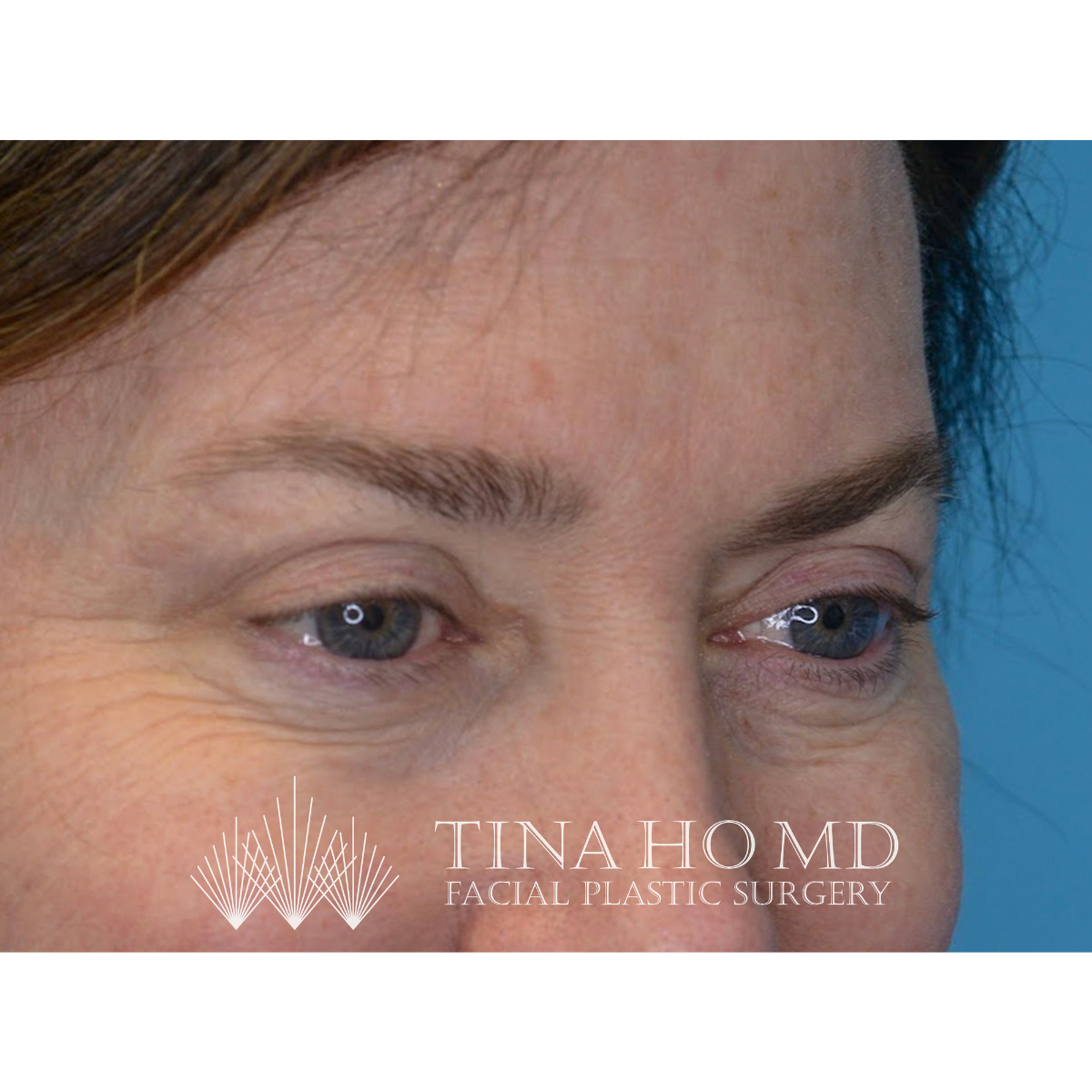
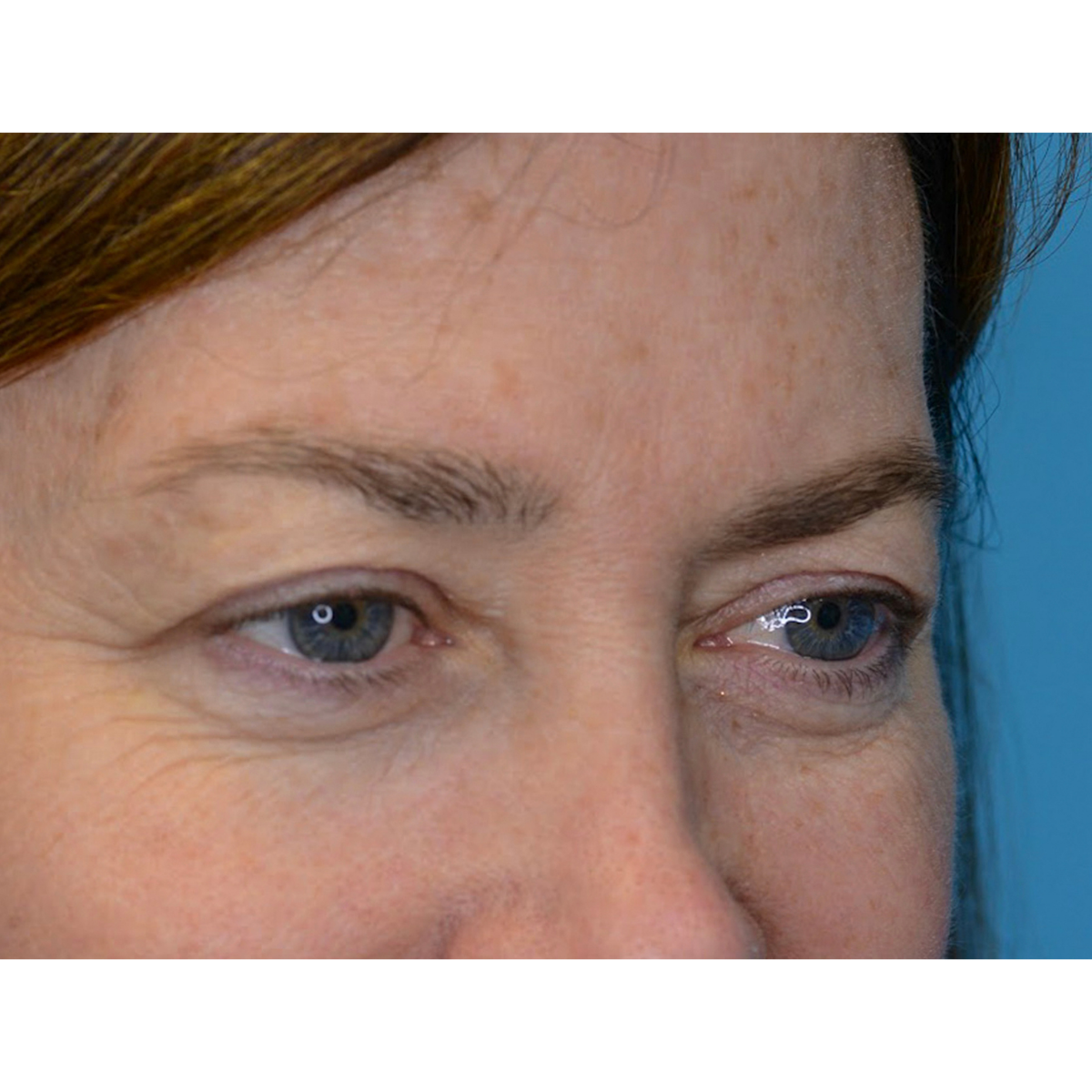
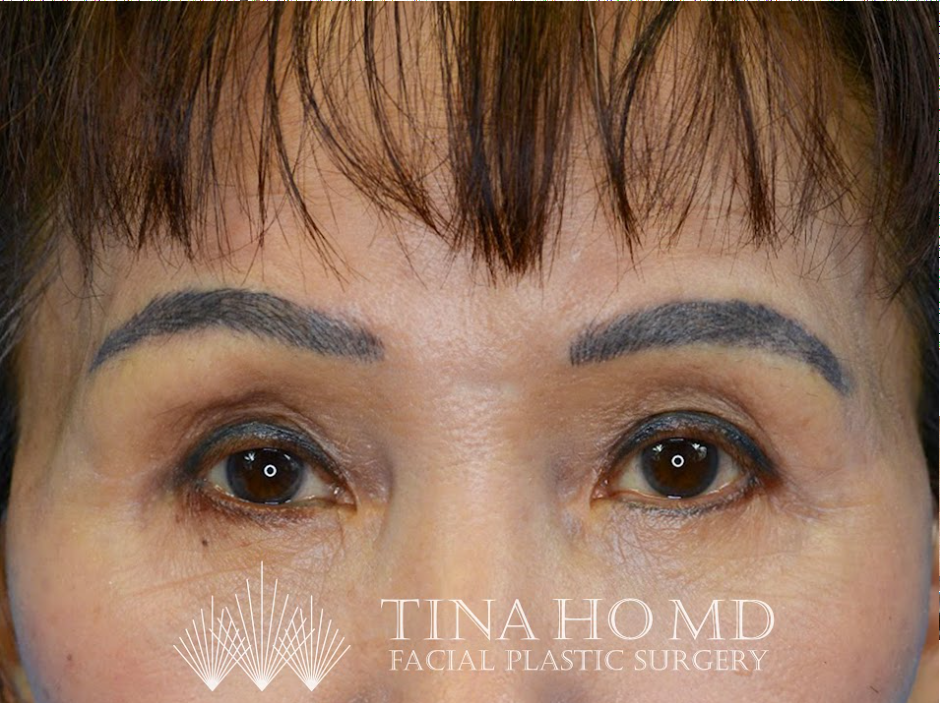
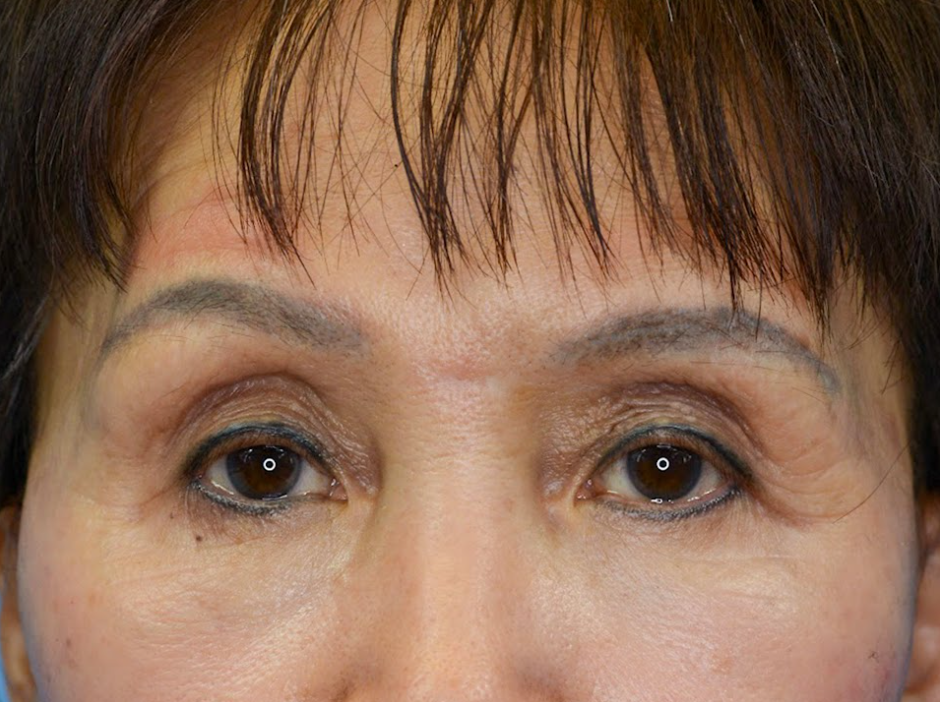
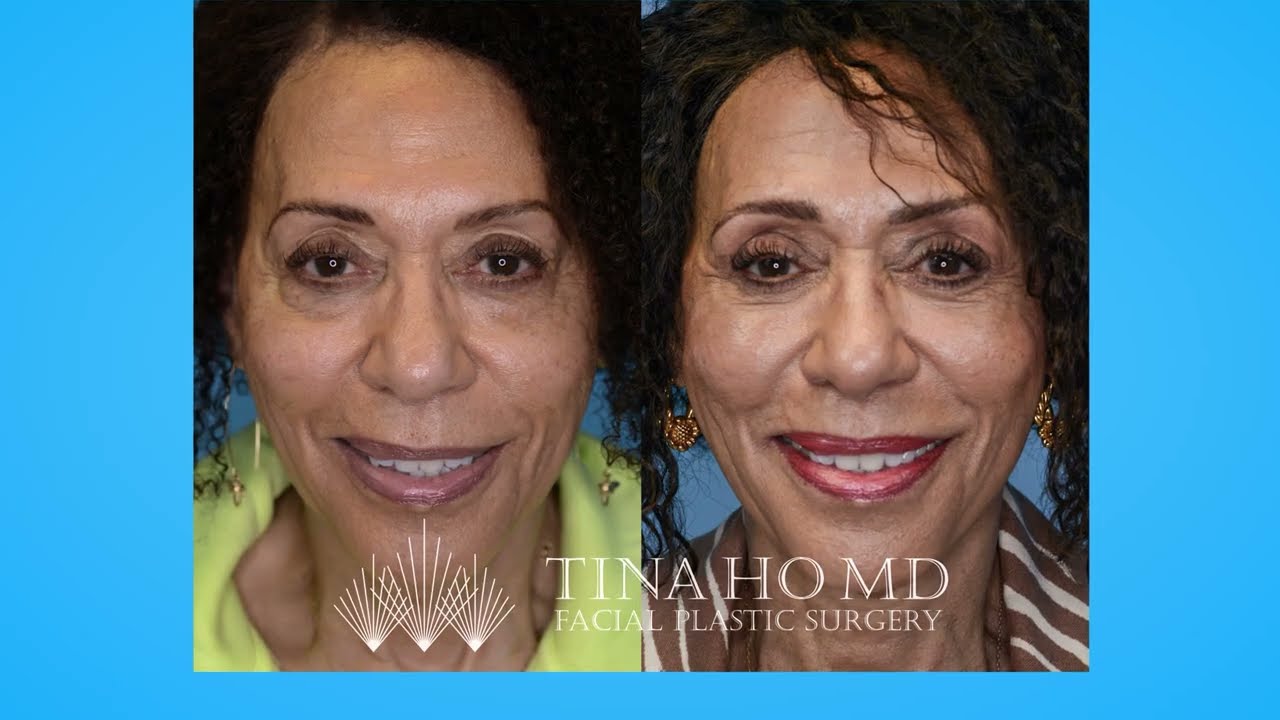
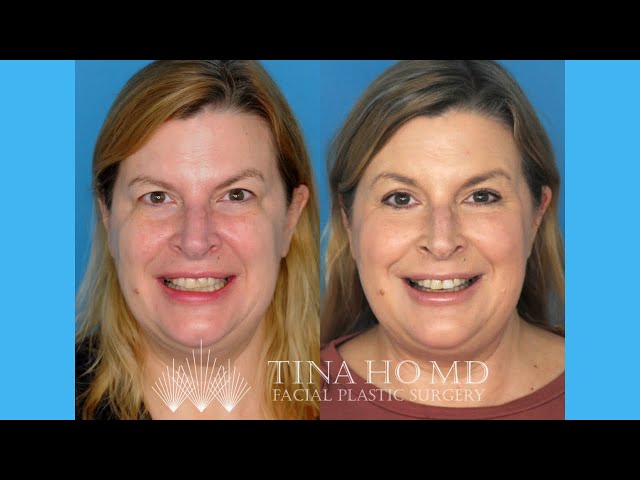
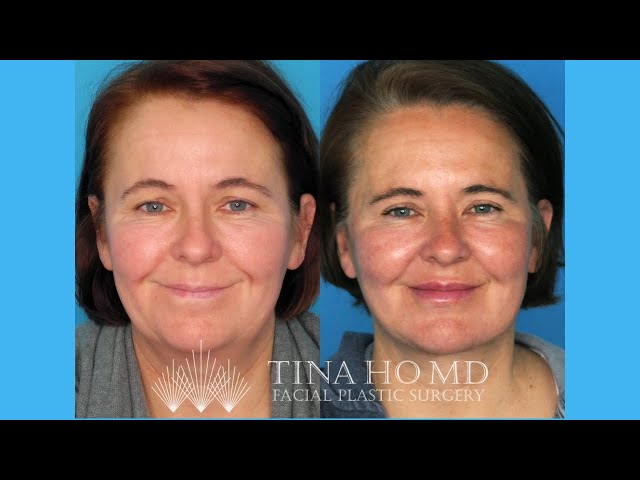
Before and After: Upper and Lower Eyelid Surgery
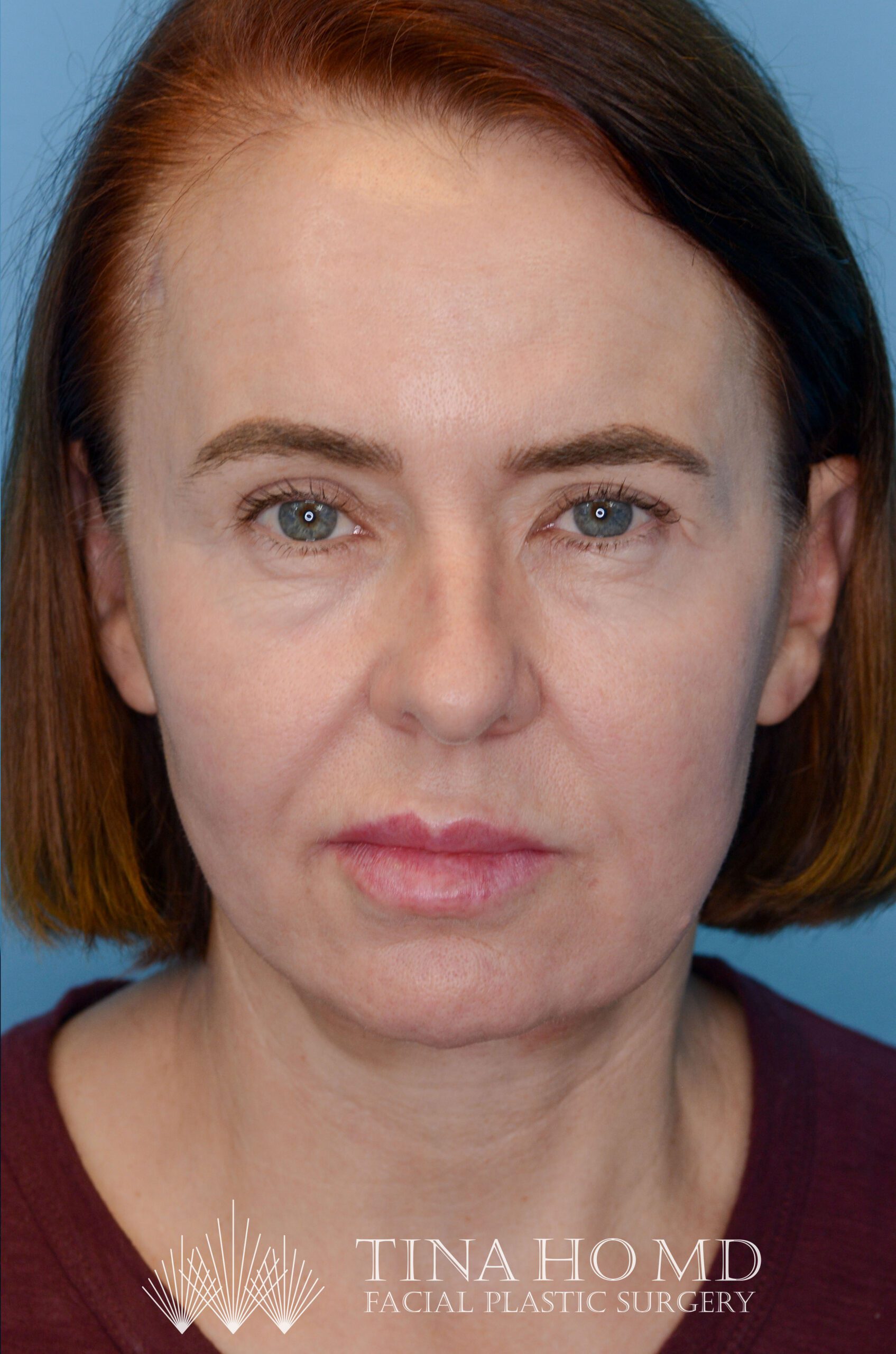
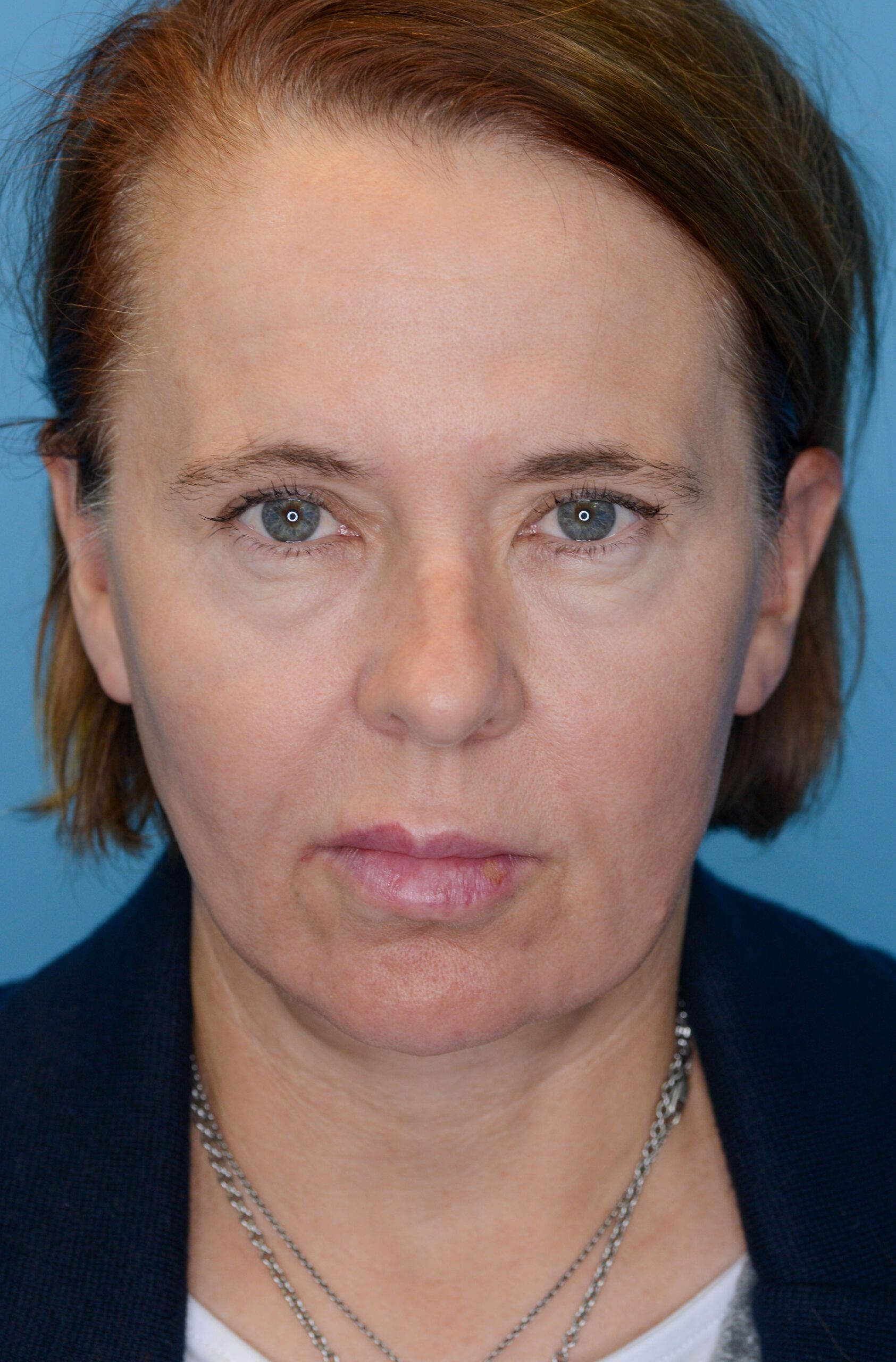
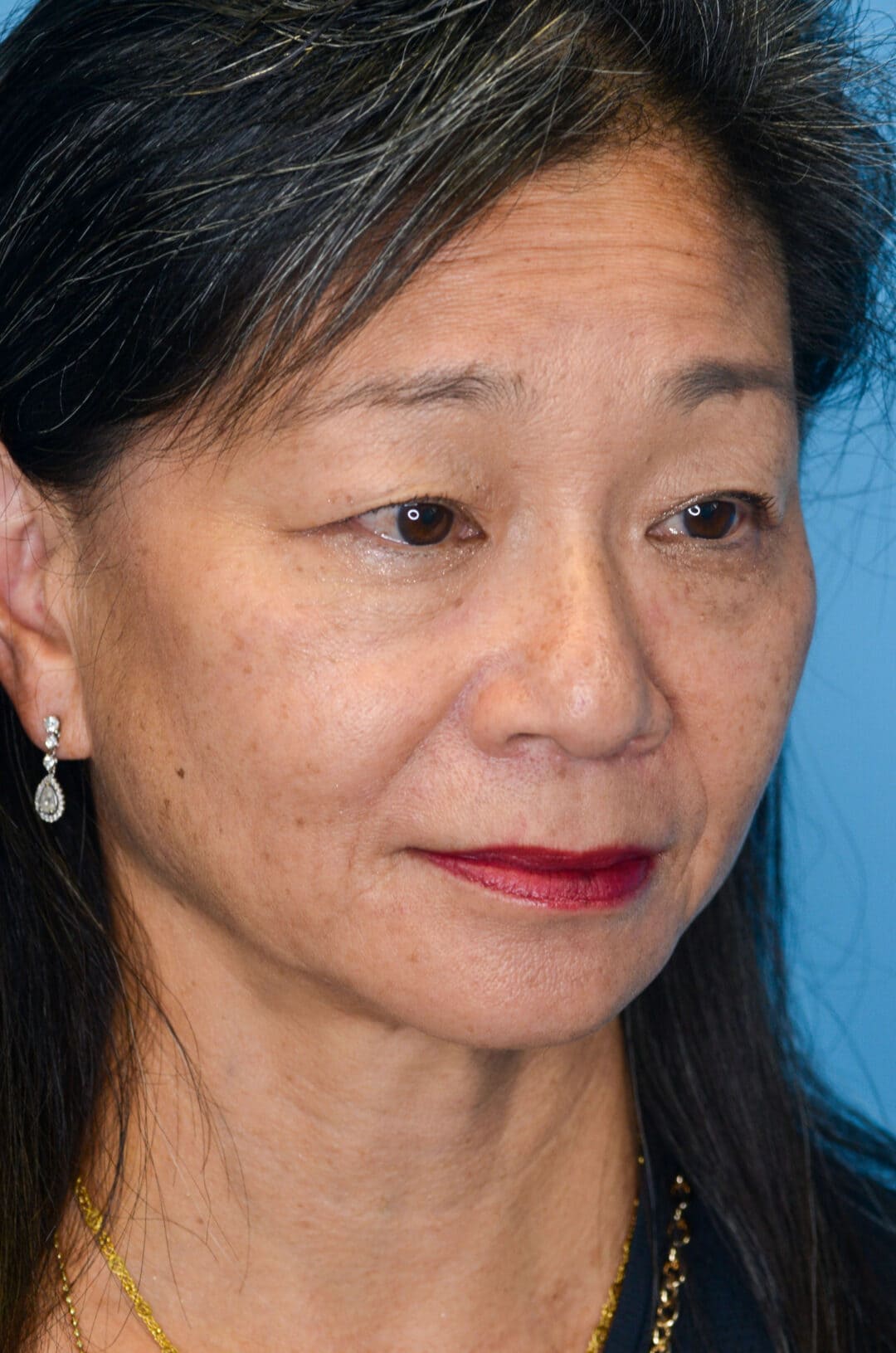
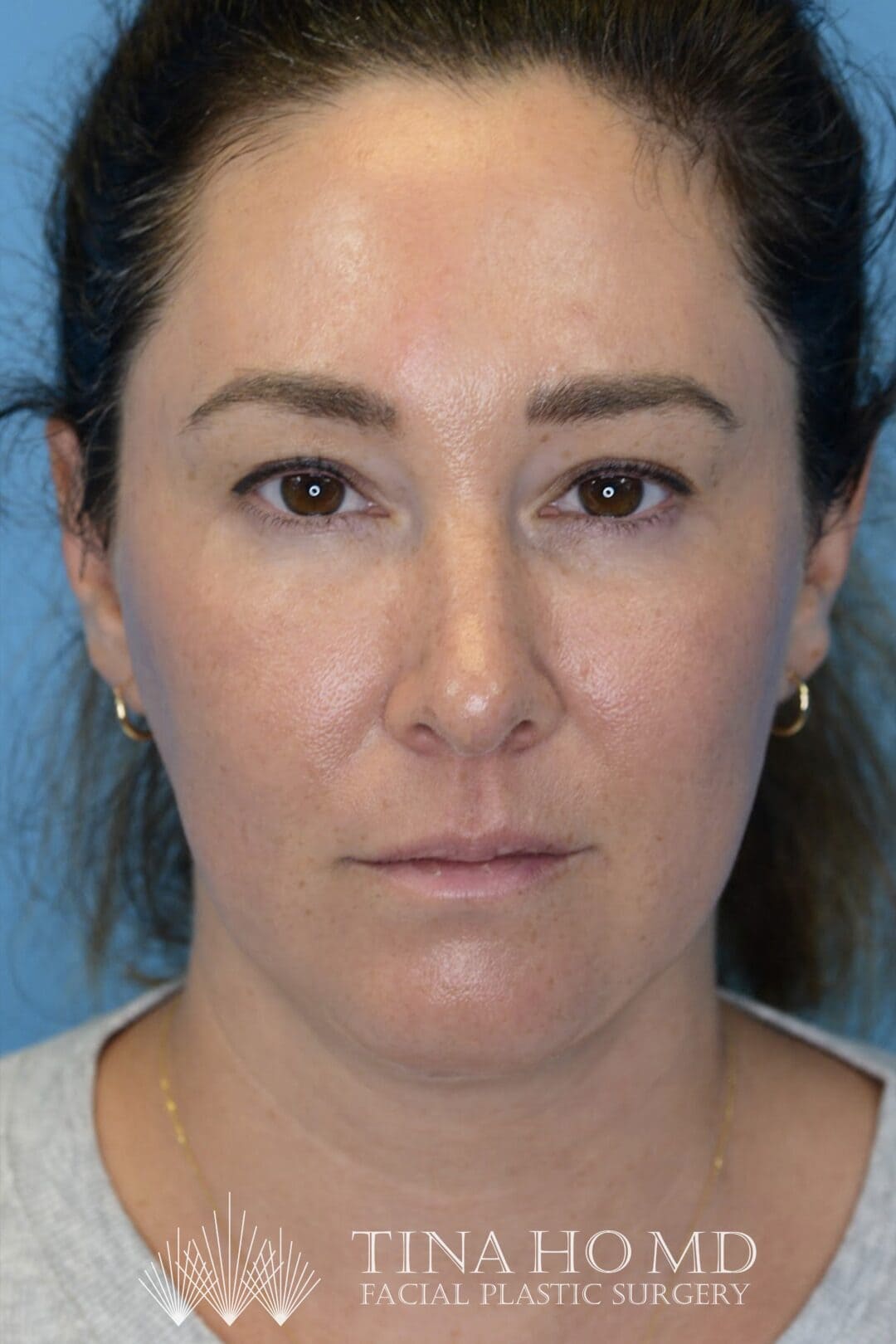
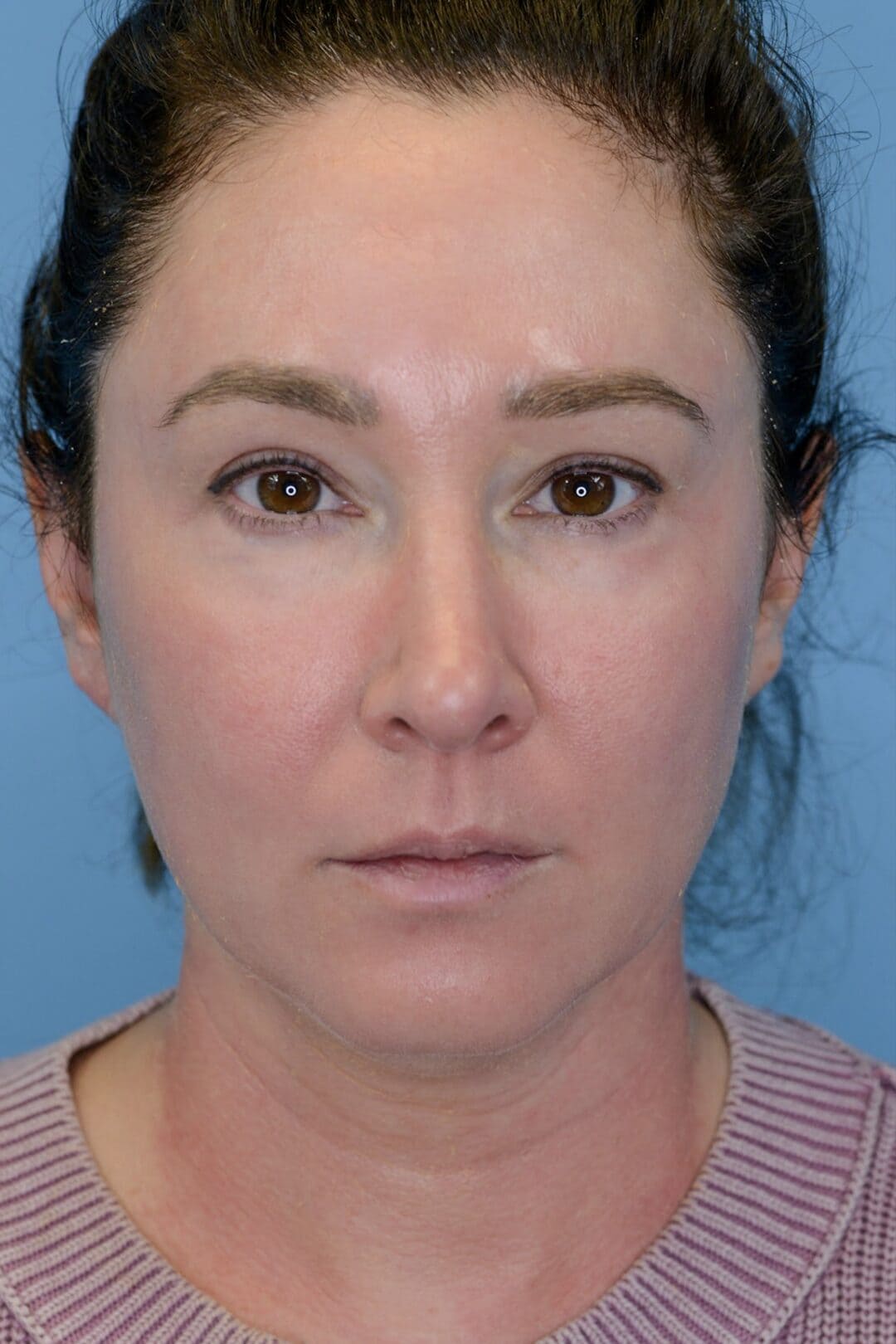
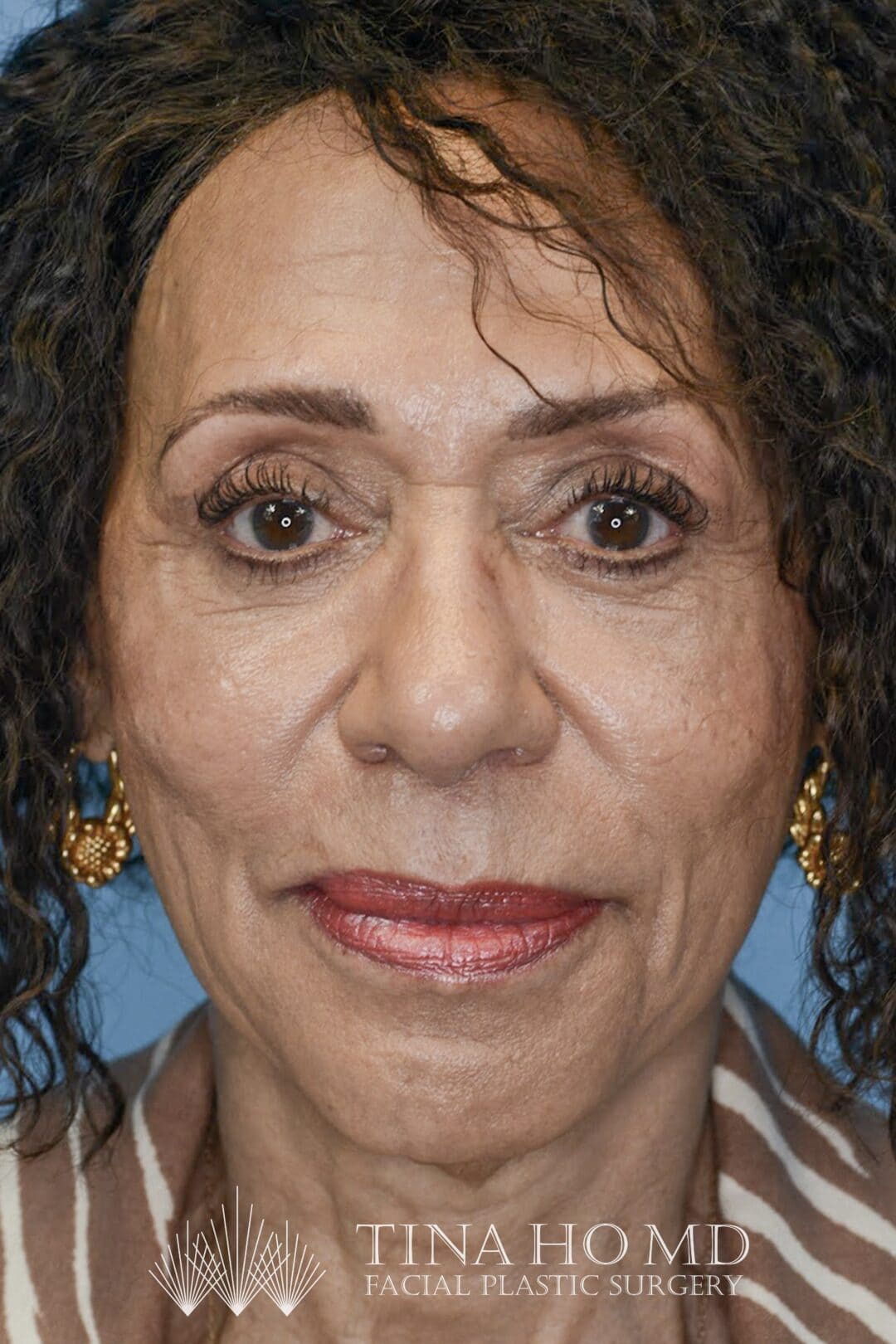
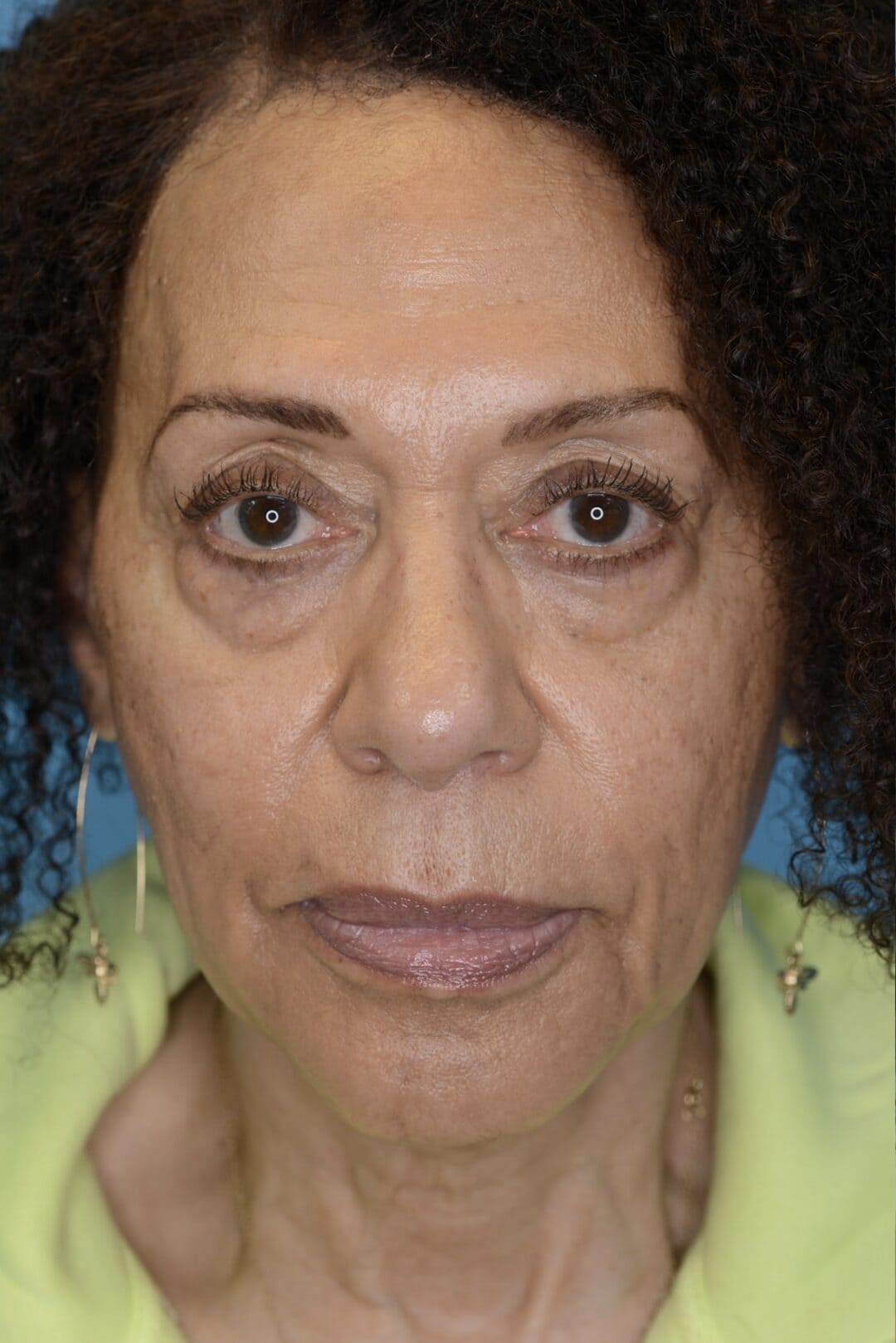
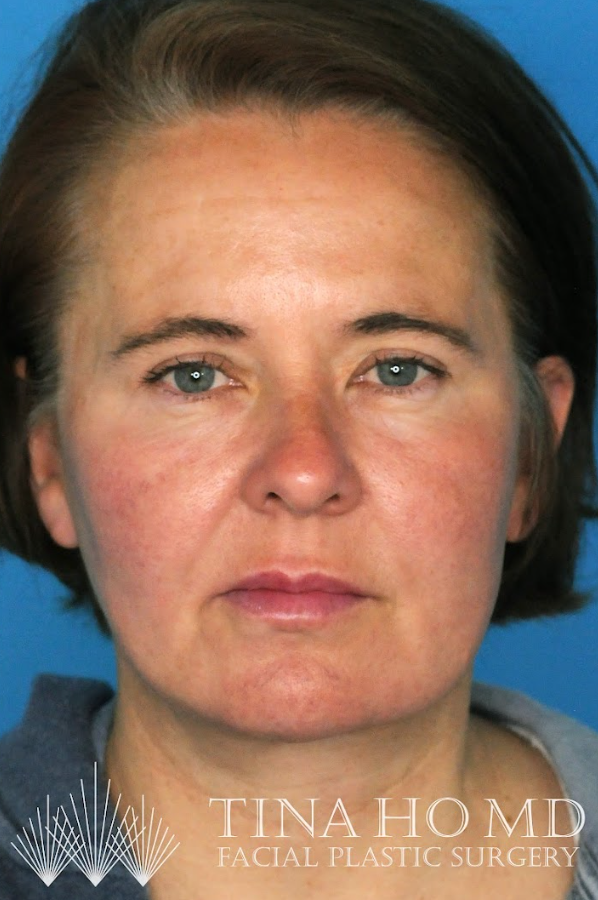
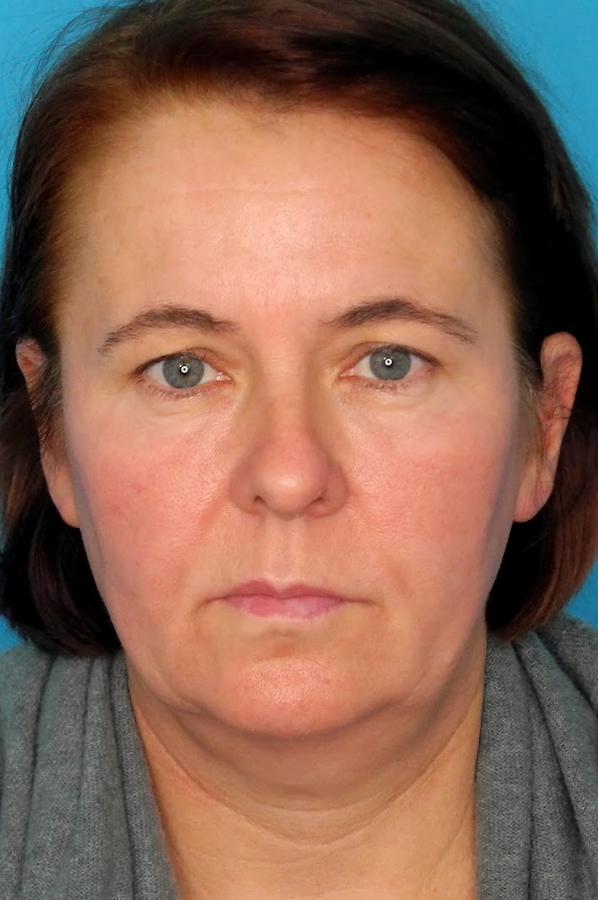
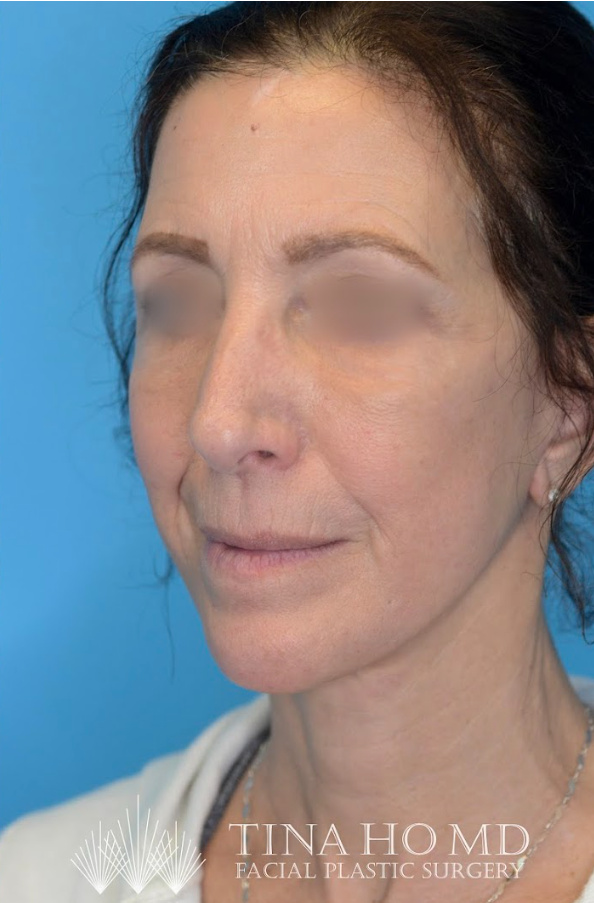
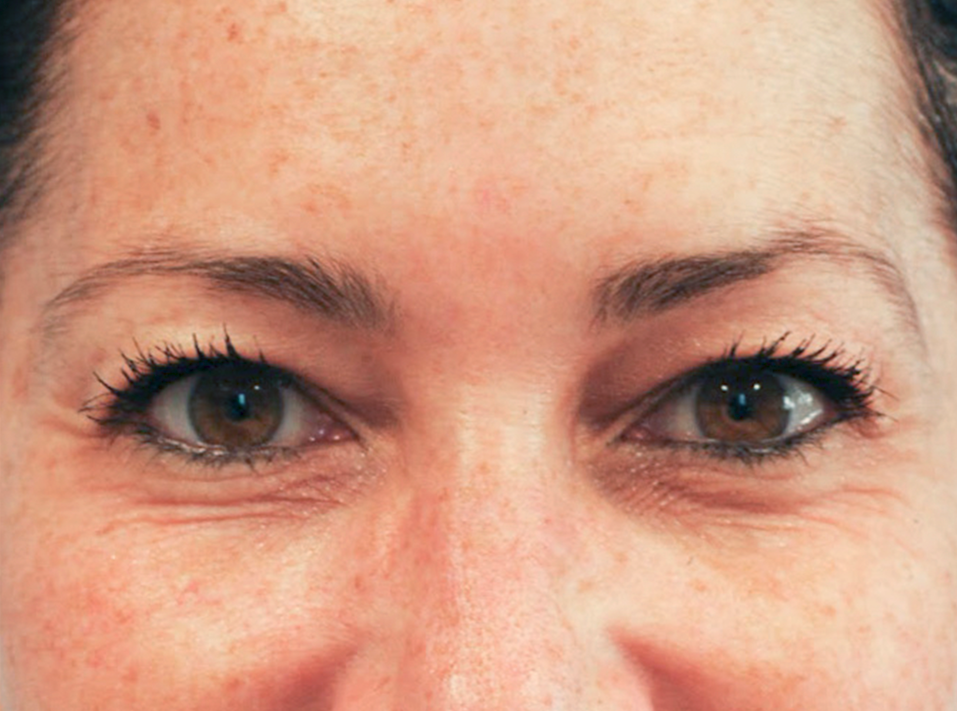
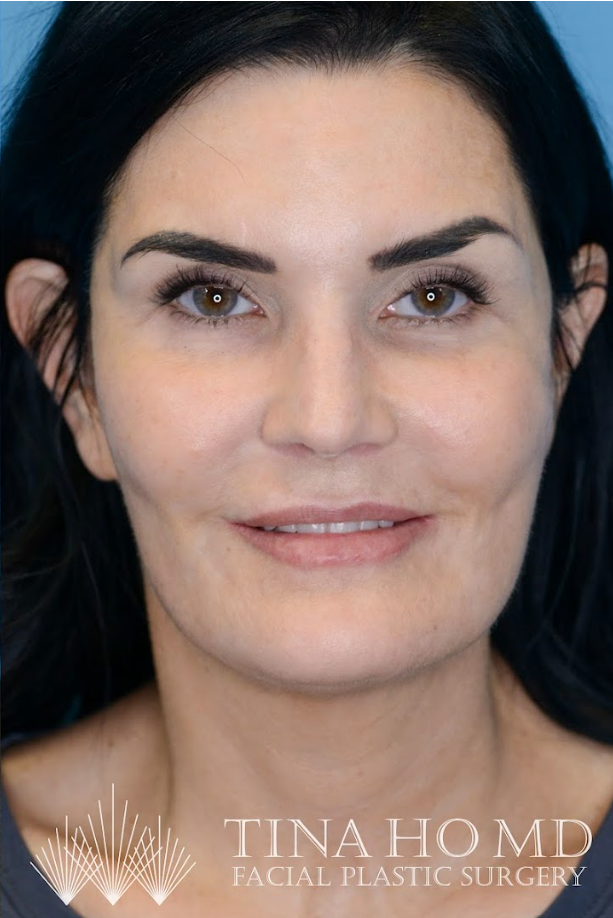
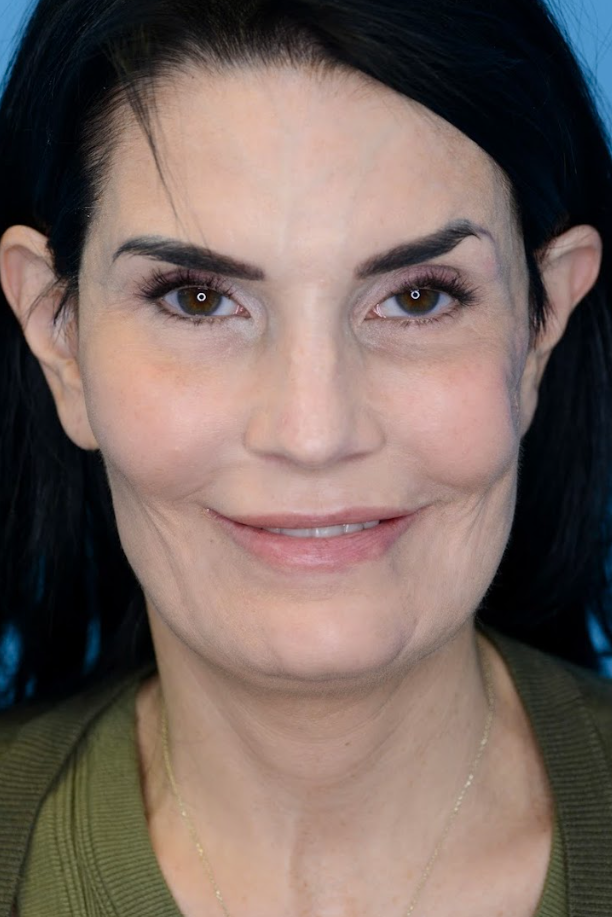
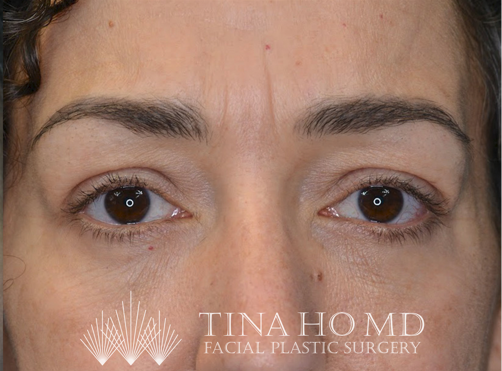
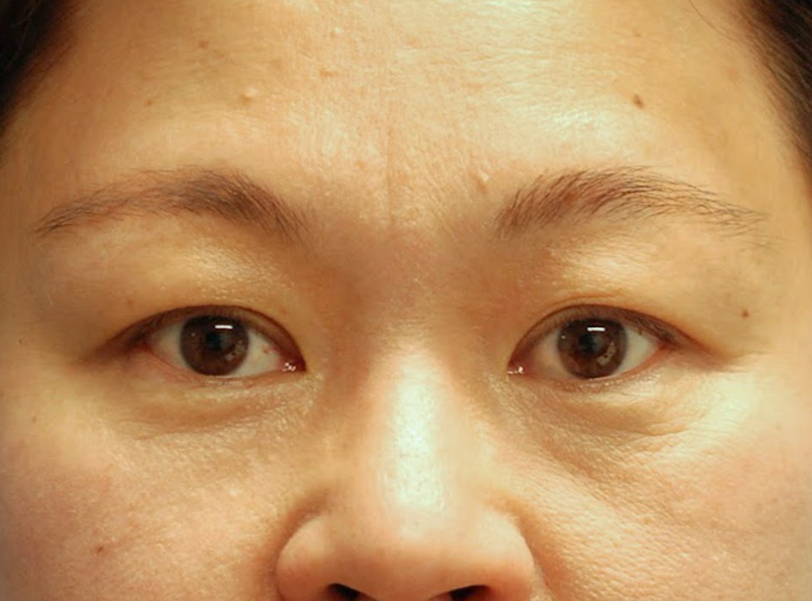
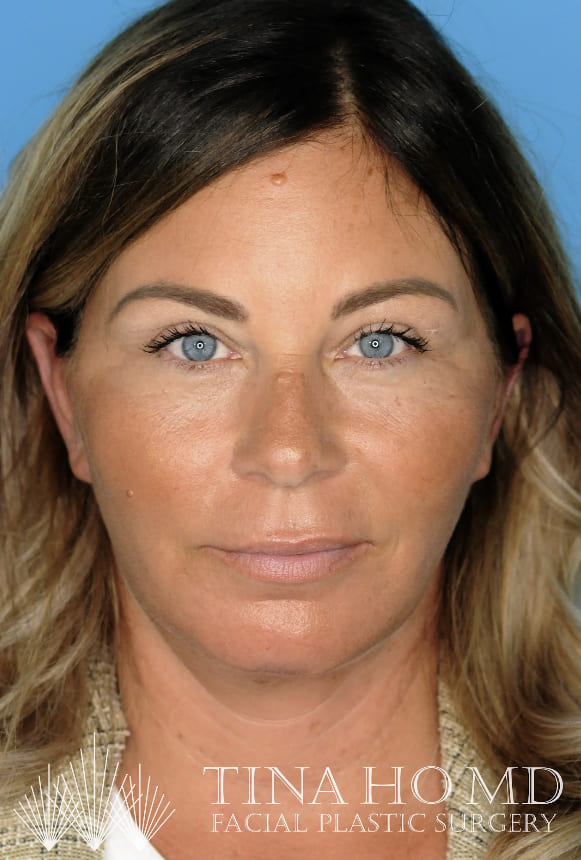
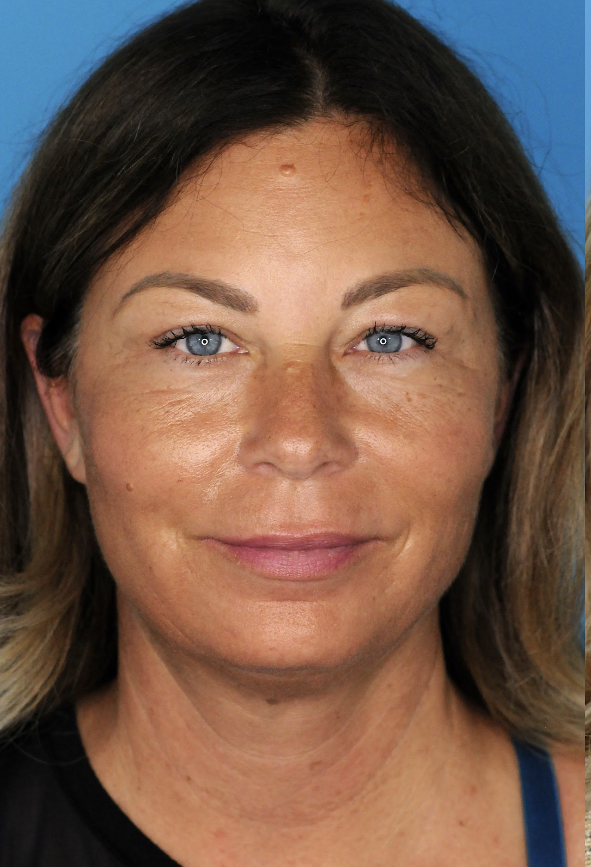
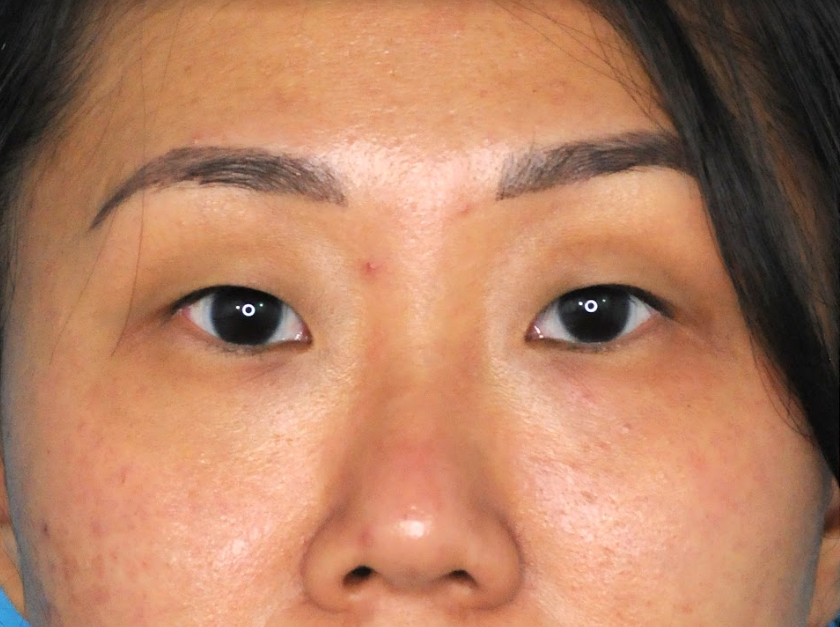
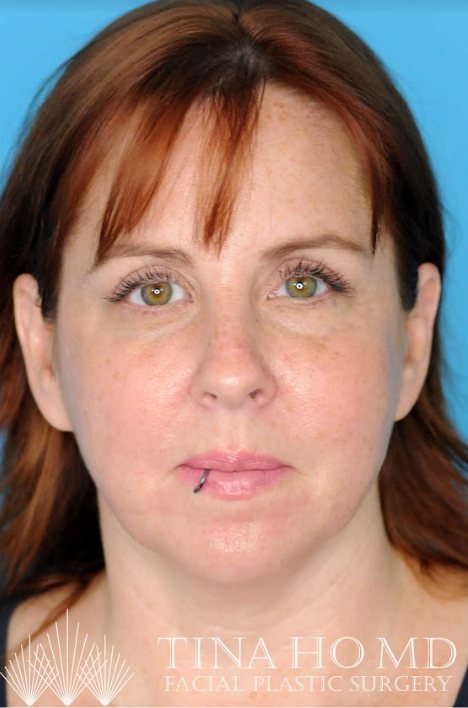
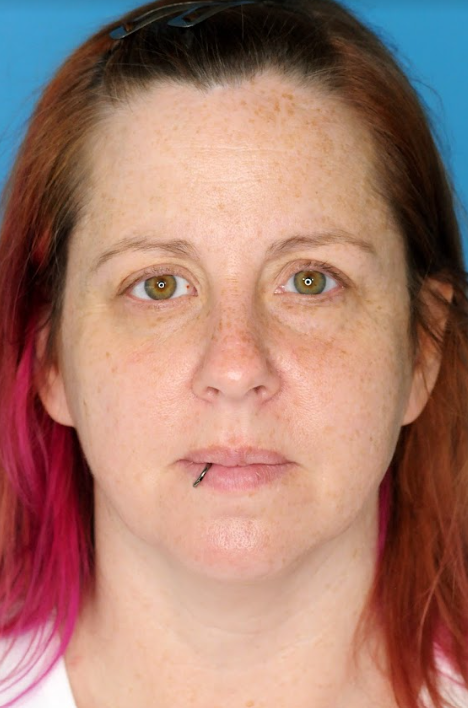
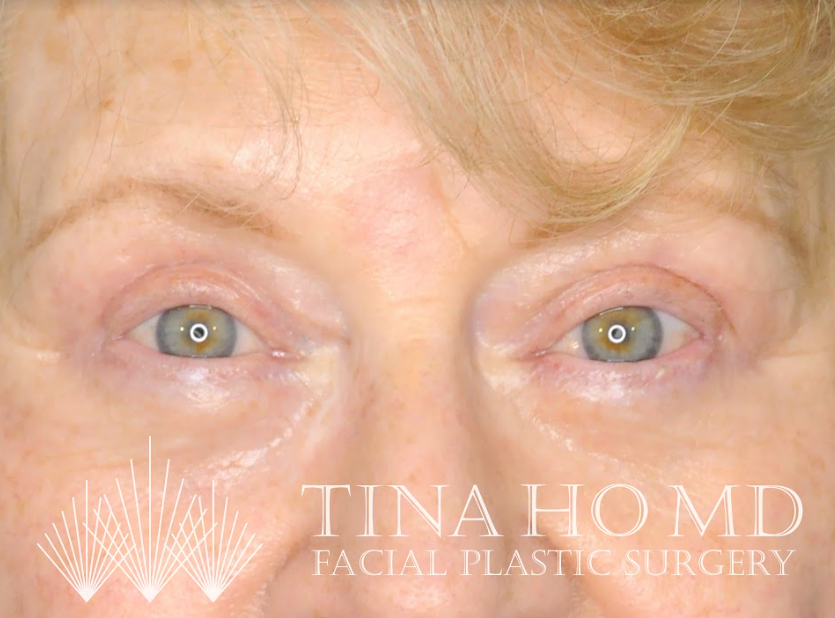
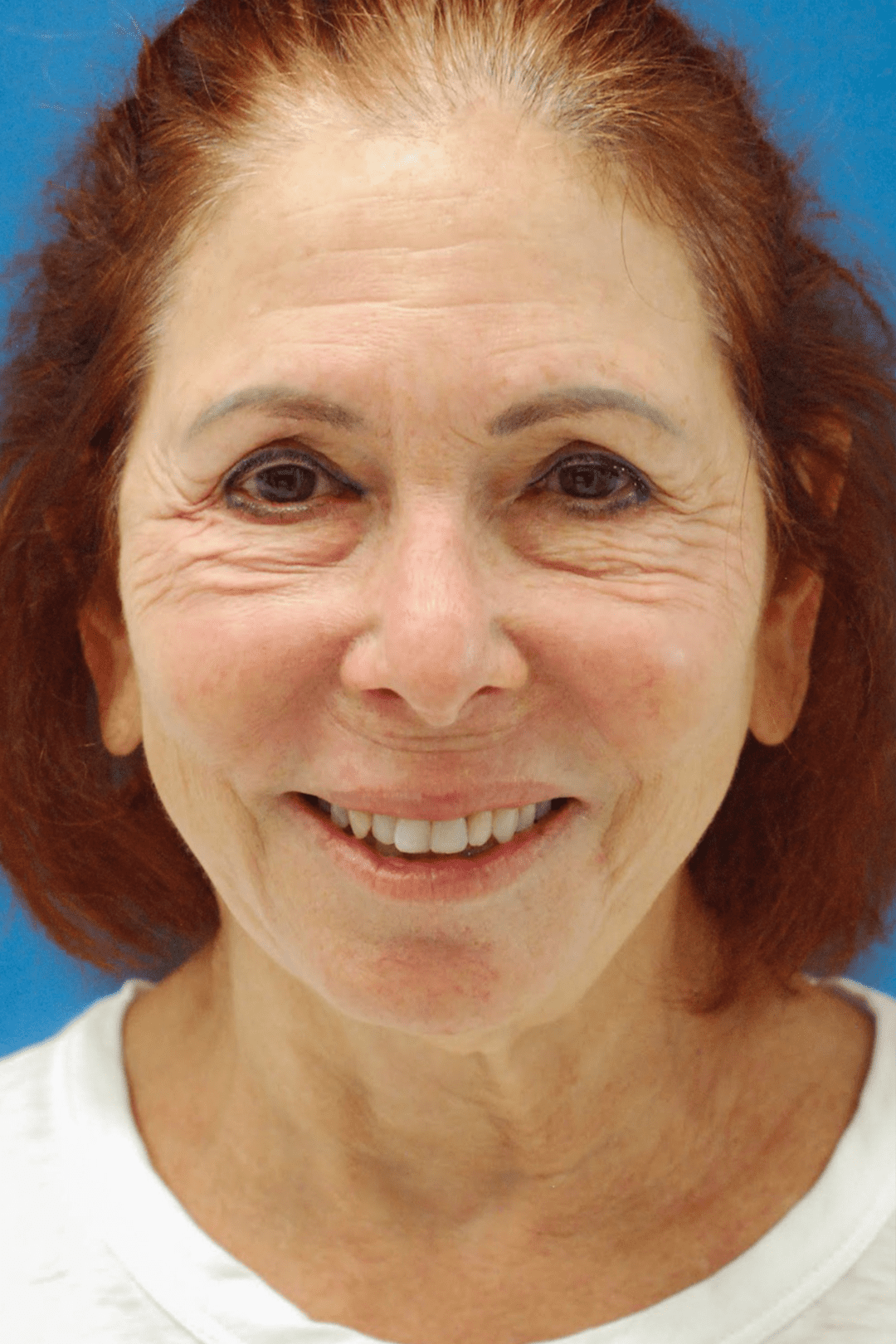
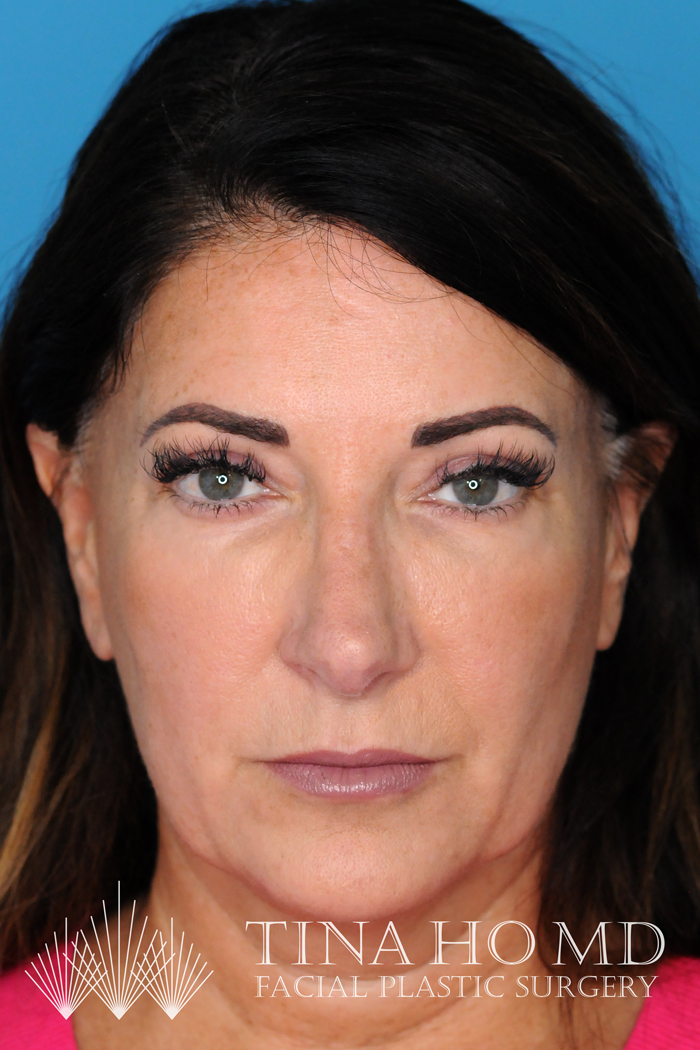
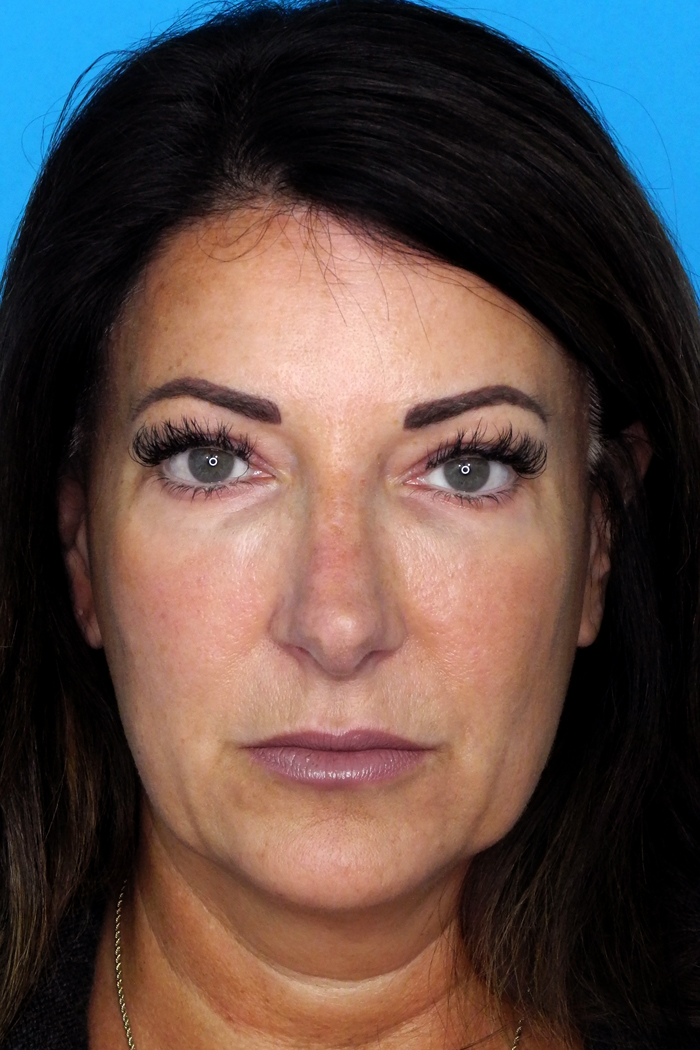
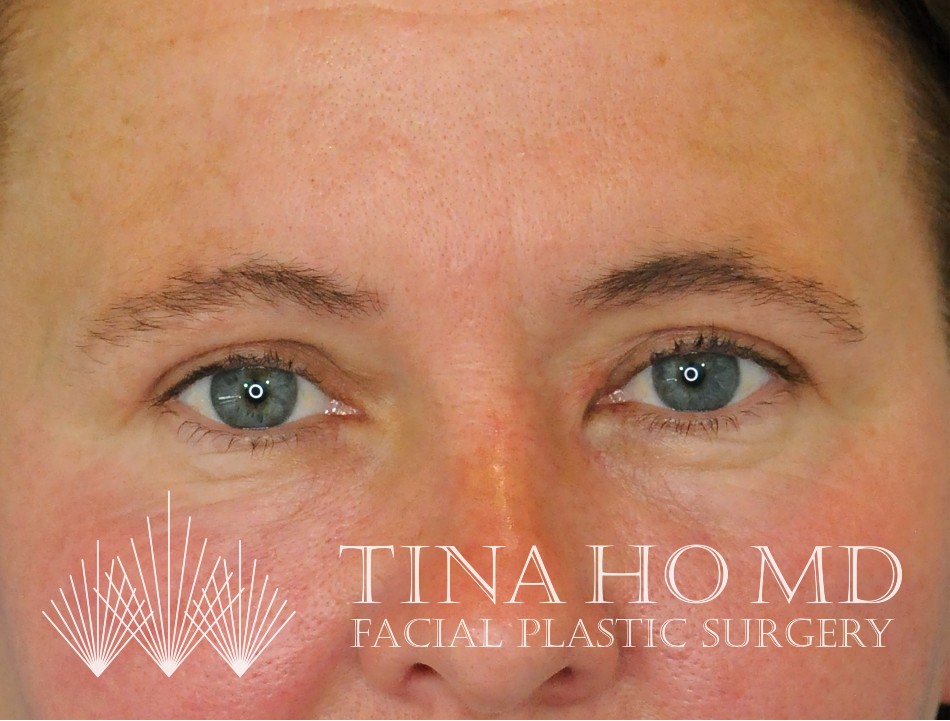
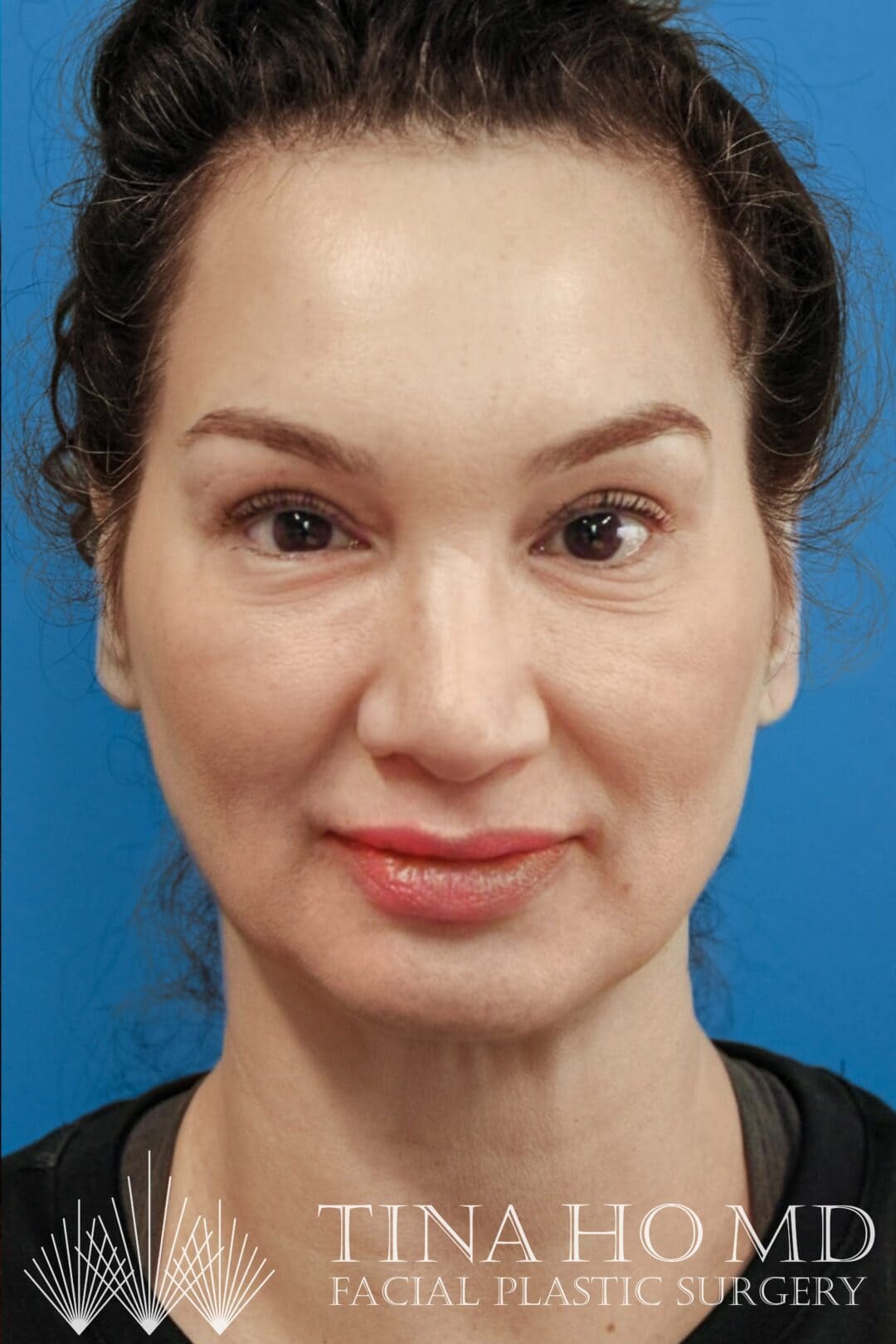
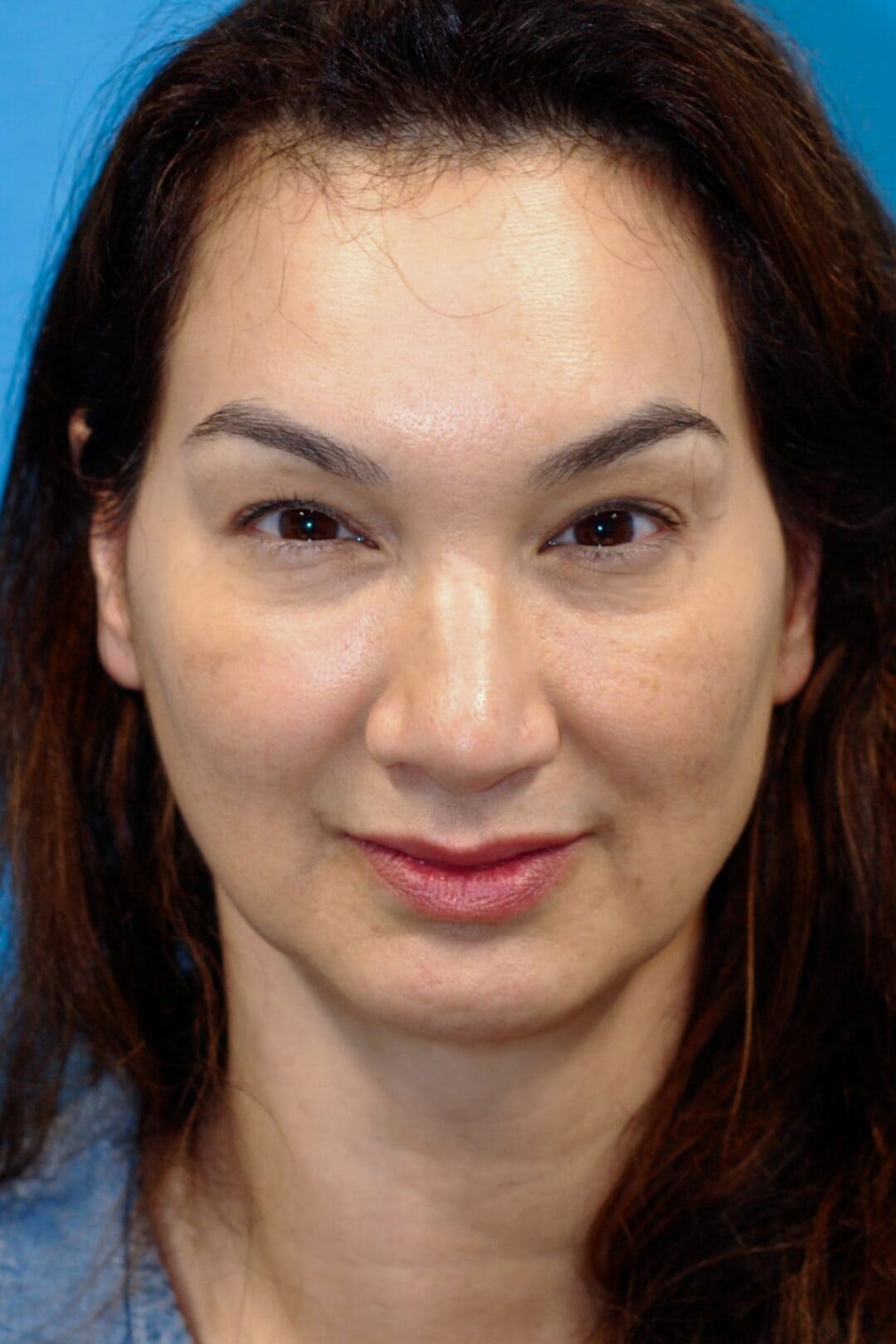
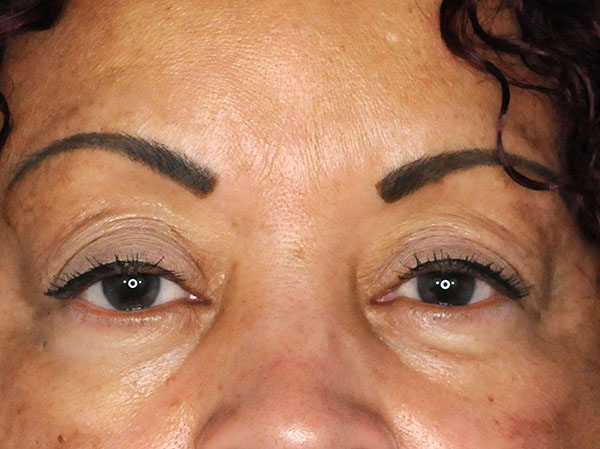
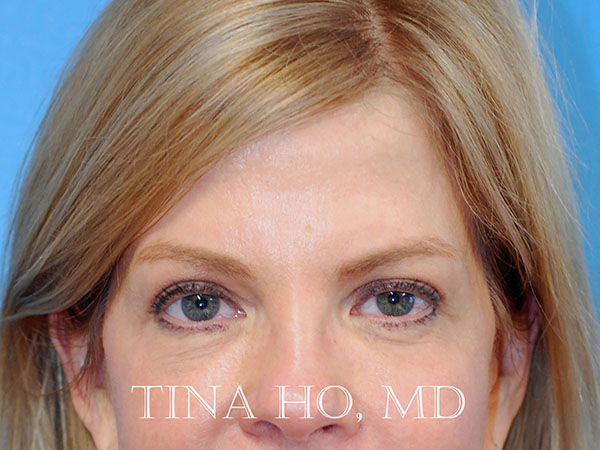
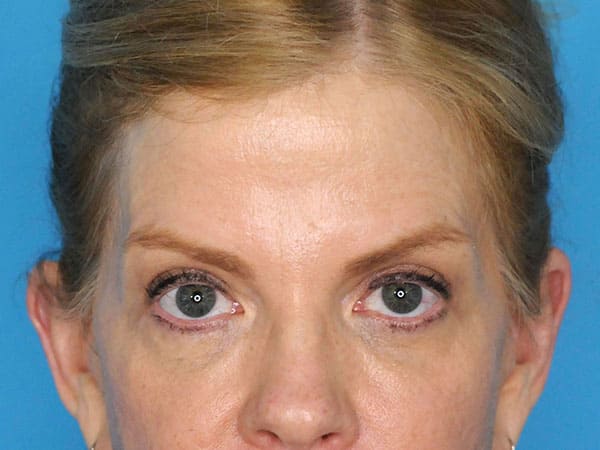
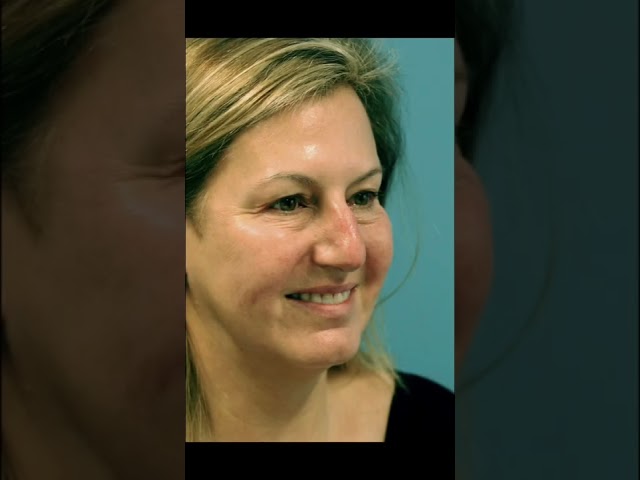
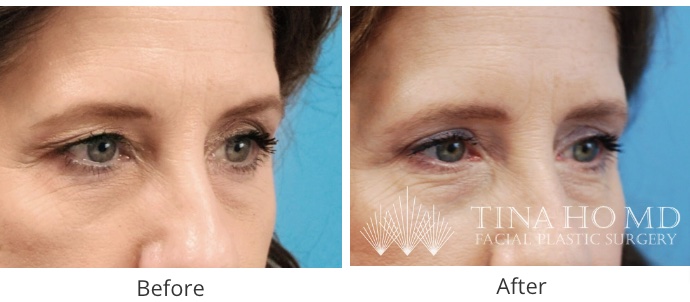
This wonderful patient initially saw me for Botox and filler treatment. She returned for surgical consultation, bothered by her aging eyelids. We pursued upper and lower eyelid surgery including facial fat transfer and CO2 laser resurfacing to remove the redundant tissue in her eyelids and restore the much needed volume in her lower eyelids and cheeks. We are thrilled with her results.
Dr. Ho’s Approach to Upper Eyelid Surgery
Dr. Ho takes her time with meticulous attention to detail when she marks out the upper eyelid incisions prior to surgery, as the preparation process is the most essential aspect of the surgery.
The incisions are typically marked within the natural eyelid creases in an elliptical fashion to capture the needed excess skin to be removed. In female patients, the incisions are extended laterally by the lateral brows.
Dr. Ho pursues a conservative approach to upper eyelid lift and often does not remove underlying muscle or fat to avoid an overdone or hollow-appearing result. She also takes into consideration the fat pad volume in the upper eyelids, as some patients with volume loss may require additional fat transfer rather than fat removal for additional rejuvenation.
Dr. Ho performs meticulous suture closure of the skin to ensure the incisions heal well and become minimal scars. The sutures are typically removed at 5-7 days out from surgery.
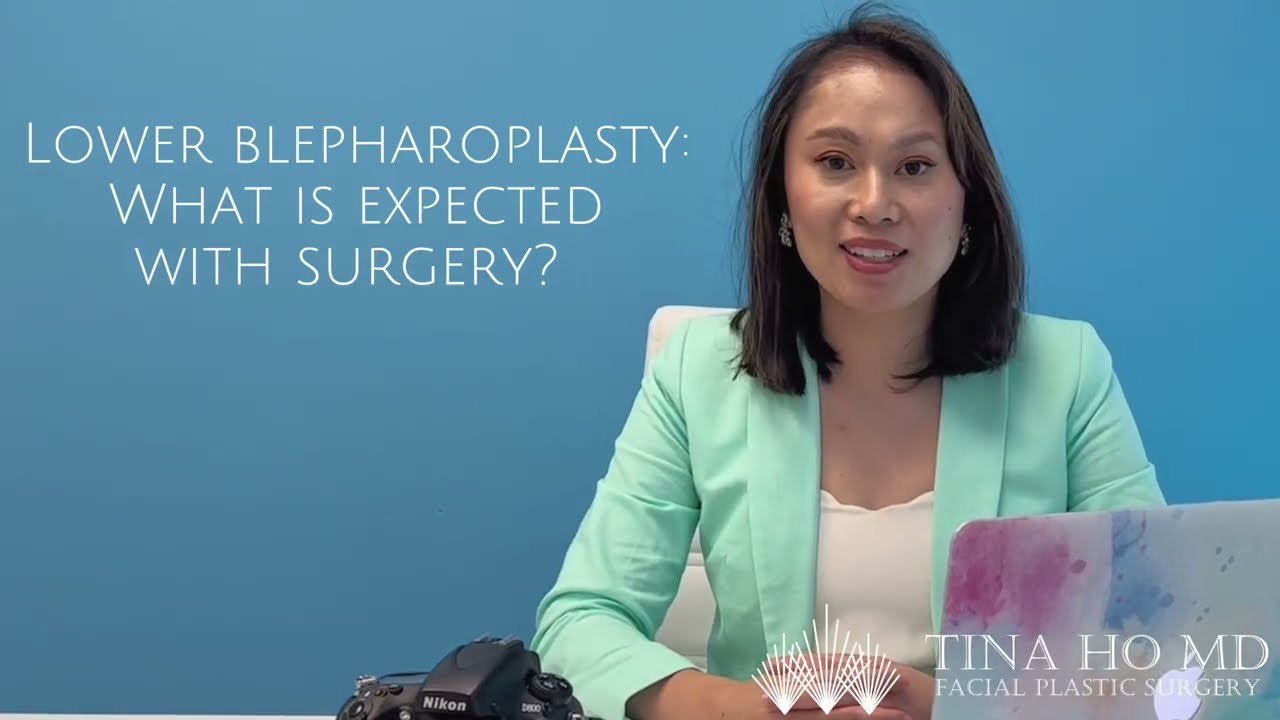
Lower Eyelid Lift
Lower eyelid surgery, also known as under eye bag surgery or lower blepharoplasty, is an ideal option when patients are looking to resolve a constantly tired appearance. A lower eyelid lift restores a smooth and youthful appearance to the lower eyelids. This procedure involves removing and/or repositioning excess lower eyelid fat and tightening drooping lower eyelid skin. Adjusting the fatty tissue in the lower eyelids resolves the puffy appearance.
When it comes to associated incisions with the procedure, there are two main approaches to lower eyelid surgery, and the right option for you will be decided during your consultation. The transcutaneous, or subciliary, approach is recognized as the traditional method and involves an incision made right below the lower lash line. With this approach, redundant skin is pinched and then excised, making it ideal for removal of excess skin and fat. The external scar is typically minimal. The transconjunctival approach incorporates an incision on the inside of the lower eyelid so there is no apparent scar. It is best for situations where only excess fat must be addressed and does not involve removal of skin. Once all adjustments have been made, fine sutures are used to close the incisions, completing the lower blepharoplasty procedure.
Dr. Ho’s Approach To Lower Eyelid Surgery
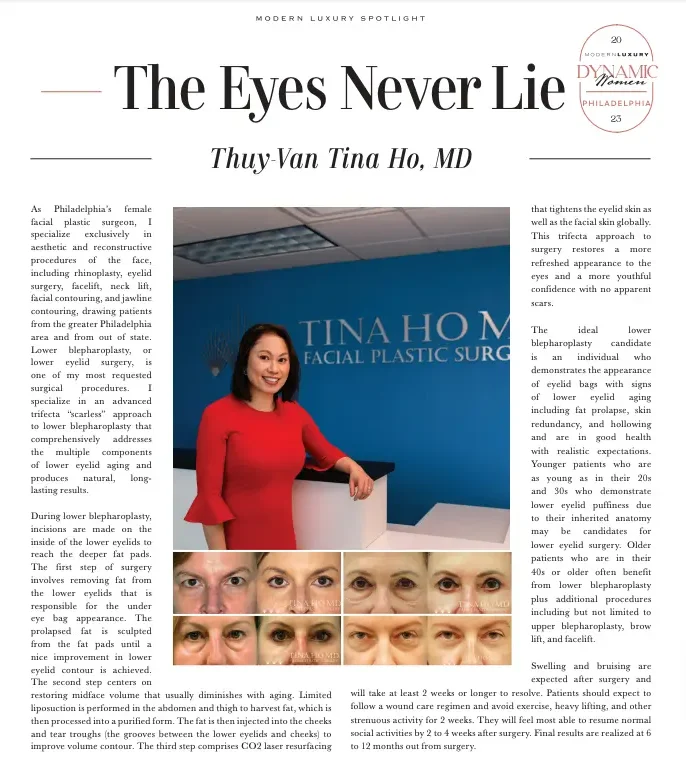
Dr. Ho pursues a trifecta approach to lower eyelid surgery that yields beautiful, natural results for every surgical patient.
She most commonly creates incisions on the inner side of the lower eyelids via a transconjunctival approach that avoids external scars and distorts the lower eyelids. Through these incisions, she first removes protruding fat that causes the puffy eyelid appearance from each of the three fat pads in each eyelid.
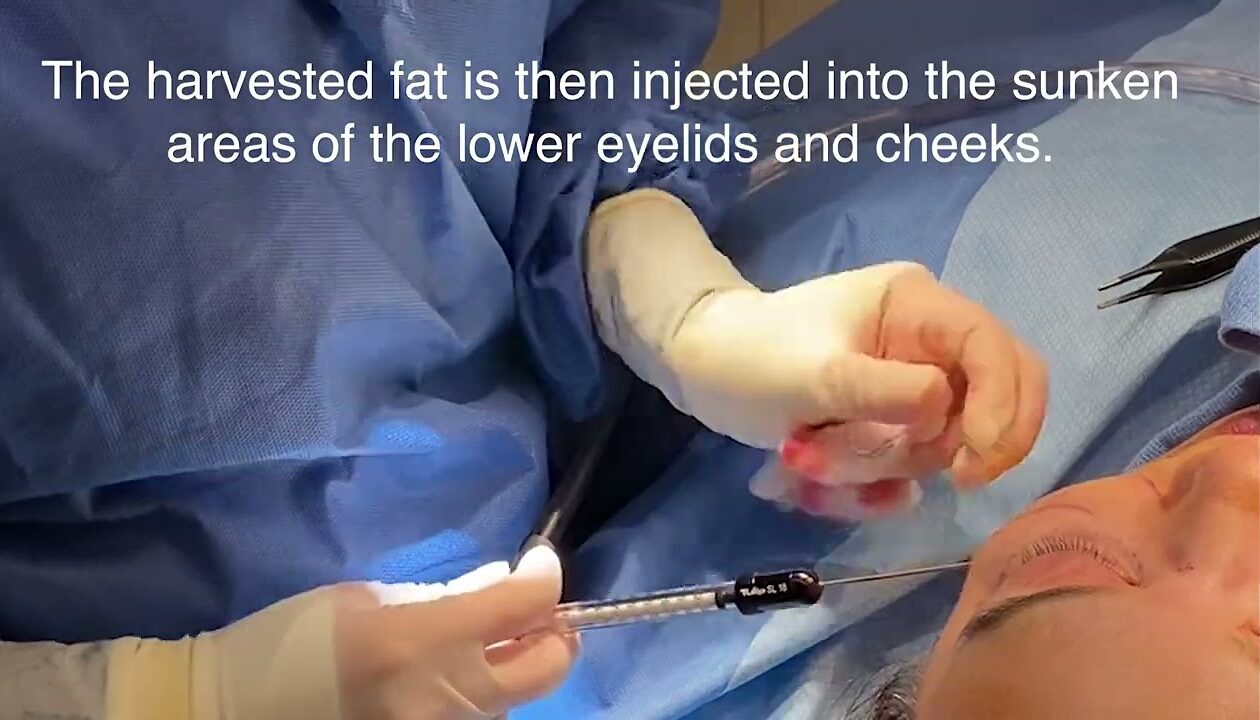
Dr. Ho next restores the volume in the lower eyelids through facial fat transfer. She harvests fat through liposuction of the abdomen or thigh and then injects fat to the tear trough areas as well as rest of the midface including the cheeks to restore facial volume. Dr. Ho has a thorough understanding that with lower eyelid surgery, the rest of the midface also shows signs of aging and needs to be globally addressed as well to achieve the best and most youthful results.
Finally, Dr. Ho performs CO2 laser resurfacing of the lower eyelids and rest of the face to tighten the skin and optimize eyelid rejuvenation without removing eyelid skin
Behind the Scenes
Inside the Blepharoplasty Experience

What is Double Convexity or Double Bubble Deformity?
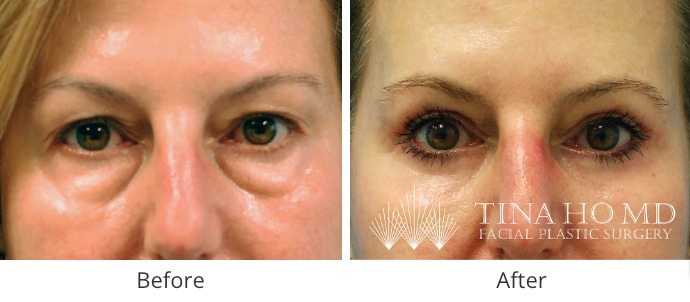
Over time with aging, the soft tissues of the midface region descend due to the forces of gravity, resulting in an increased demarcation and convexity occurring at the lower eyelid-cheek junction.
The additional process of fat herniation (protrusion of orbital fat through a weakened septum layer) creates a second convexity in the lower eyelid. The double convexity deformity may be minimized with non-surgical treatment options such as filler injection or may ultimately require surgery for definitive improvement. Dr. Ho is experienced in the management of the aging eyes and midface and will discuss with each patient the best treatment options to address their aesthetic concerns and goals.
What is Tear Trough Deformity?
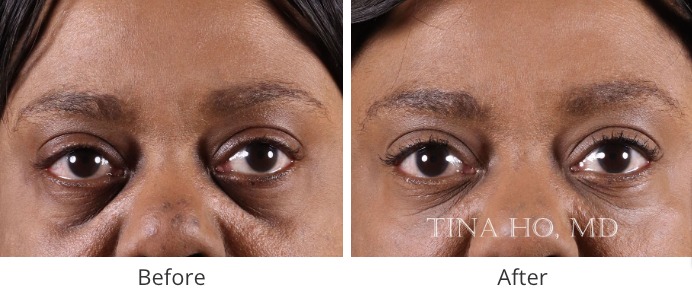
Tear trough deformity refers to a concavity or hollowed-out appearance in the lower eyelid region. Patients with tear trough deformity may present with concerns of dark circles or tired look in their lower eyelids.
Several anatomic factors associated with this issue include descent of the cheek soft tissue, loss of facial volume, underdevelopment of the lower eyelid-cheek complex, and a defect in the orbital muscle.
With aging, the combination of soft tissue atrophy and orbital fat herniation may accentuate the tear trough deformity. This condition may present in both younger and older patients and can be treated with a variety of non-surgical and surgical treatment options.
Eyelid surgery may be used to treat some of these issues. Dr. Ho is experienced in the management of tear trough deformity and dedicates ample time and effort with every patient to determine the best non-surgical or surgical plan that meets their goals and expectations.
Dr. Ho’s Approach to Asian Blepharoplasty
Dr. Ho typically performs this surgery under sedation such that the patient is comfortable and asleep during the first portion of the procedure and then awakened when it comes time to place the crease sutures to ensure appropriate crease formation while the patient is awake and opening and closing their eyes.
She creates fine horizontal incision lines in the upper eyelids that usually heal well and become faint scars. She removes minimal eyelid skin unless the patient has excess skin due to aging. Dr. Ho then performs careful dissection with the removal of a strip of muscle until she reaches the levator aponeurosis plane. Dr. Ho next places crease sutures through the skin and levator aponeurosis layers to create eyelid creases. These sutures are usually removed 7-10 days after surgery.
Post-Operative Instructions for Eyelid Surgery
These post-operative care instructions are essential for all eyelid surgery procedures to ensure the best possible results. Activities like walking should be resumed promptly to prevent blood clots and aid recovery, with guidelines for minimal physical exertion and no strenuous activity for two weeks. Maintaining a 30-degree head elevation during the first week helps reduce swelling. Applying cool compresses for the first 48 hours after surgery is advised to alleviate swelling, bruising, and discomfort.
Expand each section below for more information.
Enhance Your Recovery with Elixir MD
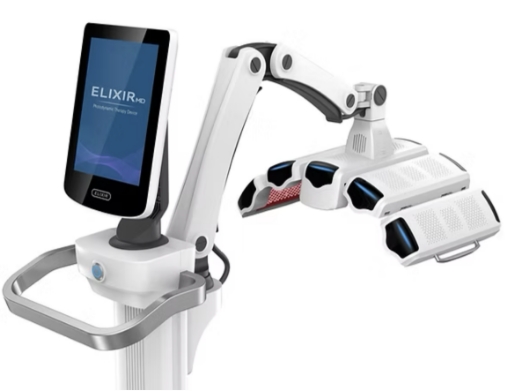
The Elixir MD™ is an innovative recovery tool that offers various treatment programs using different LED light wavelengths to achieve specific pre and post-surgical goals. These programs are supported by advanced artificial intelligence temperature controls and adjustable settings to address a range of concerns and goals. This non-invasive therapy is safe, painless, and can reduce infections after surgery while also enhancing recovery and minimizing scarring after rhinoplasty surgery.
Benefits of Elixir MD
Enhanced post-operative recovery after rhinoplasty. Using LED light, Elixir MD™ stimulates the skin to accelerate wound healing and minimize scarring post-surgery.
Improved healing and cellular repair. Specific wavelengths stimulate collagen and elastin production, which are essential for healing after surgery.
Easier rhinoplasty recovery. Reduces inflammation responsible for swelling and pain after surgery.
Improved lymphatic drainage and blood flow. Enhances the delivery of nutrients and removal of waste for optimal healing.
Elixir MD Treatment Programs for Rhinoplasty
Elixir Detox
This pre-operative therapy uses blue light to reduce the number of bacteria, oils, and toxins on the skin, reducing surgical complications such as infection.
Elixir Cellular Repair
Post-rhinoplasty, Cellular Repair uses yellow light to improve circulation, reducing bruising and swelling, accelerating healing, and shortening recovery.
Elixir NeoXcell
The NeoXcell™ treatment program combines the benefits of Elixir Cellular and Thermal to boost healing and balance melanin production for a more even skin tone.
Elixir RoXium
RoXium™ uses yellow and blue light to reduce swelling/bruising, prevent skin oxidation, decrease sebum, minimize pores, and clear the complexion.
Patient Testimonials
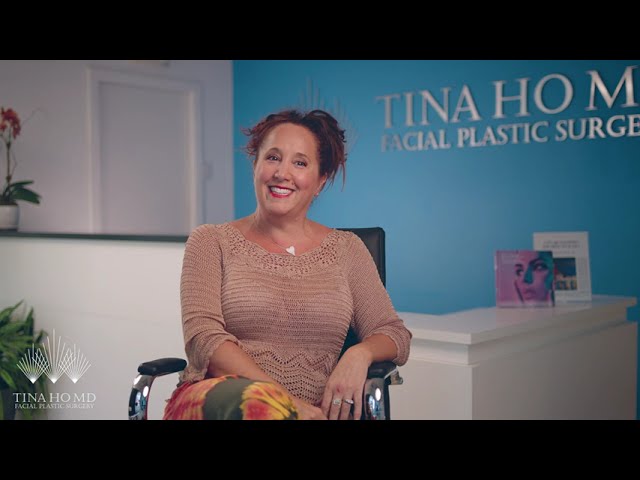
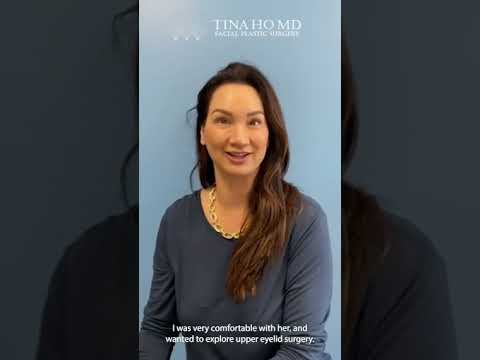
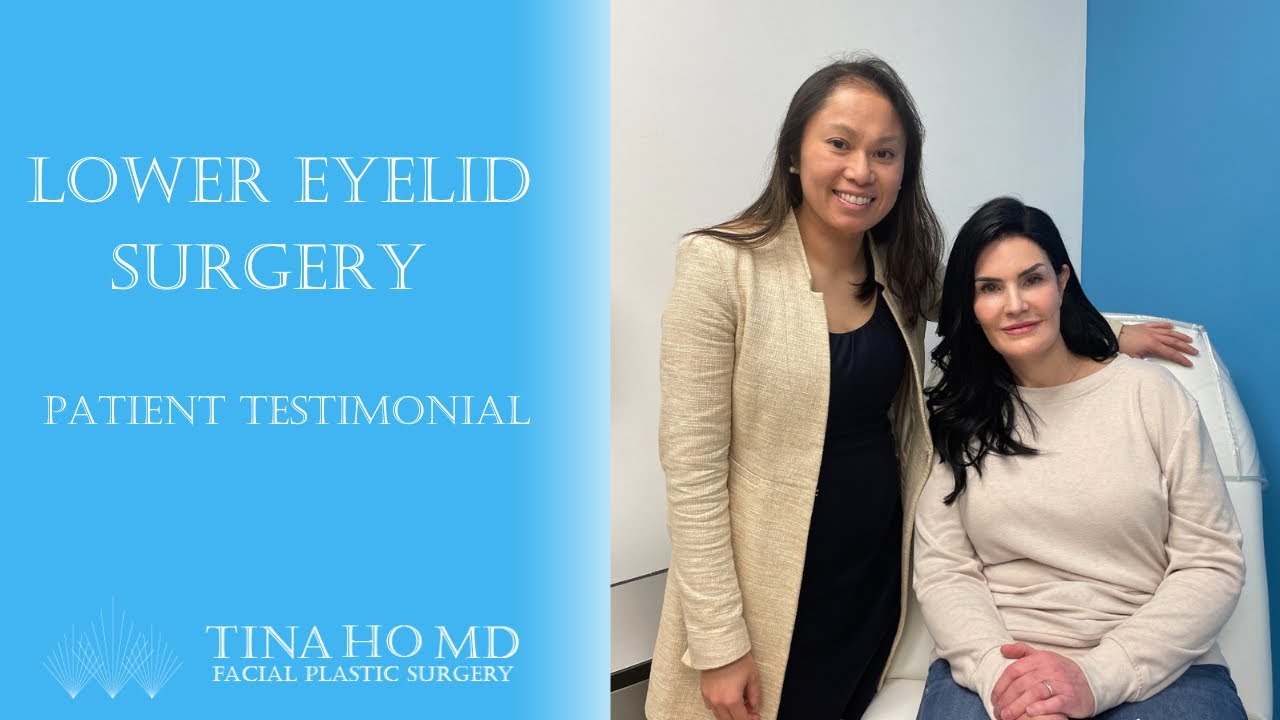
Real Stories from Blepharoplasty (Eyelid Surgery) Patients

As Seen In
Dr. Tina Ho in the Press
Dr. Tina Ho has been featured in leading media publications that highlight her expertise in facial plastic surgery.









Related Procedures
Explore additional procedures that complement a your procedure for balanced, natural-looking rejuvenation.
Each blepharoplasty procedure is different and catered to the individual patient. Therefore, the types of incisions utilized, as well as extent of swelling, bruising, and tenderness that occur after surgery, will vary by patient.
Every blepharoplasty patient will follow up with Dr. Ho one week after surgery for suture removal. Each patient will then follow-up again at weeks to months out at regular intervals for re-evaluation.
The downtime for blepharoplasty is usually minimal; most patients can return to normal daily activities, apart from heavy lifting, straining, and strenuous activity, the day after surgery.
Patients should expect immediate bruising and swelling after surgery that can be managed well with icing and head elevation and typically resolve by two weeks out from surgery.
Patients who undergo additional fat transfer may experience more lingering swelling that may take up to one month to resolve. Post-operative pain is usually mild and managed well with prescribed pain medication.
Improvement in the appearance of the eyelids is typically observed immediately or after most of the bruising and swelling has subsided. Eyelid skin heals quickly, and blepharoplasty incisions usually heal well with minimal scarring.
Dr. Ho seeks regular follow-up with her patients to ensure that every patient heals well and is satisfied with their surgical outcome.

It is common for other procedures to be performed at the same time as blepharoplasty surgery, depending on the patient’s anatomic issues and surgical goals. They include but are not limited to the following: facelift, neck lift, browlift, fat transfer, and laser skin resurfacing.
Dr. Ho is experienced in a wide range of aging face procedures and will thoroughly evaluate each blepharoplasty candidate and discuss with them whether they would benefit from additional procedures at the time of their surgery.
The cost of a blepharoplasty, which covers both upper and lower eyelid surgery, can vary based on several factors including the surgical techniques used, the type of anesthesia, and the time needed for the procedure. If the surgery is performed for functional reasons, some insurance providers may cover a part of the cost.
The average price range for an upper blepharoplasty is around $6,000 to $8,000. This includes procedures such as droopy eyelids.
For lower eyelid surgery, the range is $10,000 to $14,000, which includes procedures such as under-eye bag removal.
Asian Blepharoplasty (Double Eyelid Surgery) average $7,000-$9,000 including facility and anesthesia fees
Financing options may be available. It is important to keep in mind that different surgeons may have different pricing strategies, some offering an all-inclusive fee while others itemize each expense. Dr. Ho’s price ranges try to consider all fees to avoid surprises. More precise pricing information is provided during your initial consultation.
Your best option for blepharoplasty eyelid lift surgery is to work with a plastic surgeon who has a thorough knowledge of eyelid anatomy and is an eyelid surgery expert. It is essential to seek out a board-certified surgeon who demonstrates the necessary training and expertise.
Your surgeon should also be able to provide before and after photos in addition to answers to any of your questions. A blepharoplasty may be a relatively quick procedure, but considering the sensitive nature of the human eye, you do not want to take any unnecessary risks.
Although your surgeon will be able to give you a straightforward answer, it is straight forward to determine this on your own. If you are experiencing sagging eyelids under the brow, or excessive drooping or large bags under the lower eyelid, you are a good candidate for eyelid surgery. Natural aging will happen to all of us, but some people experience more sagging skin than others.
In rare circumstances, this sagging skin can also affect your eyesight. However, most people are simply looking for a boost in their appearance that looks more youthful. Sagging skin is only one factor here, as many individuals deal with very puffy bags under the eyes as well.
You may only need to make adjustments to one of the eyelids, but for a more symmetrical look, many people get work done on both. As with any cosmetic surgery, the requirements of the procedure will differ for each patient. To know what is best for you, do not hesitate to discuss your concerns with your surgeon.
In some sense, you can reverse the appearance of eye bags with the help of blepharoplasty surgery. It is important to note that natural aging will continue to occur over the years, and those eye bags could resurface down the road. However, the difference you will see after your surgery is like night and day.
You will benefit from a substantial boost in your appearance, and the eye bags will not be nearly as prominent or even visible at all in some cases. During your procedure, Dr. Ho will remove any excess fat under your eye, which will reduce the visible puffiness in the local area.
Depending on the severity of your eye bags, your results may be minor or more significant, yet will be be noticeable nonetheless. This particular procedure is most effective for those who are starting to show signs of natural aging.
This feature under the eyes is quite common with most people, especially as they get older. What is happening here is that fat that helps support the eyes begins to push out through a weakened layer of the eyelid, which creates that puffy look we all notice. It may be more prominent in some people than others, but it is something that can be nicely improved with eye rejuvenation surgery.
In other cases, it is possible for fluid to collect below the eyes. Symptoms associated with eye bags include saggy or loose skin, swelling, and dark circles. Some of these features begin to show as early as in our 30s or not until in our 50s for others.
Many people find eye bags quite unsightly, but with minimal downtime, blepharoplasty can reduce the prominence of eye bags. For most people, it is simply a task of removing fat content under the lower eyelid, and they will look good as new. It only requires a small incision, and the healing process is well tolerated.
Many patients are surprised to learn that the results from eyelid surgery last quite a long time. For most people, eyelid lift results can last up to 10 to 15 years, upholding a youthful appearance to their eyes as they continue to age naturally.
Always remember that natural aging will continue to take place and may work against the results of blepharoplasty over time. Some people may notice minor changes, while others may want to look into touch-up work down the road. Overall, the results last for several years and make the initial investment entirely worth it for most patients.
Although this ideal age for surgery is different with each patient depending on the state of their skin and health, a good starting age is around 40 years old. This is when the process of natural aging really begins to show itself among many patients. Whether you are noticing minor or more aggressive changes in your appearance, eyelid lift surgery can be customized to your exact needs. On average, eyelid surgery may beneficial for individuals in the age range of 35 and 60 years old.
The best way to find out when it is the right time is to consult a surgeon on the matter. They will be able to evaluate your anatomy and make suggestions that will help you achieve the appearance you want.