
Introduction to Deep Plane Facelift
The deep plane facelift offers both the most natural and dramatic approach to facial rejuvenation for the aging face.. The procedure avoids the problem of the tight, overfilled look of many modern facelifts. The main tenet of the procedure is that it lifts only the Superficial muscular aponeurotic system layer or SMAS layer, the connecting layer between the facial skin and muscle. This surgical approach leaves the skin attached to the muscle layers, so it can never look too tight. It also lifts the cheeks by releasing fully the tethering points of the face, so the addition of fat or filler is unnecessary.
What is a Deep Plane Facelift?
A deep plane facelift is one type of surgical technique in facelift surgery used to rejuvenate the facial features and address the signs of aging. It is a more advanced and comprehensive approach compared to traditional facelift procedures.
Unlike other facelift techniques that primarily focus on skin lifting and tightening and repositioning the deeper structures more laterally in the face, a deep plane facelift involves lifting and repositioning the underlying deep plane structures across both the medial and lateral face. By lifting the deep plane, the surgeon can achieve more natural and longer-lasting results.
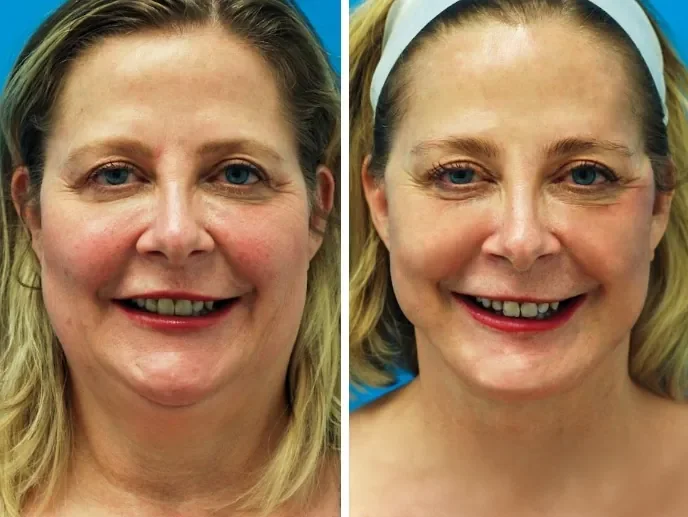
The deep plane technique targets the mid-face region, including the cheeks and nasolabial folds, as well as the jawline and neck. By addressing the deeper tissues, the deep plane facelift can provide more significant correction of sagging skin, jowls, and loss of facial volume. It can also improve the appearance of the jawline and reduce the prominence of wrinkles and creases.

Educational videos
The Facelift Procedure
Learn more about the facelift procedure and how it can subtly enhance your facial harmony with insights from Dr. Tina Ho.
Deep Plane Facelift Explained | Technique, Recovery & Natural Long-Lasting Results
Dr. Tina Ho, a double board-certified facial plastic surgeon, presents an in-depth explanation of the deep plane facelift, a surgical technique designed for pronounced and long-lasting facial rejuvenation. Distinct from traditional facelifts that primarily focus on skin removal and superficial tightening, the deep plane facelift addresses deeper anatomical layers such as the SMAS (Superficial Musculoaponeurotic System), especially in the midface. This approach allows more effective lifting of sagging tissues in the cheeks, jawline, and neck, producing natural and enduring results lasting up to 10-20 years.
Facelift Surgery: Everything You Need to Know About the Deep Plane Facelift
The deep plane facelift is an advanced facelift technique that provides dramatic, long-lasting results by repositioning deeper facial tissues. Ideal candidates range from their late 30s to 60s, seeking to restore cheek volume and jawline contour. Recovery includes swelling, bruising, and ELIXIR MD™ treatments to accelerate healing, with final results visible in 6–12 months.
Facelift: What is Expected with Surgery?
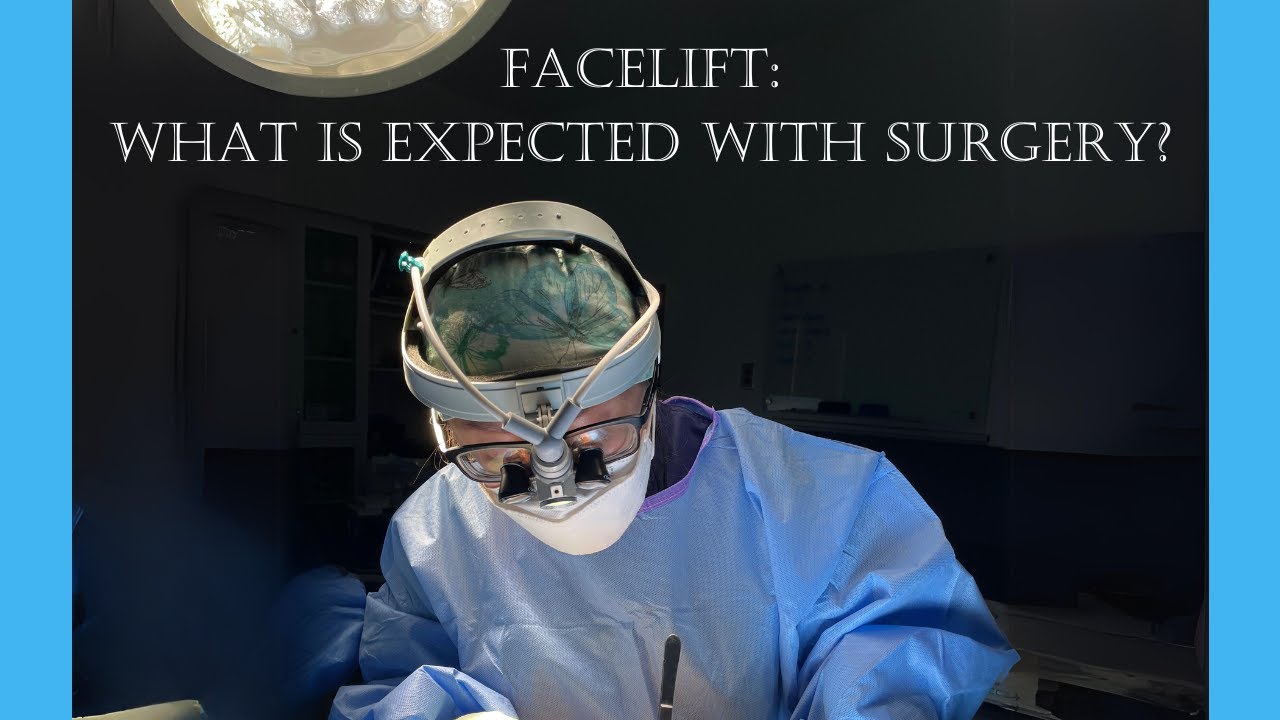
Facelift surgery is performed typically with a neck lift to achieve the best rejuvenation results. The incisions are well-hidden, as they are placed along skin creases and within the hairline. During surgery, the skin is first elevated. The SMAS plane is then entered via a deep plane approach, and the deeper tissues are released and lifted. The excess skin is trimmed as the last step.
Facelift: What is Expected with Surgery?
Facelift surgery is performed typically with a neck lift to achieve the best rejuvenation results. The incisions are well-hidden, as they are placed along skin creases and within the hairline. During surgery, the skin is first elevated. The SMAS plane is then entered via a deep plane approach, and the deeper tissues are released and lifted. The excess skin is trimmed as the last step.
What Can Facelift Surgery Treat?
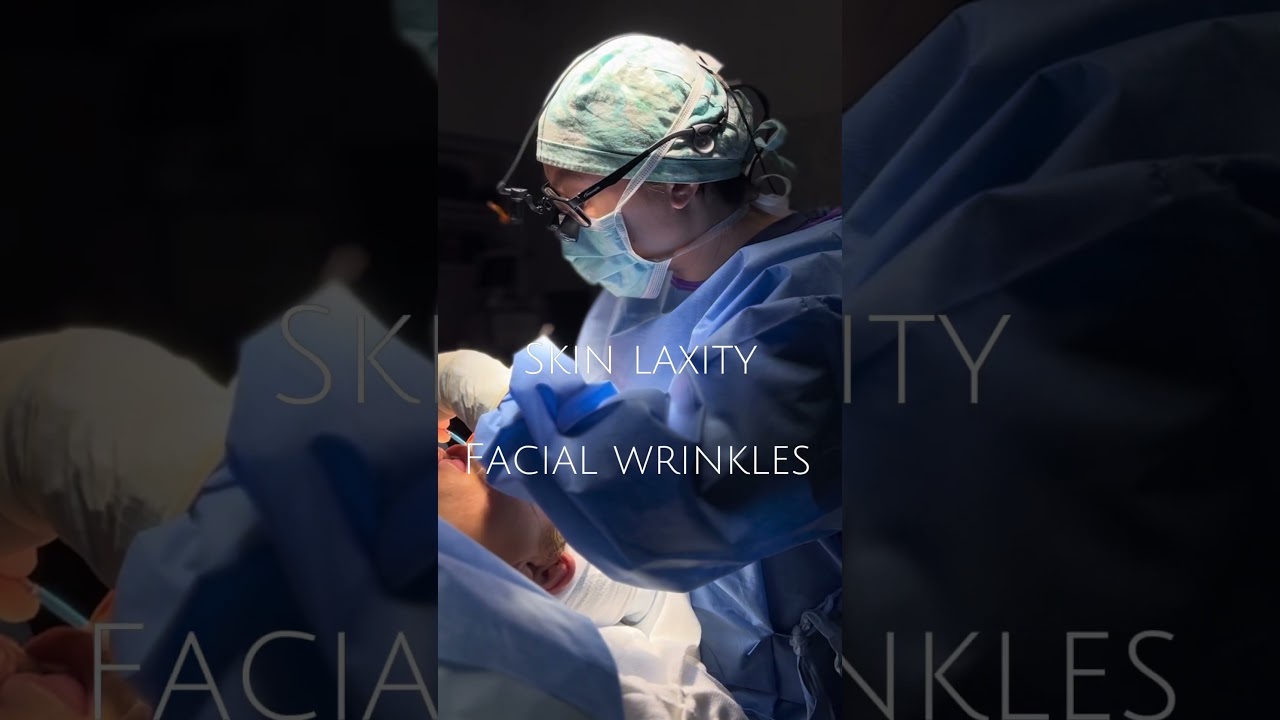
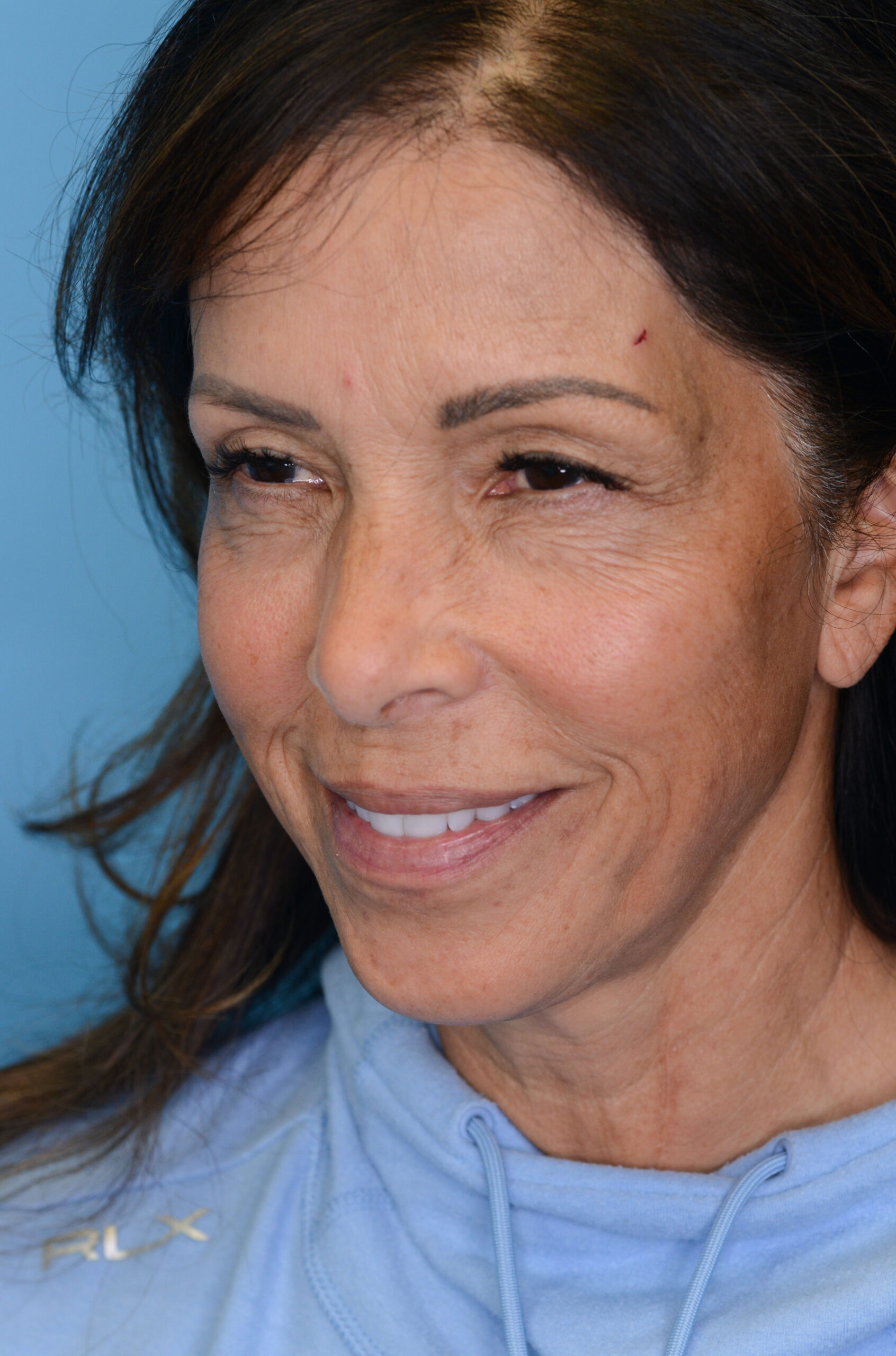
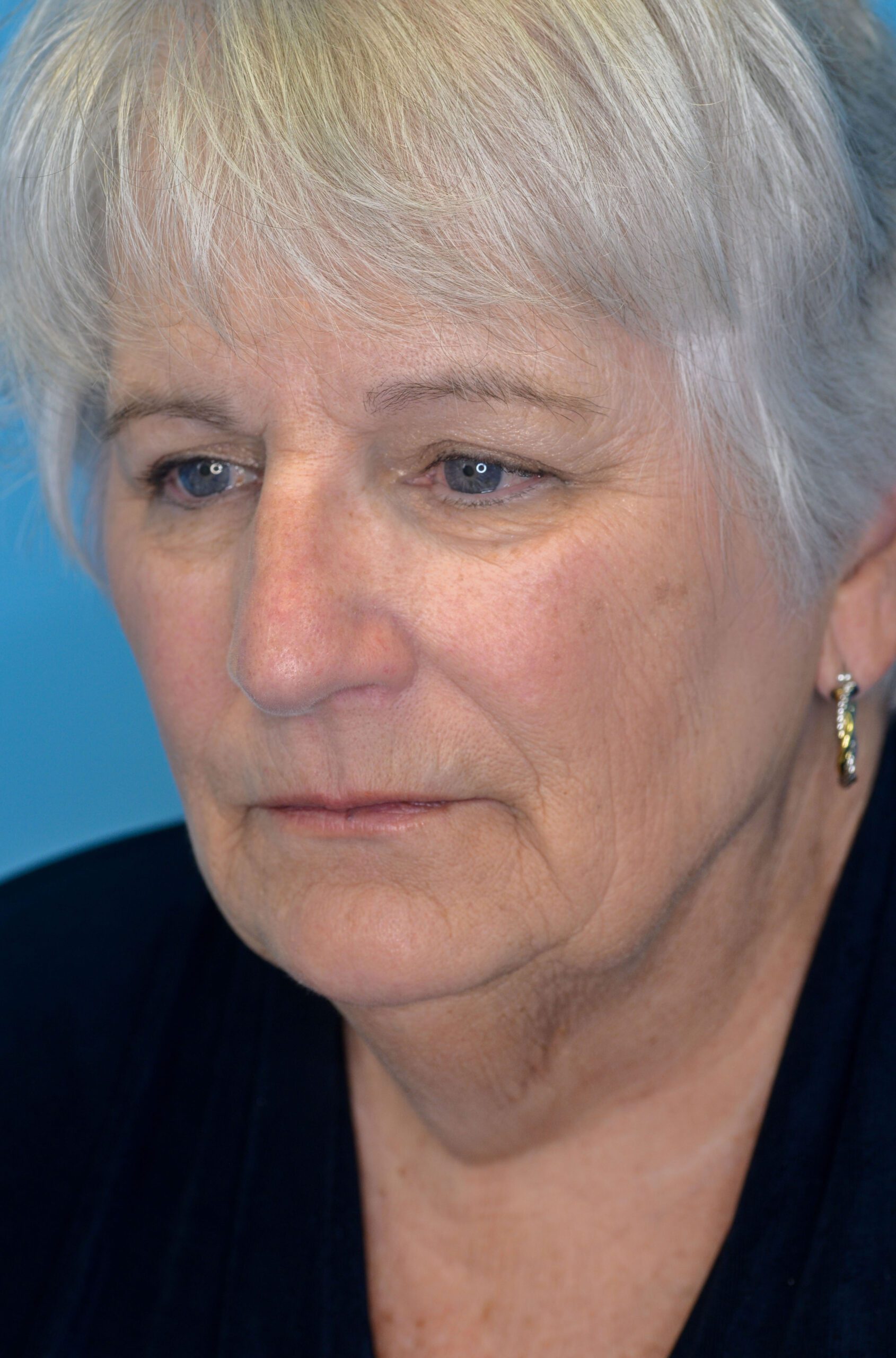
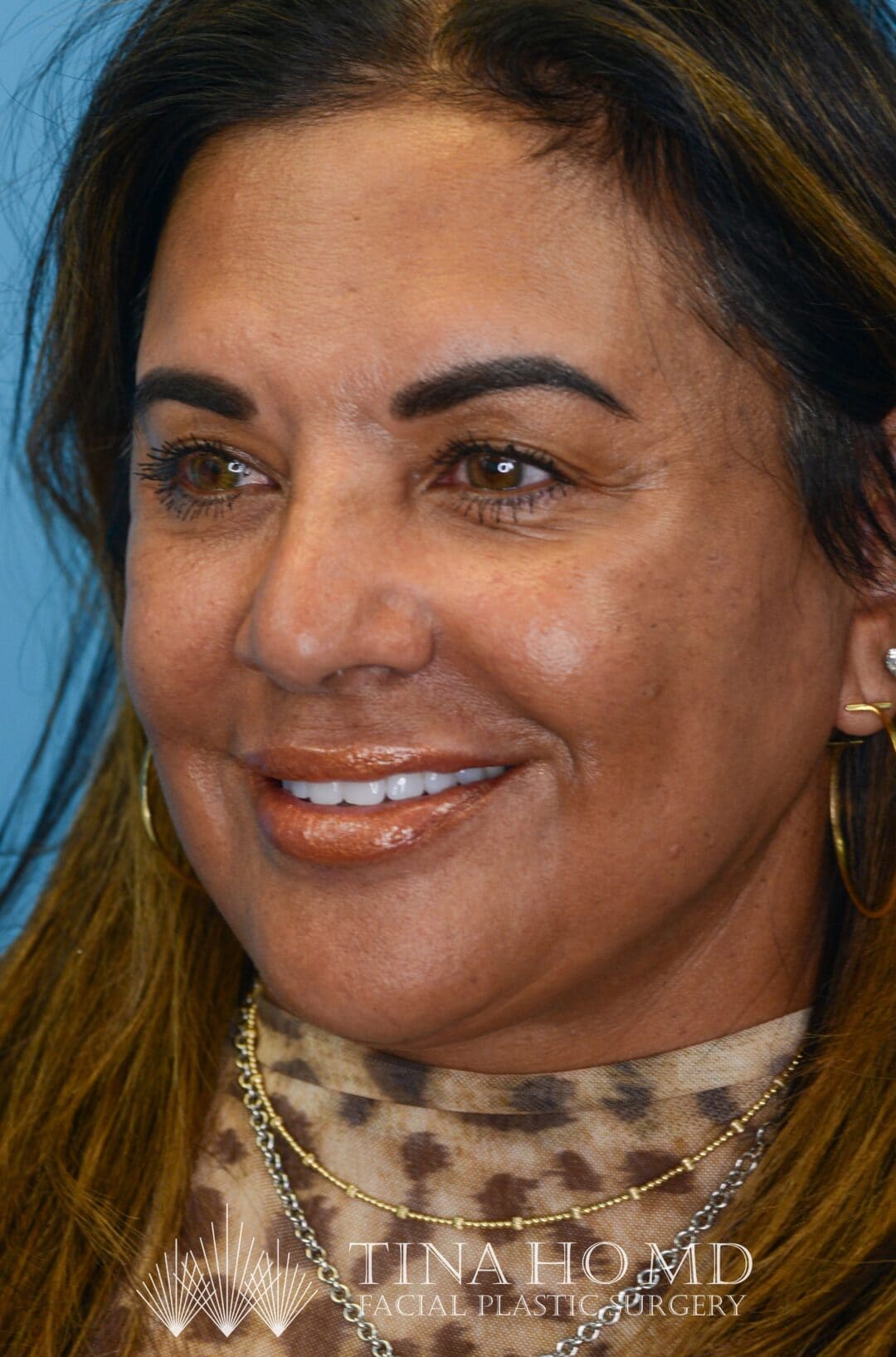
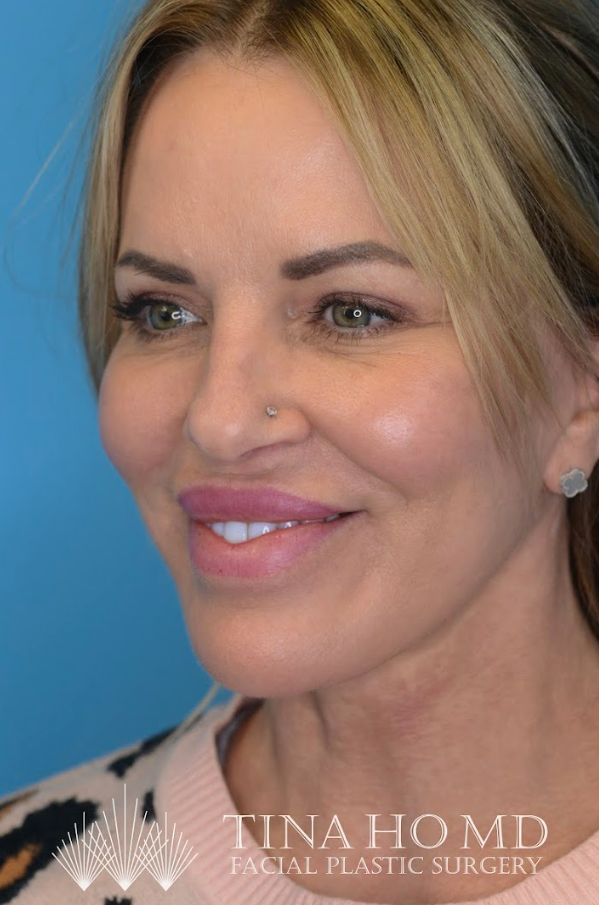
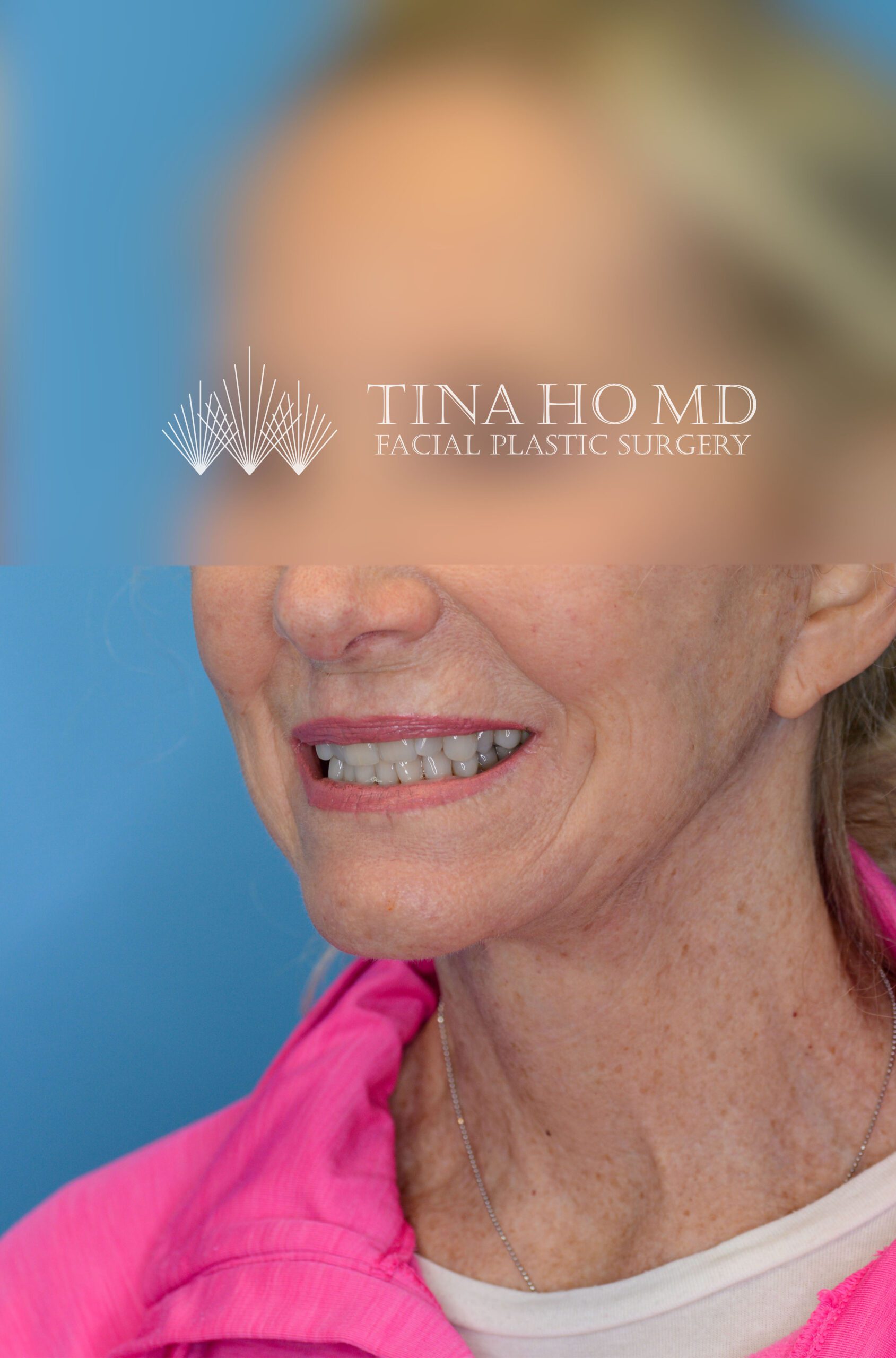
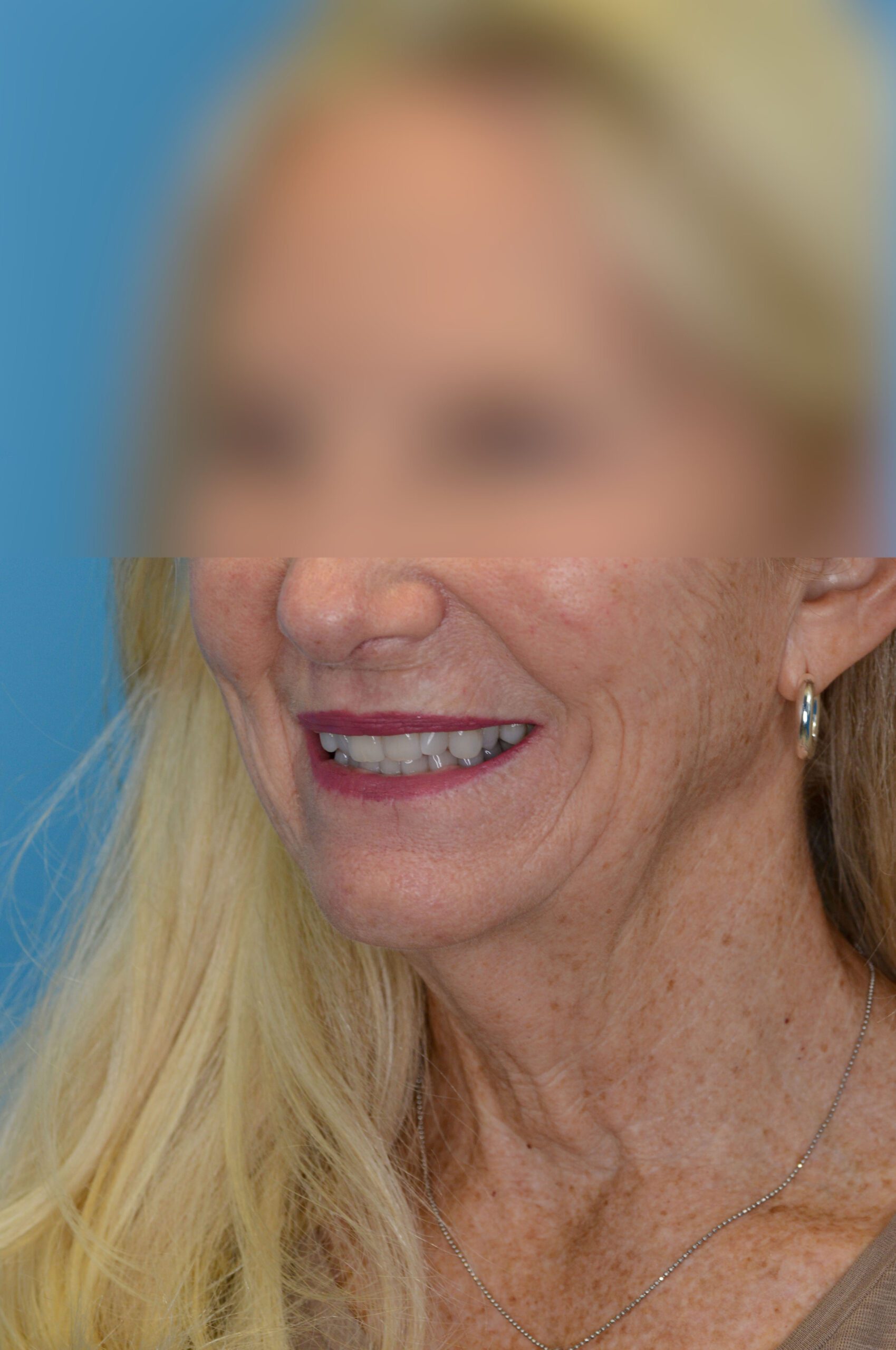
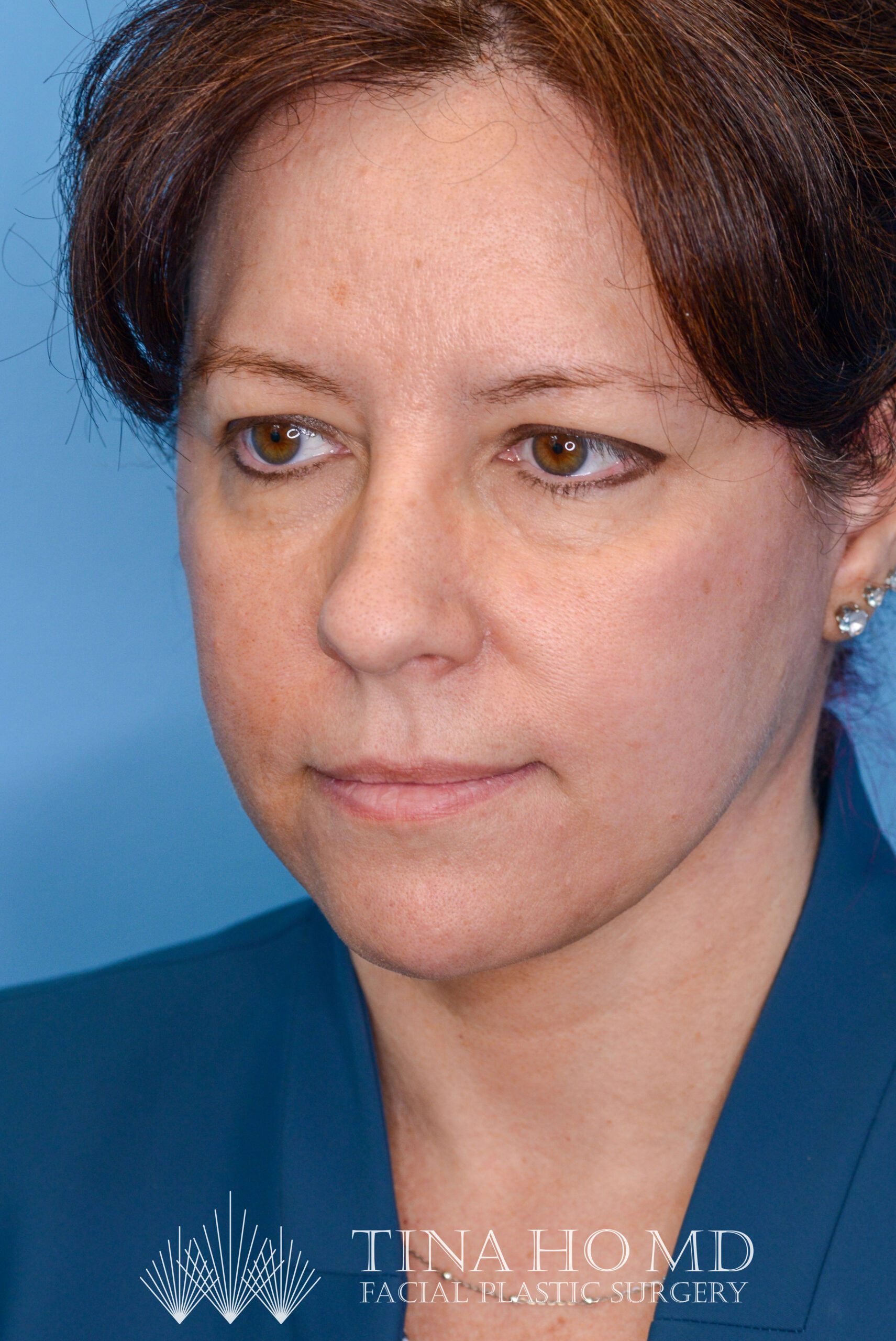
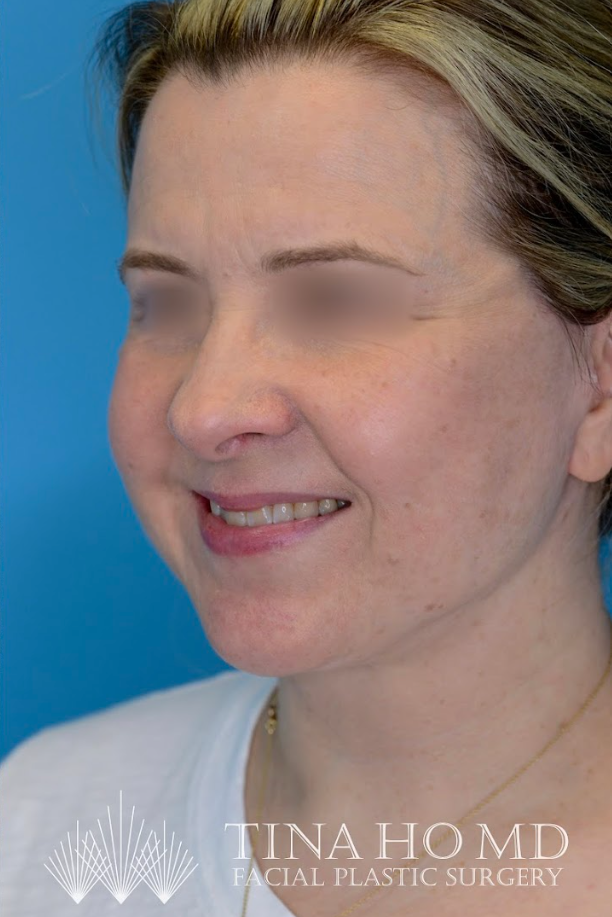
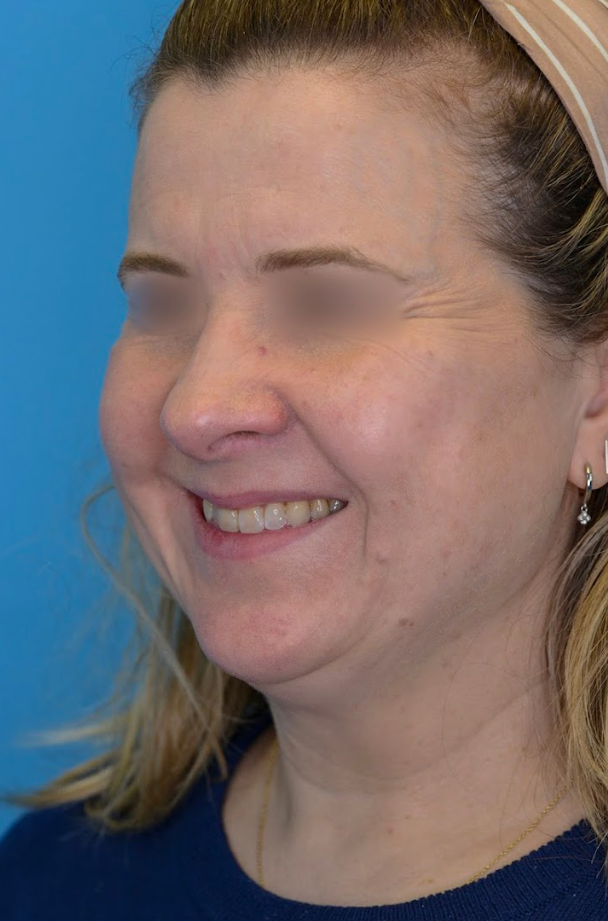
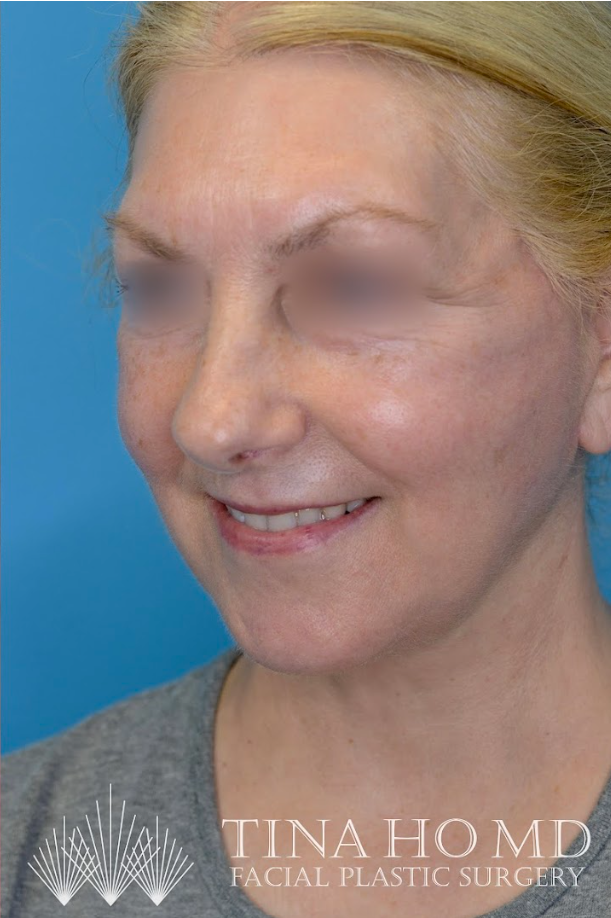
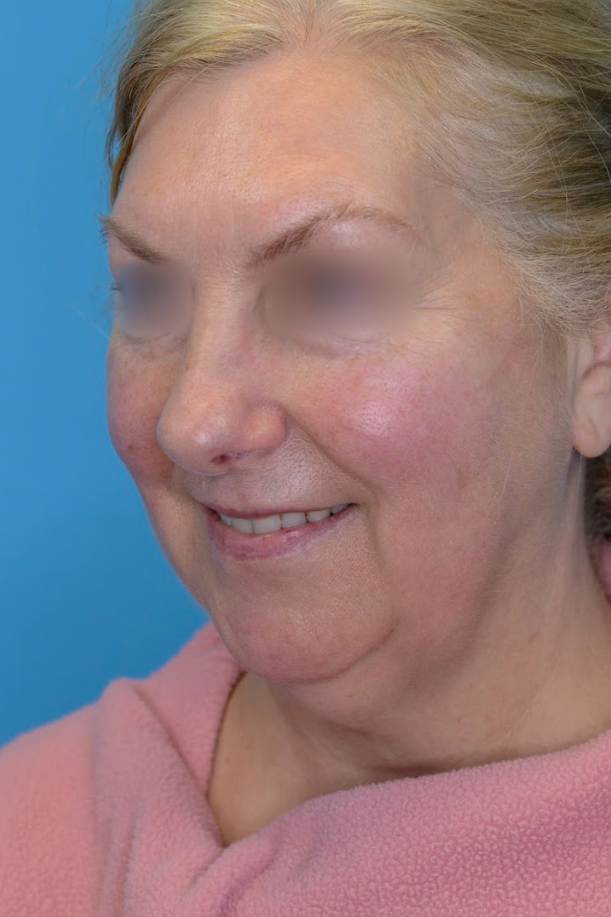
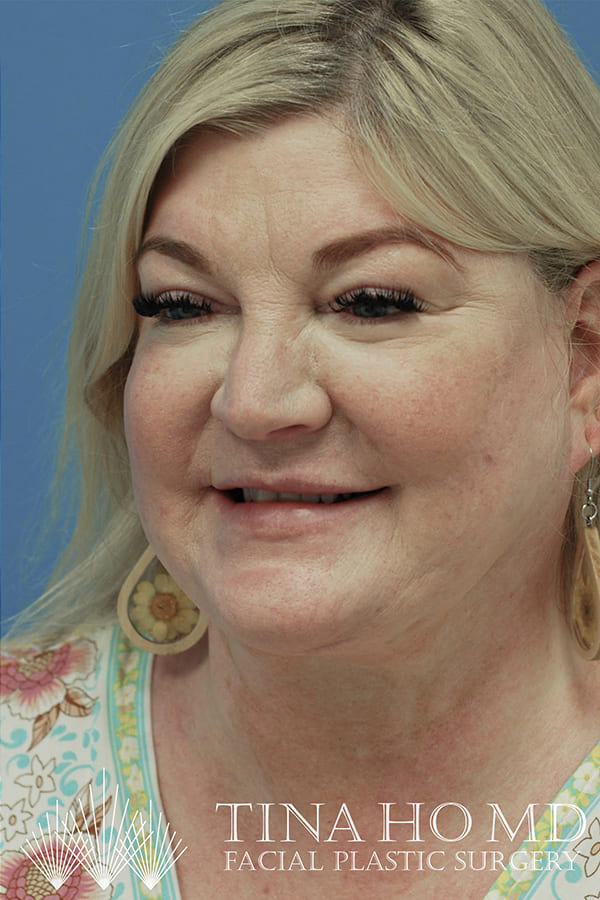
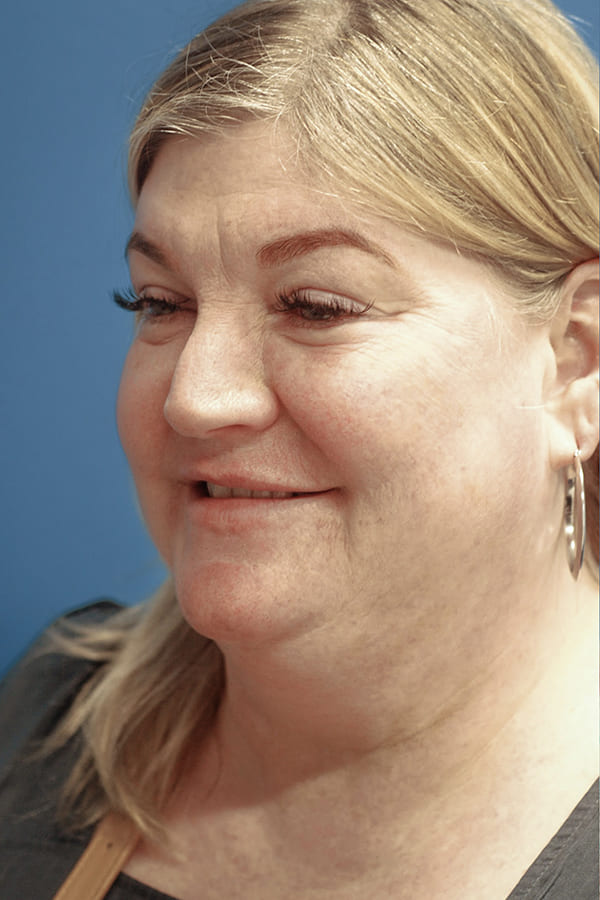
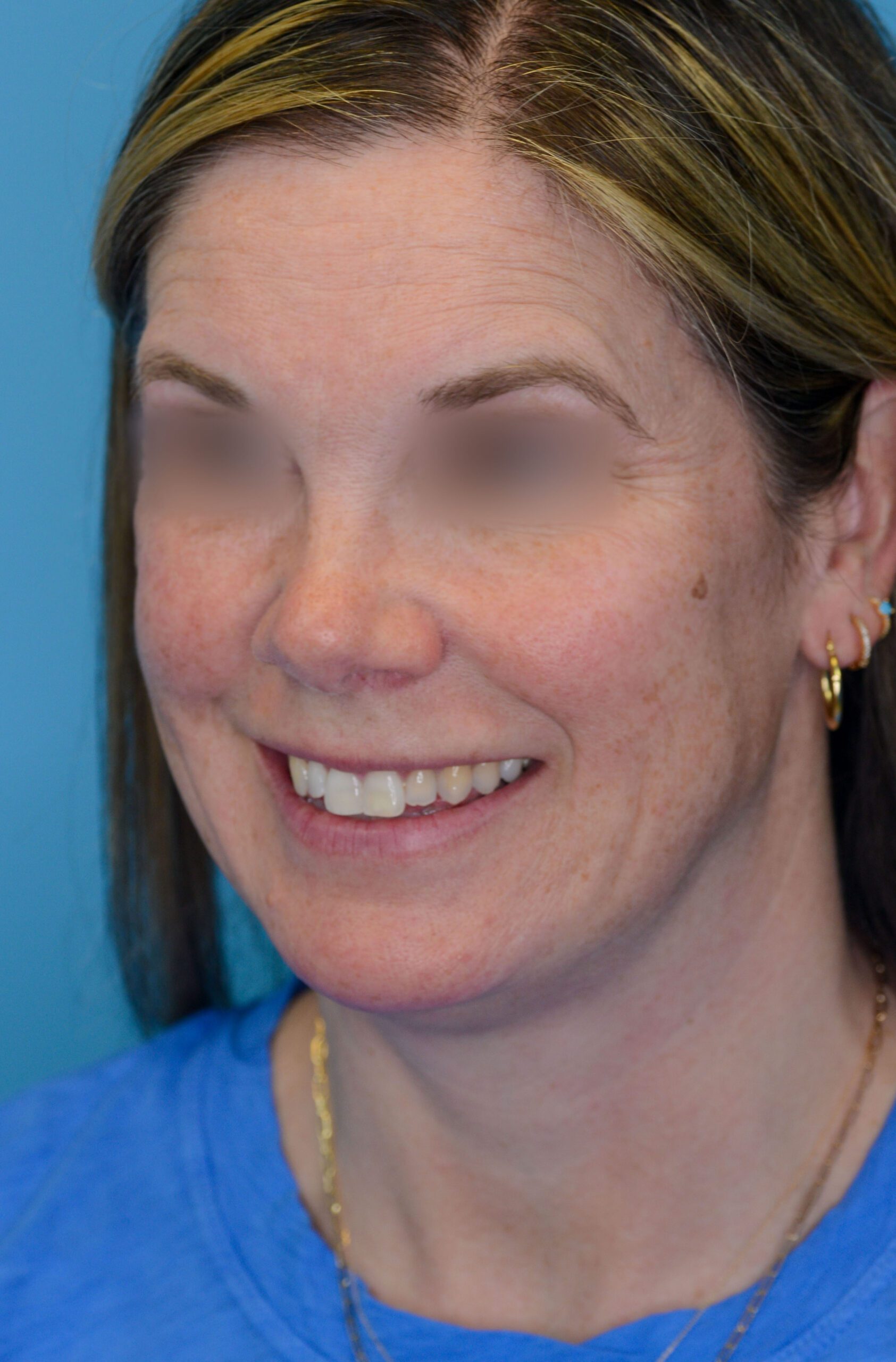
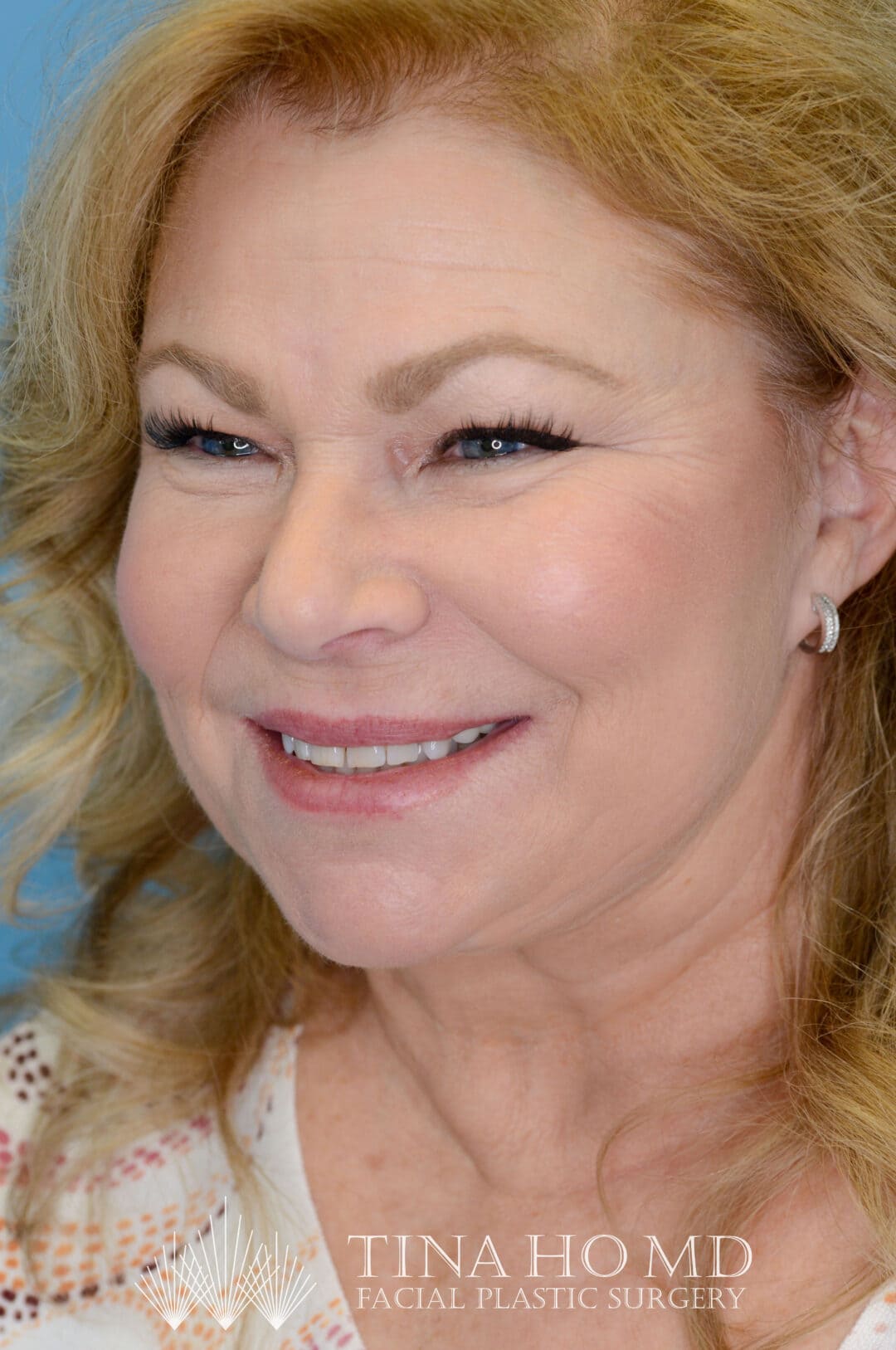
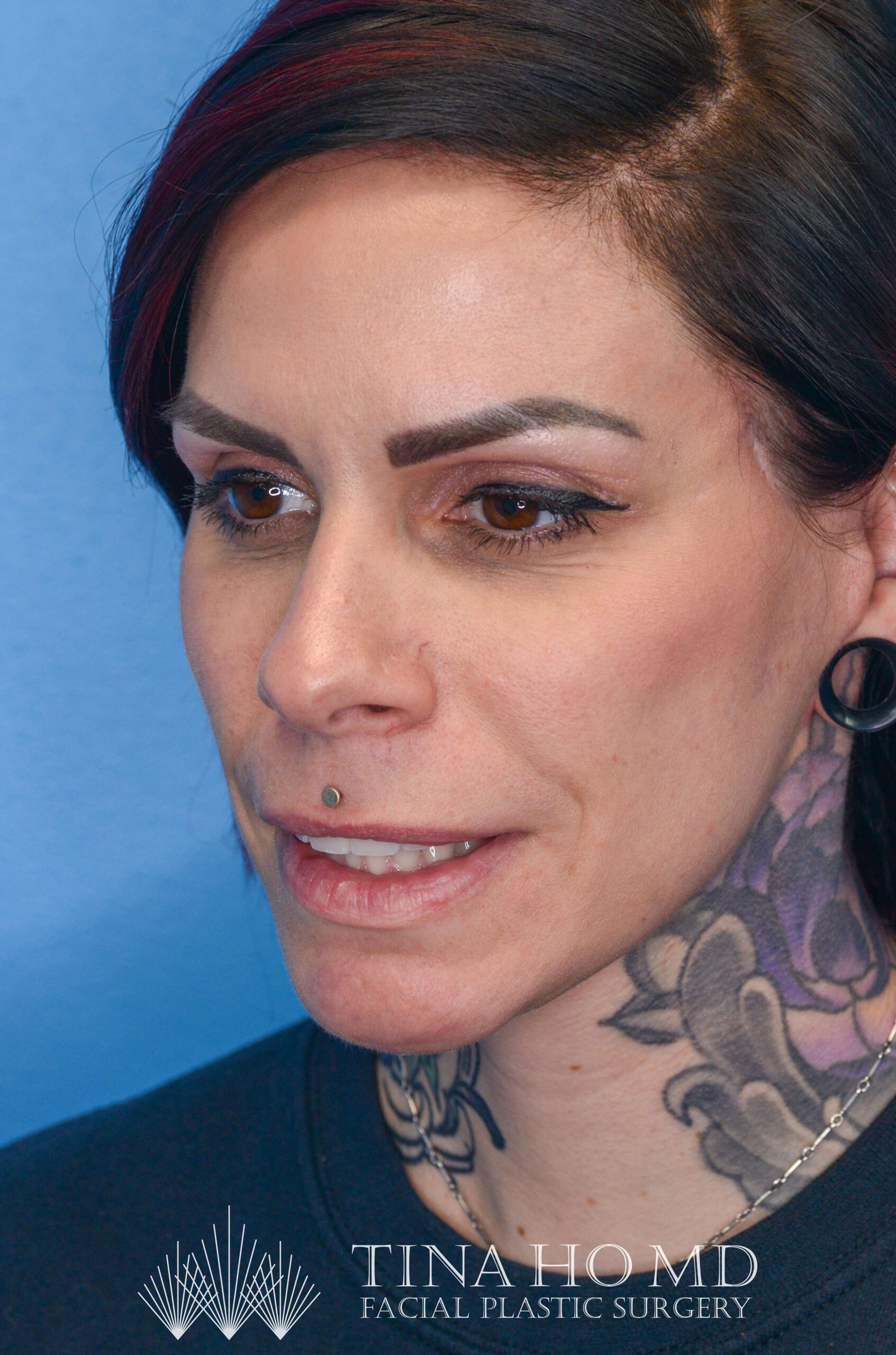
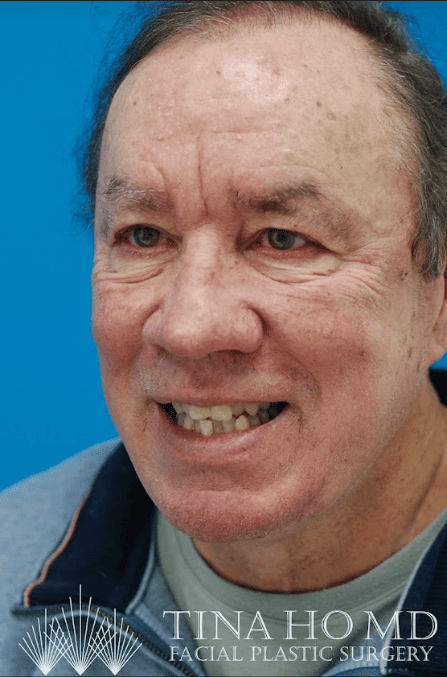
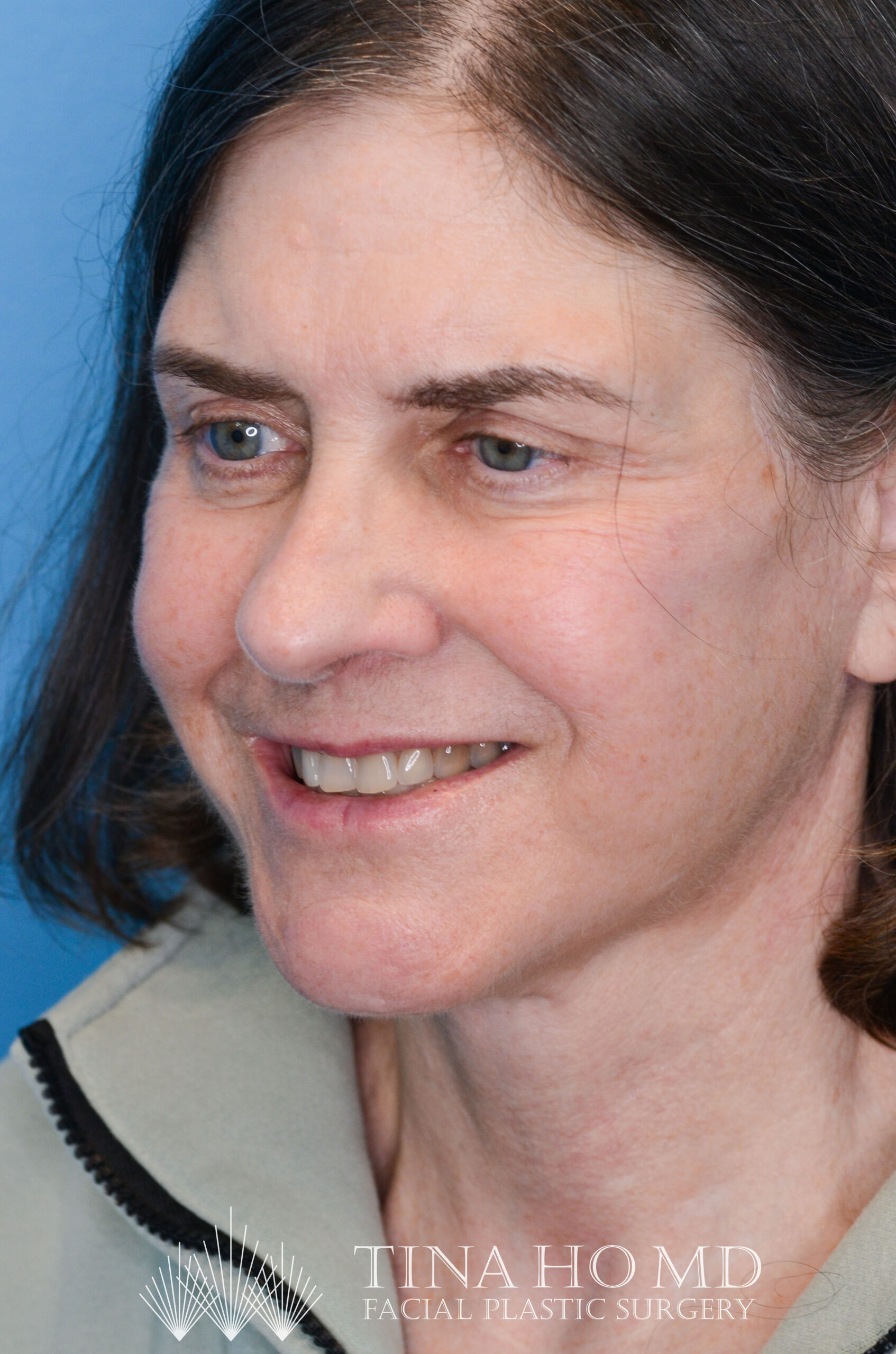
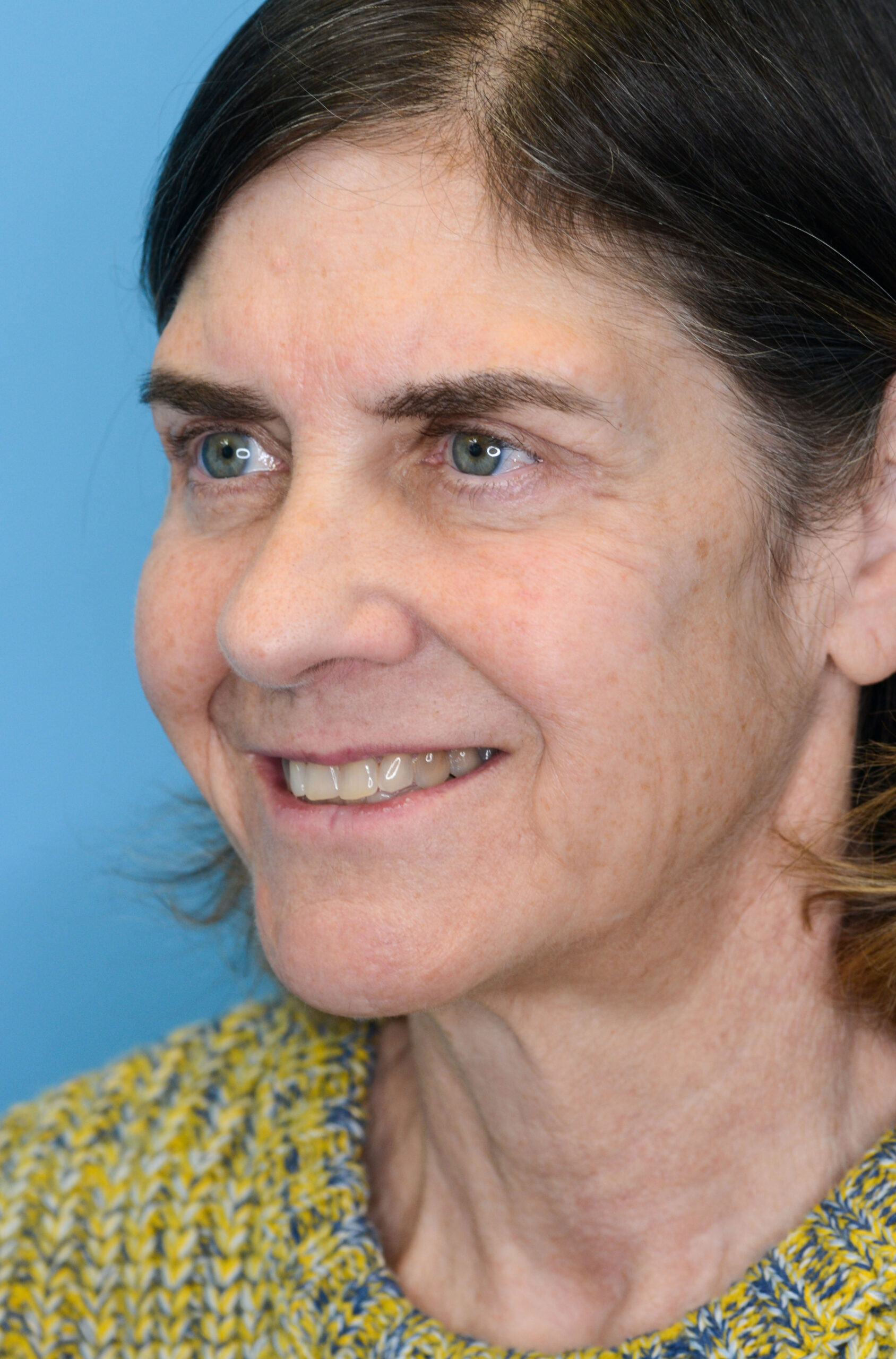
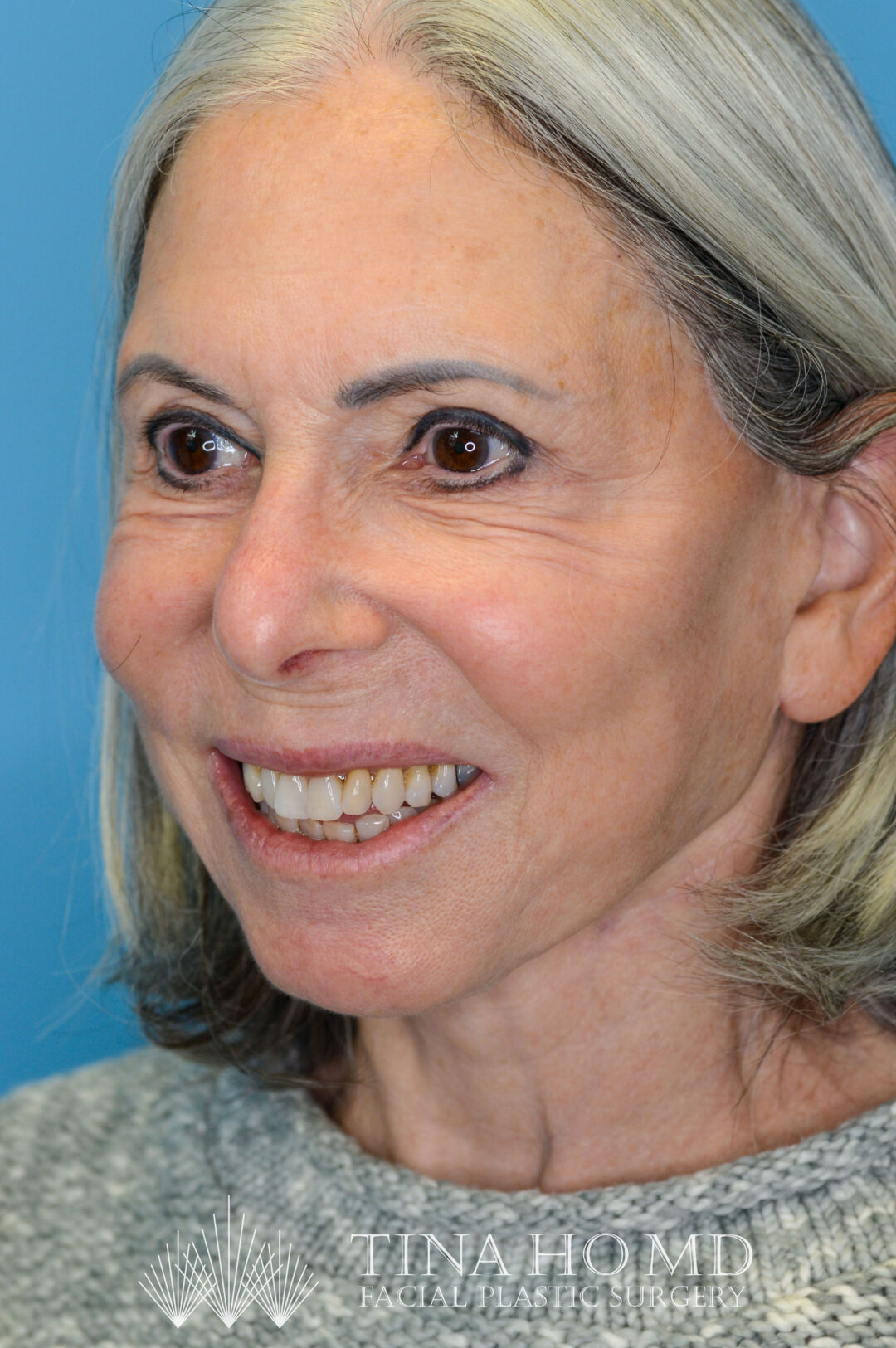
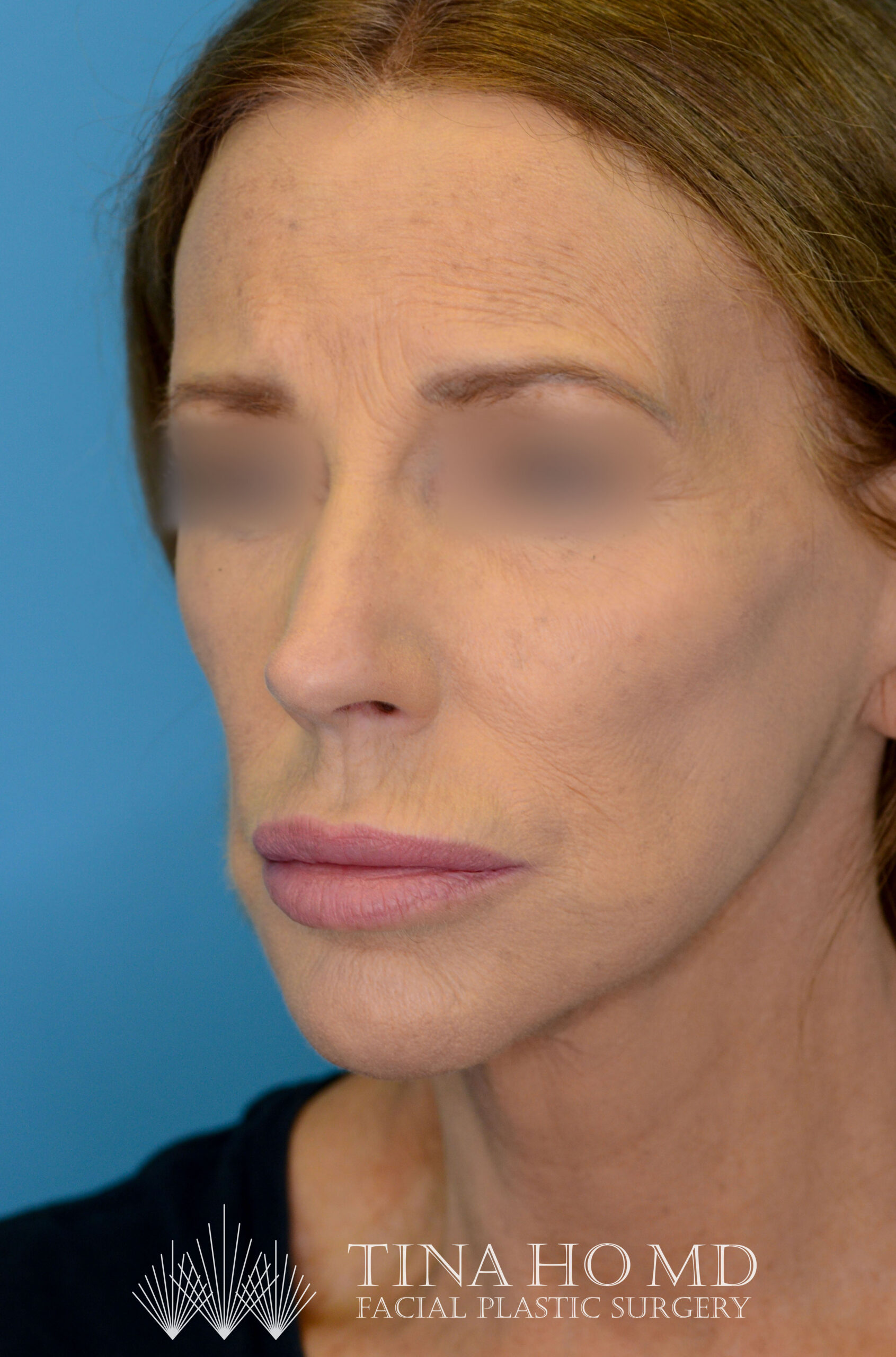
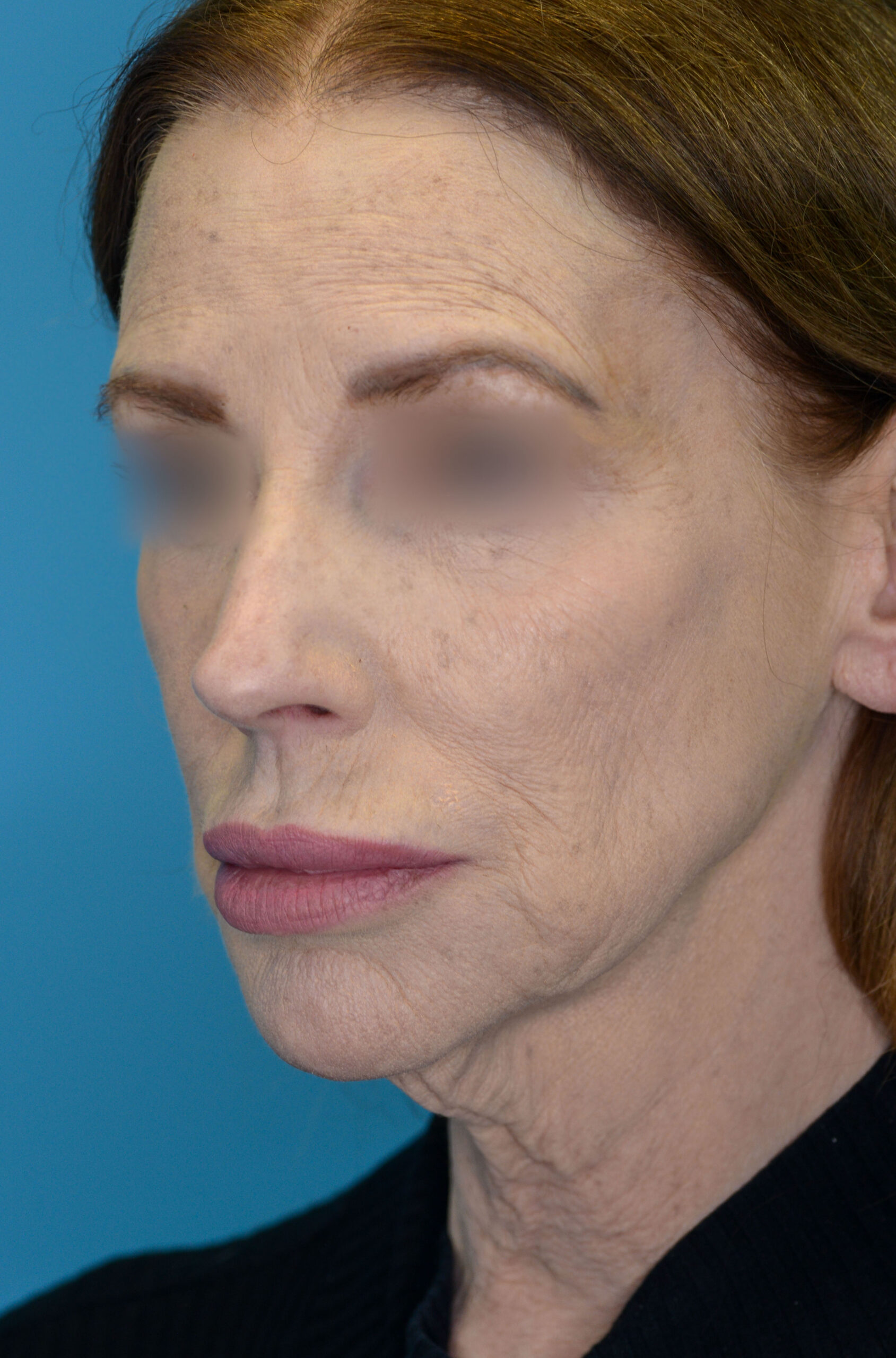
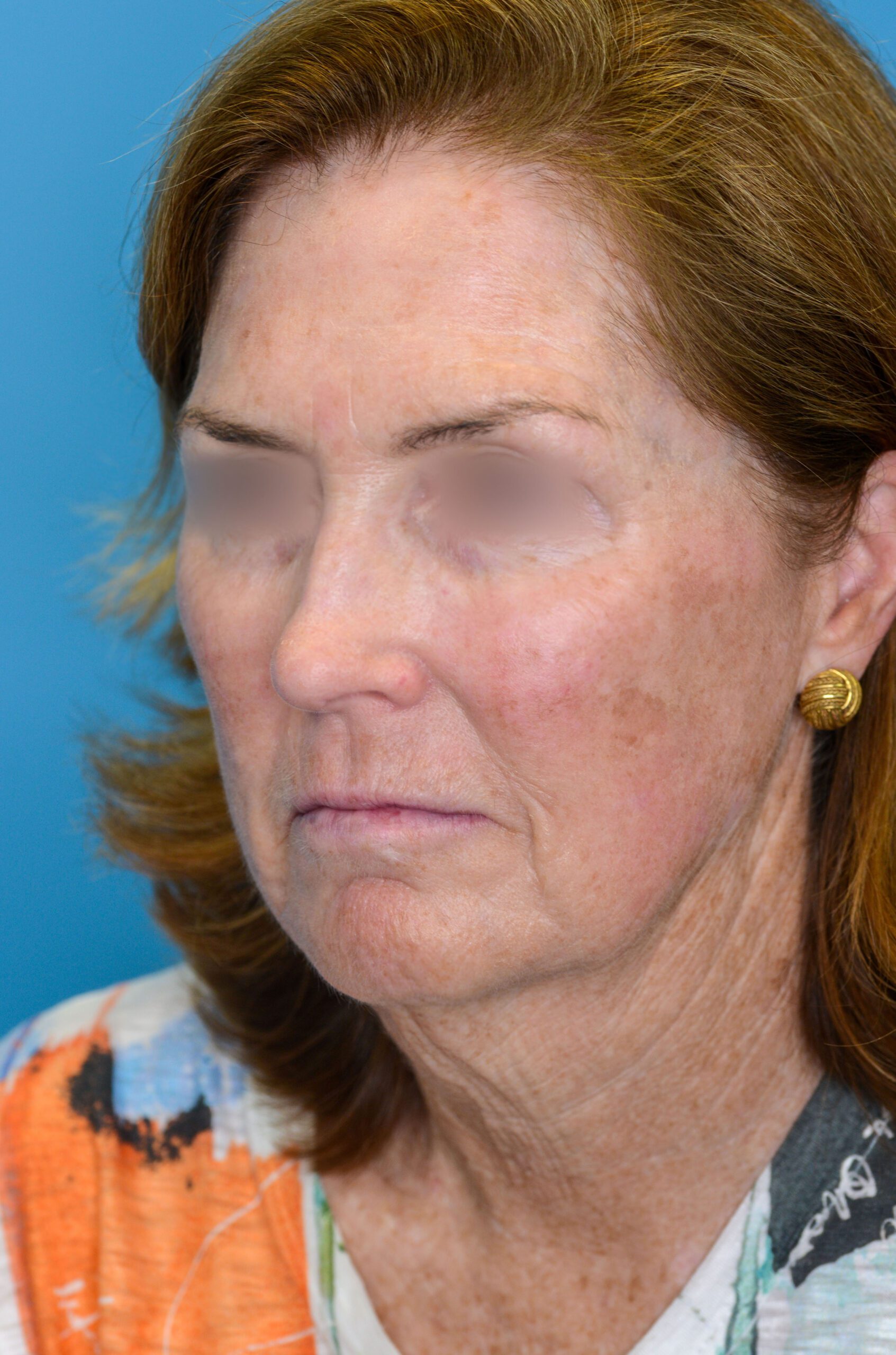
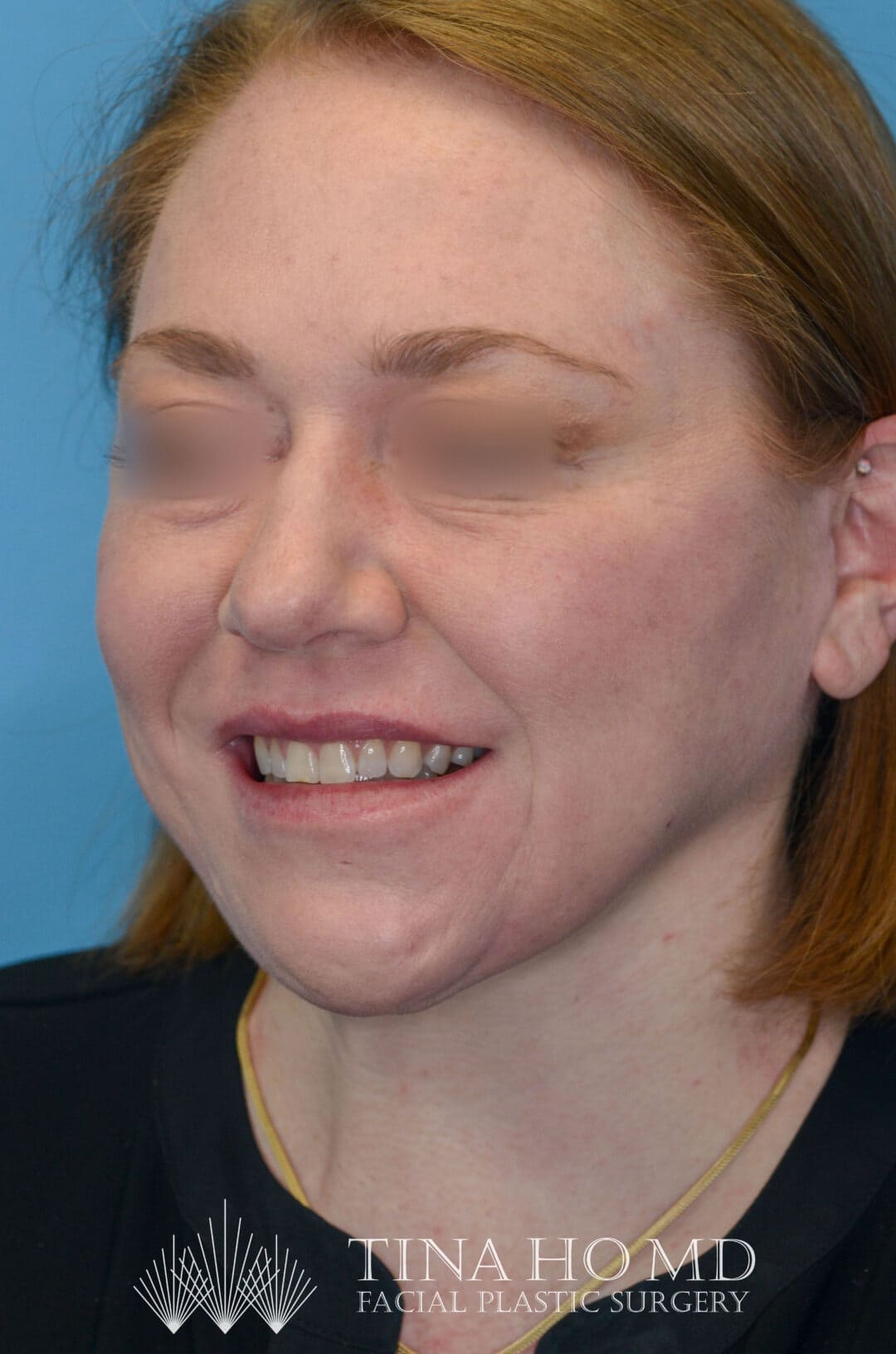
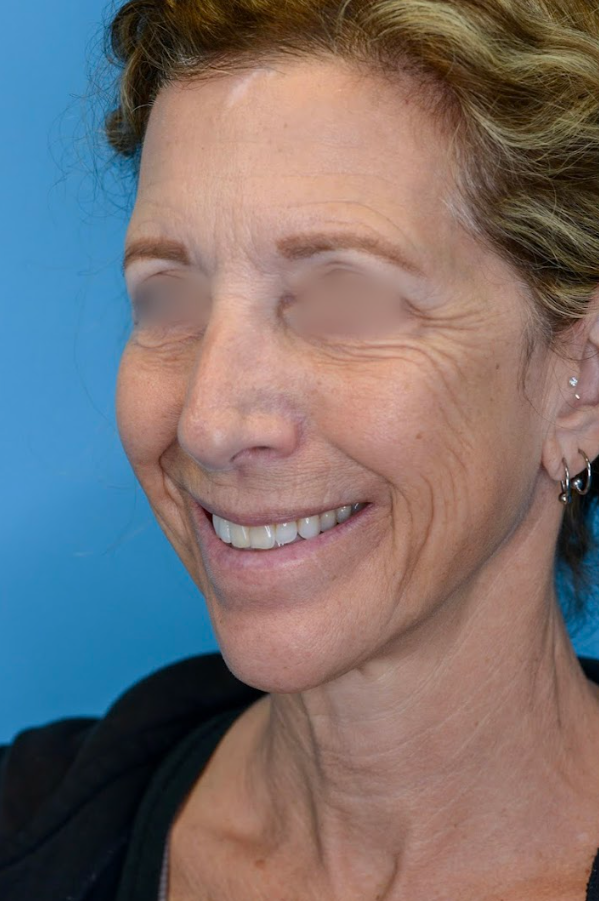
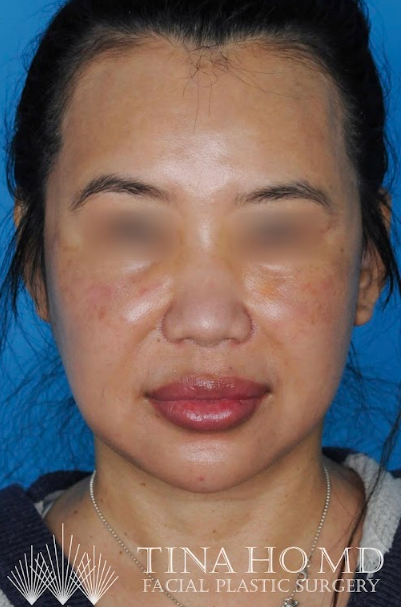
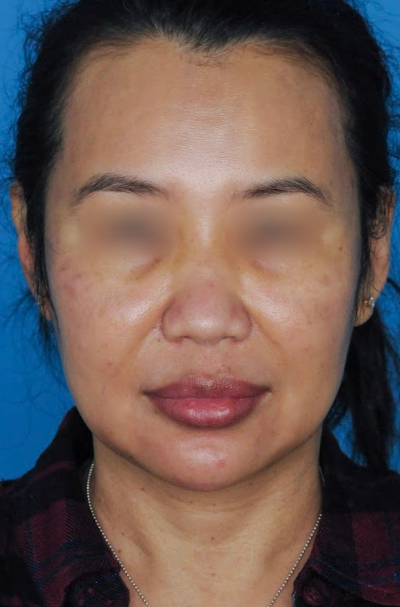
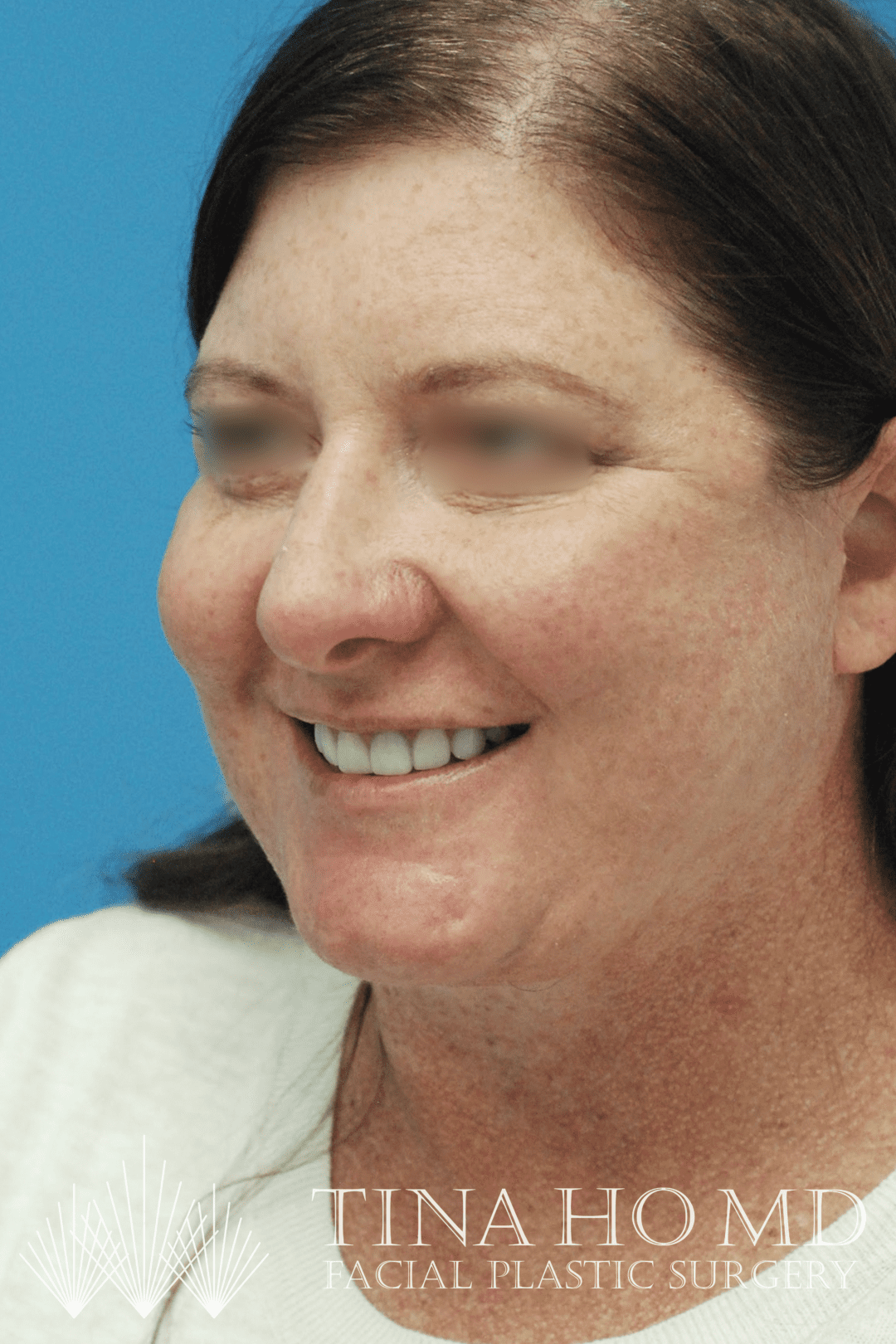
Facelift surgery can address several signs of facial aging, including skin laxity, facial wrinkles, sagging cheeks, jowling, nasolabial folds, marionette lines, and an ill-defined jawline, helping you turn back the clock and restore your confidence with natural, rejuvenated results.


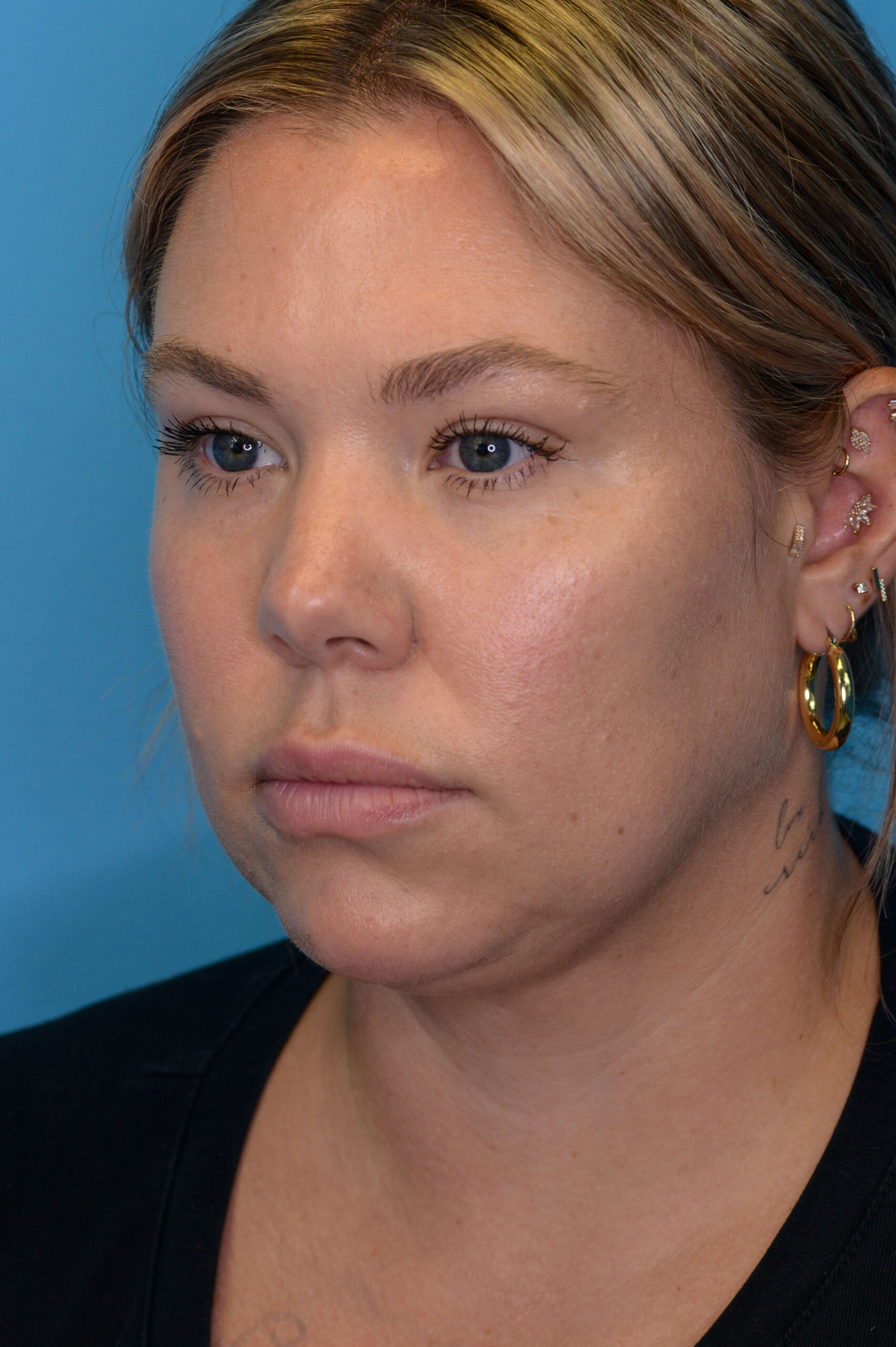
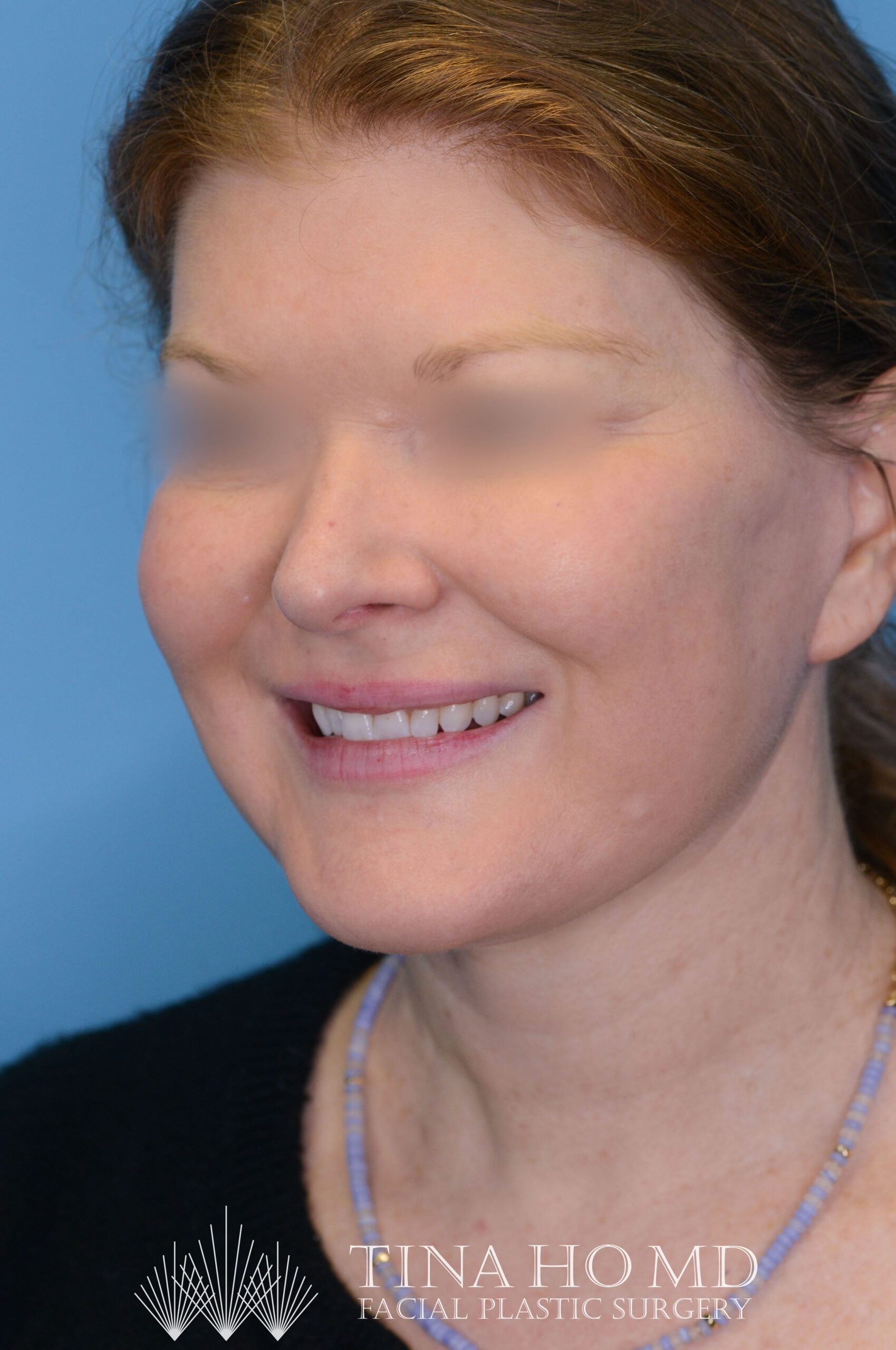

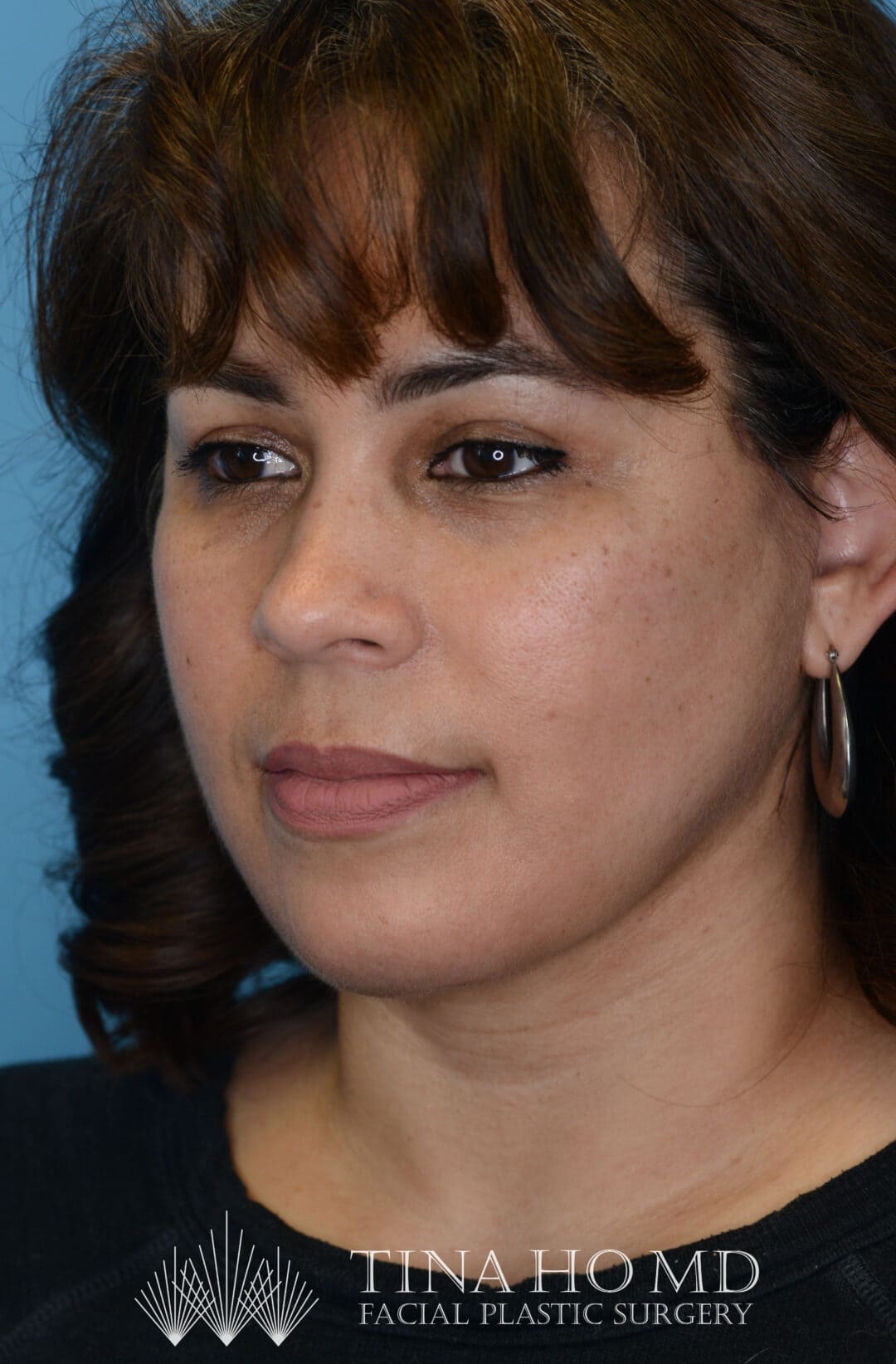

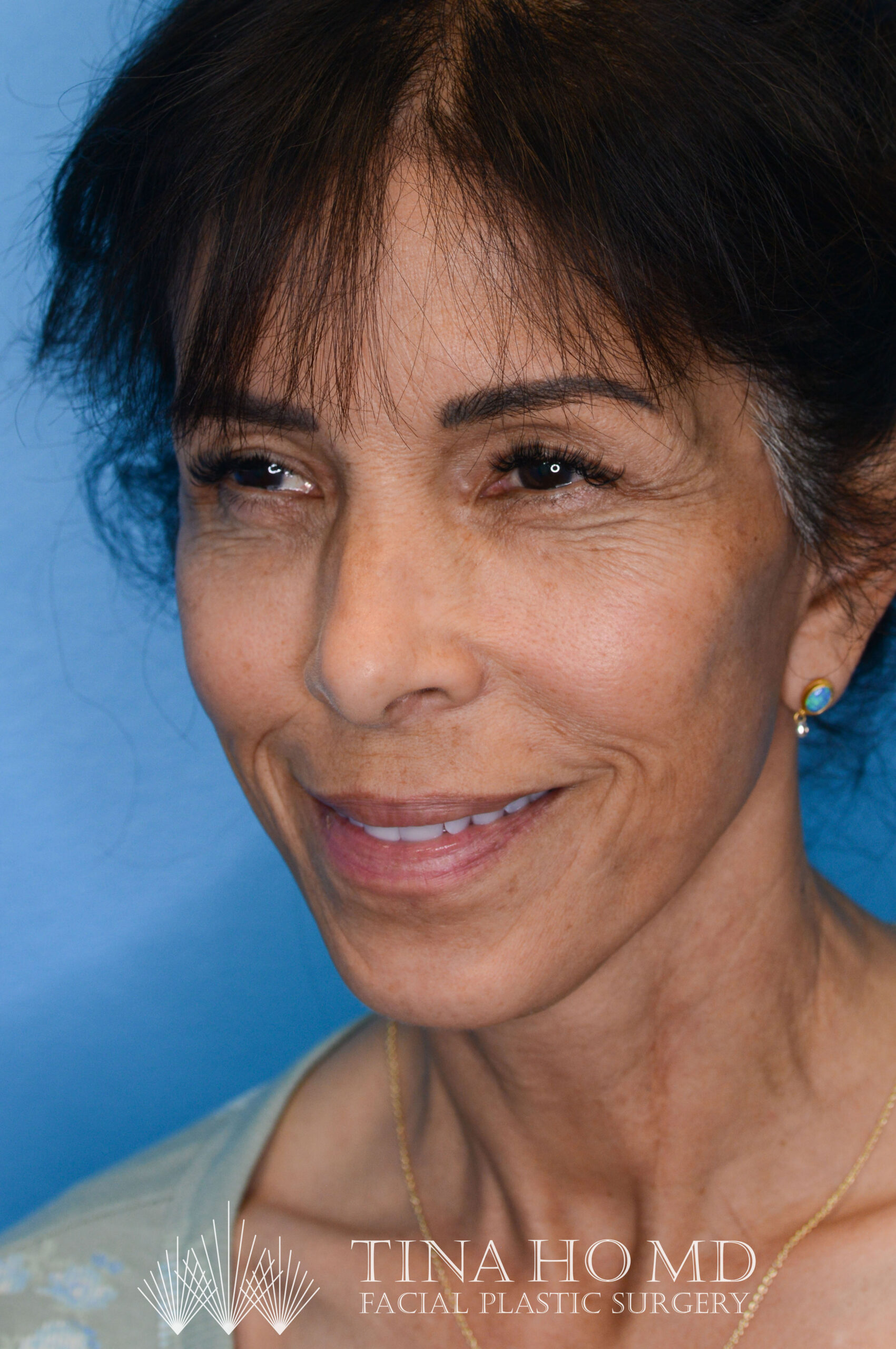














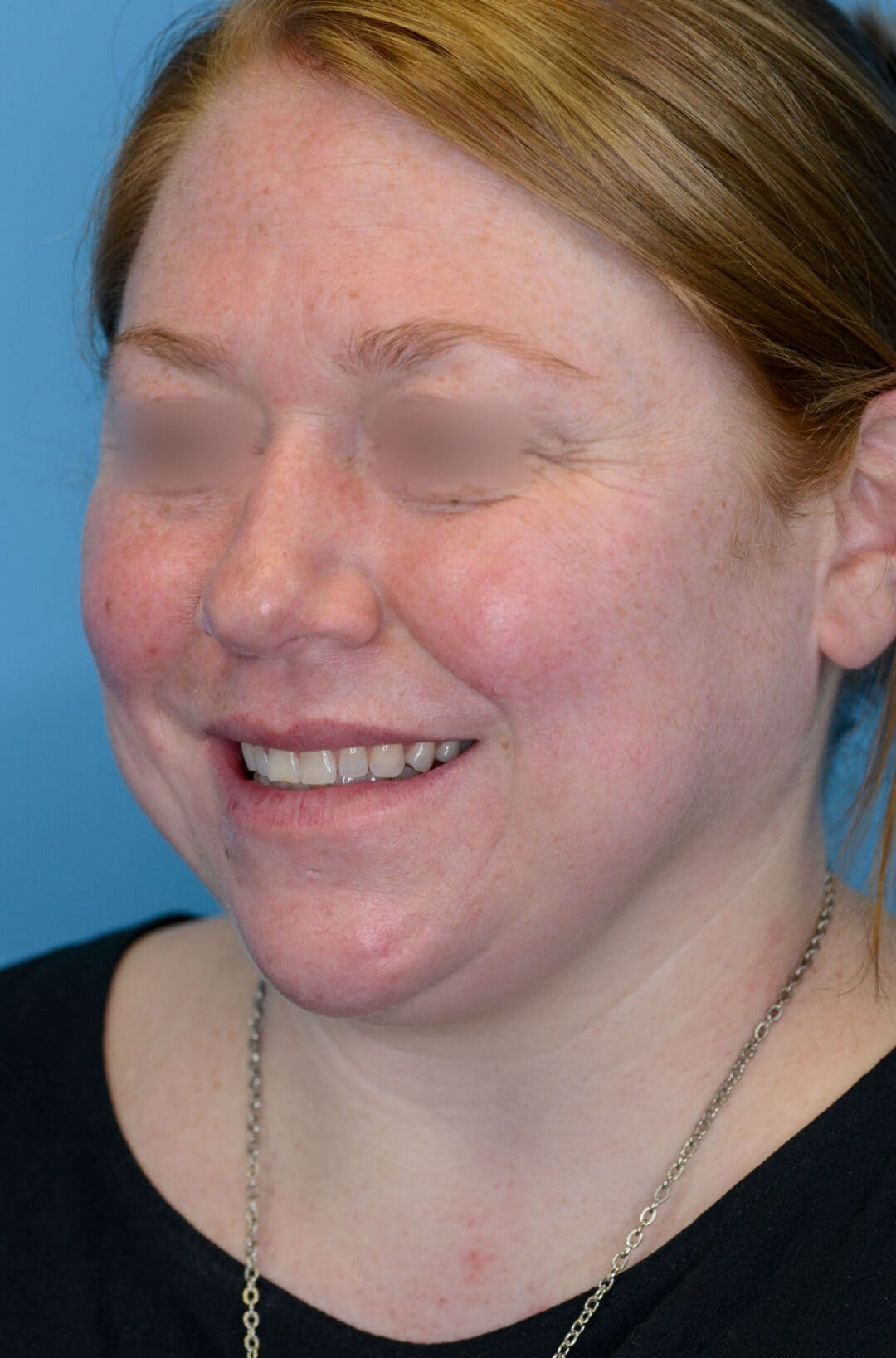
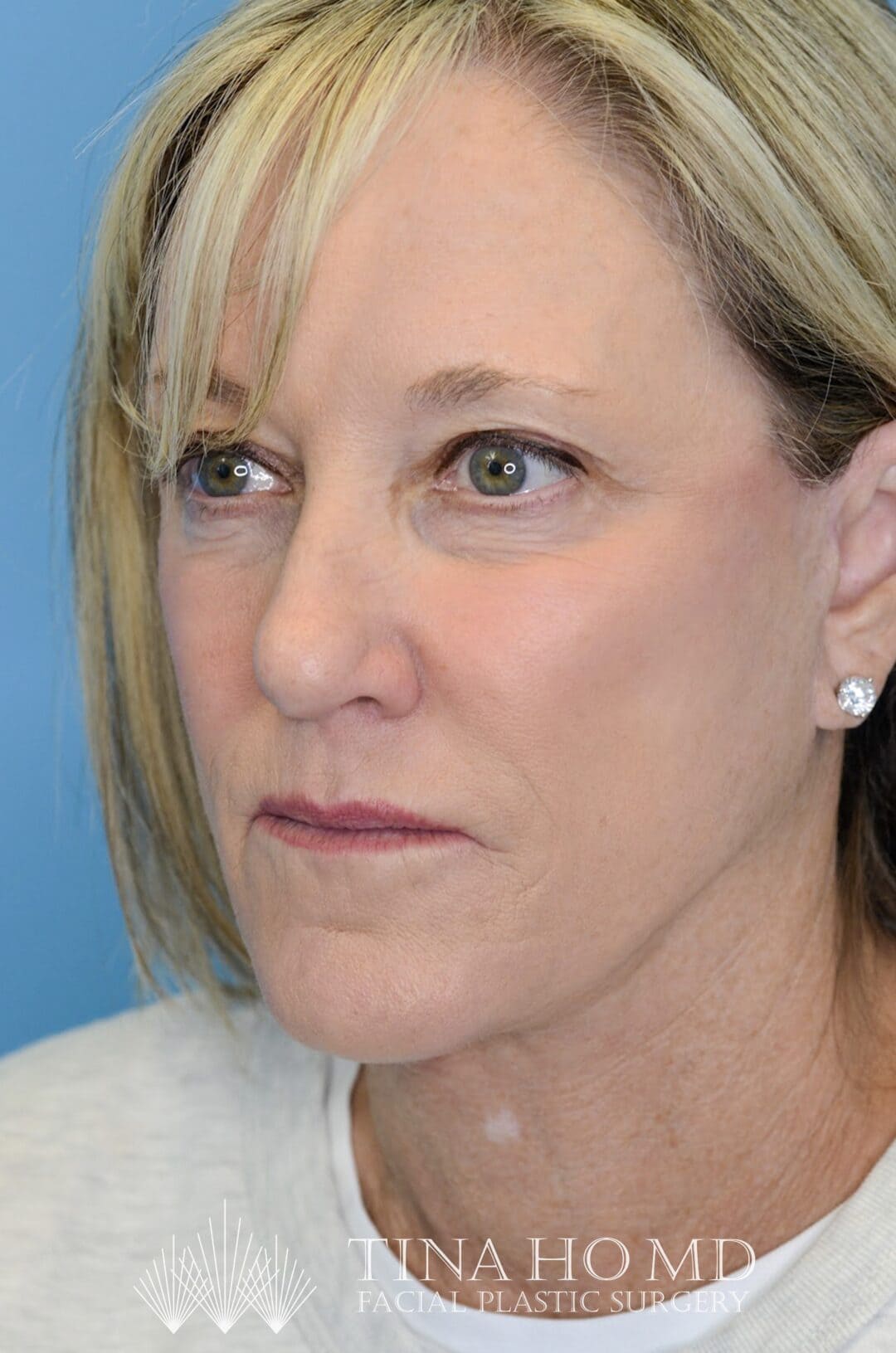
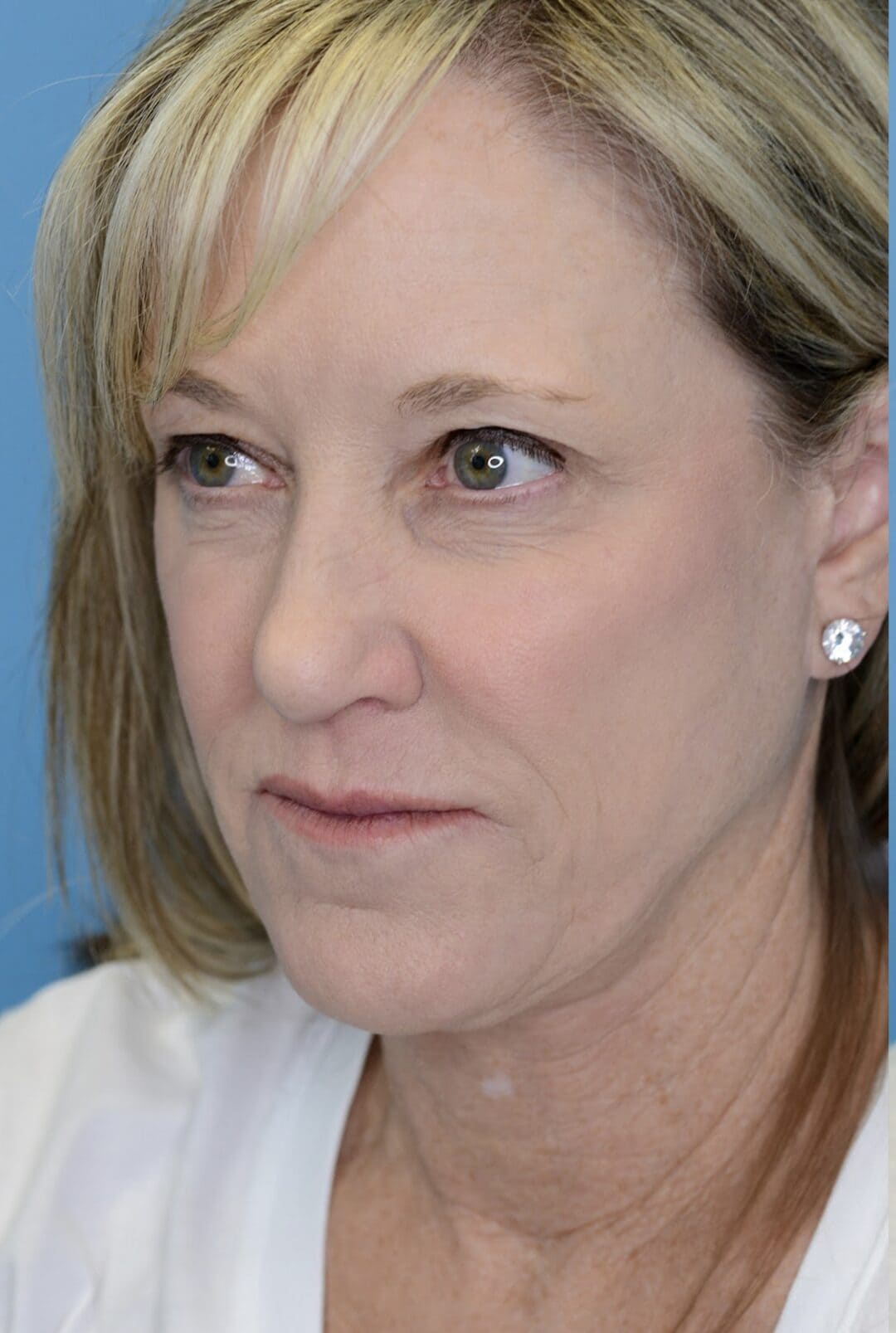
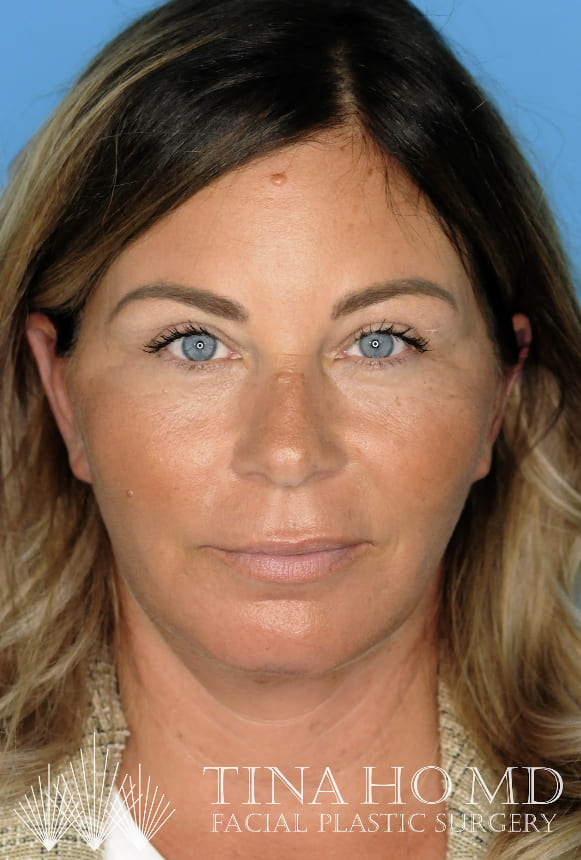
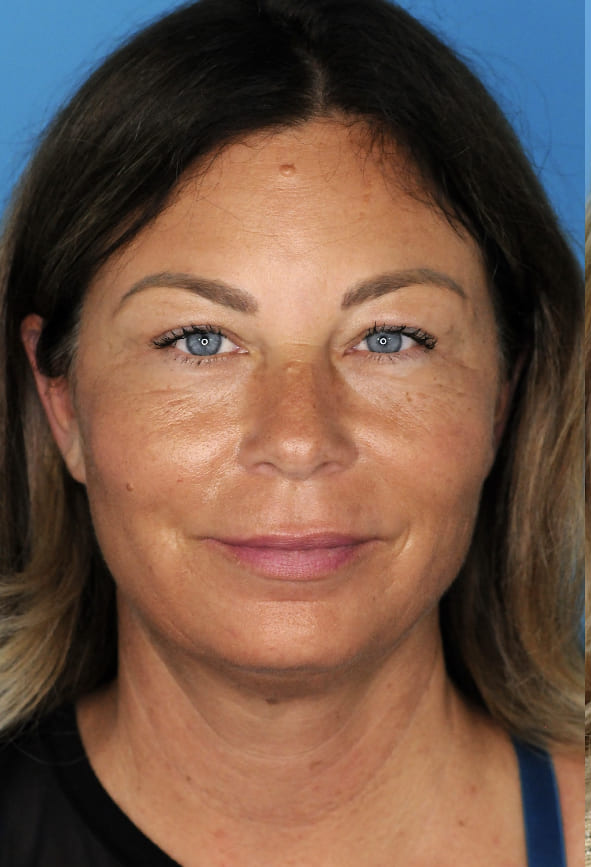
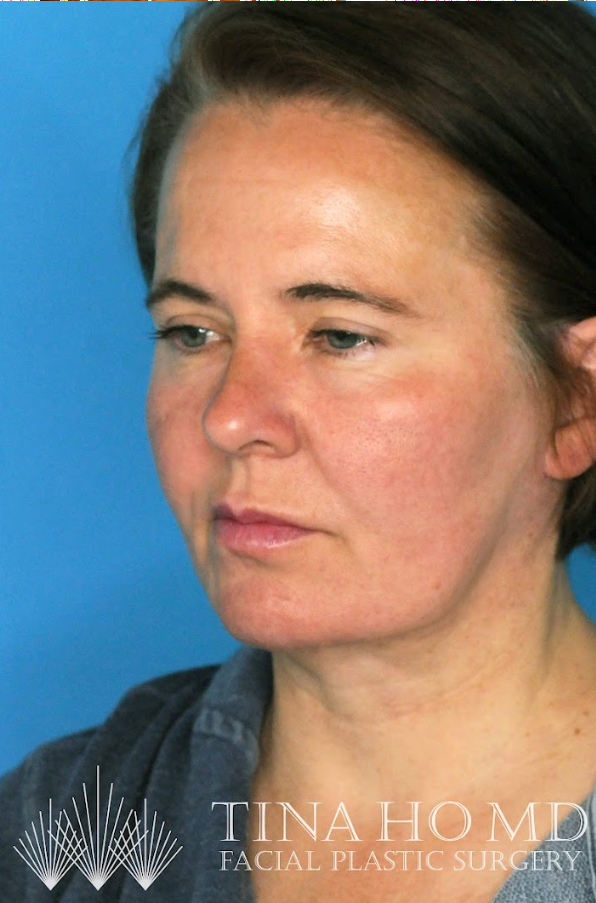
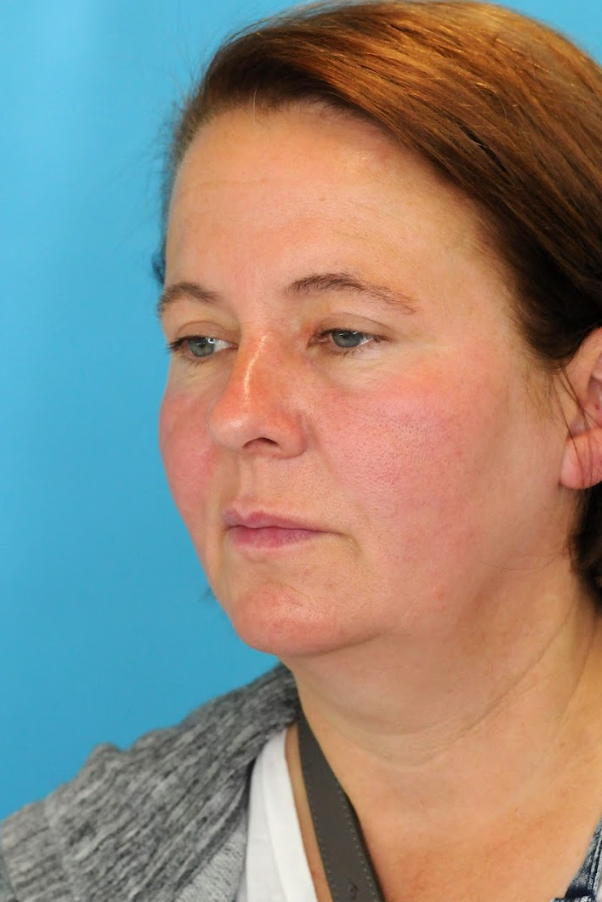
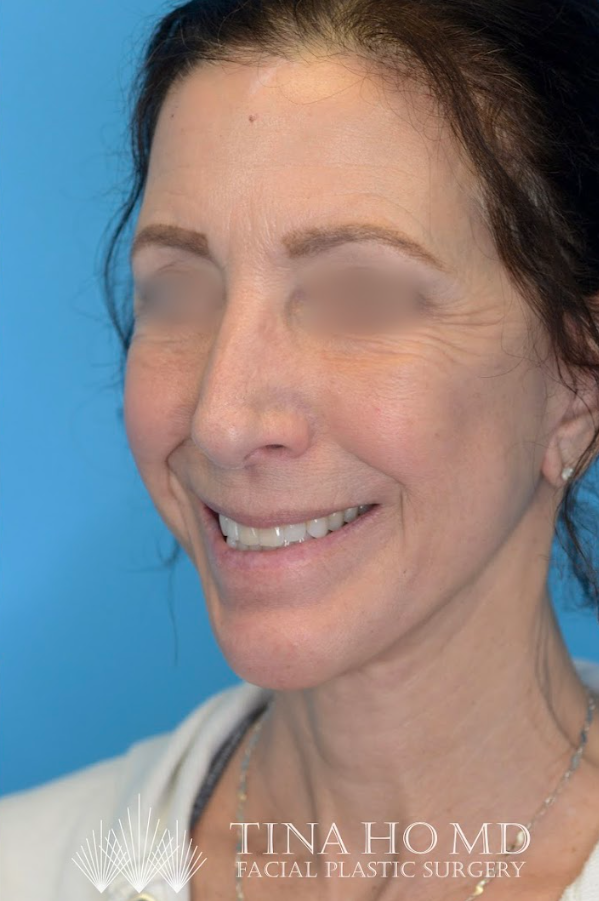

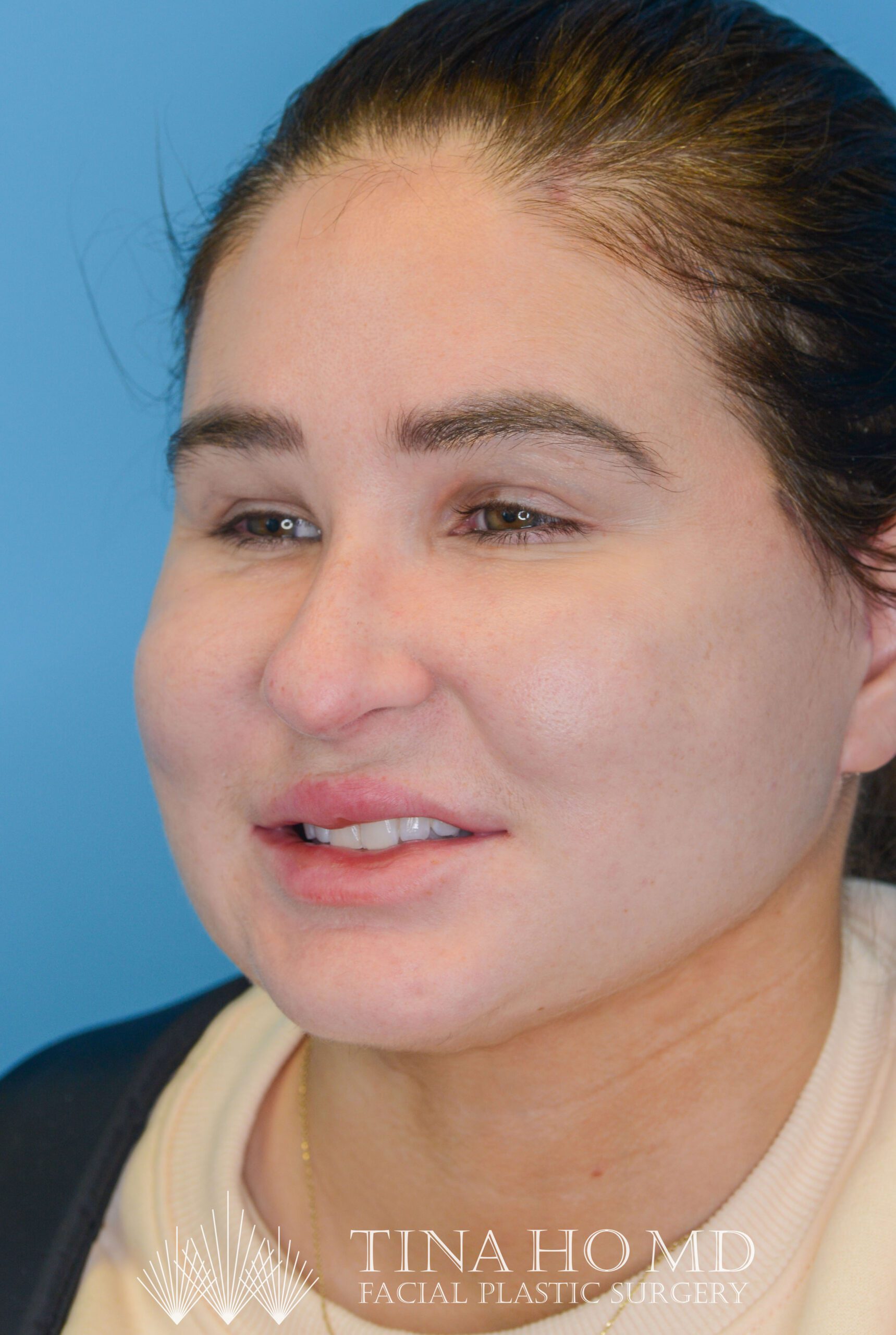
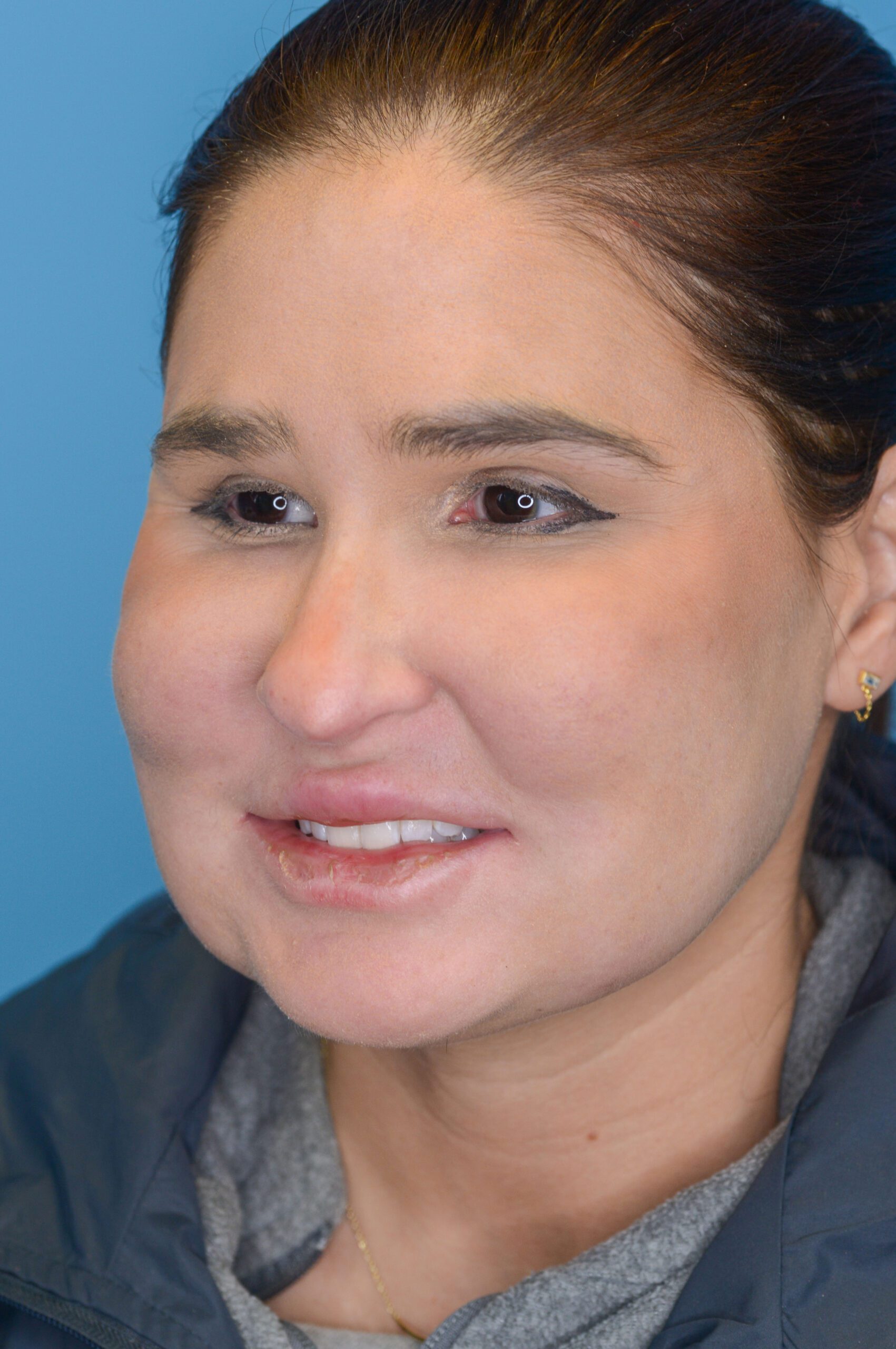
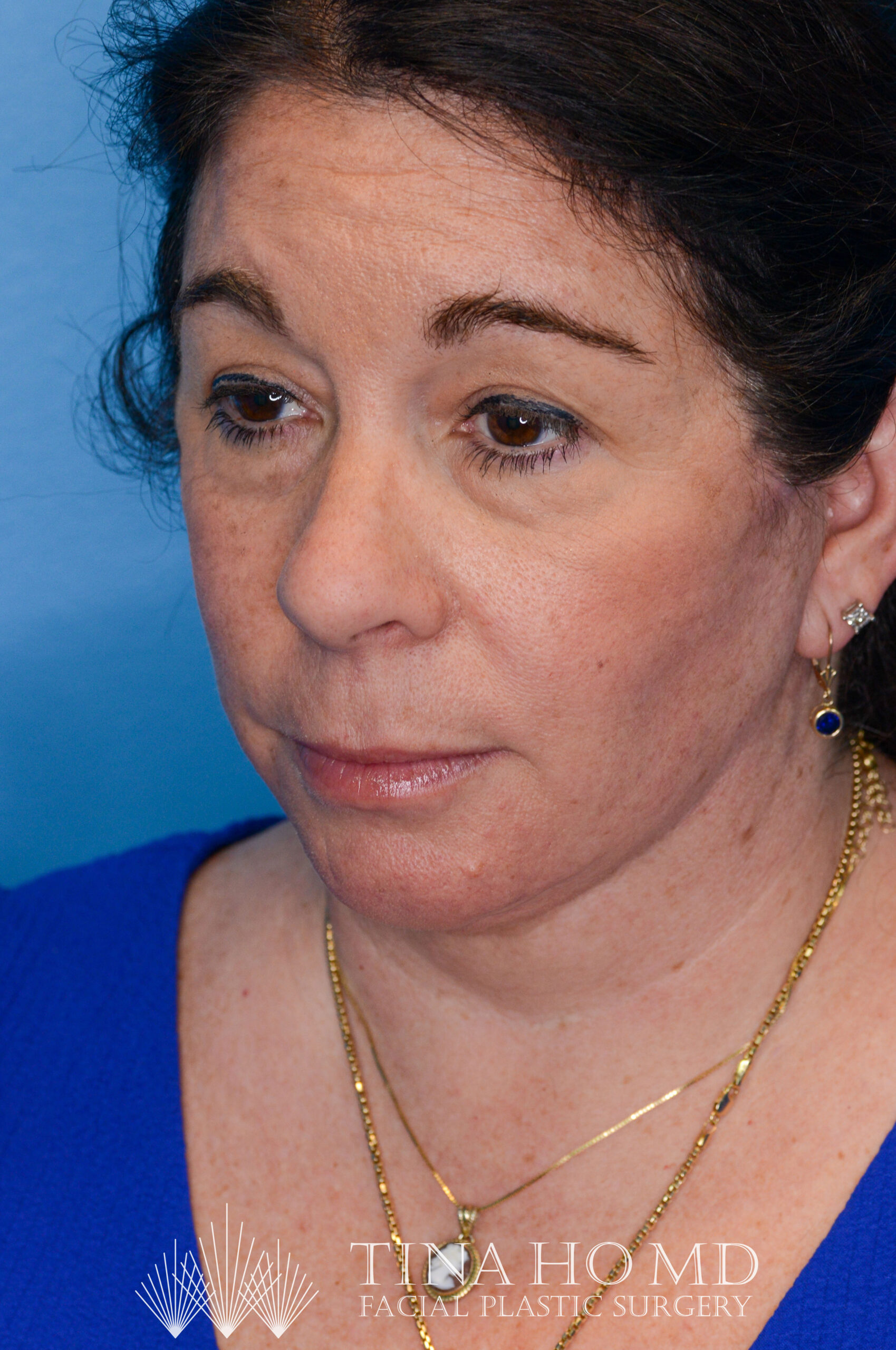

Benefits of Deep Plane Facelift
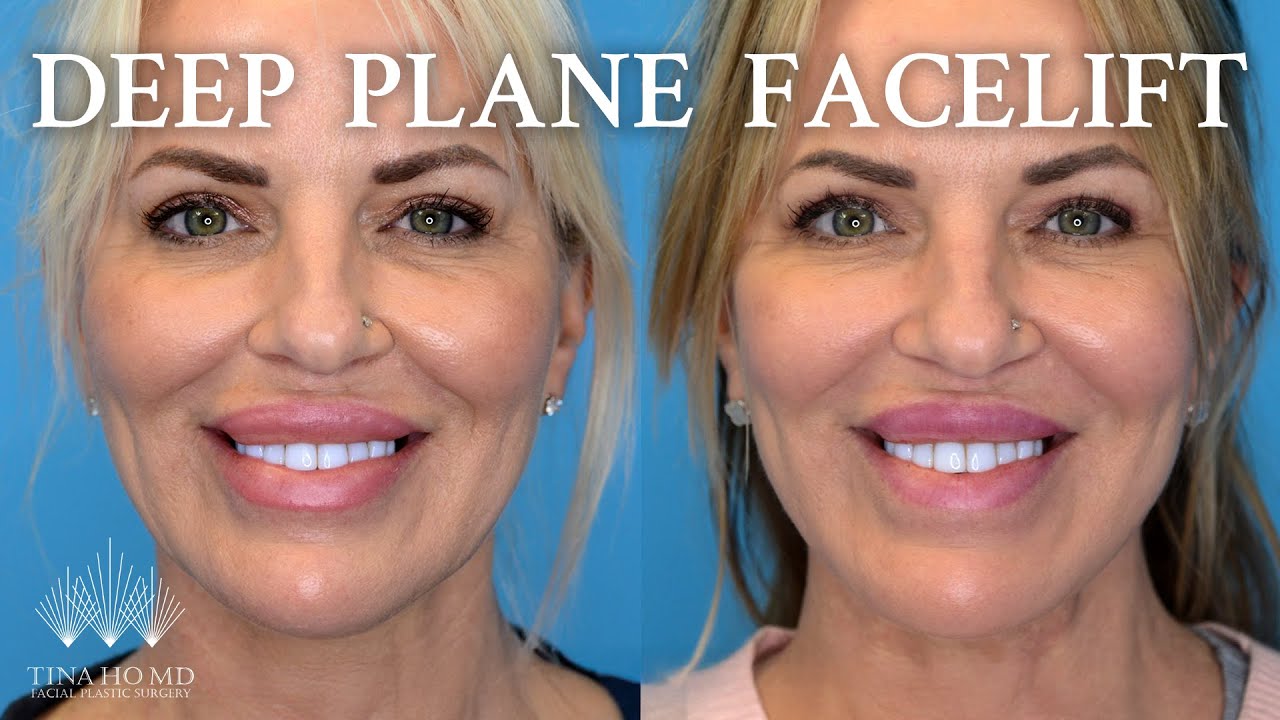
A deep plane facelift offers several benefits compared to traditional facelift techniques including wide-ranging rejuvenation of the face with a completely natural appearance. The following are some of the key advantages of a deep plane facelift.
Comprehensive Facial Rejuvenation
A deep plane facelift addresses multiple layers of facial tissues, including the deeper structures such as muscles and fibrous connective tissue. By lifting and repositioning the SMAS layer more medially and completely releasing the key ligaments of the face compared to other approaches, this technique can provide a more comprehensive and natural-looking rejuvenation compared to procedures that primarily focus on superficial skin tightening and addressing the SMAS layer only laterally in the face.
Longer-Lasting Results
The deep plane facelift aims to reposition the underlying deep structures, allowing for more sustainable and longer-lasting outcomes. By targeting the SMAS layer and releasing ligaments of the face, the procedure can address sagging skin, jowls, and loss of facial volume, providing more significant and durable improvements.
Natural-Looking Results
The deep plane facelift in Philadelphia focuses on repositioning the deeper facial structures, resulting in a more natural and less “pulled” appearance. It can restore youthful contours and proportions, enhancing facial harmony while maintaining the individual’s unique facial characteristics.
Improved Midface Rejuvenation
The deep plane facelift specifically targets the mid-face region, including the cheeks and nasolabial folds. By lifting and repositioning the SMAS layer in this area, the deep plane facelift can address midface sagging, restore volume, and improve the overall balance and youthfulness of the face without the need for additional fat or filler injection.
Enhanced Jawline and Neck Contour
In addition to the mid-face, the deep plane facelift combined with a neck lift can also improve the appearance of the jawline and neck. It can help tighten sagging skin, reduce the prominence of jowls, and redefine the jawline, resulting in a more sculpted and youthful neck and jawline profile.







Why Choose Dr. Tina Ho for a Deep Plane Facelift?
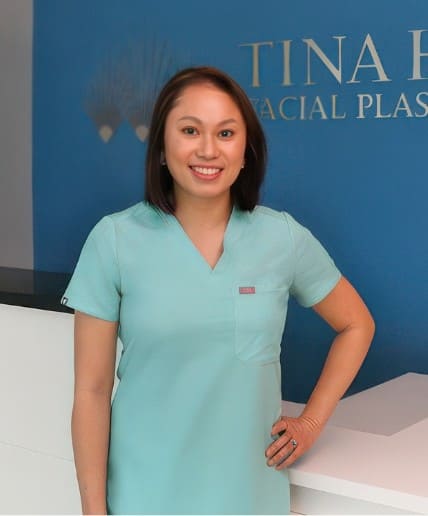
Dr. Tina Ho stands out among facial plastic surgeons in Philadelphia and Wayne as a double board-certified facelift specialist with dedicated training in facial rejuvenation surgery. She understands that a facelift is both an art and a science — a highly detailed and complex procedure that requires technical precision and an artistic eye to achieve natural, harmonious results. Dr. Ho stays at the forefront of modern facelift techniques to deliver the most refined and lasting outcomes for her patients.
From the initial consultation to surgery day and every follow-up visit, Dr. Ho maintains an unwavering commitment to each facelift patient. She takes the time to listen, plan, and tailor every step of the surgical process to align with the patient’s unique anatomy and aesthetic goals. Her approach focuses on restoring youthful contours while preserving the patient’s natural appearance, ensuring results that look refreshed rather than “overdone.”
As a double board-certified facial plastic surgeon specializing exclusively in aesthetic and reconstructive procedures of the face and neck, Dr. Ho received advanced fellowship training under world-renowned facial plastic surgeon Dr. Dean Toriumi. Her expertise extends across all aspects of facial rejuvenation, including deep plane facelift, mini facelift, neck lift, and complementary procedures such as eyelid surgery and skin resurfacing.
Dr. Ho is known regionally and beyond as one of Philadelphia’s most trusted facelift surgeons, with patients traveling from throughout Pennsylvania, New Jersey, and New York to seek her expertise. She devotes the time and care needed to establish realistic goals, guide patients through recovery, and ensure each person feels confident, supported, and deeply satisfied with their results.

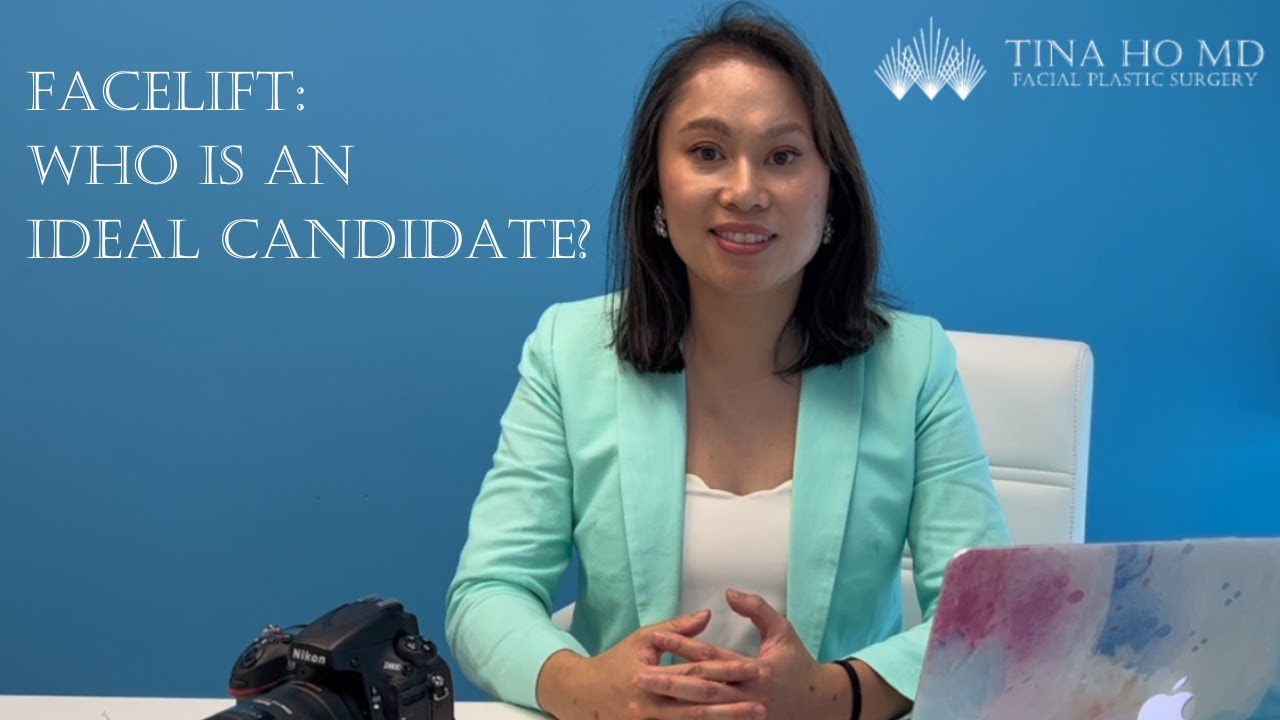
Am I an Ideal Candidate?
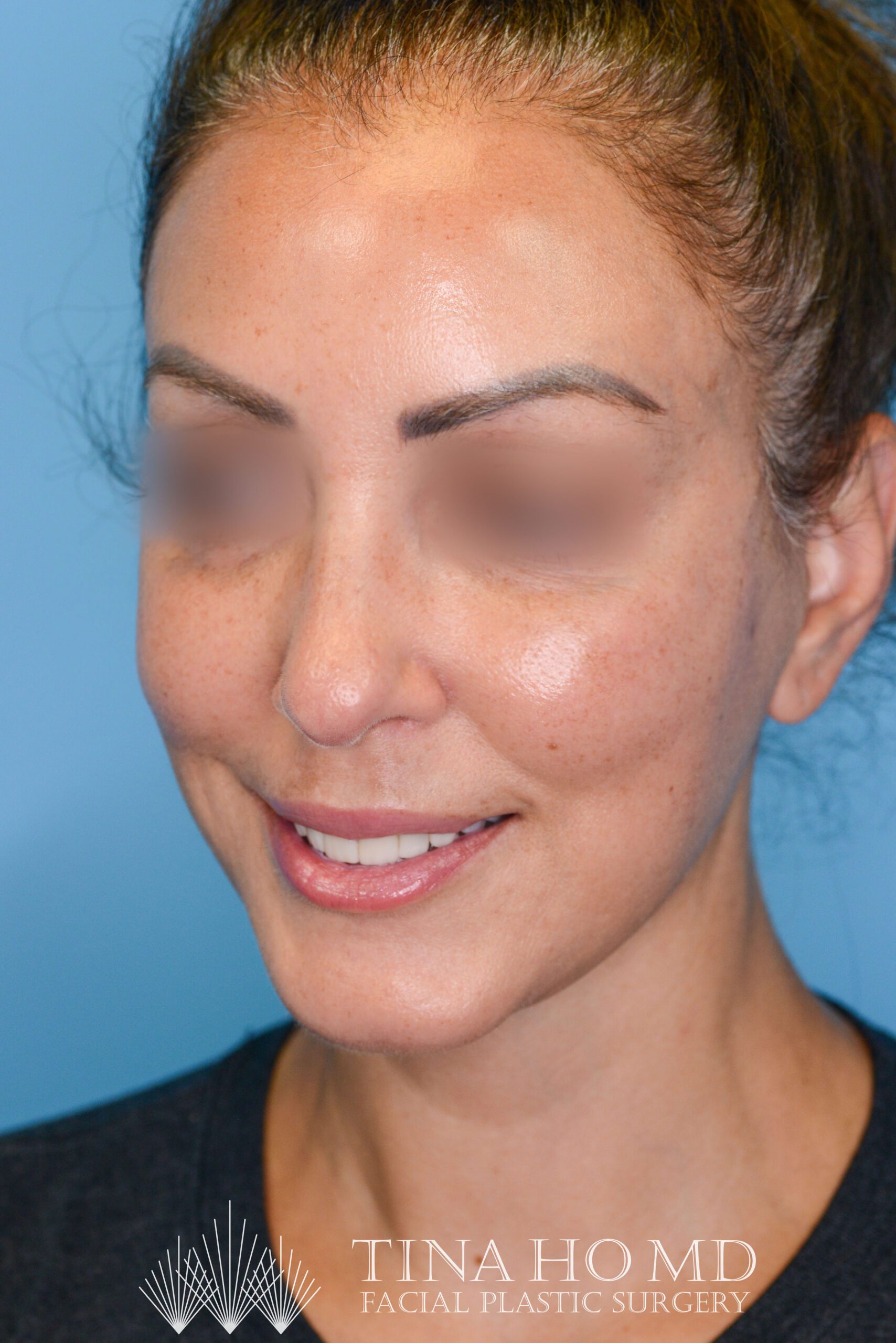
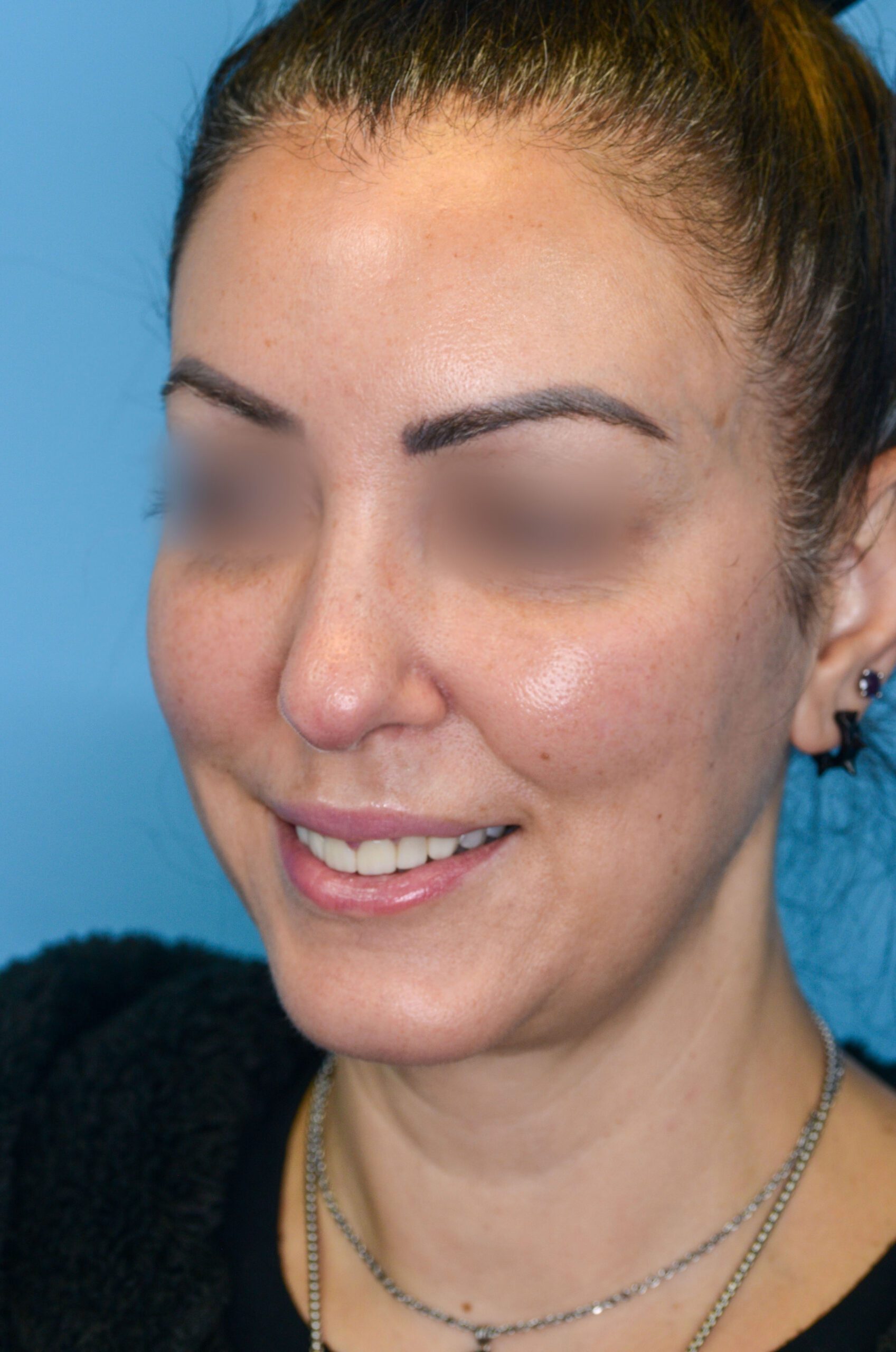
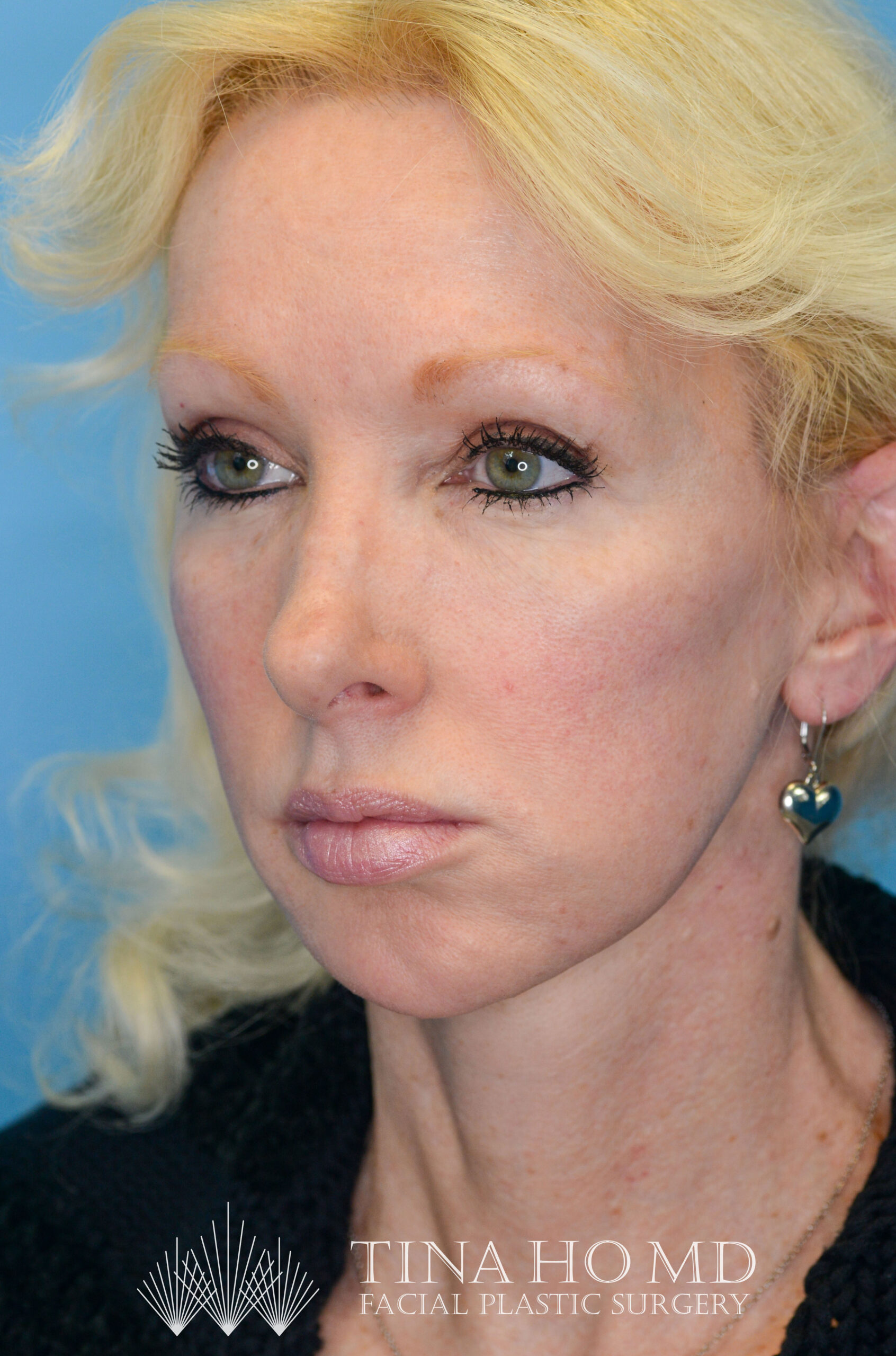
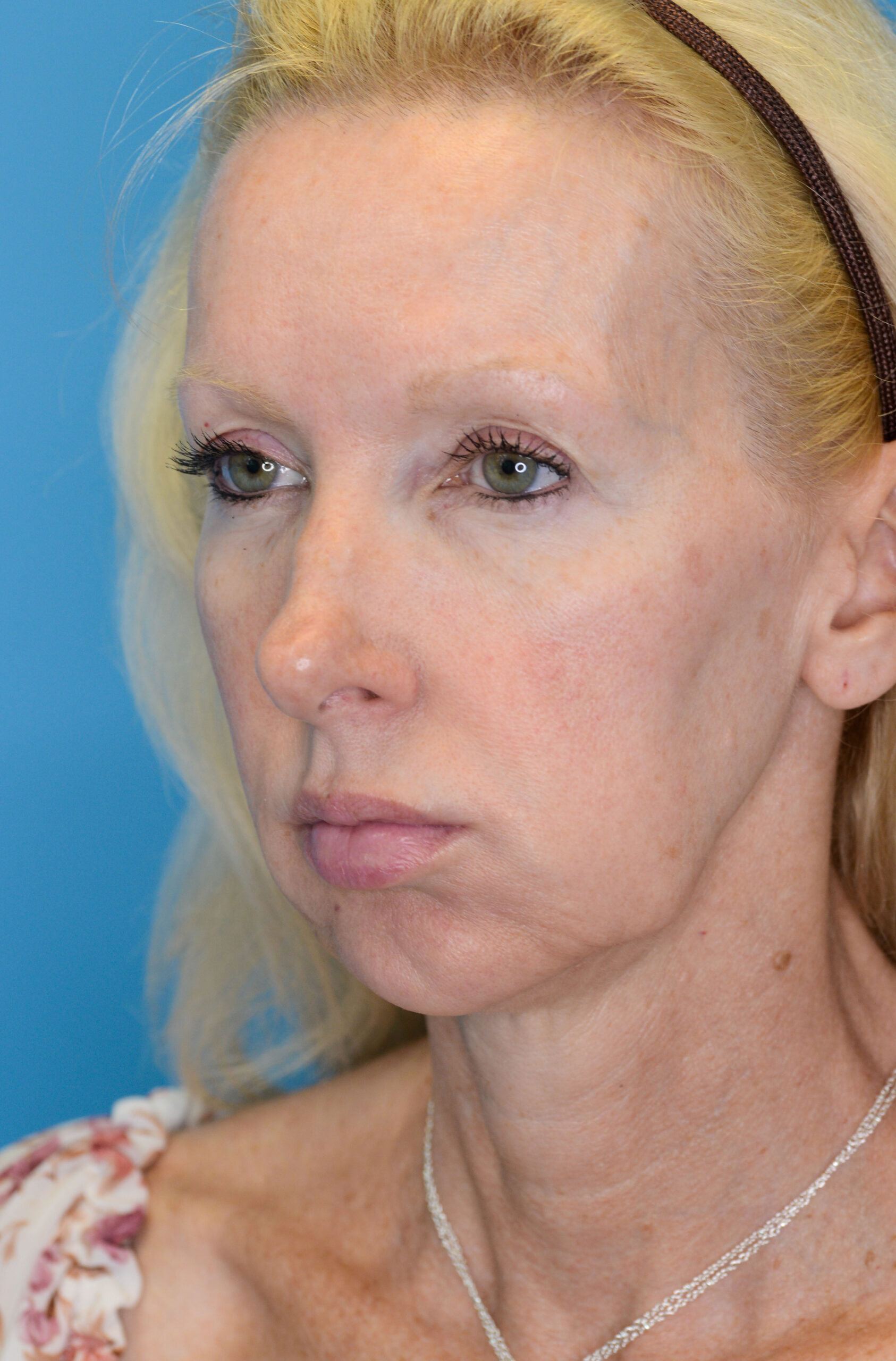
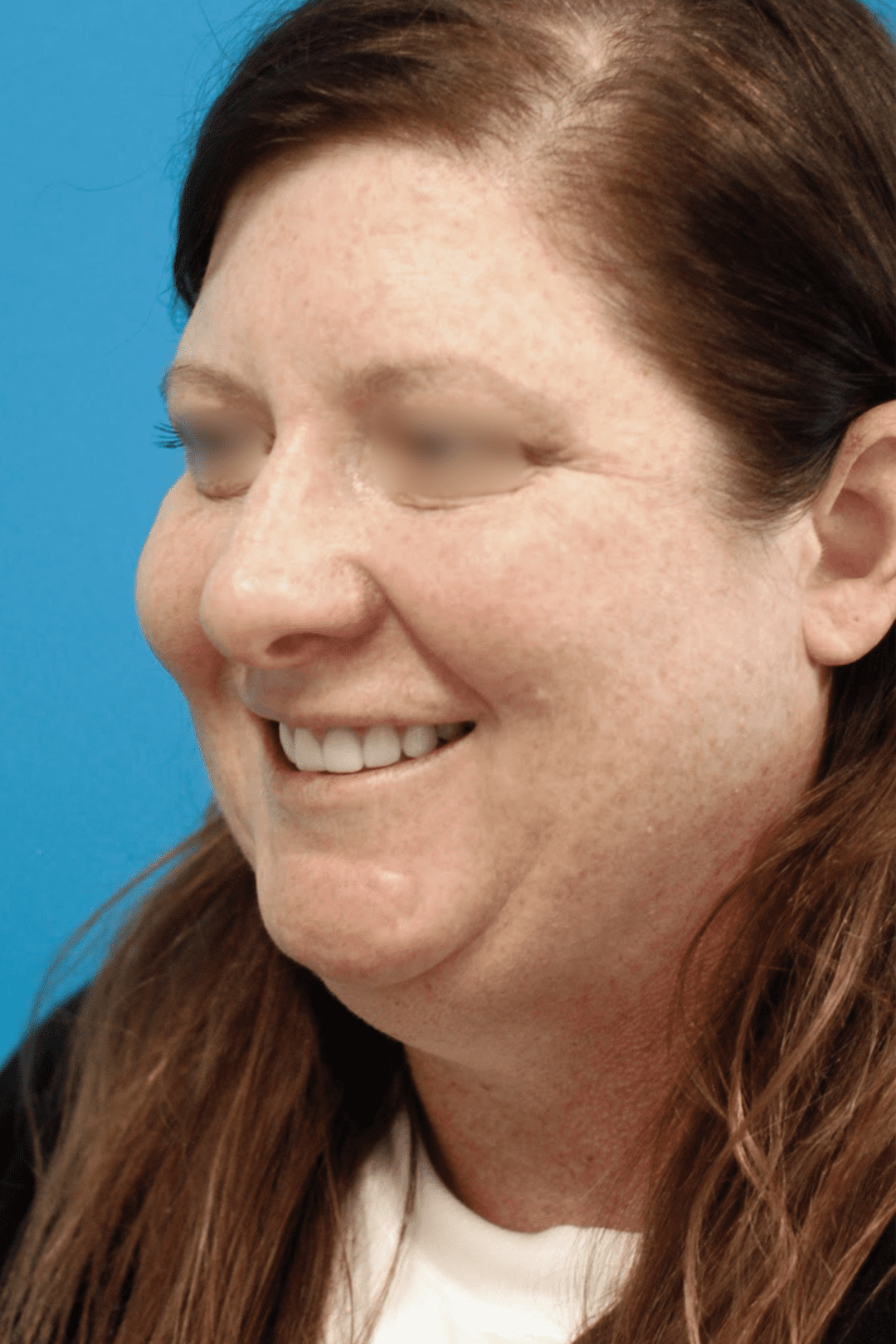
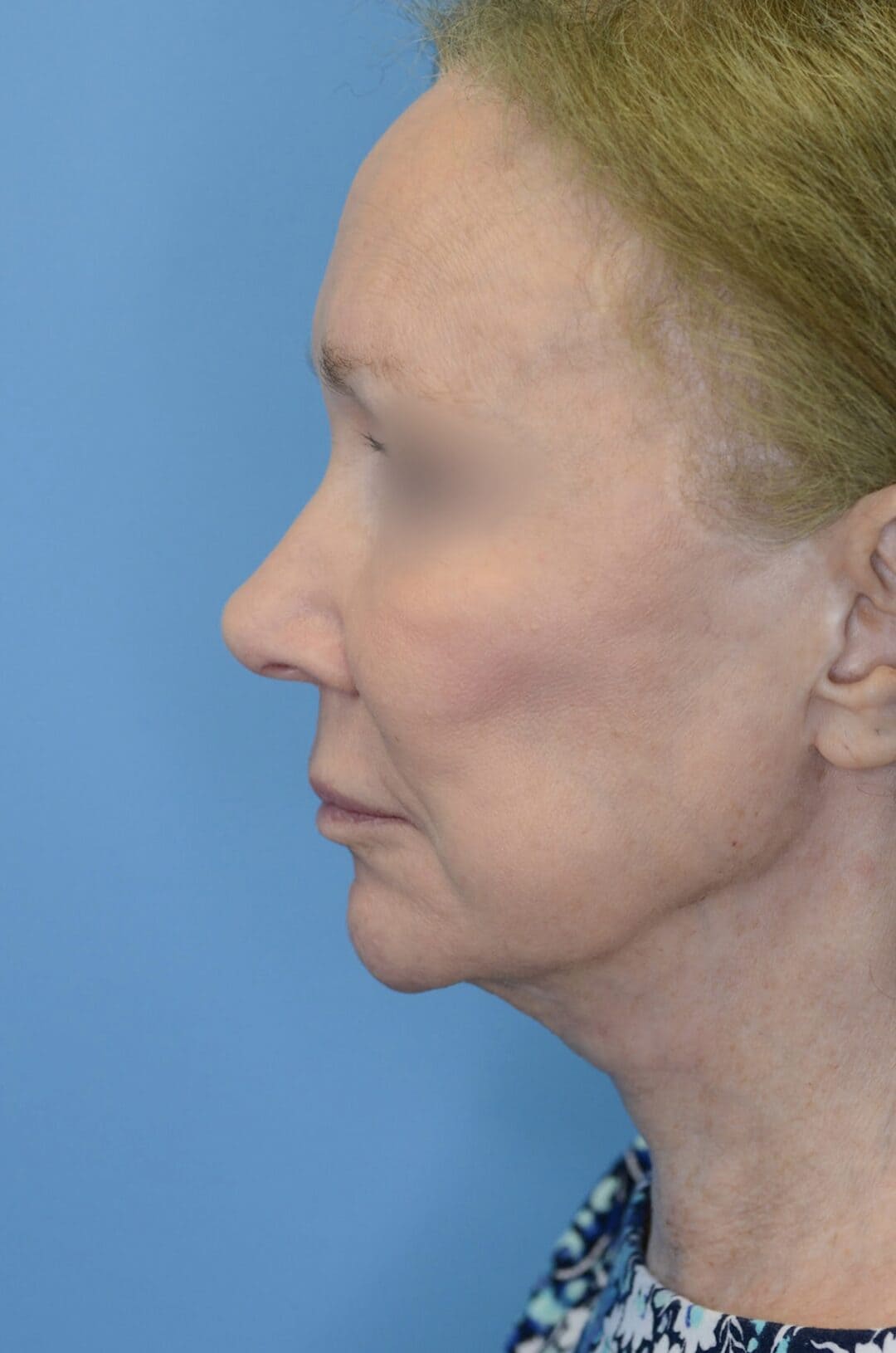
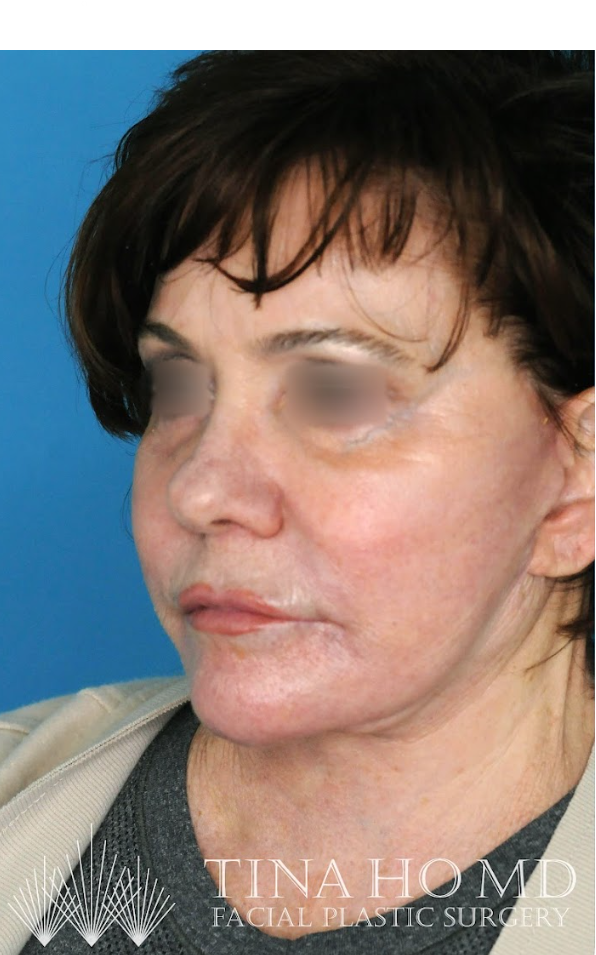
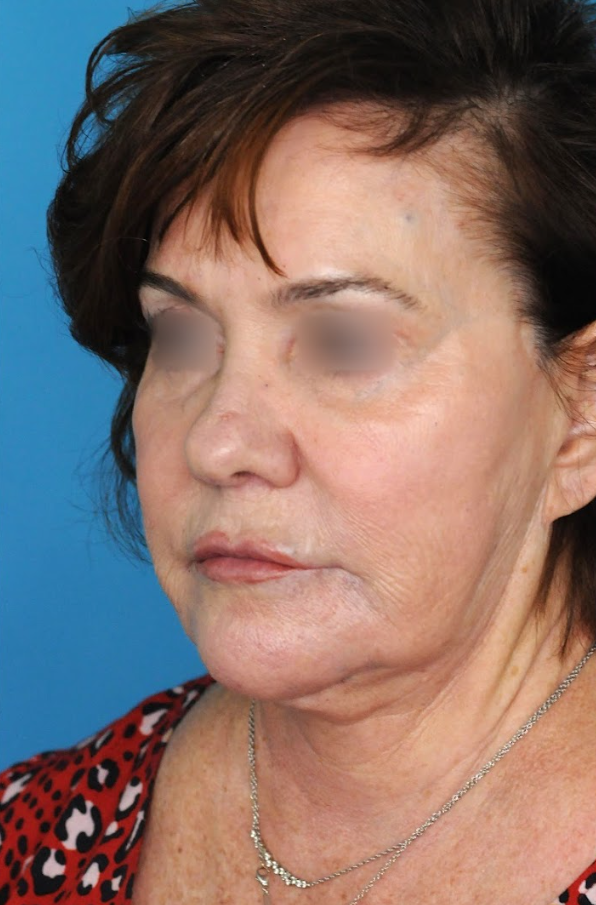
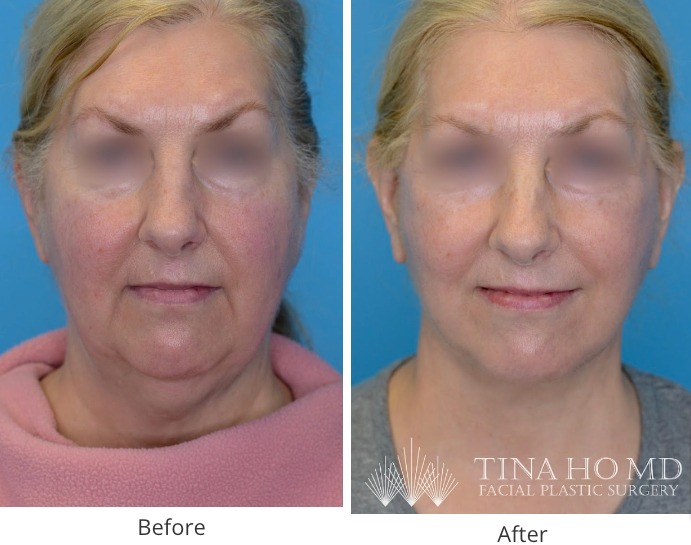
When you are contemplating a deep plane facelift, it is important to consult with a skilled, experienced Philadelphia facial plastic surgeon, such as Dr. Tina Ho, who specializes in deep plane facelift surgery. She will assess your specific facial features, share deep plane facelift before and after photos of previous clients, discuss your concerns and goals, and determine if you are a suitable candidate for the procedure.
A deep plane facelift is typically recommended for individuals who are experiencing moderate to significant signs of facial aging and those who desire comprehensive facial rejuvenation. Good candidates for a deep plane facelift may exhibit the following characteristics.
Moderate to Advanced Signs of Aging
Candidates for a deep plane facelift often have noticeable facial sagging, jowls, deep wrinkles, and loose skin in the mid-face, jawline, and neck area. They may also have experienced the loss of facial volume and definition.
Healthy Overall Condition
Candidates should be in good overall health and have no medical conditions that could increase the risks associated with surgery and anesthesia.
Realistic Expectations
It is important for candidates to have realistic expectations about the outcomes of a deep plane facelift. While the procedure can produce significant improvements, it cannot stop the natural aging process. Candidates should understand the potential benefits and limitations of the procedure.
Non-Smokers
Smoking can negatively impact the healing process, increase the risk of complications, and affect facelift results. Candidates who smoke will be advised to quit smoking for a certain period before and after the surgery.
Good Skin Quality
Candidates with relatively good skin elasticity and quality tend to have more favorable results from a deep plane facelift. However, this will be evaluated during the consultation, and the surgeon can recommend additional treatments or adjustments if necessary.
Your Deep Plane Facelift Consultation
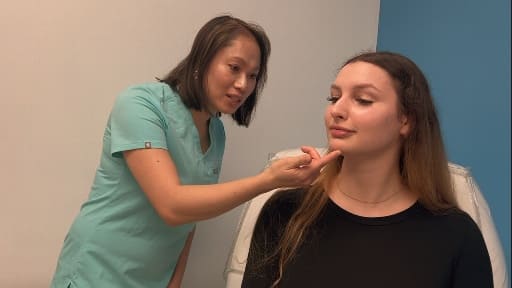
Your consultation for a deep plane facelift will include a detailed assessment of your facial structure, skin quality, and degree of aging in the midface, jawline, and neck. Dr. Tina Ho will review your medical history, including prior procedures, current medications, and any conditions that may affect healing. You will discuss your aesthetic goals and desired level of rejuvenation to help guide a customized surgical plan. Dr. Ho will explain the deep plane technique, recovery expectations, potential risks, and anticipated outcomes, ensuring you feel fully informed, comfortable, and confident in your decision to proceed.
Before and After Videos
Dr. Tina Ho’s Facelift Results
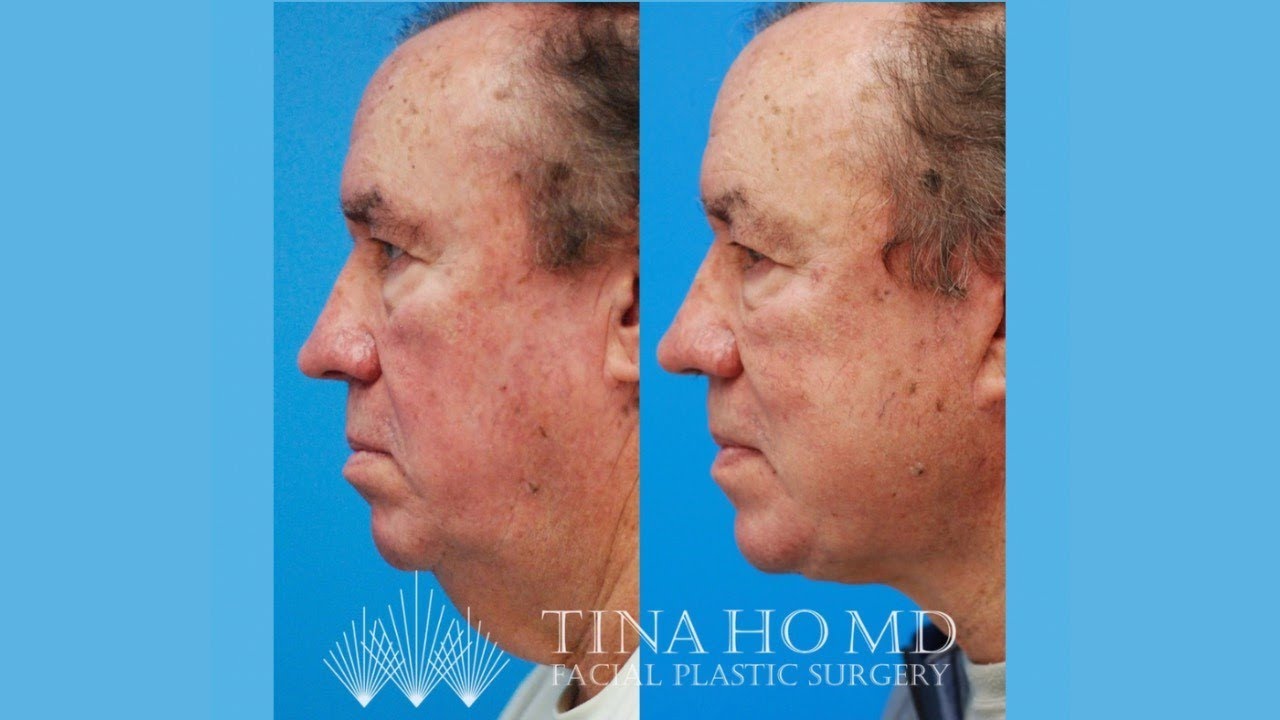
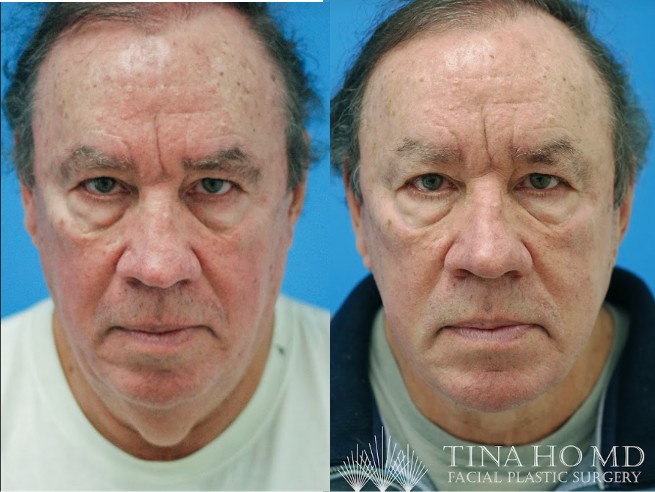
This wonderful male patient in his 60s came to me for surgical consultation, bothered by his aging neck. We pursued a deep plane facelift and deep neck lift and are thrilled with his beautiful, natural results. This video displays his surgical outcome one year later. Male facelift patients with shorter hair can have undetectable scars if they are placed along natural creases and curves around the ears and heal favorably.
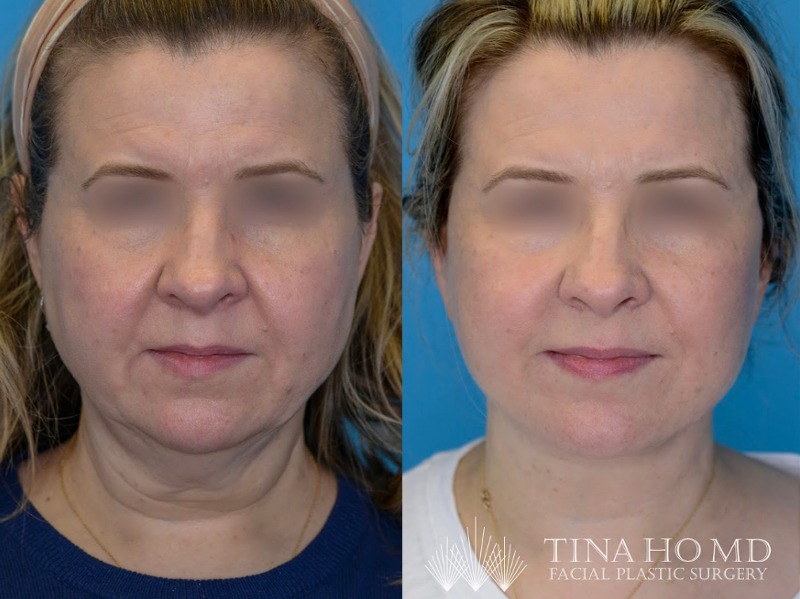
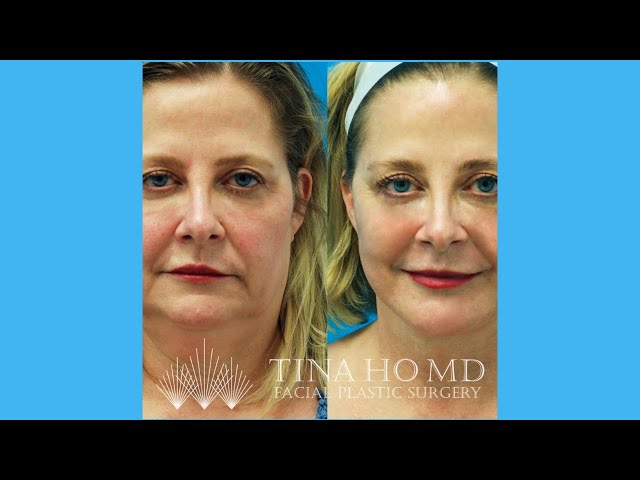
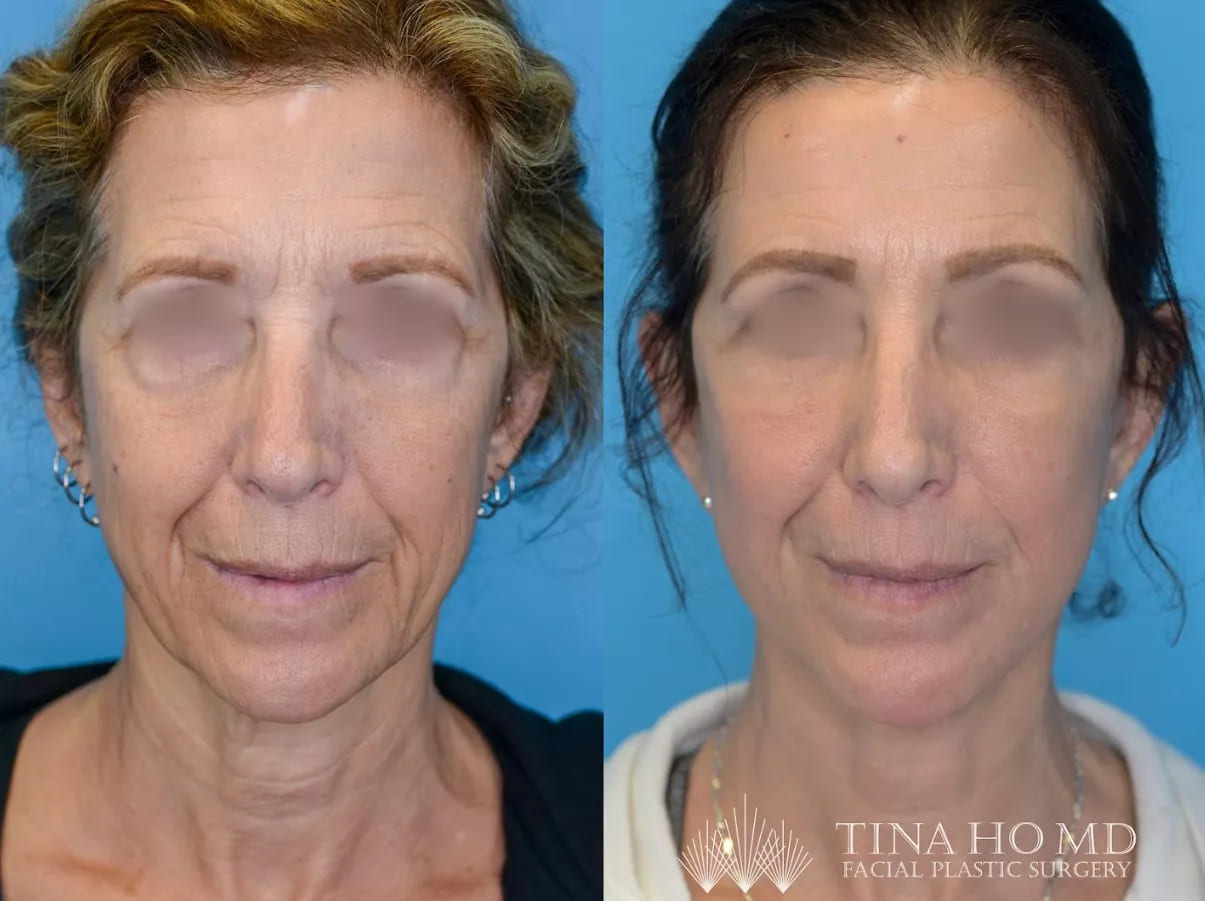
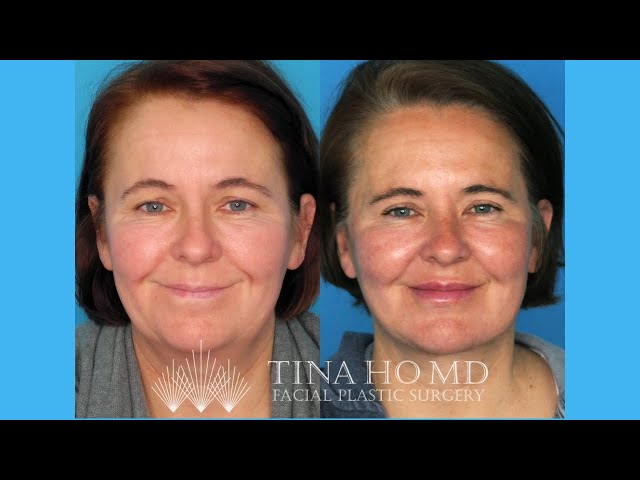
This beautiful female patient in her 50s came to me for surgical consultation, interested in facelift and neck lift for facial and neck rejuvenation as well as facial and jawline contouring. We pursued a deep plane facelift and deep neck lift where skin, fat, muscle, and gland tissue needed to be removed to achieve her surgical outcome. I am grateful for our surgeon physician relationship and we are so thrilled with her beautiful, natural results.
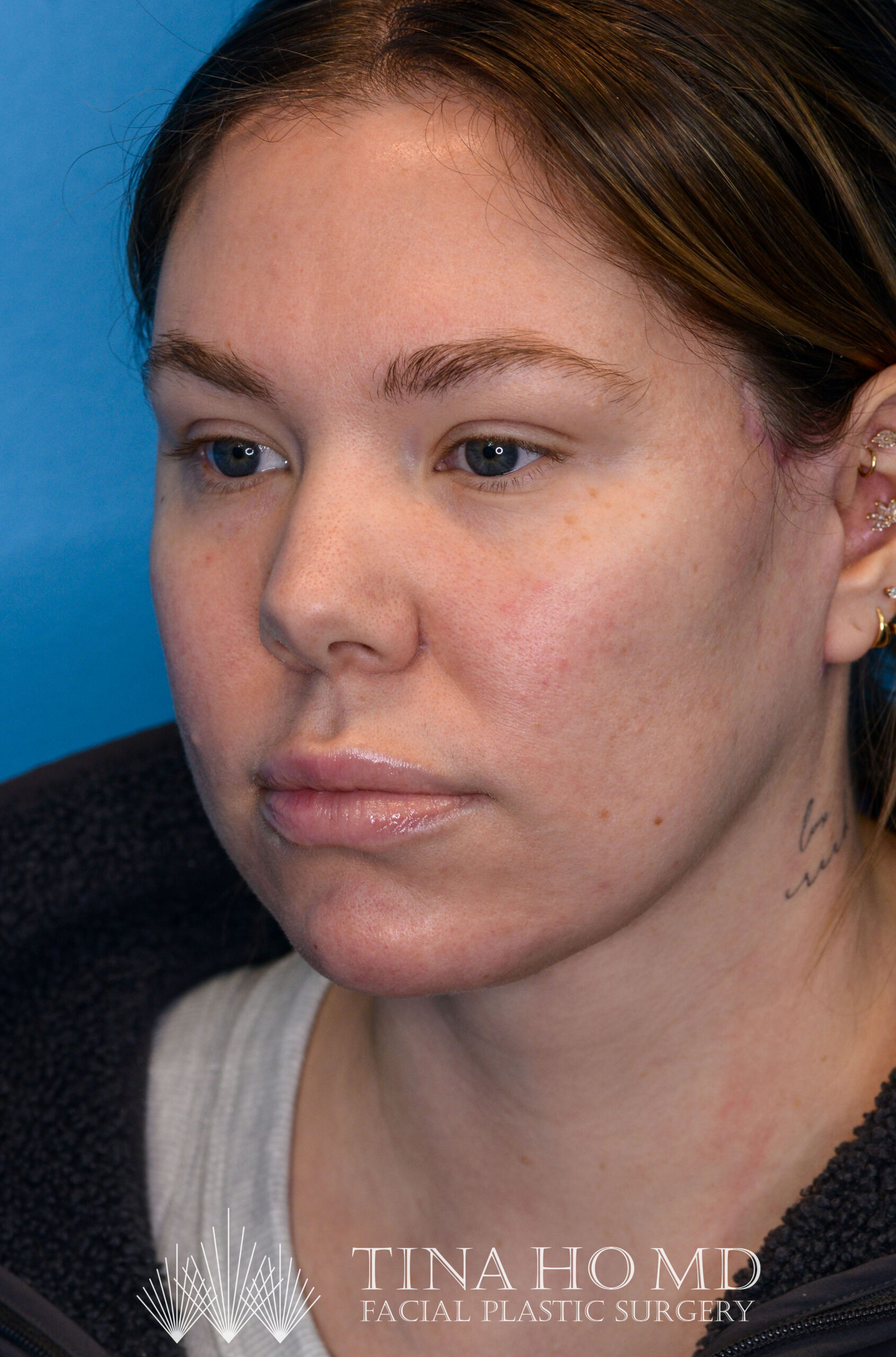
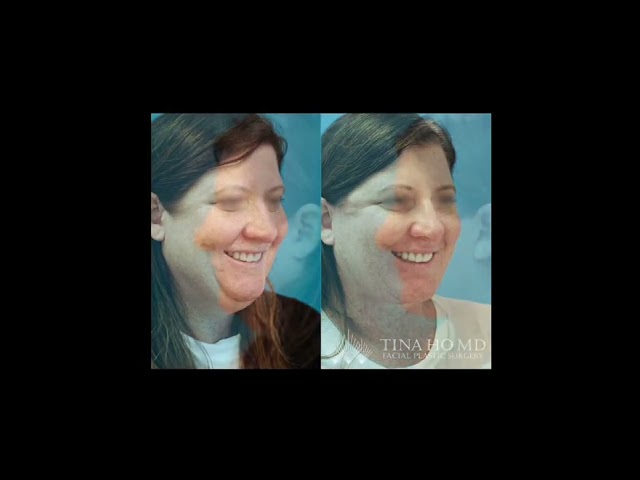
This kind 45 year-old female patient presented originally for chin liposuction consultation, bothered by the fullness under her chin. I instead recommended a definitive deep plane facelift and neck lift for the best facial and neck rejuvenation and contouring results. She already looks amazing at three months out in these before/after photos. Final outcome is seen at six to twelve months after surgery. We are so thrilled with her results.
The “Undetectable Era” of Deep Plane Facelifts
In today’s “Undetectable Era” of plastic surgery, the deep plane facelift is the gold standard for facial rejuvenation delivering natural, long-lasting results that are virtually undetectable. Unlike traditional facelift techniques that primarily lift skin and reposition superficial structures, the deep plane facelift goes further by lifting the deeper layers of tissue across both the medial and lateral face. This advanced technique provides a more natural, subtle rejuvenation.
Dr. Tina Ho, a double board-certified facial plastic surgeon, is a national leader in deep plane facelift and neck lift surgery. Her refined approach avoids the “tight” or overdone look, restoring youthful contours through deeper structural repositioning. She strategically places incisions along the hairline and natural creases to maintain discreet, undetectable results.
As the first female facial plastic surgeon in the U.S. to offer ElixirMD light therapy, Dr. Ho enhances recovery through cutting-edge post-operative care. This 20-minute LED treatment, starting the day after surgery, reduces swelling, bruising, and infection risk while promoting healing. With boutique, personalized care and a focus on subtle, elegant enhancement, Dr. Ho helps patients return to their lives faster with a refreshed, confident, and naturally beautiful appearance.

What to Expect from the Results of Deep Plane Facelift
The results of a deep plane facelift can vary depending on individual factors and the specific techniques used during the procedure. However, here are some general expectations regarding the outcomes of a deep plane facelift.
Facial Rejuvenation
A deep plane facelift aims to address multiple signs of aging, including sagging skin, jowls, and loss of facial volume. The procedure can restore a more youthful and refreshed appearance to the face, improving facial contours as well as proportions.
Reduction of Wrinkles and Folds
The deep plane facelift can help reduce the appearance of deep wrinkles, such as nasolabial folds, marionette lines, and smile lines. By repositioning the deeper facial tissues, it smooths out these lines, creating a more youthful and rejuvenated facial expression.
Improved Midface And Cheek Contours
One of the primary goals of a deep plane facelift is to address sagging in the mid-face region. By lifting and repositioning the SMAS layer and fully releasing the tethering ligaments of the face, the procedure can restore volume and lift the cheeks, enhancing the overall facial harmony and balance.
Natural-Looking Results
Deep plane facelift techniques focus on repositioning and lifting the deeper facial structures, rather than simply tightening the skin or deeper layers. This approach can result in more natural-looking outcomes, avoiding a “pulled” or artificial appearance.
The Recovery Process Following A Deep Plane Facelift
The recovery process following a deep plane facelift can vary from person to person, and it is important to follow your surgeon’s specific post-operative instructions. However, here are the general guidelines and expectations for the recovery period.
Enhance Your Recovery with Elixir MD
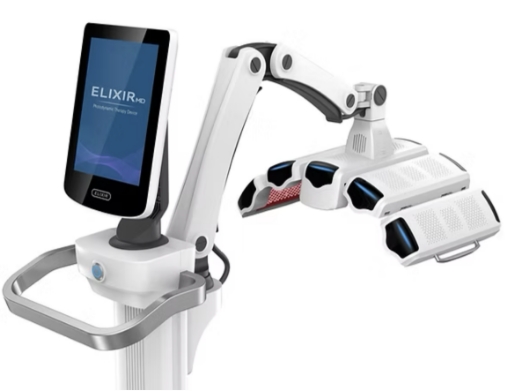
The Elixir MD™ is an innovative recovery tool that offers various treatment programs using different LED light wavelengths to achieve specific pre and post-surgical goals. These programs are supported by advanced artificial intelligence temperature controls and adjustable settings to address a range of concerns and goals. This non-invasive therapy is safe, painless, and can reduce infections after surgery while also enhancing recovery and minimizing scarring after rhinoplasty surgery.
Benefits of Elixir MD
Enhanced post-operative recovery after rhinoplasty. Using LED light, Elixir MD™ stimulates the skin to accelerate wound healing and minimize scarring post-surgery.
Improved healing and cellular repair. Specific wavelengths stimulate collagen and elastin production, which are essential for healing after surgery.
Easier rhinoplasty recovery. Reduces inflammation responsible for swelling and pain after surgery.
Improved lymphatic drainage and blood flow. Enhances the delivery of nutrients and removal of waste for optimal healing.
Elixir MD Treatment Programs for Rhinoplasty
Elixir Detox
This pre-operative therapy uses blue light to reduce the number of bacteria, oils, and toxins on the skin, reducing surgical complications such as infection.
Elixir Cellular Repair
Post-rhinoplasty, Cellular Repair uses yellow light to improve circulation, reducing bruising and swelling, accelerating healing, and shortening recovery.
Elixir NeoXcell
The NeoXcell™ treatment program combines the benefits of Elixir Cellular and Thermal to boost healing and balance melanin production for a more even skin tone.
Elixir RoXium
RoXium™ uses yellow and blue light to reduce swelling/bruising, prevent skin oxidation, decrease sebum, minimize pores, and clear the complexion.
Understanding the Risks of Deep Plane Facelift
A deep plane facelift is an advanced facial rejuvenation procedure that can restore a more youthful appearance by improving facial sagging, cheek position, jawline definition, and neck contour. This technique is designed to create natural-looking results by repositioning deeper facial tissues rather than simply tightening the skin. While deep plane facelift surgery is generally very safe, like all surgical procedures, it involves potential risks and complications that should be considered.
Most patients experience temporary swelling, bruising, tightness, and discomfort during the healing process, which typically improve over the first several weeks. Less commonly, complications such as bleeding, infection, fluid or blood collections beneath the skin, delayed healing, or injury to nearby tissues can occur. While every effort is made to achieve a natural and balanced result, some patients may notice minor asymmetries, contour irregularities, or more visible scarring than expected. Because each patient heals differently, the outcome may vary, and in some cases, additional treatment or revision surgery may be recommended to further refine the result.
Procedure-specific risks include temporary numbness of the face, ears, or neck, which often improves gradually as healing progresses. Because deep plane facelift surgery is performed near important facial nerves and structures, there is a small risk of facial weakness, changes in facial movement, or tongue weakness. Some patients may also experience dry mouth during recovery. Additional uncommon risks include sialocele, a collection of saliva beneath the skin, and skin necrosis, which occurs when a small area of skin does not receive adequate blood supply. Dr. Tina Ho and her team are committed to your recovery every step of the way to ensure the best surgical outcome and minimize possible risks associated with facelift surgery.
The Average Cost of a Deep Plane Facelift in Philadelphia
The deep plane facelift cost in Philadelphia can vary significantly due to several influential factors including the specific geographic location within the city, the reputation and experience of the surgeon performing the procedure, the complexity of the individual case, and the choice of medical facility. On average, in Philadelphia, the deep plane facelift cost typically falls within the range of $16,000 to $18,000.
However, it is crucial to understand this is an estimate only and may be higher or lower depending on the unique circumstances of each patient and the other factors mentioned.
Patient Testimonials
Real Stories from Facelift Patients
Patient Testimonial: Facelift & Neck Lift
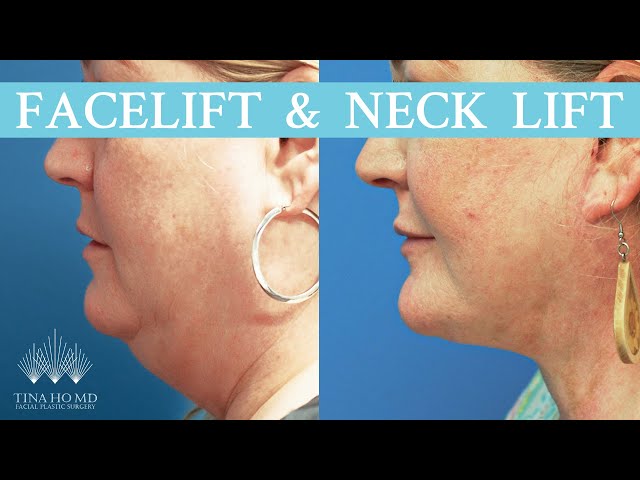
This beautiful patient in her 40s came to me for surgical consultation, bothered by her aging face and neck. We pursued a deep plane facelift and deep neck lift to restore more youthful contour to her face, jawline, and neck. We are so grateful for her kind testimonial that describes her patient journey and for her beautiful, natural results.




Real Patients, Real Results
Patient Testimonials
4.9 stars rating from 298 reviews

RealSelf
5 stars rating from 168 reviews
As Seen In
Dr. Tina Ho in the Press
Dr. Tina Ho has been featured in leading media publications that highlight her expertise in facial plastic surgery.










Related Procedures
Explore additional procedures that complement a your procedure for balanced, natural-looking rejuvenation.