

Introduction
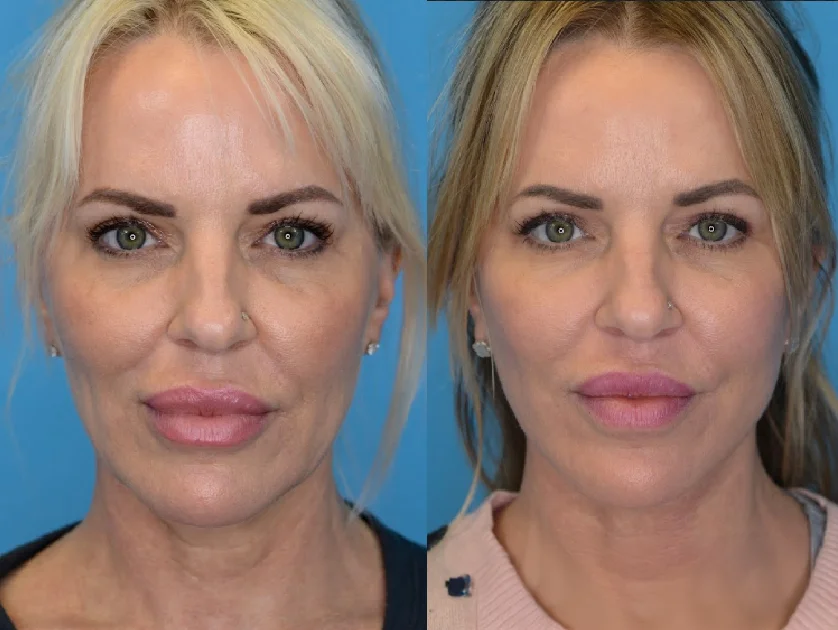
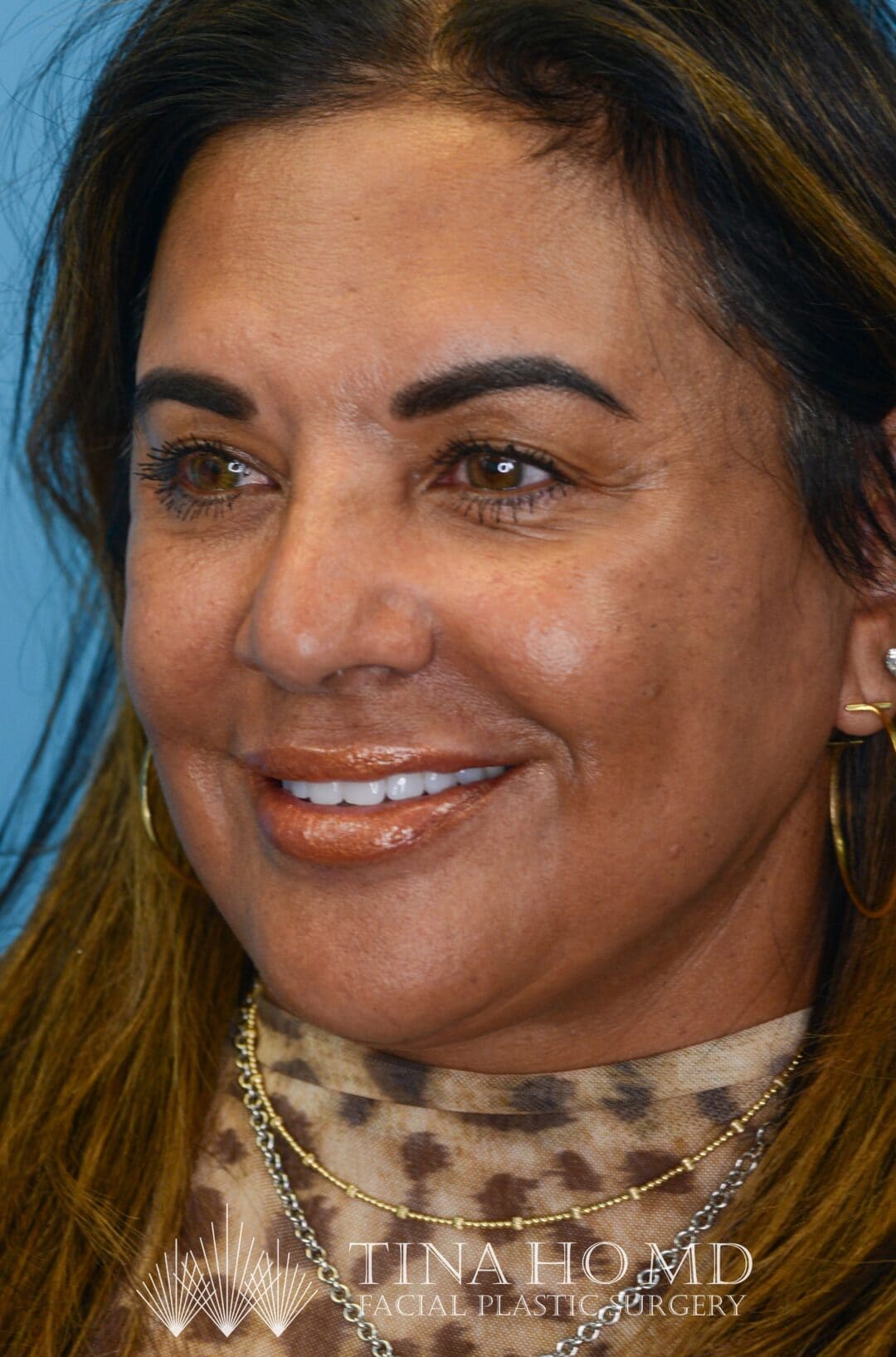
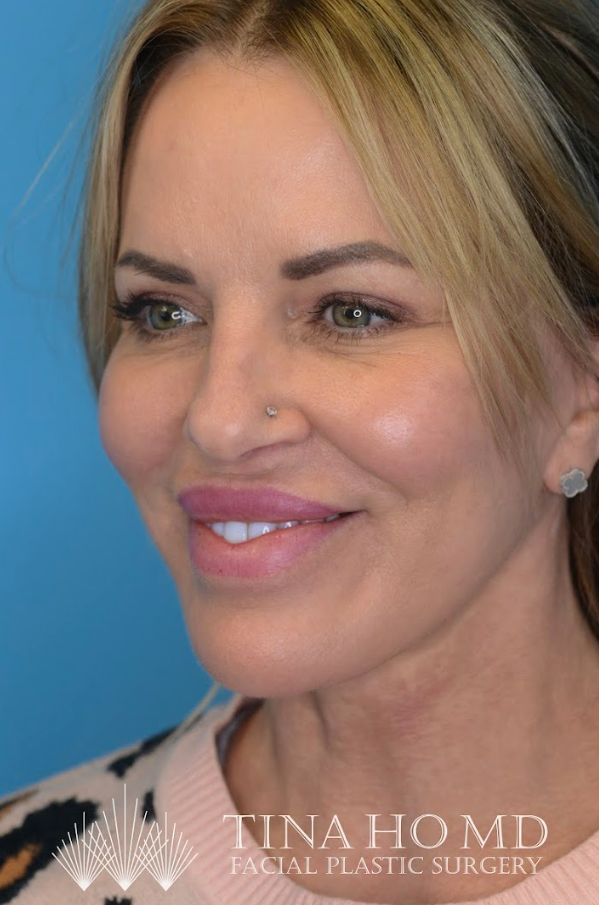
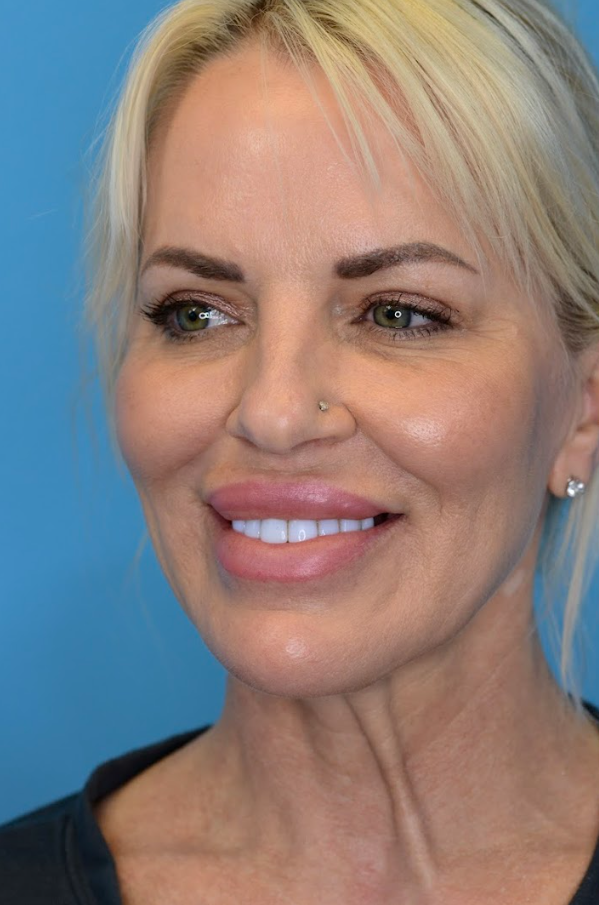
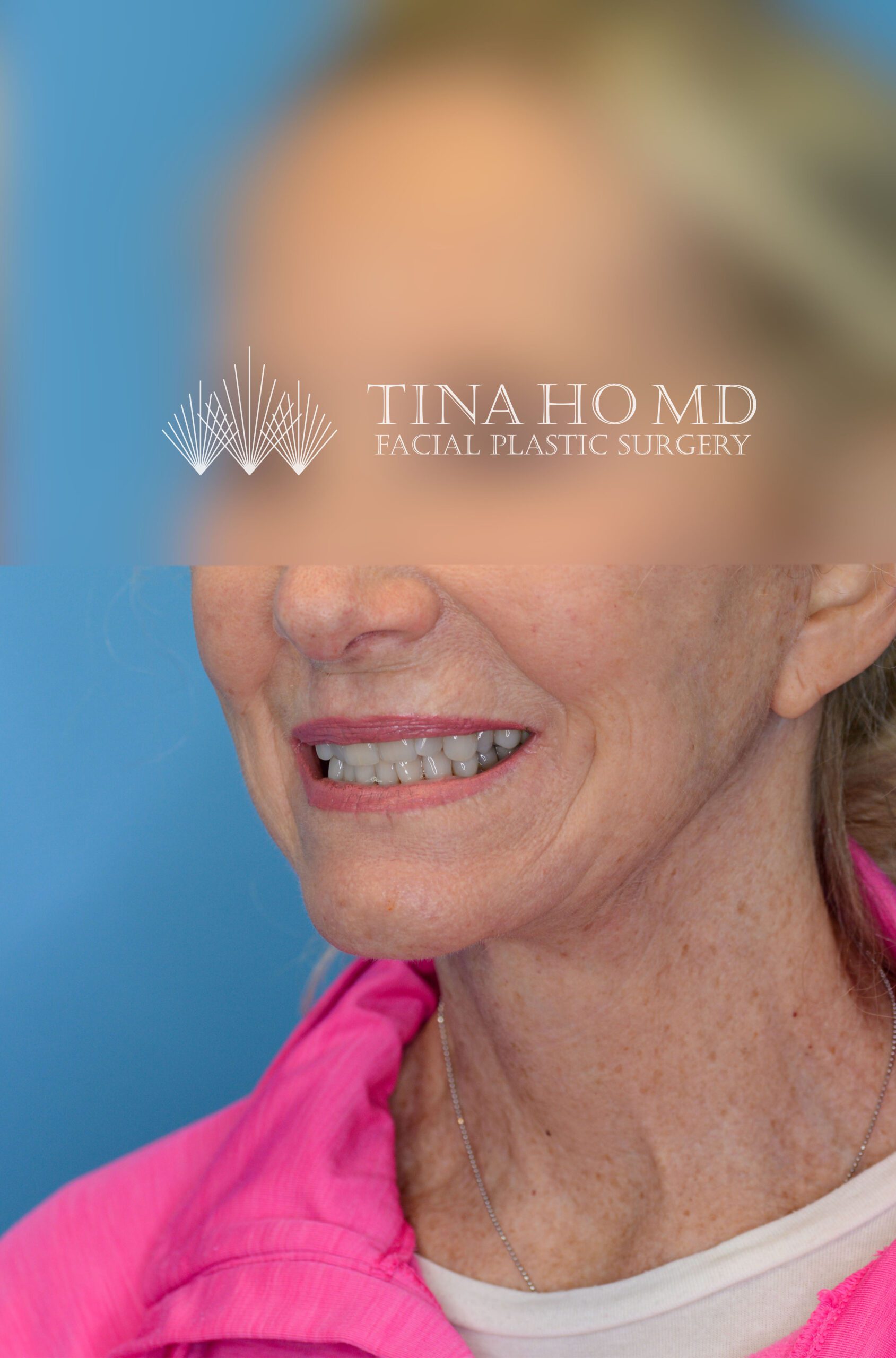
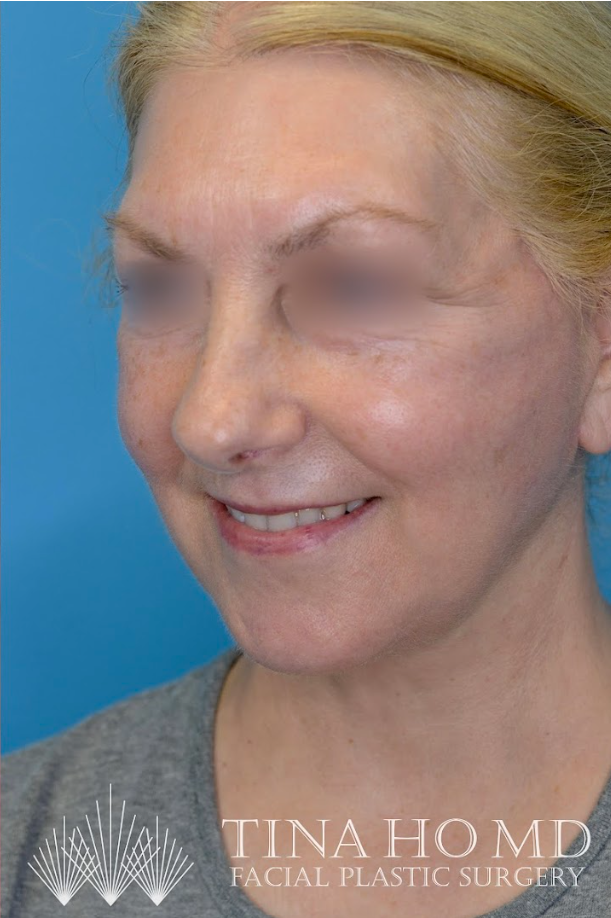
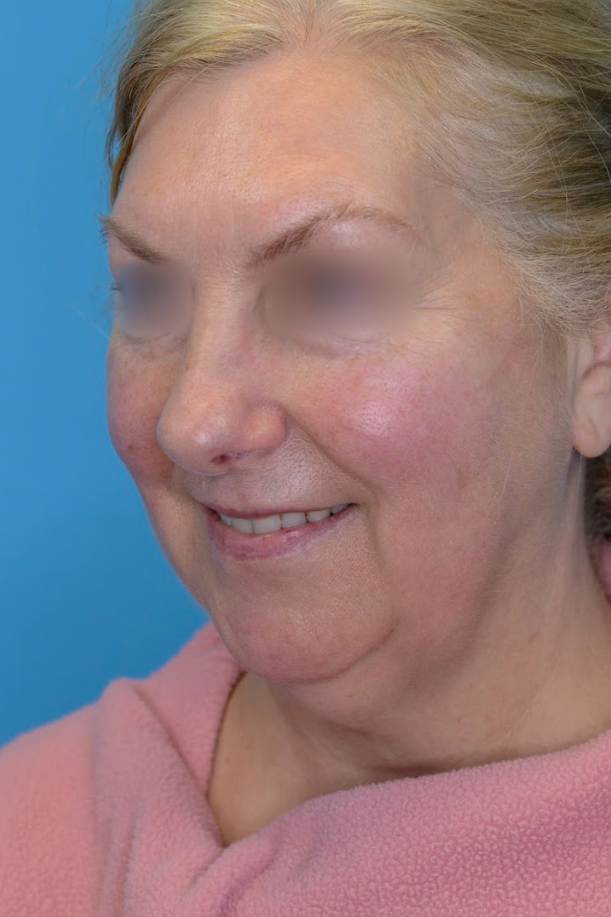
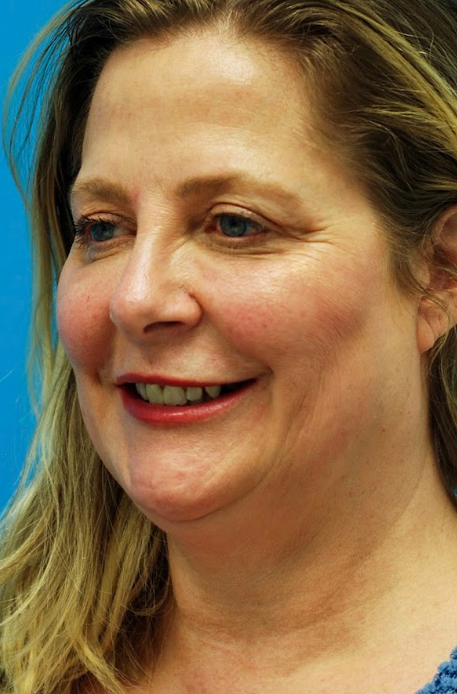
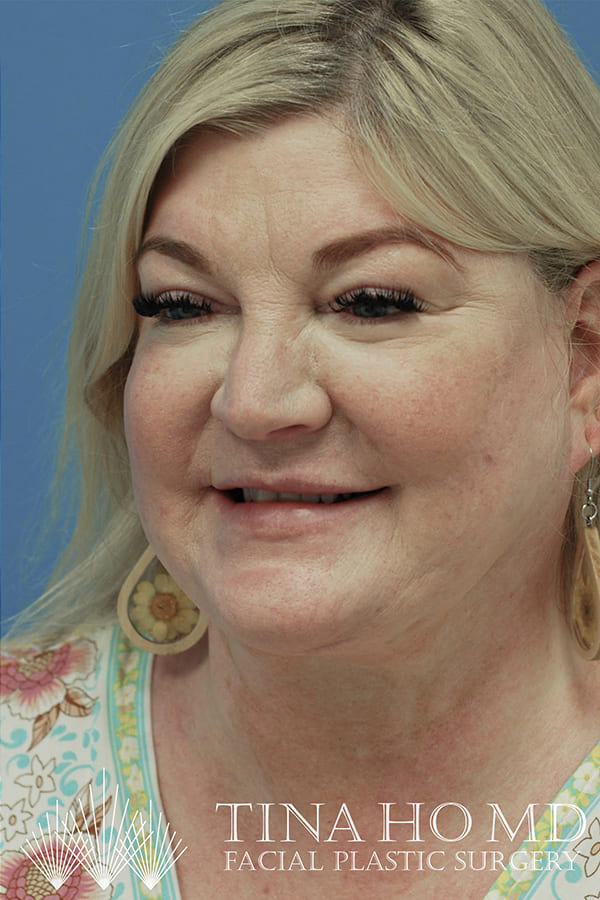
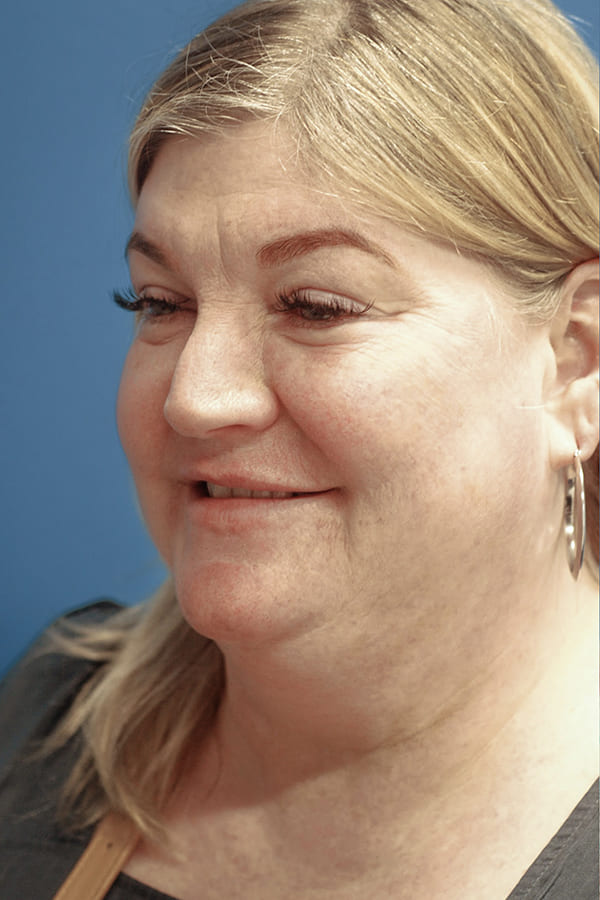
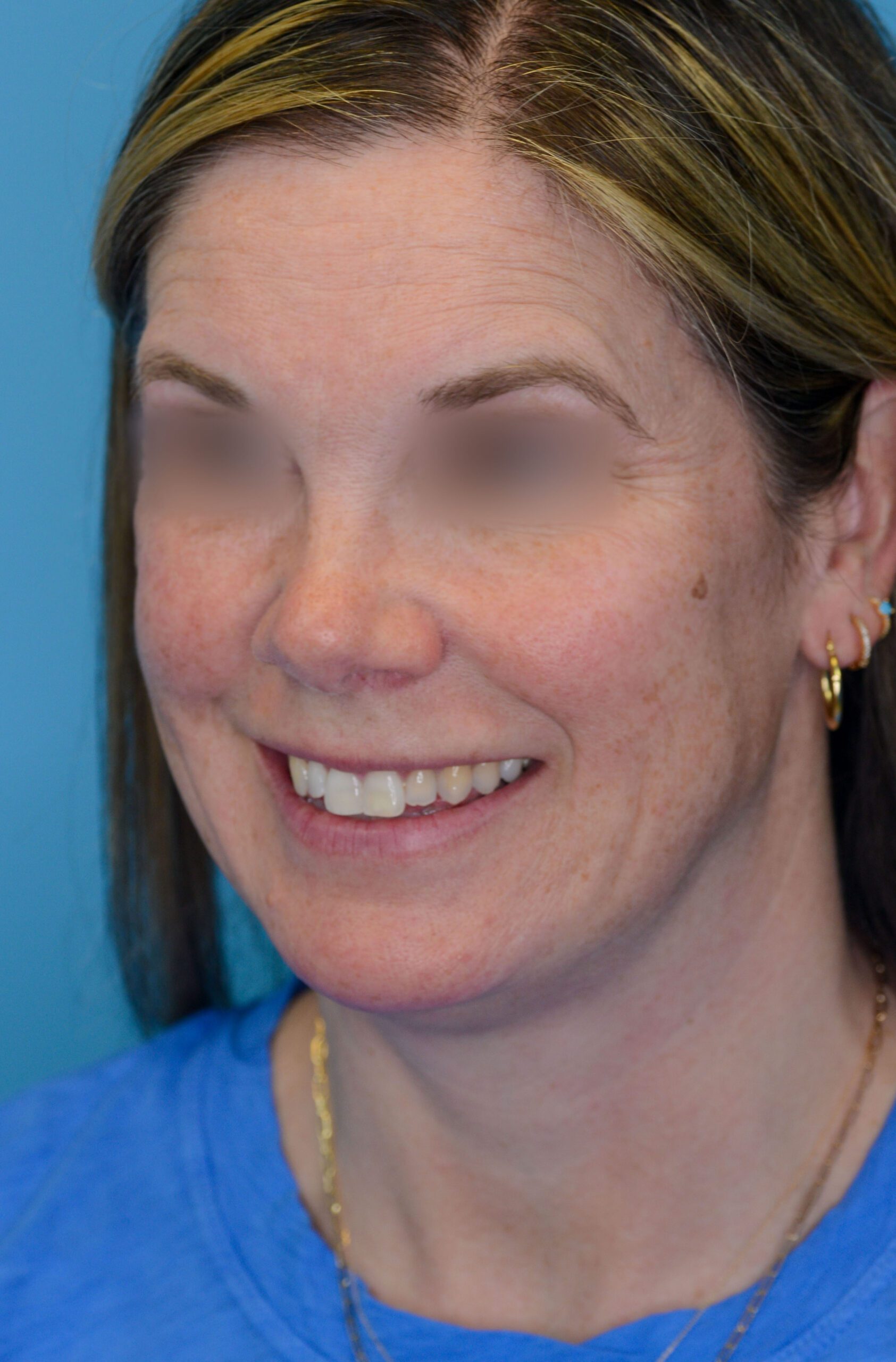
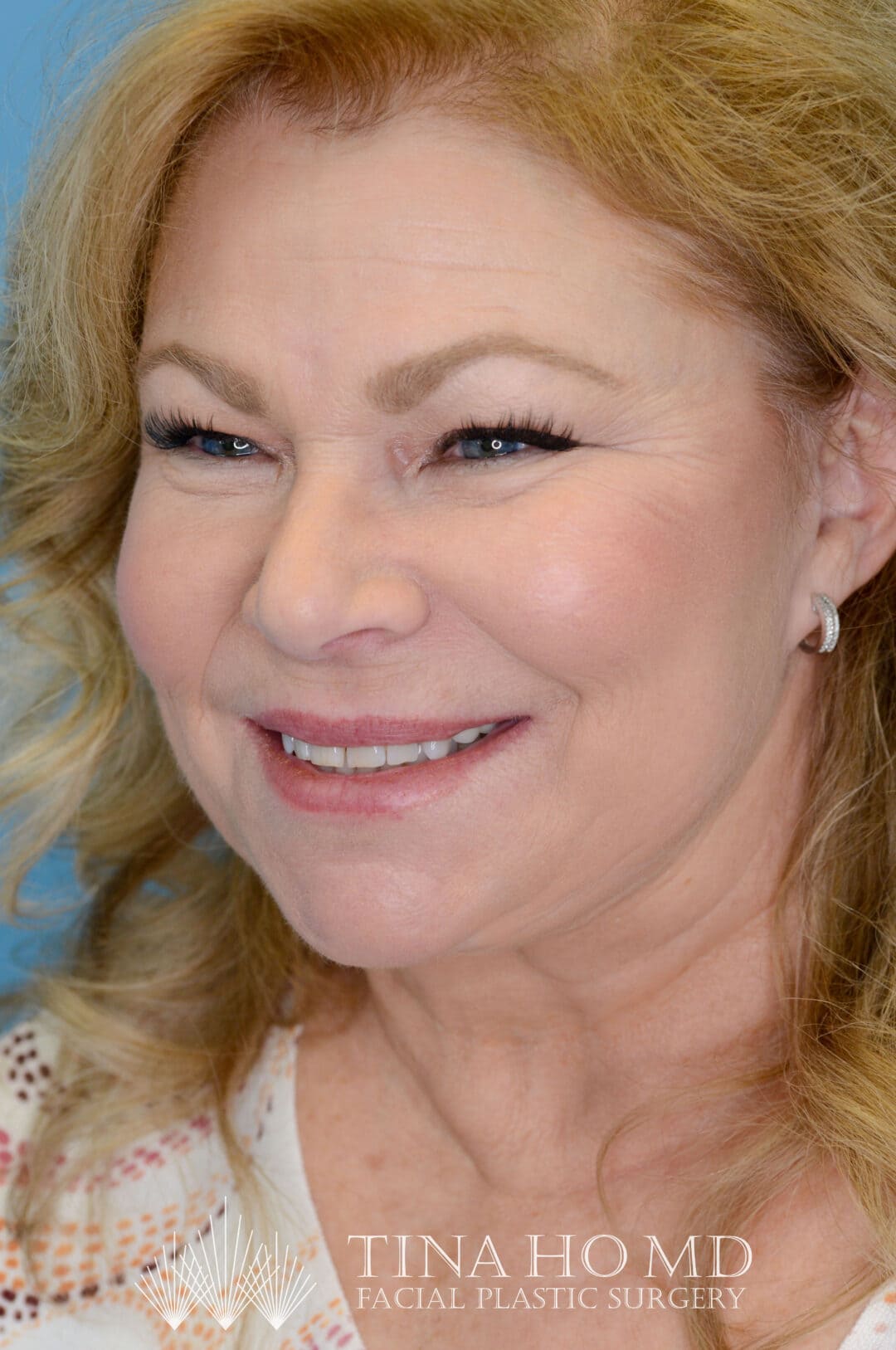
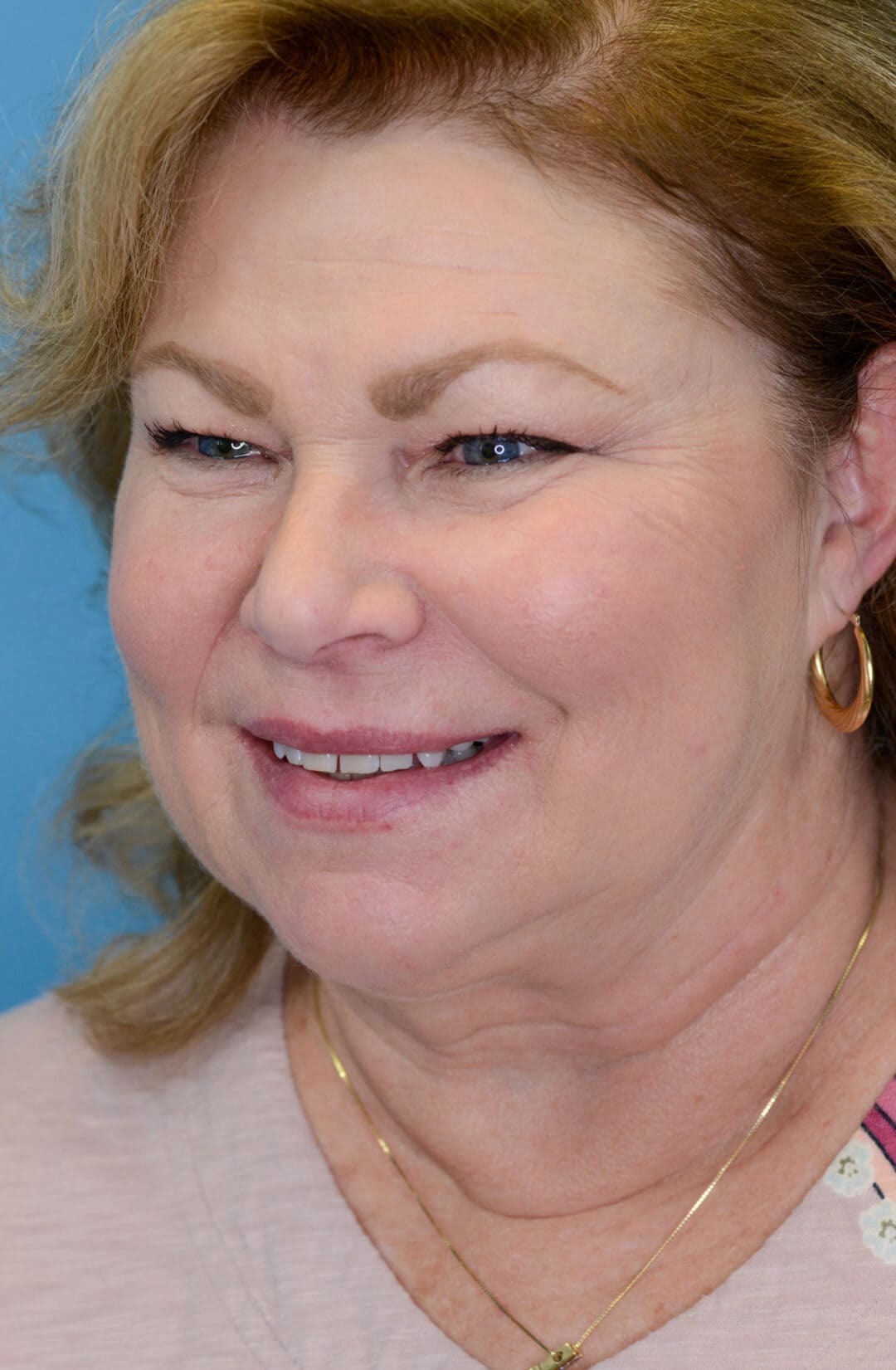
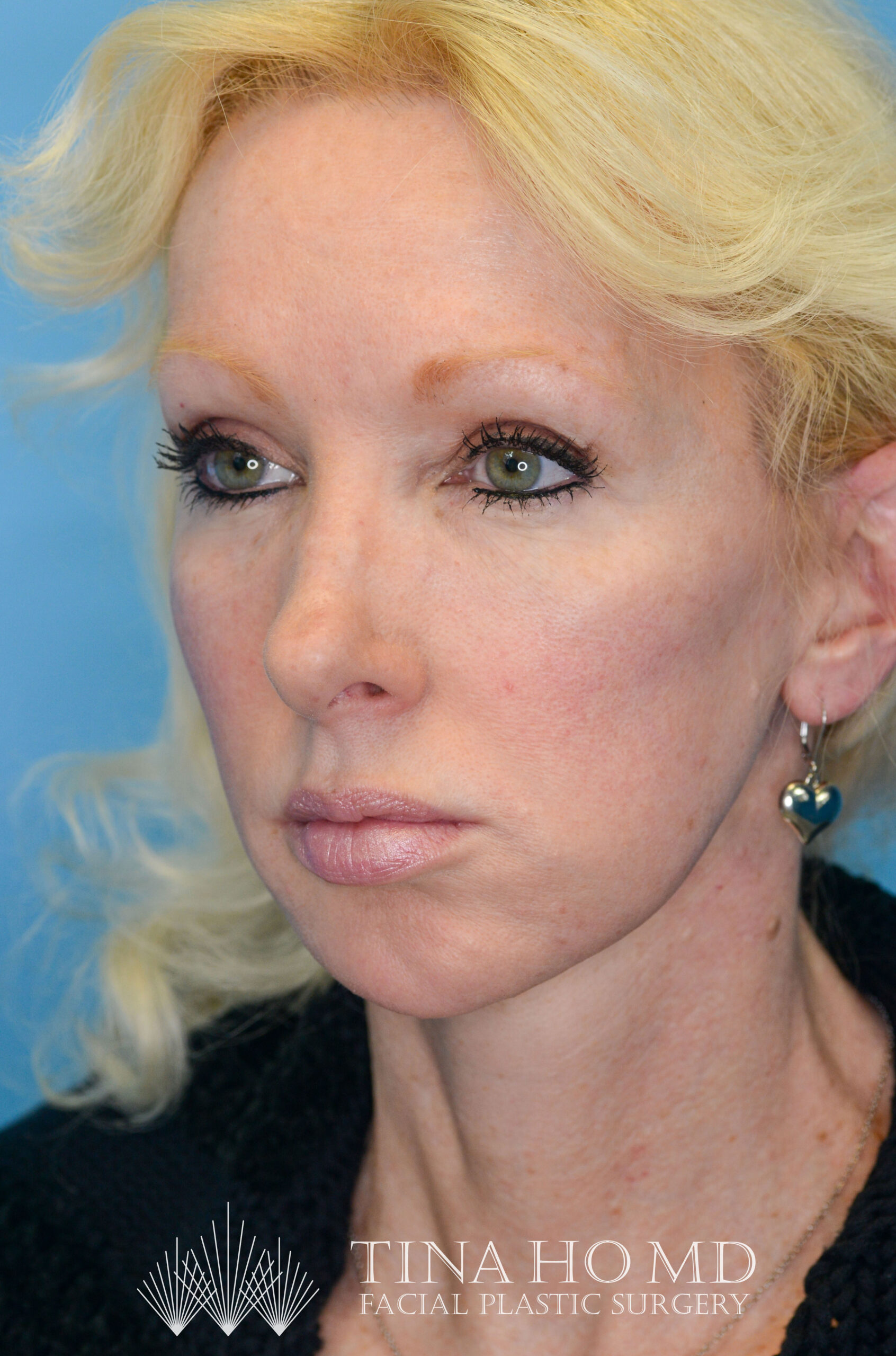
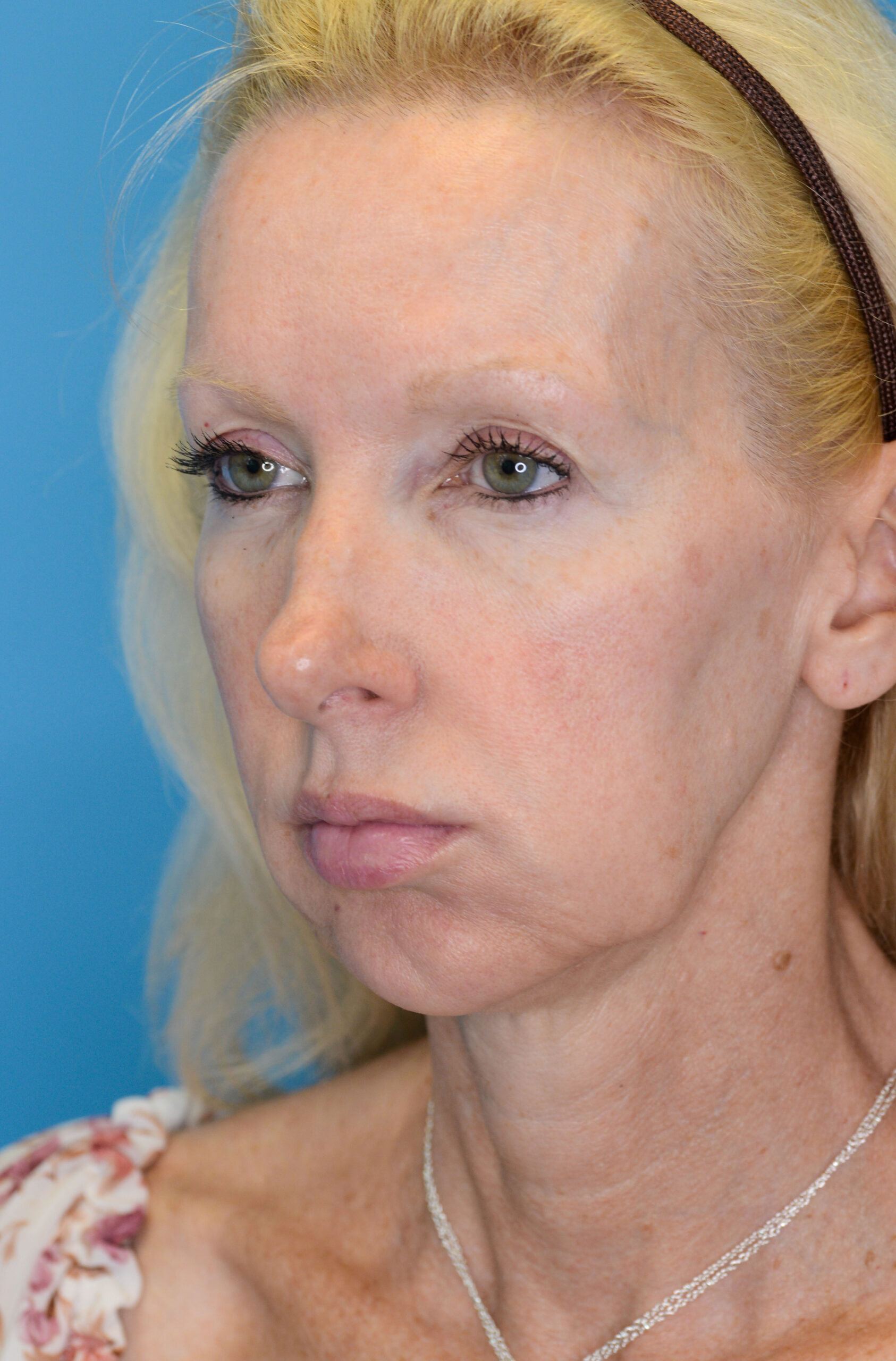
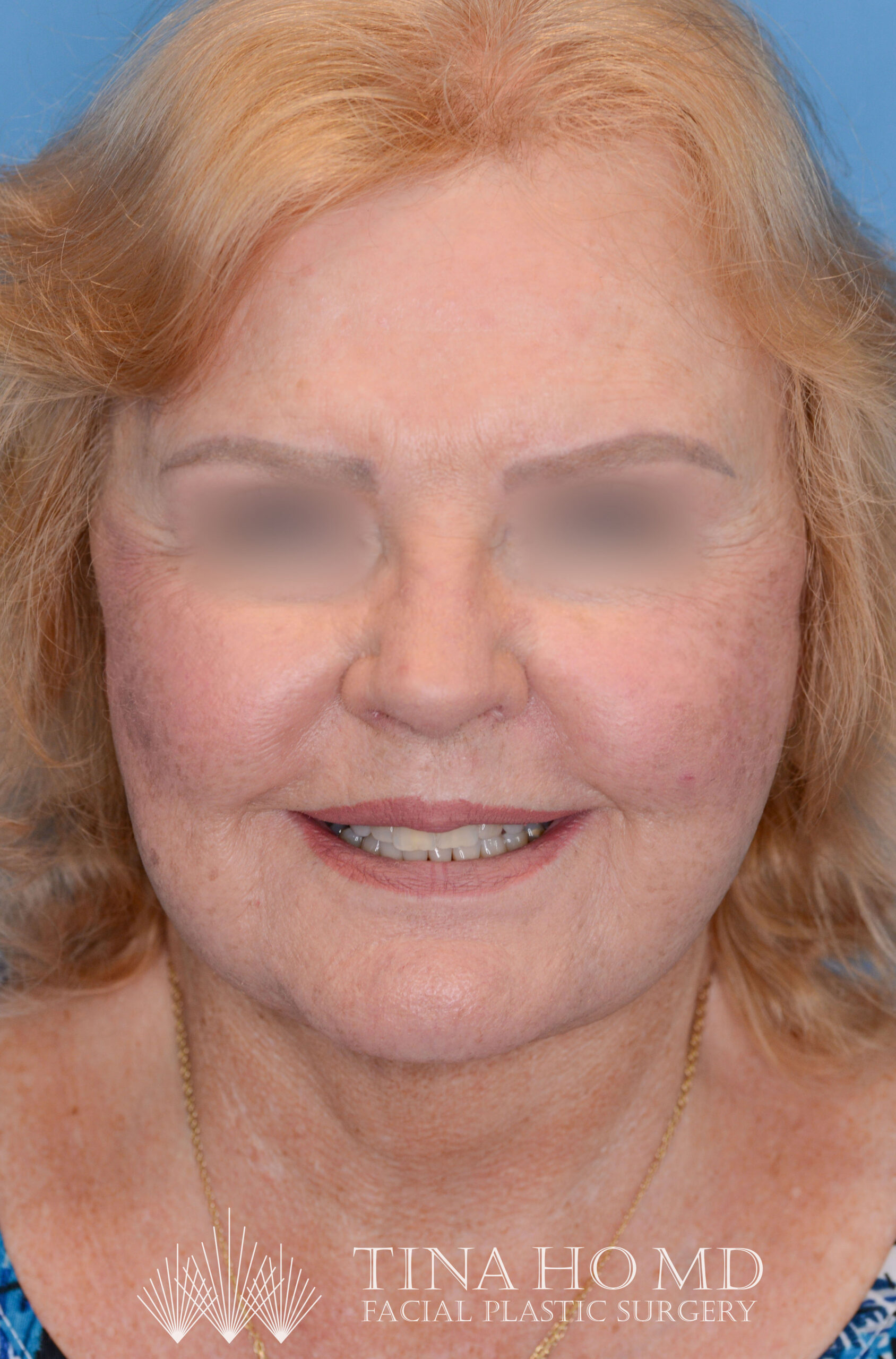
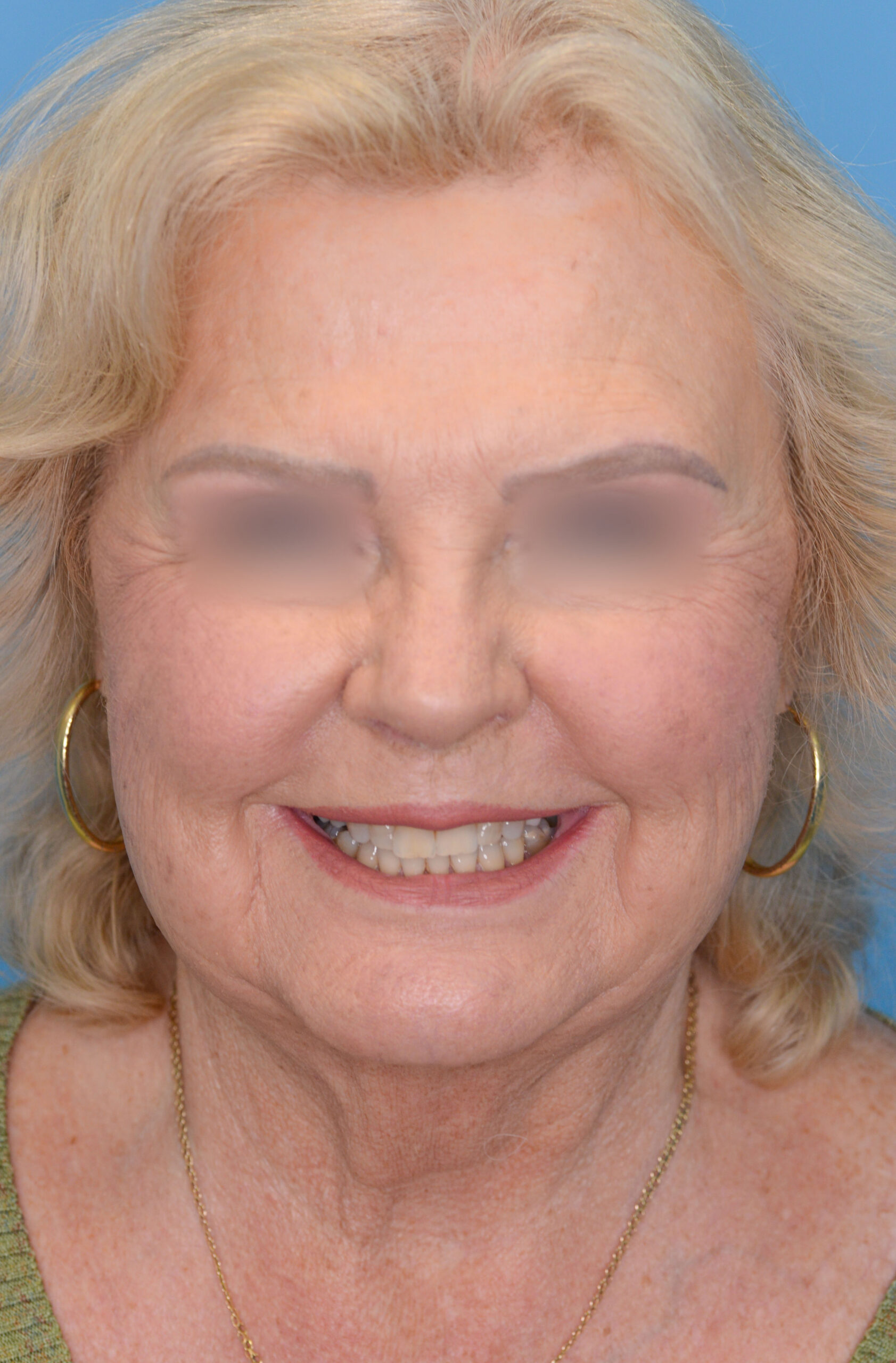
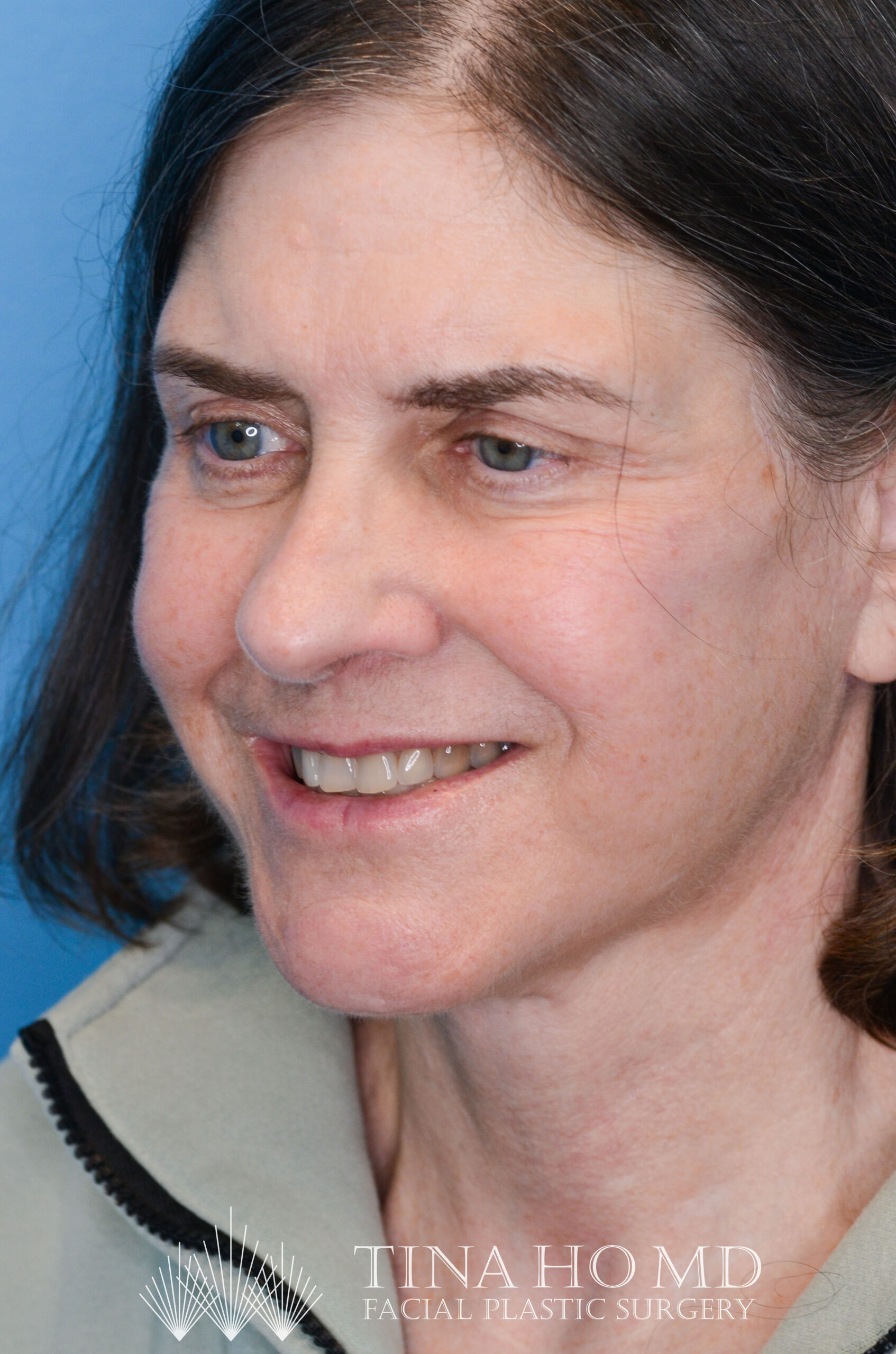
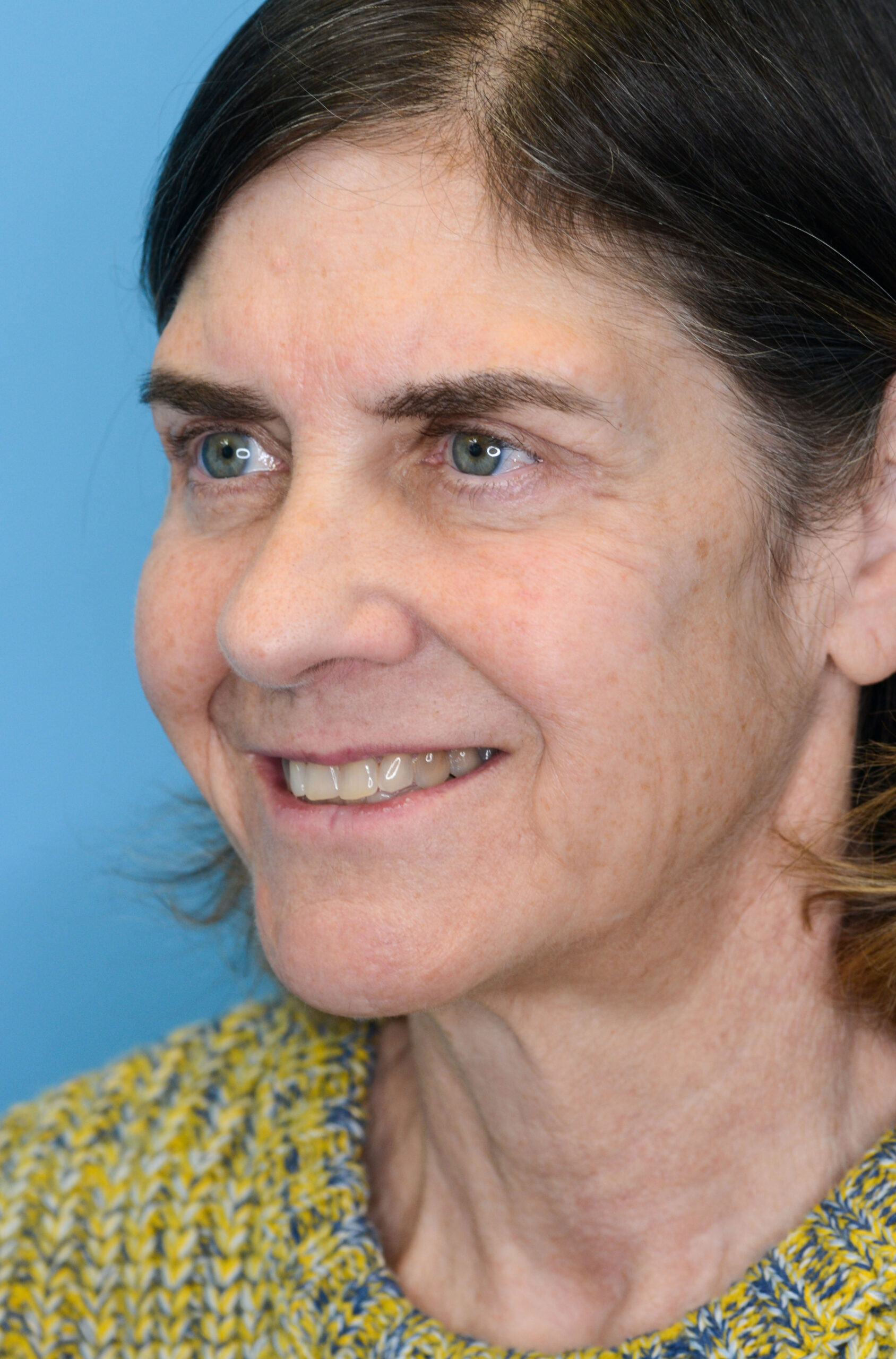
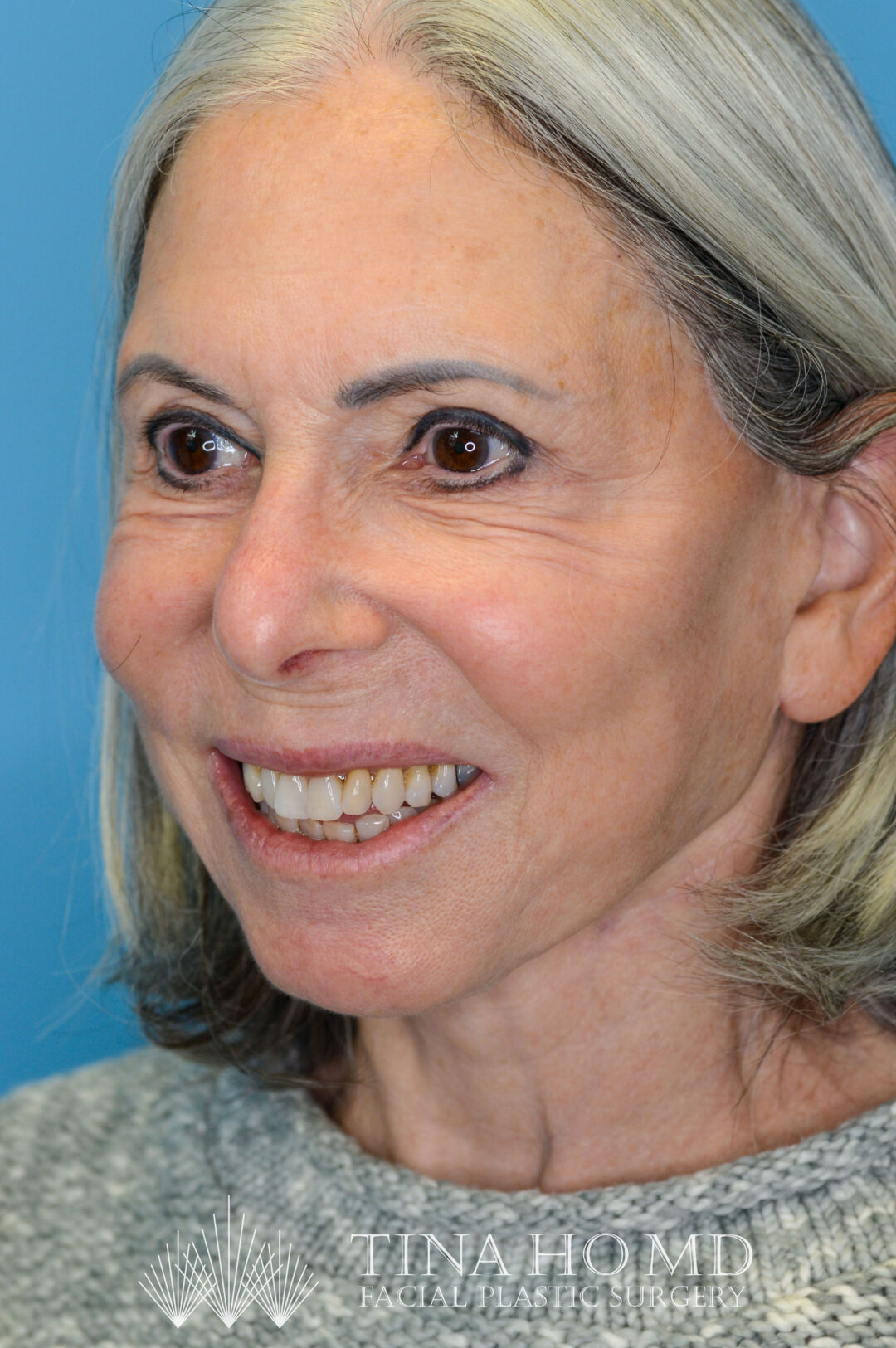
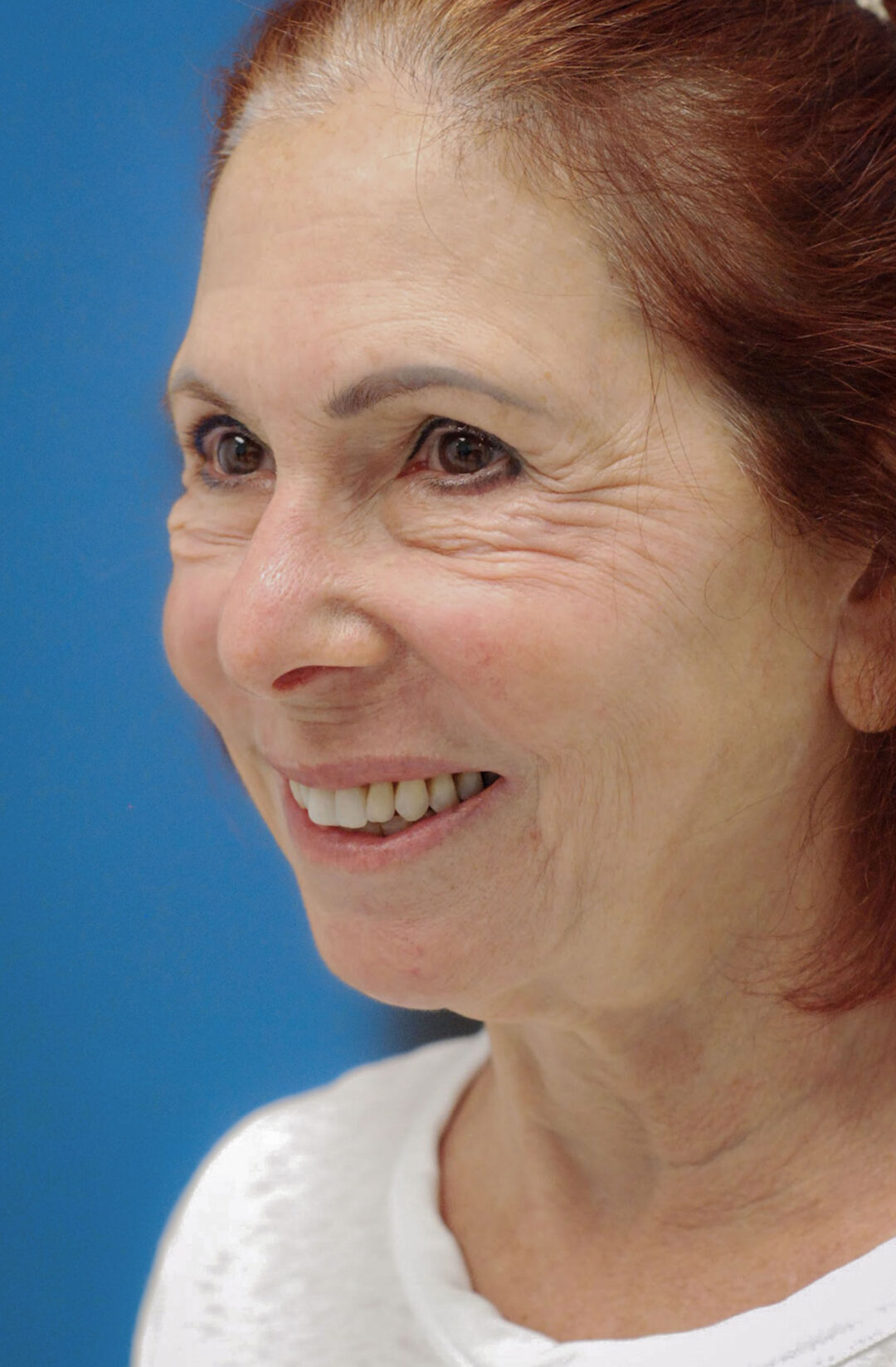
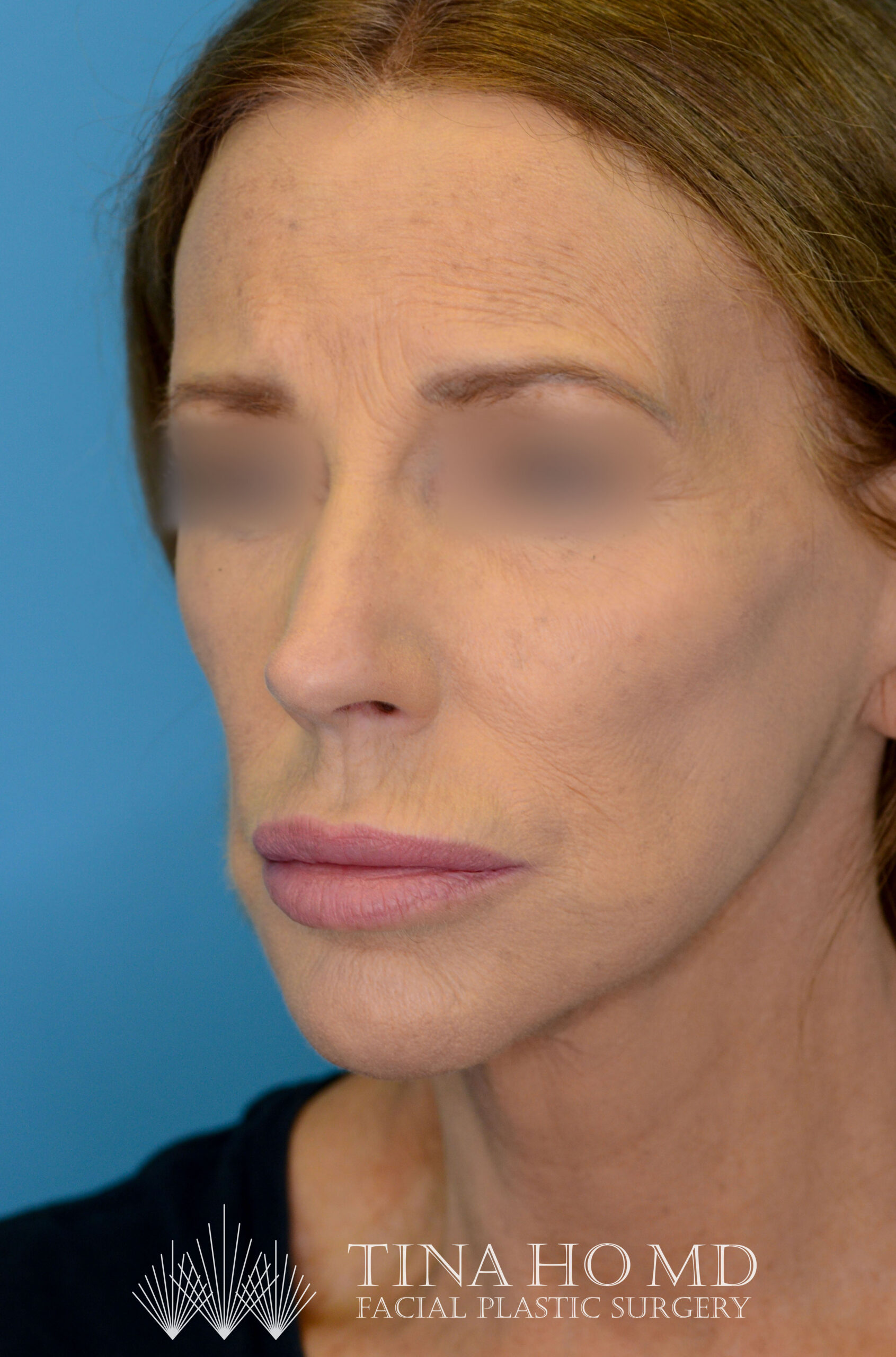
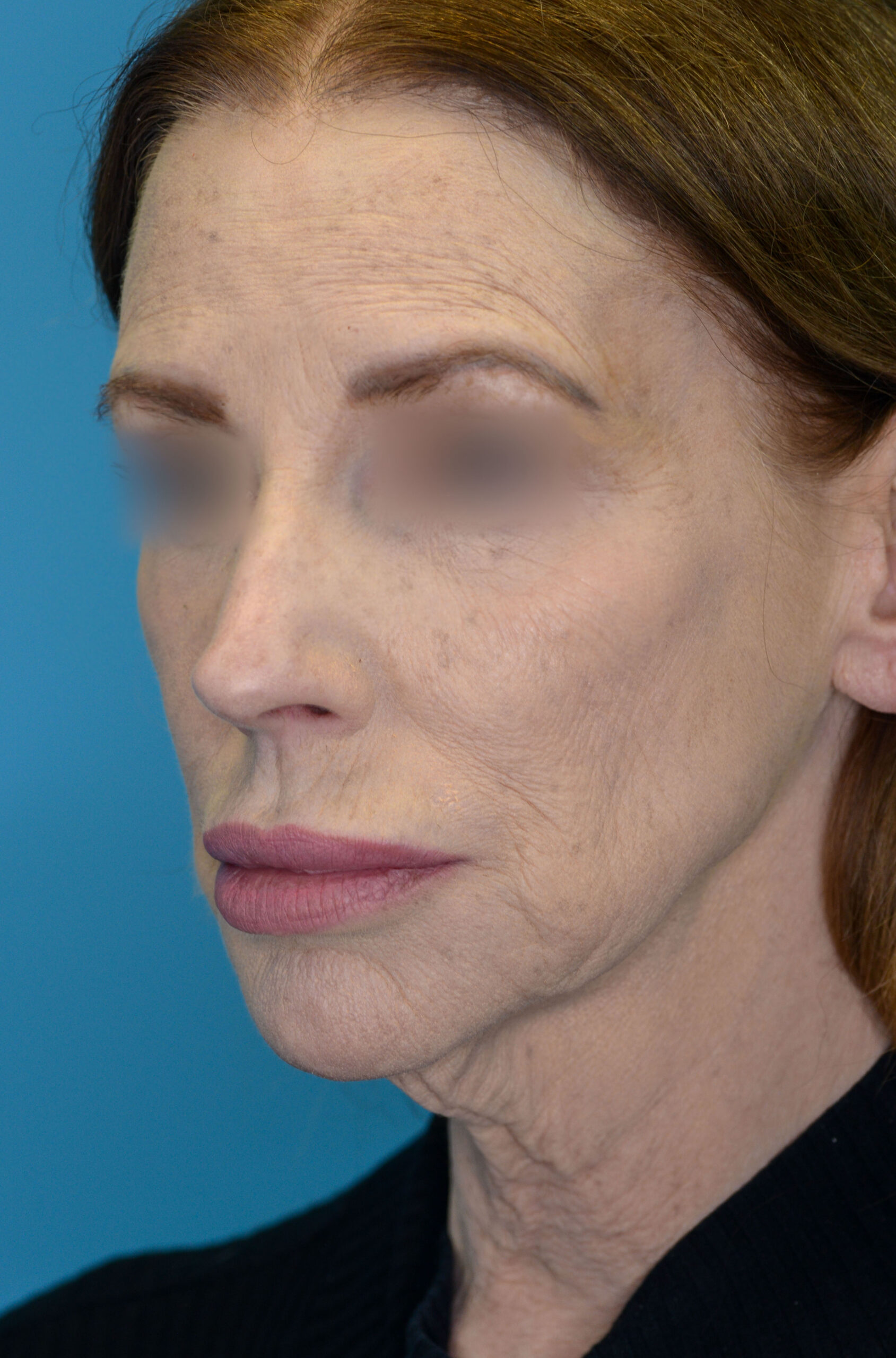
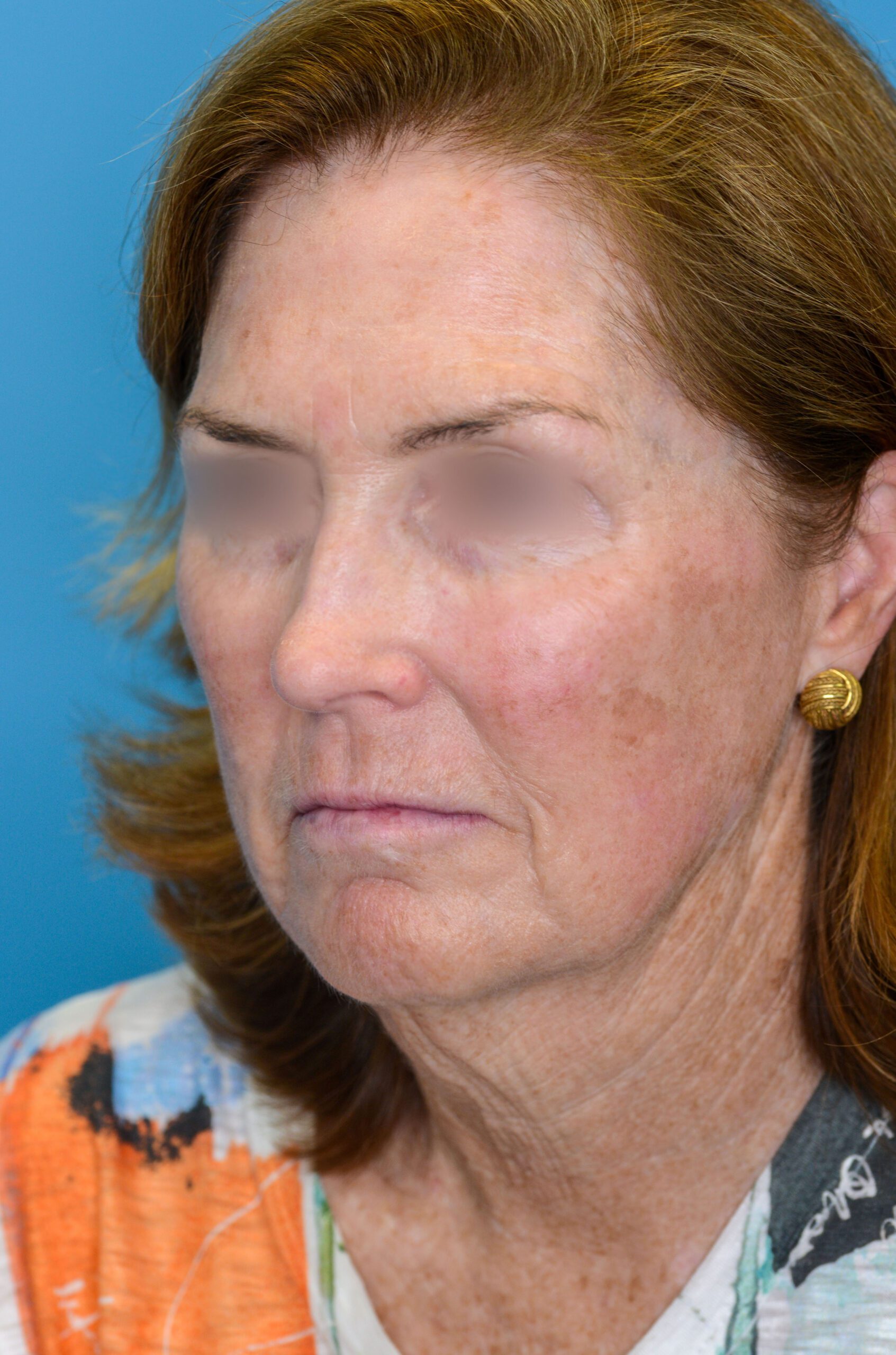
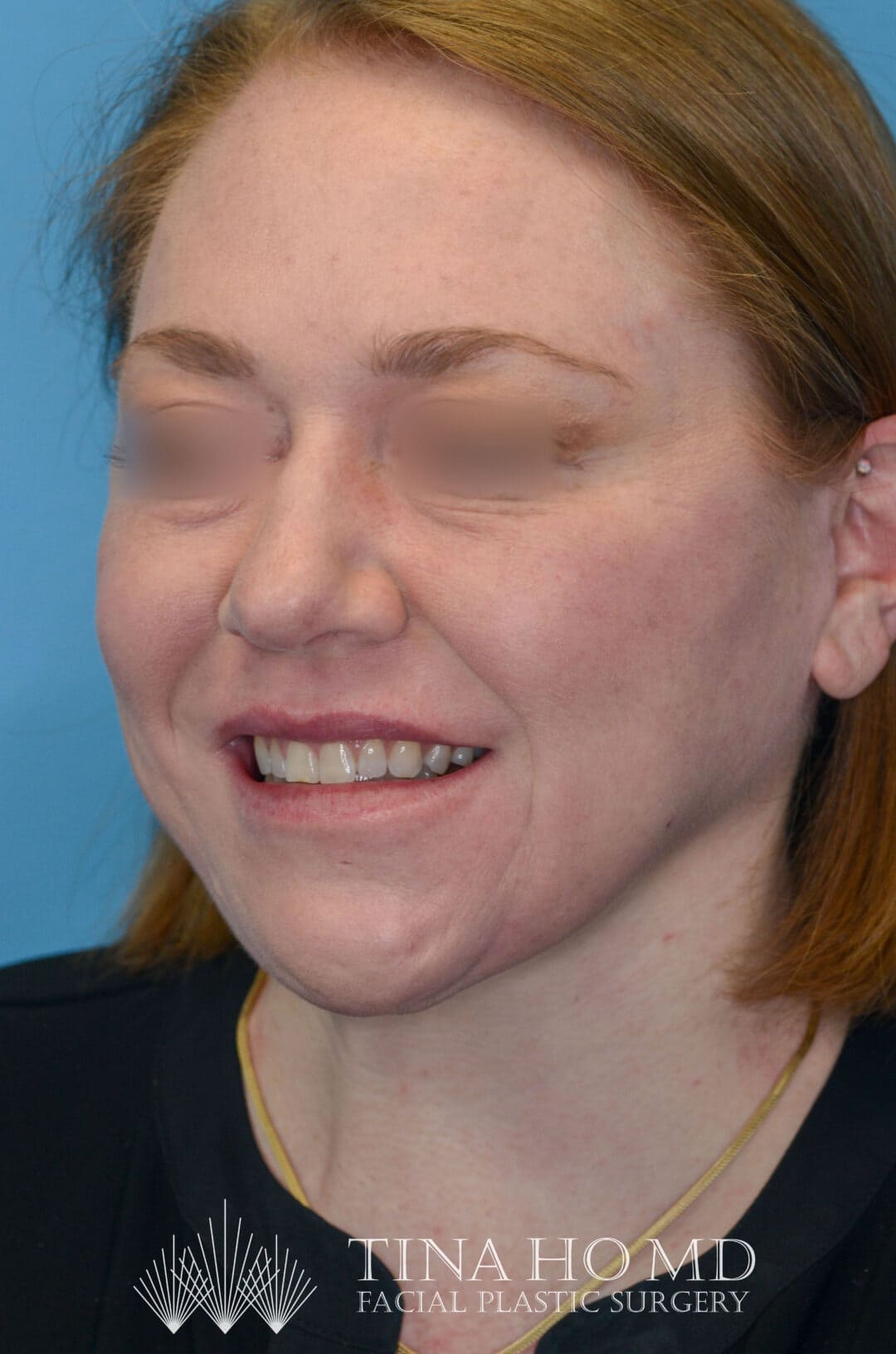
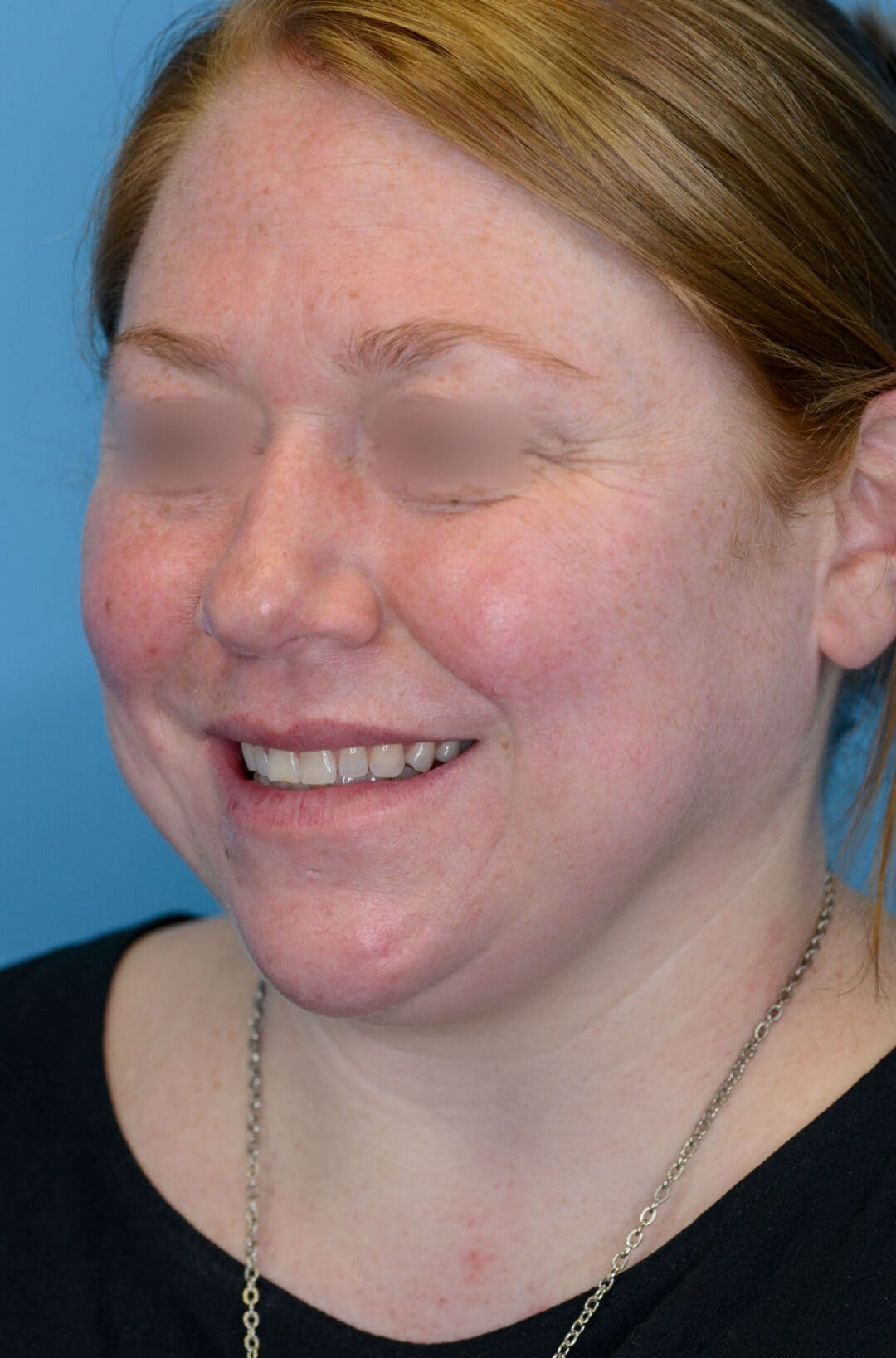
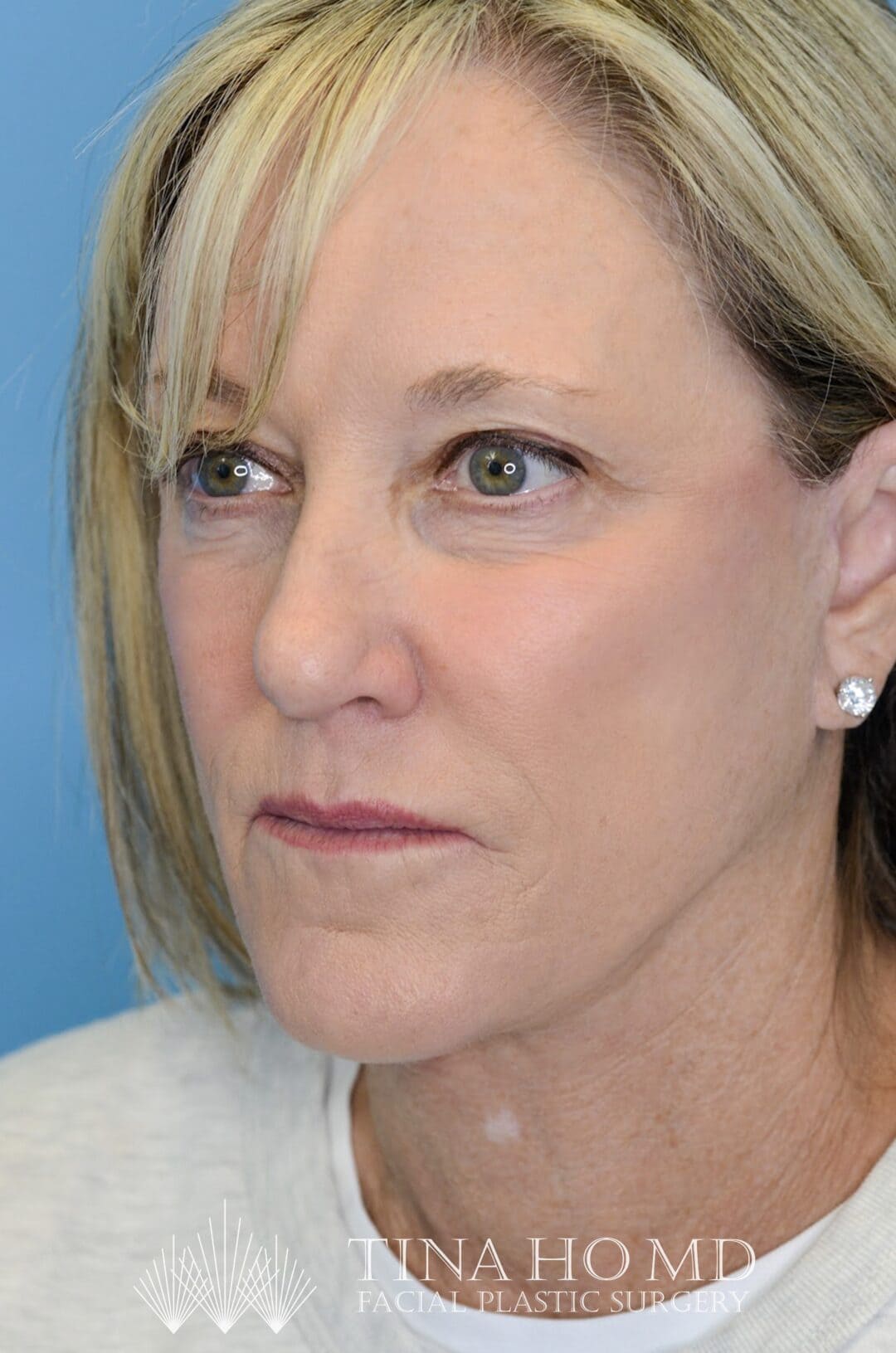
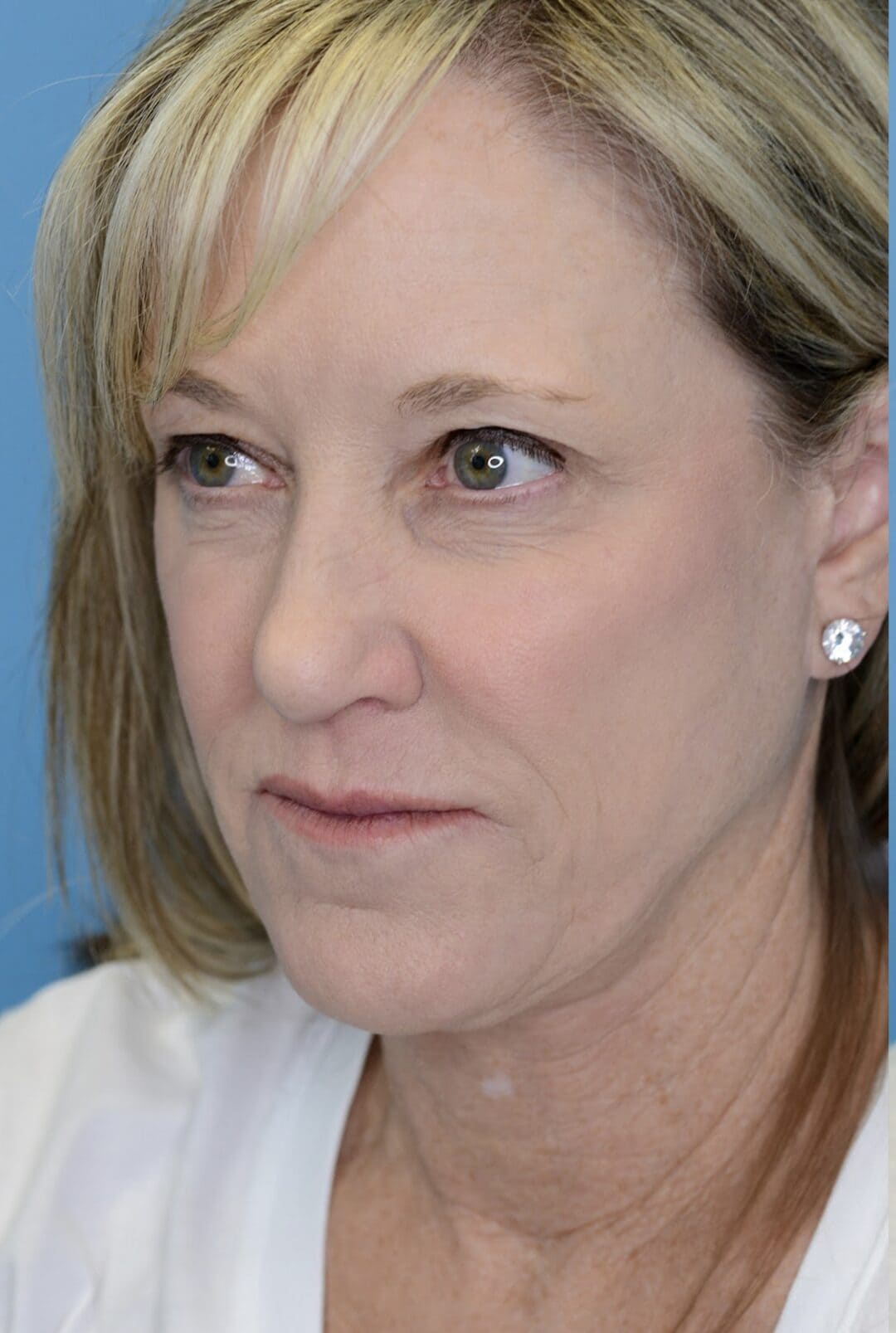
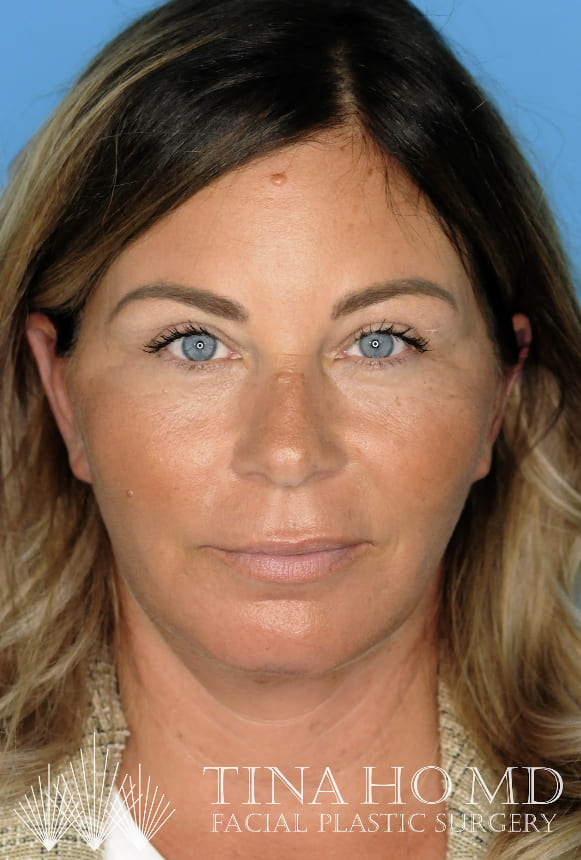
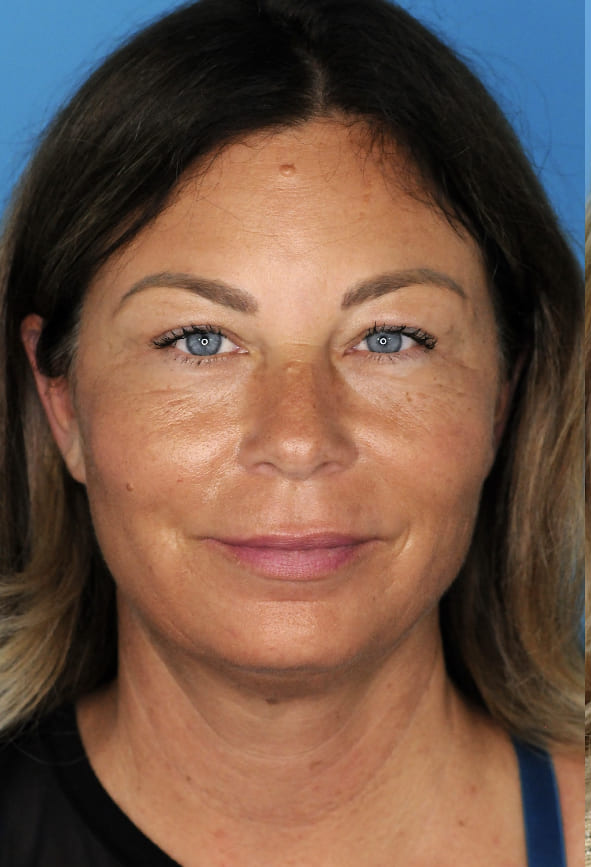
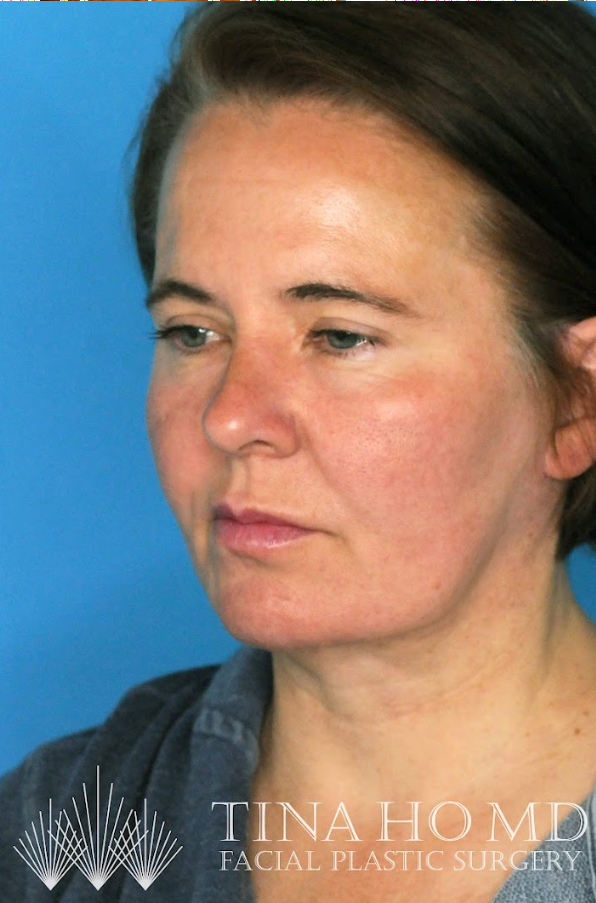
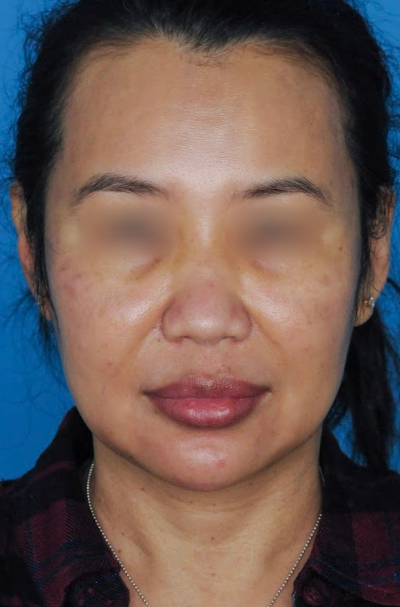
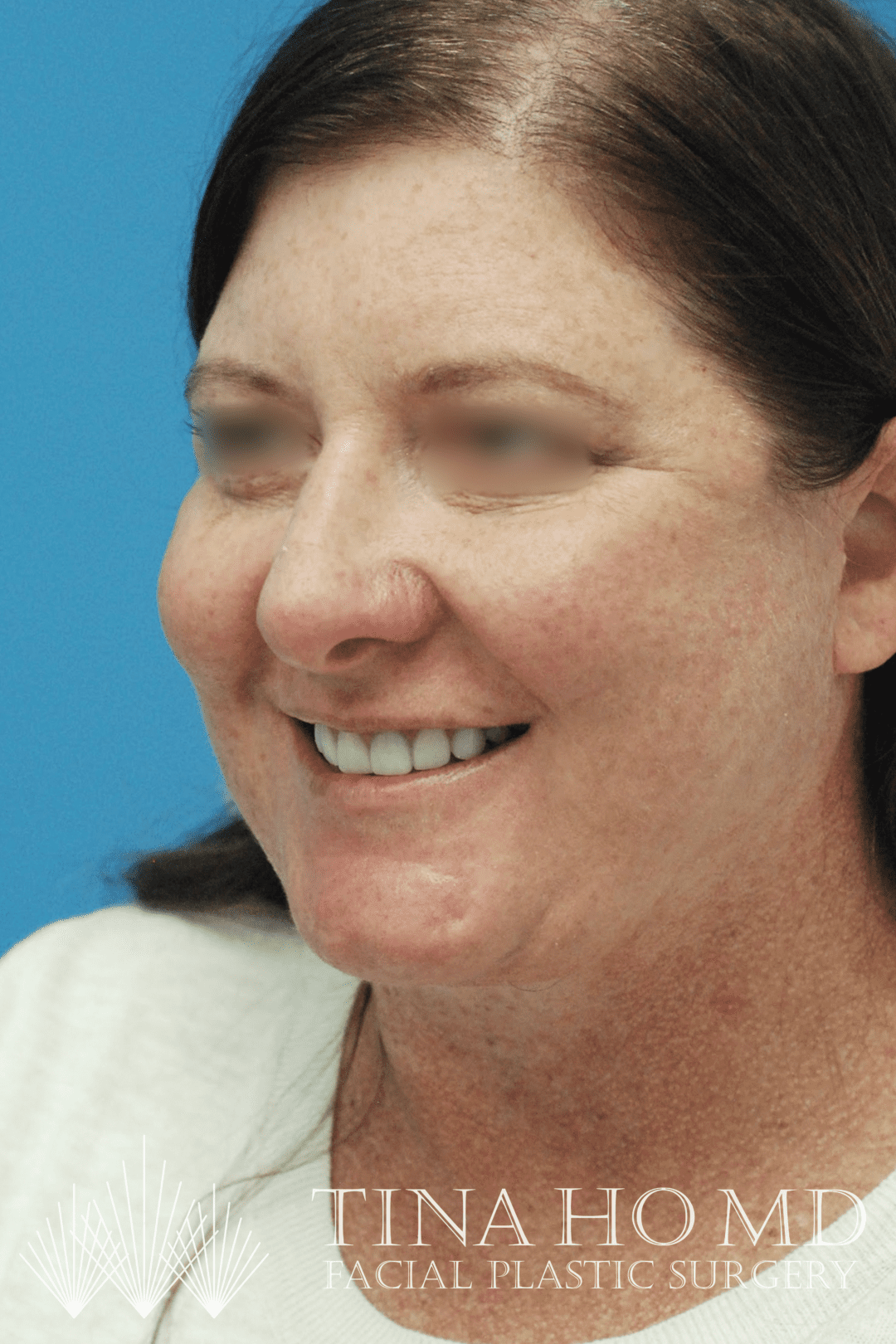
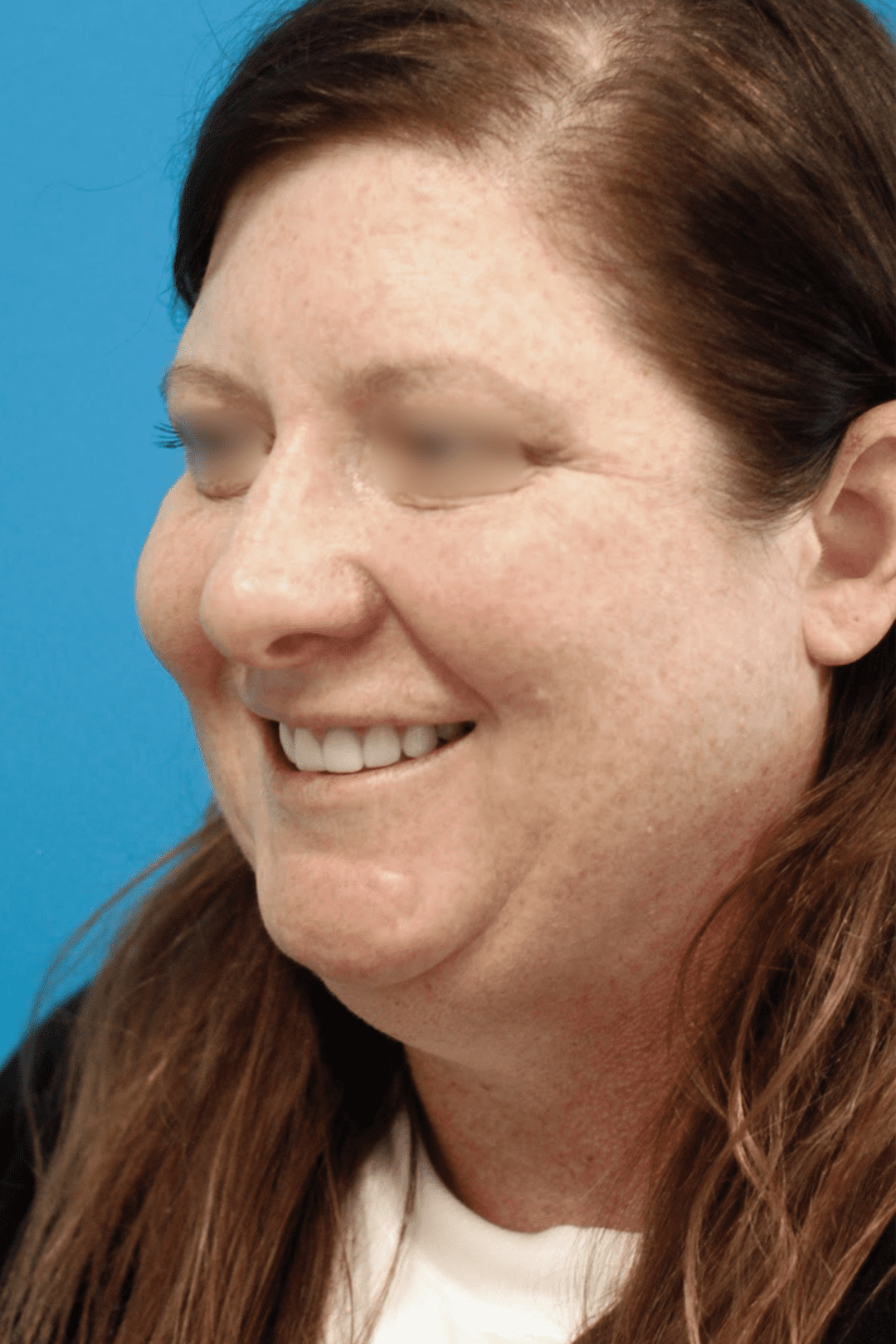
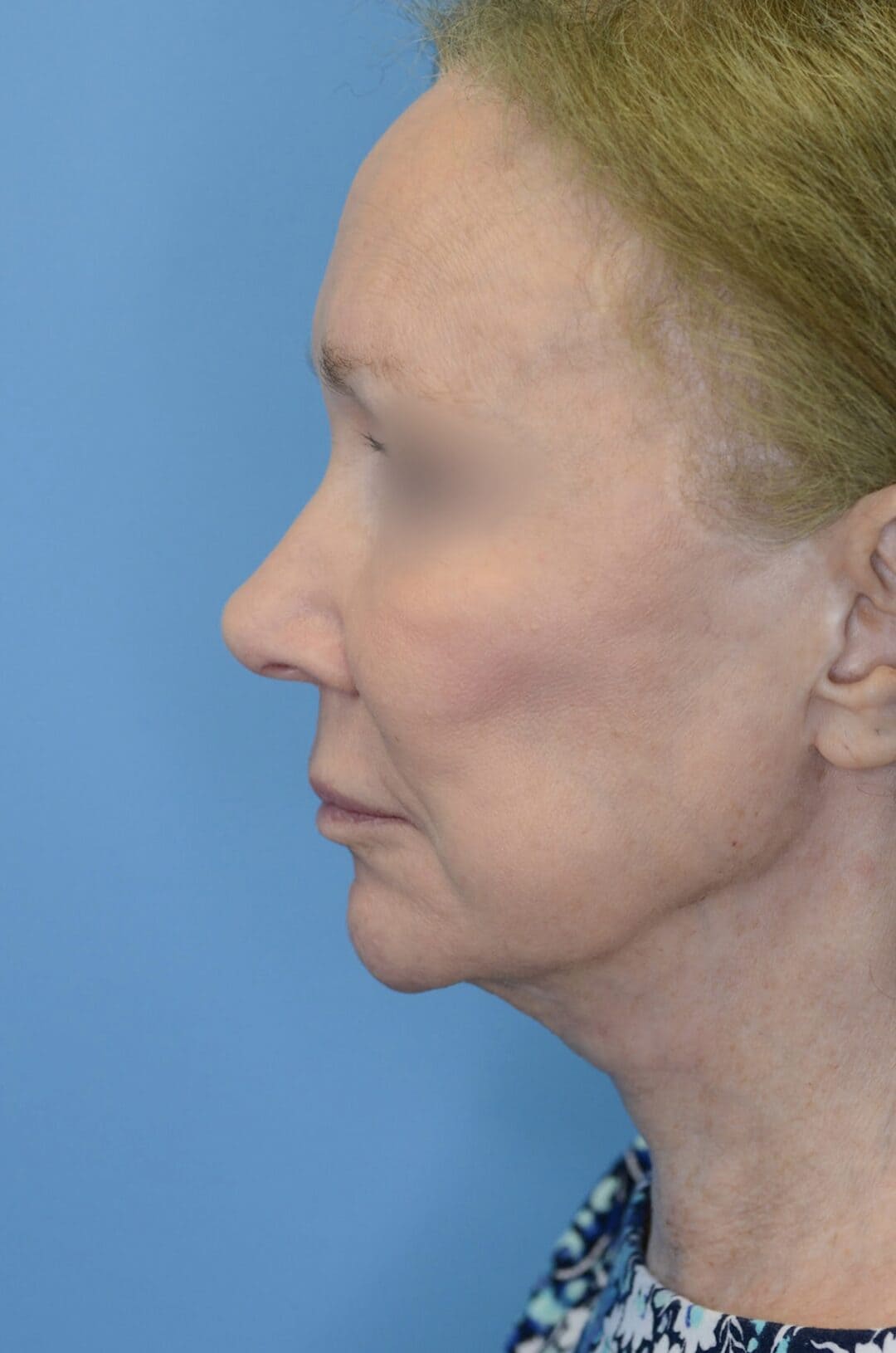
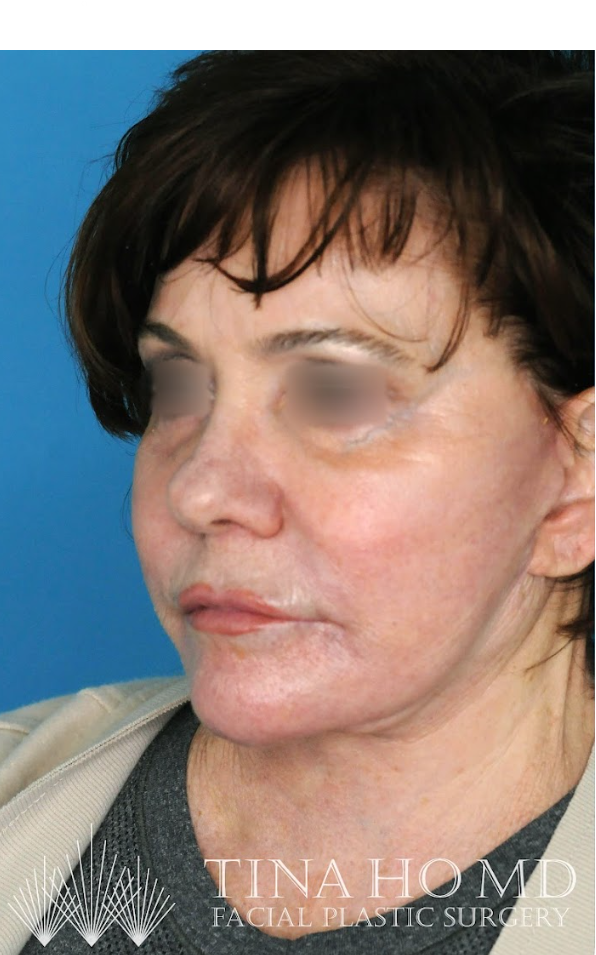
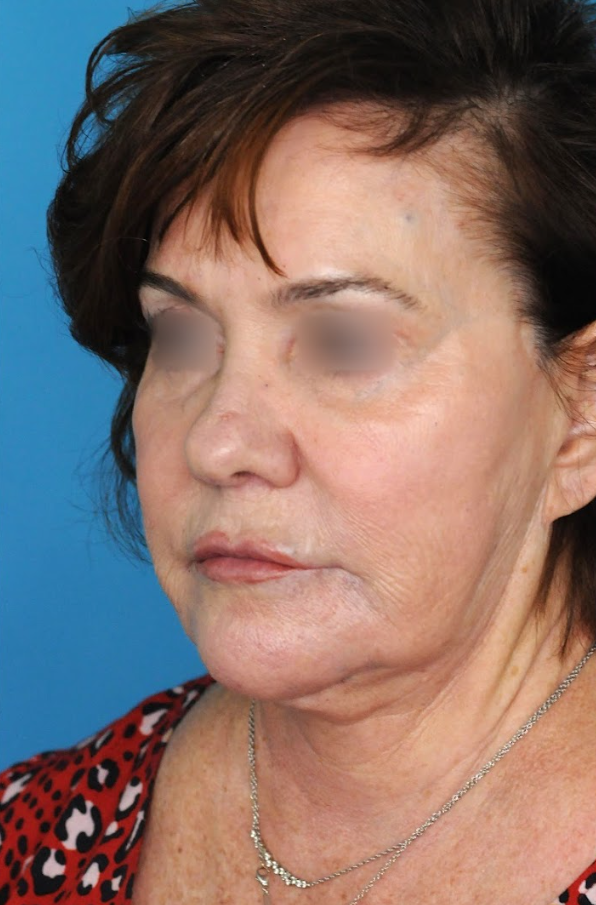
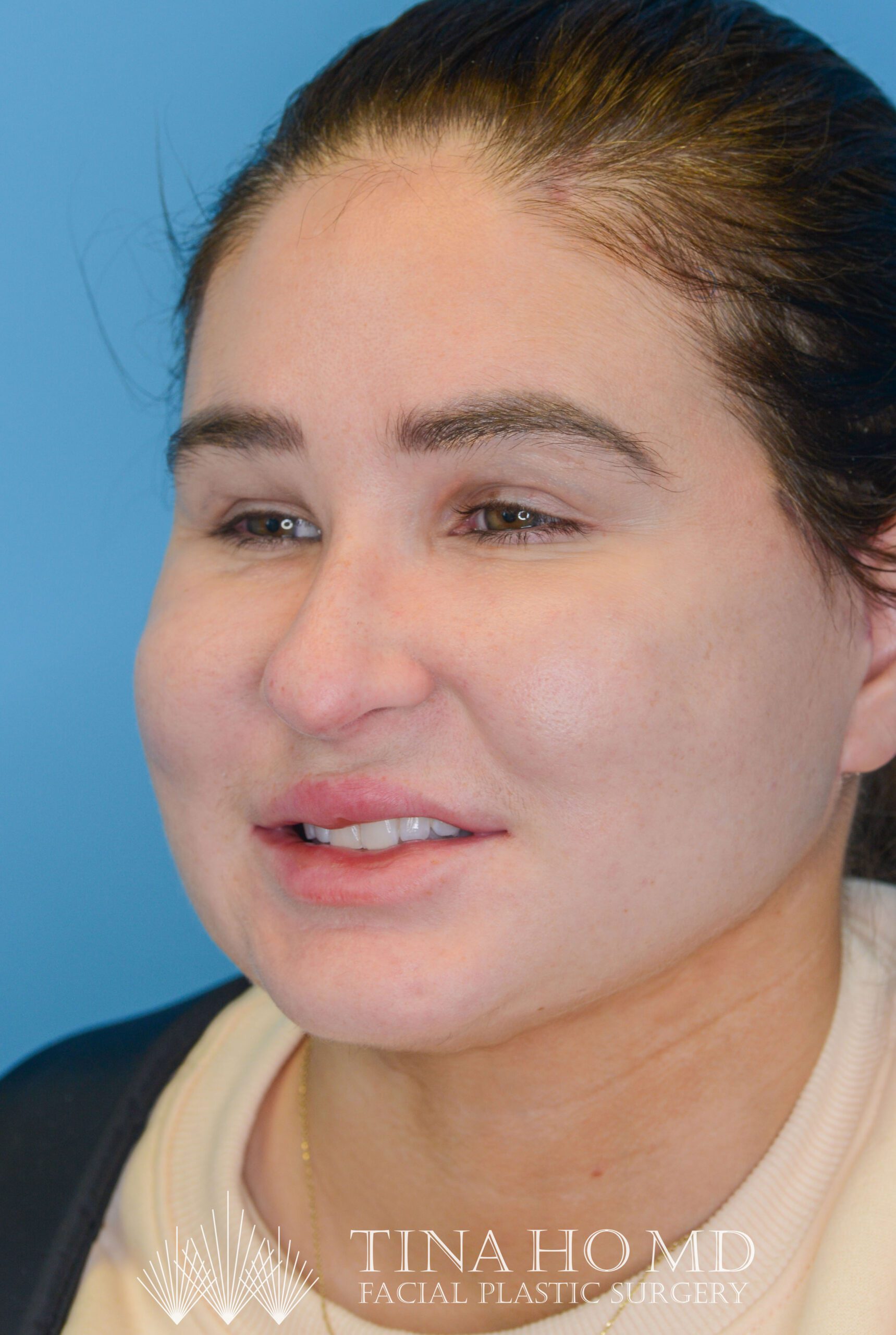
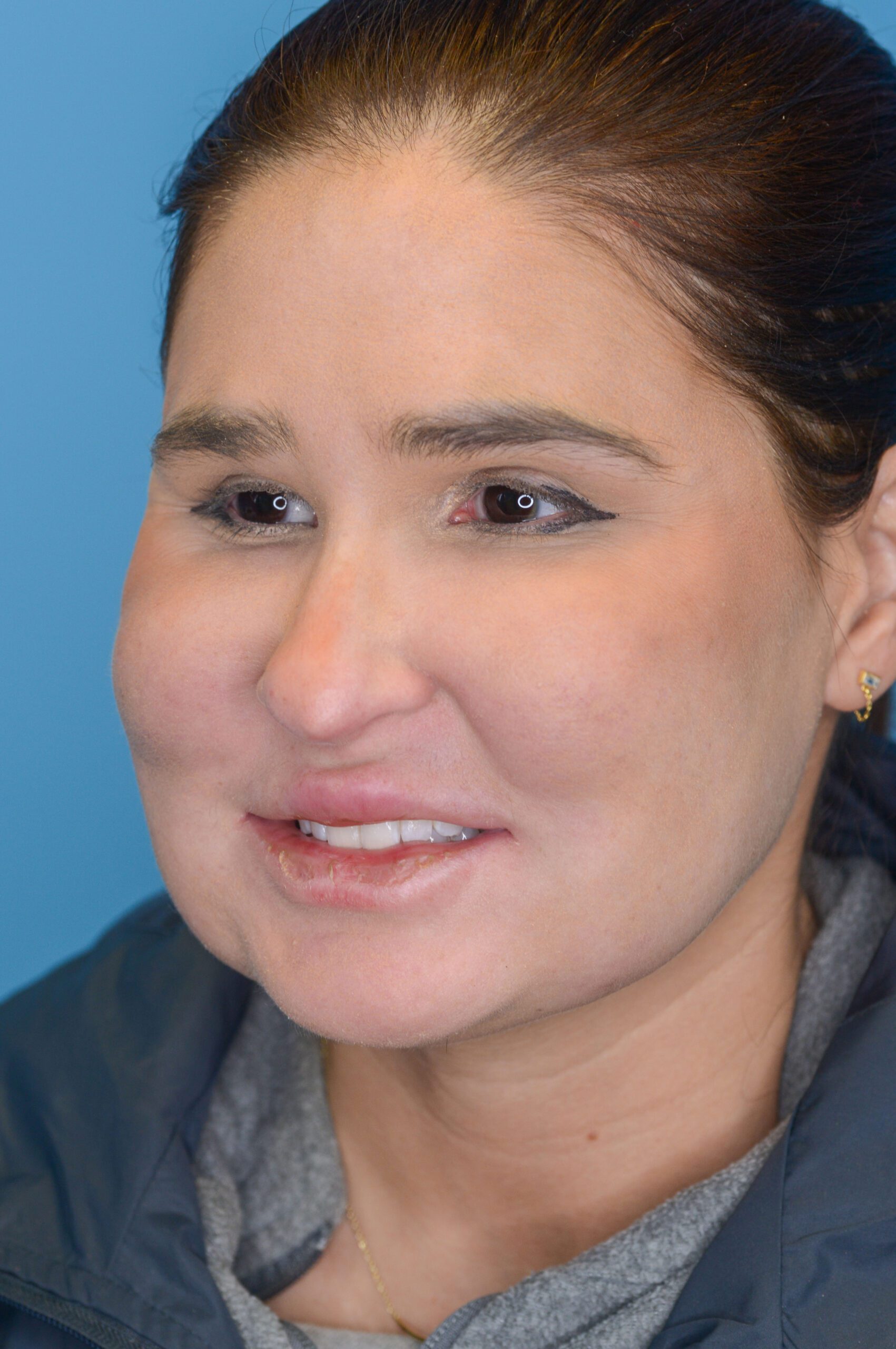
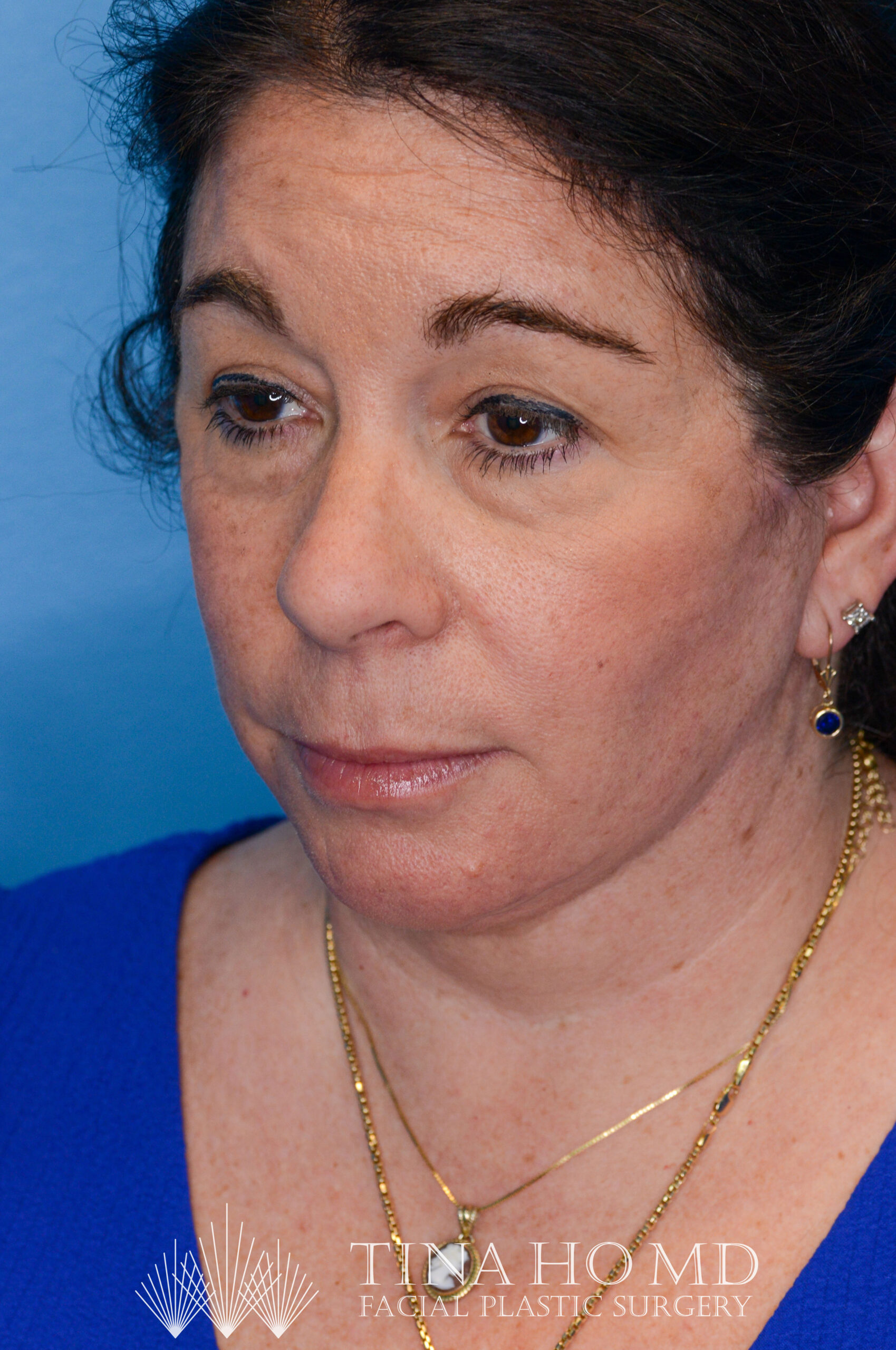
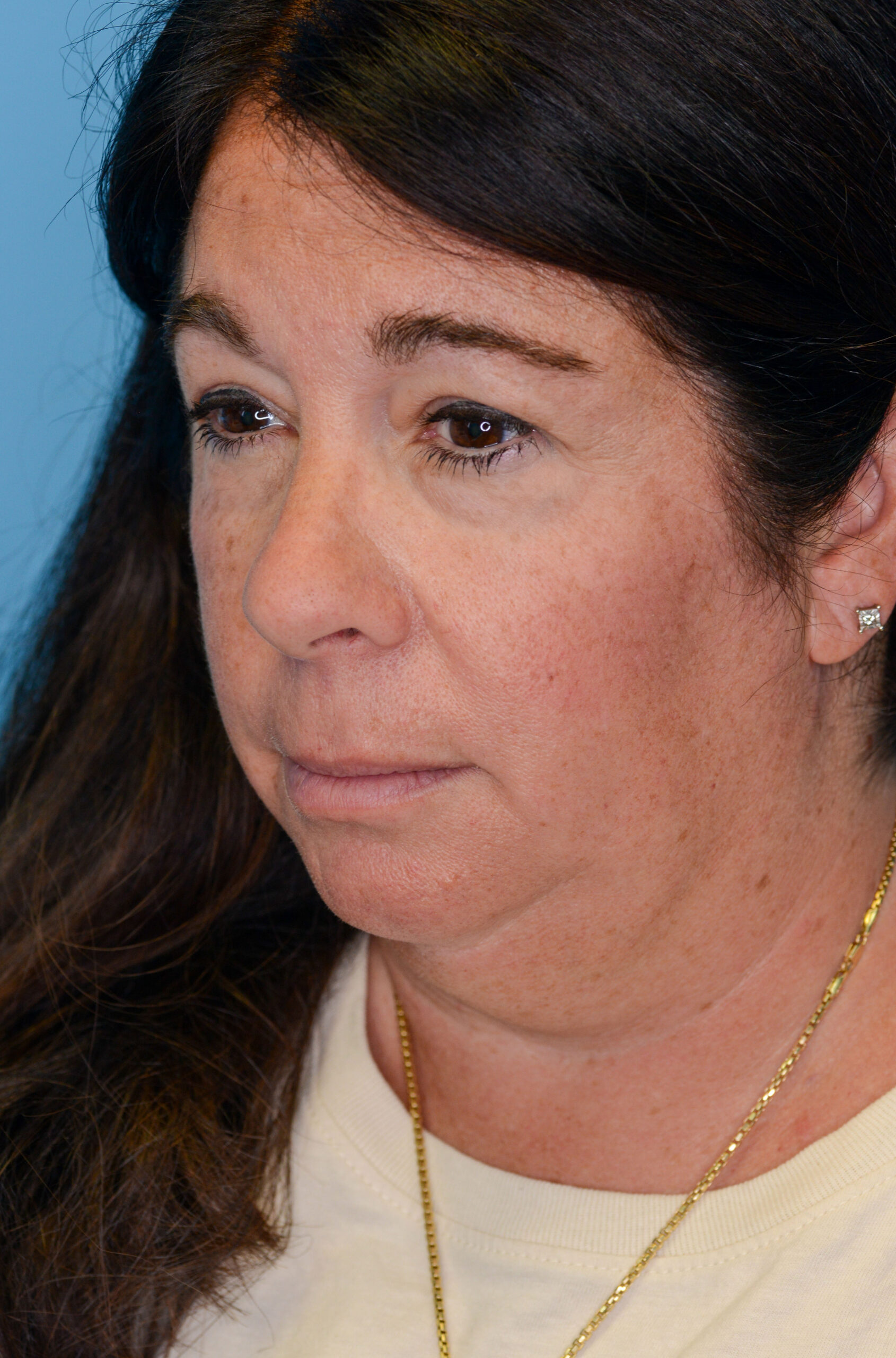
Patients who demonstrate a mild degree of facial sagging may benefit from mini facelift surgery. Although a traditional facelift, also known as rhytidectomy, is a popular option among aging patients, the extensive correction it offers is not always necessary. The mini facelift procedure rejuvenates the lower third of the face and utilizes smaller incisions to create beautiful, natural results.
Dr. Tina Ho, a fellowship-trained facial plastic and reconstructive surgeon and board-certified head and neck surgeon, has years of experience performing this procedure and various other cosmetic facial surgeries.
What is Mini Facelift Surgery?
Traditional facelift surgery rejuvenates the midface, jawline, and neck by redraping and resuspending the skin and deeper tissues in these areas. Mini facelift can be defined as a modified version of facelift surgery that incorporates smaller incisions and less tissue resuspension. This surgery most benefits those patients with milder skin and soft tissue laxity issues and mainly targets the lower face and neck. Mini facelift is therefore a less invasive procedure with shorter duration and downtime compared to traditional facelift surgery.
Mini facelift surgery requires the expertise of a surgeon who specializes in plastic surgery of the face and possesses a thorough knowledge of facial anatomy. Dr. Ho specializes in aging face procedures and performs each mini facelift procedure according to the anatomic findings and surgical goals of the individual patient.


Educational videos
The Facelift Procedure
Learn more about the facelift procedure and how it can subtly enhance your facial harmony with insights from Dr. Tina Ho.
Deep Plane Facelift Explained | Technique, Recovery & Natural Long-Lasting Results
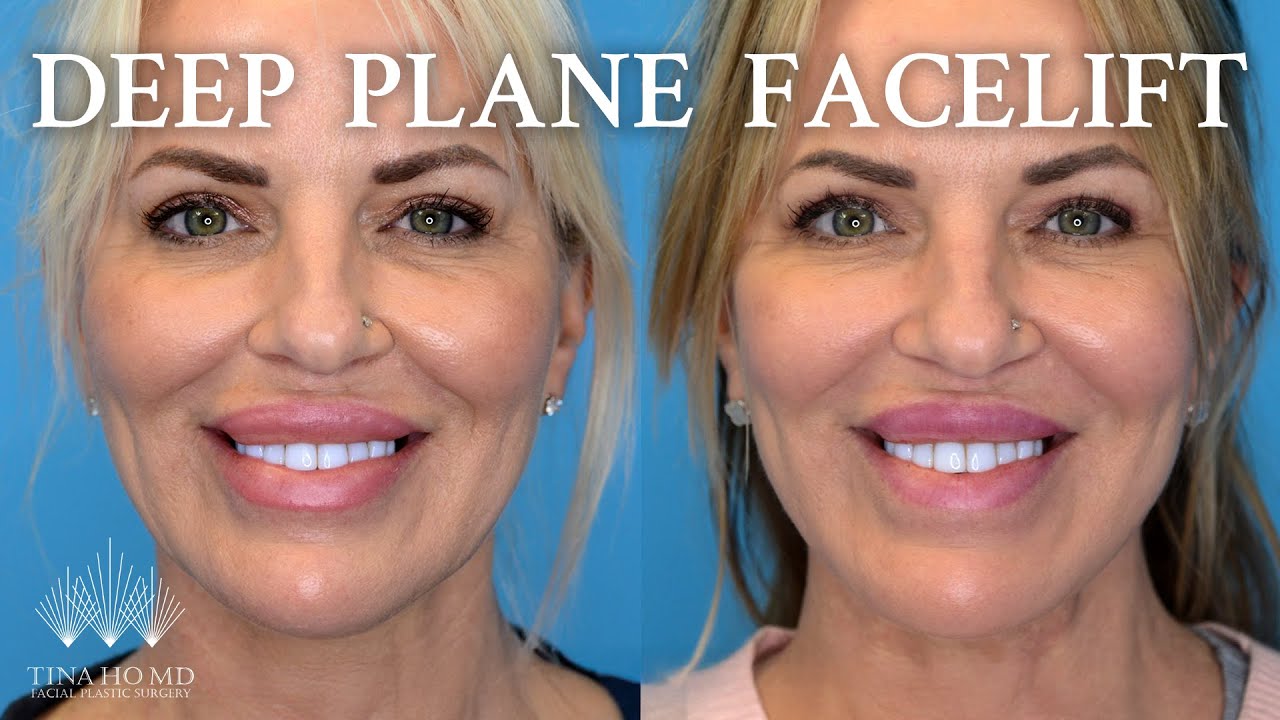
Dr. Tina Ho, a double board-certified facial plastic surgeon, presents an in-depth explanation of the deep plane facelift, a surgical technique designed for pronounced and long-lasting facial rejuvenation. Distinct from traditional facelifts that primarily focus on skin removal and superficial tightening, the deep plane facelift addresses deeper anatomical layers such as the SMAS (Superficial Musculoaponeurotic System), especially in the midface. This approach allows more effective lifting of sagging tissues in the cheeks, jawline, and neck, producing natural and enduring results lasting up to 10-20 years.
Facelift Surgery: Everything You Need to Know About the Deep Plane Facelift
The deep plane facelift is an advanced facelift technique that provides dramatic, long-lasting results by repositioning deeper facial tissues. Ideal candidates range from their late 30s to 60s, seeking to restore cheek volume and jawline contour. Recovery includes swelling, bruising, and ELIXIR MD™ treatments to accelerate healing, with final results visible in 6–12 months.
Facelift: What is Expected with Surgery?
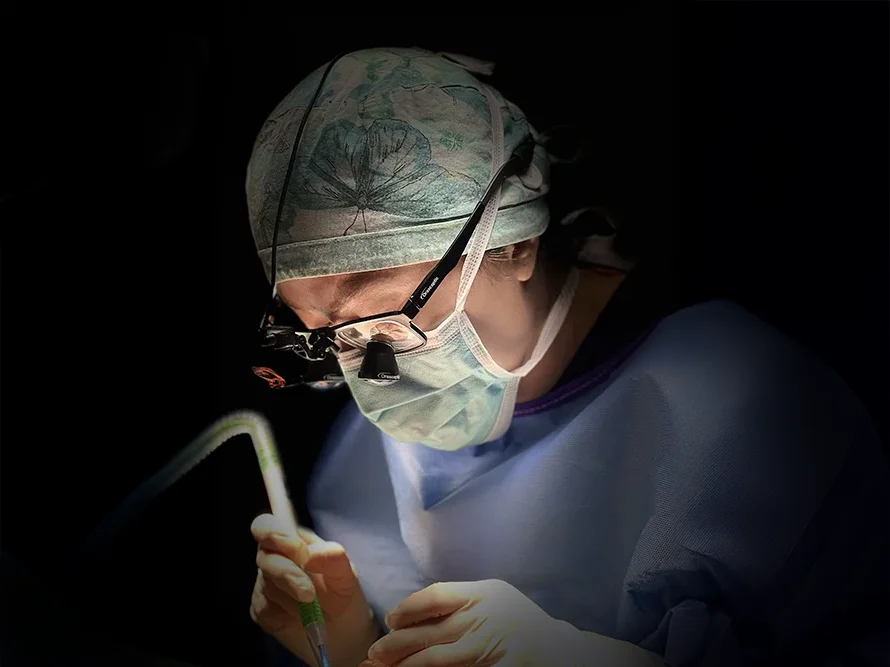
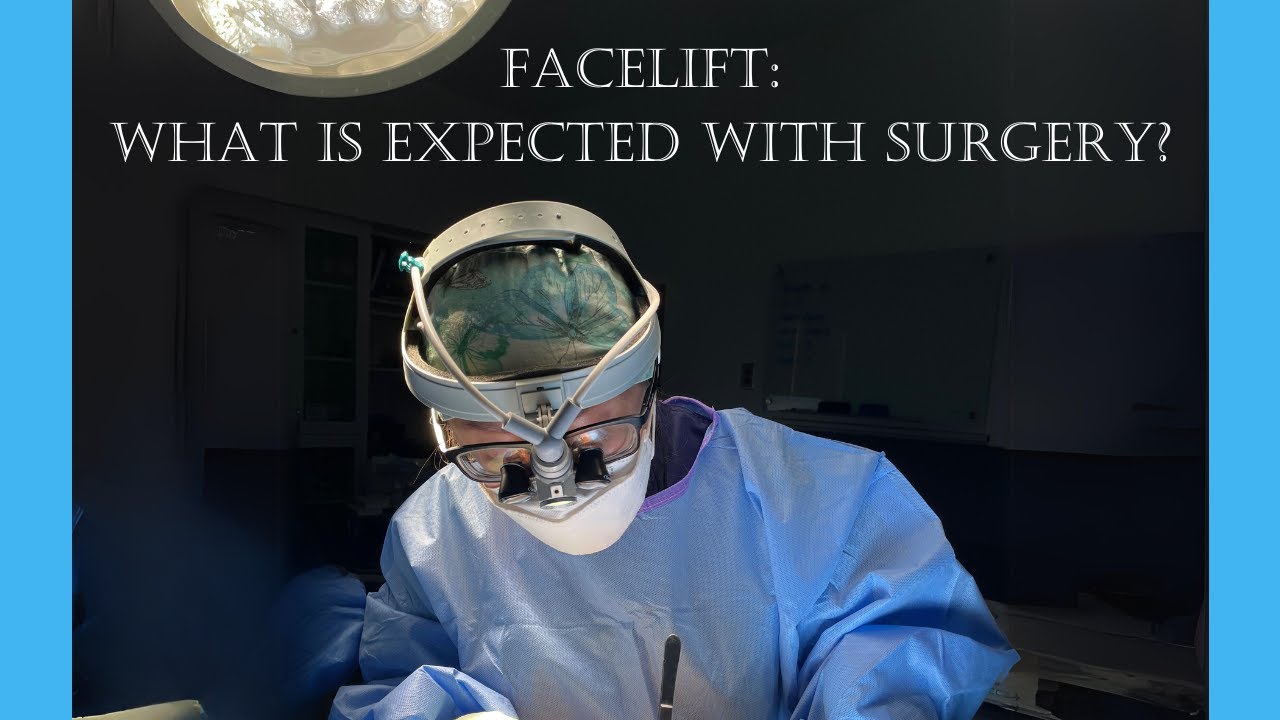
Facelift surgery is performed typically with a neck lift to achieve the best rejuvenation results. The incisions are well-hidden, as they are placed along skin creases and within the hairline. During surgery, the skin is first elevated. The SMAS plane is then entered via a deep plane approach, and the deeper tissues are released and lifted. The excess skin is trimmed as the last step.
Facelift: What is Expected with Surgery?
Facelift surgery is performed typically with a neck lift to achieve the best rejuvenation results. The incisions are well-hidden, as they are placed along skin creases and within the hairline. During surgery, the skin is first elevated. The SMAS plane is then entered via a deep plane approach, and the deeper tissues are released and lifted. The excess skin is trimmed as the last step.
What Can Facelift Surgery Treat?
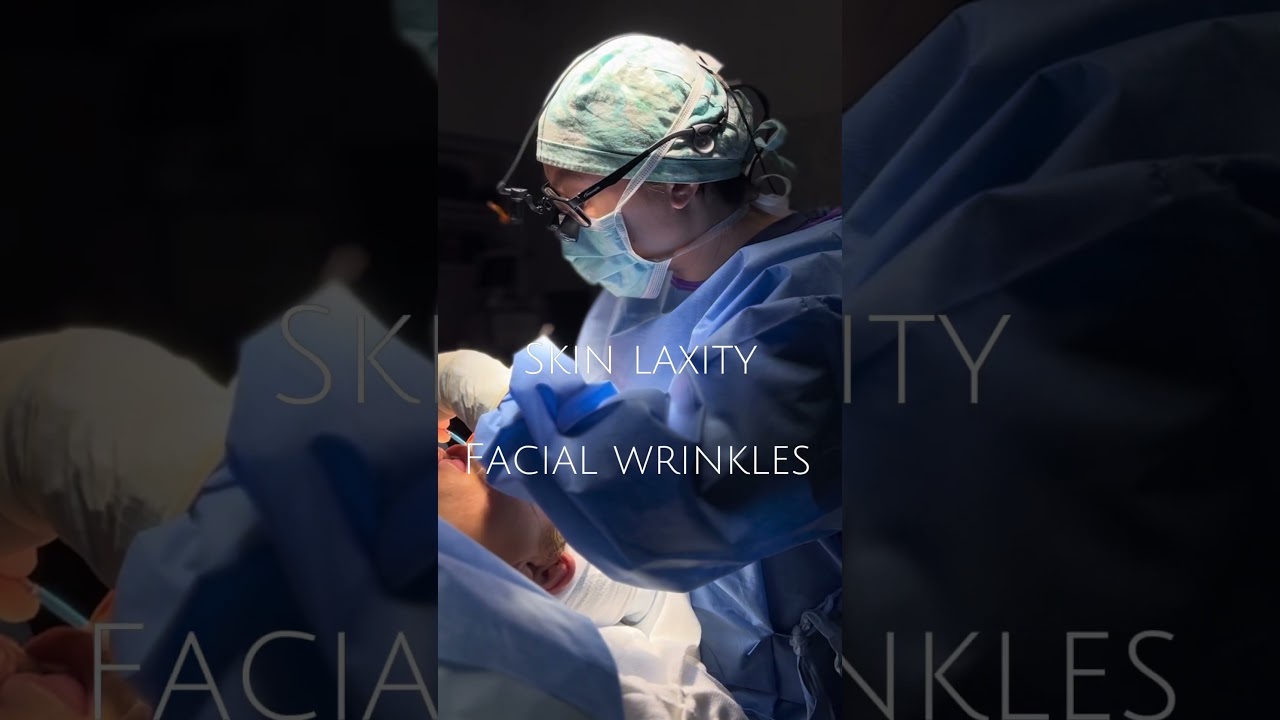
Facelift surgery can address several signs of facial aging, including skin laxity, facial wrinkles, sagging cheeks, jowling, nasolabial folds, marionette lines, and an ill-defined jawline, helping you turn back the clock and restore your confidence with natural, rejuvenated results.

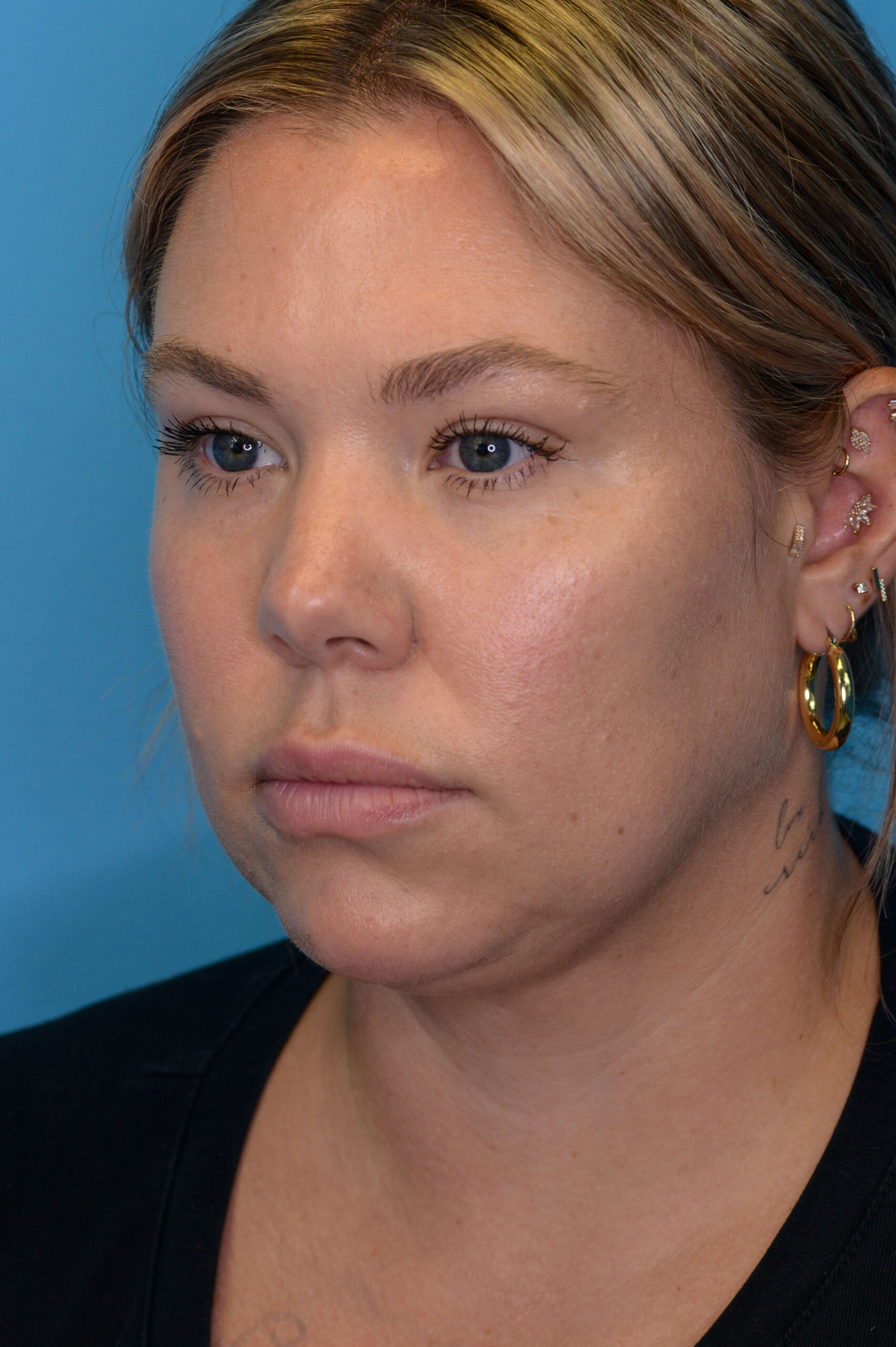
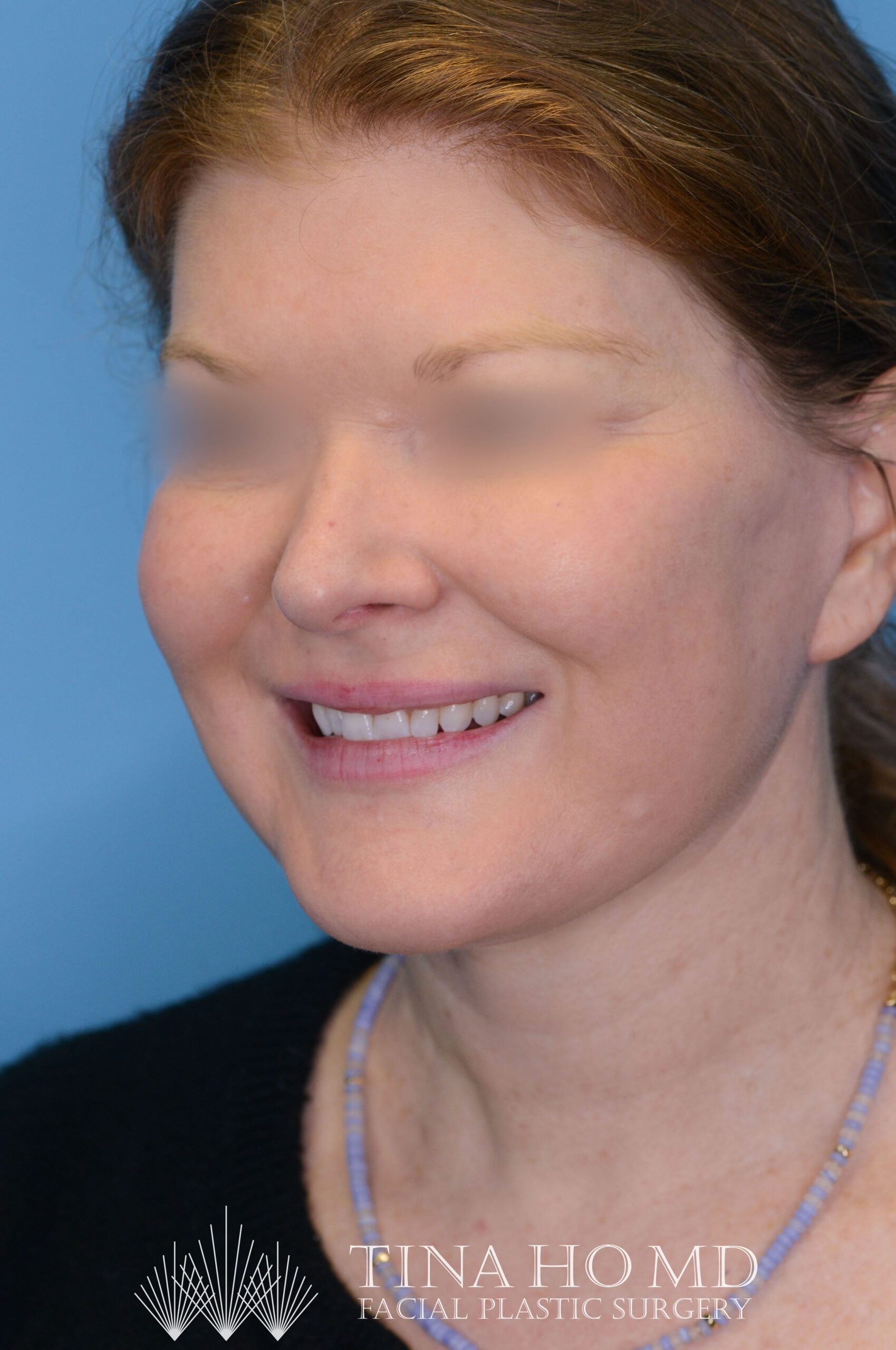

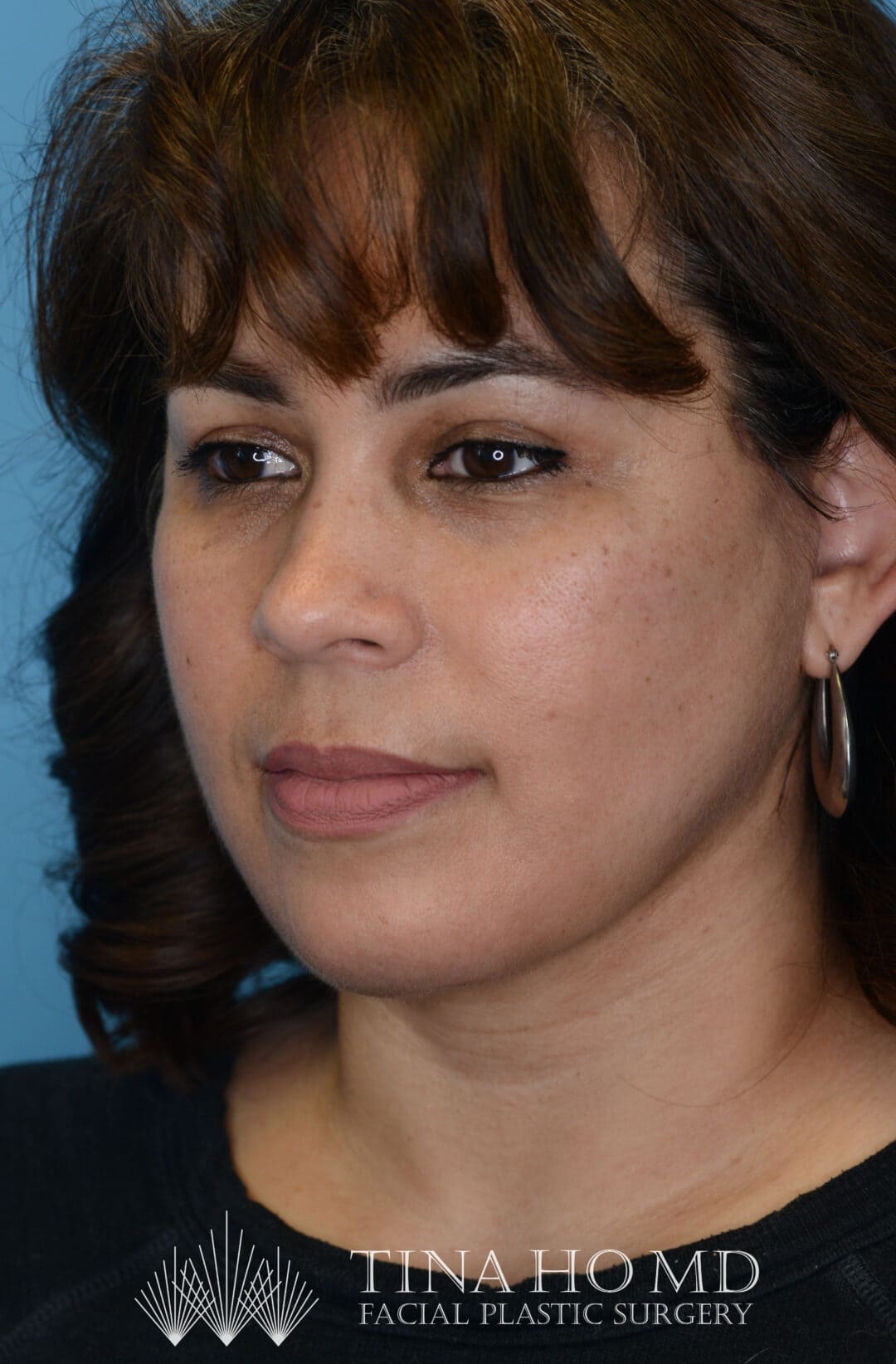

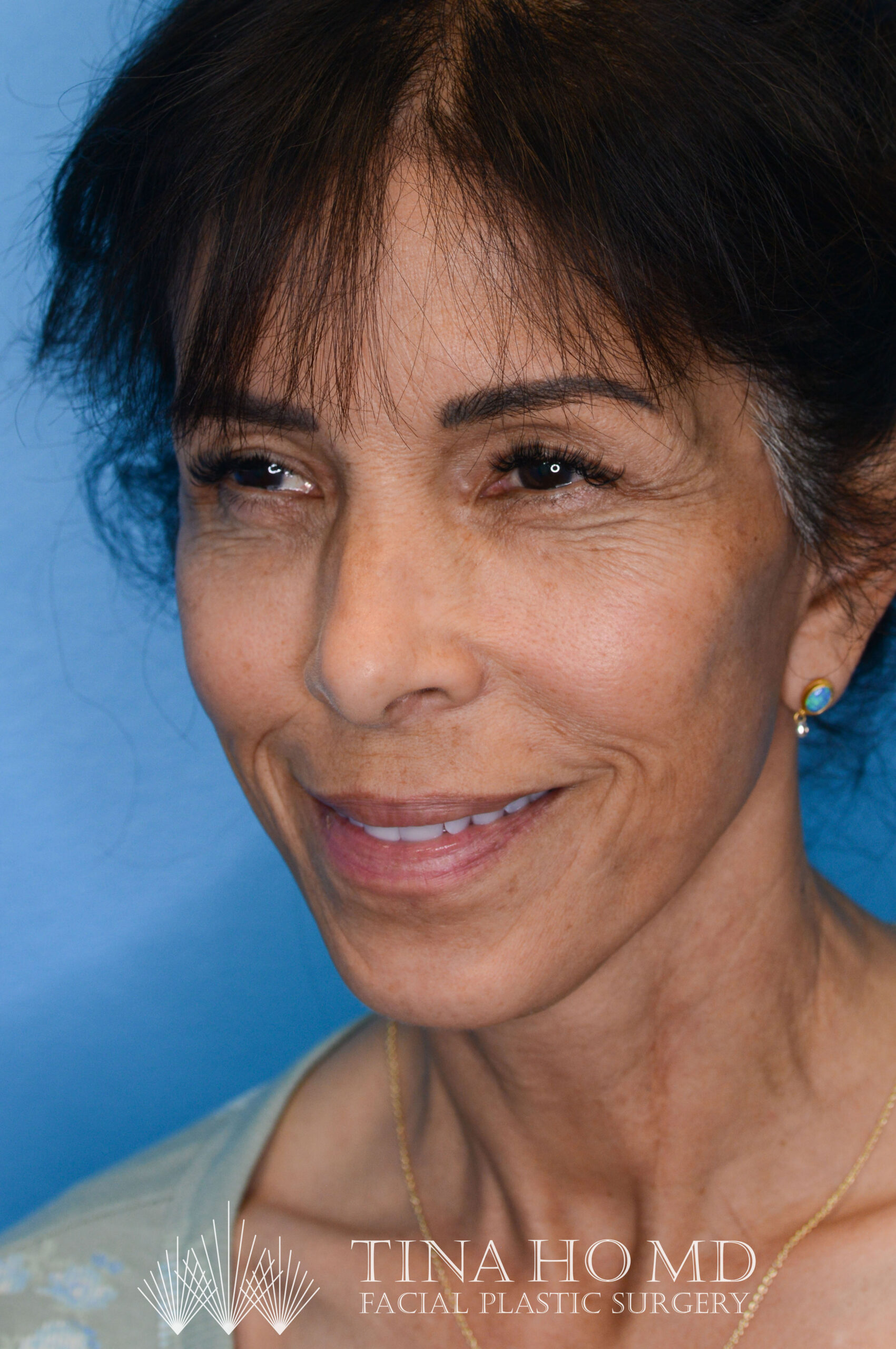
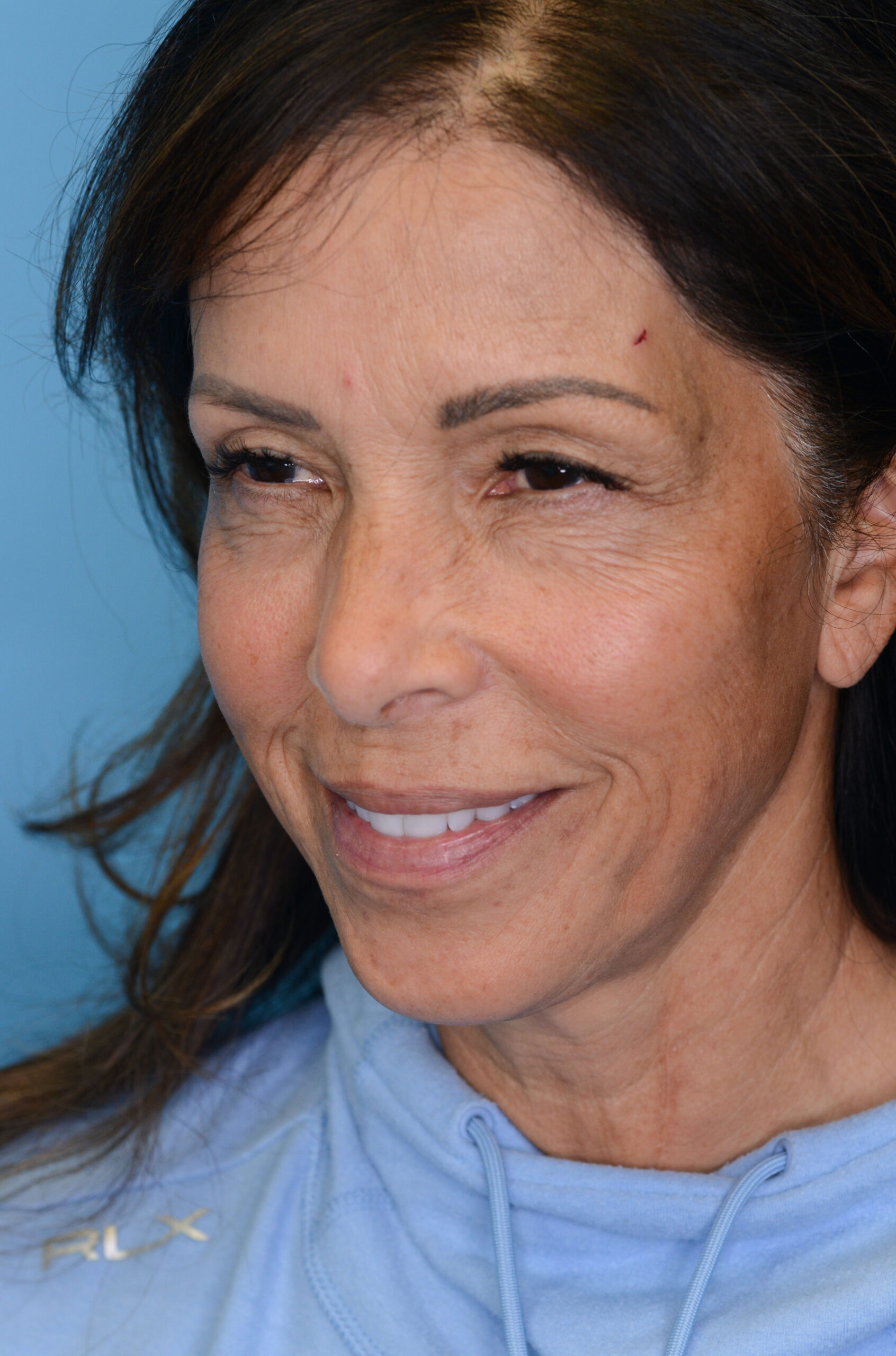
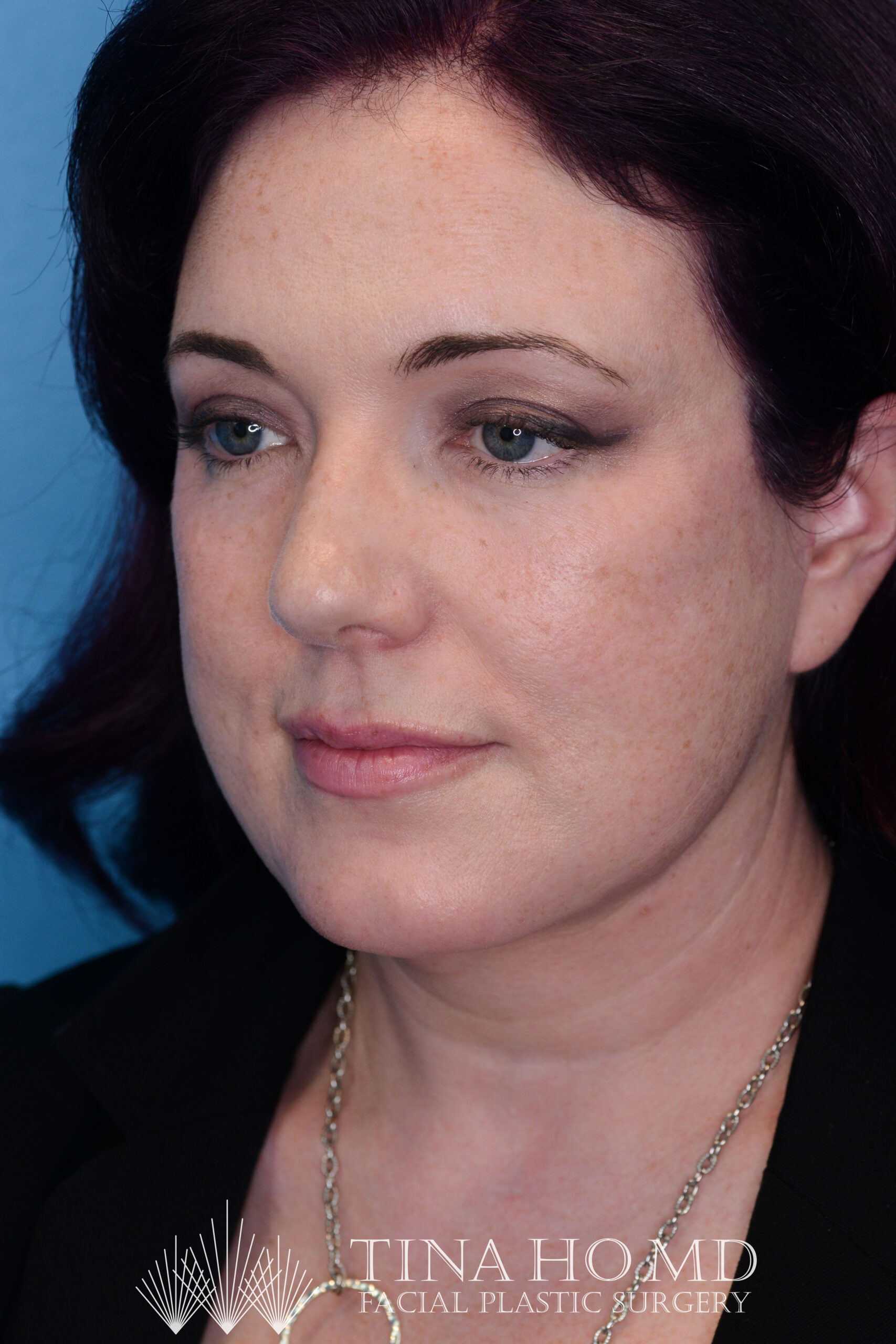
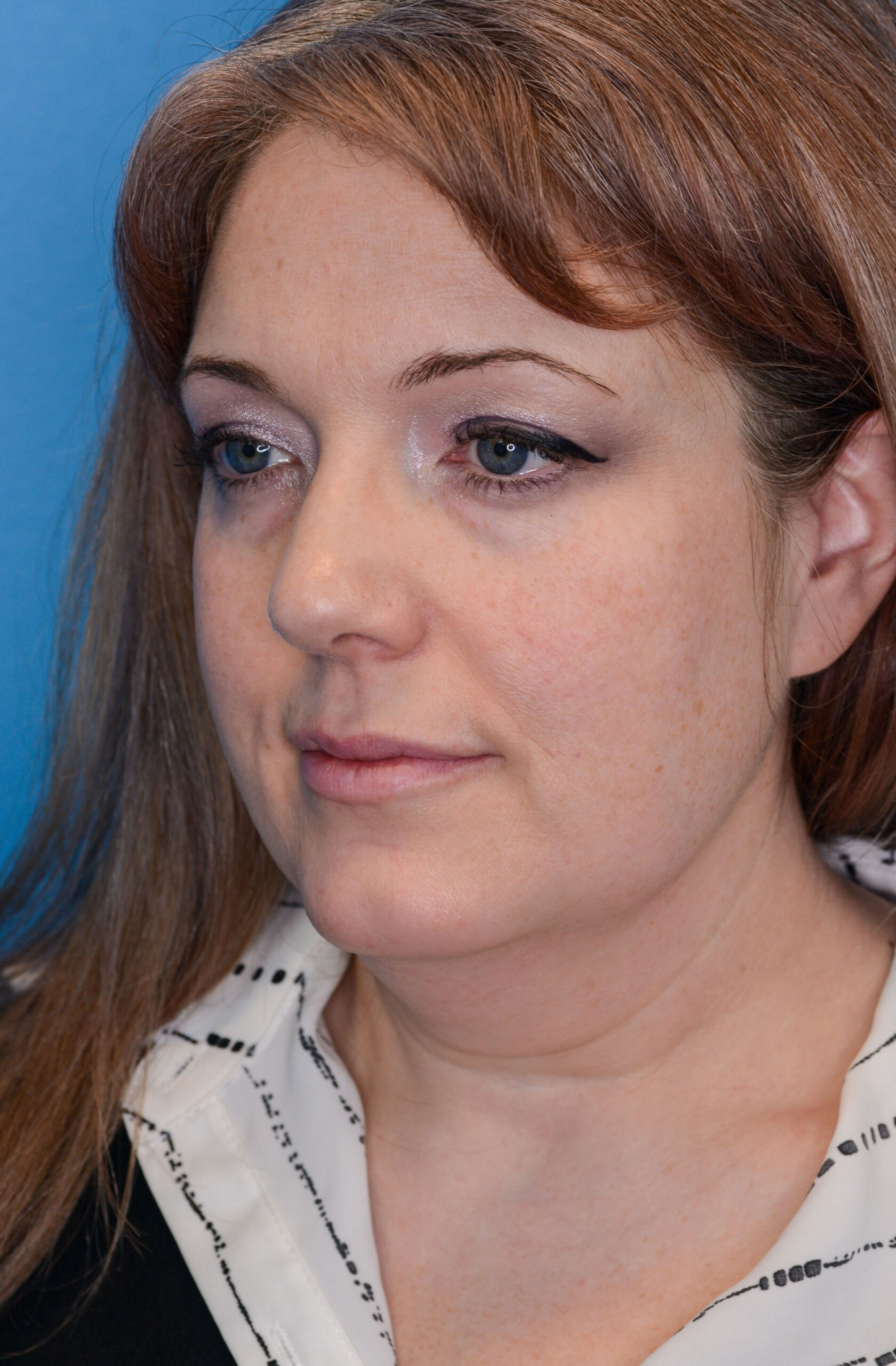

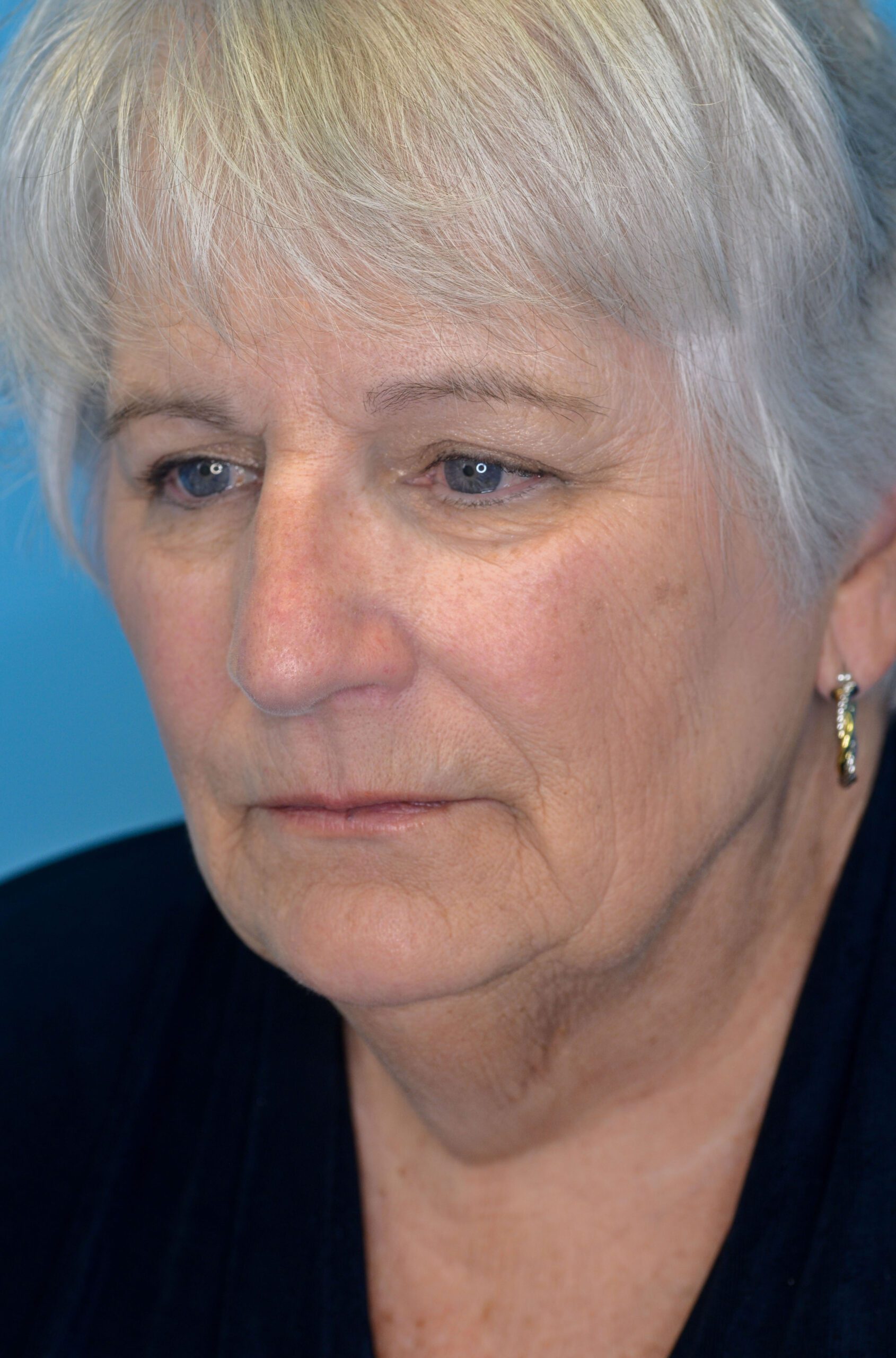

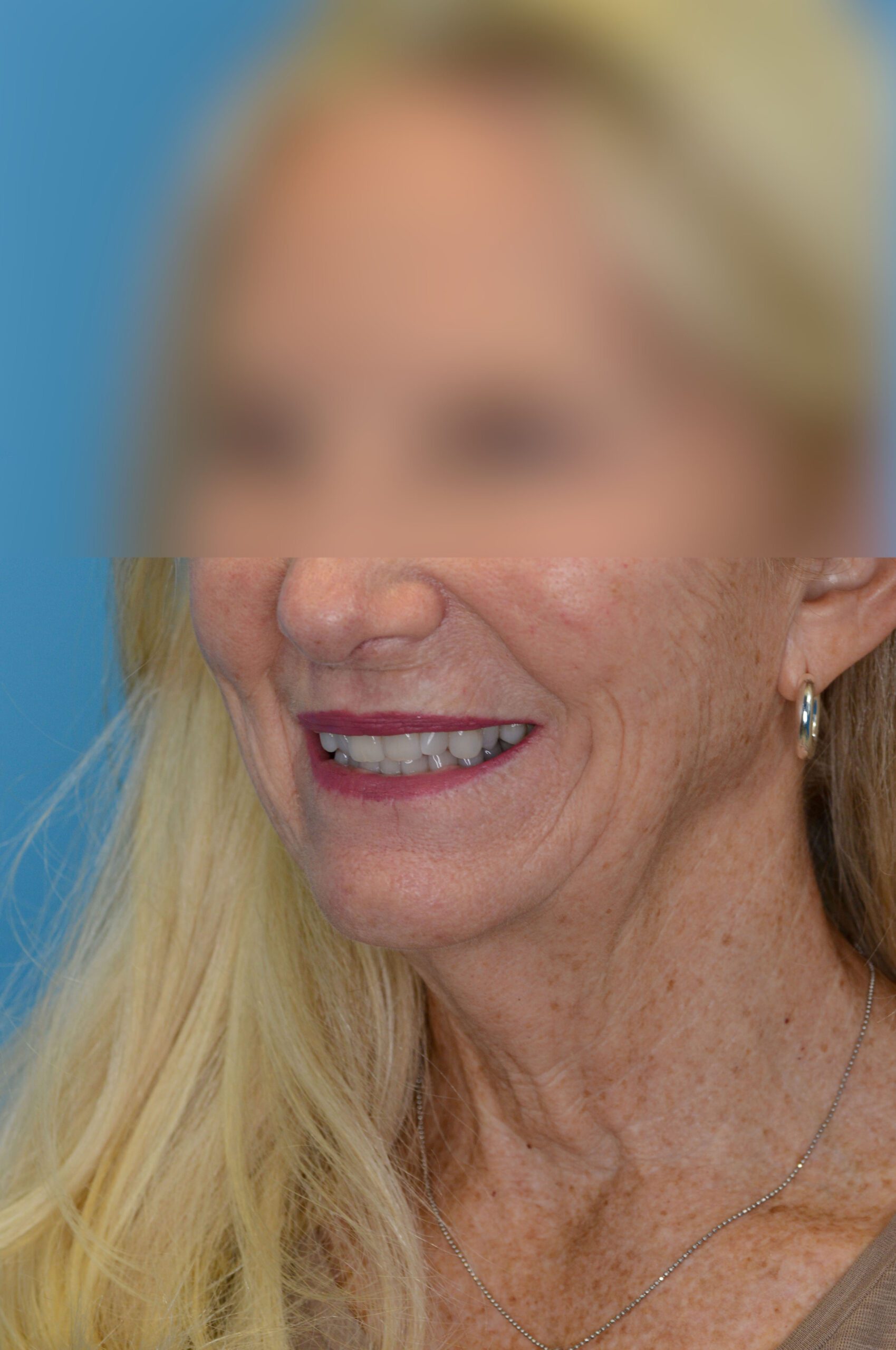
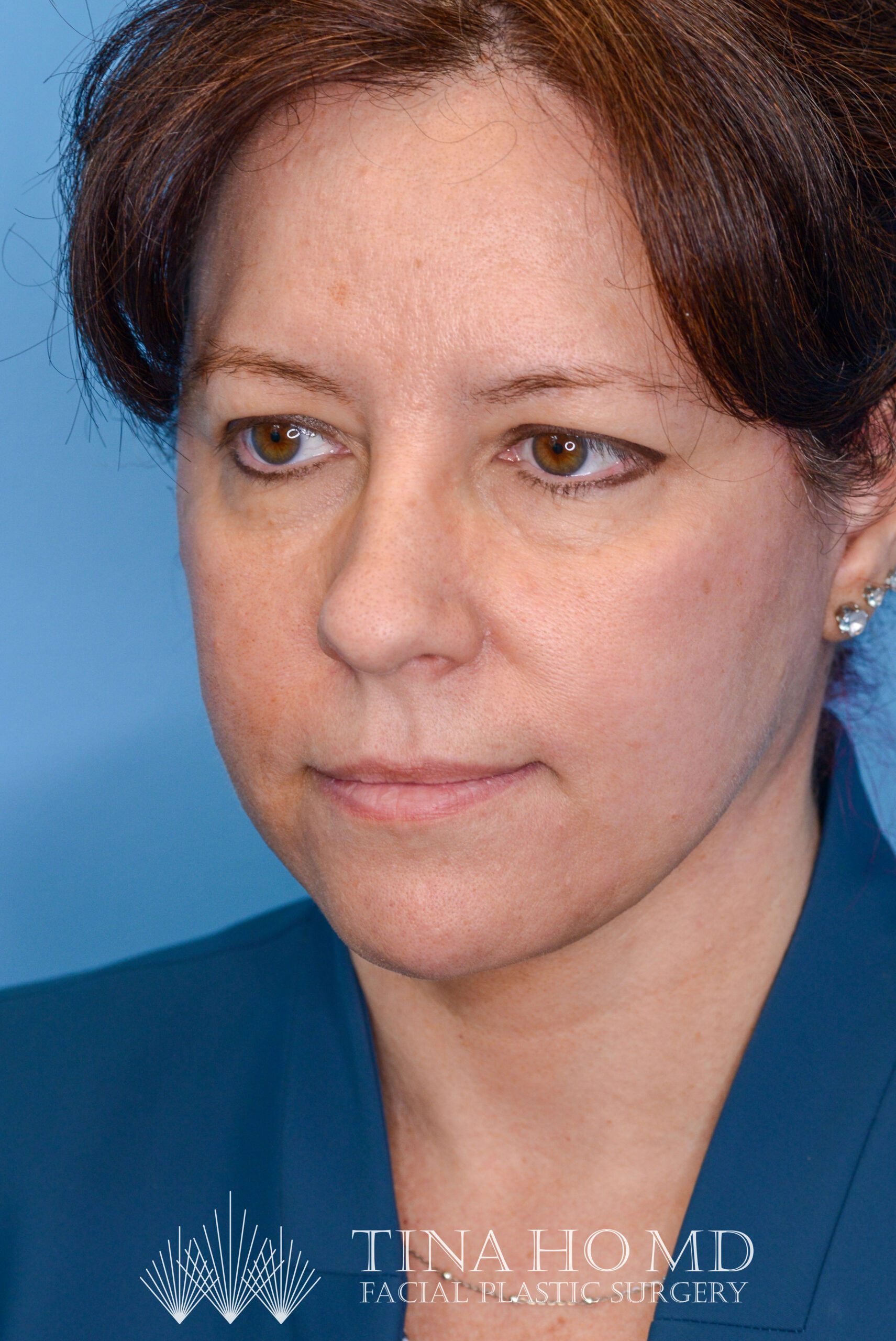

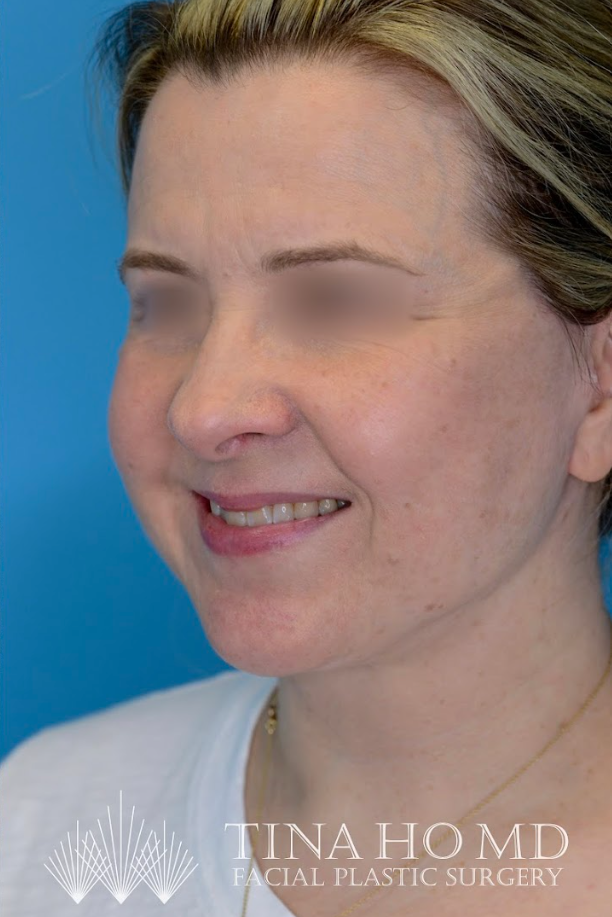
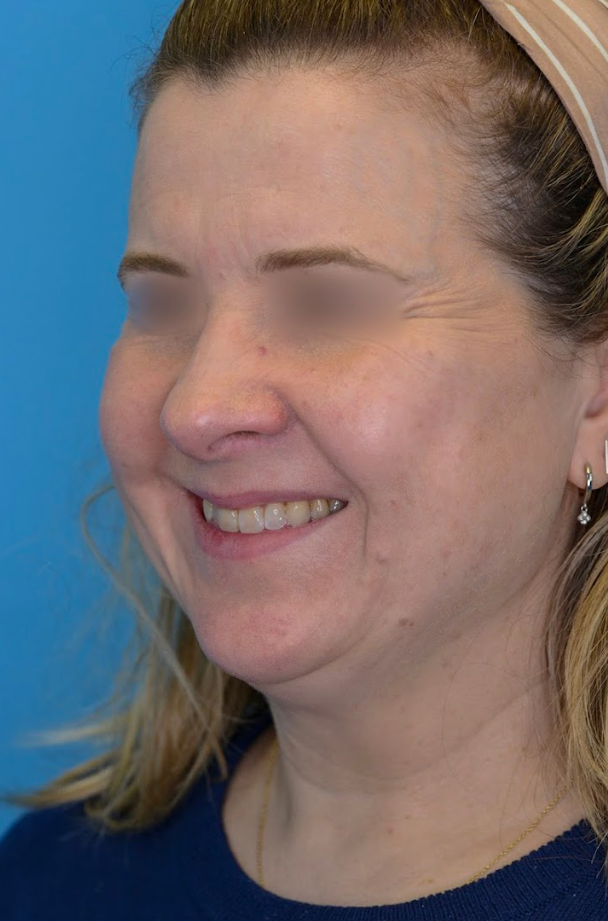




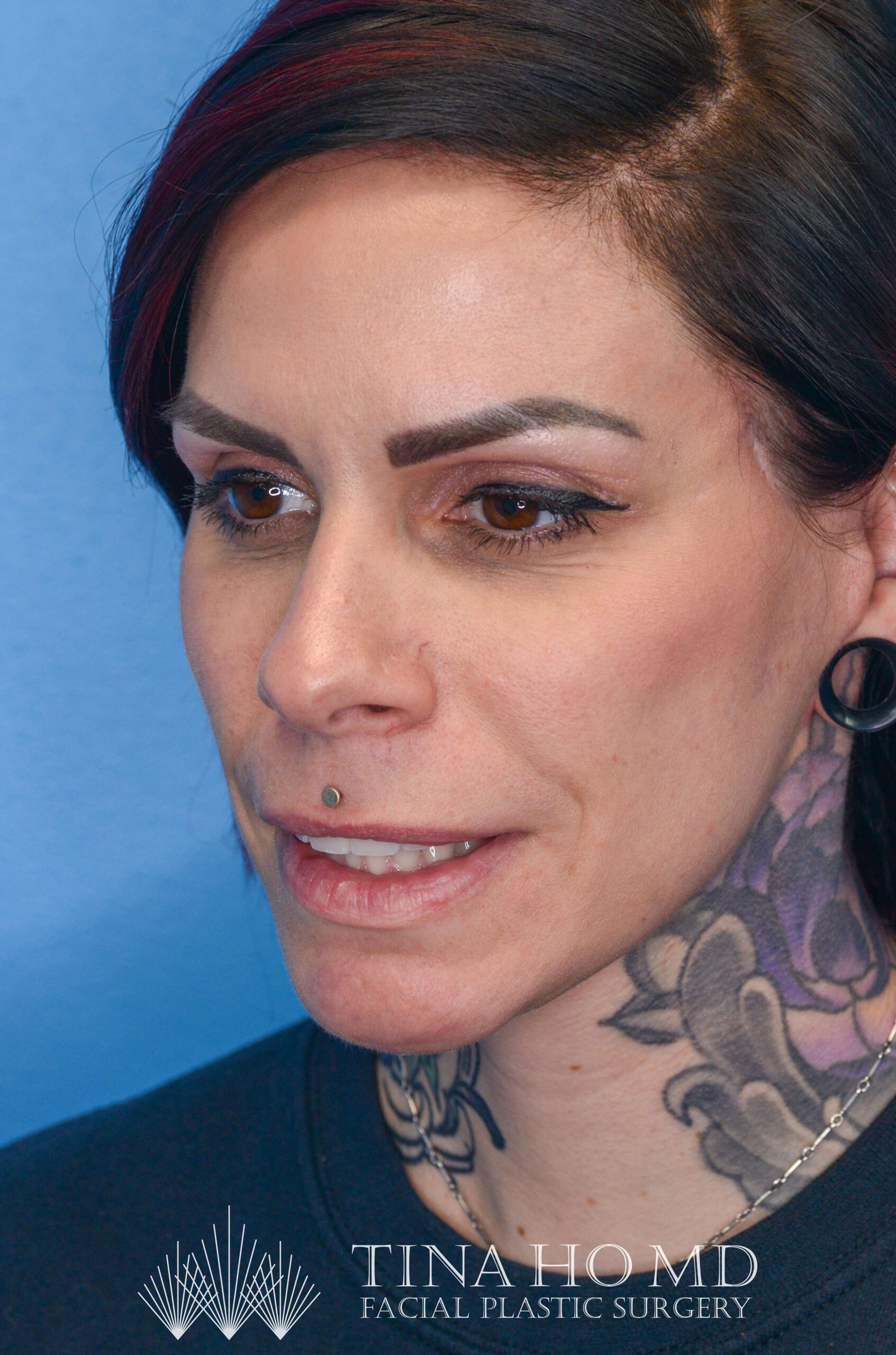
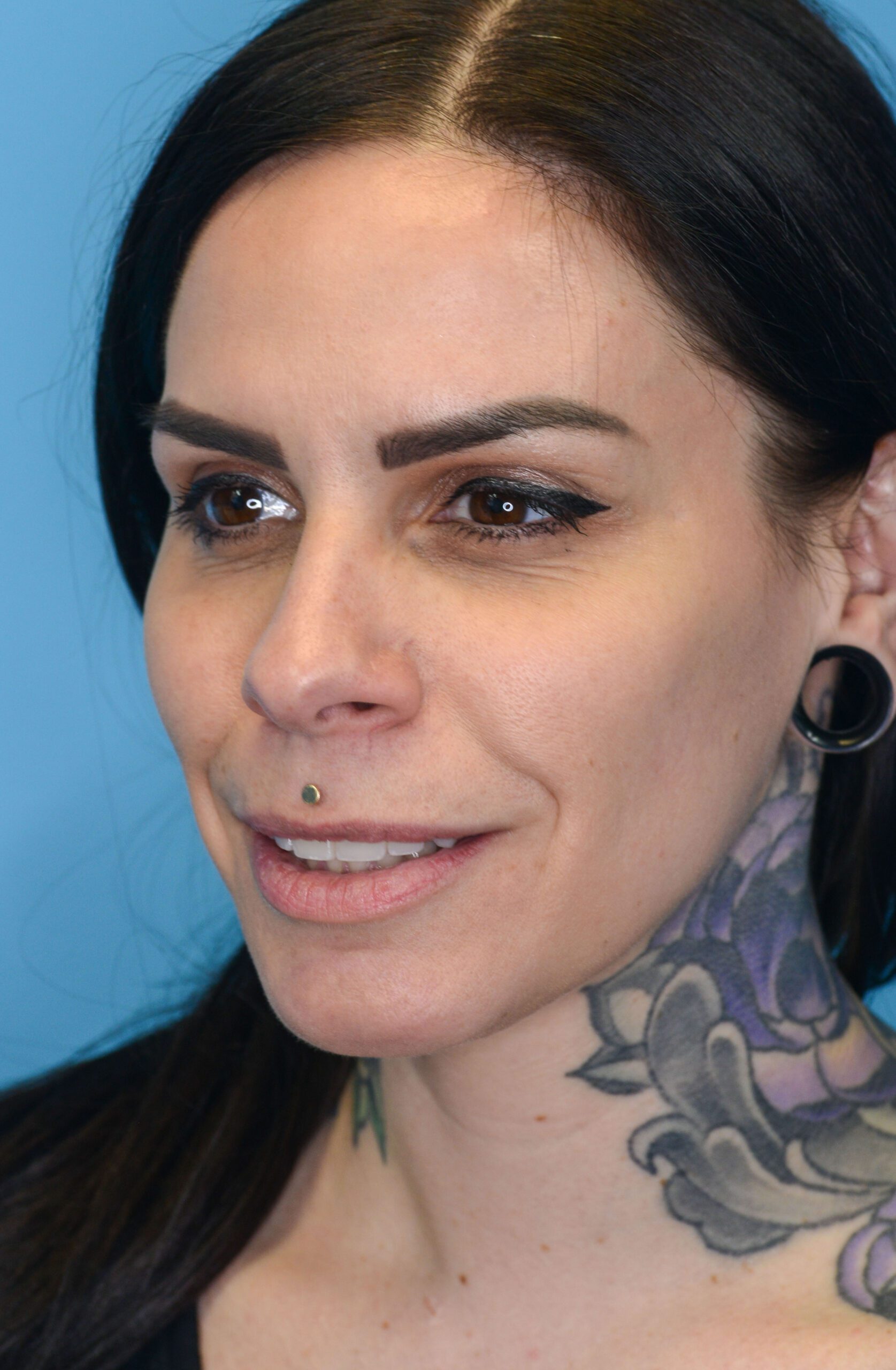
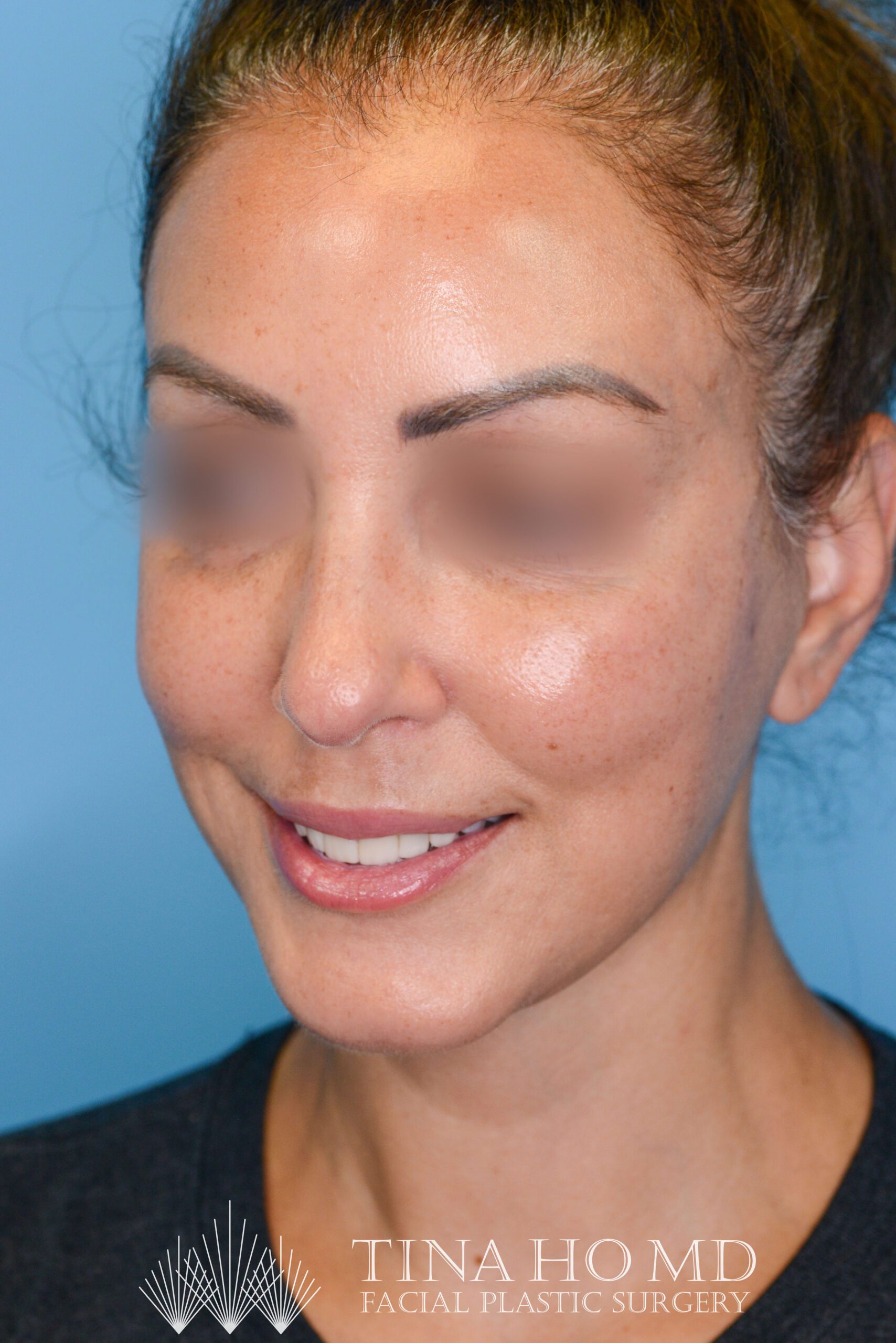
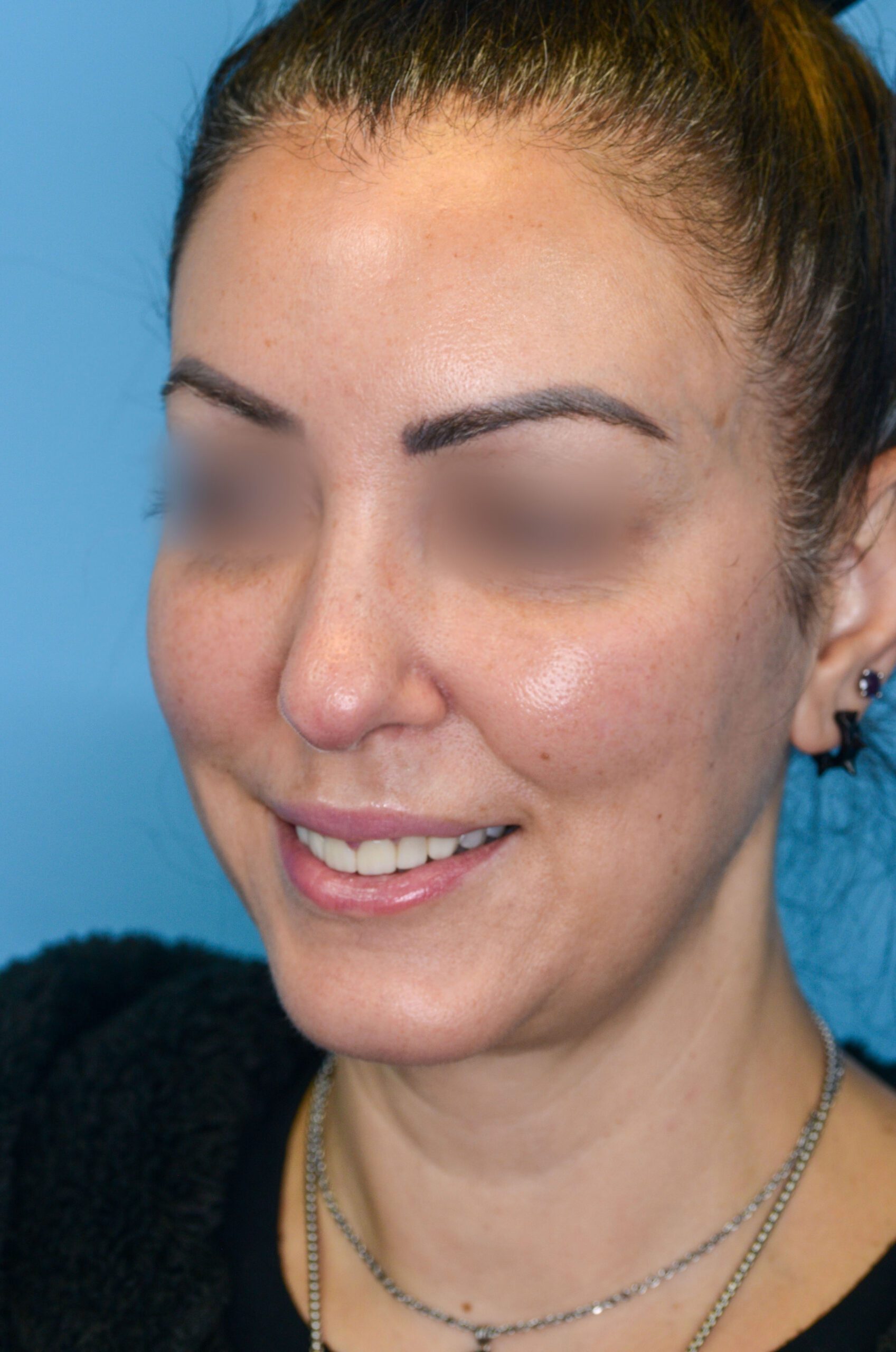

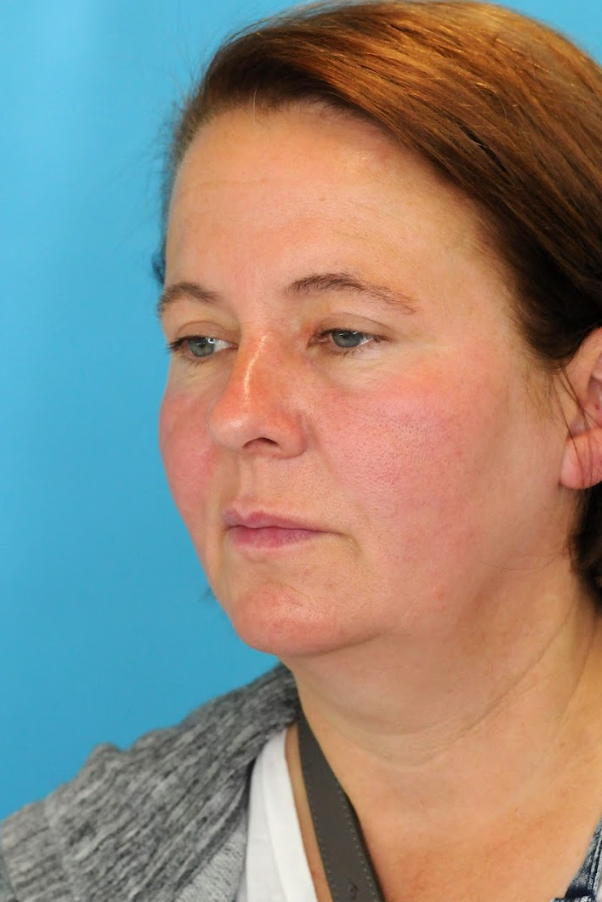
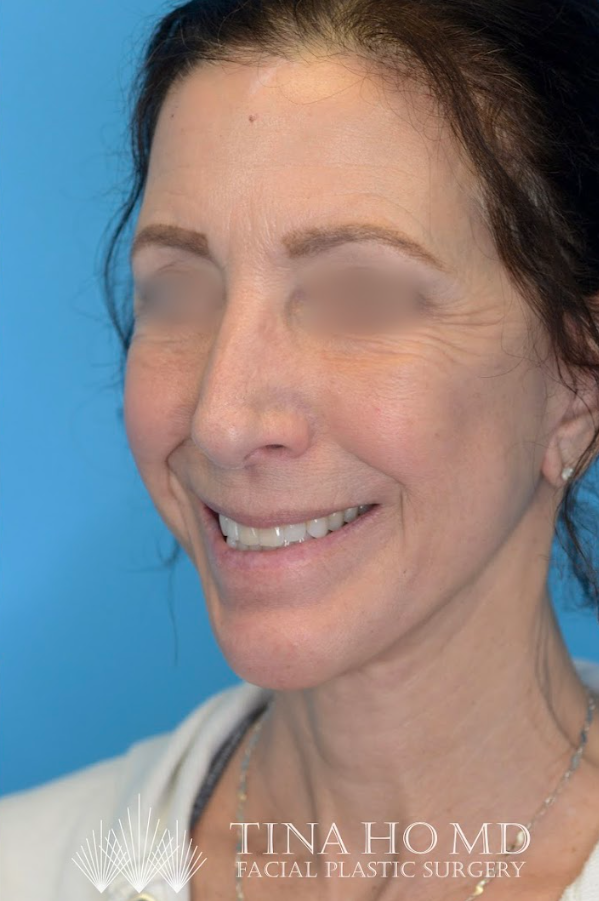
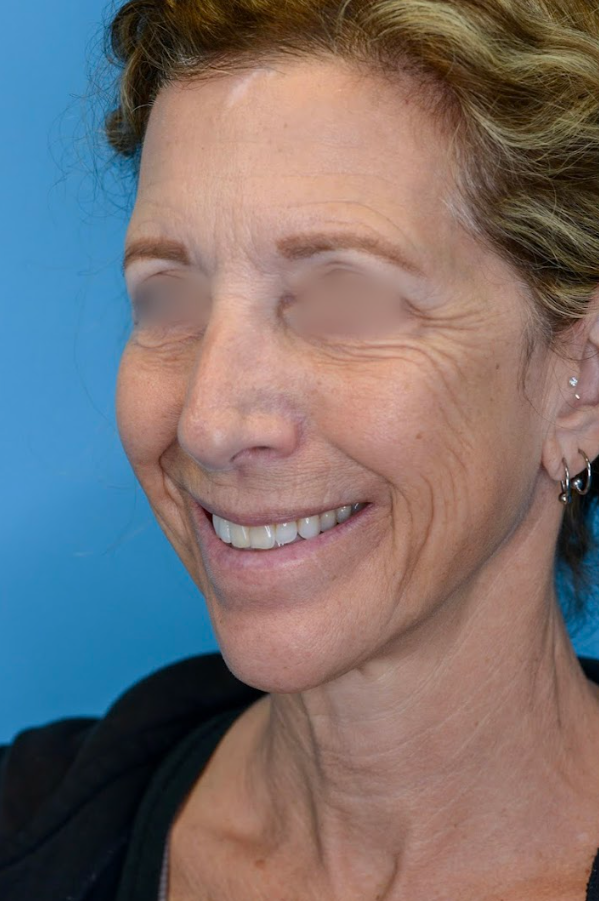
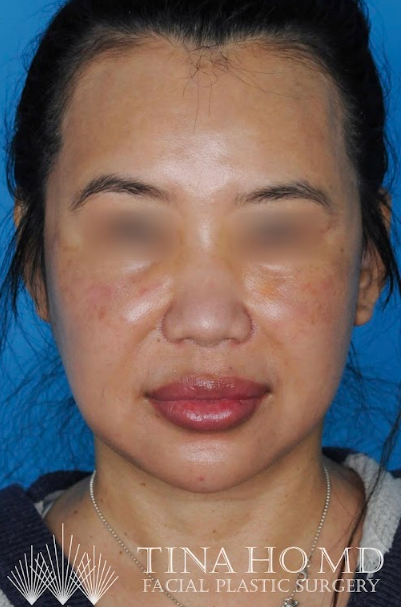







Why Choose Dr. Tina Ho for a Mini Facelift?
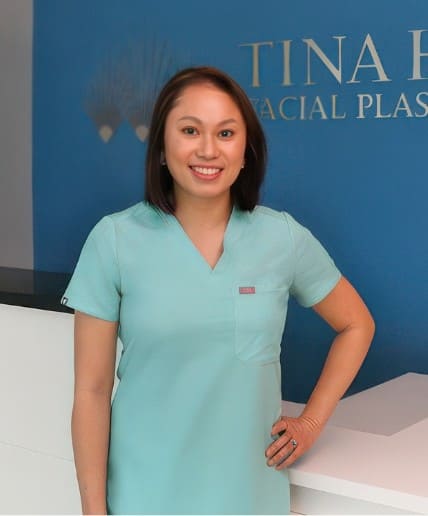
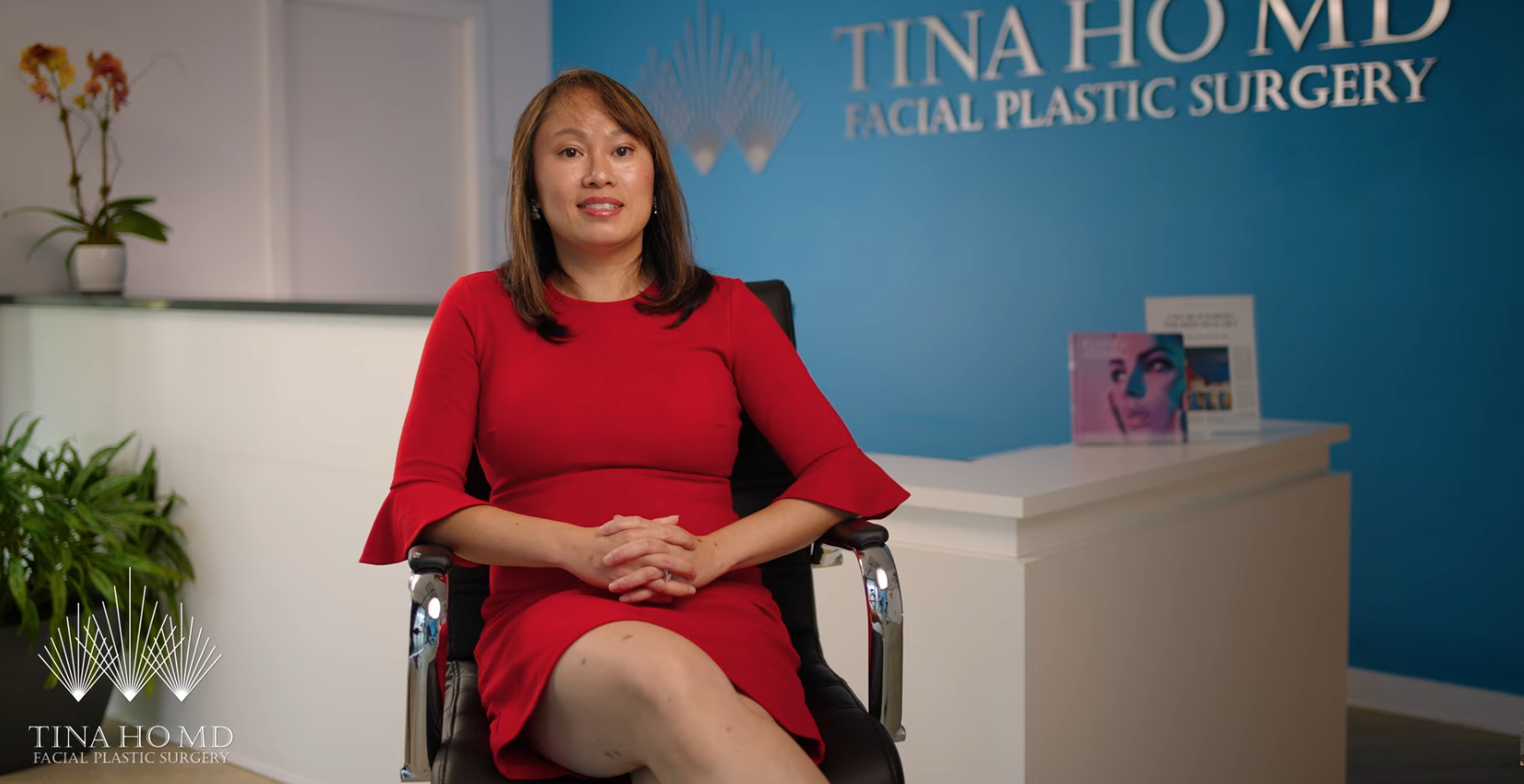
Dr. Tina Ho stands out among facial plastic surgeons in Philadelphia and Wayne as a double board-certified facelift specialist with dedicated training in facial rejuvenation surgery. She understands that a facelift is both an art and a science — a highly detailed and complex procedure that requires technical precision and an artistic eye to achieve natural, harmonious results. Dr. Ho stays at the forefront of modern facelift techniques to deliver the most refined and lasting outcomes for her patients.
From the initial consultation to surgery day and every follow-up visit, Dr. Ho maintains an unwavering commitment to each facelift patient. She takes the time to listen, plan, and tailor every step of the surgical process to align with the patient’s unique anatomy and aesthetic goals. Her approach focuses on restoring youthful contours while preserving the patient’s natural appearance, ensuring results that look refreshed rather than “overdone.”
As a double board-certified facial plastic surgeon specializing exclusively in aesthetic and reconstructive procedures of the face and neck, Dr. Ho received advanced fellowship training under world-renowned facial plastic surgeon Dr. Dean Toriumi. Her expertise extends across all aspects of facial rejuvenation, including deep plane facelift, mini facelift, neck lift, and complementary procedures such as eyelid surgery and skin resurfacing.
Dr. Ho is known regionally and beyond as one of Philadelphia’s most trusted facelift surgeons, with patients traveling from throughout Pennsylvania, New Jersey, and New York to seek her expertise. She devotes the time and care needed to establish realistic goals, guide patients through recovery, and ensure each person feels confident, supported, and deeply satisfied with their results.
What Should Patients Expect After a Mini Facelift?
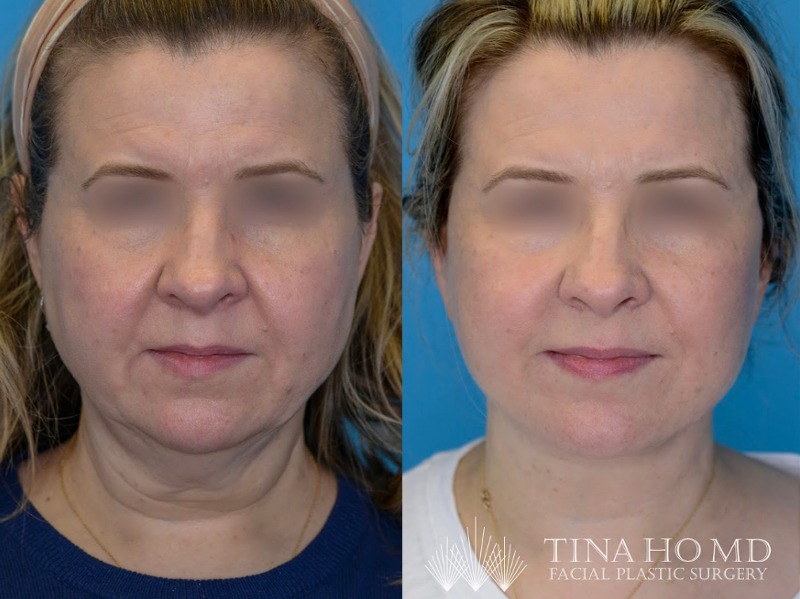
Each facelift surgery is unique and tailored to the individual patient. Therefore, the types of incisions utilized as well as extent of swelling, bruising, and tenderness following surgery will vary by patient. The incisions tend to be smaller compared to those associated with traditional facelift surgery. Closed suction drains are usually placed in the surgical sites underneath the skin to collect bloody drainage and help reduce the formation of a hematoma (blood fluid collection) or seroma (serous fluid collection) that may interfere with healing after surgery. A compression dressing is placed around the head and neck region at the end of surgery to prevent hematoma or seroma formation as well. Every mini facelift patient will follow-up with Dr. Ho the day after surgery for dressing replacement as well as drain removal. Each patient will then return at one and two weeks after surgery for suture and staple removal. Any immediate bruising and swelling after surgery can be managed well with icing, head elevation, and compression dressing adherence with the majority resolving by two weeks out from surgery. Post-operative pain is usually managed well with prescribed pain medication. Improvement in the appearance of the face and neck is typically observed once most of the swelling has subsided. Bruising, swelling, and overall downtime is typically less with the mini facelift compared to traditional facelift surgery.
Your Mini Facelift Consultation
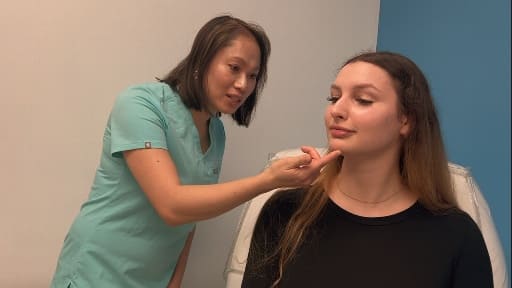
Your consultation for a mini facelift will include a careful evaluation of your lower face, focusing on early signs of aging such as mild skin laxity and jowling. Dr. Tina Ho will review your medical history, including any prior cosmetic treatments, medications, and health conditions that could impact healing. You will be encouraged to discuss your aesthetic goals and desired level of improvement. Based on your needs, Dr. Ho will outline a personalized approach and explain the procedure, recovery, potential risks, and expected results, ensuring you feel informed, comfortable, and confident about your treatment plan.
Before and After Videos
Dr. Tina Ho’s Facelift Results
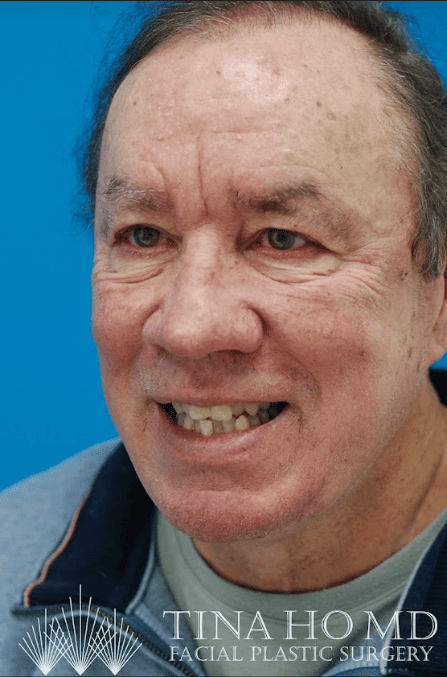
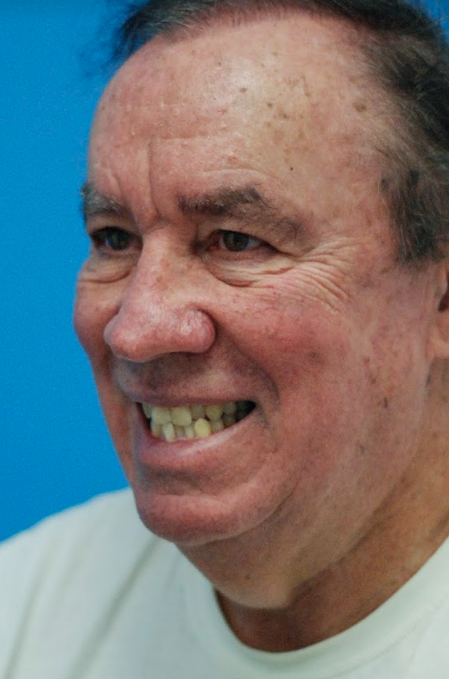
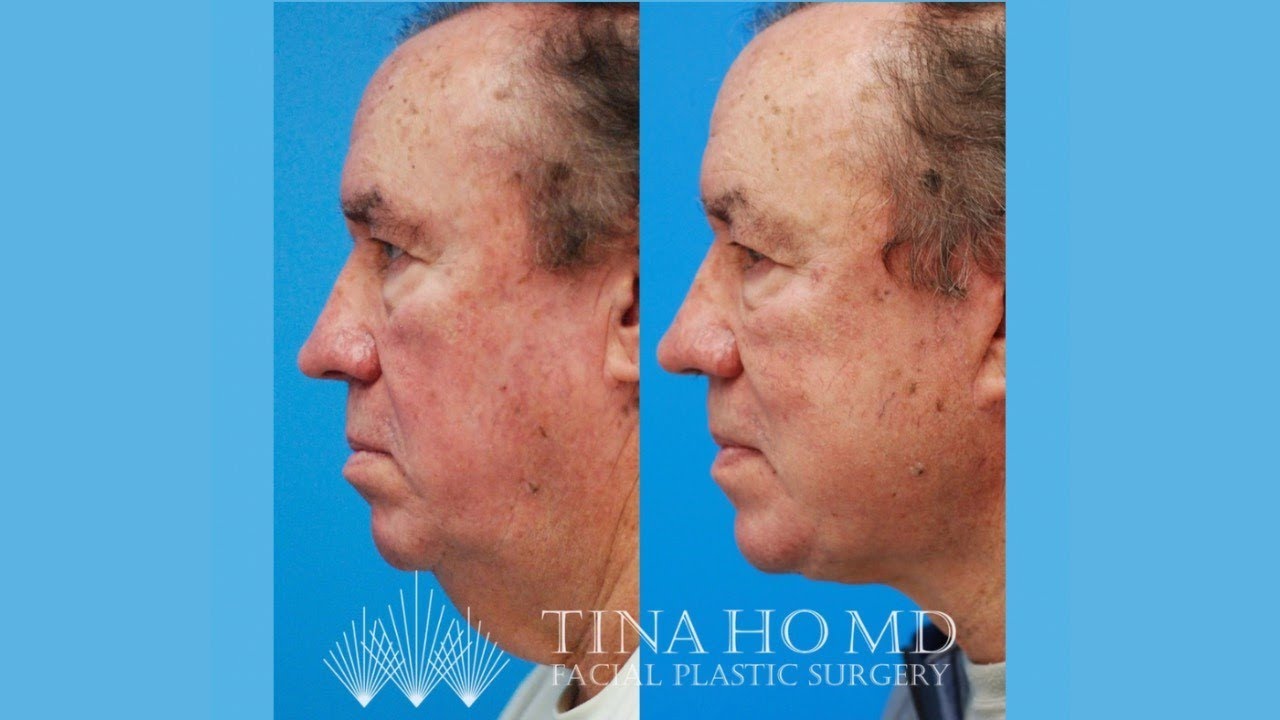
This wonderful male patient in his 60s came to me for surgical consultation, bothered by his aging neck. We pursued a deep plane facelift and deep neck lift and are thrilled with his beautiful, natural results. This video displays his surgical outcome one year later. Male facelift patients with shorter hair can have undetectable scars if they are placed along natural creases and curves around the ears and heal favorably.
The “Undetectable Era” and Mini Facelifts
In the “Undetectable Era” of plastic surgery, the mini facelift has become an increasingly popular option for patients seeking subtle facial rejuvenation with minimal downtime. A mini facelift is a modified version of traditional facelift surgery that uses smaller incisions and involves less tissue resuspension. By targeting the lower face and neck to restore youthful contours, the mini facelift is an ideal procedure for a natural, more elegant look without evidence of surgical correction.
Dr. Tina Ho, a double board-certified facial plastic surgeon, is a leader in natural facial rejuvenation and specializes in mini facelifts for patients looking for refined, yet discreet results. Her strategic incision placement, along the hairline and natural creases, ensures scars are hidden and outcomes remain undetectable. While her deep plane facelift and neck lift remain the most requested procedures, Dr. Ho brings the same precision and artistry to less invasive options like the mini facelift.
To further enhance healing, Dr. Ho offers ElixirMD light therapy, starting the day after surgery. This 20-minute LED treatment reduces bruising, swelling, and infection risk while supporting faster recovery. Most patients return to normal life within two weeks, thanks to her personalized care and optimized protocols, all while looking naturally refreshed and never over corrected.

Post-Operative Instructions for Mini Facelift
Expand each section below for more information.
Enhance Your Recovery with Elixir MD
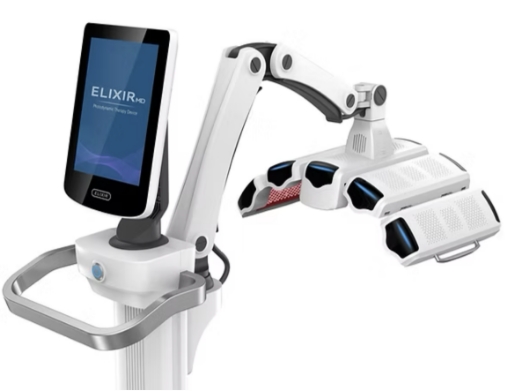
The Elixir MD™ is an innovative recovery tool that offers various treatment programs using different LED light wavelengths to achieve specific pre and post-surgical goals. These programs are supported by advanced artificial intelligence temperature controls and adjustable settings to address a range of concerns and goals. This non-invasive therapy is safe, painless, and can reduce infections after surgery while also enhancing recovery and minimizing scarring after rhinoplasty surgery.
Benefits of Elixir MD
Enhanced post-operative recovery after rhinoplasty. Using LED light, Elixir MD™ stimulates the skin to accelerate wound healing and minimize scarring post-surgery.
Improved healing and cellular repair. Specific wavelengths stimulate collagen and elastin production, which are essential for healing after surgery.
Easier rhinoplasty recovery. Reduces inflammation responsible for swelling and pain after surgery.
Improved lymphatic drainage and blood flow. Enhances the delivery of nutrients and removal of waste for optimal healing.
Elixir MD Treatment Programs for Rhinoplasty
Elixir Detox
This pre-operative therapy uses blue light to reduce the number of bacteria, oils, and toxins on the skin, reducing surgical complications such as infection.
Elixir Cellular Repair
Post-rhinoplasty, Cellular Repair uses yellow light to improve circulation, reducing bruising and swelling, accelerating healing, and shortening recovery.
Elixir NeoXcell
The NeoXcell™ treatment program combines the benefits of Elixir Cellular and Thermal to boost healing and balance melanin production for a more even skin tone.
Elixir RoXium
RoXium™ uses yellow and blue light to reduce swelling/bruising, prevent skin oxidation, decrease sebum, minimize pores, and clear the complexion.
Understanding the Risks of Mini Facelift
A mini facelift is a facial rejuvenation procedure designed to improve early signs of aging, including mild skin laxity, jowling, and changes along the jawline. Compared with a traditional facelift, a mini facelift typically involves a smaller area of treatment and may require a shorter recovery period. However, like all surgical procedures, it involves potential risks and complications that should be considered.
Most patients experience temporary swelling, bruising, tightness, and mild discomfort after surgery, which gradually improve within the first couple of weeks. Less commonly, complications such as bleeding, infection, fluid or blood collections beneath the skin, delayed healing, or injury to nearby tissues can occur. Since each person’s anatomy and healing response are unique, results can vary, and additional treatment or revision surgery may occasionally be recommended to optimize the outcome.
Procedure-specific risks include temporary numbness of the face, ears, or neck, which generally improves over time. Because facelift procedures are performed near important nerves, there is a small risk of facial weakness, changes in facial movement, or tongue weakness. Some patients may experience dry mouth during the recovery period. Other uncommon risks include sialocele, a collection of saliva beneath the skin, and skin necrosis, which occurs when a small area of skin does not receive enough blood supply during healing. Selecting a board-certified facial plastic surgeon can help minimize the risk of adverse events and support the best possible outcome. Dr. Tina Ho and her team are committed to your recovery every step of the way to ensure the best surgical outcome and minimize possible risks associated with facelift surgery.
How Much Does a Mini Facelift Cost?
The average cost of a mini facelift ranges from $20,000 to $25,000, including facility fees. Each patient receives an individualized fee quote during consultation. Cost may vary based on the extent of work, difficulty, and time needed. Financing options for a mini facelift are available to help make the procedure more accessible. Contact our Philadelphia office to learn more.
Patient Testimonials
Real Stories from Facelift Patients
Patient Testimonial: Facelift & Neck Lift
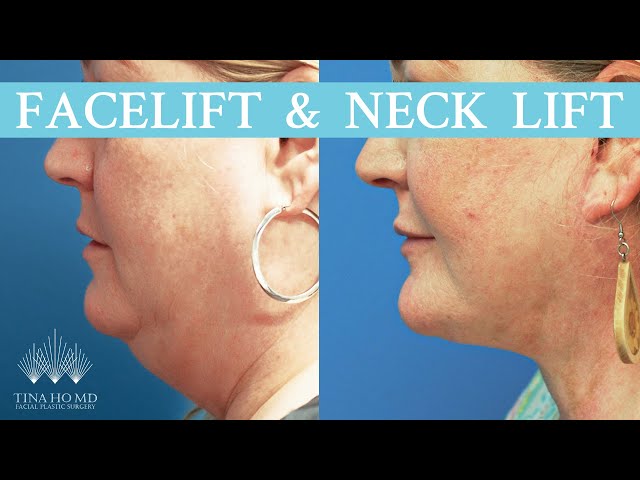
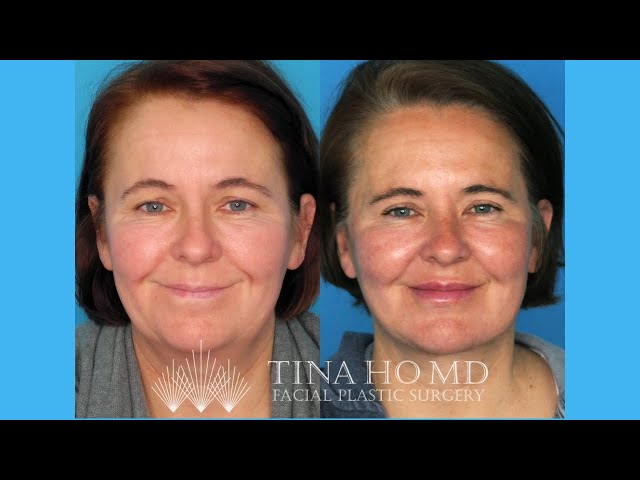
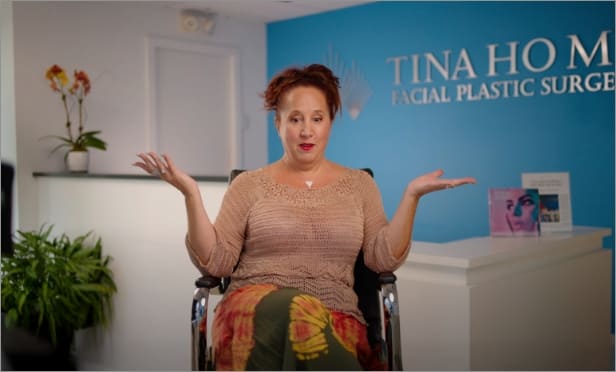
This beautiful patient in her 40s came to me for surgical consultation, bothered by her aging face and neck. We pursued a deep plane facelift and deep neck lift to restore more youthful contour to her face, jawline, and neck. We are so grateful for her kind testimonial that describes her patient journey and for her beautiful, natural results.



Real Patients, Real Results
Patient Testimonials
4.9 stars rating from 298 reviews

RealSelf
5 stars rating from 168 reviews
As Seen In
Dr. Tina Ho in the Press
Dr. Tina Ho has been featured in leading media publications that highlight her expertise in facial plastic surgery.










Related Procedures
Explore additional procedures that complement a your procedure for balanced, natural-looking rejuvenation.
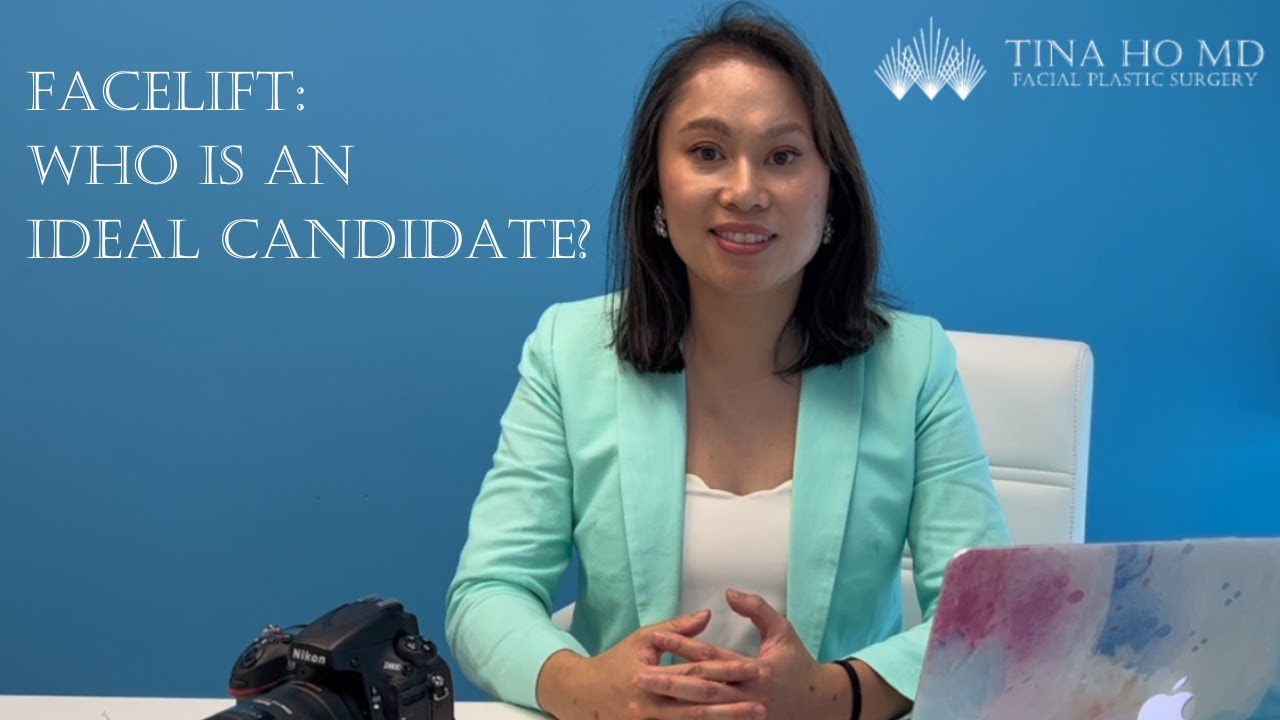
The ideal candidate for the mini facelift procedure is a healthy non-smoker patient who has no remarkable medical or surgical history, does not take blood-thinning medications, and demonstrates strong bony facial features, normal hyoid position, and good skin elasticity. Patients with mild skin and soft tissue laxity issues in the lower face but do not require more aggressive correction offered by traditional rhytidectomy are the most ideal candidates for mini facelift surgery.
The Dedo classification of the aging neck helps guide the plastic surgeon in identifying ideal candidates for facelift and neck lift as well as the specific anatomic components of the lower face and neck of the individual patient that need to be addressed with surgery. Class VI patients have an abnormal hyoid position and will likely have suboptimal results with mini facelift surgery. Dr. Ho utilizes the Dedo classification principles as well as her aesthetic experience and intuition to restore natural, freshly rejuvenated facial and neck contours in her patients.

The Dedo classification helps guide the plastic surgeon in determining ideal candidates for lower face and neck surgery including submental liposuction, facelift, and neck lift and what anatomic issues need to be addressed with surgery. Class I patients possess good skin and muscle tone with little fat and an ideal cervicomental angle. Class II, III, IV, and V patients demonstrate skin laxity, focal fat accumulation, platysmal banding, and weak chin, retrospectively. Class VI patients have an abnormal hyoid position and will likely have suboptimal results with surgery.
It is common for other procedures to be performed at the same time as mini facelift surgery, depending on the patient’s anatomy and treatment goals. They include but are not limited to the following: neck lift, fat transfer, platysma plication, submental liposuction, chin augmentation, and blepharoplasty. Dr. Ho is experienced in a wide range of aging face procedures and will thoroughly evaluate each mini facelift candidate and discuss with them whether they would benefit from additional procedures at the time of their surgery.