Philadelphia:(267) 627-6463
Menu
Philadelphia:(267) 627-6463

Surgical procedures

Functional Rhinoplasty
Surgery in Philadelphia

Breathe Easier and Feel Your Best with Functional Rhinoplasty

If nasal obstruction or breathing problems are holding you back, functional rhinoplasty can help. This procedure corrects structural issues to improve airflow and comfort while refining your nose’s natural shape for results that look and feel effortless.

What is Functional Rhinoplasty?

Seeking functional rhinoplasty in Philadelphia can help you address your breathing problems due to nasal obstruction. Some of the causes of nasal obstructions are congenital defects, trauma, and injury. In order to optimize airflow in the nasal region, this type of nasal surgery may be necessary.

Functional rhinoplasty is a type of nasal surgery intended to improve the breathing function of the nose. In septorhinoplasty, the septum is corrected in addition to the outer appearance of the nose. A patient with a septum issue such as a deviated septum or a septal perforation may be a candidate for a septorhinoplasty to improve the breathing function of the nose. Depending on the nature of a patient’s anatomic issues and nasal breathing problems, the functional rhinoplasty or septorhinoplasty portion of the surgery may be eligible to be covered by medical insurance. Cosmetic rhinoplasty, on the other hand, is usually designed to address the external appearance of the nose alone and is typically not covered. Dr. Ho possesses specialized training in both cosmetic rhinoplasty and functional rhinoplasty and will work with each patient to determine which type of nasal surgery is most ideal to address their surgical goals.
Educational videos

The Rhinoplasty Procedure

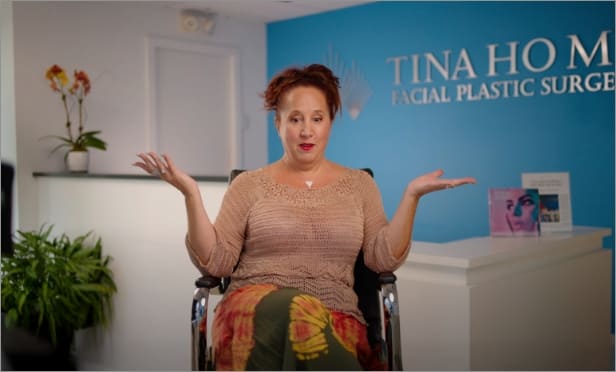
Learn more about what rhinoplasty is and how it can subtly enhance your facial harmony with insights from Dr. Tina Ho.

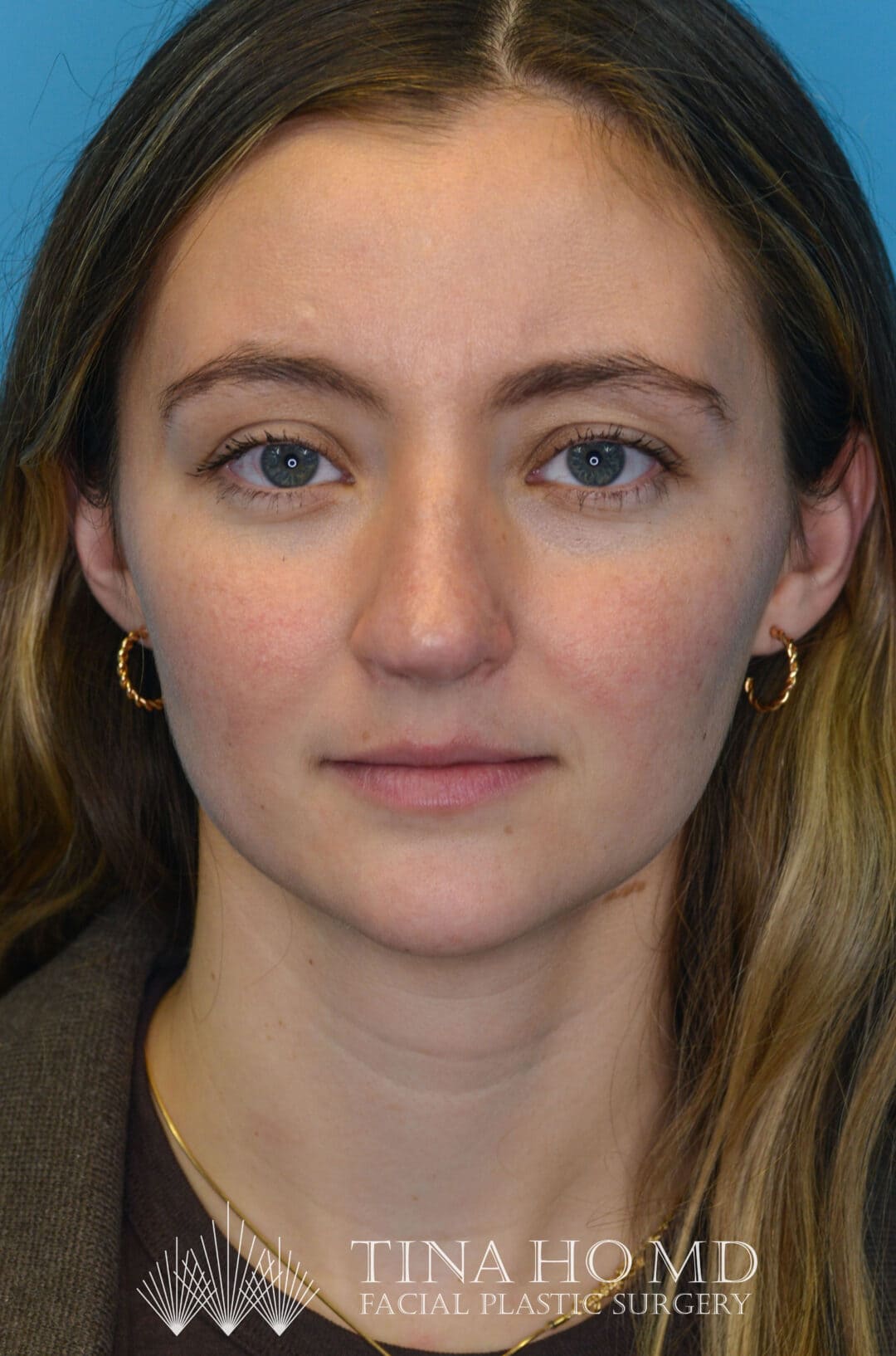
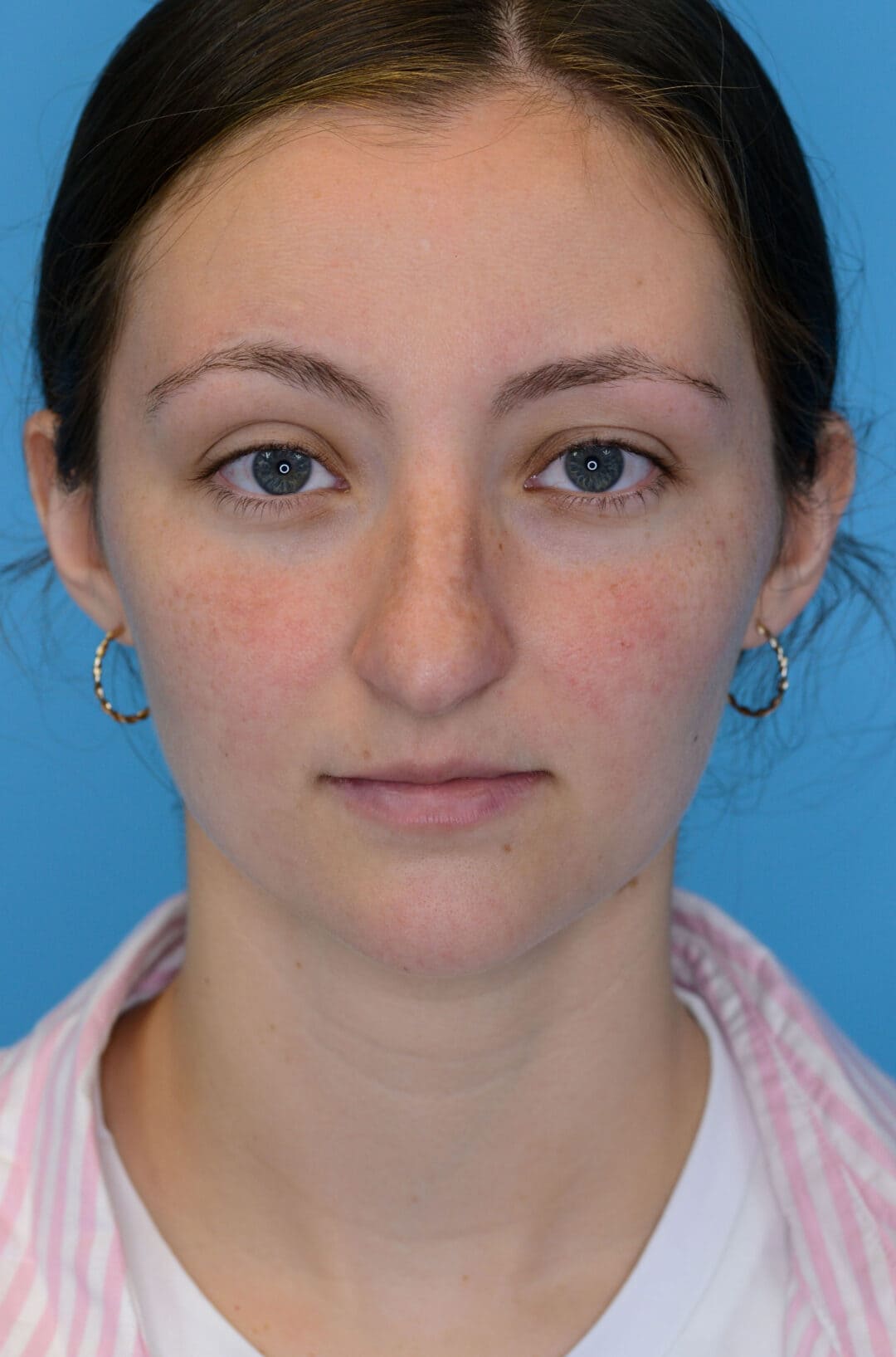
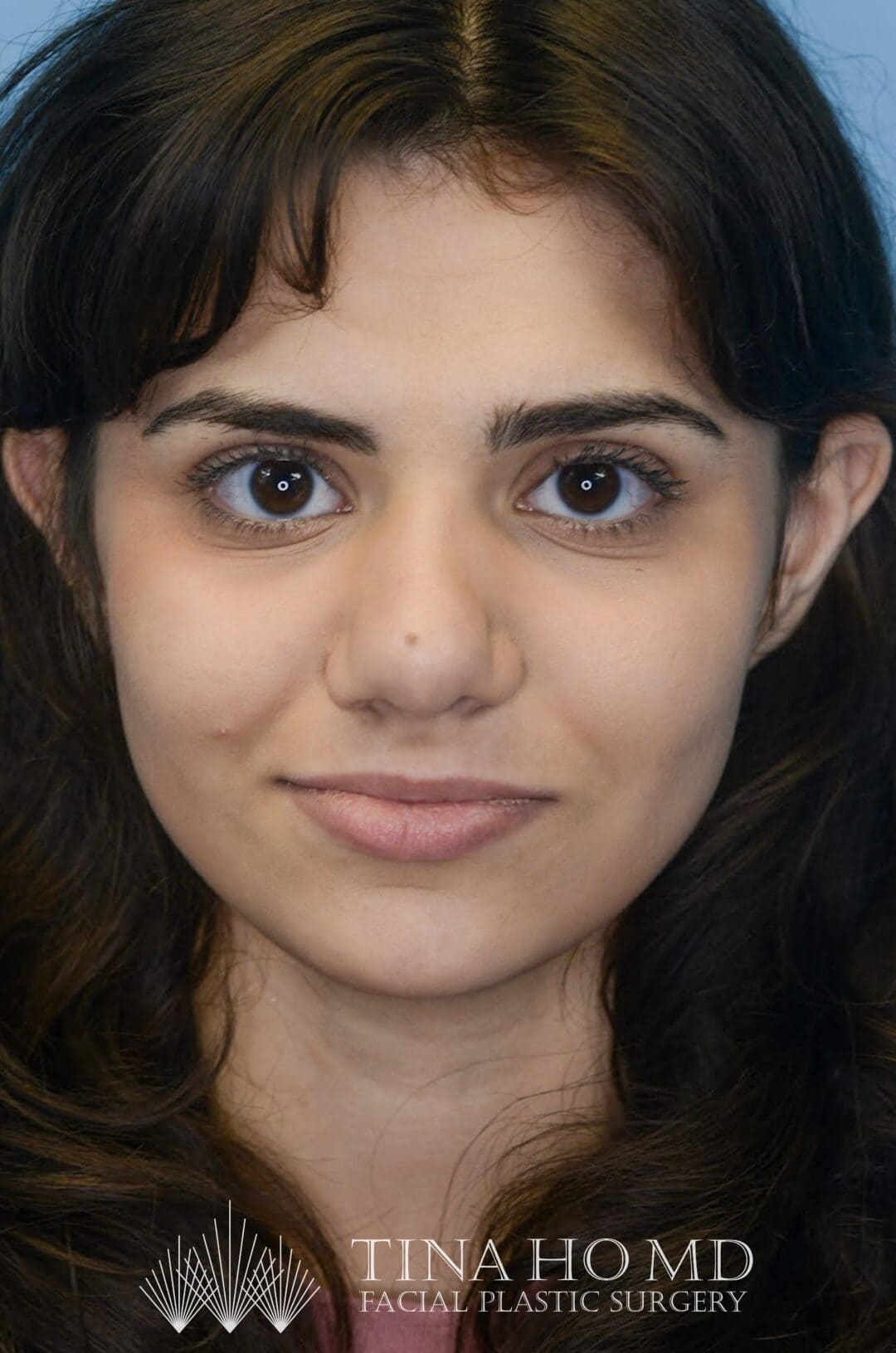
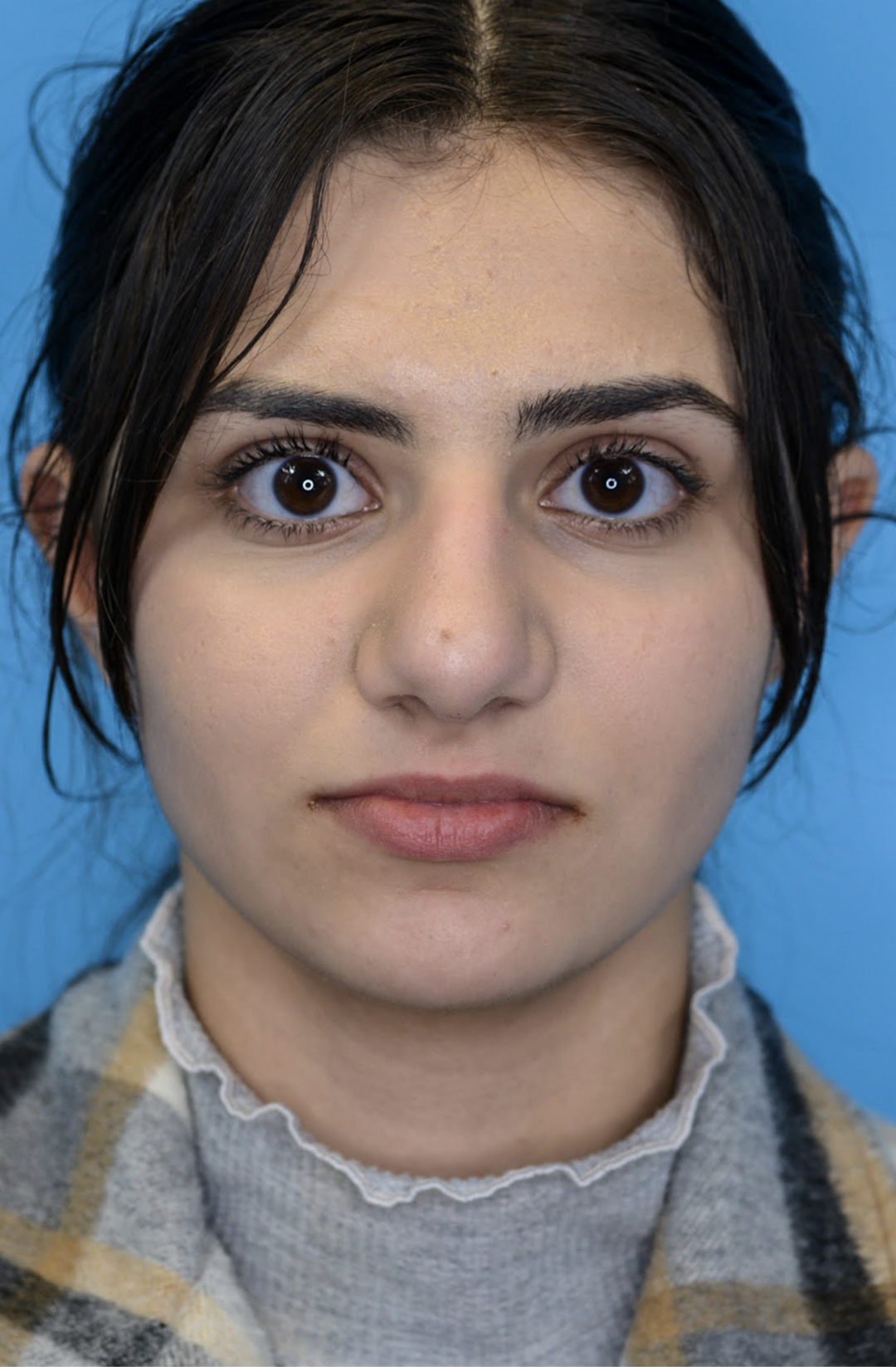
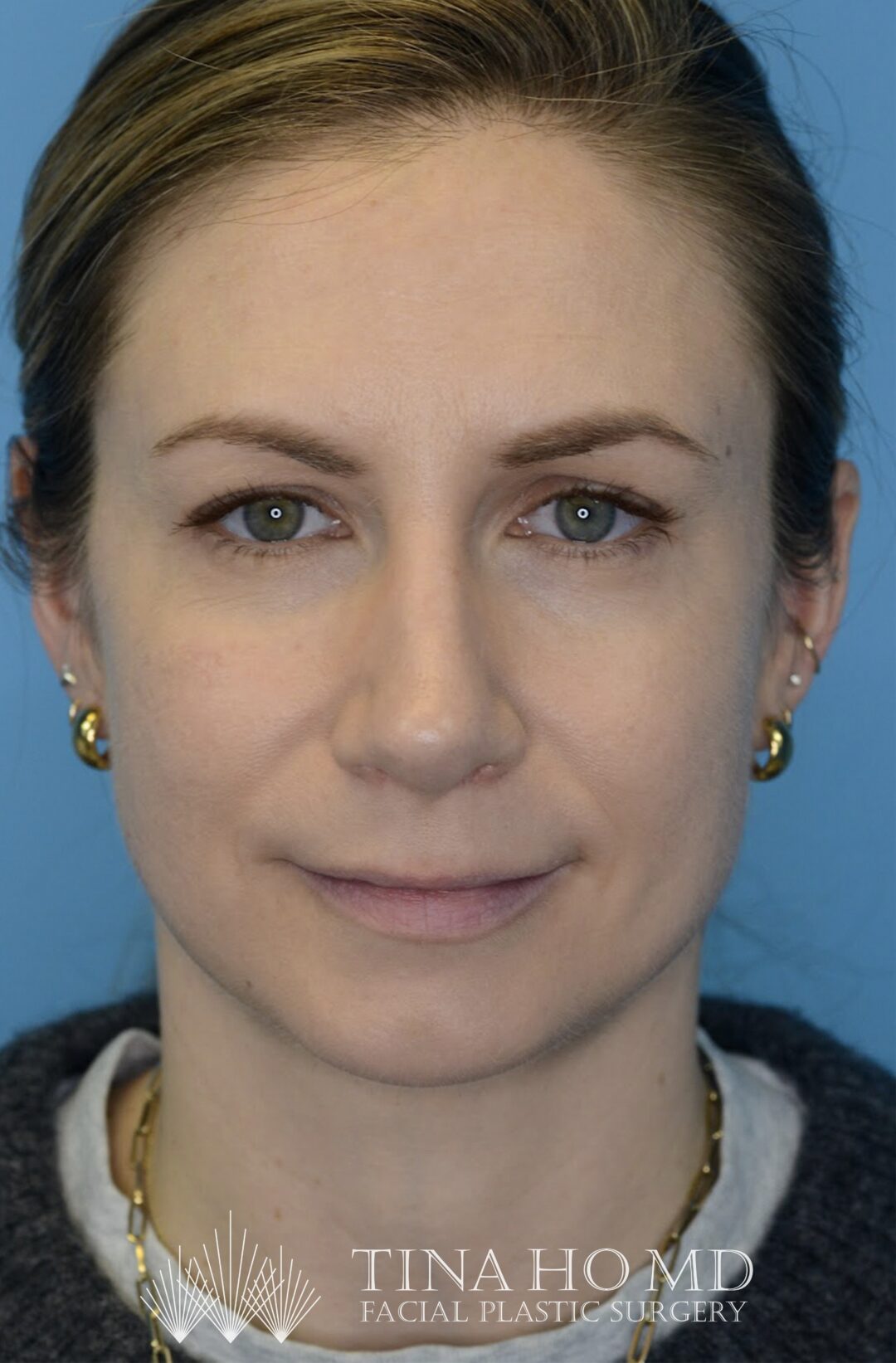
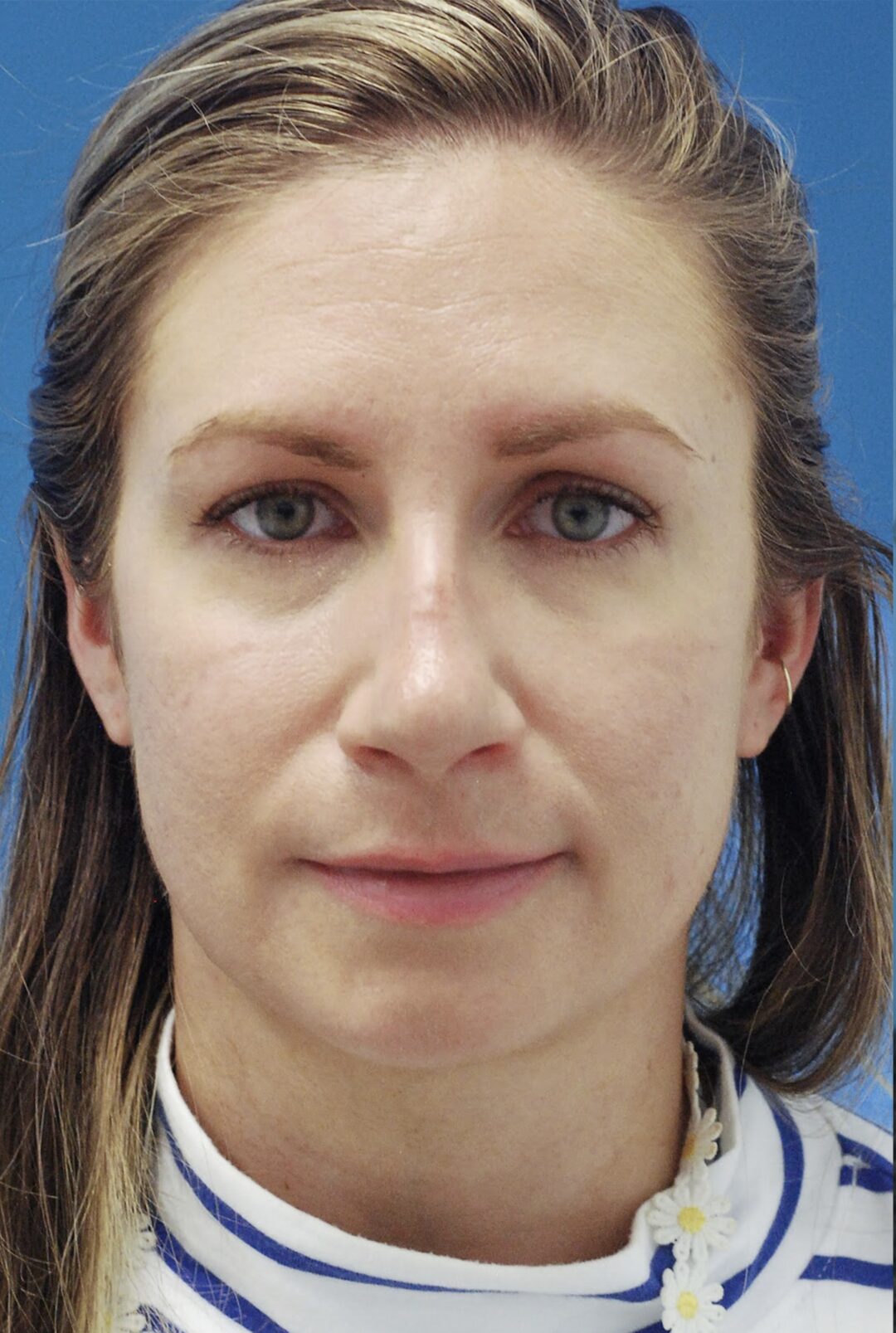
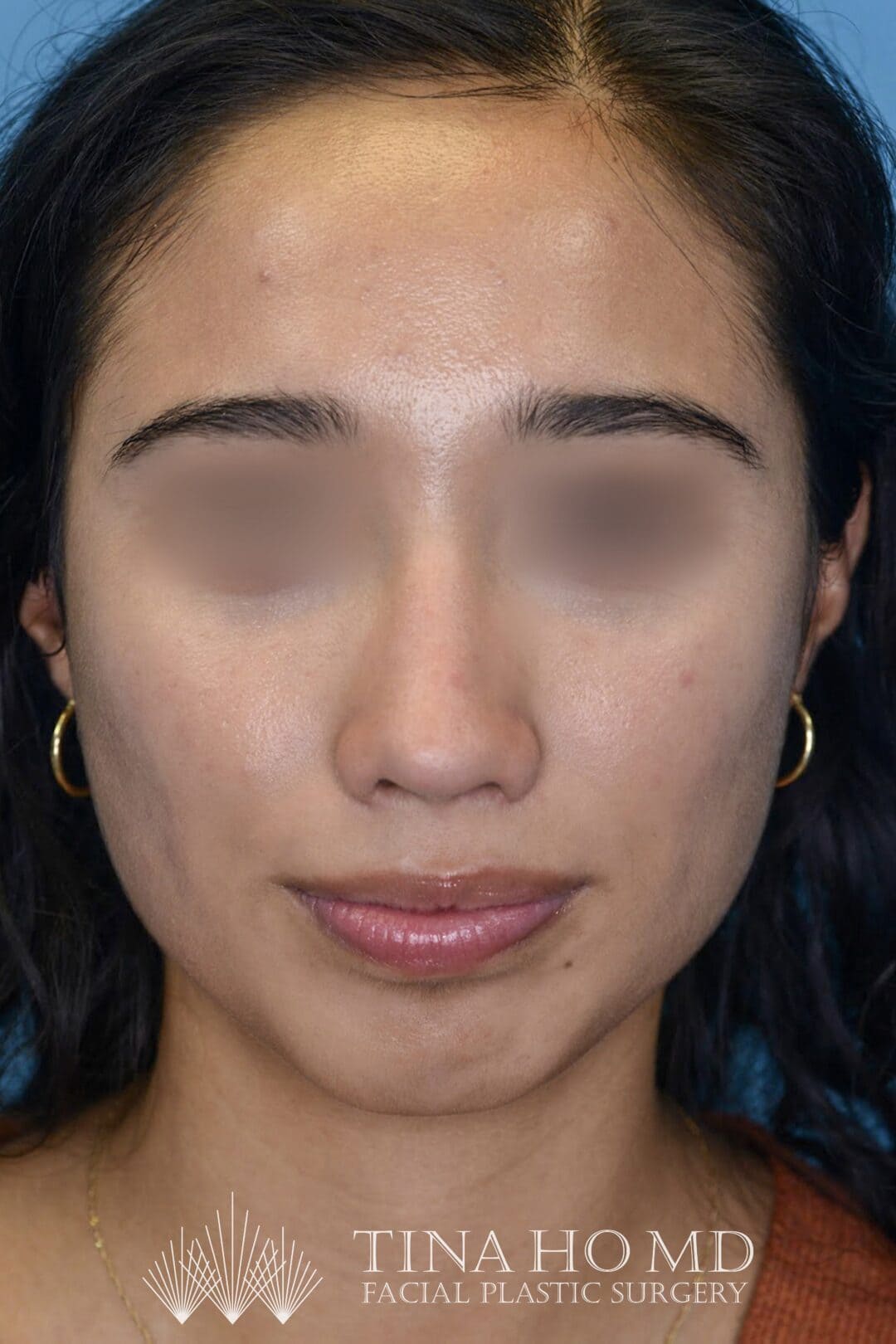
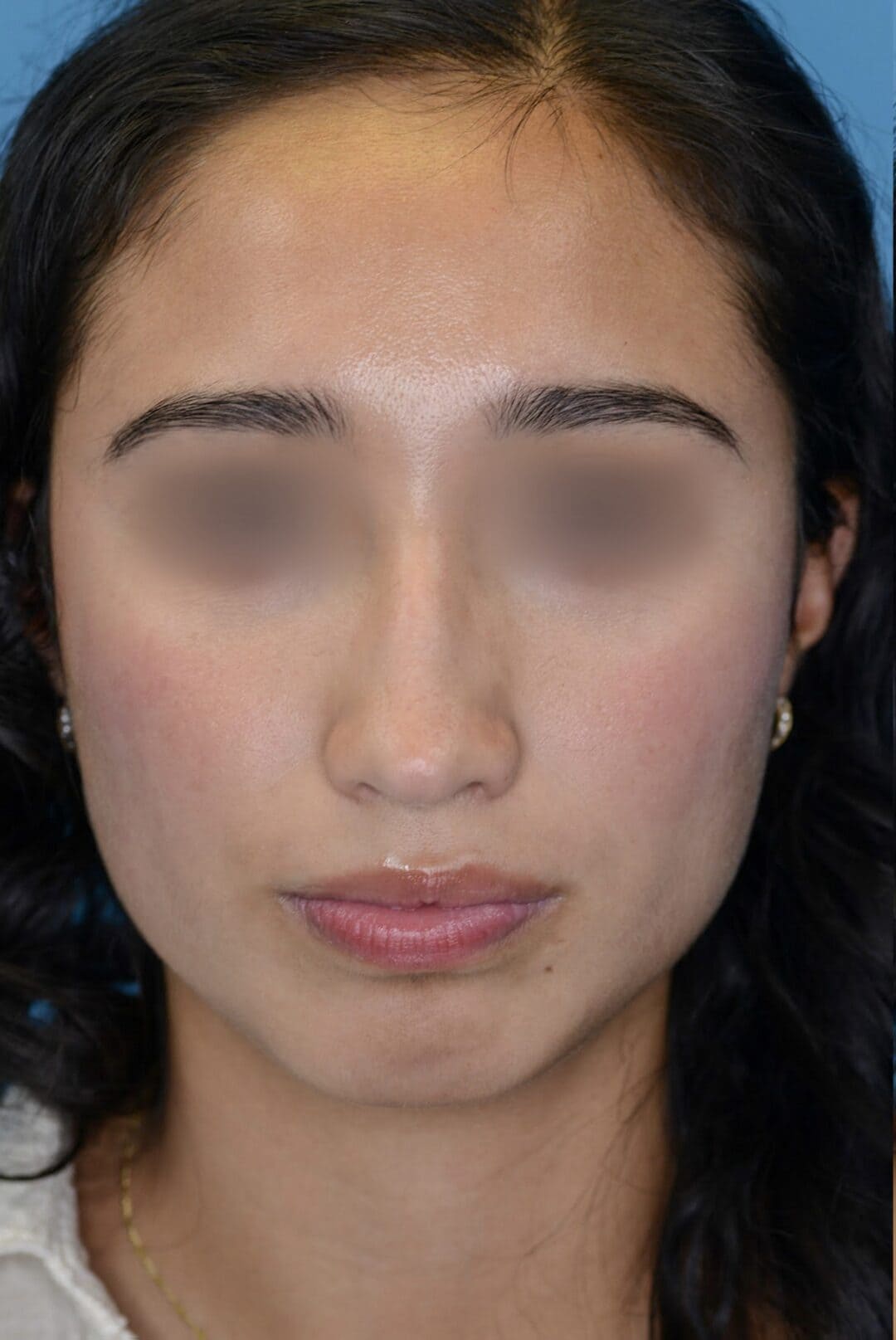
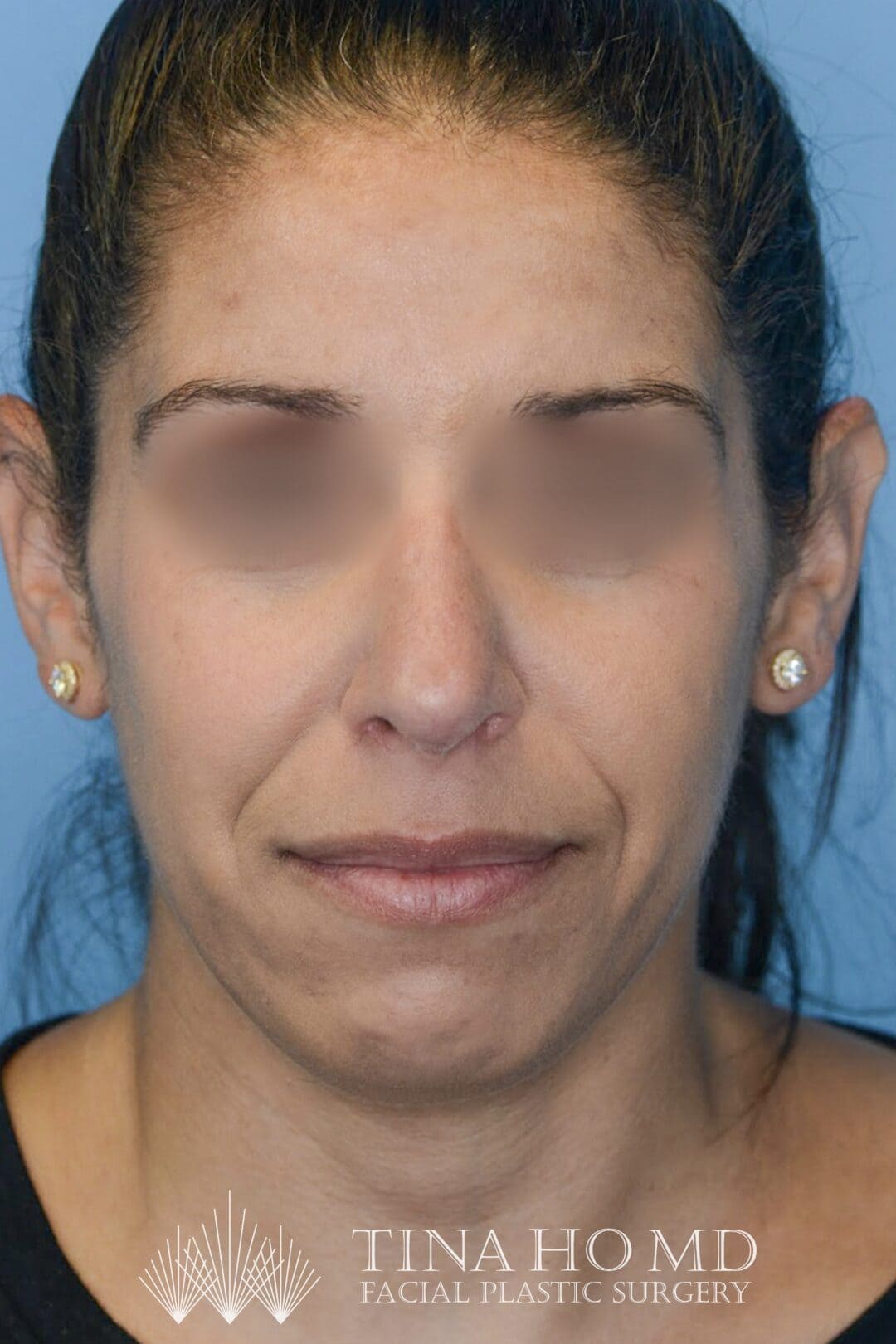
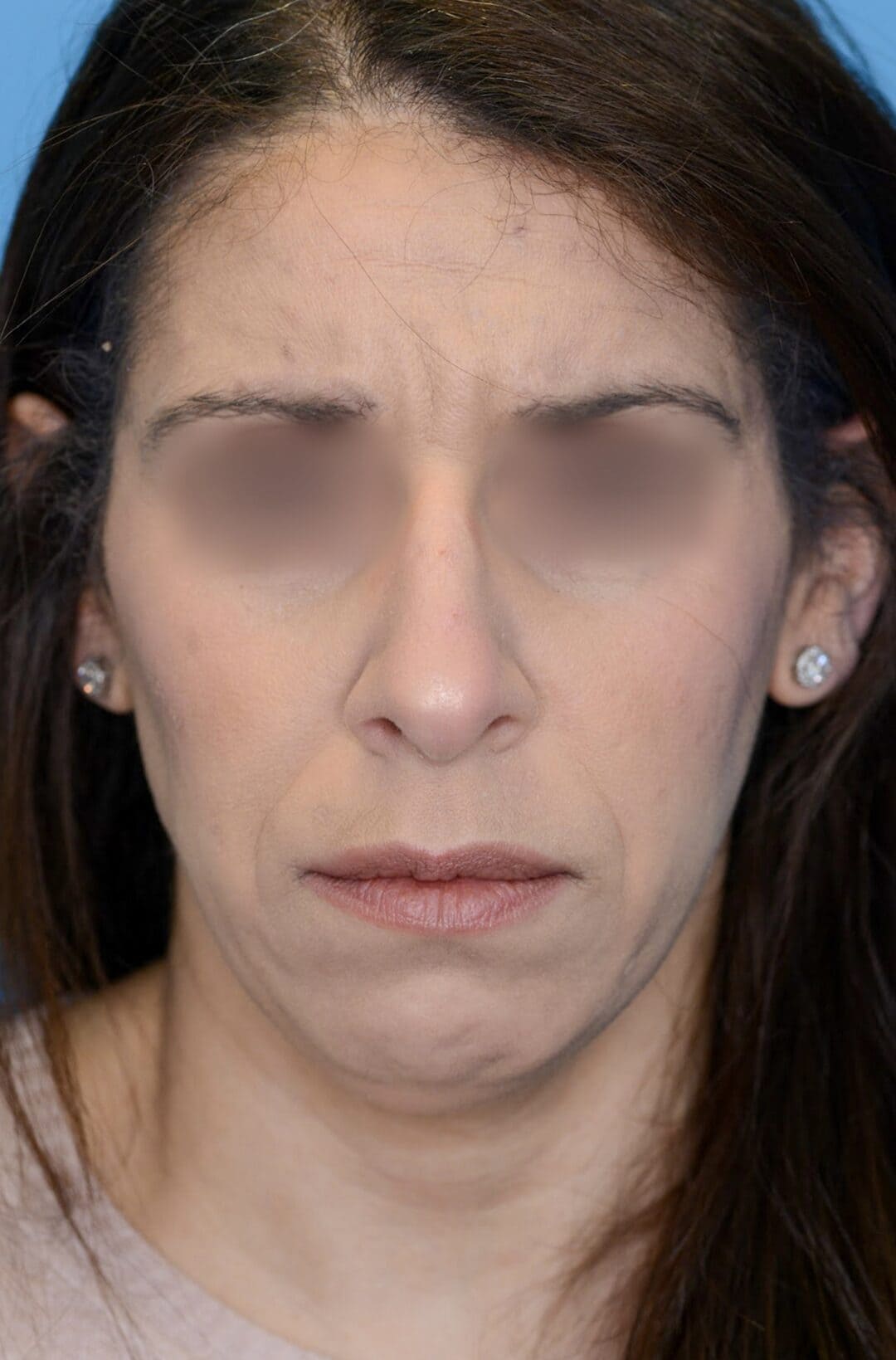
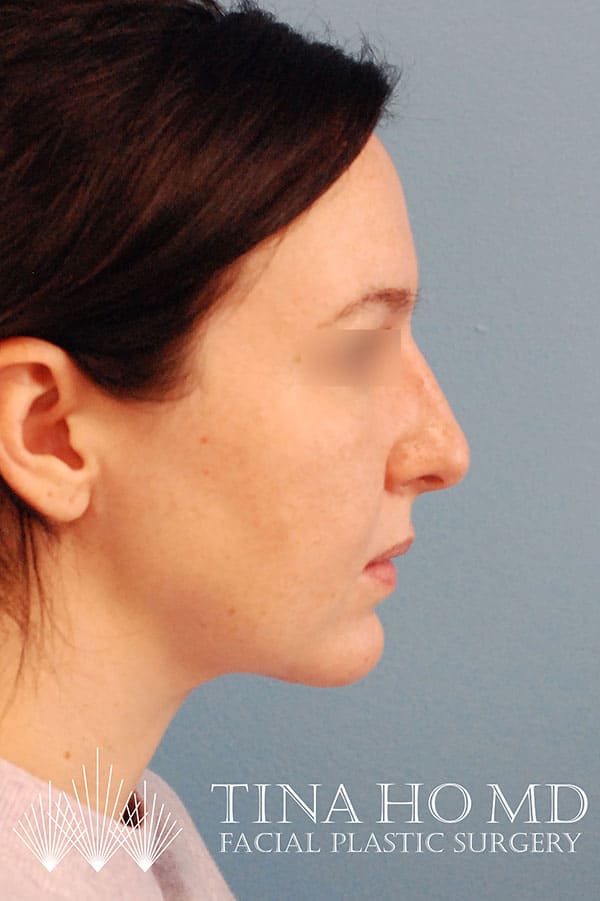
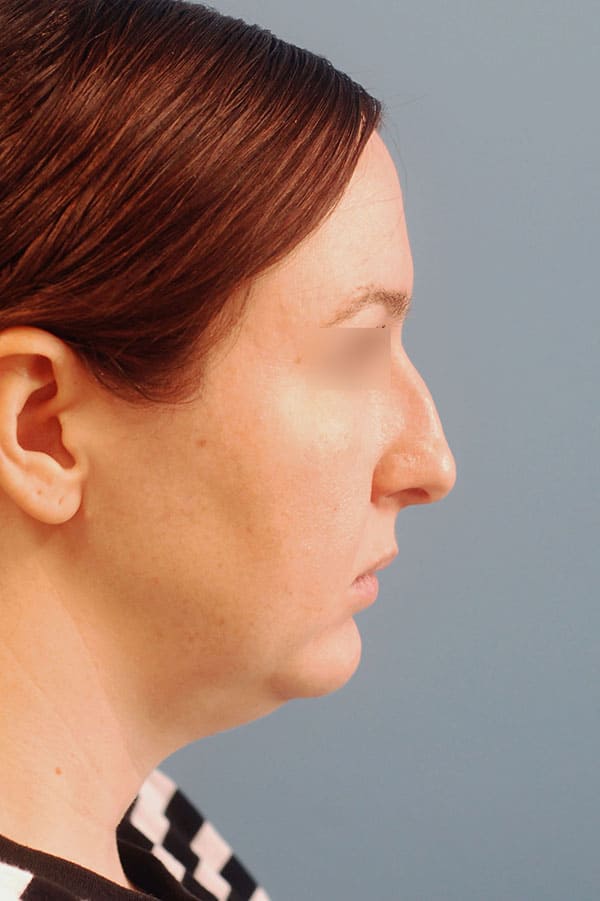
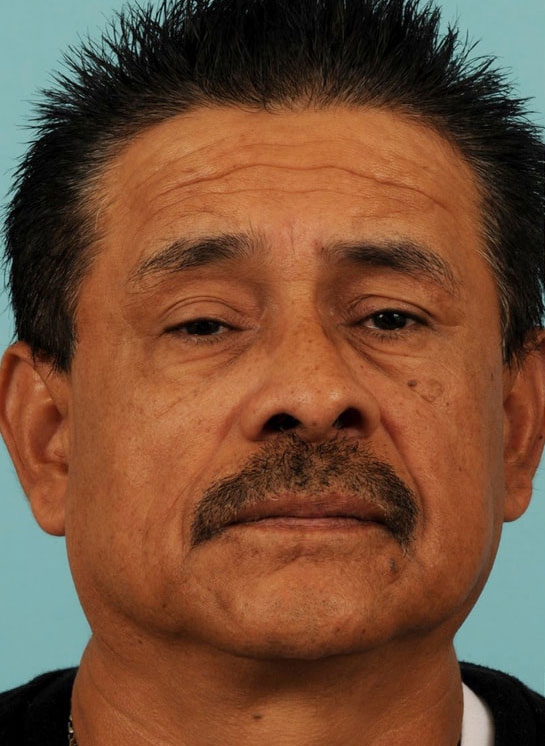
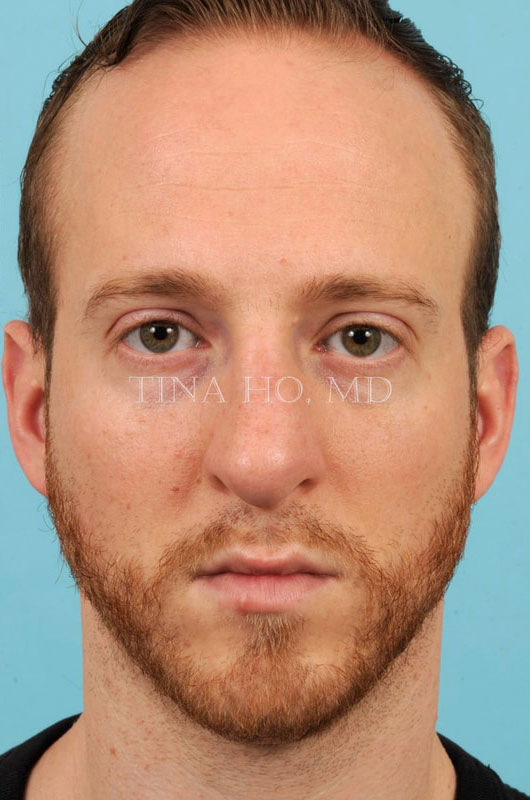
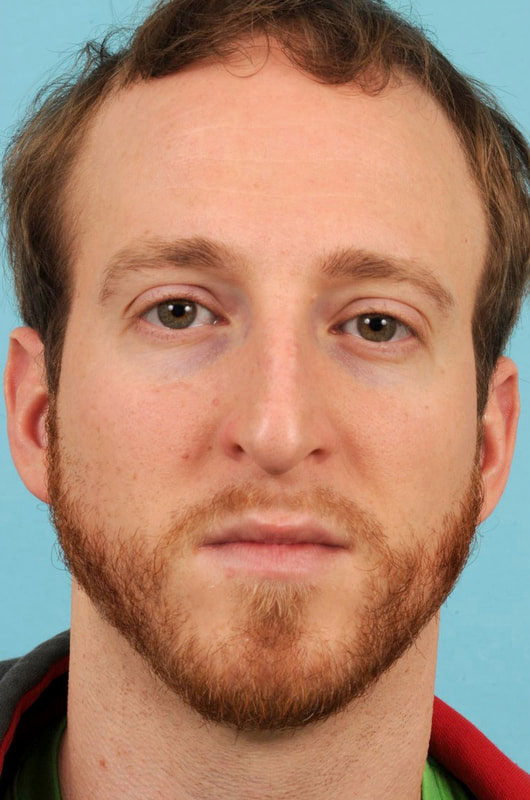
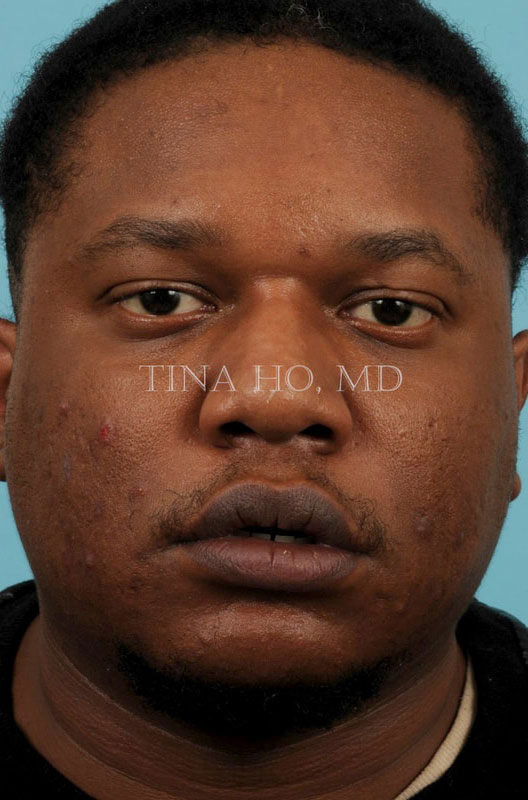
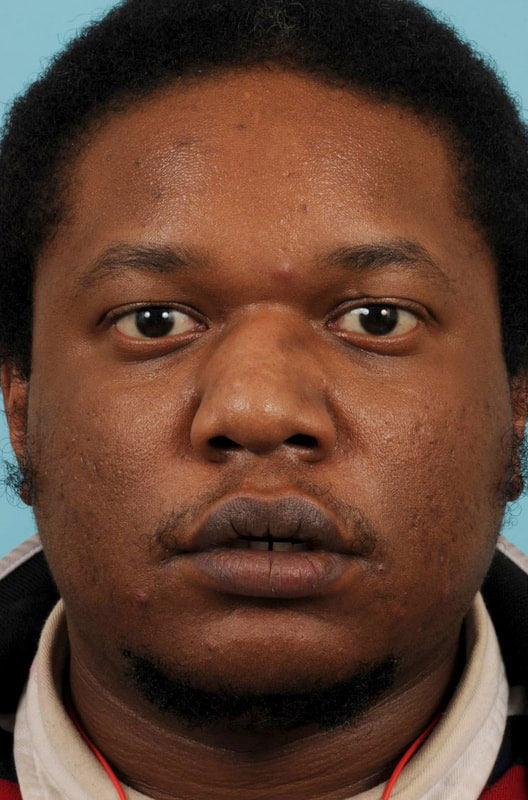
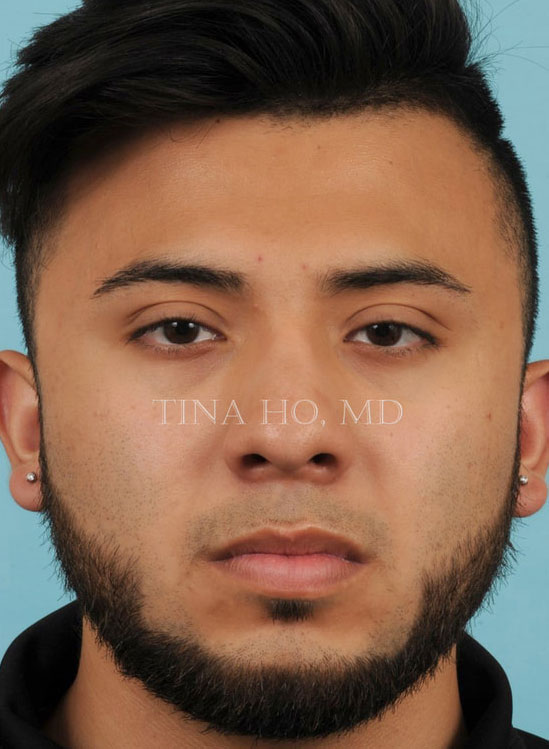
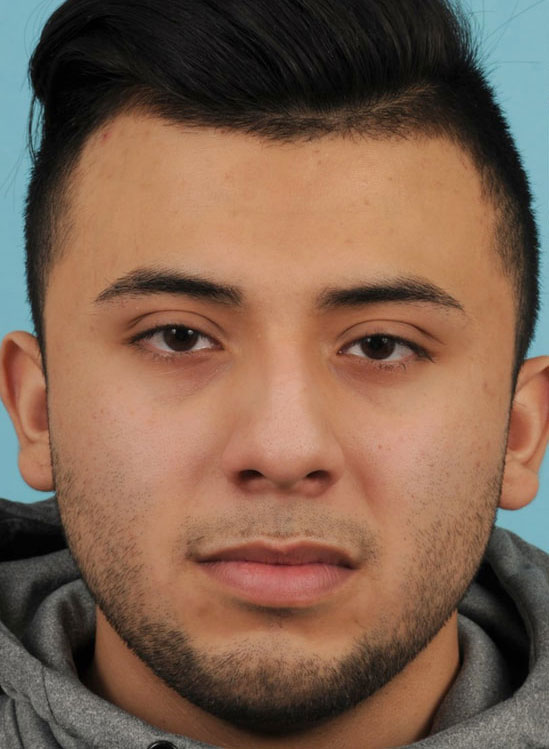
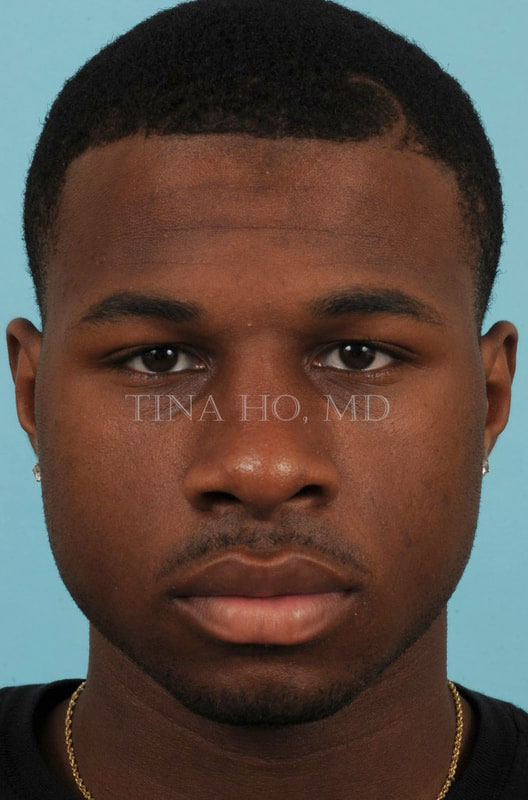
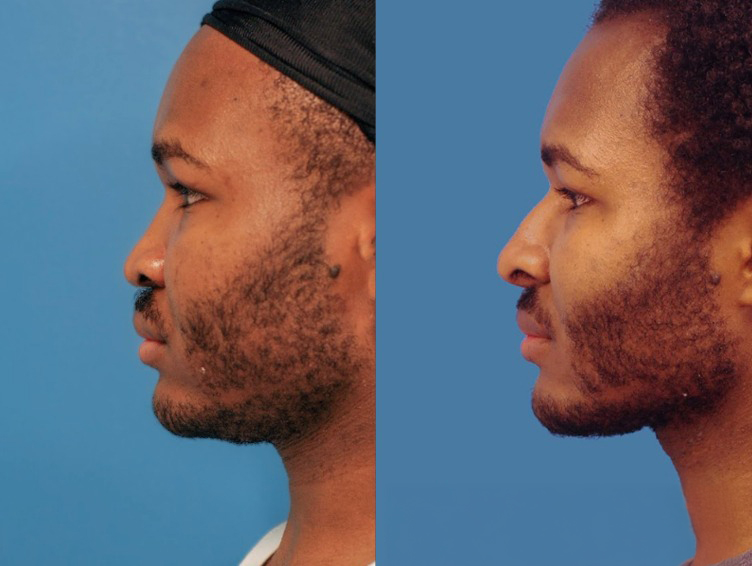
Before & After Photos

What are Common Causes of Nasal Obstruction That Can Be Treated with Surgery?

Common nose issues that can be improved or corrected by rhinoplasty include but are not limited to:

Deviated septum
Nasal valve collapse
Nasal wall collapse
Drooping nasal tip
Underprojected nasal tip
Enlarged turbinates

Dr. Ho is experienced in improving all of these issues with rhinoplasty and will discuss with each patient her customized approach for each type of issue.

Why Choose Dr. Tina Ho for Functional Rhinoplasty?

Dr. Ho stands out among her plastic surgeon peers in Philadelphia and Wayne as a double board-certified rhinoplasty specialist with dedicated training in rhinoplasty including cosmetic and functional rhinoplasty, revision rhinoplasty, preservation rhinoplasty, ultrasonic rhinoplasty, tip plasty, and ethnic rhinoplasty from one of the top rhinoplasty surgeons in the world. She understands the complex and delicate nature of rhinoplasty as one of the most challenging procedures to master in plastic surgery and stays up to date on the latest techniques to achieve the best, most natural surgical results for her patients. From the initial consultation to day of surgery to every follow-up visit, Dr. Tina Ho maintains an unwavering commitment to each rhinoplasty patient to maximize the success of their surgical outcome. She devotes the needed time and effort every step of the way of the rhinoplasty journey to ensure each patient feels comfortable and satisfied with their individualized surgical plan and results. Dr. Ho understands the importance of the nose as the central feature of the face and takes to heart the investment and trust each rhinoplasty patient instills in her as their surgeon. Dr. Ho specializes in rhinoplasty and will implement the most suitable techniques to improve the breathing function and shape of your nose and to elegantly restore facial harmony. Dr. Ho is known by her patients as one of the best Philadelphia rhinoplasty surgeons.

As a double board-certified facial plastic surgeon, Dr. Ho specializes exclusively in aesthetic and reconstructive procedures of the head and neck region. She possesses dedicated training in functional and cosmetic rhinoplasty from one of the top facial plastic and reconstructive surgery fellowship programs in the country under mentor Dr. Dean Toriumi, a world-renowned leading authority in rhinoplasty. Dr. Ho is a widely known regional rhinoplasty specialist with patients seeking her expertise from beyond Philadelphia and Wayne to throughout Pennsylvania, New Jersey, and New York. Dr. Ho dedicates ample time and effort with the aid of imaging software to establish realistic goals and expectations with every patient. She has the training and experience to implement the best surgical techniques, including the most suitable cartilage grafts and suturing maneuvers to improve the breathing function and shape of every nose. She always tailors her approach to the surgical needs and goals of the individual patient. Furthermore, Dr. Ho closely follows her patients after surgery to ensure that each patient heals well and is satisfied with their surgical outcome.

The Functional Rhinoplasty Procedure

Your functional rhinoplasty surgery starts with the administration of anesthesia. Tiny incisions are created. If they are made inside the nostrils, the surgery is referred to as a “closed” procedure. However, for better exposure of internal structures, an incision at the base of the nose is created. This is referred to as “open” functional rhinoplasty. 

There are several techniques that can be employed during functional rhinoplasty surgery. Depending on the nature of your nasal obstruction, nasal septoplasty, turbinate reduction, and/or nasal valve repair may be done.

Septoplasty straightens a deviated or crooked septum, the internal wall structure between the nose that separates the nasal passages. Enlarged turbinates are decreased in size by turbinate reduction to improve your breathing. Collapsed nasal valves can be treated with grafts to provide structural support to help widen the nasal passages.

After the corrections are made, the incisions are closed with stitches. Splints may then be applied to the nose to aid in healing.

Am I an Ideal Candidate?

If you are suffering from breathing problems due to narrow nasal passages, you are a good candidate for a functional rhinoplasty procedure. Patients who have misaligned cartilage, also known as a deviated septum, may also undergo this surgery. Ideally, patients are non-smokers and are in good overall health.

Your Consultation

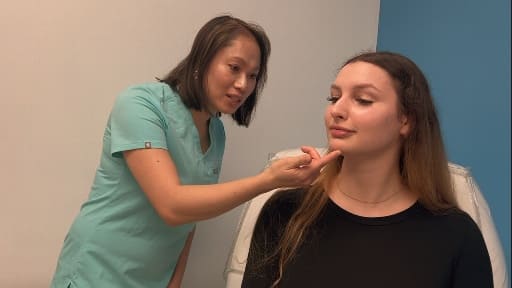
During your consultation, you will be asked about your concerns. Dr. Tina Ho will meet with you personally to perform a physical examination of your nose. Dr. Ho will closely evaluate your nasal anatomy to determine the best techniques to use and will then develop a surgical plan for you. 

You will be asked about your medical history, particularly underlying conditions, any past surgeries, and current medications. Depending on your needs and goals, you may undergo rhinoplasty that is both functional and cosmetic in nature.

Dr. Thuy-Van Tina Ho will be available to discuss functional rhinoplasty and the variety of other procedures we perform during a consultation. Set up an appointment for your consultation – contact our office today.

Recovery and Healing

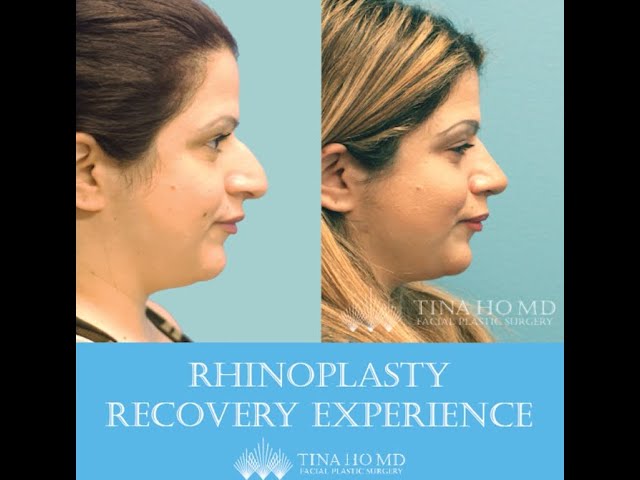
Following your functional rhinoplasty procedure, you will need a recovery period of about one to two weeks. It is common to experience bruising, swelling, and soreness. To manage pain and discomfort, pain medication may be prescribed. The splint will be removed about a week after surgery.

Post-Op Rhinoplasty Essentials

Expand each section below for more information.

Begin walking the evening of surgery to promote circulation and healing. Continue walking about 20 minutes three times daily. Avoid bumping your nose, lifting more than 10 pounds, or any strenuous activity for two weeks. Do not blow your nose and sneeze only with your mouth open. Skip housework for two weeks and avoid swimming or contact sports for four weeks. Hold off on using a CPAP machine until cleared by Dr. Ho.
Begin walking the evening of surgery to promote circulation and healing. Continue walking about 20 minutes three times daily. Avoid bumping your nose, lifting more than 10 pounds, or any strenuous activity for two weeks. Do not blow your nose and sneeze only with your mouth open. Skip housework for two weeks and avoid swimming or contact sports for four weeks. Hold off on using a CPAP machine until cleared by Dr. Ho.
Apply dry, cool compresses under the eyes and on the cheeks for 20 minutes every few hours for the first two days. Avoid placing compresses directly on the nose.
Drink plenty of fluids and start with gentle foods such as soup, crackers, or mashed potatoes. Choose low-salt meals to help control swelling and contact the office if you have difficulty eating or drinking.

You may shower the day after surgery, but keep the nasal dressing dry and avoid hot steam. After the dressing is removed, cleanse your nose gently with a mild soap and water. Wash your face twice daily with a gentle cleanser and avoid scrubbing over incision sites.

Keep your outer nasal cast and inner splints in place until your first follow-up. Clean incision lines three times daily with a Q-tip dipped in tap water or saline. Apply Alastin Skin Nectar, Aquaphor, or Vaseline to the outer incisions and inside the nostrils three times a day. Use saline spray every two hours while awake. Continue this routine for one month and protect your nose from the sun with SPF 35 for up to a year.

Take antibiotics and prescribed pain medication as directed. Tylenol may be used for mild pain but avoid exceeding 4,000 mg in 24 hours and do not take NSAIDs for two weeks. Always eat before taking medication and call the office for nausea, vomiting, or pain that is not well controlled.

You may wear contact lenses the next day unless you also had eyelid surgery. Glasses should not rest on the splint; after the cast is removed, tape them to your forehead for one month. Wear clothing that buttons or zips instead of pulling over your head for the first two weeks.

Do not drive for at least one week or while taking narcotic pain medication. Most patients return to work or social activities within seven to ten days depending on comfort and activity level.

Your first visit is scheduled five to seven days after surgery for removal of the nasal cast, splints, and sutures. Additional follow-ups occur around two weeks and one month to monitor healing.

Swelling and bruising peak in the first two weeks, then gradually improve over several months. Temporary nasal stuffiness and tip numbness are normal and will resolve with time. Scars will soften and fade within a year—consistent sunscreen use helps ensure the best healing.

Light, blood-tinged drainage is common for several days. If bleeding occurs, sit upright with your head slightly forward, apply a cool compress to the bridge of your nose, and pinch your nostrils for 20 to 30 minutes. A decongestant spray may help. Contact the office if bleeding does not stop.

Contact Dr. Ho’s office for a fever above 100.4 °F, increasing pain, swelling, redness, or drainage, persistent nausea or vomiting, heavy bleeding, difficulty breathing, or chest pain.

Enhance Your Recovery with Elixir MD

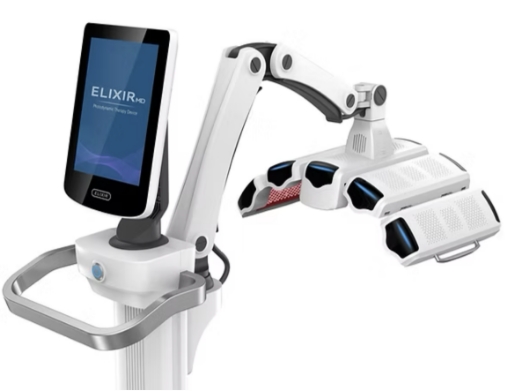
The Elixir MD™ is an innovative recovery tool that offers various treatment programs using different LED light wavelengths to achieve specific pre and post-surgical goals. These programs are supported by advanced artificial intelligence temperature controls and adjustable settings to address a range of concerns and goals. This non-invasive therapy is safe, painless, and can reduce infections after surgery while also enhancing recovery and minimizing scarring after rhinoplasty surgery.
Benefits of Elixir MD

Enhanced post-operative recovery after rhinoplasty. Using LED light, Elixir MD™ stimulates the skin to accelerate wound healing and minimize scarring post-surgery.

Improved healing and cellular repair. Specific wavelengths stimulate collagen and elastin production, which are essential for healing after surgery.

Easier rhinoplasty recovery. Reduces inflammation responsible for swelling and pain after surgery.

Improved lymphatic drainage and blood flow. Enhances the delivery of nutrients and removal of waste for optimal healing.

Elixir MD Treatment Programs for Rhinoplasty

Elixir Detox

This pre-operative therapy uses blue light to reduce the number of bacteria, oils, and toxins on the skin, reducing surgical complications such as infection.

Elixir Cellular Repair

Post-rhinoplasty, Cellular Repair uses yellow light to improve circulation, reducing bruising and swelling, accelerating healing, and shortening recovery.

Elixir NeoXcell

The NeoXcell™ treatment program combines the benefits of Elixir Cellular and Thermal to boost healing and balance melanin production for a more even skin tone.

Elixir RoXium

RoXium™ uses yellow and blue light to reduce swelling/bruising, prevent skin oxidation, decrease sebum, minimize pores, and clear the complexion.

Cost of Functional Rhinoplasty

Since this surgical procedure is tailored for each patient, the cost of functional rhinoplasty varies for each individual. The overall price will include anesthesia used, the combination of techniques done, the extent of work performed, and other surgical fees. Functional rhinoplasty is covered by health insurance providers.

Real Patients, Real Results

Patient Testimonials

  • I got a cosmetic rhinoplasty with Dr. Ho just over a month ago and it was a great experience. We met in person multiple times beforehand to go over the procedure and I felt comfortable explaining my goals with the surgery. She was clear about expectations, the procedure, recovery time, etc. and it reassuring to…
    Read More Best Natural Results
  • Dr. Ho is an incredibly competent, compassionate, and professional physician. I was an out-of-town patient and she was very accommodating to my schedule as I had to fly back for follow-up appointments. She ensured that all my questions were answered and I always received an extremely high standard of care. The actual procedure went very…
    Read More Amazing work from an amazing surgeon!
  • She is by far the best facial plastic surgeon. I’ve been rejected by 2 top doctors to do my tip rhinoplasty and she was not hesitant to take me on. She did a mini neck lift as well with a chin implant. I can’t recommend her enough. My results were beautiful and natural. First two…
    Read More Amazing Doctor
  • My experience with Dr. Ho from consultation through recovery for my rhinoplasty procedure has been nothing short of excellent. From the start, Dr. Ho and I were completely aligned on what I was hoping to accomplish and what was possible with my nose. I felt that my nose overwhelmed the rest of my face and…
    Read More Amazing Experience and Results
  • Dr Ho did an amazing job i got my rhinoplasty done in june i am so blessed to have found a wonderful and caring doctor she was there for me everystep of the way during my recovery. I took me a while to find a doctor to do my rhinoplasty. im so glad i found…
    Read More Dr. Ho did an amazing job
  • Dr. Ho is an incredible provider! She is so kind and caring, something really important when trusting someone with your face! She is fantastic with communicating, even after my surgery she was available all weekend to text if I had any questions. She listened to everything I wanted and gave me exactly what I asked…
    Read More Highly Recommend!
  • Let me just say that Dr. Ho is absolutely wonderful! I went to a few consults for my rhinoplasty before Dr. Ho and she was immediately welcoming and informative. Dr. Ho takes the time to really walk you through what you’d like to do, expectations, doesn’t push, and she is honest. Dr. Ho worked with…
    Read More GREAT EXPERIENCE
  • I recently had a dermal filler and Botox procedure performed by Dr. Ho; my experience was beyond my expectations. She took great care during the consultation phase to listen to the results that I was expecting to achieve. After her recommendations we started the procedure. During the procedure she was professional, enthusiastic, well-rounded and just…
    Read More Everything I hoped for before celebrating a milestone

Google

4.9 stars rating from 298 reviews

RealSelf

5 stars rating from 168 reviews

As Seen In

Dr. Tina Ho in the Press

Dr. Tina Ho has been featured in leading media publications that highlight her expertise in facial plastic surgery.

Related Procedures

Explore additional procedures that complement a your procedure for balanced, natural-looking rejuvenation.

Quick Answers to Common Queries

Frequently Asked Questions

Explore our frequently asked questions for helpful information about Dr. Tina Ho’s facial plastic surgery practice, procedures, and patient care.

The ideal candidate for functional rhinoplasty is a healthy non-smoker patient who has no remarkable medical or surgical history with persistent nasal breathing problems despite medical management and found on exam to demonstrate nasal anatomic issues that are contributing to their nasal obstruction. Patients who qualify for functional rhinoplasty have tried various medications including oral antihistamines, sinus rinses, and nasal steroid sprays without symptom improvement and usually do not have significant allergy or sinus issues. Dr. Ho is a board-certified head and neck surgeon and will thoroughly evaluate every rhinoplasty candidate to determine whether they may benefit from functional rhinoplasty.

The septum is a thin wall barrier comprised of cartilage and bone that divides the nose into two nasal passages. A deviated septum refers to when the septum is crooked or displaced to one side. This nasal finding may be an issue for some patients if it contributes to their nasal breathing problems. Usually the nasal passage where the septum deviates more towards feels more blocked. Depending on the patient’s nasal anatomy, extent of nasal obstruction, and surgical goals, a patient with nasal breathing concerns in the setting of a deviated septum may be a candidate for septoplasty (surgery that corrects the septum alone) or septorhinoplasty (surgery that improves the septum and other parts of the nose including the exterior). Septoplasty is commonly performed via a closed approach unless the location of the septal deviation is very anterior or high.

The nose possesses two kinds of nasal valves: the internal and external nasal valves. Nasal valve collapse associated with narrowing or weakness of either of these valves can cause nasal blockage and ultimately nasal obstruction.
The internal nasal valve is located within the nose and spans the area between the upper septum and the upper lateral cartilage in the middle third of the nose. In asymptomatic individuals, the ideal internal nasal valve angle is 10-15 degrees. Patients with internal nasal valve collapse may experience breathing improvement with Breathe Right ® nasal strips and demonstrate a narrower middle third or inverted V deformity of the nose. Dr. Ho usually performs septoplasty and creates spreader grafts for nasal valve repair of the internal nasal valve.
The external nasal valve is localized to the ala or nostril and is supported by the lower lateral cartilages. Patients with external valve collapse may possess weaker nostrils that fall inward with inspiration and show a positive Cottle test on examination. Dr. Ho utilizes a variety of cartilage grafting and suturing techniques for nasal valve repair of the external nasal valve including alar batten grafts, lateral crural strut grafts, lateral crural onlay grafts, and lateral crural repositioning.