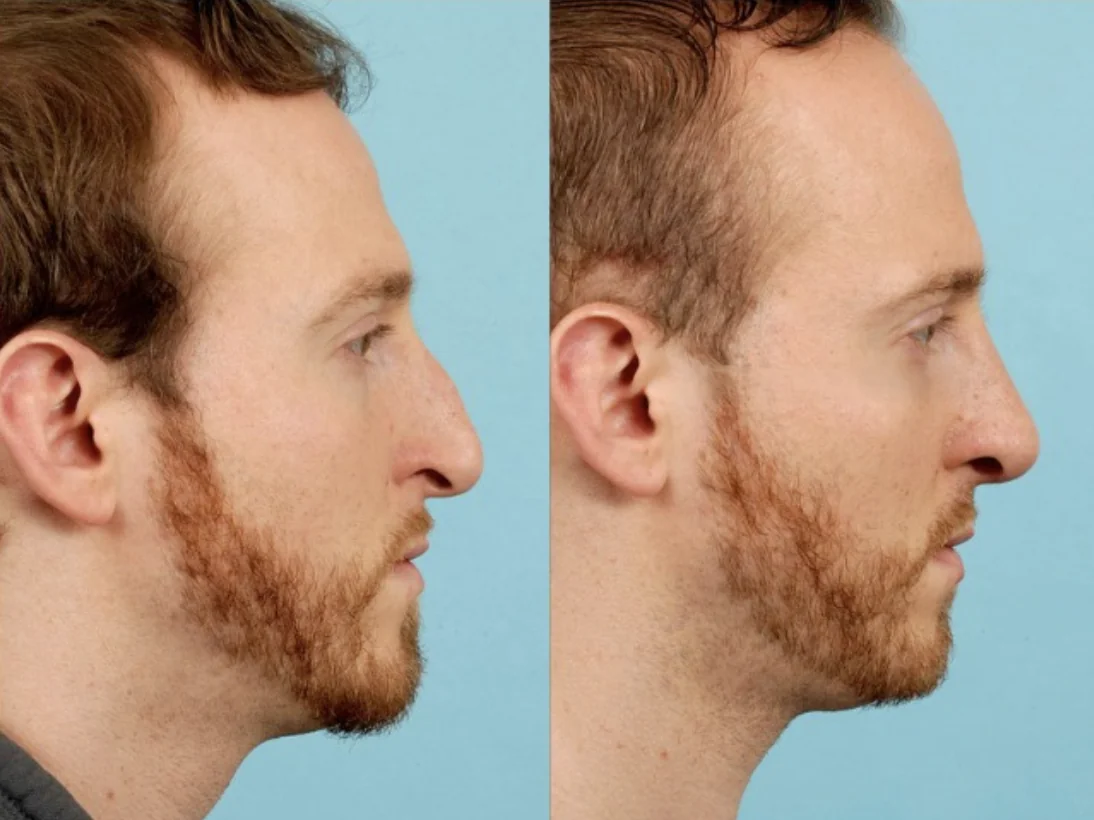

Nasal tip surgery is a surgical procedure performed by rhinoplasty surgeons to reshape the tip of the nose. Your nose is essential to your appearance and determines your overall facial harmony. Having a wide, bulbous tip to the nose alters the aesthetics of the face and causes the nose to be out of proportion to the other facial features.
As a double board-certified facial plastic surgeon, Dr. Tina Ho is considered one of the best tip rhinoplasty surgeons in Philadelphia. If you are unhappy with a wide nasal tip, bulbous nose tip, long or short nose tip, or an overall uneven nasal tip, you could benefit from a tip rhinoplasty procedure.
What is Nasal Tip Rhinoplasty?
Nose tip reshaping is accomplished by either a closed or open surgical procedure that focuses on recontouring the tip of the nose to improve symmetry and appropriate proportions to the face. Some changes in the nasal tip can also be accomplished with liquid rhinoplasty.
In liquid rhinoplasty, the surgeon will utilize dermal fillers to help recontour and reshape the nose. This approach can help to smooth out bumps, improve symmetry, and make minor adjustments to the nasal structure. While providing a quicker recovery and reduced cost option, the results are temporary and may wear off over a 6 to 12-month period.
Nose tip reshaping using a surgical approach has the potential to achieve greater results that are permanent. A closed approach involves incisions only within the nostrils, whereas an open approach includes an outer incision between the nostril but gives greatest exposure of the tip. During surgery, excess soft tissues are removed, cartilage from other areas can be used to create tip grafts, specialized sutures are applied, and alterations to the nasal tip can be performed to create a more desirable tip contour, angle, and projection. A longer recovery and higher cost are associated with surgical procedures, but more dramatic results can be achieved.
Educational videos
The Rhinoplasty Procedure
Learn more about what rhinoplasty is and how it can subtly enhance your facial harmony with insights from Dr. Tina Ho.
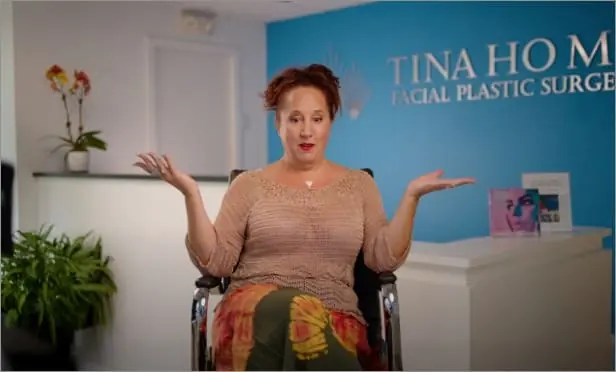
Rhinoplasty Explained | Structure, Function & Natural Results
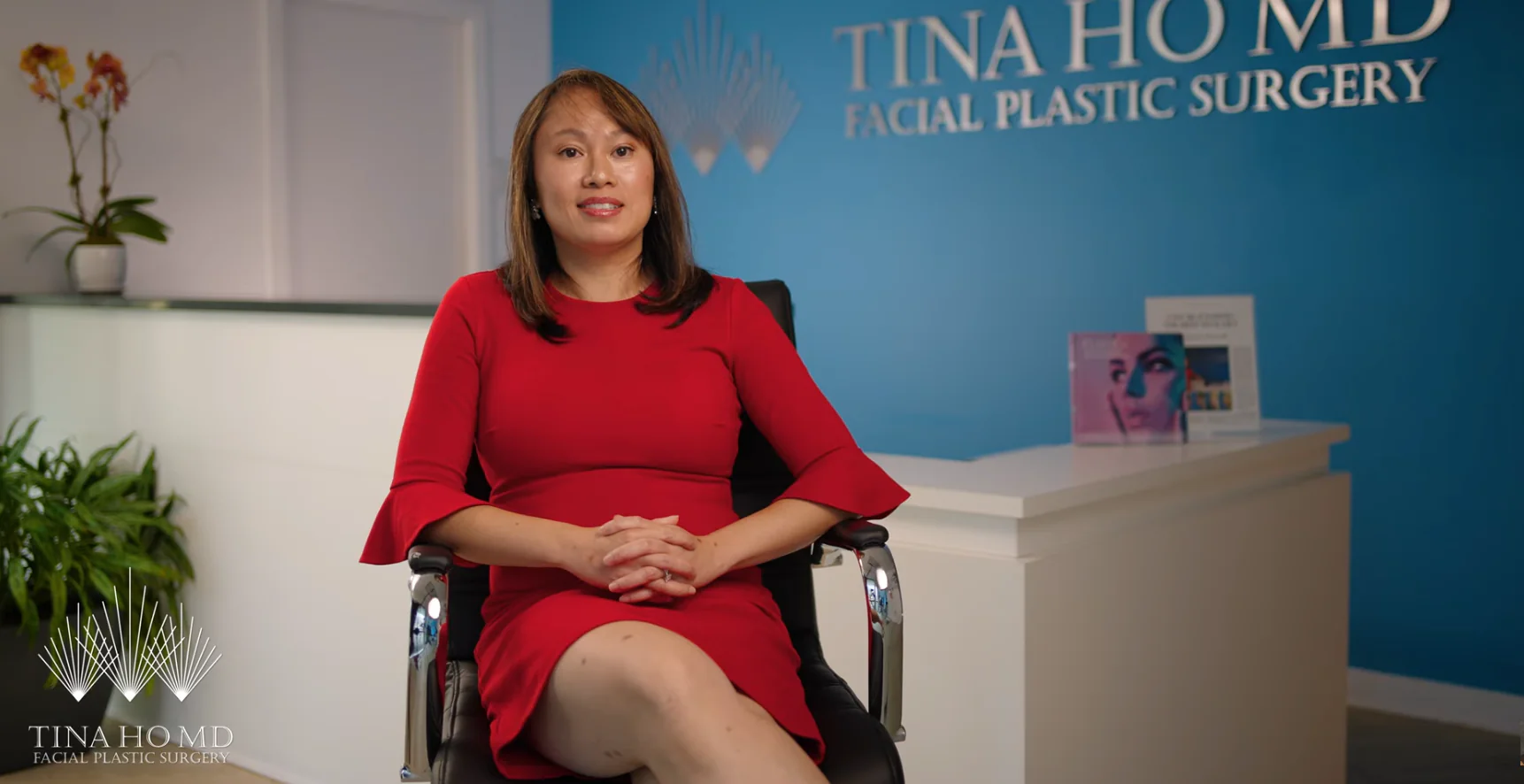
Dr. Tina Ho presents an educational webinar on her specialized approach to structural rhinoplasty, which focuses on both the aesthetic form and functional breathing aspects of the nose. She emphasizes the importance of creating a nose that is harmonious with the face while maintaining or enhancing nasal airflow. Dr. Ho typically uses an open rhinoplasty technique involving an external incision. The procedure begins with addressing dorsal humps, crooked nasal bones, and then carefully refining the nasal tip—a challenging component due to its sensitivity to small adjustments. She also performs ethnic rhinoplasty, focusing on nostril size and flare reduction through specialized incisions.







Am I a Good Candidate for Rhinoplasty Tip Refinement?
Patients with a pointy nose tip, a nasal tip that rotates upward or droops, or a wide, bulbous nasal tip may be candidates for this procedure. Generally, patients should be in good physical and mental health and have realistic expectations of what a tip rhinoplasty can accomplish.
To reduce the risk of complications, the ideal candidate should be a non-smoker and be able to stop any blood-thinning medications. Unsure you are a good candidate, schedule an appointment with Dr. Ho to discuss your options.
What to Expect During the Initial Consultation
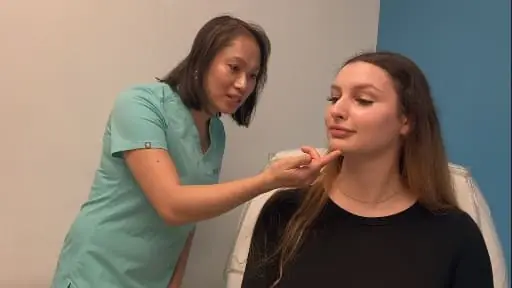
During your initial consultation, Dr. Ho will evaluate the nose to determine the steps necessary to provide you with a more aesthetically pleasing nasal tip. After reviewing your medical history, Dr. Ho will determine if the procedure is safe for you and develop a customized approach. The total cost of the procedure and the financing options available will be discussed during this appointment.
Risks Associated with Tip Rhinoplasty Surgery
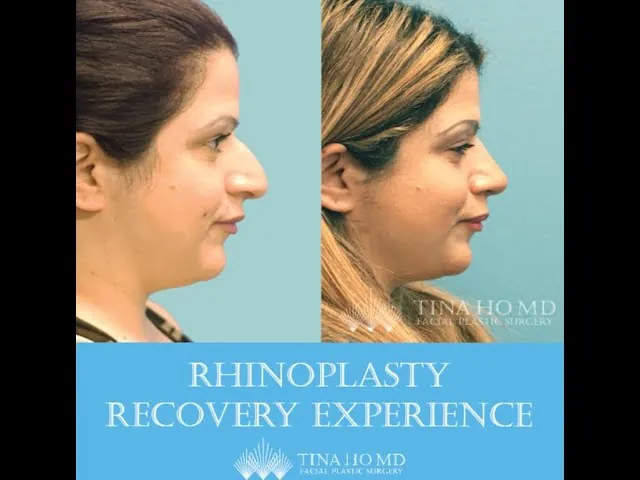
Following your functional rhinoplasty procedure, you will need a recovery period of about one to two weeks. It is common to experience bruising, swelling, and soreness. To manage pain and discomfort, pain medication may be prescribed. The splint will be removed about a week after surgery.
Post-Op Rhinoplasty Essentials
Expand each section below for more information.
Nasal Tip Rhinoplasty Recovery and Healing
Following nasal tip rhinoplasty, recovery is generally shorter and less intense than a full rhinoplasty. Most patients experience mild swelling, bruising, and tenderness localized to the tip of the nose. A small splint or dressing may be applied and is typically removed within one week. Discomfort is usually minimal and well-controlled with medication if needed.
Patients can usually return to daily activities within 7–10 days, but should avoid strenuous exercise and pressure on the nose. The majority of swelling and bruising typically resolves within three to four weeks; however, final tip definition may take 12 to 24 months or longer as residual swelling resolves.
Enhance Your Recovery with Elixir MD
The Elixir MD™ is an innovative recovery tool that offers various treatment programs using different LED light wavelengths to achieve specific pre and post-surgical goals. These programs are supported by advanced artificial intelligence temperature controls and adjustable settings to address a range of concerns and goals. This non-invasive therapy is safe, painless, and can reduce infections after surgery while also enhancing recovery and minimizing scarring after rhinoplasty surgery.
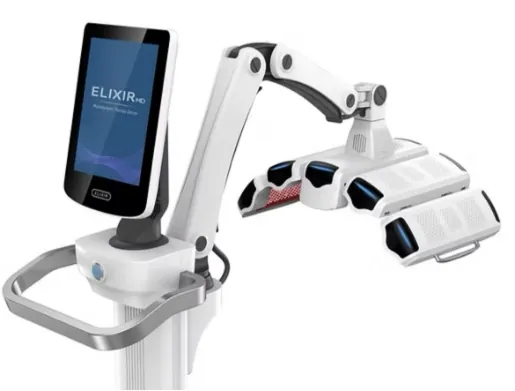
Benefits of Elixir MD
Enhanced post-operative recovery after rhinoplasty. Using LED light, Elixir MD™ stimulates the skin to accelerate wound healing and minimize scarring post-surgery.
Improved healing and cellular repair. Specific wavelengths stimulate collagen and elastin production, which are essential for healing after surgery.
Easier rhinoplasty recovery. Reduces inflammation responsible for swelling and pain after surgery.
Improved lymphatic drainage and blood flow. Enhances the delivery of nutrients and removal of waste for optimal healing.
Elixir MD Treatment Programs for Rhinoplasty
Elixir Detox
This pre-operative therapy uses blue light to reduce the number of bacteria, oils, and toxins on the skin, reducing surgical complications such as infection.
Elixir Cellular Repair
Post-rhinoplasty, Cellular Repair uses yellow light to improve circulation, reducing bruising and swelling, accelerating healing, and shortening recovery.
Elixir NeoXcell
The NeoXcell™ treatment program combines the benefits of Elixir Cellular and Thermal to boost healing and balance melanin production for a more even skin tone.
Elixir RoXium
RoXium™ uses yellow and blue light to reduce swelling/bruising, prevent skin oxidation, decrease sebum, minimize pores, and clear the complexion.
How Much Does Tip Rhinoplasty Cost in Philadelphia?
Tip rhinoplasty in Philadelphia can range from $5,000 to $12,500 or more. This wide range is due to multiple factors that must be considered in determining the overall costs. In addition, each procedure is individualized to the patient’s needs and desires and can fluctuate significantly between patients.
Factors Determining the Cost of Tip Reshaping Surgery
The overall costs of nasal tip surgery depend on the extent of correction needed, geographic location, surgeon experience, and fees associated with the surgical procedure.
Extent of Correction
The complexity of correction and needed procedures can differ significantly between procedures and may require additional incisions to obtain cartilage grafts from the ear or rib. The complexity of the surgery plays a significant role in determining the overall costs.
Geographic Location
Higher demands for cosmetic surgeries and higher operational costs associated with large cities, such as Philadelphia, and being on the East Coast result in increased operative costs.
Surgeon’s Experience
Nose tip reshaping is one of the more complex parts of rhinoplasty and requires an enhanced level of expertise and skill to be performed correctly. Selecting an experienced rhinoplasty surgeon who has successfully performed this procedure numerous times is invaluable. Surgeons having more experience are in higher demand and will often charge higher prices to remain competitive.
Surgical Fees
Depending on the extent of rhinoplasty tip refinement required, the procedure may need to be performed under general anesthesia in a surgery center or hospital, which can increase costs due to facility and anesthesia fees.
Before and AFter
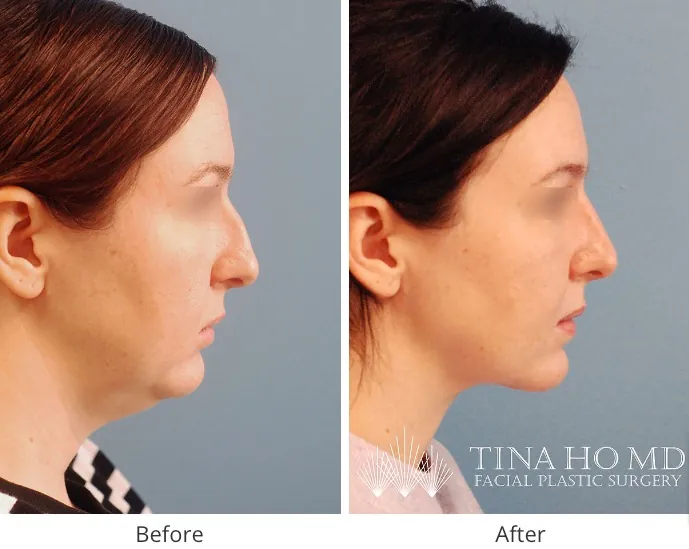
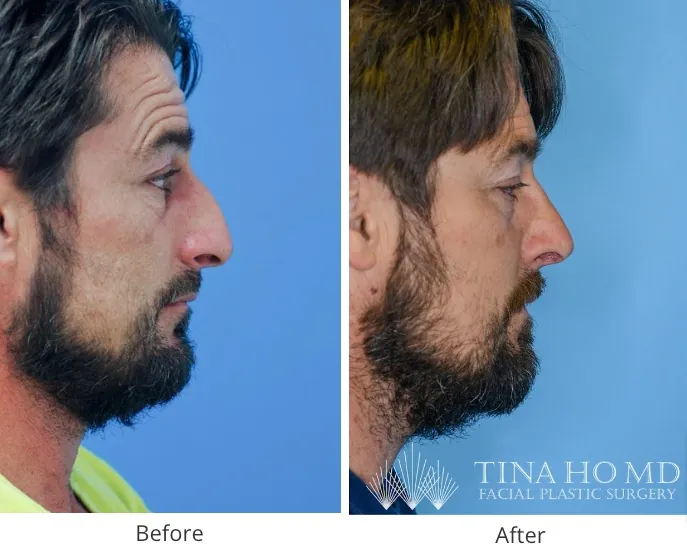
Dr. Ho’s Rhinoplasty Results
Septorhinoplasty: Before and After
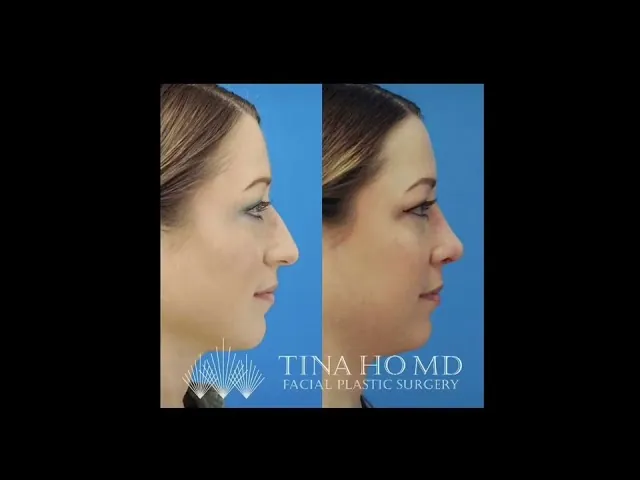
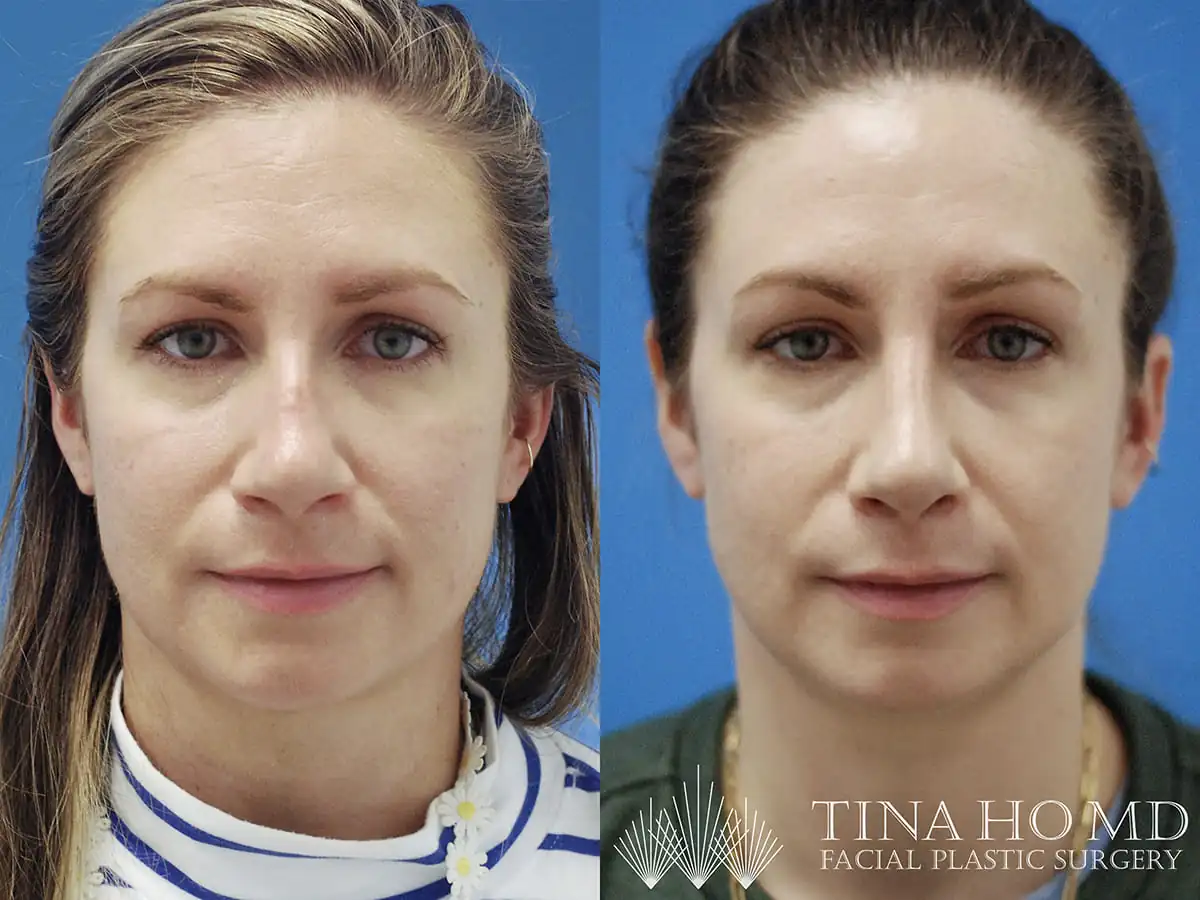
30 year-old female patient came to me for a rhinoplasty consultation, most bothered by nasal deformity issues including prominent nasal bones, crooked nose, nostril asymmetry, dorsal hump, and downturned, round tip with history of prior nasal trauma. We pursued an open septorhinoplasty to take down her hump and smooth out her nasal bones, straighten her nose, lift and refine her nasal tip and improve her nostril asymmetry. She wanted to maintain stronger, higher nasal bridge to preserve her Italian ethnicity. We are so thrilled with her beautiful, natural results demonstrated in this video on year later. Rhinoplasty is one of the most challenging procedures in plastic surgery – so many surgical techniques and maneuvers are implemented to create even the most subtle changes in the nose.
Rhinoplasty: Before and After
This wonderful female patient presented for rhinoplasty consultation, interested in improving the appearance of her nose. We pursued primary open rhinoplasty with ear cartilage graft to smooth down her dorsal hump, refine and lift her nasal tip, and reduce the width and size of her nostrils. We are so thrilled with her results.
Closed Rhinoplasty: Before and After
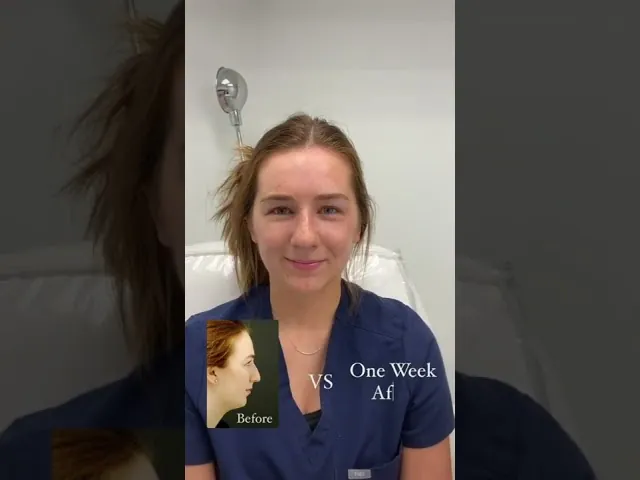
In the game of facial rejuvenation, often less is more for achieving beautiful, natural results. This wonderful patient desired a more conservative approach to rhinoplasty – she only wanted to take down her dorsal hump and slightly lift her nasal tip. Through a closed approach, we were able to help achieve her surgical goals. As illustrated in this rhinoplasty reveal reel, the patient demonstrated typical nasal swelling when her cast was removed one week following surgery. Her surgical results have been aging like fine wine over time since then – she looks amazing at three months out!

Real Patients, Real Results
Patient Testimonials
4.9 stars rating from 298 reviews

RealSelf
5 stars rating from 168 reviews
As Seen In
Dr. Tina Ho in the Press
Dr. Tina Ho has been featured in leading media publications that highlight her expertise in facial plastic surgery.