

Introduction to Chin Augmentation
A weak or ill-defined chin can disrupt facial harmony, causing other facial features such as the nose to appear off balance. Dr. Ho will improve your facial features and create a more balanced jaw line with a straightforward chin augmentation surge
What is Chin Augmentation?
Chin augmentation refers to a procedure that improves the projection of the chin area. Filler injection is one widespread non-surgical approach to chin augmentation, whereas surgical techniques typically involve placement of an alloplastic permanent implant. Common implant materials include silicone, Gortex, and mesh. A patient may be born with micrognathia (an undersized jaw associated with an underprojected chin) or develop a weak chin over time due to bony resorption changes in the jaw that occur with aging.
Chin augmentation is a common treatment option for patients seeking increased definition or projection in their chin and may be performed alone or in conjunction with other facial procedures. This procedure requires the expertise of a surgeon who specializes in plastic surgery of the face and understands facial anatomy well. Dr. Ho specializes in chin augmentation and performs each procedure according to the anatomic features and surgical goals of the individual patient.

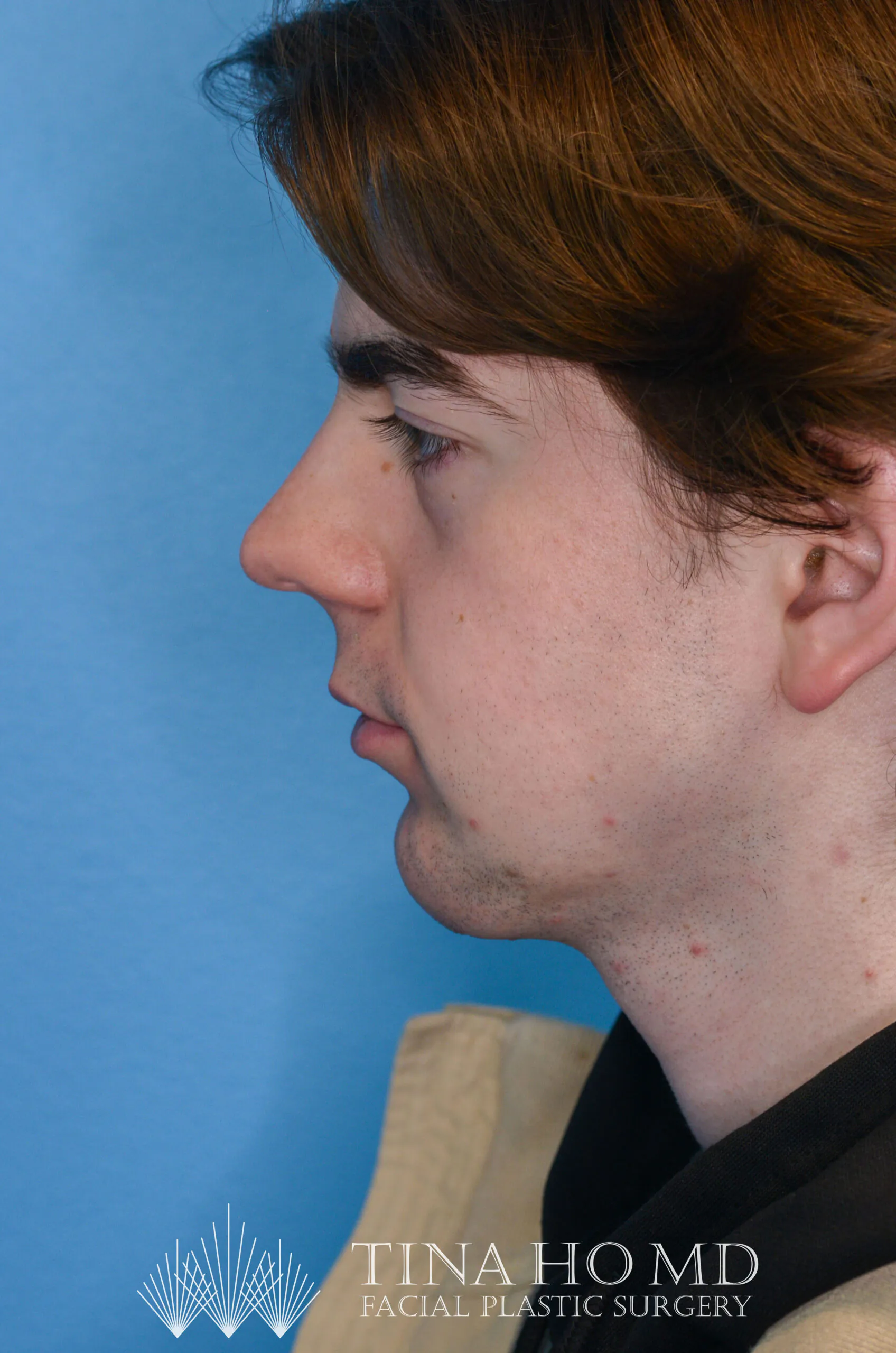
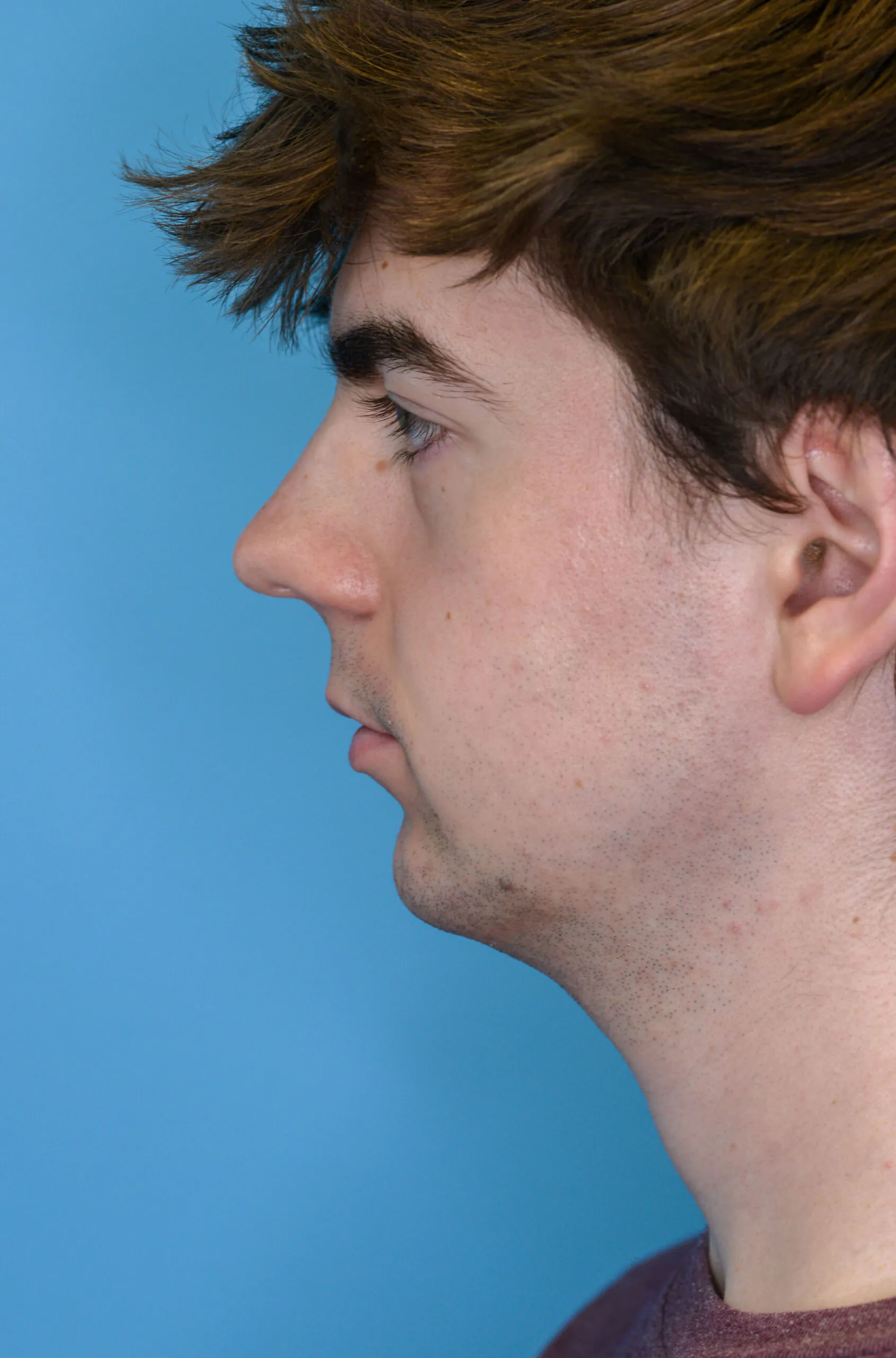

What Are Issues That Can Be Addressed With Chin Augmentation?
Weak jawline
Need a more masculine appearance
Lack of jawline definition
Underprojected chin
Lack of facial balance
Improves neck contouring
Dr. Ho is experienced in improving all of these issues with Chin Augmentation and will discuss with each patient her customized approach for each type of issue.






Why Choose Dr. Tina Ho?
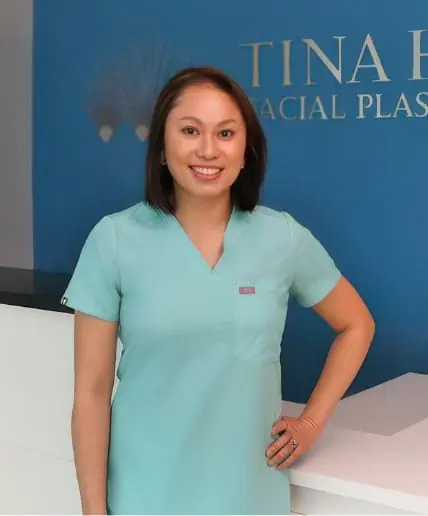
Dr. Tina Ho stands out among other surgeons in Philadelphia and Wayne as a female, double board-certified facial plastic surgeon with dedicated training in facial rejuvenation surgery. Unlike general plastic surgeons, Dr. Ho specializes exclusively in aesthetic and reconstructive procedures of the face and neck.
She understands that a facial rejuvenation, whether surgical or non-surgical, is both an art and a science — a highly detailed and complex procedure that requires technical precision and an artistic eye to achieve natural, harmonious results. Dr. Ho stays at the forefront of modern products and techniques to deliver the most refined and lasting outcomes for her patients.
From the initial consultation to every follow-up visit, Dr. Ho maintains an unwavering commitment to each patient. She takes the time to listen, plan, and tailor every step of the rejuvenation process to align with the patient’s unique anatomy for realistic aesthetic goals and ensure each person feels confident, supported, and deeply satisfied with their results. Her approach focuses on preserving the patient’s natural appearance while maximizing safety and minimizing recovery time.
Dr. Ho received advanced fellowship training under world-renowned facial plastic surgeons Dr. Dean Toriumi and Dr. Steven Dayan. Dr. Ho continually refines her surgical knowledge and techniques to offer the best outcomes for her patients by regularly attending national and international aesthetic meetings and learning from leading plastic surgeons across the country in the operating room setting. Her expertise extends across all aspects of surgical and non-surgical facial rejuvenation.
Dr. Ho is recognized regionally and beyond as one of Philadelphia and the Maine Line’s most trusted female facial plastic surgeons, with patients traveling from throughout Pennsylvania, New Jersey, and New York to seek her expertise.
What should patients expect after Chin Augmentation?
Each chin augmentation procedure is different and catered to the individual patient. Therefore, the extent of swelling, bruising, and tenderness that occur after surgery will vary by patient. Every chin augmentation patient will follow-up with Dr. Ho within one week after surgery for a post-operative check and suture removal. Each patient will then follow-up again at weeks to months out at regular intervals for re-evaluation. The down time for chin augmentation alone is usually minimal; most patients can return to normal daily activities apart from heavy lifting, straining, and strenuous activity the day after surgery. Patients should expect immediate bruising and swelling in the chin area after surgery that can be managed well with icing and head elevation and typically resolve within a week or two after surgery. Post-operative pain is usually mild and managed well with prescribed pain medication. Improvement in the appearance of the chin is usually immediately observed after surgery, with the final result noted after most of the bruising and swelling has subsided. Dr. Ho seeks regular follow-up with her patients to ensure that every patient heals well and is satisfied with their surgical outcome.
Your Chin Augmentation Consultation
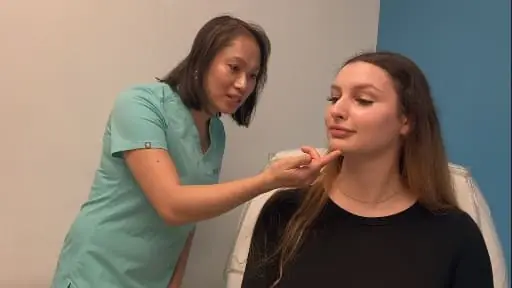
Your consultation for chin augmentation will include a careful evaluation of your facial profile, jawline, and chin projection to determine the best options to enhance the chin. Dr. Tina Ho will review your medical history, including any prior facial procedures, medications, and conditions that could impact healing. You will discuss your aesthetic goals, concerns, and the specific look you wish to achieve, allowing Dr. Ho to design a personalized treatment plan. She will explain the augmentation options, surgical approach, potential risks, recovery process, and expected outcomes, ensuring you feel informed, confident, and prepared to achieve a proportionate and refined facial profile. There may be an opportunity for Dr. Ho to review chin implant types and sizing with you.
Post-Operative Instructions for Chin Augmentation
These post-operative care instructions are for patients who have undergone chin augmentation surgery, and they are crucial for achieving optimal results. Patients should adhere to these guidelines and contact Dr. Ho or her staff with any questions regarding their post-operative care.
Expand each section below for more information.
Chin Augmentation Recovery and Healing
Following your chin augmentation procedure, patients typically require about one to two weeks for recovery. Swelling, bruising, and mild discomfort in the chin and lower face are common and gradually improve over time. Pain is generally mild and can be managed with over-the-counter medications.
Patients are advised to limit strenuous activity and avoid pressure on the chin during early healing. However, the majority of individuals return to normal activities within 7–10 days. While noticeable improvements appear early, final results become more refined over several weeks to months as swelling subsides.
Enhance Your Recovery with Elixir MD
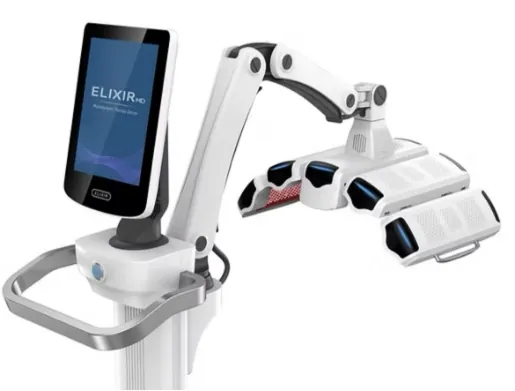
The Elixir MD™ is an innovative recovery tool that offers various treatment programs using different LED light wavelengths to achieve specific pre and post-surgical goals. These programs are supported by advanced artificial intelligence temperature controls and adjustable settings to address a range of concerns and goals. This non-invasive therapy is safe, painless, and can reduce infections after surgery while also enhancing recovery and minimizing scarring after rhinoplasty surgery.
Benefits of Elixir MD
Enhanced post-operative recovery after rhinoplasty. Using LED light, Elixir MD™ stimulates the skin to accelerate wound healing and minimize scarring post-surgery.
Improved healing and cellular repair. Specific wavelengths stimulate collagen and elastin production, which are essential for healing after surgery.
Easier rhinoplasty recovery. Reduces inflammation responsible for swelling and pain after surgery.
Improved lymphatic drainage and blood flow. Enhances the delivery of nutrients and removal of waste for optimal healing.
Elixir MD Treatment Programs for Rhinoplasty
Elixir Detox
This pre-operative therapy uses blue light to reduce the number of bacteria, oils, and toxins on the skin, reducing surgical complications such as infection.
Elixir Cellular Repair
Post-rhinoplasty, Cellular Repair uses yellow light to improve circulation, reducing bruising and swelling, accelerating healing, and shortening recovery.
Elixir NeoXcell
The NeoXcell™ treatment program combines the benefits of Elixir Cellular and Thermal to boost healing and balance melanin production for a more even skin tone.
Elixir RoXium
RoXium™ uses yellow and blue light to reduce swelling/bruising, prevent skin oxidation, decrease sebum, minimize pores, and clear the complexion.
Understanding the Risks of Chin Implant/Augmentation
Chin implant/augmentation surgery is a safe and effective procedure that can improve facial balance and enhance chin projection. As with any surgical procedure, there are potential risks and complications, but serious problems are uncommon. During your consultation, Dr. Ho will review these risks with you and discuss the steps taken to help minimize them.
The most common risks associated with surgery include bleeding, infection, pain, swelling, bruising, and temporary discomfort during the healing process. Most patients experience some degree of swelling and tenderness after surgery, which gradually improves over the first several weeks. Although uncommon, a collection of blood (hematoma) or fluid (seroma) may develop and occasionally require treatment. Scars generally heal well and are carefully placed to be as inconspicuous as possible, but individual healing varies, and some patients may develop more noticeable scars than expected.
As the tissues heal, minor asymmetries, contour irregularities, or differences between the two sides of the face may occur. While every effort is made to achieve the desired cosmetic outcome, some patients may feel that additional refinement is needed and may choose to undergo a secondary procedure.
Risks specific to chin implant surgery include temporary or, rarely, prolonged numbness of the chin or lower lip, changes in sensation, facial weakness, or changes in the way the lips move when smiling. In uncommon cases, the implant can shift from its intended position (implant malposition) or become exposed (implant extrusion), which may require additional treatment. Over time, some patients may develop bony resorption, a gradual change in the underlying bone where the implant rests. Despite these risks, most patients heal without significant complications and are pleased with their results.
What is the cost of Chin Augmentation?
The cost of a surgical chin augmentation by Dr. Tina Ho varies by patient and type of implant needed, may be significantly less if combined with other procedures at time of surgery including rhinoplasty, facelift, and neck lift. The average cost is $7,000-$9,000, which includes the cost of implants plus facility fees.
Filler starts at $800/syringe, may need minimum 1-2 syringes or more for adequate results.
Before and after videos
Dr. Ho’s Chin Augmentation Results
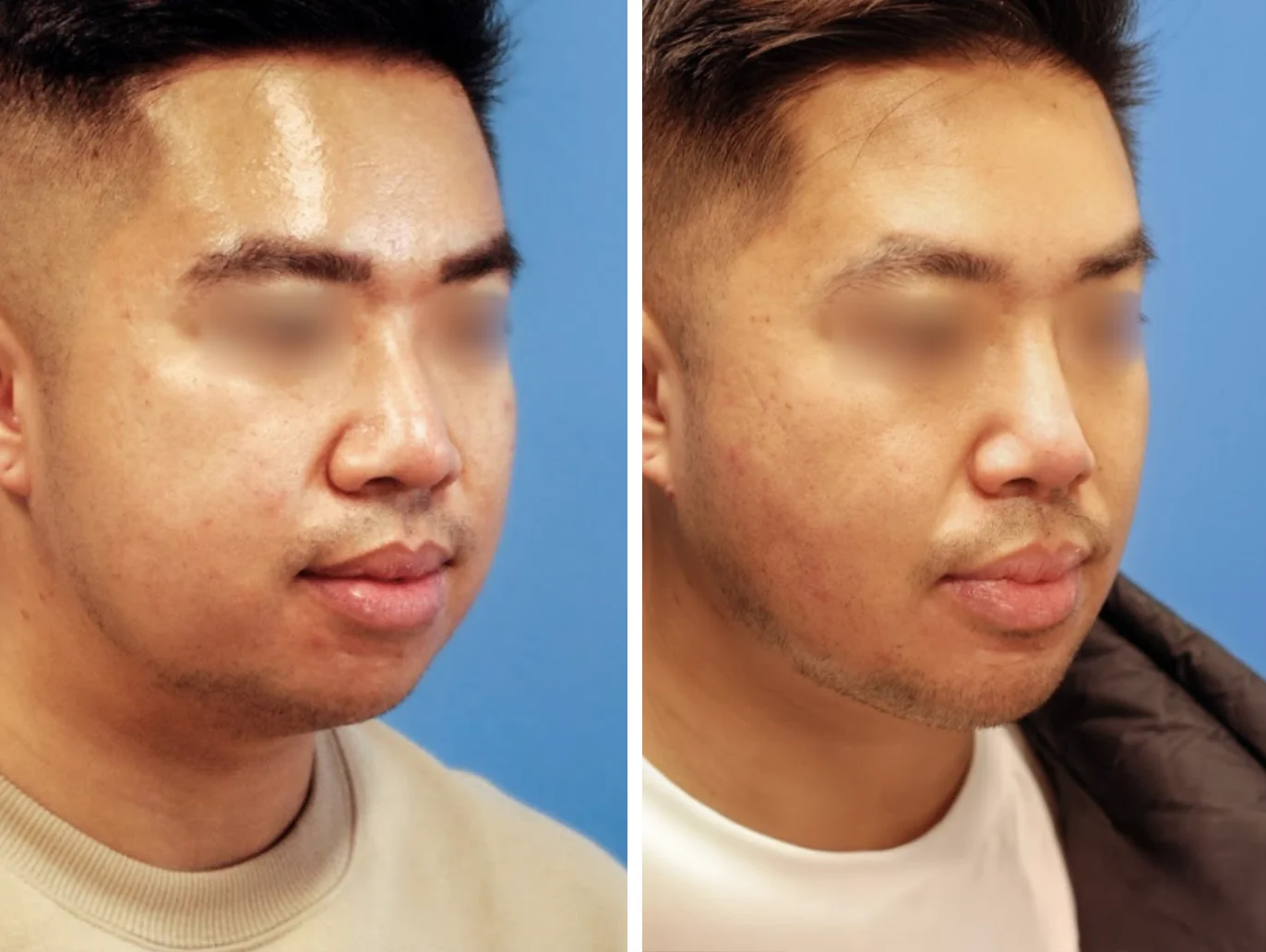
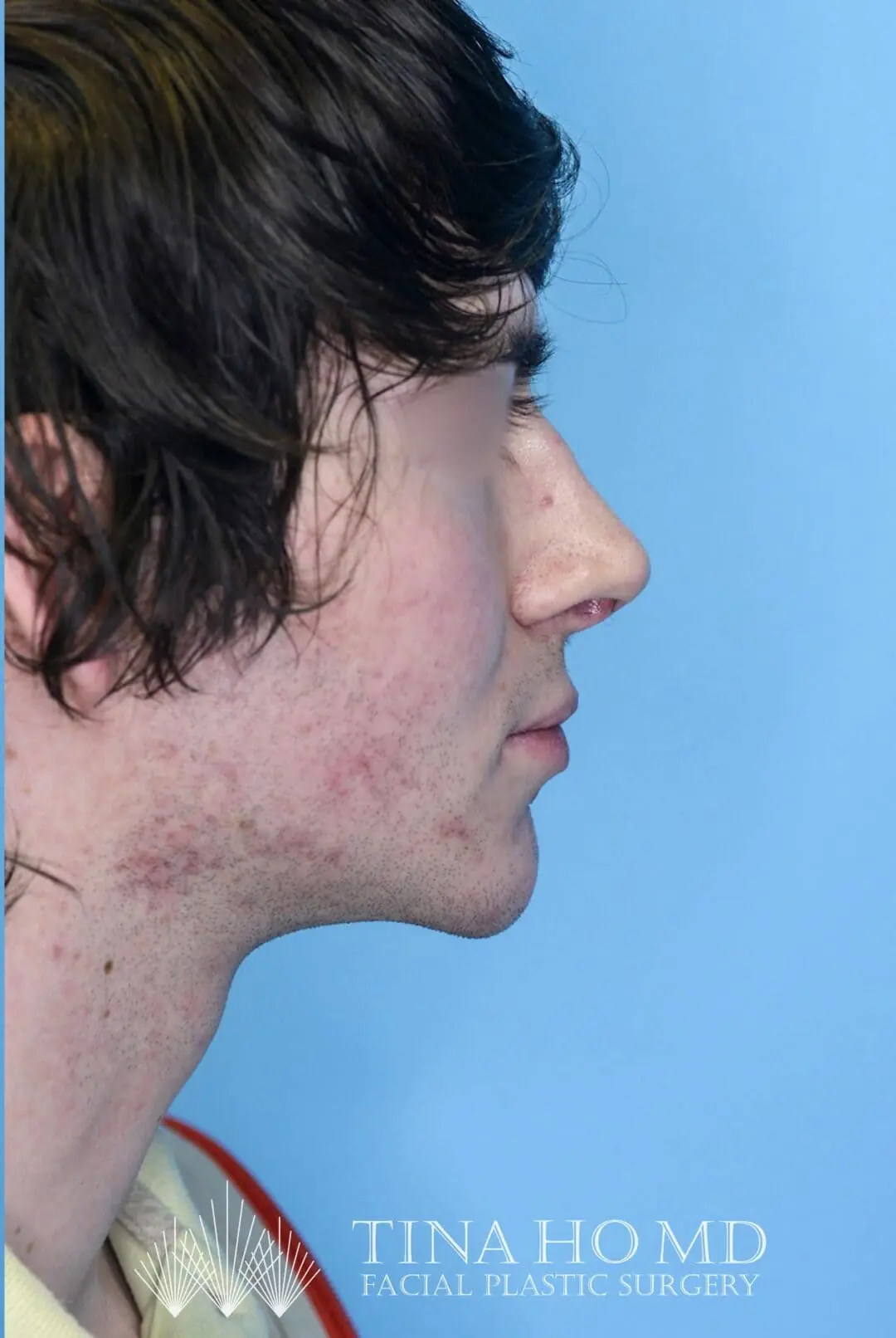
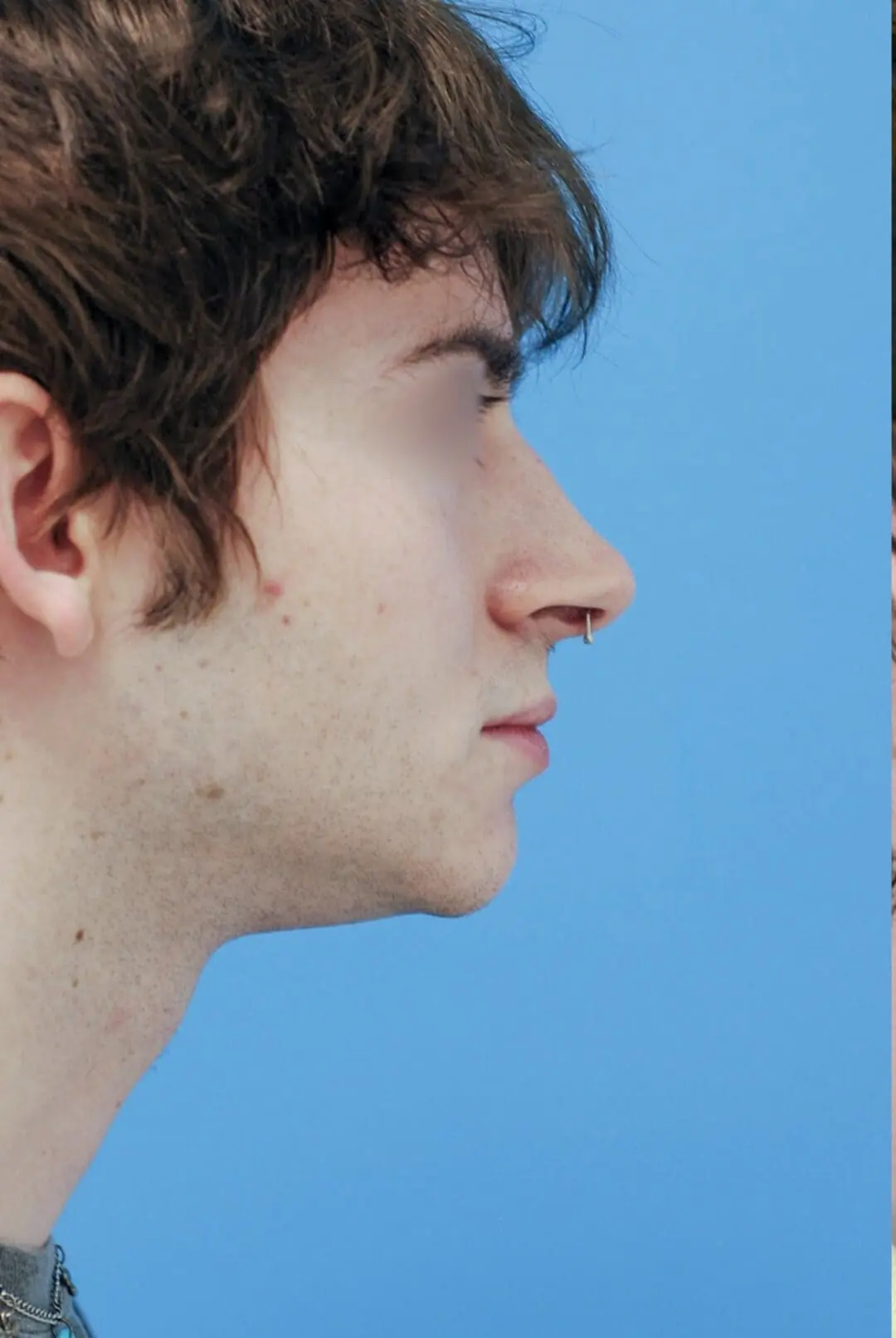
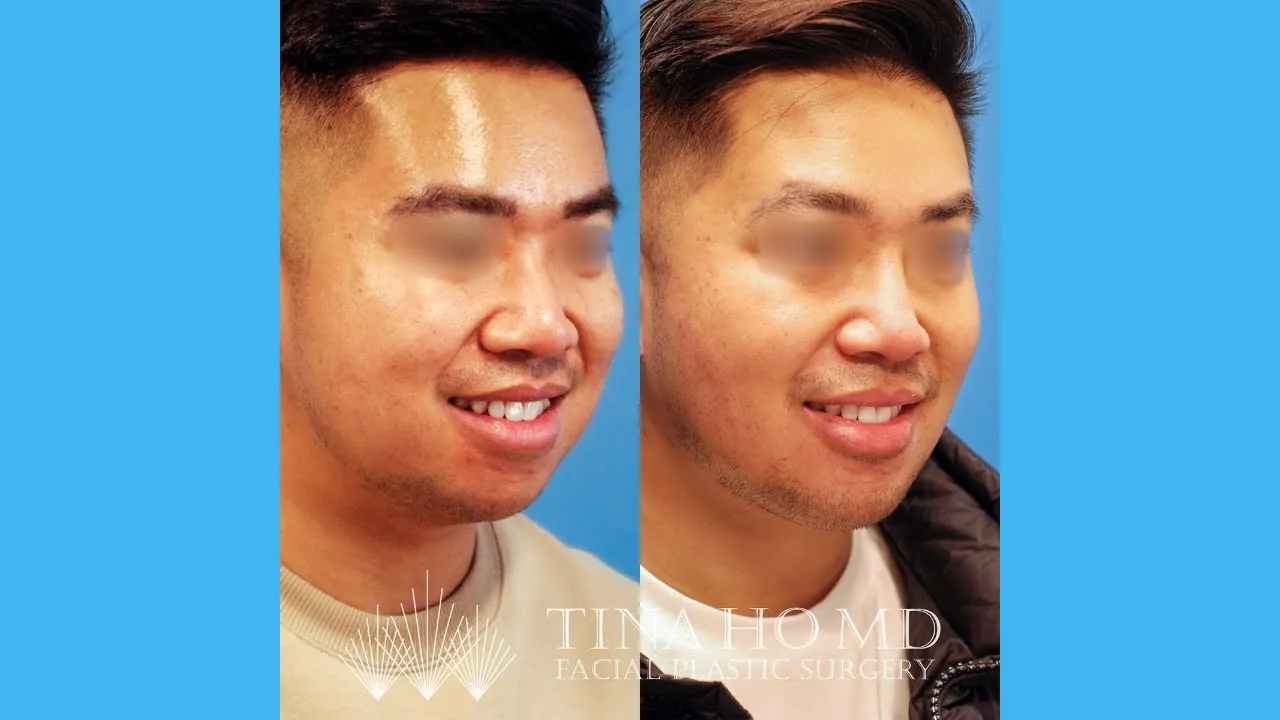
Nasal + Facial and Jawline Contouring Surgery: Before and After
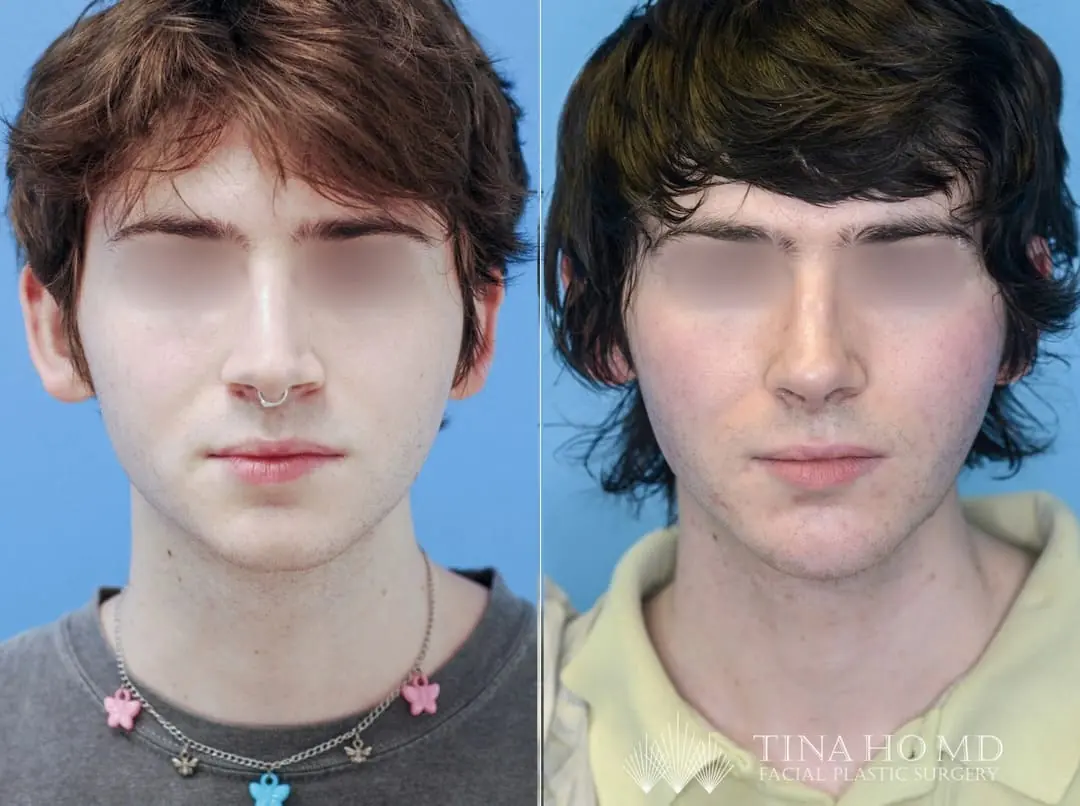
This wonderful male patient in his 30s came to me for consultation, interested in surgery to enhance his nasal contour as well as facial and jawline contour. We pursued multiple procedures at the time of his surgery including rhinoplasty with ear cartilage graft to augment his radix (upper nasal bridge), refine his nasal tip, and decrease his nostril width, buccal fat reduction for facial slimming, and chin liposuction with implant for jawline and neck contouring. The after photos illustrate his surgical outcome one year later. We are so thrilled with his beautiful, natural results.
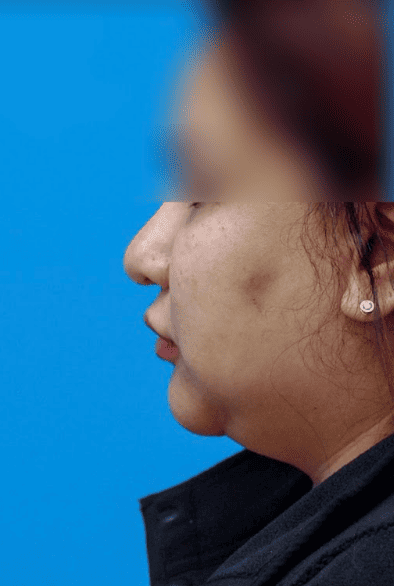
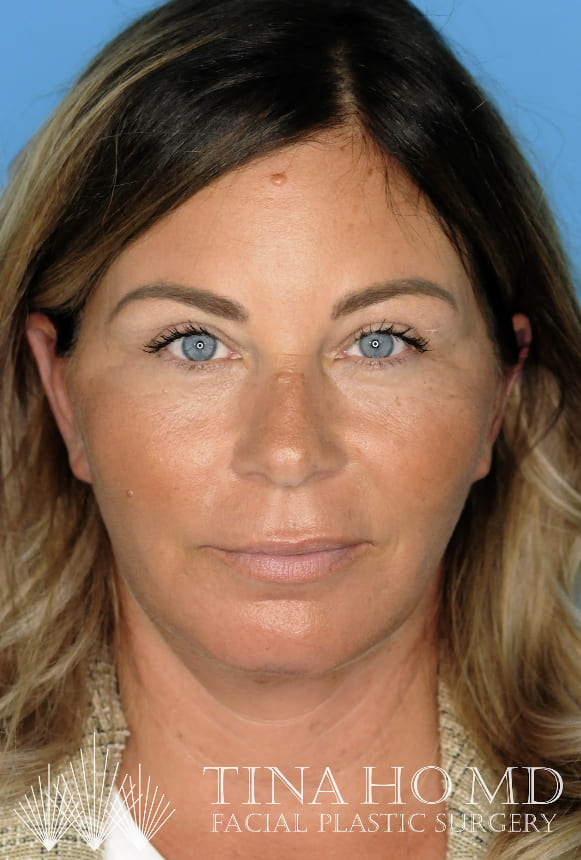
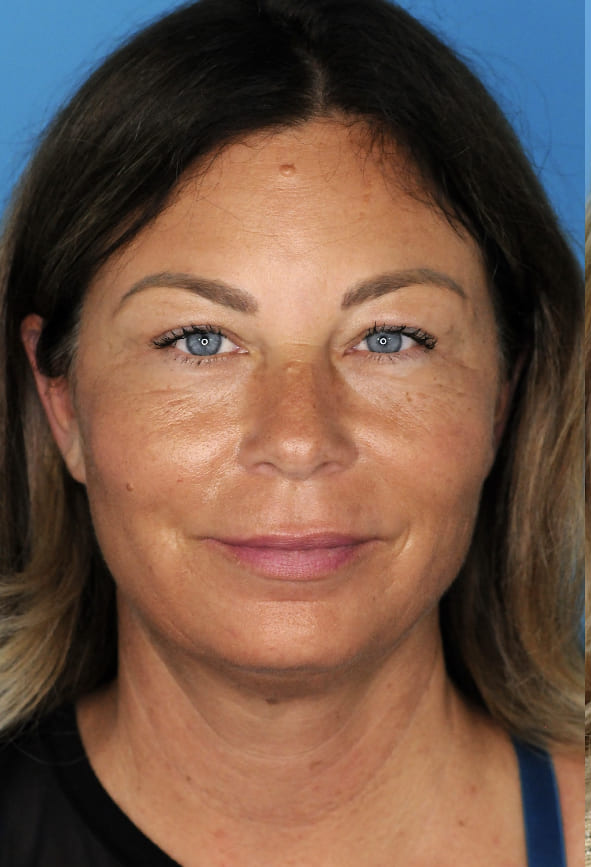
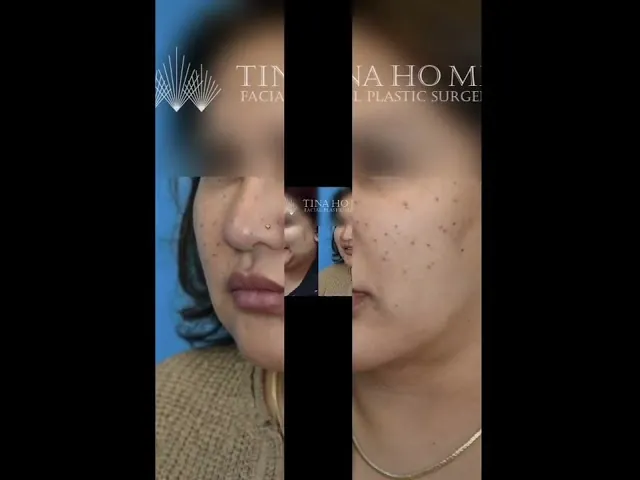
Nasal and Chin Augmentation: Before and After
This lovely female patient had a history of prior cosmetic facial surgery including rhinoplasty, buccal fat removal, and chin liposuction. She desired additional nasal tip refinement and jawline and neck contouring. We pursued revision rhinoplasty as well as deep neck lift with chin augmentation. Patients with thicker nasal skin and facial skin overall tend to have less dramatic results and take longer to heal. We are so thrilled with her surgical outcome one year out.

Real Patients, Real Results
Patient Testimonials
4.9 stars rating from 298 reviews

RealSelf
5 stars rating from 168 reviews
As Seen In
Dr. Tina Ho in the Press
Dr. Tina Ho has been featured in leading media publications that highlight her expertise in facial plastic surgery.










Related Procedures
Explore additional procedures that complement a your procedure for balanced, natural-looking rejuvenation.

It is common for other procedures to be performed at the same time as chin augmentation, depending on the patient’s anatomic issues and surgical goals. Chin augmentation is often done in conjunction with rhinoplasty, as a well-balanced and proportionate chin contributes to facial harmony. Chin projection and appearance ultimately impacts the perceived appearance of the nose, as a weak chin may make the nose appear larger and vice versa. Dr. Ho is experienced in a wide range of aging face procedures and will thoroughly evaluate each patient and discuss with them whether they would benefit from additional procedures.
Dr. Ho believes that while every face is unique, the ideal chin demonstrates good projection and contributes to a smooth, well-defined jawline. Male patients often seek a more defined and square-appearing chin to reflect a more masculine look compared to their female counterparts. The most anterior point of an ideal chin should be at or approach a vertical line referred to as the Zero Meridian of Gonzalez-Ulloa that runs through the nasion (root of the nose) and is perpendicular to the Frankfort horizontal line, which runs through the inferior orbital rim and superior limit of the ear canal. Dr. Ho uses this anatomic principle as a foundation for her surgical technique as well as her aesthetic intuition in chin augmentation.
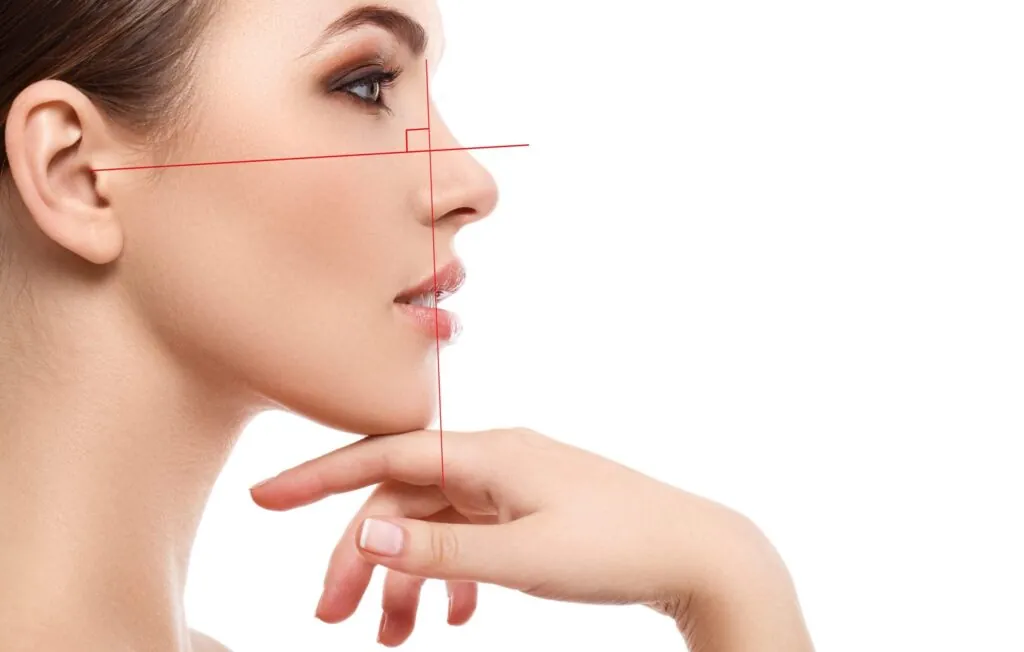
On profile view, the most anterior point of an ideal chin should be at or approach a vertical line (Zero Meridian of Gonzalez-Ulloa) that runs through the root of the nose and is perpendicular to a horizontal line that runs through the inferior orbital rim and superior limit of the ear canal (Frankfort horizontal line).
The cost of a surgical chin augmentation by Dr. Tina Ho varies by patient and type of implant needed, may be significantly less if combined with other procedures at time of surgery including rhinoplasty, facelift, and neck lift. The average cost is $7,000-$9,000, which includes the cost of implants plus facility fees.
Filler starts at $800/syringe, may need minimum 1-2 syringes or more for adequate results.